What Is an Inbound Call Center?


So, what is an inbound call center? It's a specialized department that exclusively handles incoming customer communications. These interactions come through various channels, with messaging now being the fastest-growing way for customers to connect with businesses. The main objective of an inbound contact center is to deliver outstanding service and support. This dedicated service helps resolve customer inquiries, fostering a positive customer experience. Modern tools, such as the Sobot call center from Sobot, powered by Sobot AI, are crucial for this essential customer service function.
What Is an Inbound Call Center?

The Primary Goal: Service and Resolution
The primary goal of an inbound call center is to provide excellent service and resolve customer issues efficiently. When customers reach out, they expect timely and effective answers. This focus on resolution is what defines high-quality customer service. Success is often measured by key metrics that show how well a team is performing.
Key Performance Indicators (KPIs) for Inbound Success:
- First Call Resolution (FCR): Solving a customer's problem during the first interaction.
- Customer Satisfaction (CSAT): A direct measure of how happy customers are with the service they received.
Achieving high scores in these areas is the core mission that answers the question, what is an inbound call center? It is a function dedicated to customer satisfaction through effective problem-solving.
Key Differences from Outbound Centers
While both are call centers, their objectives are very different. An inbound call center reacts to customer needs, handling incoming calls and messages. In contrast, an outbound center proactively initiates contact for sales, surveys, or appointments. This fundamental difference shapes their goals and how call center agents measure success. Whether a company uses an in-house team or call center outsourcing, these distinct goals remain.
| Inbound Call Center Focus | Outbound Call Center Focus |
|---|---|
| Customer Satisfaction (CSAT) | Conversion Rate |
| First Call Resolution (FCR) | Call Pickup Rate |
| Average Handle Time (AHT) | Agent Occupancy Rate |
Understanding what is an inbound call center involves recognizing its reactive, service-oriented nature, which sets it apart from proactive outbound efforts.
The Modern Omnichannel Approach
Today, the best inbound call center services go beyond phone calls. A modern inbound contact center uses an omnichannel approach, integrating all customer interactions into one unified view. About 25% of contact centers now use these tools to manage inbound interactions across channels like email, chat, and social media.
This strategy empowers call center agents by giving them a complete history of every customer interaction. Customers no longer need to repeat their issues when switching channels. This seamless experience removes friction, boosts satisfaction, and helps agents resolve issues faster on the first try. This is what is an inbound call center in the modern era—a hub for all customer service communications.
Core Inbound Call Center Services
An inbound call center provides a wide range of essential services. These functions are the backbone of customer relations for many businesses. They ensure customers receive the help they need, when they need it. The specific inbound call center services a company offers depend on its industry and customer needs.
Customer Service Support
The most fundamental service is customer service support. This is the front line for most customer interactions. Agents handle a variety of general inquiries to help customers and resolve their concerns. Effective customer service builds trust and keeps customers happy.
Common customer support tasks include:
- Helpdesk Services: Agents address minor bugs and guide customers on product usage.
- Billing Inquiries: They clarify charges, explain invoices, and assist with payment questions.
- Account Management: This involves helping customers with their account details or membership status.
- Upgrades and Renewals: Call center agents guide customers through renewing subscriptions or upgrading their products.
This broad support ensures customers have a reliable point of contact for any non-technical question or issue.
Technical and Product Assistance
Some issues require more specialized knowledge. Technical support is a critical service for companies with complex products, software, or hardware. Customers with technical problems need quick and accurate solutions. Industry standards suggest that agents should answer 80% of calls within 20 seconds. This speed is vital for a good customer experience.
Providing excellent technical support requires highly trained call center agents. Simple product familiarity is not enough.
This deep knowledge, combined with strong problem-solving skills, empowers agents to handle everything from simple troubleshooting to complex technical investigations.
Order and Payment Processing
Many businesses rely on an inbound call center to handle sales and transactions. Agents take orders over the phone, process payments, and manage related inquiries. This service is especially important for customers who prefer not to order online or need assistance with the process.
Modern technology greatly improves this function. Automation can handle many parts of the order entry process. This leads to significant benefits:
- Improved Accuracy: Automated systems match part numbers and pricing against company data in real-time, reducing human error.
- Increased Speed: Touchless order entry drastically cuts down the time from order to shipment.
- Better Inventory Management: Integration with inventory systems automatically validates product availability and can trigger restock alerts.
This efficiency allows agents to process more orders correctly and gives them more time to assist customers with complex needs.
Scheduling and Reservations
For many service-based industries, managing appointments is a core business function. An inbound call center can handle all scheduling and reservation requests. This frees up on-site staff to focus on providing their primary service.
Several industries depend heavily on this capability:
- Healthcare: Patients call to book, reschedule, or cancel appointments with doctors and clinics.
- Transportation: Customers make travel reservations and book tickets for flights, trains, or buses.
- Event Management: Agents manage reservations and ticket sales for concerts, conferences, and other events.
Using dedicated systems for this interaction can produce impressive results. For example, automated reminders can reduce no-show rates by up to 25%. This ensures smoother operations and protects revenue for the business.
Key Benefits of an Inbound Call Center
A well-run inbound call center offers significant advantages that go far beyond just answering calls. It becomes a strategic asset that boosts satisfaction, improves operational processes, and strengthens the brand. These benefits directly contribute to a company's long-term success.
Improved Customer Satisfaction
The primary benefit of an effective inbound call center is a direct increase in customer satisfaction. When customers receive fast and helpful service, their perception of the brand improves. There is a strong link between first call resolution and satisfaction. For every 1% improvement in call resolution, customer satisfaction scores also tend to rise by 1%.
Leading companies demonstrate this connection clearly. For example, the online supermarket Weee! implemented an advanced voice solution and achieved an impressive 96% customer satisfaction score, showing the power of a dedicated service strategy.
Increased Operational Efficiency
Modern technology empowers call center agents to work smarter, not harder. An organized inbound call center streamlines workflows, which boosts overall efficiency. With unified tools, call center agents can access customer history and resolve issues without switching between multiple systems. This reduces handle times and allows each agent to manage more customer interactions effectively.
The Weee! case study provides a concrete example of this. After upgrading its systems, the company saw a 20% increase in agent efficiency and a 50% reduction in resolution time. This level of efficiency allows a business to handle more inquiries without needing to expand its team.
Enhanced Brand Image and Loyalty
Every positive interaction a customer has with a company builds trust and enhances brand loyalty. A professional customer service team acts as the face of the brand. Providing a consistent and positive customer experience is one of the most effective ways to build a loyal following. Factors like personalization and active engagement also play a crucial role.
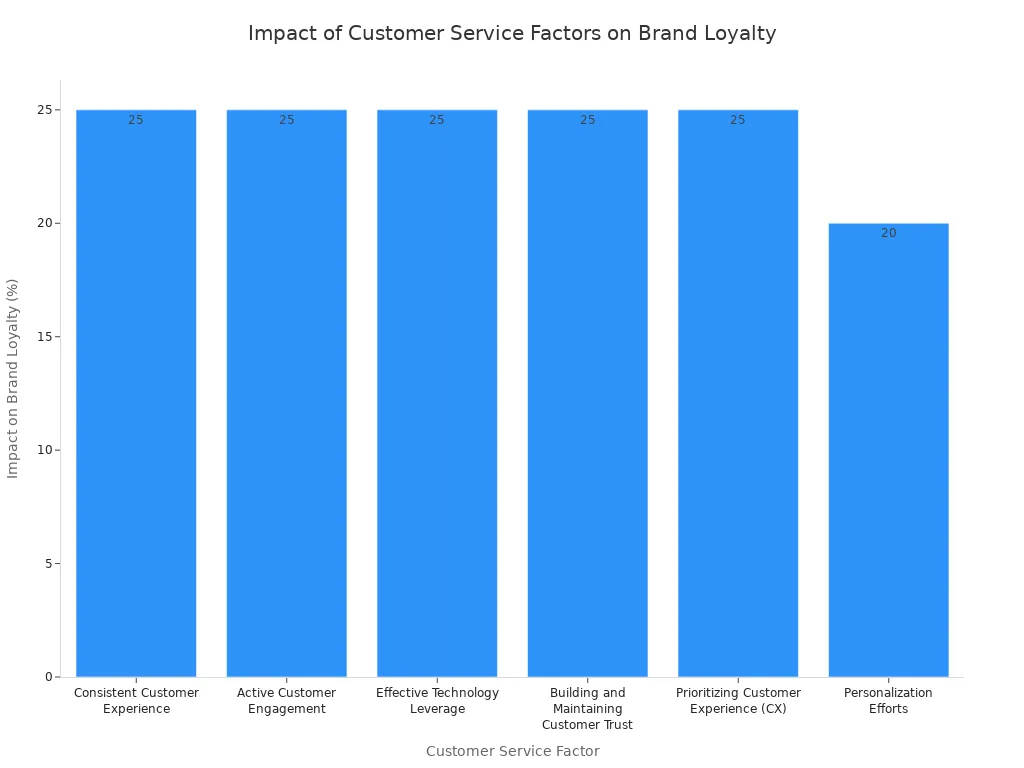
As the data shows, a better customer experience directly translates to stronger loyalty, turning satisfied customers into long-term advocates for the brand.
Valuable Customer Data Insights
An inbound call center is a goldmine of customer data. Call center agents are on the front lines, hearing directly from customers about their challenges, needs, and opinions. This direct feedback is incredibly valuable.
Businesses can analyze this information to:
- Identify common product issues or bugs.
- Understand customer pain points.
- Gather ideas for new features or services.
- Measure the effectiveness of marketing campaigns.
This data helps companies make smarter, customer-centric decisions to improve their products and the overall customer experience.
Technologies That Power an Inbound Call Center
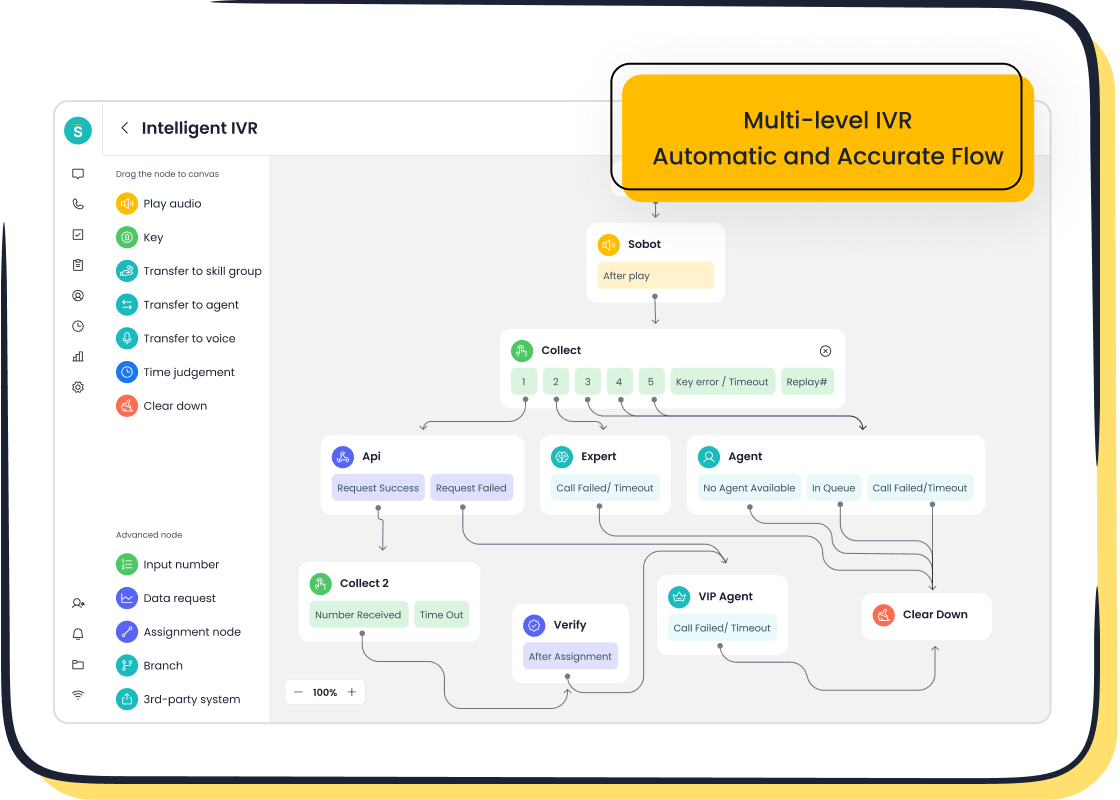
Modern technology transforms a standard inbound call center into a powerful hub for customer service. Advanced platforms, like Sobot's Voice/Call Center, bundle these essential tools into one comprehensive solution. These technologies help call center agents work more efficiently and deliver a better customer experience.
IVR and Smart Call Routing
Interactive Voice Response (IVR) is a system that greets callers and guides them through a menu. Modern IVR systems can resolve up to 74% of issues without needing a human agent. Platforms like Sobot make this easy with a drag-and-drop Intelligent IVR, allowing businesses to customize call flows in real time.
When a caller does need to speak with someone, smart call routing takes over. This technology directs the call to the best-suited agent based on their skills. This process reduces call handling times by 30-40 seconds, getting customers the right help faster.
CRM Integration and Unified Workspace
Call center agents often need to switch between different applications to find customer information. This slows down the service. A unified workspace solves this problem by integrating with a Customer Relationship Management (CRM) system.
Solutions like Sobot offer seamless integration with existing CRMs. This gives call center agents a single screen with all customer data and interaction history. This integration boosts agent productivity significantly, improving overall efficiency.
AI-Powered Voicebots
AI-powered voicebots are changing how businesses handle inbound interactions. By 2025, AI is expected to manage 95% of all customer interactions. Voicebots can answer common questions 24/7, which reduces customer wait times and can lower operational costs by 30%. This frees up human agents to focus on more complex problems.
Analytics and Quality Assurance
To ensure high-quality service, an inbound call center must track its performance. Analytics tools monitor key metrics to measure success.
- First Call Resolution (FCR): Was the issue solved on the first try?
- Customer Satisfaction (CSAT): How happy was the customer with the interaction?
- Average Handle Time (AHT): How long did the call take?
Top-tier providers like Sobot guarantee system reliability with a 99.99% SLA and global network support. This ensures that whether a company uses an in-house team or call center outsourcing, the technology is always available to support excellent customer service.
An inbound call center is a vital function for managing all customer inquiries. It is central to a positive customer experience. The main purpose of this service is to solve problems and strengthen customer relationships. Advanced solutions like Sobot's inbound contact center provide the tools needed for success. Understanding what is an inbound call center is the first step. Now, you can improve your own operations.
Ready to enhance your customer support? Explore Sobot's all-in-one contact center solutions and embark on your contact journey today.
FAQ
What is the main purpose of an inbound call center?
An inbound call center's primary goal is to manage incoming customer communications. Agents provide support, answer questions, and resolve issues. This function is essential for maintaining high levels of customer satisfaction and building strong relationships with customers.
What types of businesses use an inbound call center?
Nearly every industry can benefit from an inbound call center. Businesses in retail, healthcare, finance, and technology use them to handle customer service, technical support, and order processing. They are a vital part of modern customer relations for companies of all sizes.
How is success measured in an inbound call center?
Success is measured using Key Performance Indicators (KPIs). Important metrics include Customer Satisfaction (CSAT), First Call Resolution (FCR), and Average Handle Time (AHT). These numbers help businesses track agent performance and the quality of the customer experience.
What technology is essential for an inbound call center?
Modern inbound call centers rely on key technologies. Interactive Voice Response (IVR) and smart call routing direct callers efficiently. CRM integration provides agents with a unified view of customer data. These tools, like those offered by Sobot, boost efficiency and improve service.
See Also
Understanding the Essentials of a Modern Remote Call Center
Exploring Medical Call Center Services and Their Key Advantages
Unveiling the Power of Call Center Voice Analytics Technology
Optimizing Operations: How Call Center Automation Boosts Efficiency
Discovering the Essential Features of CRM Call Center Software

