The AI Customer Service Tool Explained

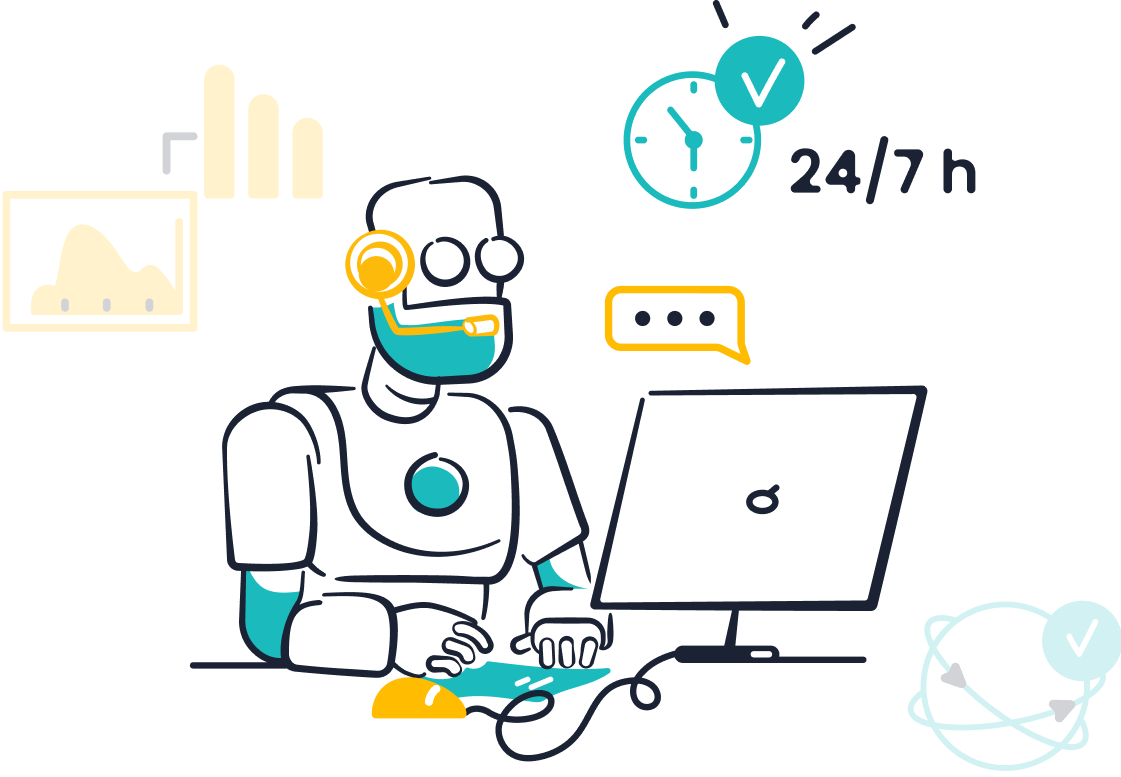
An AI customer service tool is a type of software. It uses artificial intelligence to automate and improve customer support. Many AI customer service tools use advanced AI to help each customer. Top brands are using AI customer service tools to achieve amazing results.
For example, some businesses see customer repurchase rates climb over 50% after using these AI tools.
Leading AI customer service tools from companies like Sobot are changing the customer experience. Understanding how AI in customer service works is important. This knowledge helps businesses provide better service and support. A good service experience keeps a customer happy. These AI customer service tools provide that great service.
How an AI Customer Service Tool Works

AI customer service tools seem complex, but their operation can be understood by looking at a few core technologies. These tools work together to automate, understand, and improve customer service interactions. This process creates a better experience for every customer. The software uses a combination of smart automation and deep learning to deliver fast, accurate support.
Automating Responses and Tasks
The most direct function of AI customer service tools is automation. Automation handles simple, repetitive tasks that take up a lot of agent time. This allows the AI to provide instant answers to common questions. The goal of automation is to resolve issues quickly without needing a human. This frees up your support team to focus on more complex customer problems.
Many routine customer service tasks can be fully automated. These often include:
- Order tracking
- Processing refunds
- Guiding account setup
- Providing basic troubleshooting steps
This level of automation ensures a customer gets an immediate response, improving the overall service experience.
Understanding Customer Intent with NLP
AI in customer service goes beyond simple keyword matching. It uses a technology called Natural Language Processing (NLP) to understand the meaning behind a customer's words. NLP allows an AI to analyze a customer message, identify the topic, and even detect the customer's emotion.
For example, NLP can tell the difference between "Where is my order?" and "I'm upset my order is late." The first is a simple query. The second expresses frustration. The AI can then tailor its response or escalate the issue to a human agent.
This process involves a few key steps:
- Preprocessing: The AI first cleans the customer's text. It removes extra words or symbols to focus on what is important.
- Model Application: It then uses advanced models to find themes and feelings. This includes Sentiment Analysis, which measures if the customer's opinion is positive or negative.
- Categorization: Finally, the AI groups the query based on the customer's intent. This turns messy text data into organized information for a better response.
This technology helps AI customer service tools understand context, making the conversation feel more natural and human.
Learning and Improving with Machine Learning
A powerful feature of modern AI customer service tools is their ability to learn. They use machine learning (ML) to get smarter with every interaction. The AI is not programmed with every possible answer. Instead, it learns from new data.
Each conversation becomes training data. The AI analyzes customer questions and the effectiveness of its answers. This continuous learning process helps the AI refine its algorithms. It learns to recognize customer intent more accurately and predict follow-up questions. ML models analyze customer feedback from chats and surveys. This feedback is fuel for continuous improvement. Over time, the AI evolves from a simple response tool into an adaptive, context-aware assistant. This ensures the quality of the service it provides is always getting better.
Personalizing Customer Interactions
Customers today expect a personalized experience. AI customer service tools deliver this by using data to tailor each conversation. This is called personalization. Personalization makes a customer feel understood and valued. The AI can access different data sources to create this unique experience.
These data sources often include:
- Customer information from websites, mobile apps, and CRMs
- Purchase patterns and online behaviors
- Data from current and past customer service interactions
Using this information, an ai customer service tool can provide personalized support. For example, it can greet a returning customer by name, reference their past purchases, and offer relevant product recommendations. This level of personalization strengthens the customer relationship and improves the overall customer experience. The goal of personalizing customer interactions is to make every customer feel like they are receiving one-on-one attention.
Integrating with Human Agents
AI is not here to replace human agents. It is here to support them. The best customer support strategies combine the speed of AI with the empathy and problem-solving skills of humans. AI customer service tools integrate smoothly with human agent workflows.
This integration works in several ways. The AI can handle the initial contact, gather information, and solve simple issues. If a problem is too complex, the AI seamlessly transfers the conversation to a human agent. It provides the agent with the full chat history and customer data. This means the customer does not have to repeat themselves. This teamwork makes the entire support process more efficient. It ensures that the customer always gets the right level of support for their specific need, creating a better service journey.
Common AI Customer Service Tools
Businesses use several common types of AI customer service tools. Each tool has a specific job. They work together to improve the customer service experience. These AI-powered tools help companies provide faster and smarter support. Understanding these tools helps you choose the right solution for your business.
AI-Powered Chatbots
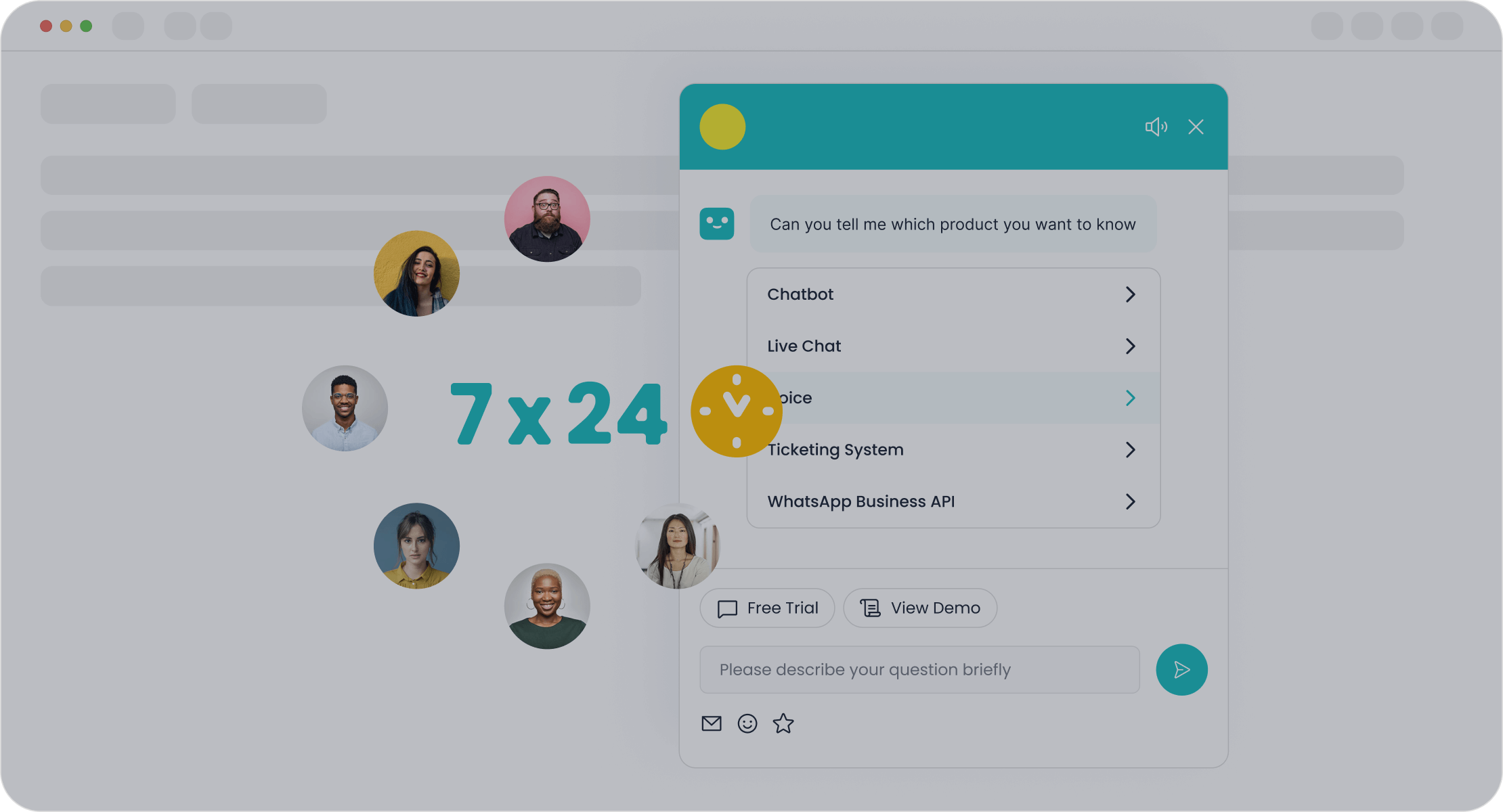
AI-powered chatbots are computer programs that talk to customers. They handle simple and repetitive customer questions automatically. This frees up human agents to solve more complex problems. These chatbots are one of the most popular AI customer service tools. They provide instant answers to the customer 24/7.
A leading example is Sobot's Chatbot. It offers a no-code setup, so businesses can build and launch chatbots easily. Its key features include:
- Omnichannel Support: It works across many platforms, including WhatsApp.
- Multilingual Capabilities: It can talk to a global customer base in different languages.
- Cost Reduction: It helps businesses cut service costs by up to 50%.
Good customer service chatbots use AI to understand and respond to customer needs effectively.
Virtual Customer Assistants (VCAs)
Virtual Customer Assistants, or VCAs, are more advanced than basic chatbots. These AI customer service tools can understand context and perform complex tasks. While chatbots often follow scripts, assistants learn from every conversation. This makes their interactions feel more personal and human-like. These assistants can handle a wider range of customer issues without needing a human agent. The goal of these assistants is to act as a comprehensive helper for the customer.
AI-Enhanced Help Desks
AI-enhanced help desks upgrade traditional support systems. They use AI to automate workflows and manage service tasks. These AI customer service tools help support teams work faster and more efficiently. For example, an AI can automatically create a support ticket from a chat conversation. It can also summarize long discussions for an agent.
Sobot's Ticketing System is a great example of AI-enhanced help desks. It uses AI to route incoming messages to the right specialized agent. This ensures every customer inquiry is handled by the person with the right knowledge. This automation improves resolution times and overall service quality.
Predictive Analytics Engines
Predictive analytics engines are AI customer service tools that forecast future customer behavior. They analyze data to find important patterns. This AI technology helps businesses be proactive instead of reactive. For instance, these AI customer service tools can:
- Identify a customer who is at risk of leaving.
- Forecast future support demand to manage staffing.
- Recommend products a customer is likely to buy.
This AI customer service tool gives businesses the insights needed to improve customer retention and personalize the service experience.
Benefits of AI in Customer Service
Adopting AI in customer service brings many powerful benefits. These advantages help businesses improve how they support every customer. AI customer service tools are not just about new technology. They are about creating better customer service experiences. This leads to higher satisfaction and stronger business results. Let's explore the key benefits.
24/7 Availability and Instant Support
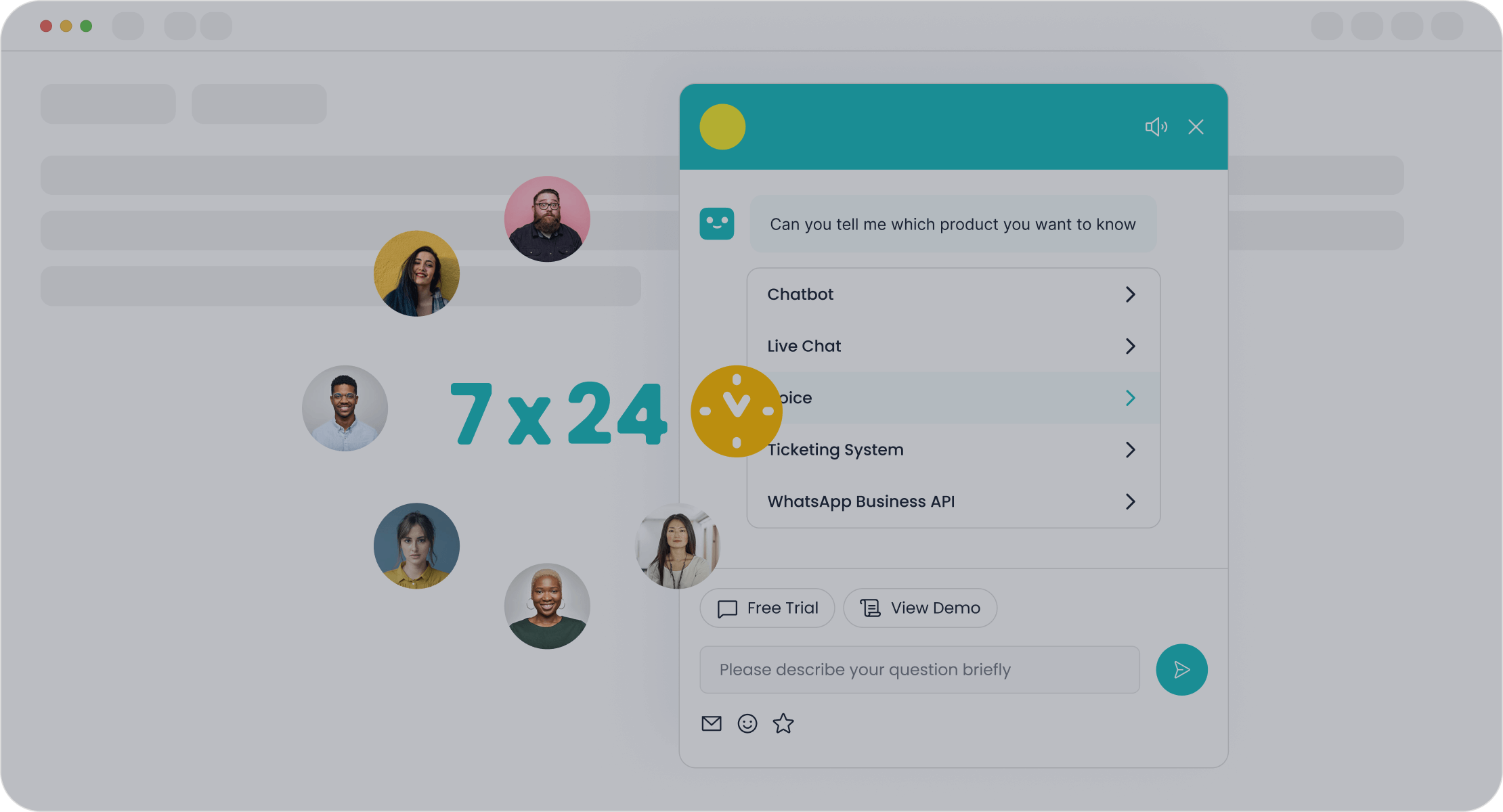
One of the biggest benefits of AI is its ability to offer support anytime. Customers no longer have to wait for business hours to get help. AI-powered chatbots and assistants are always online. They provide instant answers to questions 24 hours a day, 7 days a week. This immediate response is something customers value highly.
This constant availability has a huge impact on customer satisfaction.
- Research shows satisfaction with AI assistants now equals that of human agents.
- AI can resolve up to 75% of customer inquiries without any human help.
- Customers get their issues solved much faster. AI agents can resolve an issue in under 2 minutes, while human agents may take over 11 minutes.
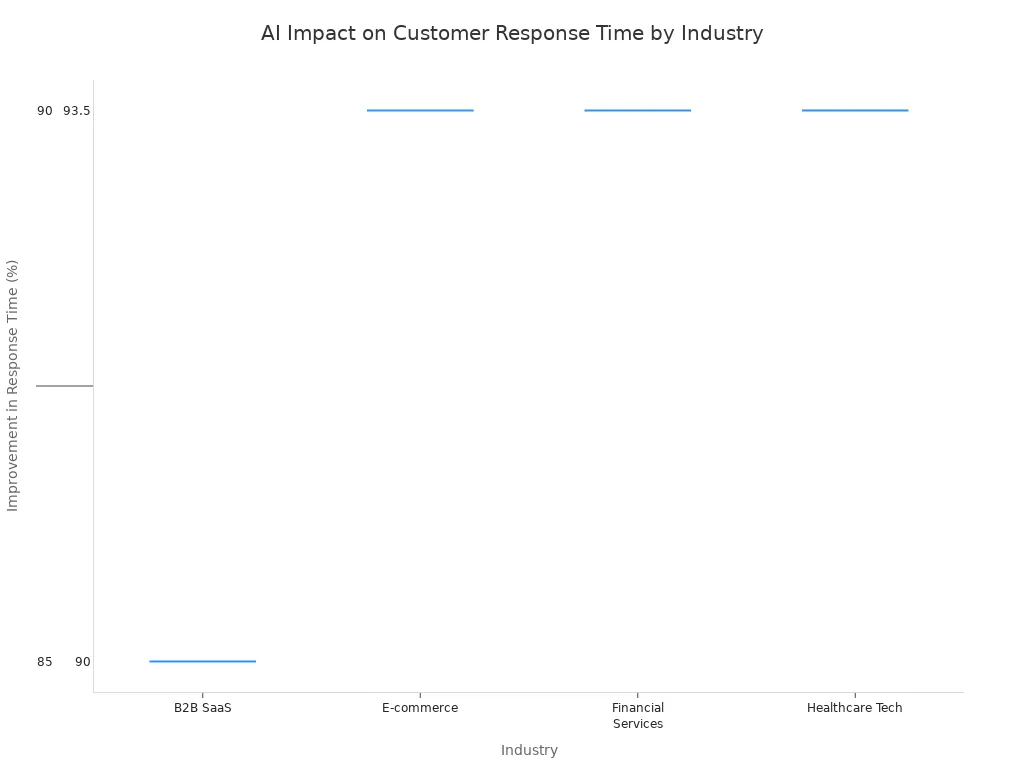
This speed is a game-changer. Many industries see a massive reduction in their first response time with AI.
| Industry | Improvement in Response Time |
|---|---|
| B2B SaaS | 85–95% |
| E-commerce | 90–97% |
| Financial Services | 92–98% |
| Healthcare Tech | 88–95% |
When a customer gets help right away, their entire experience improves. This builds trust and a positive view of the brand.
Increased Efficiency and Scalability
AI customer service tools make support teams much more efficient. They handle common and repetitive questions automatically. This frees up human agents to focus on complex problems that need a human touch. This teamwork between AI and people improves the quality of service.
A great example is the electronics company OPPO. By using Sobot's AI solutions, OPPO achieved an 83% chatbot resolution rate. This means the vast majority of customer issues were solved instantly by the AI without needing an agent.
This efficiency is crucial during busy times, like holidays or sales events. A human team can only handle so many conversations at once. AI, however, can scale instantly. It can manage thousands of customer conversations at the same time without any drop in quality. This scalability ensures that every customer gets fast support, even during peak demand. This prevents long wait times and customer frustration.
Significant Cost Reduction
Implementing AI in customer service also leads to significant cost savings. Automating tasks reduces the need for a large support team. This lowers costs related to salaries, training, and office space. AI works around the clock without needing overtime pay.
The savings come from several areas. AI reduces mistakes and the need for rework, which can be costly. It also lowers administrative overhead. Here is a look at how AI can reduce costs across different categories:
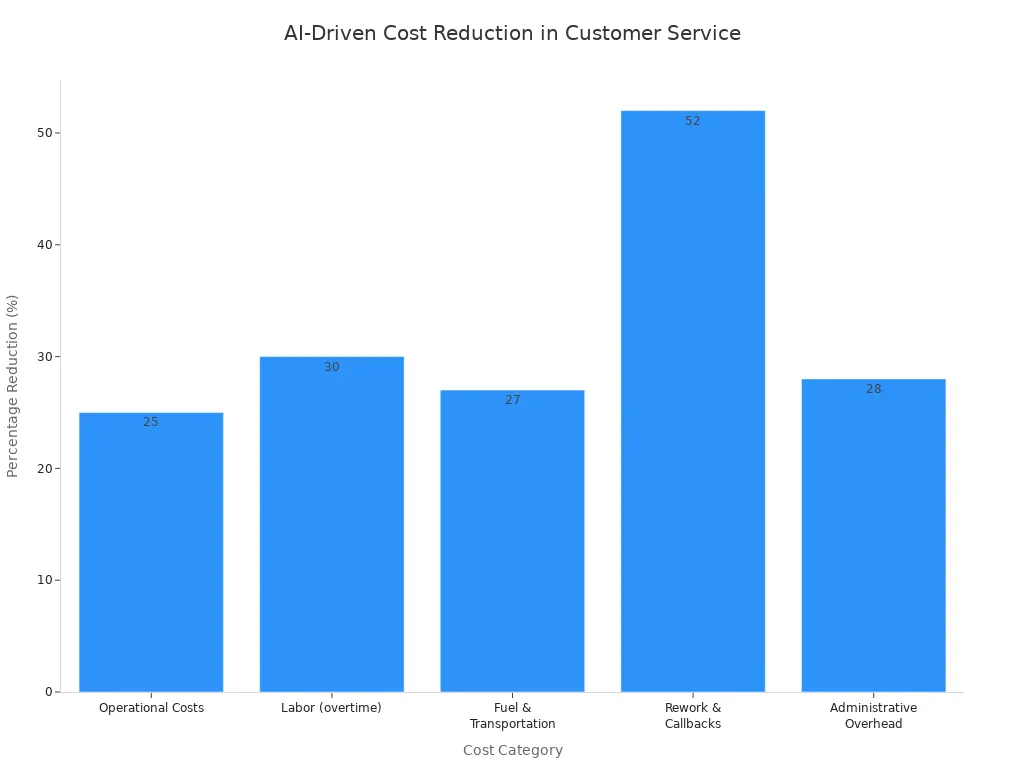
For automated interactions, businesses can see cost reductions of 85-90%. These savings allow companies to invest in other areas, like product development or improving the customer experience even more.
Faster Resolutions and Data-Driven Insights
AI customer service tools deliver two powerful benefits at once: speed and intelligence. Faster resolutions are key to customer happiness. When a customer's problem is solved quickly on the first try, it builds a strong, positive feeling about the brand. This experience directly impacts loyalty.
OPPO's success story shows this connection clearly. Their fast, efficient AI service led to a 94% positive feedback rate. More importantly, this high level of satisfaction helped drive a 57% increase in their repurchase rate. A happy customer is more likely to be a repeat customer.
Beyond speed, AI provides deep, data-driven insights. AI customer service tools analyze thousands of conversations. They identify trends, common problems, and customer sentiment. This information is like a roadmap for improving your service and products.
- Sentiment Analysis tells you how customers feel.
- Predictive Analytics helps you anticipate future customer needs.
- Behavioral Analytics shows you where customers struggle in their journey.
OPPO used these AI insights to review its help documents. This allowed them to optimize their knowledge base maintenance by an incredible 90%. This made their support even more accurate and helpful.
Enhancing the Customer Experience
Ultimately, all these benefits combine to create a superior customer experience. AI makes support faster, smarter, and more personal. Modern AI customer service tools use personalization to make every customer feel valued. The AI can use a customer's history to provide tailored recommendations and support.
Key AI features that enhance the experience include:
- AI-powered chatbots for instant, 24/7 support.
- Intelligent routing to connect a customer to the perfect agent for their issue.
- Hyper-personalization that makes the customer feel understood.
- Generative AI that helps create a consistent and friendly brand voice.
The goal of an ai customer service tool is to make every interaction smooth and effective. By combining the speed of AI with the skills of human agents, businesses can deliver a level of service that builds lasting loyalty and satisfaction. This focus on quality ensures a great experience for every customer.
AI customer service tools transform customer support. Solutions from Sobot use AI to automate tasks and provide personalized support. This improves the customer experience. The main benefits of AI in customer service are clear. Businesses gain 24/7 service, greater efficiency, and lower costs. AI customer service tools can achieve an impressive 83% resolution rate. This level of support creates a better experience for every customer. A quality service experience is vital for any business. AI customer service tools deliver that quality.
Explore how an AI customer service tool can fit your strategy. See how AI can improve your customer support and customer experience. It is time to Embark on Your Contact Journey.
FAQ
What is an AI customer service tool?
An AI customer service tool uses artificial intelligence to help with customer support. It automates tasks and answers customer questions. This improves the customer service experience. The tool helps every customer get faster service. A good customer experience is the main goal for any customer-focused business.
How does an AI chatbot help a customer?
An AI chatbot provides a customer with instant answers 24/7. A customer can ask common questions and get help right away. This means a customer does not have to wait for a human agent. The chatbot improves the customer service journey for each customer.
Can AI replace my entire customer service team?
No, AI supports your customer service team. It does not replace them. The AI handles simple questions. This frees human agents to solve complex customer problems. This teamwork makes your customer service better. It creates a better experience for every customer.
Is it difficult to set up an AI customer service tool?
No, many modern AI customer service tools are easy to set up.
For example, Sobot's Chatbot has a no-code interface. This allows any business to build and launch a bot without technical skills. This makes powerful customer service technology accessible to every customer-facing team.
How does AI improve the customer experience?
AI improves the customer experience by providing fast, personalized service. It understands a customer's needs and offers relevant help. This makes the customer feel valued. Better service leads to a happier customer. A happy customer is more likely to stay loyal to your brand.
See Also
Elevating Service: AI Software Streamlines Customer Support for Peak Efficiency
The AI Agent Era: Transforming Customer Interactions and Support Experiences
Mastering Modern Call Centers: A Comprehensive AI Software Implementation Guide
Unlocking Potential: The Best AI Tools for Enterprise Contact Centers
In-Depth Analysis: Evaluating Top AI Solutions for Enterprise Call Centers

