Outbound Calls Explained A Guide for 2026

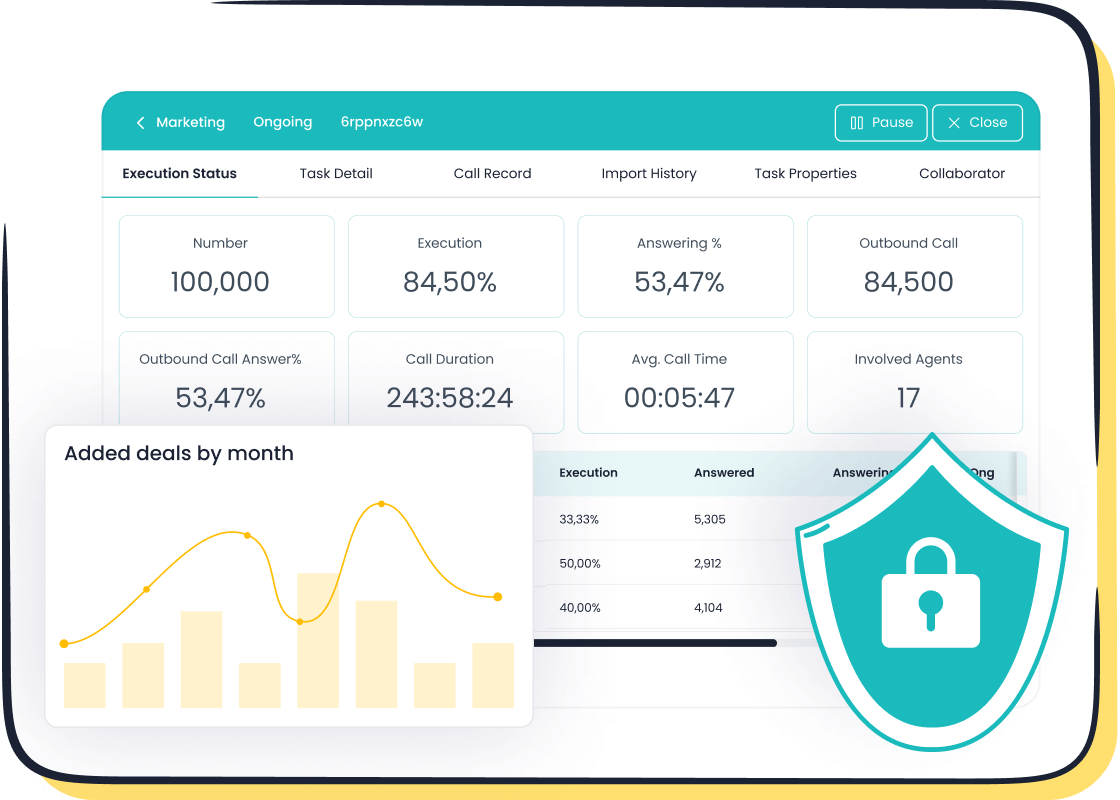
So, what does outbound call mean? An outbound call is a call a business initiates to its customers or prospects. The main goal of these outbound calls is strategic. Businesses use an outbound approach to generate sales and improve customer relationships. In 2026, outbound calling is a powerful channel for proactive growth. Modern tools like the Sobot call center, powered by Sobot AI, make outbound calls more effective. A strong outbound strategy helps build better customer relationships. The Sobot platform enhances every outbound interaction.
What Does Outbound Call Mean vs. Inbound?

Understanding the difference between outbound and inbound calls is crucial for any business strategy. The direction of the call—whether it's going out or coming in—defines its purpose and approach. This distinction helps clarify what does outbound call mean in a business context.
The Proactive Nature of Outbound
The defining feature of an outbound strategy is its proactive approach. A business initiates outbound calls to connect with prospects or customers directly. This method allows a company to control its outreach efforts. Instead of waiting for customers to make contact, the business actively seeks engagement. This proactive outbound calling model is essential for generating leads and driving sales. A company uses an outbound approach to reach specific market segments with targeted messages.
Outbound vs. Inbound: Key Differences
The primary difference lies in who starts the conversation. An inbound call happens when a customer calls a business. An outbound call is the opposite. The core question of what does outbound call mean is answered by this direction. Outbound calls are a direct push from the business.
Key Distinction:
- Outbound: Business initiates contact. Goal is often sales, appointments, or proactive support.
- Inbound: Customer initiates contact. Goal is typically reactive support or to make a purchase.
This difference also impacts cost. While outbound calling can yield high-value results, inbound marketing often has a lower cost per lead.
| Marketing Channel | Average Cost Per Lead |
|---|---|
| Outbound Marketing | $364 |
| Inbound Marketing | $135 |
An effective strategy often combines both outbound and inbound methods.
The Strategic Role in a Digital World
In 2026, outbound calling remains a vital tool. It complements digital marketing by adding a personal, human touch. Some potential customers may not discover a business through online channels alone. Strategic outbound calls can reach these untapped audiences. Modern outbound calling is not about random cold calls. It uses data to target the right people at the right time. This makes outbound calls a powerful part of a complete growth strategy. Understanding what does outbound call mean today involves recognizing its role alongside digital tools for a comprehensive outbound plan.
The Primary Business Uses for Outbound Calls
Outbound calls serve many purposes beyond just making a sale. Businesses use a strategic outbound approach to achieve specific goals. These goals range from finding new customers to strengthening existing relationships. A well-planned outbound calling strategy can drive growth across the entire company.
Lead Generation and Outbound Sales
The most common use for outbound is lead generation. This process involves identifying potential customers, or prospects, and contacting them to gauge their interest. Outbound sales teams use methods like outbound cold calling to introduce their products or services. The goal is to turn these prospects into qualified leads for the sales pipeline.
Effective lead generation requires a targeted approach. Instead of calling random numbers, businesses build lists of prospects who fit their ideal customer profile. This makes the outbound cold calling process more efficient. While cold calling can be challenging, it remains a direct path to new sales opportunities. The success of outbound sales often depends on the quality of the leads and the skill of the sales agent. Conversion rates for cold calling vary, but even a small percentage can lead to significant revenue.
| Sales Type | Average Conversion Rate |
|---|---|
| B2C Sales | 1%–3% |
| B2B Sales | 2%–5% |
| Warm Leads | 8%–12% |
This data shows that contacting warm leads—prospects who have already shown some interest—yields much better results. Proactive lead generation through outbound calls helps fill the sales pipeline with these valuable leads.
Setting Appointments for Sales Teams
Another key use of outbound calls is setting appointments. Many businesses have dedicated teams that call prospects with one simple goal: scheduling a meeting with a sales executive. This approach separates the initial contact from the main sales conversation. It allows senior sales staff to focus on closing deals with qualified leads rather than spending time on cold calling.
This strategy streamlines the sales process. It ensures the sales pipeline is consistently filled with promising meetings. A personalized interaction over the phone can build initial trust and make prospects more willing to commit to a full demonstration or discussion.
Performance Snapshot: Appointments Set via Phone
- Top Performers: Successfully set appointments on 33% of their calls.
- Average Performers: Set appointments on 17% of their calls.
A personal connection through phone calls also helps shorten the sales cycle. Direct customer engagement builds stronger relationships from the start, moving leads through the sales process faster.
Proactive Customer Service
Outbound calls are not just for finding new customers. They are also a powerful tool for proactive customer service. Instead of waiting for a customer to report a problem, a business can call them to offer help or information. This might include:
- Welcoming a new customer and offering setup assistance.
- Notifying a customer about a potential service interruption.
- Checking in after a purchase to ensure satisfaction.
This proactive approach shows a customer that the business values their experience. It builds strong customer relationships and trust. For example, the financial service platform Opay wanted to improve its marketing and customer service. Opay used Sobot's omnichannel solution to proactively reach out to its customers. This strategy dramatically improved its client engagement. As a result, Opay increased its customer satisfaction rate from 60% to 90% and boosted its marketing conversion rates by 17%. This case shows how a proactive outbound strategy enhances both service and marketing efforts.
Market Research and Feedback
How do you know what your customers really think? You can ask them directly. Outbound calls are an excellent way to conduct market research and gather valuable feedback. A business can call a sample of its customers or prospects to ask specific questions. This direct feedback is often more detailed than online surveys.
Companies use this method to:
- Test ideas for new products.
- Understand customer needs and pain points.
- Measure brand perception.
- Gauge satisfaction with recent service interactions.
To be effective, these calls must be well-planned. A clear script with focused questions is essential. Agents need training to guide the conversation and gather honest information. This direct line to the market helps businesses make smarter, data-driven decisions for their marketing strategy.
Customer Retention and Loyalty
Acquiring a new customer is often more expensive than keeping an existing one. Outbound calls play a vital role in customer retention. A simple, personalized check-in call can make a customer feel valued and appreciated. This strengthens their loyalty to the brand. These calls build deep, lasting relationships.
Proactive outreach fosters trust and makes customers feel secure. This positive connection encourages repeat business and directly increases customer lifetime value. Research shows that proactive service has a measurable impact on business growth. This personalization helps turn satisfied customers into loyal brand advocates.
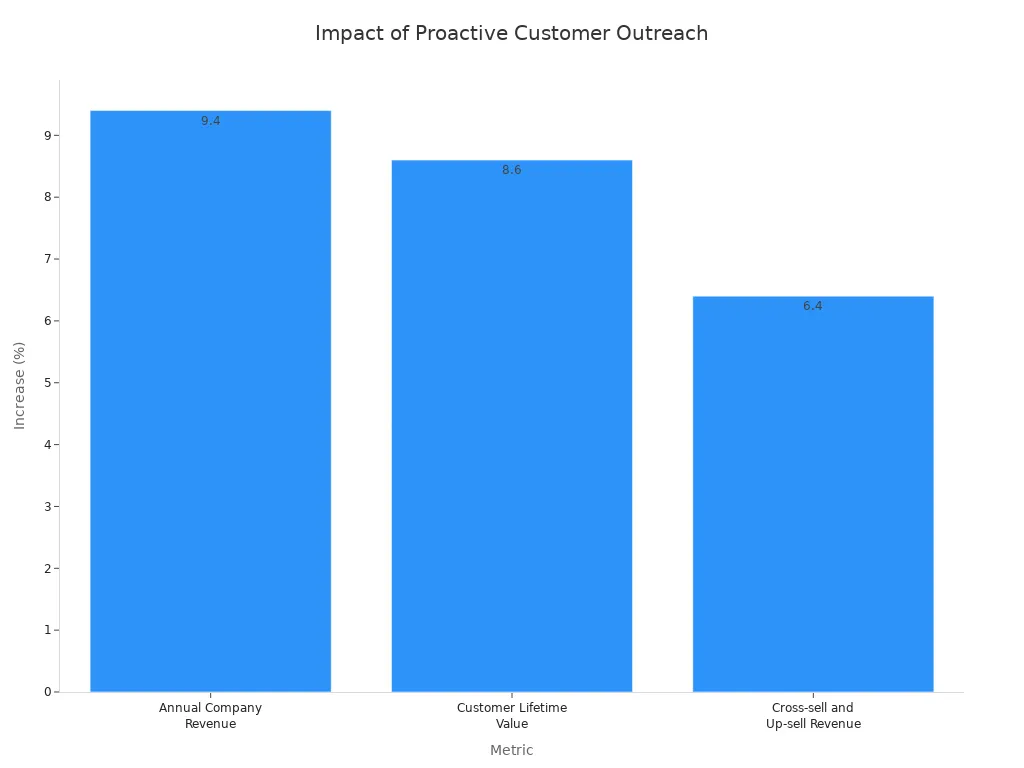
These numbers highlight how investing in proactive relationships with customers pays off. Personalization in these interactions is key to building these strong relationships.
Payment Reminders and Collections
Finally, outbound calls are a practical tool for managing accounts receivable. Businesses use friendly reminder calls to notify customers about upcoming or overdue payments. This personal touch is often more effective than automated emails, which can be easily ignored.
For collections, a phone call allows for a real-time conversation. An agent can understand the customer's situation, answer questions, and negotiate a payment plan if needed. This human element can de-escalate a difficult situation and lead to a positive outcome.
Did You Know? Phone calls have a 30% higher recovery rate for overdue payments compared to mail. Combining calls with text message reminders can increase promise-to-pay rates by an additional 18%.
This makes outbound calling an essential part of a company's financial operations, helping to maintain healthy cash flow while preserving customer relationships.
Strategies for Successful Outbound Calling
A successful outbound calling strategy requires more than just dialing numbers. It involves careful planning, skilled execution, and adherence to rules. Businesses that master these strategies can significantly improve the effectiveness of their outbound efforts. This section covers the key elements for successful outbound calls.
Building a Targeted Calling List
The foundation of any effective outbound campaign is a high-quality calling list. Instead of random cold calling, successful teams focus on a list of prospects who match their ideal customer profile. This targeted approach ensures that agents spend their time talking to relevant leads. A good list increases the chances of meaningful conversations and boosts the overall effectiveness of outbound sales. Focusing on the right prospects from the start is crucial for generating quality leads.
Crafting an Effective Call Script
A well-crafted script guides agents and improves the effectiveness of cold calling. The opening line is especially important for capturing a prospect's attention. Here are a few proven approaches for outbound calls:
- The Referral Opener: Mentioning a mutual connection builds instant trust. An agent might say, "Hi [Prospect Name], [Referrer Name] suggested I reach out..." This makes the cold calling feel warmer.
- The Value Opener: This script immediately presents a clear benefit. For example, "We help businesses like yours increase customer retention by 15%." This focuses on results and grabs the interest of prospects.
Training Agents for Success
Proper training is essential for turning agents into effective communicators. Training should focus on several key areas to improve the effectiveness of outbound calls. Agents must develop:
- Product Knowledge: A deep understanding of the company's products or services allows agents to answer questions confidently.
- Clear Communication: Agents need to speak clearly and listen actively to understand the customer.
- Compliance Knowledge: Training on regulations like the TCPA is critical to avoid legal issues during outbound calling. These skills help agents make successful cold calls and represent the brand professionally.
Adhering to Compliance and Regulations
Following legal rules is non-negotiable in outbound calling. Regulations like the Telephone Consumer Protection Act (TCPA) and GDPR protect customer privacy. A key TCPA rule, expected to take effect in 2026, will require businesses to honor an opt-out request across all communication channels. Failing to comply can lead to huge fines. GDPR penalties can reach up to 4% of a company's global revenue. Proper compliance protects both the business and its customer relationships.
Best Times to Make Business Calls
Timing can dramatically impact the success of outbound calls. Calling prospects when they are most likely to answer increases connection rates. Studies show certain times are better for sales outreach.
| Best Time of Day | Best Day of the Week |
|---|---|
| 4 PM – 5 PM | Wednesday & Thursday |
| 10 AM – 11 AM | Wednesday |
Avoiding lunch hours (11 AM – 2 PM) generally improves the chances of reaching leads. Optimizing call times is a simple way to boost the effectiveness of any outbound campaign.
Technology Powering Modern Outbound Calls
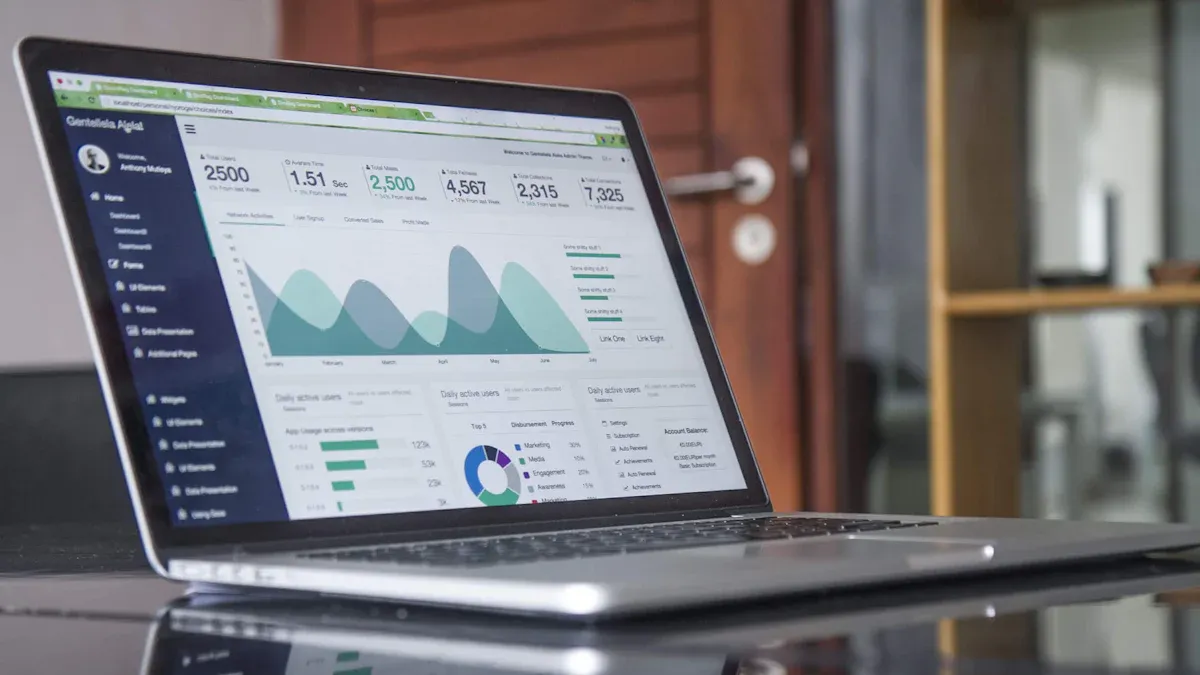
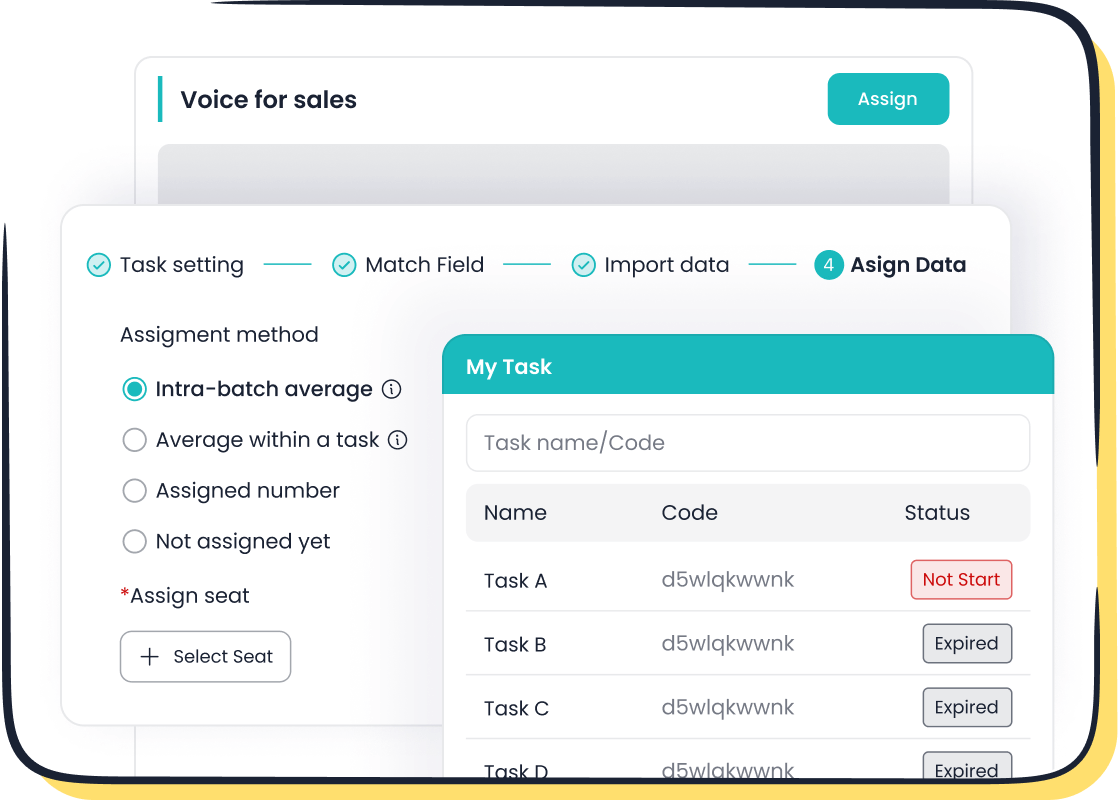
Modern technology transforms outbound calling from a numbers game into a science. An advanced outbound call center platform uses powerful tools to boost efficiency and results. For 2026, a modern outbound call center must leverage technology to drive sales growth. Solutions like Sobot's Voice for Sales platform are prime examples of a modern outbound call center. They integrate key features that help businesses double conversion rates and increase outbound productivity. A strong outbound call center uses technology to empower its agents.
The Role of CRM Integration
Integrating an outbound call center with a Customer Relationship Management (CRM) system is essential. This connection gives agents a complete view of each customer. Seamless integration with CRMs like Salesforce and HubSpot is a core feature of a modern outbound call center. This allows for better personalization and more effective sales conversations.
- Companies see a 25% increase in sales productivity with CRM integration.
- They also experience a 15% boost in sales conversions.
Predictive, Power, and Progressive Dialers
Automated dialers are a cornerstone of any efficient outbound call center. There are several types:
- Predictive Dialers: These are the fastest. They use algorithms to dial multiple numbers at once, connecting an agent just as a customer answers. This method can increase agent talk time to nearly 85%, dramatically boosting outbound sales productivity.
- Power & Progressive Dialers: These dial one number at a time for an available agent. They are less aggressive but still eliminate manual dialing.
An effective outbound call center chooses the right dialer for its campaign goals.
Leveraging AI for Call Automation
Artificial Intelligence (AI) is revolutionizing the outbound call center. AI can automate repetitive tasks, allowing sales agents to focus on high-value conversations. For example, a dental clinic used AI for appointment reminders and reduced no-shows by 40%. An e-learning platform used AI to reactivate 300 trial users. AI-driven call monitoring also helps an outbound call center improve quality. This technology helps sales teams work smarter.
Key Performance Indicators (KPIs)
Tracking the right metrics is crucial for measuring the success of outbound calls. A good outbound call center focuses on specific KPIs to optimize performance. Key metrics include:
- Connection Rate: The percentage of calls that connect to a person.
- Call Conversion Rate: The percentage of calls that result in a sale or desired action.
- Average Handle Time (AHT): The average length of a customer interaction.
Monitoring these KPIs helps managers refine their outbound strategy.
Call Monitoring and Quality Assurance
Ensuring high-quality interactions is vital for any outbound call center. Call monitoring allows managers to listen to live or recorded outbound calls. This helps them provide specific, actionable feedback to agents. For instance, a manager might say, "Your product knowledge is impressive. Let's work on explaining it without jargon to the customer." This process of continuous improvement builds a stronger sales team and better customer experiences.
Outbound calls are a versatile tool for achieving business goals beyond just sales. A successful outbound strategy enhances the entire customer journey. Success in 2026 depends on a clear plan, skilled agents, and modern technology like Sobot's AI-powered solutions. This technology helps businesses improve sales and customer engagement. Leaders should re-evaluate their outbound approach. This re-evaluation redefines what does outbound call mean for proactive customer growth.
FAQ
What is the main purpose of an outbound call?
The main purpose of an outbound call is proactive engagement. Businesses initiate these calls to generate sales leads, set appointments, conduct market research, or provide customer support. This strategy allows a company to control its outreach and drive specific business goals.
How does technology improve outbound calls?
Technology makes each outbound call more effective.
- CRM integration provides agents with customer data.
- Automated dialers increase call volume.
- AI tools, like those in Sobot's platform, help monitor call quality and automate tasks, boosting agent productivity and success rates.
Is cold calling still effective in 2026?
Yes, strategic cold calling remains effective. Modern outbound calling uses targeted lists, not random numbers. This ensures agents contact relevant prospects. A well-planned outbound call script and skilled agents can turn a cold call into a valuable sales opportunity.
What is the difference between an outbound call and an inbound call?
The key difference is who starts the call.
An outbound call is when a business calls a customer or prospect. An inbound call is when a customer calls the business. Outbound is proactive, while inbound is reactive.
See Also
Evaluating the Best Contact Center Solutions for Your Business in 2024
The Leading Automated Voice Calling Software: A Comprehensive Review for 2024
Your Essential Guide to Implementing Omnichannel Call Center Software Effectively
Discovering the Top Cloud Contact Center Services: An In-Depth Look for 2024
Mastering Quality Management Systems: A Guide for Call Center Principles

