Guide to Customer Service Channels 2026

Many leaders ask, "What channels should my customer service cover to stay competitive in 2026?" This guide gives you a clear framework. It helps you choose the right customer service channels for your business. You can build a support system that improves customer satisfaction.
Is your current mix of channels creating a great customer experience? Or does it give customers a disconnected service experience?
Let Sobot help you build a support ecosystem that boosts efficiency and customer loyalty. You can now Embark on Your Contact Journey.
What Channels Should My Customer Service Cover in 2026?
Deciding what channels should my customer service cover is a key strategic choice. Your customers expect options that fit their needs. A modern customer support strategy includes a mix of real-time, asynchronous, and self-service channels. This blend ensures you can provide fast, flexible, and efficient service. Let's explore what channels should my customer service cover to meet modern expectations.
Real-Time Support Channels
Real-time channels offer immediate, one-on-one conversations. These are perfect for urgent or complex issues. Popular options include phone support and live chat. Live chat is a customer favorite, with some studies showing satisfaction rates as high as 85%. These channels build trust and resolve problems quickly.
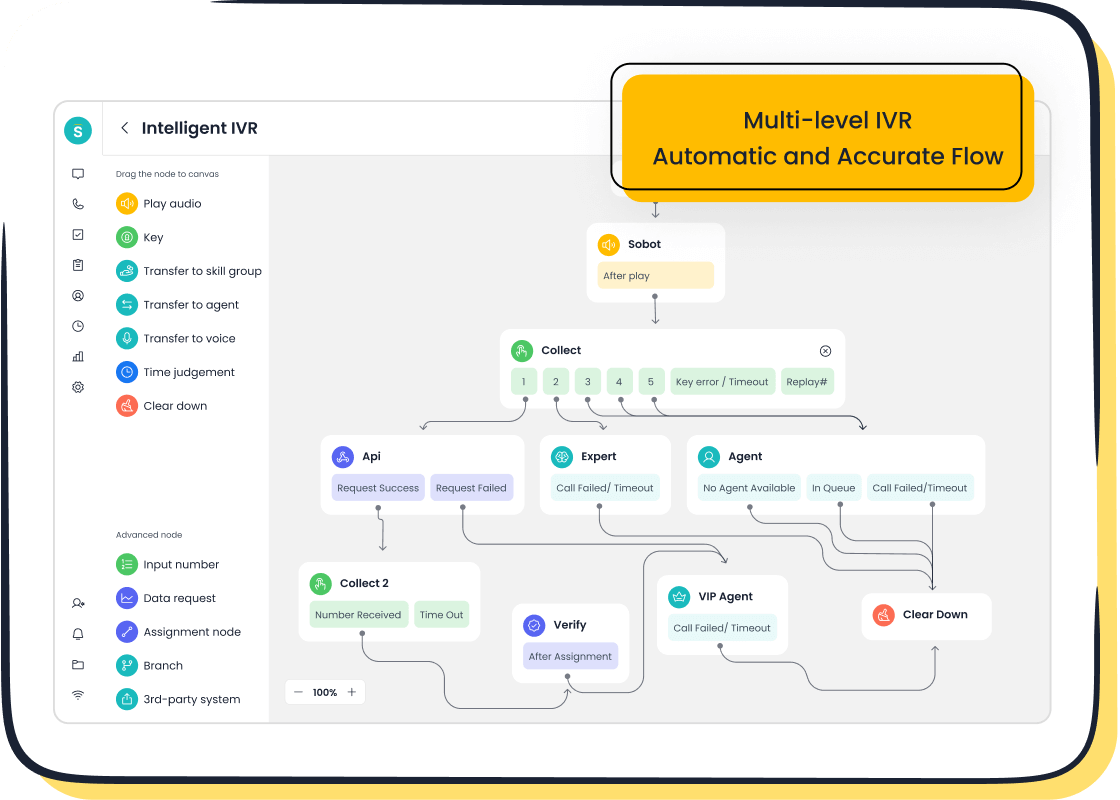
For a powerful real-time solution, consider a modern call center. Sobot's Voice/Call Center provides an intelligent IVR to route calls efficiently. It offers global number availability and guarantees a 99.99% SLA, ensuring your phone support is always reliable.
Asynchronous Communication Channels
Asynchronous channels let customers and agents respond at their own convenience. This includes email support, social media support, and messaging apps like WhatsApp. These communication channels are great for non-urgent questions. They allow your team to manage multiple conversations and provide thoughtful replies.
As an official WhatsApp Business Solution Provider (BSP), Sobot helps you integrate this popular chat app directly into your customer service channels. You can connect with your customers on the platform they use every day.
Self-Service Customer Service Channels
Many customers want to find answers on their own. In fact, 81% of people try to solve issues themselves before contacting a live agent. Self-service channels empower them to do just that. These include knowledge bases, FAQs, and AI-powered chatbots. Offering good self-service options reduces agent workload and provides 24/7 support.
Sobot's AI-powered, multilingual Chatbot is a great example of effective self-service channels. It can handle common questions around the clock, freeing your team to focus on more complex customer needs. This is a vital part of what channels should my customer service cover for maximum efficiency.
A Framework for Selecting the Right Mix of Channels
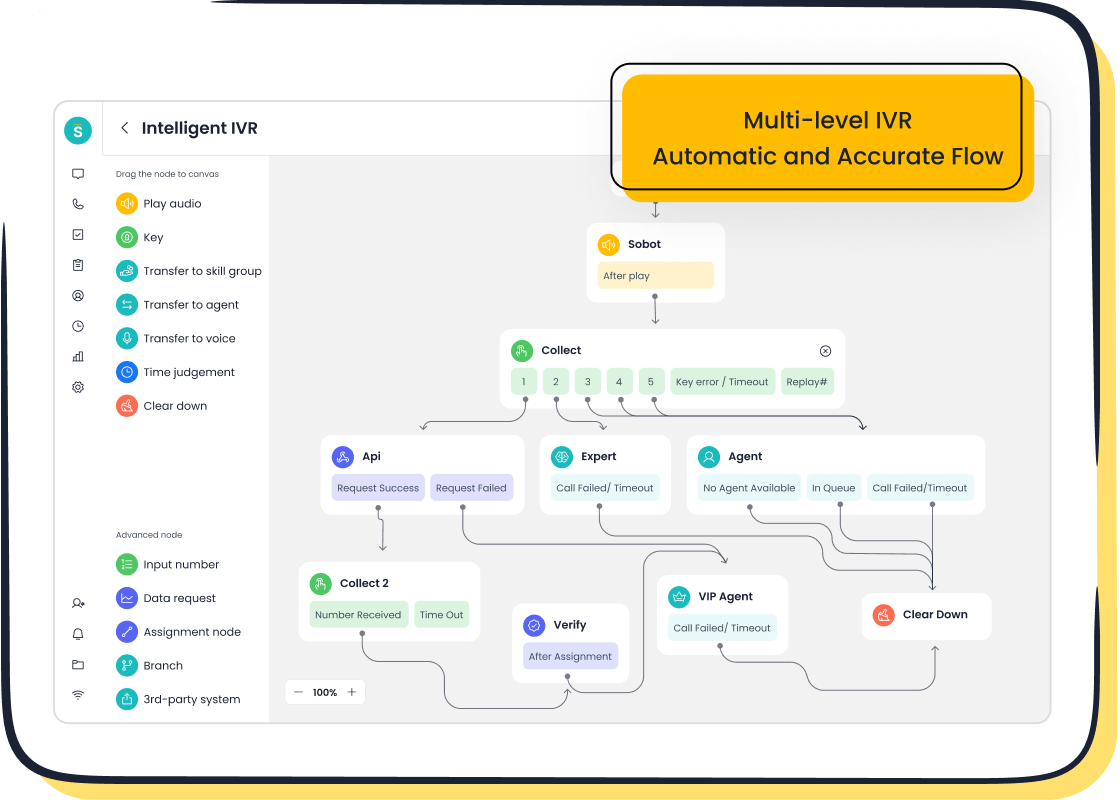
Choosing your support channels is more than a simple checklist. You need a strategy. Selecting the right mix of channels ensures you meet customer expectations without wasting resources. This framework gives you a clear, four-step process to build an effective and efficient channel strategy for your business.
Analyze Your Customer Needs and Behavior
First, you must understand your customers. Where do they look for help? What devices do they use? Answering these questions helps you be present on the channels they prefer.
- Demographics: Younger customers might prefer social media support or live chat. Older demographics may feel more comfortable with phone support or email.
- Behavior: Do your customers shop on mobile devices? A strong mobile chat or WhatsApp integration is essential. Do they visit your website for information? A prominent chatbot or knowledge base will improve their experience.
- Feedback: Use surveys and feedback forms. Ask your customers directly how they want to contact you. This simple step provides valuable insight into their preferences.
Understanding your customer is the foundation of a successful channel strategy. You build a service that feels natural and accessible to them.
Map Your Common Inquiry Types
Next, categorize the types of questions your team receives. Not all issues require the same level of support. Mapping your inquiries helps you assign them to the most efficient channel.
For example, companies like H&M use an AI-powered live chat agent to handle 80% of customer queries during busy sales seasons. This frees up human agents for complex cases.
You can group your common customer queries like this:
- Simple, Repetitive Questions: "What is your return policy?" or "Where is my order?" These are perfect for self-service channels like chatbots and FAQ pages.
- Technical or Account-Specific Issues: "I can't log into my account." These often start with a chatbot for initial data gathering. Then, they escalate to live chat support or email support for detailed help.
- Urgent or Complex Problems: "My payment failed, but I was charged." These situations require the immediate, personal touch of phone support or live chat.
Matching inquiry types to channels improves resolution speed and customer satisfaction.
Audit Your Team Resources and Budget
Now, look at your internal capabilities. You must balance ideal customer service channels with your team's size, skills, and budget.
- Team Size and Skills: A small team may struggle to offer 24/7 phone support. A mix of email support and a chatbot could be more manageable. Does your team have strong writers? Live chat and email are great fits. Do you have great communicators? They will excel at phone support.
- Budget: Different channels have different costs. Phone support can be expensive. Chatbots offer a significant cost reduction, with interactions often costing between $0.50 and $0.70. Some advanced Voice AI agents can handle calls for as little as $0.09 per minute. You must find a balance between cost and the quality of service you want to provide.
- Technology: Do you have a central platform to manage all these communication channels? Without one, your team will struggle with disconnected conversations and low efficiency.
A realistic audit ensures you choose channels you can support effectively. This prevents a poor customer experience from overpromising and under-delivering.
Match Channels to Specific Use Cases
Finally, bring it all together by matching channels to specific scenarios. Think about the entire customer journey. What support does a customer need at each stage?
This is where a blended approach shows its power. For example, a leading smart device company, OPPO, faced huge increases in customer queries during peak shopping periods.
OPPO's Success with a Mixed-Channel Strategy OPPO analyzed its needs and chose a mix of Sobot's chatbot and ticketing system.
- The Problem: High volumes of repetitive questions during sales events overwhelmed their human agents.
- The Solution: They used a chatbot to instantly answer common questions about orders and products. More complex issues were automatically converted into tickets for human agents.
- The Result: This human-machine cooperation led to an 83% chatbot resolution rate. The improved customer satisfaction also helped drive a 57% increase in the repurchase rate.
OPPO's story shows the value of selecting the right mix of channels. They solved a specific business problem, improved efficiency, and boosted customer loyalty. By following this framework, you can also build a customer support system that delivers real results.
How to Build a Unified Omnichannel Experience
You have selected your channels. Now, you must unite them. A disconnected service experience frustrates customers and drains your team's efficiency. The solution is to build a unified omnichannel support experience where every conversation feels like part of a single, continuous journey. This approach solves fragmented communication.
Sobot's Omnichannel Solution is the central platform that makes this possible. It creates a unified workspace for agents, integrating all channels and customer data. This can improve productivity by 30% and significantly enhance customer satisfaction.
Choosing a Central Platform
Your first step is to choose a central platform. This software acts as the command center for your entire customer support operation. It brings all your communication channels together. A strong platform gives your team the tools they need for effective omnichannel support.
Look for a platform with these essential features:
- Centralized Solution: It should combine your call center, ticketing service, and chat functions into one place.
- AI and Automation: These tools handle simple tasks, improve response times, and make your agents more productive.
- Analytics and Reporting: You need robust tools to track performance across all channels and gain insights into customer satisfaction.
Integrating Your Tech Stack
Next, you must integrate your technology. Your central platform should connect seamlessly with other critical business tools, especially your Customer Relationship Management (CRM) system. Companies like Salesforce and HubSpot show how CRMs can eliminate data silos.
When your omnichannel support platform and CRM work together, your agents get a complete view of every customer. They can see past purchases, previous support tickets, and chat transcripts. This means customers never have to repeat themselves. It creates a smooth and personal customer experience.
Creating Seamless Escalation Paths
A key part of omnichannel support is moving a customer from one channel to another without friction. You need to create seamless escalation paths. For example, a customer might start with a chatbot but need to speak with a human agent. The handoff should be instant and effortless.
You can design smart escalation flows.
- Set up keyword triggers in a chat that automatically transfer the conversation to a live agent.
- Allow agents to monitor an AI chat and manually take over when they see the customer needs more help.
- Ensure the entire chat history transfers to the agent so they have full context.
Training Your Team for Omnichannel Support
Technology alone is not enough. Your team needs the right training to deliver excellent omnichannel support. Agents must learn to manage conversations across different channels, each with its own communication style.
Your training should cover:
- Channel-Specific Skills: Teach agents active listening for phone calls and clear, concise writing for live chat and email.
- Consistent Brand Voice: Ensure your team communicates with a unified voice that reflects your brand's values on every channel.
- Using the Platform: Train your team to use the central platform effectively to manage multiple conversations and access customer data.
Proper training empowers your team to provide a truly consistent and high-quality service.
How to Measure and Optimize Your Channel ROI
Selecting your channels is just the beginning. You must measure their performance to ensure they deliver a return on investment (ROI). Optimizing your channel mix helps you improve the customer experience and boost efficiency. This process ensures your support strategy remains effective and profitable.
Defining Key Performance Metrics
You need the right data to make smart decisions. Key Performance Metrics (KPIs) show you how your channels are performing. You should track metrics that measure both customer happiness and operational efficiency.
Focus on these essential KPIs for a clear view of your service performance:
- First Contact Resolution (FCR): What percentage of issues do you solve in the first interaction?
- Average Handle Time (AHT): How long does it take an agent to handle a customer inquiry?
- Customer Satisfaction (CSAT): How happy are customers with the support they receive?
Tracking these numbers helps you understand the health of each support channel.
Gathering and Acting on Customer Feedback
Your customers offer the most valuable insights. You should actively gather customer feedback to understand their experience. Use short surveys after an interaction to ask direct questions.
For example, you can ask, "How satisfied are you with the support provided through live chat?" Another useful metric is the Customer Effort Score (CES). This measures how easy it was for a customer to get their issue resolved. A lower effort score often leads to higher loyalty. Use this feedback to identify and fix friction points in your service channels.
Leveraging AI for Workflow Optimization
Artificial intelligence (AI) can transform your workflows. AI tools analyze customer interactions across all channels to detect sentiment. This helps you understand if a customer is happy, frustrated, or confused. AI can also automate repetitive tasks.
For example, AI can categorize support tickets or provide agents with real-time suggestions. This frees up your team to focus on complex problems. Automating workflows makes your team more productive and your service faster.
Deciding When to Add or Retire a Channel
Your channel mix should evolve with your business and your customers. You need clear criteria for adding or retiring channels. Before adding a new channel, analyze your contact volume and customer demographics. Make sure the new channel meets a real customer need.
You should also know when to retire an underperforming channel. Signs of poor performance include low usage, high cost per contact, and a lack of automation. Regularly review your channels to ensure they contribute positively to your goals.
Building your customer service strategy is a continuous journey. Your channel strategy requires constant attention. You must analyze customer needs, select the right channels, and unify them with a central platform. Then, you continuously measure and optimize your support. In 2026, a unified, AI-powered approach will be essential. It allows you to deliver the personalized service modern customers expect. This drives loyalty and growth.
Ready to build your ideal contact journey? Explore Sobot's solutions to see how you can unify your customer support channels today.
FAQ
How do I know which support channels are best for my business?
You should analyze your customer data first. Understand where your customers spend their time. Then, map your common inquiry types to the most efficient channels. Finally, audit your team's resources to ensure you can manage the channels you choose.
What is the main benefit of an omnichannel platform?
An omnichannel platform unifies all your customer interactions. It gives your support team a complete view of each customer's history. This creates a seamless experience for the customer and improves your team's efficiency.
How can I measure the success of my support channels?
You can track Key Performance Indicators (KPIs). Focus on metrics like First Contact Resolution (FCR), Average Handle Time (AHT), and Customer Satisfaction (CSAT). These numbers show you how well each channel performs.
When should I consider adding a new customer support channel?
You should add a new channel when you see a clear need. Look for high demand from your customers for a specific platform. Also, ensure the new channel aligns with your business goals and that your team has the capacity to support it.
See Also
Your Essential Handbook for Omnichannel Call Center Software Solutions
Leading Cloud Contact Center Services: Comprehensive Reviews and Ratings for 2024
The Ten Premier Customer Service Software Platforms to Consider in 2024
Expert Advice: Selecting the Ideal Social Media Customer Service Software
A Practical Guide: Implementing Effective Omnichannel Contact Center Solutions

