How to Improve Outbound Calls 10 Expert Tips


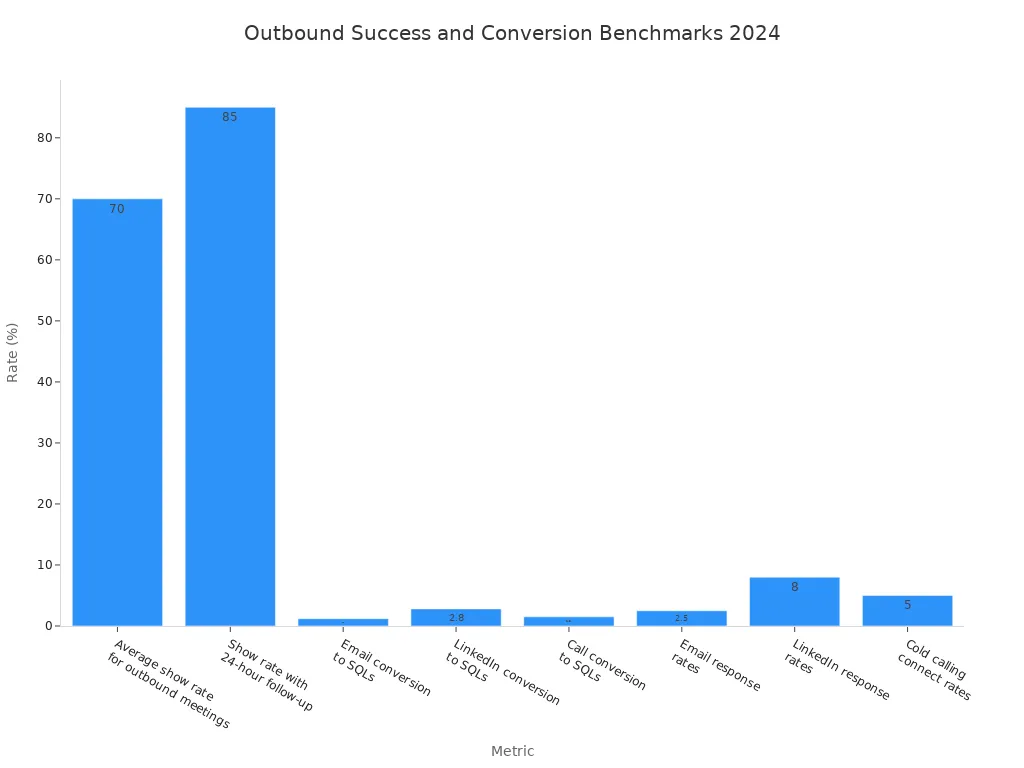
Improving your successful outbound calls requires a smart blend of preparation, execution, and follow-ups. This guide gives you 10 expert tips as a clear roadmap. These actionable tips will help you turn more leads into loyal customers. An effective outbound sales calls strategy is crucial, as benchmarks show cold calling connect rates are around 5%. Our outbound sales call tips will help you achieve high connection rates and boost your success.
This article provides the sales call tips you need. You will learn what are outbound calls and how to master your connection with prospects. With the right outbound calling strategy, supported by tools like the Sobot call center and Sobot AI, you can transform your outbound sales calls.
First, What Are Outbound Calls?
To master your sales calls, you first need a clear answer to the question: what are outbound calls? Simply put, they are the core of proactive sales. You are taking the first step. You reach out to potential customers before they contact you.
An outbound call is a call you initiate as a salesperson. The customer has not contacted your business and is not expecting your call.
Your team makes these calls for several key reasons. You are not just selling. You are building connections and creating opportunities. The primary goals often include:
- Direct sales and telemarketing
- Effective outbound lead generation
- Fundraising for a cause
- Market research to gather insights
- Proactive customer service for existing clients
Understanding what are outbound calls helps you build a powerful strategy from the ground up.
Defining the Core of Proactive Sales
Proactive sales means you don't wait for leads to come to you. You actively seek them out. This is the essence of outbound sales calls. You identify potential customers who fit your ideal profile and initiate contact. This approach puts you in control of your sales pipeline. You drive growth by creating new conversations and uncovering needs that prospects may not have even recognized yet. It is a powerful way to expand your market reach and accelerate revenue.
Outbound vs. Inbound Calls
The easiest way to understand what are outbound calls is to compare them with inbound calls. The key difference is who starts the conversation. With an inbound call, the customer calls you. With an outbound call, you call the customer.
Here is a simple breakdown:
| Feature | Outbound Calls | Inbound Calls |
|---|---|---|
| Initiator | You (The Sales Rep) | The Customer |
| Expectation | Prospect is not expecting the call | Customer expects to talk to you |
| Main Goal | Sales, Lead Generation, Research | Customer Support, Answering Questions |
While both are vital, a strong outbound calling strategy allows you to target specific accounts and markets proactively. You don't have to wait for the phone to ring to start building valuable relationships and closing deals.
Tip 1: Conduct Pre-Call Research
Never make a truly "cold" call. The best outbound calls feel warm because you did your homework. Proper research before the call transforms your approach. You move from being a random salesperson to a helpful advisor. This preparation is one of the most critical tips for success. It builds your confidence and shows the prospect you value their time. You can turn generic pitches into personalized conversations that capture attention.
Researching Prospects and Pain Points
You need to understand your prospect's world. Start by learning about their company. What does it do? Who are its customers? What is its mission? Next, focus on the person you are calling. What is their role? What are their responsibilities? This information helps you identify potential challenges or "pain points" they face. When you understand their problems, you can position your solution as the perfect answer. This targeted approach helps you connect with high-quality leads on a deeper level.
Pro Tip: Spend just 5-10 minutes researching each of your leads. This small investment can dramatically increase your connection and conversion rates. A little knowledge makes a huge difference.
Using LinkedIn and CRM Data
Your best research tools are often right at your fingertips. LinkedIn is a goldmine for professional information. You can view a prospect's job history, recent posts, and connections. This helps you find common ground or recent company news to mention. Your company's Customer Relationship Management (CRM) system is another powerful asset. Check the CRM for any past interactions with the prospect or their company. This history provides valuable context. Using these tools helps you tailor your conversation and show you have done your research, making your leads more receptive to your message.
Tip 2: Structure Your Call with a Dynamic Script
Many reps think a script makes them sound robotic. The opposite is true. A good script is your roadmap, not a cage. You need to stay structured with a script to ensure you cover key points and guide the conversation effectively. The best script is a flexible one that allows for natural conversation. This is one of the most important sales call tips for consistency and success.
Building a Flexible Script Framework
Forget word-for-word scripts. You need a dynamic framework. This approach gives you a solid structure while allowing you to adapt to the prospect's responses. A flexible script helps you stay on track without sounding rehearsed. Your script should be a guide, not a teleprompter.
Pro Tip: Think of your script as a set of talking points. It should guide you from the opening line to the final call to action, with room for real conversation in between.
Here are a few proven frameworks for your outbound call script:
- Problem-Solution-Benefit (PSB): Start by identifying a common problem in the prospect's industry. Present your product as the solution. Then, explain the clear benefits they will receive.
- BANT: Qualify leads by checking their Budget, Authority, Need, and Timeline. This script framework helps you quickly see if a prospect is a good fit.
- Referral-Based Script: Use this script when you have a warm introduction. Mentioning the referral source immediately builds trust and gets you a hearing.
Essential Outbound Sales Call Tips for Scripting
Creating a powerful script involves more than just writing down what to say. You must avoid common pitfalls that can sink your calls. These outbound sales call tips will help you refine your script.
First, your script must be personalized. A generic script feels lazy and shows you have not done your research. Second, avoid being overly salesy. Your goal is to build a relationship, not just push a product. Focus on offering value. Finally, your script must account for follow-up. Research shows that 60% of buyers say "no" four times before saying "yes," so your script should help you set the stage for the next conversation. These outbound sales call tips will make your script a powerful tool. Following these tips will improve your script and your results.
Tip 3: Prepare for Common Objections
An excellent outbound call strategy anticipates and welcomes objections. Instead of viewing them as roadblocks, you should see them as opportunities to engage more deeply with your prospect. When you prepare for objections, you demonstrate confidence and expertise. This preparation turns a potential "no" into a productive conversation, moving you closer to a successful outcome. This is one of the most crucial tips for improving your call performance.
Anticipating Top Sales Objections
You will hear the same objections repeatedly. Knowing them in advance allows you to prepare thoughtful responses. This preparation helps you handle objections smoothly and professionally. Most objections fall into a few common categories.
Here are the top sales objections you should expect:
- Budget/Price: "It’s too expensive for us right now."
- Authority: "I'm not the right person to make this decision."
- Need: "I don't think we need this solution."
- Timing: "Now is not a good time, call me back next quarter."
By anticipating these, you can craft effective objection handling statements that address the prospect's concerns directly and keep the conversation moving forward.
Framing Objections as Opportunities
Your mindset is everything. An objection is not a rejection; it is a request for more information. When you handle objections correctly, you can reframe the entire conversation. You shift the focus from price to value and from problems to solutions.
Pro Tip: Listen carefully to the objection. Acknowledge the prospect's concern before you respond. Saying, "I understand why you'd feel that way," builds trust and shows you are listening.
Use proven objection handling statements to turn the tide. For example, if a prospect says your price is too high, you can respond by focusing on long-term value.
| Objection | Your Response Strategy |
|---|---|
| "It's too expensive." | "I understand budget is a key concern. Many of our customers felt the same way initially. However, they found the increased efficiency quickly justified the investment." |
| "I'm not interested." | "I appreciate your honesty. Could you help me understand which part isn't a fit for you? That would help me avoid wasting your time in the future." |
| "Just send me an email." | "I'd be happy to. To make sure I send the most relevant information, could you tell me what you're most interested in learning about?" |
This approach transforms a potential dead-end into a chance to learn more about your prospect's needs and better position your solution.
Tip 4: Start with a Strong Opener for Effective Outbound Sales Calls
You have only a few seconds to capture a prospect's attention. A strong opening line is the difference between a productive conversation and an immediate hang-up. This is one of the most vital outbound sales call tips. Your opener sets the tone for the entire interaction. It must be confident, personalized, and clear. Forget generic greetings. You need an opener that proves you have done your research and respect the prospect's time. This approach is fundamental for effective outbound sales calls.
Crafting Personalized Opening Lines
A personalized opener shows you see the prospect as an individual, not just a name on a list. It immediately builds credibility and makes the person more willing to listen. Your pre-call research (Tip 1) is your best friend here. Use what you learned to create a relevant and engaging hook.
Here are a few powerful examples you can adapt:
- "Hi [Name], this is [Your Name] from [Company]. I saw your team recently expanded into [Market/Project]. We’ve helped similar companies reduce [Challenge] by [Specific Result]. Could I share how we did that?"
- "Hey [Name] – I noticed [trigger event] at your company, congrats! How is that going for you so far?"
- "[Name], I just saw your team launched [Project/Initiative]—had to reach out."
These openers work because they are timely, specific, and focused on the prospect's world.
Stating Your Call's Purpose Quickly
Once you have their attention, get straight to the point. Prospects are busy and appreciate directness. A vague introduction makes you sound unsure and wastes their time. You must clearly state why you are calling within the first few sentences. This shows respect and builds trust.
Your goal is to deliver a sharp, one-line opener that explains the reason for your call. Keep your introduction short and simple.
This direct approach helps you control the conversation from the start. It clarifies what are outbound calls for your prospect: a focused, professional discussion, not a rambling sales pitch. By combining a personal touch with a clear purpose, you master the opening moments of your outbound sales calls. These tips will help you make a great first impression every time.
Tip 5: Listen More and Talk Less
The most successful salespeople have a secret weapon: their ears. You might think selling is all about talking, but the opposite is true. You close more deals when you listen more than you speak. This shift in focus helps you understand the prospect's true needs. It builds trust and shows you care about solving their problems, not just making a sale. These listening tips will transform your conversations.
The Power of Active Listening
Active listening means you fully concentrate on what the prospect is saying. You are not just waiting for your turn to talk. You are absorbing their words, tone, and meaning. This practice is more than just good manners; it is a proven sales strategy.
A HubSpot study of over 25,000 sales calls found the most successful reps had a 43:57 talk-to-listen ratio. They spent more time listening than talking.
This data proves that giving the prospect space to speak directly impacts your success. For initial calls, aim for a 30:70 ratio to build rapport. During discovery calls, a 40:60 ratio helps you uncover deep insights. Let the prospect guide the conversation. Your job is to listen and learn.
Using Open-Ended Questions to Uncover Needs
How do you get prospects to open up? You must ask the right questions. Avoid simple "yes" or "no" questions. Instead, use open-ended questions that get the prospect talking. This technique empowers you to uncover their biggest challenges and goals. When you ask the right questions, you guide them toward realizing they need your solution.
Here are some powerful questions you can use to reveal their primary business challenges:
- What are your top business priorities right now?
- What challenges have you faced in the past when trying to solve these problems?
- If you weren't limited by time or money, what changes would you make today?
- How has this issue affected your team's daily operations?
These questions invite detailed responses and give you the information you need to tailor your pitch perfectly.
Tip 6: Maintain a Confident and Natural Tone
How you speak is just as important as what you say. Your tone of voice is a powerful tool for building rapport and earning trust. A confident, natural delivery makes prospects feel like they are talking to a helpful expert, not just another salesperson. Mastering your tone can transform a standard call into a meaningful conversation and is essential for establishing rapport.
Projecting Energy and Warmth
Your energy is contagious. When you project warmth and enthusiasm, the prospect is more likely to feel engaged and receptive. Studies show that 38 percent of communication comes from your tone, meaning your voice alone can build or break the connection. A warm tone helps you build rapport quickly, making the listener feel comfortable. You should aim to vary your pitch and pace to emphasize key points in your script and keep the conversation interesting.
Pro Tip: Smile when you dial. Even though the prospect cannot see you, a smile naturally adds warmth to your voice. It helps you sound more approachable and positive, which is crucial for initial rapport.
A flat, monotone delivery of your script signals boredom. A varied, energetic tone conveys confidence and makes it easier to establish rapport.
Avoiding a Robotic Delivery
The biggest fear when using a script is sounding like a robot. The solution is practice. A great script is a guide, not a cage. You must internalize the flow of the script so you can deliver it naturally. This allows you to focus on the person you are talking to, not on reading the script word-for-word. A rehearsed script sounds inauthentic and hurts your ability to build rapport.
To avoid a robotic delivery of your script, try these simple exercises:
- Record Yourself: Use your phone's voice memo app to practice your opening lines or a key part of your script. Listen back to your tone. Do you sound confident? Engaging? This helps you self-correct.
- Role-Play: Practice your script with a colleague. This exercise helps you adapt your script to a live conversation and improves your ability to maintain rapport under pressure.
This practice builds the muscle memory needed for genuine rapport, allowing your personality to shine through the script.
Tip 7: Focus on Them, Not You
Your prospect does not care about your product. They care about their problems. This is the golden rule of effective outbound sales calls. You must make the conversation all about them. When you shift the spotlight from your solution to their challenges, you transform from a seller into a trusted advisor. This approach builds genuine rapport and makes prospects want to listen to what you have to say.
Framing the Conversation Around Their Challenges
You should always put your prospect first. Start the call by asking about their goals and current challenges before you even mention your product. Use "you" phrasing constantly to keep the conversation centered on their world. For example, say, "So, you're looking to improve..." instead of "My product improves..." This simple change keeps them engaged.
Your main job is to listen for problems with their current situation. Once you identify a pain point, help them understand its full impact. You can do this by asking deeper questions that guide them to their own conclusions.
- "Tell me more about that challenge."
- "What would happen if things continue this way for another six months?"
- "How would that outcome impact you personally?"
These questions help the prospect magnify their own pain, making them more receptive to a solution.
Positioning Your Solution as a Value-Driver
After you have helped the prospect identify and understand their challenges, you can introduce your solution. Do not list features. Instead, position your product as the direct answer to their specific pain points. You connect their problem to your value.
Pro Tip: Frame every feature as a direct benefit to them. Instead of saying, "Our software has an analytics dashboard," say, "The analytics dashboard gives you the clear data you need to solve [Their Specific Problem]."
This method shows you were listening carefully. You are not just selling a product; you are offering a clear path to a better outcome. You position your solution as an essential tool for their success, making the decision to move forward a logical next step for them.
Tip 8: End All Outbound Sales Calls with a Clear Next Step
A great conversation means nothing if it leads nowhere. You must end every call with a defined plan. Leaving the end of your outbound sales calls open-ended is a common mistake that kills momentum. You can avoid this by summarizing the discussion and proposing a concrete action item. This practice ensures your efforts lead to productive follow-ups and moves the deal forward.
Summarizing the Discussion
Before you hang up, take 30 seconds to recap the conversation. This simple step accomplishes two important goals. First, it shows the prospect you were actively listening to their needs and concerns. Second, it confirms you are both on the same page. A quick summary solidifies the value you discussed and builds a logical bridge to the next phase.
Pro Tip: Frame your summary around their main pain point and the value you offer. For example: "So, to recap, your team is struggling with [Challenge], and our solution could help you achieve [Benefit]. Does that sound right?"
This confirms understanding and sets the stage for proposing clear next steps.
Proposing a Concrete Action Item
Your summary should flow directly into a call to action. Never end with a vague "I'll follow up soon." You must propose a specific, time-bound action that moves the prospect through your sales funnel. This is where you use questions that ask for the sale or, more often, for the next meeting.
Your goal is to get a firm commitment. You could suggest actions like:
- Scheduling a product demonstration for their team
- Arranging a meeting with your technical experts
- Sending a personalized proposal with pricing
To ensure accountability, define the action item with total clarity. This table shows a great way to structure your proposed actions and ensure successful follow-ups.
| Action Item Name | Owner | Deadline | Purpose | Success Criteria |
|---|---|---|---|---|
| Send Updated Proposal | Rachel | By end of day tomorrow | Address client needs and move the project forward | Proposal sent with all requested updates |
| Contact Potential Leads | Mark | By the end of the week | Move leads through the sales funnel | All leads contacted, and responses documented in CRM |
By securing a concrete next step, you maintain control of the sales process and turn a good conversation into a measurable outcome.
Tip 9: Leverage Technology for Efficiency

Working harder is not always the answer. You need to work smarter. Modern technology can automate repetitive tasks and give you powerful insights. This frees you up to focus on what truly matters: connecting with prospects and closing deals. Using the right tools is a game-changer for your outbound strategy.
Using Dialers and CRM to Boost Productivity
You can stop wasting time on manual tasks like dialing numbers and entering data. A modern telesales platform like Sobot Voice for Sales automates your workflow. It combines features like automatic and bulk dialing with seamless CRM integration. You can connect it to systems like Salesforce and HubSpot in minutes. This integration boosts your team's outbound productivity by up to 79%.
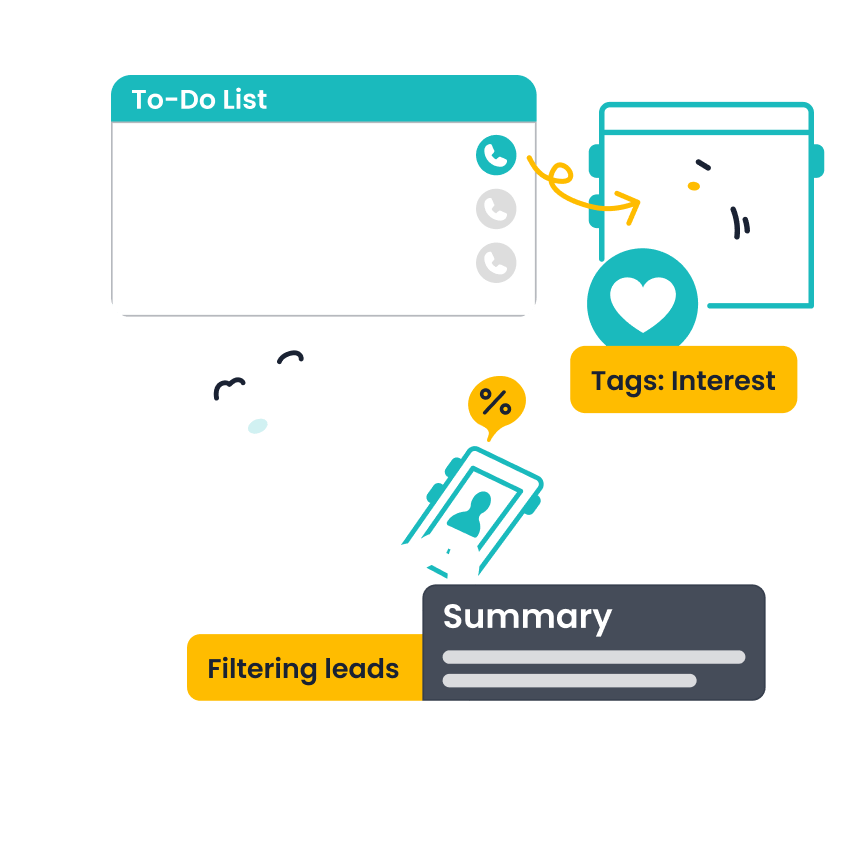
This powerful combination helps you:
- Reduce time spent on data entry.
- Filter contact lists to avoid duplicate leads and save money.
- Automatically create new leads and events in your CRM when you book a meeting.
- Instantly see customer details when they call, speeding up conversations.
By centralizing all actions and notes in your CRM, you get a complete view of your leads. This helps you make smarter decisions and close deals faster.
How Conversation Intelligence Improves Calls
How can you be sure every call is effective? Conversation intelligence software gives you the answer. This technology analyzes your calls to provide actionable feedback. It acts like a personal coach for every sales rep on your team.
AI-powered tools can analyze interactions to improve your performance. They can provide AI summarizations to condense long calls into key action items, saving you time. They also use sentiment detection to identify a customer's emotions, helping you address concerns before they escalate. You can even use agent scorecards to track your performance and find areas for improvement. This data-driven approach helps you refine your pitch, handle objections better, and turn more conversations into conversions. It ensures you are always learning and improving your approach to handling leads.
Tip 10: Automate Post-Call Follow-Up
The call is over, but your work is not done. Manual follow-ups are often inconsistent, causing valuable leads to go cold. Automation is your key to maintaining momentum. It ensures every prospect receives timely, consistent follow-ups, turning a good conversation into a real business opportunity. Using automation can increase the number of leads you generate by 80%.
Building a Streamlined Follow-Up Sequence
You need a plan for your follow-ups. A streamlined sequence helps you stay top-of-mind without annoying your prospects. You can build a multi-channel strategy that mixes emails, calls, and even SMS messages. This approach respects your prospect's preferences and increases response rates. Your goal is to add value with each touchpoint.
Pro Tip: Design a sequence of five contact attempts. Mix your channels and offer useful content at each step. This structured approach to follow-ups can lift your conversions by 80%.
Your sequence should include personalised follow-ups that reference your previous conversation. This shows you remember their specific challenges and strengthens the connection you built.
Ensuring No Lead Falls Through the Cracks
Automation ensures no opportunity is missed. An all-in-one platform unifies your channels and automates your processes, so you can focus on building relationships. This system is crucial for managing all your leads effectively. It helps you nurture potential customers and identify high-quality leads ready for the next step.
Luxury fashion brand Michael Kors is a perfect example of this success. They used Sobot's integrated platform to automate their customer lifecycle communications. This powerful strategy resulted in:
- A 20% increase in conversion rates.
- A 95% customer satisfaction rate.
By automating their follow-ups, they captured more leads and delivered an exceptional experience. This proves that the right technology helps you convert more high-quality leads and achieve incredible results.
Your success depends on three phases: preparation, execution, and follow-up. Applying these tips with a strong outbound calling strategy helps you convert more leads. The right tools help businesses achieve incredible success:
- Home-services companies saw a 30% increase in booked appointments.
- Healthcare imaging centers booked 15% more appointments per hour.
Transform your outbound calling strategy to turn your leads into wins. Explore how Sobot Voice for Sales can boost your success with all your leads. You can book a demo today to see how you can turn more leads into revenue.
FAQ
How many outbound calls should I make a day?
You should focus on quality over quantity. The right number depends on your industry and goals. Use a platform like Sobot Voice for Sales to automate dialing. This helps you connect with more high-quality leads in less time, boosting your overall success.
What is the best time for outbound sales calls?
You will find the most success on Wednesdays and Thursdays. The best times are between 4-5 PM and 11 AM-12 PM. Test different times to see what works best for your specific audience. Your own data will give you the clearest answer.
How do I stay motivated after facing rejection?
You must see rejection as part of the process. Each "no" brings you closer to a "yes." Focus on what you can control: your preparation, your tone, and your follow-up. Celebrate small wins to maintain a positive mindset for your next outbound calls.
What makes an outbound calling strategy effective?
An effective outbound calling strategy combines solid research, a flexible script, and clear next steps. You need to listen more than you talk. Using technology to automate tasks and track performance will also significantly improve your results and help you close more deals.
See Also
A Ten-Step Guide to Deploying Seamless Omnichannel Contact Center Solutions
Elevating Call Center Efficiency Through Strategic Performance Monitoring Techniques
Achieving Superior Customer Delight: Ten Live Chat Satisfaction Strategies
Leading Automated Voice Calling Software: A Comprehensive Review for 2024
Optimizing Call Center Operations: Essential Quality Management Best Practices

