What Is an Ecommerce Chatbot & Why You Need One

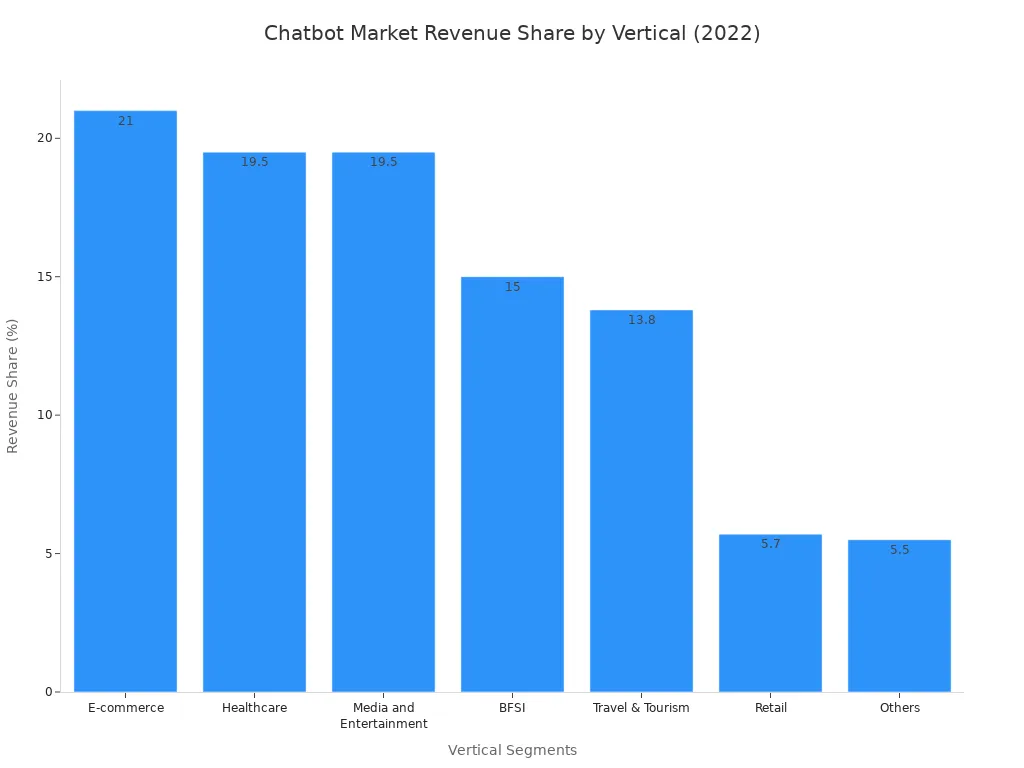
What are ecommerce chatbots? They are AI assistants for your ecommerce store. These ecommerce chatbots simulate human conversation to help shoppers. Their main purpose is to provide instant 24/7 support, a feature 89% of shoppers now expect. An e-commerce chatbot guides purchases and increases sales, transforming your customer experience. This e-commerce chatbot is vital for any ecommerce business. With the e-commerce market growing, this chatbot technology is crucial. The ecommerce sector leads in chatbot adoption.
Leading solutions, like Sobot, make powerful ecommerce chatbots accessible for your e-commerce business.
What are Ecommerce Chatbots and How Do They Work?
An ecommerce chatbot is a vital tool for any online business. It helps you provide instant support, guide customers, and boost sales. Understanding how these chatbots work is the first step to choosing the right one for your ecommerce store.
There are three main types of ecommerce chatbots: rule-based, AI-powered, and hybrid. Each type offers different capabilities. Let's explore what ecommerce chatbots are and how they can transform your business.
Rule-Based Chatbots: The Structured Path
Rule-based chatbots follow a predefined script. Think of them as a flowchart or a decision tree. You design the conversational path, and the chatbot guides users through it with a series of questions and pre-set answers. This structure makes them ideal for simple, repetitive tasks.
A chatbot flowchart is a diagram that maps out the conversation. It shows every step in a logical order, using arrows and nodes to direct the flow based on user responses. This blueprint ensures the chatbot provides a smooth and predictable experience.
For example, in an ecommerce setting, a rule-based e-commerce chatbot can easily handle tasks like:
- Tracking packages
- Providing updates on delivery times
- Initiating returns without human help
These chatbots are excellent for answering frequently asked questions (FAQs). They work well when you can anticipate what your customers will ask. However, their biggest limitation is a lack of flexibility. They struggle with questions that fall outside their programmed rules. If a customer phrases a query in an unexpected way, the chatbot may fail to understand, leading to a frustrating experience. Maintaining and scaling these chatbots can also become time-consuming as your ecommerce business grows and customer questions become more complex.
AI-Powered Chatbots: The Intelligent Conversation
AI-powered chatbots, or AI chatbots, represent a major leap forward. Unlike their rule-based counterparts, these ecommerce chatbots use advanced technologies like Natural Language Processing (NLP) and machine learning to understand and respond to human language.
NLP is a field of AI that allows computers to recognize, understand, and generate text and speech. It helps AI chatbots grasp the user's intent and sentiment, even if the language is informal or contains typos. This means your customers can ask open-ended questions and receive intelligent, relevant answers.
Modern AI chatbots are incredibly powerful. For instance, leading solutions like Sobot are ChatGPT-enabled. They can build a comprehensive knowledge base from your existing documents, such as articles, PDFs, and text files. This allows the e-commerce chatbot to provide accurate, instant replies to a wide range of customer inquiries.
Imagine a customer asking complex questions about a product. An AI e-commerce chatbot can pull information from a product manual PDF and provide a detailed, conversational response.
👤 USER: How can I use this smart coffee maker to create a custom brew schedule for weekdays?
🤖 BOT: You can create a custom brew schedule using the companion app! Here’s how:
- Open the app and navigate to the 'Schedules' tab.
- Tap 'Create New Schedule' and select the days from Monday to Friday.
- Set your desired brew time, strength, and temperature.
- Save the schedule, and your coffee maker will automatically start brewing at the set time on weekdays.
This level of conversational intelligence makes AI chatbots essential for any growing ecommerce business. They learn from every interaction, continuously improving their ability to serve your customers.
The Hybrid Model: Combining Structure and AI
What if you could have the best of both worlds? The hybrid model combines the reliability of rule-based systems with the intelligence of AI chatbots. This approach is often the most effective for ecommerce, creating a seamless balance between handling simple FAQs and resolving complex queries.
Hybrid ecommerce chatbots act as intelligent routing engines. They can start a conversation with a structured flow to handle common, transactional issues. For about 80% of inquiries—like order status checks, password resets, or basic product questions—the automated system is fast and efficient.
| Issue Type | Preferred Channel | Examples |
|---|---|---|
| Simple/Transactional (80%) | AI Chatbot | - Order status inquiries - Basic FAQs - Shipping updates - Simple returns/exchanges |
| Complex/Emotional (20%) | Human Agent | - Complaint resolution - Advanced technical support - Personalized advice - Escalated service issues |
However, when the chatbot detects a complex issue, customer frustration, or a high-value query, it seamlessly hands the conversation over to a human agent. This process is critical for a positive customer experience. The chatbot transfers the full conversational history, so your customer never has to repeat themselves.
This bi-directional routing also works in reverse. After a human agent solves a complex problem, they can hand the conversation back to the e-commerce chatbot to handle follow-up tasks like sending a satisfaction survey or providing shipping updates.
By blending structured paths with conversational AI, hybrid ecommerce chatbots ensure that your customers always get the right level of support. This powerful combination makes them a versatile and scalable solution for any e-commerce operation looking to enhance customer satisfaction and operational efficiency. Understanding what ecommerce chatbots are and their different types helps you make an informed decision for your brand.
Key Benefits of Ecommerce Chatbots for Your Business
Integrating an e-commerce chatbot into your online store is more than a trend. It is a strategic move that delivers measurable results. Ecommerce chatbots directly impact your sales, customer satisfaction, and operational budget. You can transform your ecommerce business by leveraging this powerful technology. Let's explore the key benefits an e-commerce chatbot offers.
Boost Sales and Ecommerce Conversions
An ecommerce chatbot is a powerful sales tool working for you 24/7. It engages customers at critical moments in their buying journey. This proactive engagement is key to increasing your sales and conversion rates. Many shoppers abandon their carts without making a purchase. Ecommerce chatbots can re-engage these customers with timely offers or assistance.
You can use a chatbot to send proactive messages to shoppers who hesitate on a product page. This simple interaction can guide them toward a purchase.
- Studies show that proactive messaging can boost conversion by 20%.
- Chatbot-driven sales funnels achieve a 2.4 times higher conversion rate than traditional web forms.
Solutions like Sobot are designed to maximize these opportunities. You can boost your conversion by 20% and get 30% more leads with a well-implemented e-commerce chatbot. The chatbot qualifies leads automatically. This frees your sales team to focus on high-value prospects. For any ecommerce brand, turning website traffic into sales is the ultimate goal. A chatbot helps you do just that.
Enhance Customer Support and Satisfaction
Modern shoppers expect instant answers. A long wait for a support agent can lead to frustration and lost sales. Ecommerce chatbots solve this problem by providing immediate, 24/7 support. They can handle a large volume of common questions at once. This ensures every customer gets a quick response, no matter the time of day.
AI chatbots are especially effective at improving the customer experience. They understand user intent and provide accurate answers to complex questions. This high level of service builds trust and loyalty. A great customer experience often leads to repeat business.
Mini Case Study: How OPPO Enhanced Customer Satisfaction Global electronics brand OPPO faced challenges with high inquiry volumes. By implementing Sobot's AI chatbot, they achieved an 83% chatbot resolution rate. This meant most customer issues were solved without human help. The result was a 94% positive feedback rate and a remarkable 57% increase in repurchases.
This example shows the power of an effective e-commerce chatbot. When you resolve customer issues quickly and efficiently, you create happier customers who are more likely to buy from your e-commerce store again.
Reduce Operational Costs at Scale
Customer support can be expensive. Hiring, training, and retaining a team of support agents requires a significant investment. Ecommerce chatbots offer a cost-effective solution that helps you scale your e-commerce operations efficiently.
A single chatbot can manage thousands of conversations simultaneously. It handles the repetitive, simple questions that make up a large portion of support inquiries. This frees your human agents to focus on complex, high-value tasks that require a human touch. This human-machine collaboration makes your entire support team more productive.
Here is how a chatbot drives down costs:
- Lower Staffing Needs: Sobot's data shows you can save up to 50% on agent costs. The chatbot triages queries around the clock, reducing the need for a large 24/7 team.
- Increased Agent Productivity: With a chatbot handling basic questions, your agents become more efficient. This can lead to a 70% improvement in agent productivity. They can resolve more complex tickets in less time.
- Faster Resolutions: AI chatbots cut response times from hours to seconds. Faster resolution times mean lower costs per interaction and a better customer experience.
By automating routine support tasks, you reduce operational overhead while improving the quality of your service. This makes an e-commerce chatbot an essential investment for any growing ecommerce business. The use of ai chatbots is a smart financial decision.
Essential Features for E-commerce Success with Sobot
Choosing the right e-commerce chatbot means looking for features that drive real results. A great chatbot does more than answer questions. It actively helps your ecommerce business grow. The best ecommerce chatbots integrate smoothly into your operations. They provide a better user experience for your customers. Let's explore the essential features that make an e-commerce chatbot a powerful tool for your brand.
Omnichannel Support for a Unified Experience
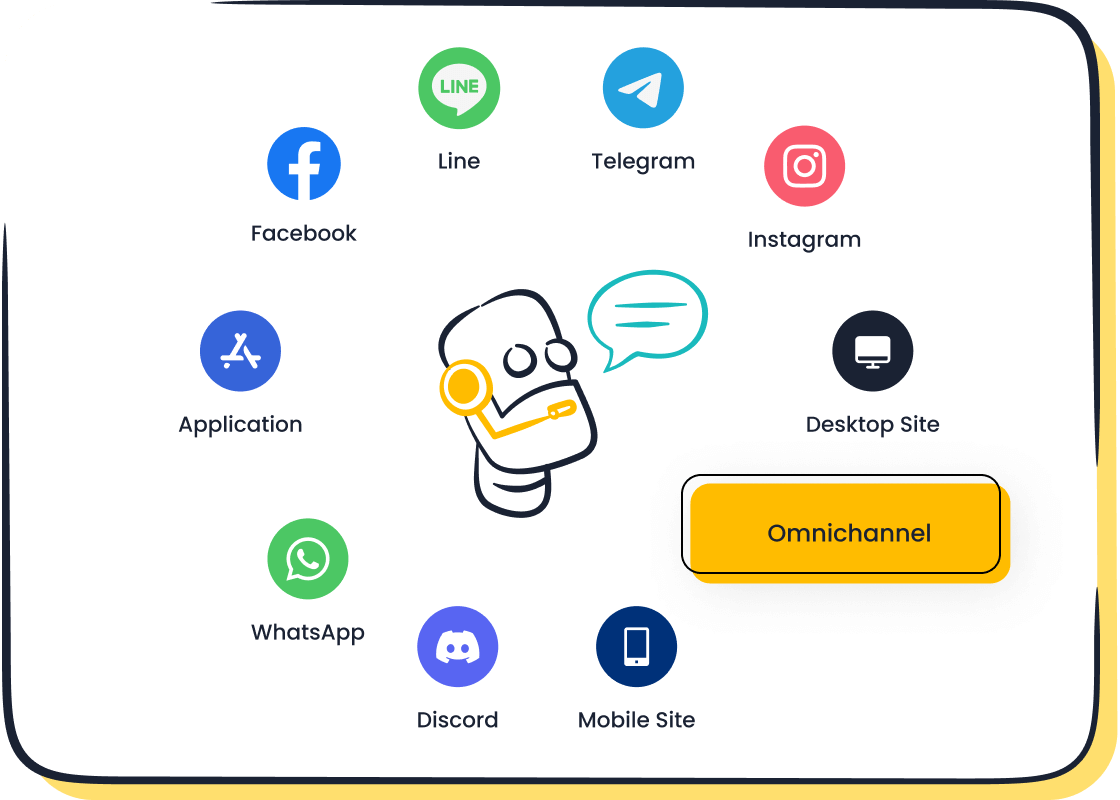
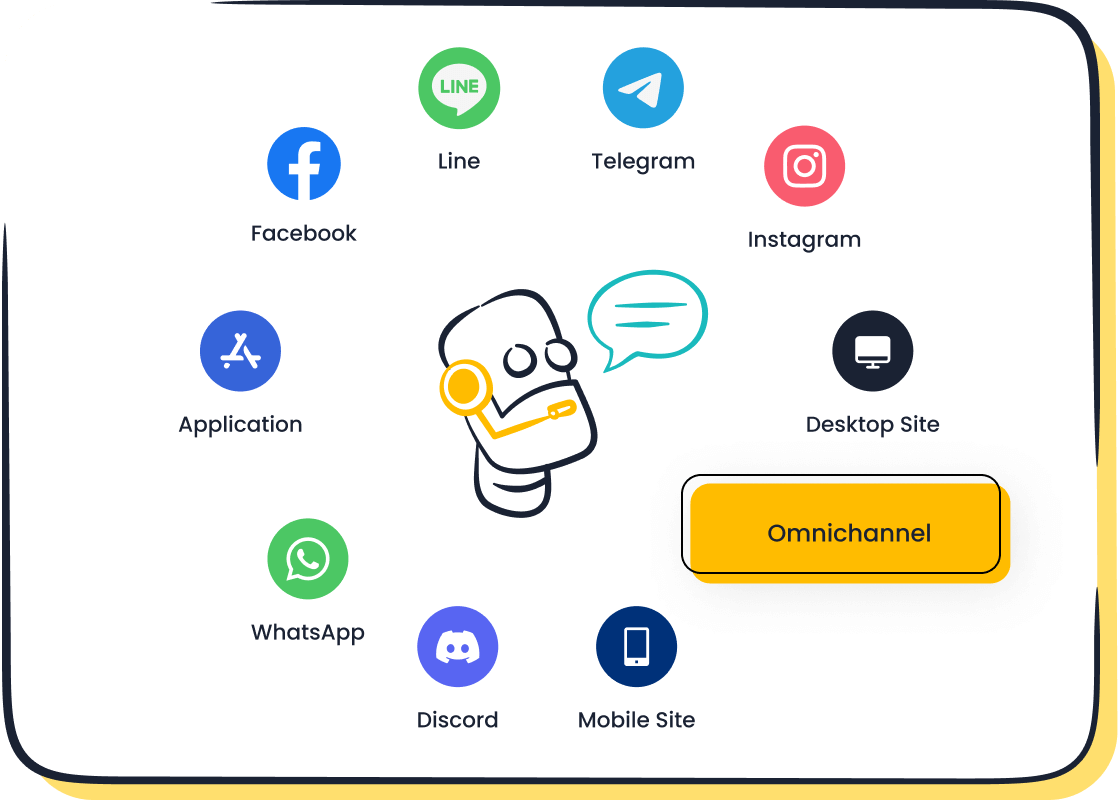
Your customers connect with your ecommerce brand across many channels. They might use your website chat, send a WhatsApp message, or reply to an SMS. An omnichannel e-commerce chatbot unifies these conversations. It brings all customer interactions into a single workspace for your team. This creates a consistent user experience.
Note: A unified inbox allows your agents to see every message from a customer in one place. This includes chats from WhatsApp, email, and your website. It eliminates the need to switch between different tools.
Sobot provides this unified experience. It centralizes channels like WhatsApp, SMS, and website chat into one easy-to-use workspace. As an official WhatsApp Business Solution Provider (BSP), Sobot ensures your communications are secure and compliant. This helps you build customer trust.
Proactive Cart Abandonment Recovery
Shoppers abandon their carts for many reasons. The average cart abandonment rate is over 70%. This represents a huge opportunity for your ecommerce business. Ecommerce chatbots can help you recover these lost sales. A chatbot can send a proactive message when it detects a user is about to leave.
For example, a chatbot can offer a discount code or ask if the customer needs help.
- "Wait, use code STAY10 for 10% off your order."
- "Need help finishing your purchase? Chat with us now."
This simple intervention is highly effective. Studies show that AI chatbots can recover up to 20% of lost sales. This is double the recovery rate of traditional abandoned cart emails.
Personalized Product Recommendations
An intelligent e-commerce chatbot acts like a personal shopper for your customers. It uses AI to analyze a user's browsing history and past purchases. The chatbot then suggests products the customer is likely to love. This creates a tailored shopping journey and a better user experience.
These personalized recommendations have a direct impact on your revenue.
- AI-driven suggestions can contribute to over 31% of e-commerce revenue.
- Personalized recommendations can also increase your average order value.
By offering relevant products, the chatbot helps customers discover items they might have missed. This not only boosts sales but also makes shoppers feel understood.
Seamless Handoff to a Human Agent
Some questions require a human touch. The best ecommerce chatbots know when to step aside. A seamless handoff to a human agent is a critical feature. The chatbot should transfer the conversation when it detects customer frustration or a complex issue.
Most importantly, the chatbot must transfer the full context. This means the human agent sees the entire chat history. Your customer never has to repeat themselves. This context preservation is key to a positive experience. It makes your support team more efficient and builds trust with your customers. Sobot makes this process easy with a no-code, point-and-click interface, allowing you to design these workflows without any technical help.
Implementing Your First E-commerce Chatbot
Adding an e-commerce chatbot to your ecommerce store is a straightforward process. You can launch your first chatbot by following a few key steps. This guide will help you implement a chatbot that serves your e-commerce goals.
Step 1: Identify Your Primary Business Goal
First, you need to define what you want your e-commerce chatbot to achieve. A clear goal guides your entire strategy. Your ecommerce business might want to automate support or increase sales. Common goals for an e-commerce chatbot include:
- Reducing support ticket volume by handling common questions.
- Recovering abandoned carts with timely offers.
- Qualifying leads for your sales team.
- Tracking orders and managing post-purchase engagement.
Setting a primary goal helps you measure the success of your chatbot and its impact on your e-commerce operations.
Step 2: Choose the Right Chatbot Platform
Next, you must select the right platform for your ecommerce needs. The best platforms are easy to use. You should not need a technical team to build a powerful chatbot. Look for a solution with a no-code, point-and-click interface. This allows you to design your chatbot visually, much like making a presentation. Sobot offers this simplicity, making it easy to deploy a chatbot for your e-commerce brand. A good platform is essential for any ecommerce business.
Step 3: Design the Conversation Flow
Now you can design how your chatbot talks to customers. A good conversation feels natural and helpful. You should map out the user journey for your e-commerce site. Think about the steps a customer takes to find a product or ask a question.
Tip: Review past customer service chats. This helps you understand common questions and pain points. Use this information to build effective chatbot dialogues and plan for unexpected user responses.
Your chatbot design should guide users toward their goals efficiently.
Step 4: Test, Launch, and Optimize
Before you launch your chatbot, you must test it thoroughly. Have real users interact with the chatbot to find any issues. After launching, you need to monitor its performance. Tracking the right metrics helps you understand how your chatbot is doing. Key metrics for ecommerce chatbots include:
- Resolution Rate: How many issues the chatbot solves without human help.
- User Engagement: The number of active users interacting with your chatbot.
- Goal Completion Rate: How often users achieve their goal with the chatbot.
Use this data to continuously improve your chatbot. Optimization ensures your e-commerce chatbot provides the best experience for your ecommerce customers.
You now know what are ecommerce chatbots. An e-commerce chatbot is a vital tool for modern e-commerce. This chatbot directly impacts your sales, customer satisfaction, and operational efficiency. Ecommerce chatbots boost conversion, cut costs, and provide 24/7 support. Your e-commerce chatbot is key to your ecommerce success. This chatbot helps your e-commerce business grow. The right chatbot improves your ecommerce conversion rate.
“AI is playing an increasingly central role in that effort, including helping shoppers source information about a brand’s returns policy, leveraging AI-powered customer support, and personalized AI-generated recommendations to streamline their return.” — Jason Brenner, FedEx
Explore a solution like the Sobot Chatbot to see how this powerful chatbot can meet your specific e-commerce needs and improve your ecommerce conversion.
FAQ
How does an ecommerce chatbot save my business money?
An ecommerce chatbot reduces your operational costs significantly. It operates 24/7 to handle common questions. This frees up your human agents for complex tasks. Solutions like Sobot can help you save up to 50% on agent costs while improving team productivity.
Do I need coding skills to set up an ecommerce chatbot?
No, you do not need coding skills. Modern platforms like Sobot offer a no-code, point-and-click interface. You can easily design and launch your ecommerce chatbot using simple visual tools. This makes the technology accessible for any ecommerce business owner.
Can a chatbot help with more than just customer support?
Yes, a chatbot is a powerful tool for sales and marketing. It can proactively engage visitors, recover abandoned carts, and offer personalized product recommendations. This helps you get more leads and can boost your conversion rates by up to 20%.
See Also
Elevate Your Online Store: Live Chat Software Drives Sales Growth
Revolutionize Online Shopping: Chatbots Enhance Customer Happiness and Loyalty
Discover the Best Live Chat Solutions for E-commerce Success This Year
Simple Steps to Build an Effective Chatbot for Your Website Today
Mastering Chatbot Creation: Essential Strategies for Website Engagement and Growth

