Key Trends in What Are Client Service Skills for 2025

What are client service skills in 2025? They blend advanced technology, such as Sobot AI and automation, with essential human qualities like empathy, adaptability, and strong communication. Businesses recognize these skills as crucial for meeting increasing customer expectations and adapting to emerging trends. For instance, 73% of customers remain loyal to brands with friendly agents, while 70% prioritize knowledgeable staff. Sobot is at the forefront of this transformation, offering AI-driven omnichannel solutions that enable companies to provide fast, personalized service across every customer touchpoint.
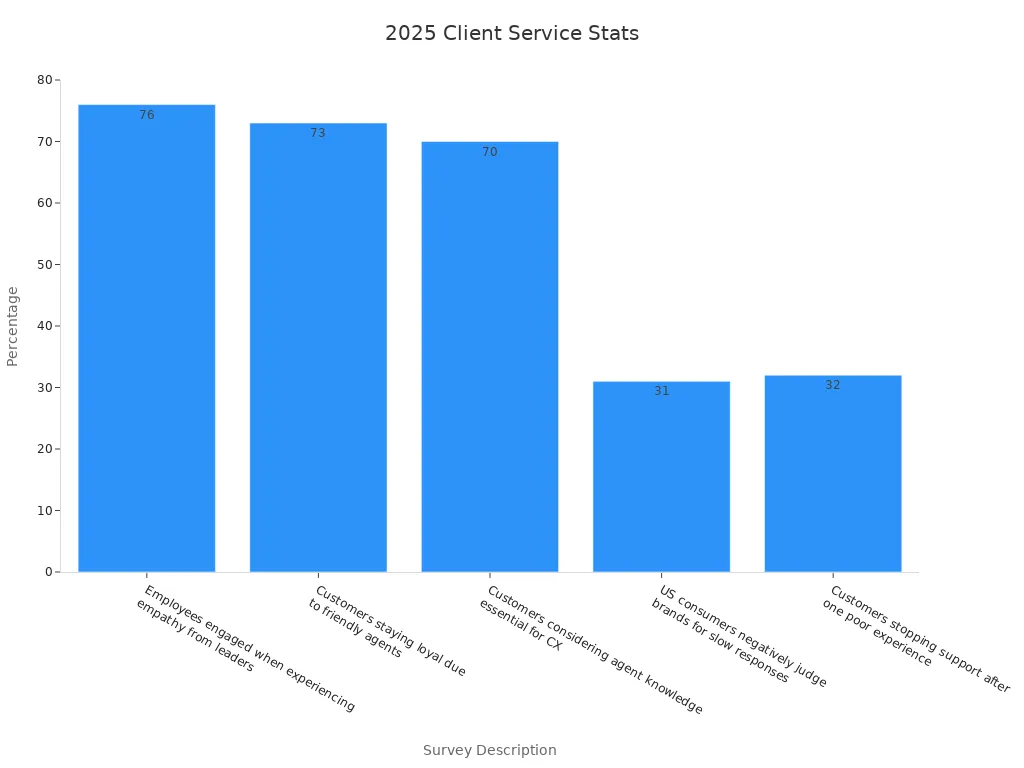
| Statistic Description | Percentage / Data Point |
|---|---|
| Employees engaged when experiencing empathy from leaders | 76% |
| Customers staying loyal due to friendly agents | 73% |
| Customers considering agent knowledge essential for CX | 70% |
| US consumers negatively judge brands for slow responses | 31% |
| Customers stopping support after one poor experience | 32% |
What Are Client Service Skills in 2025
Definition and Core Elements
Client service skills in 2025 reflect a blend of advanced technology and essential human abilities. These skills help businesses deliver outstanding customer service and adapt to rapid changes in the digital landscape. Companies now focus on the fastest-growing skills that drive both efficiency and satisfaction.
Key elements of what are client service skills in 2025 include:
- Digital Fluency: Employees must use AI-powered tools, chatbots, and omnichannel platforms. Sobot’s solutions, for example, allow agents to manage customer interactions across channels like WhatsApp, SMS, and live chat in a single workspace.
- Empathy and Communication: Human qualities remain vital. Agents need to listen actively, show understanding, and communicate clearly. These skills build trust and improve the customer service experience.
- Adaptability: The fastest-growing skills include the ability to learn new technologies and respond to changing customer needs. Companies value employees who can shift between digital and human touchpoints with ease.
- Problem-Solving: Agents must resolve issues quickly and accurately. They use data-driven insights to personalize support and anticipate customer needs.
- Transparency: Customers expect openness about policies, pricing, and operations. According to industry reports, 94% of customers say transparency increases loyalty (Forbes).
Nearly 75% of consumers prefer self-service tools like FAQs, chatbots, and knowledge bases. Companies that invest in these resources empower clients to solve problems independently and improve the overall customer service experience.
The fastest-growing skills in client service now include digital literacy, emotional intelligence, and the ability to use AI-driven platforms. Sobot’s AI chatbot, for instance, helps businesses automate regular queries, cut costs, and boost conversions, making these skills even more valuable.
Evolving Customer Expectations
Customer expectations have changed dramatically. Today’s clients want fast, seamless, and personalized service at every touchpoint. They expect companies to anticipate their needs and provide proactive support.
- Customers now see proactive support as a standard. Companies must use AI-driven automation to predict issues and offer solutions before problems arise.
- Omnichannel experiences are essential. Customers want to switch between channels—like chat, email, and phone—without repeating information. Sobot’s omnichannel solution enables this seamless transition, ensuring context is never lost.
- Personalization at scale has become a must. Customers expect service tailored to their unique needs, powered by real-time data and intelligent automation.
- Trust and transparency are more important than ever. Customers demand clear communication and robust data security. They link trust directly to loyalty and expect brands to deliver on promises.
- The fastest-growing skills now include the ability to balance AI efficiency with human empathy. While automation handles routine tasks, complex or emotional issues still require a human touch.
Heightened expectations make loyalty harder to earn. Over half of customers reduce spending after a poor experience, but even small improvements can increase repurchase and recommendation rates.
Companies like Sobot help businesses meet these evolving demands. Their AI-powered chatbots and unified workspaces enable agents to deliver fast, accurate, and personalized support. Real-time insights and continuous training ensure teams stay ahead of changing customer needs.
| Customer Expectation | Impact on Service Skills |
|---|---|
| Proactive Support | Predictive, data-driven interactions |
| Omnichannel Experience | Seamless transitions across channels |
| Personalization | Tailored, real-time service |
| Transparency & Trust | Open communication, data security |
| Human-AI Balance | Empathy for complex issues |
The fastest-growing skills in customer service now focus on digital expertise, adaptability, and emotional intelligence. Companies that master what are client service skills for 2025 will deliver superior customer experience and build lasting loyalty.
Customer Service Trends Shaping 2025

Digital Transformation
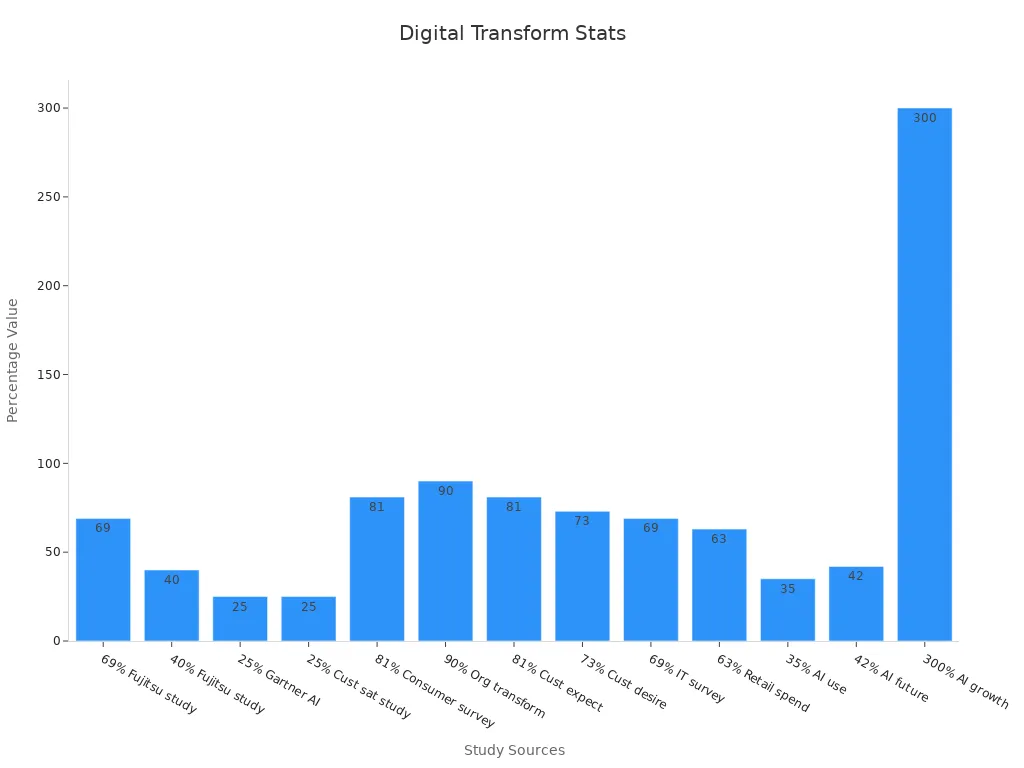
Digital transformation stands as a defining force among customer service trends in 2025. Companies now invest in advanced technologies to improve customer support, streamline operations, and deliver faster service. Market research highlights that 90% of organizations are undergoing digital transformation, with 81% of customers expecting quicker responses and 73% seeking better personalization (source). Businesses see improved efficiency, reduced costs, and stronger customer relationships as key outcomes.
Sobot’s omnichannel solution exemplifies this shift. By integrating AI-driven automation, Sobot enables companies to manage customer interactions across multiple channels in one unified workspace. This approach not only boosts operational efficiency but also empowers agents to focus on complex issues while automation handles routine queries. Companies using omnichannel AI solutions like Sobot report a 91% higher year-over-year increase in customer retention rates.
- 77% of small businesses use social media for sales, marketing, and customer service.
- 69% of retailers report improved efficiency and reduced costs from digital transformation.
- 81% of consumers view AI as essential for modern customer service.
Omnichannel Experience
Omnichannel support has become a cornerstone of customer service trends. Customers expect seamless, integrated experiences across every touchpoint, from chat and email to social media and phone. Companies that deliver consistent service across channels see higher satisfaction and loyalty.
Industry leaders like OPPO demonstrate the power of omnichannel support. By partnering with Sobot, OPPO unified its global customer channels and business systems. This integration allowed OPPO to achieve an 83% chatbot resolution rate and a 94% positive feedback rate. Customers benefited from stronger self-service options, faster responses, and a more personalized experience.
Other brands, such as Oasis and Ulta Beauty, have also seen increased sales and loyalty by adopting omnichannel strategies. These companies use technology to personalize service, offer stronger self-service options, and ensure customers never need to repeat information.
Companies that invest in omnichannel support and stronger self-service options position themselves to meet emerging trends and exceed customer expectations in 2025.
Technology and Automation in Customer Service
AI and Chatbot Integration
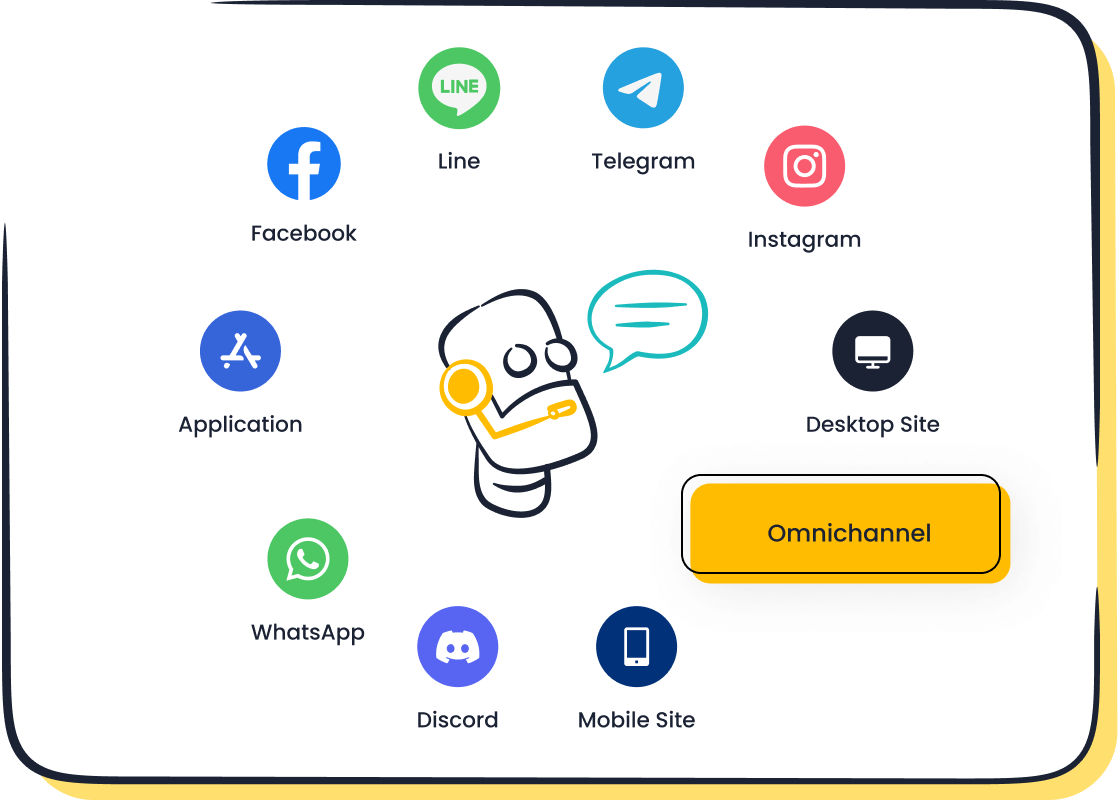
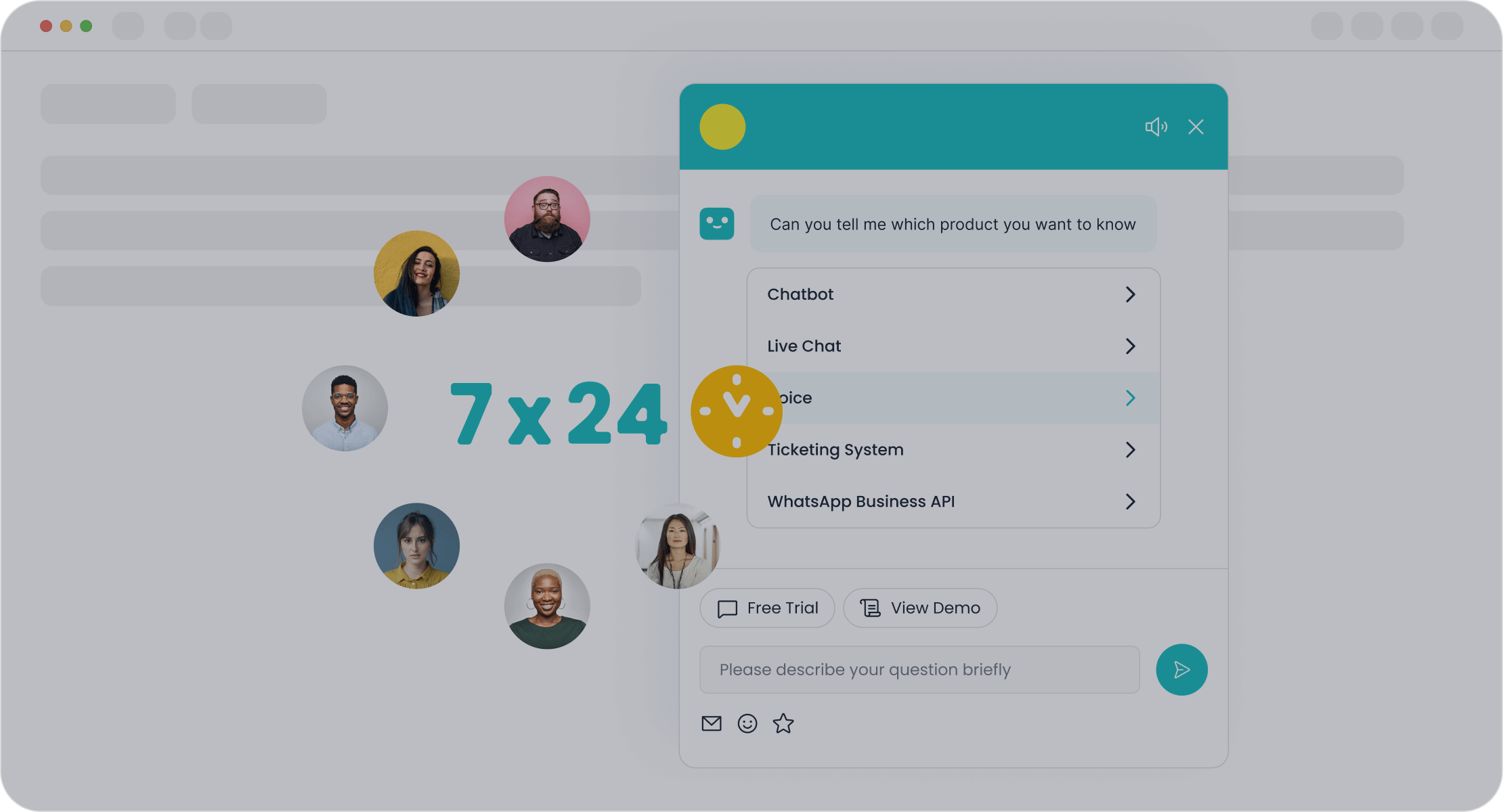
AI and chatbot integration have transformed customer service in recent years. Companies now use advanced chatbots to automate routine customer support tasks, allowing human agents to focus on complex issues. Sobot’s AI Chatbot stands out by providing 24/7 service, multilingual support, and seamless integration across channels like WhatsApp and SMS. This technology helps businesses respond faster and more accurately to customer needs.
Data from over 14,000 merchants shows that automation reduces first response time by 37% and resolution time by 52%. Companies also see a 36% increase in repeat purchases and a 27% decrease in ticket-to-order ratio. These improvements mean that customer service teams can handle more requests without hiring extra staff, especially during busy seasons. AI-driven automation supports leaner teams and higher customer satisfaction.
Key performance metrics for chatbot integration include:
- Number of conversations handled by the chatbot
- Automation rate for customer queries
- Reduction in support tickets for human agents
- Customer satisfaction scores (CSAT)
- Resolution speed and accuracy
Sobot’s chatbot enables companies to deliver efficient, cost-effective customer support while maintaining high service quality.
Data-Driven Personalization
Data-driven personalization has become a core element of modern customer service. AI analyzes customer data to tailor responses, recommend solutions, and route tickets to the right agents. This approach builds trust and increases the perceived value of each interaction.
A recent study found that AI-driven personalization boosts consumer trust and engagement. In one case, a retail company tracked 15 million clients over 15 months and saw a significant rise in customer engagement and contactability. Real-time data integration allowed the company to move more customers from anonymous to identified states, improving service outcomes.
| Aspect | Description |
|---|---|
| Sample Size | 15 million clients |
| Key Outcome | Increased engagement and contactability |
| Data Integration | Real-time linking of customer data |
| Impact | More customers with identifiable data |
| Touchpoints | Applied across physical and digital channels |
Sobot’s omnichannel solution uses unified data to personalize every customer interaction. This ensures that each customer receives relevant, timely service, leading to higher satisfaction and loyalty.
Essential Soft Skills for Client Service
Communication and Active Listening
Communication stands as the foundation of every successful customer interaction. Service agents must express ideas clearly and listen carefully to understand customer needs. Active listening means focusing on the customer’s words, tone, and emotions. This approach helps agents respond with relevant solutions and build trust. Sobot’s unified workspace supports communication by giving agents access to all customer data in one place. This setup allows agents to respond quickly and accurately, improving the overall customer experience. When agents practice strong communication and active listening, they reduce misunderstandings and increase satisfaction.
Empathy and Emotional Intelligence
Empathy and emotional intelligence play a critical role in customer service. Agents who show genuine care make customers feel valued. Research in the banking industry found a strong link between empathy and customer satisfaction, with a correlation coefficient near 0.50. Another study by SQM Group revealed that customer satisfaction scores rise by 35% when agents display real empathy. These interactions also improve first call resolution, which boosts satisfaction by 20%. Empathy and emotional intelligence help agents manage difficult situations, reduce stress, and foster cooperation. Sobot’s AI tools can handle routine tasks, but human agents use empathy and emotional intelligence to resolve complex issues and create lasting positive impressions.
Adaptability and Problem-Solving
Adaptability enables agents to adjust quickly to new customer needs, technologies, or processes. In today’s fast-changing environment, agents must switch between channels and handle unexpected challenges. Problem-solving skills help agents identify issues and find creative solutions. Metrics such as customer satisfaction scores, Net Promoter Score, and first-contact resolution rates measure the impact of adaptability and problem-solving.
| Metric Type | Examples Supporting Adaptability and Problem-Solving |
|---|---|
| Direct Measurements | Training assessments, mystery shopper scores, feedback |
| Indirect Measurements | CSAT, NPS, CES, escalation rates, handling time, retention |
Sobot’s omnichannel platform supports adaptability by allowing agents to manage all customer interactions in one place. This unified approach helps agents stay flexible and deliver consistent service, no matter how customer needs change.
Blending Technology with the Human Touch
Personalization at Scale
Modern customer service relies on technology to deliver personalized experiences to every customer, no matter the scale. Companies use AI-powered platforms like Sobot to analyze customer data and provide real-time personalization. This approach ensures that each customer receives relevant support, recommendations, and solutions based on their unique needs and behaviors. Sobot’s unified workspace brings together customer information from multiple channels, allowing agents to tailor every interaction.
Industry research highlights the effectiveness of this strategy:
| Metric | Demonstrated Impact |
|---|---|
| Marketing ROI | 25% average increase |
| Sales Increase | Approximately 20% uplift |
| Customer Engagement Rates | 2× higher engagement |
| Conversion Rates | 1.7× higher conversion |
| Customer Churn | 28% reduction |
| Customer Satisfaction Scores | 30% boost |
| Customer Acquisition Costs | Up to 50% reduction |
These results show that personalization and real-time personalization drive higher customer engagement, satisfaction, and retention. Sobot’s AI-driven solutions help businesses achieve these outcomes by automating routine tasks and enabling agents to focus on building relationships throughout the customer journey.
Proactive Support Approaches
Proactive support transforms the customer experience by anticipating needs and addressing issues before they escalate. Sobot enables companies to set up automated alerts, structured onboarding, and regular check-ins, all powered by unified customer data. Predictive analytics identify at-risk customers, allowing teams to intervene early and improve customer retention.
Companies that use proactive strategies report a 15–20% increase in retention rates and higher customer lifetime value. For example, a major cloud provider found that proactive customer education halved churn in the first week and increased service usage by 46% over eight months. Proactive support also includes building customer communities and offering self-serve resources, which foster loyalty and reduce frustration.
To blend automation with empathy, organizations can:
- Use AI to handle repetitive service requests, freeing agents to focus on complex customer needs.
- Train agents to interpret customer data and respond with understanding.
- Regularly review feedback to refine both automated and human support.
Industry research shows that integrating human-centric approaches with technology leads to better collaboration, fewer errors, and improved service outcomes. Sobot’s platform empowers teams to deliver proactive, personalized service at every stage of the customer journey.
Developing Future-Ready Client Service Teams
Continuous Learning
Continuous learning shapes the foundation of future-ready client service teams. Teams that focus on ongoing development see 34% higher employee retention rates. In these environments, 75% of employees stay for at least five years. Learning-oriented teams outperform competitors by updating their knowledge and skills, often exceeding industry standards. They also improve customer satisfaction by understanding and serving customer needs more effectively.
Continuous learning fosters perseverance, creativity, and resourcefulness. It helps teams adapt to change and drive innovation. As digital transformation accelerates, organizations must keep pace with rapid advancements. Global spending on digital transformation is projected to reach $3.9 trillion by 2027 (Statista). Companies that prioritize continuous learning, including AI-assisted tools like Sobot’s training modules, maintain competitiveness and respond to new challenges in the future of work.
Upskilling for Digital Tools
Upskilling for digital tools is essential as customer service evolves. Skills assessments give leaders insight into workforce strengths and gaps. These assessments align training with job roles, measuring both hard and soft skills, including proficiency in digital platforms.
- Skills assessments mirror real job tasks, ensuring relevance.
- Data from assessments guides training and highlights effective upskilling.
- Metrics track progress toward skill goals and support internal mobility.
AI-powered assessments, such as those integrated in Sobot’s omnichannel platform, continuously evaluate competencies using real-time data. This approach helps teams master digital tools and adapt to emerging skills required for modern customer service.
Measuring Success
Measuring success in client service relies on clear performance metrics. These metrics help organizations understand customer needs, improve service quality, and monitor agent performance.
| Metric | Purpose |
|---|---|
| Customer Satisfaction Score | Measures satisfaction after each interaction |
| Net Promoter Score | Gauges loyalty and likelihood to recommend |
| First Response Time | Tracks speed of initial response |
| Average Resolution Time | Measures time to resolve issues |
| First Contact Resolution Rate | Shows effectiveness of service |
| Average Handle Time | Monitors agent productivity |
| Repeat Contact Rate | Indicates resolution quality |
| Customer Effort Score | Assesses ease of issue resolution |
Tracking these KPIs enables teams to deliver better customer experiences and adapt to changing expectations. Sobot’s analytics dashboard provides real-time insights, helping leaders make data-driven decisions and ensure long-term success.
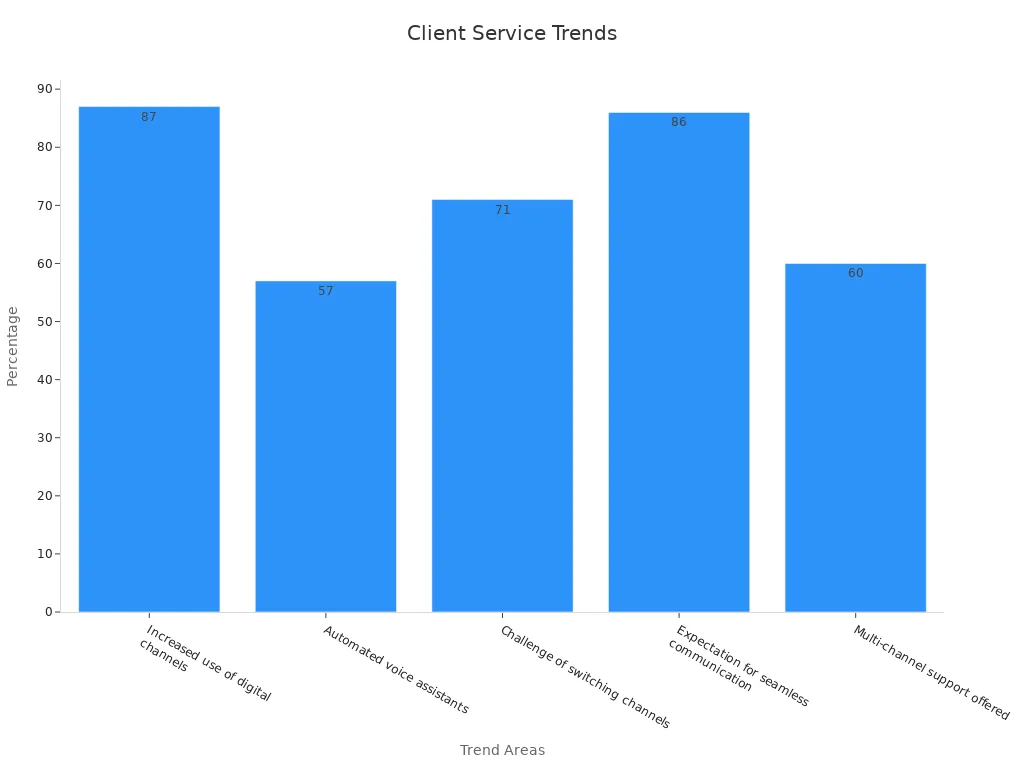
Customer service in 2025 will rely on a powerful mix of technology and human skills. Companies must use AI, automation, and omnichannel platforms like Sobot to deliver fast, seamless service. At the same time, emotional intelligence and adaptability remain essential for building trust and loyalty. Data shows that 86% of consumers expect seamless multi-channel communication, and proactive service will soon outnumber reactive support.
To prepare, organizations should invest in continuous learning and digital upskilling. Case studies prove that combining technology with soft skill training leads to higher retention and better customer outcomes. Sobot’s unified solutions help teams personalize every customer interaction and adapt to future customer service trends.
FAQ
What are the most important client service skills for 2025?
Client service skills in 2025 include digital fluency, empathy, adaptability, and problem-solving. Companies like Sobot highlight the need for agents to use AI tools, communicate clearly, and personalize support. Data shows 73% of customers value friendly, knowledgeable service (source).
How does technology improve client service skills?
Technology boosts client service skills by automating routine tasks and providing real-time data. Sobot’s AI chatbot handles 24/7 support, freeing agents to focus on complex issues. This approach increases efficiency by up to 70% and improves customer satisfaction.
Why is omnichannel support vital for client service skills?
Omnichannel support allows agents to manage all customer interactions in one place. Sobot’s omnichannel solution helps agents deliver seamless service across chat, email, and phone. Companies see a 91% higher retention rate with strong omnichannel client service skills.
How can teams develop future-ready client service skills?
Teams build future-ready client service skills through continuous learning and digital upskilling. Sobot’s training modules and analytics help agents master new tools. Companies that invest in learning see 34% higher retention and better customer outcomes.
What role does personalization play in client service skills?
Personalization stands at the core of client service skills. Sobot’s AI-driven solutions use customer data to tailor every interaction. Companies report a 30% boost in satisfaction and a 28% reduction in churn when they personalize support.
Tip: Regularly review feedback and use analytics to improve client service skills and customer experience.
See Also
Discover The Leading Cloud Contact Centers For 2025
Best Cloud Contact Center Services Reviewed In 2024
Leading Call Center Analytics Tools Ranked For 2024

