The Future of the Customer Experience Event

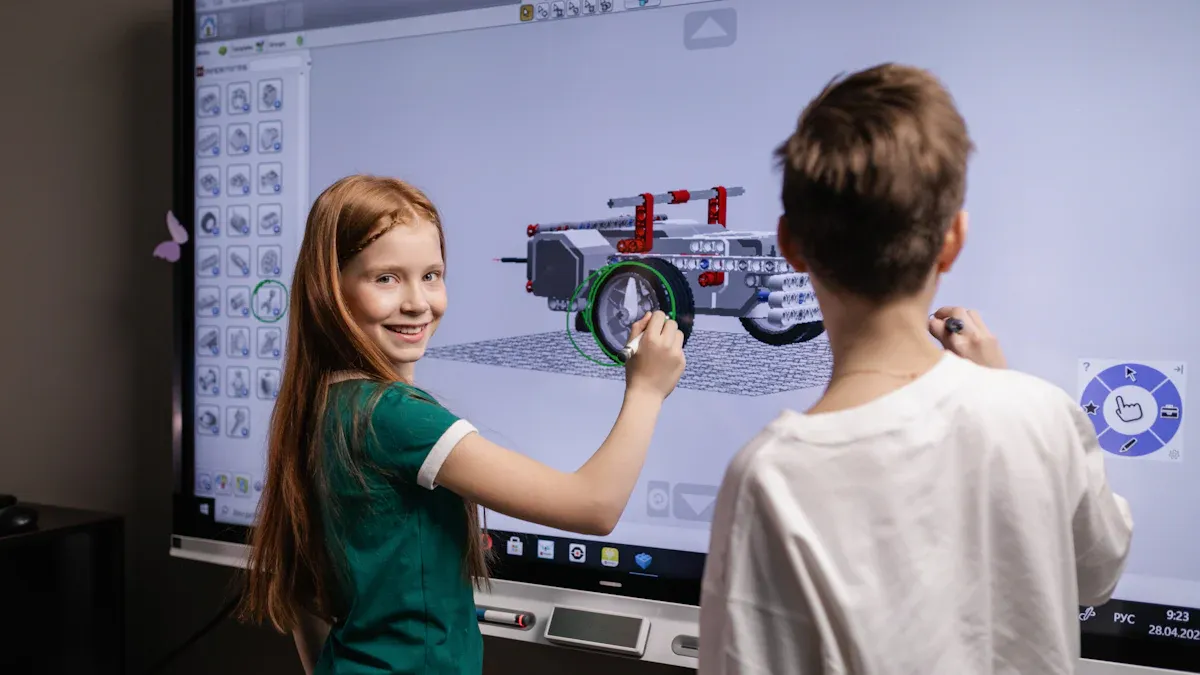
The debate over virtual events versus in-person events is over. The future is a strategic hybrid format for every event. Your next customer experience event must blend the best of in-person and virtual experiences.
With most organizers planning in-person live events and virtual events now a core strategy, hybrid events are essential.
This guide offers a framework for your event format. You can design the perfect hybrid event for your audience. Use Sobot, Sobot AI, and the Sobot call center to power your virtual engagement and virtual experience for all your virtual events and live events.
The Unmatched Value of In-Person Events
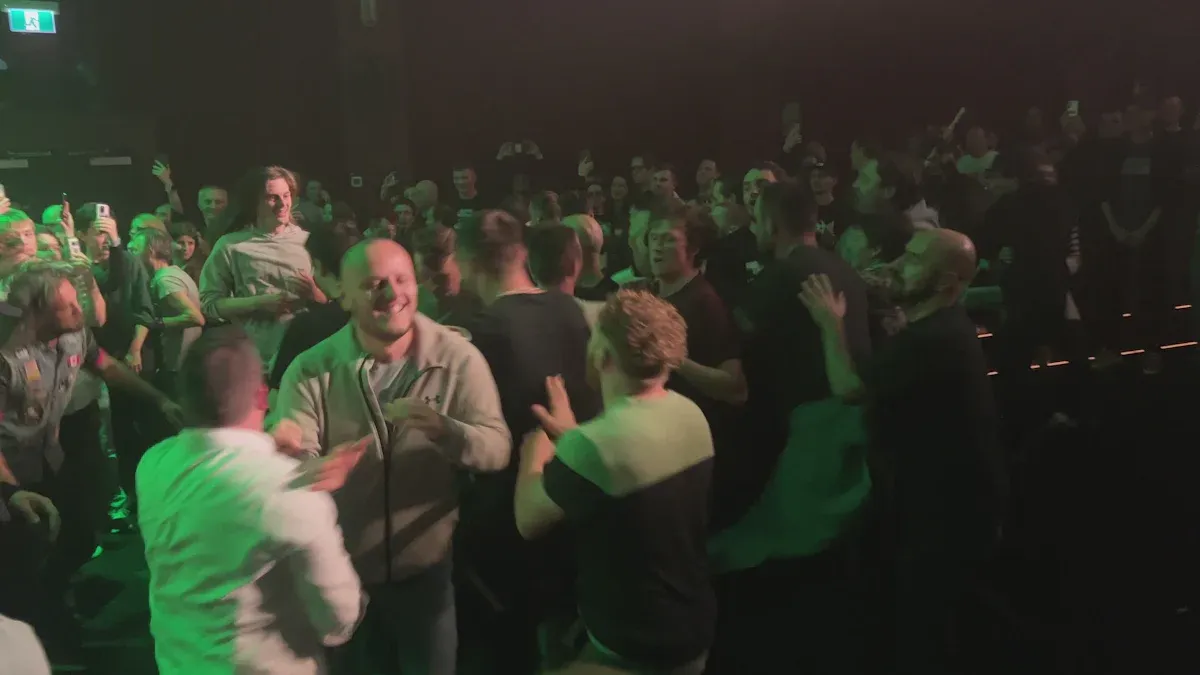
While virtual platforms expand your reach, you cannot replace the unique benefits of in-person events. These live events create powerful moments that build lasting brand loyalty. The future of events is not about abandoning in-person gatherings but understanding their distinct value. In-person events offer a tangible experience that digital formats cannot replicate. Successful events leverage the power of face-to-face interaction. Let's explore why in-person events and in-person meetings remain essential for your event strategy.
Building Trust and Deeper Relationships
You build trust most effectively through direct human connection. In-person events provide the perfect setting for this. When customers meet you face-to-face at live events, they form a stronger bond with your brand. This personal interaction at an event fosters confidence.
Studies show that 77% of people trust brands more after an in-person interaction at live events.
This trust lasts, with 64% reporting positive effects for at least a month after the event.
After attending live events, 72% of attendees view the brand more positively.
“A brand’s most valuable asset is the trust it builds with its customers. Freeman’s new research makes it clear that the companies who engage with their customers at live events build significant trust and loyalty.” — Mickey Wilson, Chief Marketing Officer at Freeman
Creating High-Impact Brand Experiences
In-person events allow you to create immersive worlds for your audience. You can design a multi-sensory experience that captures attention and emotion. Brands like Nike have used in-person events to let customers physically test products in fun, memorable ways. Samsung created an immersive installation at CES, allowing attendees to interact with new technology firsthand. These high-impact live events generate buzz and make your brand unforgettable. Good networking is a key part of these events. This kind of networking helps build community around your brand.
The Power of In-Person Meetings for Collaboration
In-person meetings are unmatched for complex problem-solving and strategic thinking. Research shows that face-to-face requests are 34 times more effective than emails. The non-verbal cues you see in in-person meetings are lost online. This makes in-person meetings critical for important decisions. In-person meetings boost collaboration and networking. They also improve engagement levels. Teams generate more ideas during in-person meetings. These in-person meetings provide valuable networking opportunities. The best networking happens during these in-person events. This networking strengthens professional relationships. For any event, in-person meetings are key for collaboration. The networking at these live events is invaluable.
The Unprecedented Reach of Virtual Events

In-person events create deep connections, but virtual events offer unparalleled scale. You can expand your brand's influence far beyond a physical venue. Virtual live events break down barriers. They make your content accessible to a global audience. These virtual events are a key part of modern event strategy. The benefits are clear. Let's explore how virtual events can amplify your reach and provide valuable insights for all your events.
Maximizing Accessibility for a Global Audience
Virtual events give you the power to connect with people everywhere. You are no longer limited by geography or travel costs. This is a huge advantage for your event. About 80% of event organizers report that virtual events significantly broaden their reach. You can attract an audience from remote areas or different countries. This inclusivity enriches the participant pool for all your live events. Hybrid virtual live events allow people who cannot travel to participate. This expands your audience and makes your event more accessible. This is one of the biggest benefits of virtual events.
Leveraging Data for Deeper Attendee Insights
Virtual platforms are powerful data collection tools. You can gather detailed information about attendee behavior. This data helps you understand your audience better. You can improve the attendee experience at future virtual live events. For this event, you can track many things.
Booth traffic analytics for sponsors
This deep level of insight is unique to virtual events. You can use this data to prove ROI and refine your strategy for all upcoming events.
Scaling Engagement with Virtual Meetings
Virtual meetings allow you to create interaction on a massive scale. You can host thousands of people in one session. Interactive features are key to making these large virtual meetings successful. You can use tools like live polls, Q&As, and word clouds. These features create higher engagement. They allow your audience to share ideas and give feedback in real time. This interaction makes your virtual live events feel dynamic. Breakout rooms in virtual meetings can simulate the networking of live events. These virtual meetings help you manage large-scale engagement effectively.
The Hybrid Model: Your Strategic Framework
A successful hybrid customer experience event does not happen by accident. It requires a clear plan. You need a strategic framework to guide your decisions. This step-by-step guide will help you design a powerful hybrid event that meets your goals and engages both your in-person and virtual attendees.
Define Your Primary Event Goal
Before you plan anything else, you must define your primary goal. A clear objective guides every decision you make, from content to technology. Your goal determines what success looks like for your event. Are you trying to generate new leads, or do you want to build loyalty with existing customers? Each goal requires a different approach.
Defining your objectives is the foundation of your event marketing strategy. Common goals for hybrid events include:
Brand Awareness: Increase your brand's visibility through social media mentions and media coverage.
Lead Generation: Fill your sales pipeline with qualified prospects from the event.
Product Launch: Showcase a new product or technology to generate excitement and initial sales. Trade shows and conferences are excellent formats for this.
Customer Engagement: Strengthen relationships with current customers to boost retention and Net Promoter Scores (NPS).
Once you set your goal, you must define how you will measure it. For a lead generation event, you should track specific metrics to prove your return on investment (ROI).
Key metrics for a lead generation event include:
Sales Qualified Leads (SQLs): Track how many attendees are genuinely interested in your product. These are the sales-ready leads you pass to your sales team.
Registration vs. Participation Rate: This shows how effective your marketing and event registration platform were at converting interest into attendance. A low participation rate can also impact sponsor visibility.
Cost Per Lead (CPL): Calculate this by dividing your total event spend by the number of leads generated. Compare this to your other marketing channels.
Revenue Attribution: Measure the deals that are directly attributed to your event. This shows the tangible impact of your events on business growth.
Know Your Audience and Their Preferences
Your hybrid event serves two distinct audiences. You have in-person attendees and virtual participants. You must understand the unique needs and preferences of both groups to create a successful experience. Analyzing data from past events or conducting surveys will help you tailor your event format.
Consider where your audience is located and their preferred engagement style. Do they value the convenience of a virtual format, or do they crave the face-to-face networking of live events? Younger, tech-savvy individuals might prefer digital formats, while others seek the energy of a live gathering.
To gather these insights, you can develop a structured survey.
Review Past Research: Start with existing studies on attendee preferences for hybrid conferences.
Conduct Interviews: Talk to key stakeholders to understand their motivations for attending events. Ask about barriers to in-person attendance, like cost, travel, and time.
Develop Questions: Design a survey with a mix of question types. Use closed questions to ask about format preferences and open-ended questions to gather detailed feedback.
Get Expert Feedback: Have industry experts review your survey questions for clarity.
Pilot Test Your Survey: Test the survey with a small, diverse group to ensure the questions are easy to understand.
This process will give you a clear picture of your audience preferences so you can design an event that truly resonates.
Align Your Budget and Resources
Hybrid events involve planning two experiences at once, which can make budgeting complex. You need to account for costs for both the physical venue and the virtual platform. Analyzing the budget from past events can give you a baseline, but you must also factor in new technology needs.
Here is a typical breakdown of costs for the two components of a hybrid event:
In-Person Event Costs | Virtual Event Costs |
|---|---|
🏢 Venue Rental | 💻 Hybrid Event Platform |
🎤 AV Equipment & Tech | 🎥 Cameras & Production Gear |
🍽️ Hospitality & Catering | 👨💻 Virtual Emcee & Tech Staff |
👥 On-site Staffing | 🌐 Live Streaming & Hosting Server |
🚗 Parking & Transportation | 📱 Social Media Moderators |
While a physical event for 300 people can cost nearly $30,000, the virtual side can also become expensive. However, you can use several strategies to manage your budget for live events.
Cost-Saving Tips for Your Hybrid Event:
Bring in Sponsors: Offer sponsors visibility to both your in-person and virtual audiences. You can create packages that include digital ads, sponsored webinars, and physical signage.
Repurpose Content: Record all your sessions. You can sell this broadcast-ready content on-demand after the event or use it for future marketing.
Use Volunteers: Reduce staffing costs by using volunteers who want to network or learn at your events.
Choose a Smart Venue: Booking a smaller venue for fewer in-person attendees can significantly lower costs for food, beverage, and space.
Design Content for Two Distinct Audiences
One of the biggest challenges of hybrid events is creating content that engages both audiences equally. Content designed for a live audience may not hold the attention of someone watching on a screen. You must design your content with both experiences in mind from the very beginning.
A great principle to follow is the '3-C' framework:
Clarity: Use one main idea per slide with a clear visual hierarchy. Ensure your text is large and legible on small screens.
Conciseness: Put your most important information first. Use keywords and icons instead of full sentences.
Connection: Build interactive moments directly into your presentation. Use polls, chat questions, and high-quality photos of people to build empathy.
To create a truly connected hybrid experience, focus on content and tools that serve each audience and bridge the gap between them.
For Your Virtual Audience:
Use Interactive Tools: Keep your remote audience engaged with live polls, Q&A sessions, and collaborative breakout rooms.
Incorporate Gamification: Use leaderboards, virtual scavenger hunts, or trivia to create a fun and competitive atmosphere.
Provide On-Demand Content: Offer high-quality recordings of all sessions so virtual attendees in different time zones can watch at their convenience.
To Bridge the Two Audiences:
Leverage a Mobile App: A mobile event app can unite everyone. Use it for networking, sending push notifications, and running live polls that both audiences can participate in.
Appoint a Great Moderator: Your MC should acknowledge and interact with both the in-person and virtual attendees, making everyone feel included.
Make the Connection Overt: Use large screens in the physical venue to show the virtual audience's chat feed or video feeds. This makes remote attendees feel visible and part of the main event.
By thoughtfully designing your content for this dual format, you ensure all your attendees have a valuable and memorable experience at your live events.
Powering Your Hybrid Customer Experience Event with Tech
Your hybrid event strategy needs the right technology. The right platform connects your in-person and virtual audiences into one cohesive experience. It is the backbone of your entire event. Sobot provides all-in-one contact center solutions. You can use them to power the communication infrastructure for your hybrid customer experience event.
Choosing Your Seamless Integration Platform
You must choose a platform that supports both your in-person and virtual attendees. A seamless platform is essential for successful hybrid events. It makes the experience smooth for everyone involved. Look for key features that unite your audience.
Unified Agenda: A single schedule for all attendees, whether they are in-person or virtual.
Engagement Tools: Interactive features like live polls, Q&A, and chat for both audiences.
Mobile App: A dedicated app that gives every attendee access to networking and event info.
Analytics: Robust data on attendance and engagement to measure the success of your events.
Unified Communication with Sobot

Managing questions from two different audiences can be a challenge for any event. You need a central hub for all communication. Sobot's platform unifies every interaction.
Sobot’s Voice/Call Center and omnichannel inbox bring together questions from your in-person and virtual attendees. An in-person attendee can call for help, while a virtual attendee uses live chat. Both inquiries land in one unified workspace. This ensures your team never misses a question during your events.
This system guarantees a consistent support experience for every person at your event. It simplifies the process for your event staff.
AI-Driven Engagement and Support
You can use AI to provide instant support and boost engagement. This is especially important for virtual attendees in different time zones. Sobot’s AI Solution offers powerful tools for your hybrid events. AI-powered chatbots and voicebots can answer common questions 24/7. This frees up your human staff to handle more complex issues.
For example, the global brand OPPO used Sobot to improve service efficiency for its events.
They achieved an 83% chatbot resolution rate.
They earned a 94% positive feedback rate.
By using AI, you can provide excellent support for your virtual and in-person audience. This improves the overall event experience and satisfaction for all your events.
The future of events is not a choice between virtual and in-person formats. You must strategically integrate both. A successful hybrid strategy creates the most powerful and inclusive customer experience event. This approach combines the deep connection of in-person events with the massive reach of virtual events. Your next great event depends on this hybrid model. Powering your hybrid events with the right technology is key. Start planning your hybrid customer experience event now to stay ahead.
Explore how Sobot can unify your virtual and in-person event communications. Embark on Your Contact Journey today!
FAQ
What is the main benefit of a hybrid event?
A hybrid event combines the wide reach of virtual events with the deep connection of in-person gatherings. You get the best of both formats. This model makes your event more accessible and impactful for everyone involved.
How do I keep both audiences engaged during events?
You can use a mobile app to connect everyone at your events. Interactive tools like polls and Q&As also help engage both audiences. A good moderator makes everyone feel included in the main event.
Is a hybrid event more expensive than other events?
A hybrid event can have higher initial costs than single-format events. However, you can save money by choosing a smaller venue. Sponsorships and selling on-demand content also help manage your budget for the event.
What is the first step in planning my next event?
Your first step is to define a clear goal for the event. You must decide if you want to generate leads or build customer loyalty. This goal will guide all your planning for future events.
How can technology improve my events?
Technology unifies communication for all your events. AI chatbots can provide 24/7 support for your virtual attendees. A central platform ensures no question is missed during your events, improving the overall experience.
See Also
Discovering the Foremost Cloud Contact Center Solutions for the Year 2025
Exploring the Leading Ten Voice of Customer Platforms in 2024
Best Live Chat Applications for E-commerce Businesses This Year
A Comparative Analysis of Leading Voice of Customer Software Options
Evaluating Premier Cloud Contact Center Services: A Comprehensive Review 2024

