Unify Chat Email & Social Channels in 2026

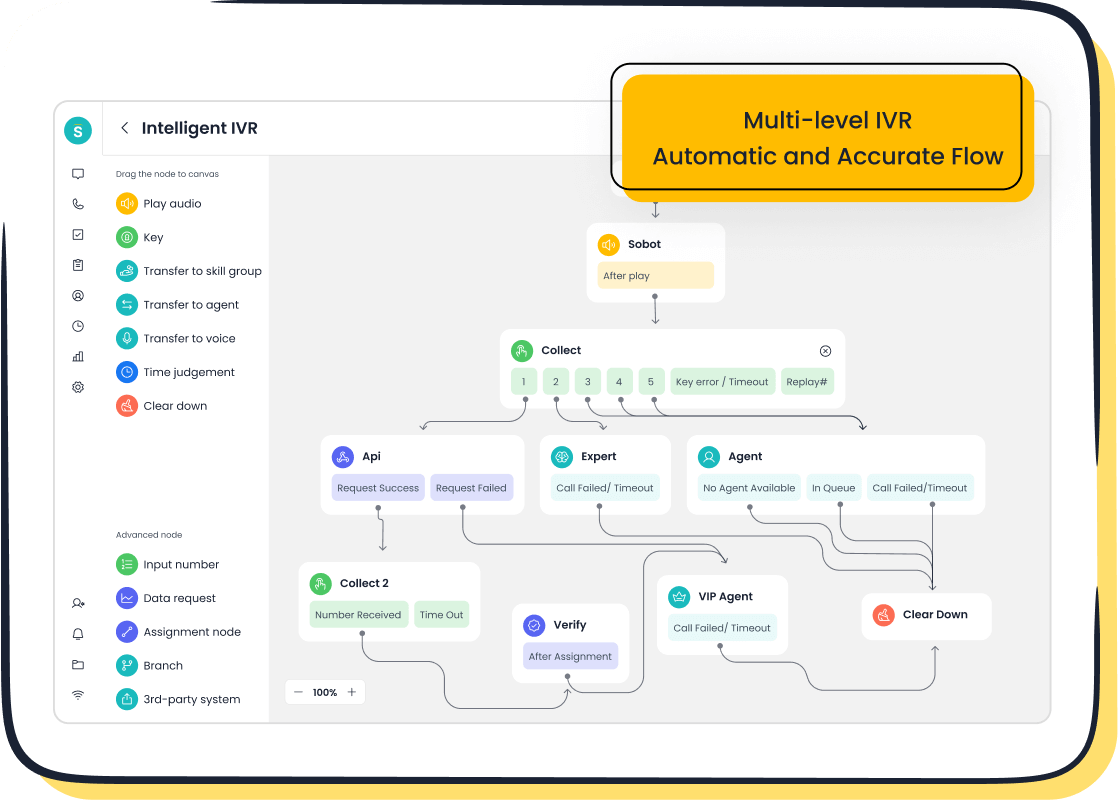
Your teams likely struggle with customer messages scattered everywhere. You jump between chat, email, and social media constantly. It is time to unify chat email and social channels. Unified messaging platforms, such as Sobot, bring all conversations into one efficient workspace.
This simple change boosts how your teams collaborate. It streamlines workflows and creates a much better customer experience. This guide will help you select the best platform for your business in 2026.
Why Unify Business Communication?

When you unify chat email and social channels, you give your business a powerful advantage. A centralized system solves many daily frustrations for your teams. It also creates a better journey for your customers. Let's explore the key benefits.
End Constant Context Switching
Your teams lose valuable time switching between apps. Employees waste nearly 48 minutes every day just reorienting themselves after changing tools. Unified messaging platforms eliminate this problem. They provide a centralized workspace where your teams can manage all conversations. This gives them more time to focus on what truly matters: your customers.
Create a Single Customer View
A centralized platform gives your teams a complete picture of every customer. You gain access to their full history across all communication channels. This is crucial because 71% of customers now expect personalized service.
With a single customer view, your teams can deliver that experience. You get easy access to past interactions. This allows for smarter, data-driven decisions that improve loyalty. A centralized view makes personalization simple and effective.
Boost Team Collaboration
Disconnected tools slow your teams down. A centralized platform promotes collaborative teamwork. For example, one firm reduced its internal response times by 30% using unified tools. Team collaboration platforms enable real-time collaboration. Your teams have shared access to customer information. This ensures everyone is on the same page, leading to faster problem-solving and better outcomes.
Elevate Customer Experience
A scattered approach creates a frustrating experience for customers. They have to repeat information to different teams. A centralized system fixes this. It creates one continuous conversation thread for each customer.
- Agents see the full context instantly.
- Handoffs between teams become seamless.
- Customers receive faster, more consistent support.
This consistent experience across all touchpoints significantly boosts customer satisfaction and builds stronger brand loyalty.
How to Unify Chat Email and Social Channels

You can unify chat email and social channels with a clear strategy. The right approach transforms your communication from scattered to streamlined. It involves choosing the right tools and focusing on key features that support your teams and protect your data.
Adopt a Multi-Channel Inbox
You should start by adopting a multi-channel inbox. This tool brings all your customer conversations into one place. Look for a platform that offers these key features:
- Unified Channels: Connects social media, email, SMS, and website chat in one inbox.
- Customer Management: Gives your teams instant access to customer history and contact details.
- Marketing Tools: Allows you to send marketing messages and review requests directly.
Prioritize Seamless CRM Integration
Your messaging platform must connect with your Customer Relationship Management (CRM) system. This integration creates a single source of truth for customer data. Many unified messaging platforms integrate with popular CRMs like Salesforce, Zoho, and HubSpot. This connection gives your teams full context for every conversation.
The Role of Secure Messaging and Compliance
Secure messaging is essential for building customer trust. You need a platform with enterprise-grade security and strong compliance features. This includes end-to-end encryption for all communications. This encryption is vital for meeting regulatory standards like GDPR and HIPAA. Your platform must provide secure data storage in the cloud. It should also offer robust user management with granular permissions. These permissions control who has access to sensitive information. Strong data retention policies are also a key part of regulatory compliance. You need to manage data retention and set clear permissions for your teams. Secure messaging requires constant attention to encryption, access permissions, and data retention rules to ensure privacy. The right platform handles this with powerful encryption, cloud security, and clear permissions. This encryption protects data in the cloud. The encryption also applies to data at rest. Your teams need proper access permissions for secure messaging. This encryption helps meet regulatory rules.
Use Built-in Collaboration Tools
Look for platforms with tools that help your teams work together. These features improve workflow and speed up problem-solving. Effective tools include:
- Threaded replies to keep conversations organized.
- Internal voice and video calling for quick meetings.
- Automation bots to handle simple, repetitive tasks.
- Shared access to customer history so teams have full context.
Integrating with Other Business Messaging Systems
Connecting a new platform to your existing business messaging systems can be a challenge. You may face issues with different systems not working together. Poor integration can disrupt workflows and create data silos. To avoid this, you need careful planning and technical expertise. Ensure the platform you choose has open APIs and a history of successful integrations.
Top 10 Unified Messaging Platforms for 2026
Choosing the right platform is the most important step to unify your communications. The market offers many options, each with unique strengths. You need to find the one that fits your specific business goals. This list covers the top 10 unified messaging platforms to help you make the best choice for 2026.
Sobot: Best for Integrated Customer Contact

You can use Sobot to manage all customer interactions in one place. It is a true all-in-one contact center solution. Sobot combines a Voice Call Center, Live Chat, AI Chatbot, and a Ticketing System into a single, powerful platform. This removes the need to subscribe to separate systems for different channels.
Sobot built its platform with an "AI-First" strategy. Its advanced AI solution is especially effective for retail and e-commerce businesses. It uses generative AI to create human-like conversations and provide deep insights. This helps you convert browsers into buyers and optimize your support.
As an official WhatsApp Business Solution Provider (BSP), Sobot allows you to engage customers directly on their favorite messaging app. You can manage marketing, sales, and support conversations at scale.
A great example of Sobot's impact is its work with Opay, a leading financial service. By using Sobot, Opay increased its customer satisfaction from 60% to an impressive 90%. The company also achieved a 20% reduction in overall operational costs. You can read more about their success here.
Sobot's key features include:
- Genuine Omnichannel Integration: It unifies voice, chat, email, social media, and WhatsApp without needing separate tools.
- Five-AI System: This includes Omnichannel AI, Scenario-based AI, and Generative AI for intelligent automation across your entire customer journey.
- Seamless Integrations: Sobot connects easily with major systems like Salesforce, Shopify, Amazon, and Walmart, and offers flexible APIs for custom development.
Nextiva: Best Overall for Calling Features
If your business relies heavily on phone communication, Nextiva is an excellent choice. It provides a robust set of cloud calling features designed for clarity and efficiency. You get HD voice quality for every call, ensuring your teams sound professional.
Nextiva offers advanced tools to manage your call flows.
- Advanced Call Routing: You can direct calls based on the time of day or department.
- Auto-Attendants: These virtual receptionists greet callers and guide them to the right person or team 24/7.
- IVR (Interactive Voice Response): This feature handles simple customer requests using voice commands, freeing up your teams for more complex issues.
Nextiva also provides powerful analytics. You can track call trends and monitor performance with visual dashboards. This data helps you make smarter staffing decisions and improve your customer service strategy. The platform combines its calling features with CRM and contact center software, creating a unified space for your teams.
Podium: Best for Local Business Text Marketing
Podium helps you connect with your local community through text marketing. This platform is designed to turn conversations into customers. It simplifies review management by letting you see and respond to all online reviews from one dashboard. You can also send automated review invitations to happy customers.
Podium's AI features make marketing simple.
- It offers AI-suggested replies to incoming texts and reviews.
- It can draft bulk campaigns and send personalized promotional messages based on a customer's purchase history.
- You can use keywords to let customers subscribe to your texting lists for specific products or services.
This focus on text and reviews makes Podium one of the most effective messaging platforms for local businesses looking to grow their reputation and sales.
RingCentral: Best for Enterprise-Level Teams
For large organizations, RingCentral offers a powerful and scalable solution. Its core product, RingEX, is a Unified Communications as a Service (UCaaS) platform. It connects all your locations, departments, and employees into a single cloud system. This is ideal for a large enterprise with complex communication needs.
RingCentral provides a full suite of tools for enterprise teams.
- Global Reach: It offers international phone numbers from over 100 countries and supports enterprise teams in over 40 countries.
- Advanced Telephony: You get features like IVR and auto-attendant for intelligent call routing across the enterprise.
- Deep Integrations: It connects with essential enterprise software like Salesforce, Microsoft Apps, and Okta.
The platform also includes robust solutions for team messaging, video conferencing, and cloud contact centers. This makes it a comprehensive choice for any enterprise looking to streamline its global communications.
Microsoft Teams: Best for Internal Collaboration
Microsoft Teams excels at bringing your internal teams together. If your company already uses the Microsoft 365 suite, this platform is a natural fit. It consolidates chat, meetings, calling, and file collaboration into one digital workspace.
You can create dedicated channels for different projects or departments. This keeps conversations and files organized and easy to find. Because it integrates directly with apps like Word, Excel, and SharePoint, your teams can co-edit documents in real time without leaving the platform. Microsoft Teams is a cost-effective solution for any business that wants to improve internal productivity and teamwork.
Slack: Best for Tech Stack Integrations
Slack is a favorite among technology companies for a reason. It offers unparalleled integration capabilities with a vast ecosystem of apps and services. Your developer teams can connect Slack with tools like Salesforce, Jira, and GitHub to streamline workflows and automate tasks.
The platform is more than just a messaging app.
- Workflow Builder: You can create custom, automated workflows for routine tasks without writing any code.
- Slack Connect: This feature lets you collaborate securely with external partners, clients, and vendors in a shared channel.
- AI Features: Slack uses AI to help you search for information and summarize long conversations, saving your teams valuable time.
For businesses that rely on a diverse tech stack, Slack acts as the central hub that connects everything.
Broadvoice: Best for SMB Cloud Communications
Broadvoice delivers enterprise-grade communication features in a package designed for small and medium-sized businesses (SMBs). This cloud-based platform is both user-friendly and affordable. It helps smaller companies compete with larger ones by providing a professional communication system.
The b-hive mobile app is a standout feature. It allows your employees to use their personal smartphones for business calls, keeping their personal numbers private. This is perfect for teams with mobile workers. Broadvoice also offers call analytics, helping you track marketing campaigns and understand your callers. This secure cloud network gives your business the flexibility to connect from anywhere.
MessageWhiz: Best for CPaaS Integration
MessageWhiz is a Communications Platform as a Service (CPaaS) that gives you the flexibility to build custom communication solutions. It is ideal for businesses and developers who want to integrate messaging features directly into their own apps and workflows.
With MessageWhiz, you get access to developer-friendly APIs. This allows you to add channels like SMS, WhatsApp, and Viber to your products. The platform is built on a cloud-native architecture, which means you can scale your communications globally without investing in heavy infrastructure. It is a powerful choice for businesses that need to deliver personalized, omnichannel engagement at scale.
Intercom: Best for Customer Support Bots
Intercom helps you provide instant support with its powerful AI-powered bots. These bots can automatically handle common customer questions, freeing up your support teams to focus on more complex issues. Studies show that automation like this can immediately resolve 33% of common customer inquiries.
Intercom's bots do more than just answer questions.
- They can triage incoming requests to ensure they go to the right agent.
- They can collect important information from the customer upfront.
- They provide 24/7 support, so your customers get help even when your teams are offline.
By automating repetitive tasks, Intercom helps you reduce response times and improve customer satisfaction, making it one of the top business messaging platforms for support.
Zendesk: Best for Ticketing and Help Desk
Zendesk is a leader in help desk and ticketing software. It provides a robust system for managing customer support requests from start to finish. The platform consolidates conversations from email, chat, social media, and SMS into a single, organized view.
Zendesk's core strength lies in its workflow automation.
- You can set up triggers to automatically route tickets to the right department or agent.
- You can create pre-written responses for common questions to ensure fast, consistent answers.
- The system allows you to set ticket priorities, so your teams always work on the most urgent issues first.
This powerful SaaS platform gives your support teams the tools they need to collaborate effectively and resolve customer issues efficiently. Zendesk is a top-tier SaaS solution for any enterprise focused on delivering exceptional customer service.
Comparing Top Business Messaging Platforms
Choosing from the many business messaging platforms requires a careful look at your specific needs. You should compare platforms based on the channels they support, how well they integrate with your other tools, their ideal use case, and their pricing. This comparison will help your teams find the right fit to boost their performance.
Supported Communication Channels
Different platforms focus on different channels. Some, like Slack, are excellent for internal teams, offering organized chat channels and video calls. Others specialize in one area, like business texting. The best unified messaging platforms give you access to everything in one place. Sobot, for example, combines voice, email, live chat, and social media so your teams can manage all conversations without switching apps. This complete access helps your teams deliver consistent service.
Key Integrations and API
Your new platform must connect with the tools your teams already use. Look for seamless integration with your CRM and other business software. For instance, you can connect WhatsApp to HubSpot to log messages and trigger workflows. Sobot offers smooth connections with major systems like Salesforce and Shopify, which is a key advantage for retail businesses. This deep integration gives your teams full access to customer data, improving communication performance.
Ideal Business Use Case
The right platform depends on your goals. Your teams might need a tool for a specific purpose.
| Platform Type | Ideal Business Use Case |
|---|---|
| Internal Collaboration | Organizations using Microsoft 365 will find Microsoft Teams a natural fit for internal communication. |
| Voice-First Workflows | Businesses that rely heavily on phone calls benefit from platforms with advanced voice features and call analytics. |
| All-in-One Contact | Retail and e-commerce teams needing a single solution for sales, marketing, and support do well with Sobot. Its combination of a Voice Call Center, AI, and official WhatsApp API is a key differentiator. |
Finding the right fit ensures your teams have the tools they need to excel. Good business messaging platforms improve team performance.
Starting Price and Model
Most platforms charge a monthly fee per user. A mid-level plan often costs around $20 per user each month. However, you should look closely at what is included. Some plans may seem affordable but charge extra for essential features like call recording or global access. This can increase your total cost. Always ask for a detailed quote to understand the full price and ensure it fits your budget. This gives you clear access to pricing information.
You must unify chat email and social channels for business growth in 2026. Unified messaging platforms boost team performance by 25%. The right choice depends on what your teams need. Some teams require a strong voice solution like Sobot's Call Center. Other teams may focus on internal chat. Use this guide to evaluate options for your teams. This will help you make a smart decision for your company.
Embark on Your Contact Journey.
FAQ
What is a unified messaging platform?
A unified messaging platform brings all your customer conversations into one place. You can manage email, chat, social media, and calls from a single inbox. This helps your team work more efficiently and provide better service.
How does unifying channels improve customer satisfaction?
Unifying channels creates a seamless experience for your customers. Your team sees the full conversation history instantly. This means customers do not have to repeat themselves, which leads to faster resolutions and higher satisfaction.
Which platform is best for my small business?
The best platform depends on your specific needs.
If you need a complete solution for sales, marketing, and support, Sobot is an excellent choice. It combines a voice call center, AI, and social media tools into one system.
Can these platforms integrate with my existing CRM?
Yes, most modern unified messaging platforms integrate with popular CRMs. This connection syncs your customer data automatically. It gives your team the full context they need for every interaction, improving performance and personalization.
See Also
Comparing Leading Live Chat Platforms: An Essential Guide for 2024
Best Live Chat Applications for E-commerce Success This Year
Integrating Social Media Messaging: Essential Website Chat Tools Reviewed
The 10 Best Chat Software Solutions for Businesses in 2024
Most Dependable Live Chat Software Options for Businesses in 2024

