5 Call Center Setups for Better Customer Service


Your business success hinges on excellent customer service. Since 49% of customers leave brands over a poor customer experience, your choice of call center model is a critical decision. The right setup for your call center and customer service depends entirely on your goals. This guide explores different types of call centers to help you decide. Whether you need inbound call centers for support, outbound call centers for growth, a blended call center for efficiency, a virtual call center for flexibility, or an omnichannel call center for unity, the right technology is key. A modern Sobot call center, enhanced with Sobot AI, empowers any model you choose.
1. Inbound Call Centers: The Customer Support Hub
An inbound call center is your primary hub for reactive customer service. In this model, customers initiate contact with your business. They call you for help, information, or to resolve problems. Think of it as the central destination for all incoming customer needs.
Defining the Inbound Call Center:
You can define an inbound call center as a setup focused entirely on receiving calls from customers. Unlike other models, agents do not make outgoing calls for sales or surveys. Their sole purpose is to be available to provide answers and solutions when your customers reach out. This makes the inbound call center a cornerstone of effective customer support.
Core Functions and Responsibilities:
Agents in an inbound call center manage a variety of important tasks. Their daily responsibilities go beyond just answering the phone. Your team will handle many types of customer interactions.
- Resolving customer issues on the first contact.
- Providing accurate information about products and services.
- Processing new orders, payments, or requests.
- Documenting all call details in your system.
- Updating customer information in the database.
Who is This Setup Best For?:
This setup is ideal for businesses that receive a high volume of customer inquiries. Industries like healthcare, finance, and retail heavily rely on the inbound call center model. If your company handles appointment bookings, insurance claims, billing questions, or order support, this structure provides the dedicated focus you need.
Benefits for Customer Satisfaction:
A well-run inbound call center directly boosts customer satisfaction. When agents resolve issues on the first call, it reduces customer frustration and builds trust. Excellent customer service creates loyalty and prevents customers from leaving.
Remember, 76% of customers report they will switch to a competitor after just one bad experience. A strong inbound team is your first line of defense.
Quick, effective resolutions lead to higher satisfaction and better retention rates.
Potential Drawbacks and Considerations:
Inbound call centers face unique challenges. Unpredictable call volumes can lead to long wait times, and studies show 60% of customers will hang up after waiting just two minutes. This can frustrate customers and overwhelm your team. The constant pressure to resolve issues can also lead to agent stress, as 87% of call center employees report feeling high levels of stress. Managing staffing levels to meet demand without overspending is a critical balancing act for these types of customer interactions.
2. Outbound Call Centers: The Proactive Outreach Engine
While inbound centers react to customer needs, outbound call centers help you proactively drive business goals. In this setup, your agents initiate contact with customers and prospects. This model shifts your team from a reactive support role to a proactive growth engine, making it a powerful tool for expansion.
Defining Outbound Call Centers:
An outbound call center is a facility where agents make outgoing calls to current and potential customers. Your team does not wait for the phone to ring. Instead, they follow call lists to perform targeted customer outreach. These planned interactions are designed to achieve specific business objectives, such as generating sales or gathering market data.
Primary Applications: Sales and Research:
You can use this model for two main purposes: sales and research. For sales, your agents contact leads to introduce products, follow up on interest, and close deals. For research, they conduct surveys or gather feedback to help you understand market trends and customer opinions. Both applications rely on structured and purposeful customer communications.
Who is This Setup Best For?:
This setup is highly effective for businesses that need to generate their own leads and opportunities. B2B organizations, for example, use an outbound call center to cultivate relationships and boost revenue. Non-profits also benefit greatly from this approach.
You can use an outbound strategy for:
- Outreach to current and past donors
- Thank you calls to show appreciation
- Event registration and promotion
- Campaigns to re-engage supporters
Benefits for Business Growth:
A well-managed outbound call center directly fuels business growth. Proactive sales calls create a steady pipeline of new revenue. Market research calls give you valuable insights to refine your products and marketing strategies. These positive interactions build brand awareness and can significantly improve your overall customer service reputation by showing you value customer feedback.
Common Challenges and Solutions:
Outbound call centers face challenges like low answer rates and call rejection. You can overcome these hurdles with the right strategies.
- Rotate Your Numbers: Use multiple local phone numbers to avoid being marked as spam.
- Call at the Right Time: Contact people during peak hours, typically mid-morning and mid-afternoon, to increase the chance they will answer.
- Improve Your Scripts: Craft engaging opening lines and prepare agents to handle common objections.
- Coach Your Team: Review call recordings to provide structured feedback and help agents improve their interactions.
3. The Blended Call Center: Maximizing Productivity
You can combine the strengths of inbound and outbound models into one powerful setup. A blended call center allows your agents to handle both incoming customer inquiries and make outgoing calls. This hybrid approach transforms your team into a versatile asset, capable of reacting to customer needs one moment and driving proactive outreach the next.
What is a Blended Call Center?:
A blended call center is a setup where agents are equipped to manage both inbound and outbound customer interactions. Instead of having separate teams, you have one unified team that can dynamically switch between roles. This model is designed for maximum efficiency, ensuring your agents are always productive.
How Blended Operations Work:
In a blended call center, technology automates the workflow. When inbound call volume is low, the system automatically assigns outbound tasks to available agents. Predictive dialers can even dial multiple numbers at once and connect only live calls to your team. This minimizes agent idle time and increases the number of productive interactions they handle each day.
Who is This Setup Best For?:
This setup is perfect for businesses with fluctuating call volumes, such as e-commerce or retail companies. For example, your agents can handle inbound order inquiries during peak hours. During slower periods, the system can automatically switch them to outbound tasks, like calling customers who abandoned their shopping carts. This ensures every moment contributes to better customer service or business growth.
Key Benefit: Efficiency and Flexibility:
The primary benefit of a blended call center is its incredible efficiency. You can optimize your resources in real-time.
If you experience a sudden surge in support requests, you can instantly shift agents from outbound campaigns to handle the inbound queue. When the rush subsides, they can seamlessly return to their outbound tasks. This flexibility ensures customer wait times remain low and your team stays productive.
This adaptability allows you to manage all customer interactions effectively without overstaffing.
Technology for Blended Call Center and Customer Service:
The right technology makes a blended model possible. A modern platform like Sobot's all-in-one contact center solution provides a Unified Workspace where agents can manage all tasks without switching systems. This seamless experience is key to productivity. Features that enable this model include:
- Automated Outbound Task Assignment: The system intelligently assigns outbound calls to agents during downtime, keeping them engaged.
- Smart Call Routing (ACD): Advanced call routing ensures inbound calls are directed to the best-suited agent. This intelligent call routing optimizes every interaction. The system's call routing logic also supports skill-based routing for complex needs. This smart call routing and task routing makes your team's workflow smooth and efficient.
This technology provides the foundation for effective call routing and overall management.
4. The Virtual Call Center: A Flexible and Scalable Solution

You can build a powerful customer service team without a physical office. A virtual call center allows your agents to work from anywhere in the world. This model moves away from the traditional in-house call center and uses cloud technology to connect your team. It offers unmatched flexibility for your business operations.
What is a Virtual Call Center?:
A virtual call center is a decentralized setup where agents handle customer interactions from remote locations. Instead of gathering in one building, your agents log into a central software platform from their homes or other locations. This model gives you the operational power of a call center without the physical constraints.
The Technology Behind Remote Operations:
This model relies on a robust cloud platform. Key technologies make remote operations possible:
- VoIP (Voice over Internet Protocol): This technology sends voice calls over the internet.
- CRM (Customer Relationship Management) Integration: This connects your phone system to your customer data, giving agents instant context for all interactions.
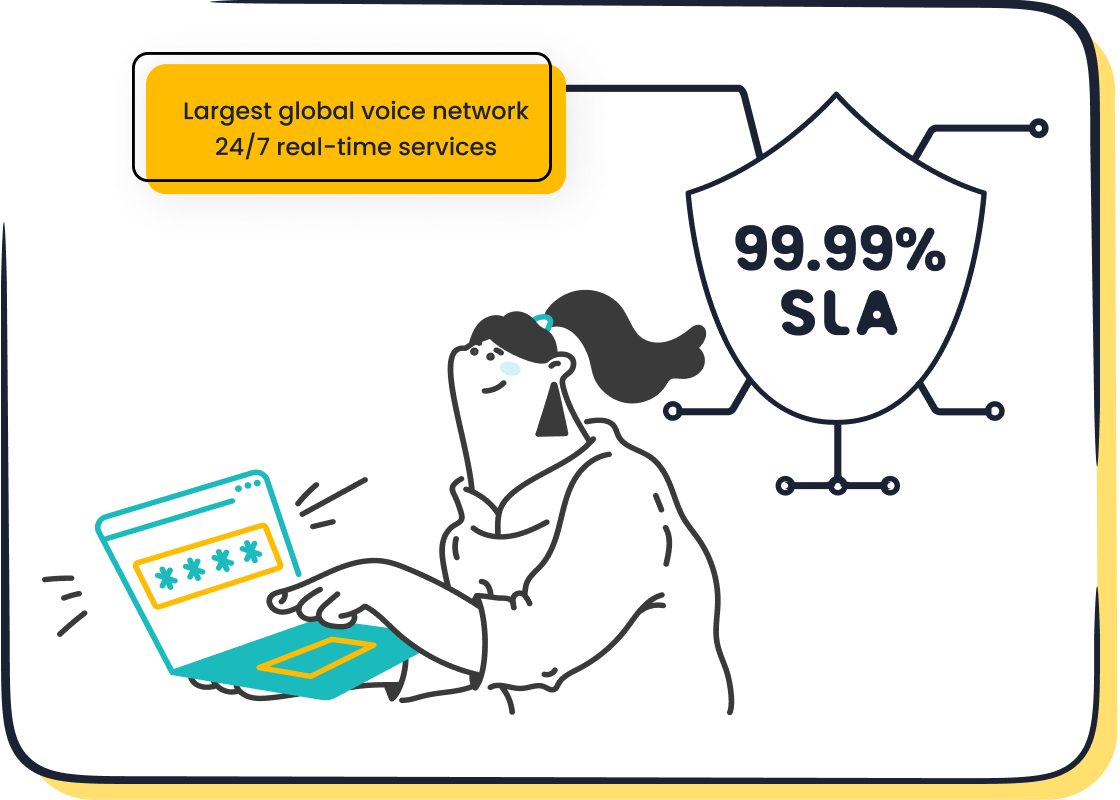
A cloud-native solution like Sobot's Voice/Call Center powers the modern virtual call center. It provides the reliability you need with a 99.99% SLA. You can build international customer service teams using its global number availability and easily connect it with your existing systems through seamless CRM integration. This ensures your call routing is always efficient.
Who is This Setup Best For?:
A virtual call center is a great fit for many types of businesses. You will find it especially useful if you are:
- A startup or tech brand needing a flexible, scalable solution.
- A high-growth eCommerce or SaaS company that needs to expand support quickly.
- A large enterprise looking to access a global talent pool and reduce costs.
Key Benefits: Cost and Talent Access:
You can see major benefits with a virtual model. The cost savings are significant compared to a physical or outsourced call center. Businesses often report:
| Cost Category | Average Savings |
|---|---|
| Total Operational Costs | 25-40% |
| Infrastructure Costs | 50-70% |
| Labor Costs | 20-30% |
Beyond savings, you gain access to a wider talent pool. You are no longer limited to hiring people in one city. You can find the best agents for the job, no matter where they live.
Managing a Remote Service Team:
Managing a remote team requires the right tools and strategies. You can ensure high-quality customer service by using performance dashboards and call recordings for coaching. This helps agents improve their own interactions. Smart routing directs calls based on agent skills, and intelligent routing ensures every customer reaches the right person, improving the quality of all your customer interactions.
5. The Omnichannel Center: A Unified Customer Experience
You can deliver the ultimate customer service experience by creating a truly unified environment. The omnichannel call center is the most advanced setup, designed to meet modern customer expectations. A staggering 90% of customers now expect consistent interactions, no matter how they contact you. This model achieves that by connecting every touchpoint into one seamless journey, reflecting Sobot's core mission to provide intelligent, omnichannel solutions.
What is an Omnichannel Center?:
An omnichannel call center is a system where all your customer communications channels are fully integrated. It allows a customer to start a conversation on one channel, like web chat, and continue it on another, like a phone call, without losing context. Your agents see the entire history of interactions in one place, enabling a fluid and personal experience.
Omnichannel vs. Multichannel:
You might hear the terms multichannel and omnichannel used together, but they are very different. Multichannel contact centers offer many ways for customers to reach you, but these channels operate separately. In contrast, omnichannel contact centers connect these channels. This integration is the key difference.
| Functionality | Multichannel Contact Centers | Omnichannel Contact Centers |
|---|---|---|
| Supports multiple channels | ✔ | ✔ |
| Seamlessly switch between communication channels | ✗ | ✔ |
| CRM integration for relevant customer data | ✗ | ✔ |
| One team can handle requests across all channels | ✗ | ✔ |
This means that unlike in multichannel contact centers, your agents can manage all interactions from a single platform.
Who is This Setup Best For?:
This setup is essential for customer-centric industries like retail and e-commerce. In fact, 73% of shoppers use multiple channels during their purchase journey. If you need to provide round-the-clock support for online customers, an omnichannel approach is ideal. You can enhance this model with tools like Sobot's AI Solution for retail and e-commerce, which helps manage inquiries and personalize the customer experience automatically.
Key Benefit: A Seamless Customer Journey:
The main benefit is a frictionless, seamless customer service experience. When customers don't have to repeat themselves, their satisfaction soars. This builds loyalty and increases customer lifetime value, as omnichannel customers are 30% more valuable over their lifetime.
Success in Action: Global leader Samsung used Sobot's all-in-one solution to unify its customer communications. The result was a 97% customer satisfaction rate and a 30% increase in agent efficiency, proving the power of a connected experience.
Transitioning to an Omnichannel Model:
Transitioning from a multichannel call center requires a clear strategy. You need to map all customer touchpoints and invest in the right technology to connect them. A platform like Sobot provides the foundation for this shift. It integrates channels like voice, chat, email, and social media—as an official WhatsApp BSP—into a single, unified workspace. This allows your team to deliver a consistent and superior customer experience from day one.
Choosing from these types of call centers is vital for your business. Inbound centers offer reactive support, while outbound models drive proactive growth. A blended setup maximizes efficiency, a virtual call center provides flexibility, and an omnichannel approach delivers a superior customer experience. Your best choice depends on your unique goals and budget. Evaluate your needs to build the ideal call center and customer service. Explore how Sobot's modern call center and customer service solutions can help you succeed with any of the types of call centers.
Embark on Your Contact Journey
Ready to enhance your call center and customer service?
Discover Sobot's Voice/Call Center solution today: https://www.sobot.io/voice/
FAQ
How do I choose the right call center model?
You should analyze your main business goals. An inbound model is great for customer support. An outbound model works best for proactive sales. Your call volume and budget will also help you decide on the best call center setup for your team.
Can a small business use an omnichannel call center?
Yes. You can start small with an omnichannel strategy. A platform like Sobot lets you integrate key channels like voice and chat first. You can add more channels later as your business grows, ensuring excellent customer service at every step.
What is the most important technology for any call center?
A unified platform is essential for modern customer service. You need a solution that connects your tools and data. Sobot's all-in-one contact center gives your agents a single view of the customer, which is crucial for efficiency and a better experience.
How does AI improve customer service in a call center?
AI automates simple tasks and gives agents real-time information. This frees up your team for complex problems. Sobot's AI Solution can boost agent efficiency by 30%, leading to faster resolutions and happier customers.
See Also
Elevating Call Center Performance: Essential Quality Management Strategies
A 10-Step Blueprint for Seamless Omnichannel Contact Center Integration
Boost Live Chat Satisfaction: Ten Expert Tips for Happier Customers
Unlocking Efficiency: Key Features of Leading CRM Call Center Software
Your Comprehensive Guide to Omnichannel Call Center Software Solutions

