Why Attentiveness in Customer Service Matters


You must treat attentiveness in customer service as a core business driver. It directly impacts customer loyalty, operational costs, and revenue. This focus builds a superior customer experience. It makes your customers feel truly valued and understood. Poor customer service creates massive risk for your business. The right tools, like the Sobot call center powered by Sobot AI, can help you deliver excellent customer service. A poor customer experience puts trillions at risk globally.
Globally, organizations risk losing an estimated $3.7 trillion annually due to poor customer service experiences.
Drive Loyalty with Attentiveness in Customer Service

You can transform your customer service from a cost center into a powerful loyalty engine. Attentiveness is the fuel. When customers feel seen and heard, they do more than just complete a transaction. They become advocates for your brand. This creates a durable competitive advantage that is difficult for others to replicate. A positive customer experience directly translates to repeat business and higher lifetime value.
Make Customers Feel Heard and Valued
Every customer interaction is an opportunity to show you care. People want to feel that their concerns are the most important thing in that moment. Your customer service team can achieve this through active listening. This means they must fully concentrate, understand, and respond thoughtfully. Companies like Luna Grill use this principle to make guests feel more valued. They provide direct customer service that reduces support tickets and builds a stronger connection.
You can train your agents to master this skill with a few key actions:
- Hear: Pay close attention to the customer's tone and emotions. Avoid interruptions. Simple nods or verbal cues like "I see" show you are engaged.
- Empathize: Use phrases that validate their feelings. For example, say "I can see how that would be frustrating." This shows you understand their perspective.
- Apologize: A sincere apology on behalf of the company can defuse tension. It shows you take their problem seriously.
- Resolve: Focus on finding a solution. Explain the next steps clearly so the customer knows what to expect.
A great customer experience depends on making the customer feel understood. This simple act of validation is the first step toward building lasting loyalty.
Build Foundational Trust and Confidence
Trust is the bedrock of customer loyalty. Attentiveness in customer service builds this trust with every interaction. When you consistently deliver on your promises, customers see your brand as reliable. Research shows that 71% of consumers are more likely to purchase from a brand they trust. This makes trust a critical factor in your financial success.
You build trust through consistent actions.
- Consistency is Key: Predictable, high-quality customer service signals dependability.
- Empathy Creates Connection: Showing genuine understanding of a customer's needs fosters a strong emotional bond.
- Problem Resolution Shows Commitment: How you handle complaints demonstrates your dedication to making things right.
The data is clear. About 32% of customers cite positive customer service experiences as a main reason for trusting a brand. Furthermore, 95% of consumers are likely to remain customers of a business they trust. Building this trust requires a team that is empowered to provide excellent customer service every time. It is a direct investment in your brand's reputation and long-term health.
Turn Negative Interactions into Positive Ones
A customer complaint is not a threat. It is a gift. It gives you a chance to demonstrate your commitment to an excellent customer service and turn a frustrated customer into a loyal one. An attentive agent can de-escalate a tense situation by truly understanding the customer's frustration. This transforms a complaint into a loyalty-building moment. The key is to recognize the customer's emotion, reframe the conversation with empathy, and resolve the issue effectively.
Pro Tip: Use cognitive empathy to resolve issues. Focus on the practical impact by saying, "I see how receiving the wrong item before your event would create a problem." This shows competence and moves the conversation toward a solution.
To achieve this, your team needs the right tools. Sobot’s Omnichannel Solution gives agents a single, unified view of every customer. They can see all past interactions from live chat, email, or phone calls. This context prevents customers from repeating themselves and empowers your team to provide proactive customer service.
Look at the success of Samsung. By implementing Sobot's all-in-one contact center solution, they unified their communication channels. This enabled more attentive and personalized customer service. The results were incredible. Samsung achieved a 97% customer satisfaction rate and saw a 30% increase in agent efficiency. This proves that with the right strategy and tools, you can turn even the most challenging customer experience into a win for your brand.
Reduce Costs Through Attentive Customer Service
An attentive customer service team does more than build loyalty. It directly reduces your operational costs. When you focus on providing attentive, efficient customer service, you solve problems faster and more effectively. This reduces the need for follow-up interactions, escalations, and costly errors. You transform your customer support from a necessary expense into a strategic asset that saves money. Investing in tools and training for attentiveness is an investment in your bottom line.
Prevent Escalations and Repeat Calls
Repeat calls and escalations are major cost drivers for any customer service department. They consume valuable agent time and signal a breakdown in the customer experience. You can significantly reduce these issues by empowering your team to resolve problems on the first try. An attentive agent listens for the root cause of an issue, not just the surface-level complaint.
You can prevent repeat calls by implementing a few key strategies:
- Route customers effectively: Ensure customers connect with the right agent immediately. This avoids frustrating transfers and long wait times.
- Analyze call triggers: Use data to find common customer pain points. This reveals gaps in agent knowledge or broken processes you can fix.
- Train for root cause analysis: Teach your customer support agents to identify the real problem behind a customer's issue. This prevents the customer from needing to call back.
- Listen for hidden complaints: Encourage agents to listen for subtle cues. Solving unspoken concerns during the first interaction improves the customer experience and stops future calls.
By focusing on these areas, you create a more efficient customer service operation. You solve problems correctly the first time, which keeps customers happy and your costs down.
Improve First Contact Resolution (FCR)
First Contact Resolution (FCR) is a critical metric for your customer service team. It measures the percentage of customer inquiries resolved in a single interaction. A high FCR rate means your team is efficient and effective. It also has a direct impact on customer satisfaction. Research shows that for every 1% increase in FCR, customer satisfaction also increases by 1%.
Achieving a high FCR rate is a clear sign of an excellent customer experience. Companies with exceptional customer service teams often reach an 80% FCR rate.
Here are the industry benchmarks for FCR:
| FCR Category | Percentage Range |
|---|---|
| World-Class FCR Rate | 80% or higher |
| Good FCR Rate | 70% - 79% |
| Aggregated FCR Average | 69% |
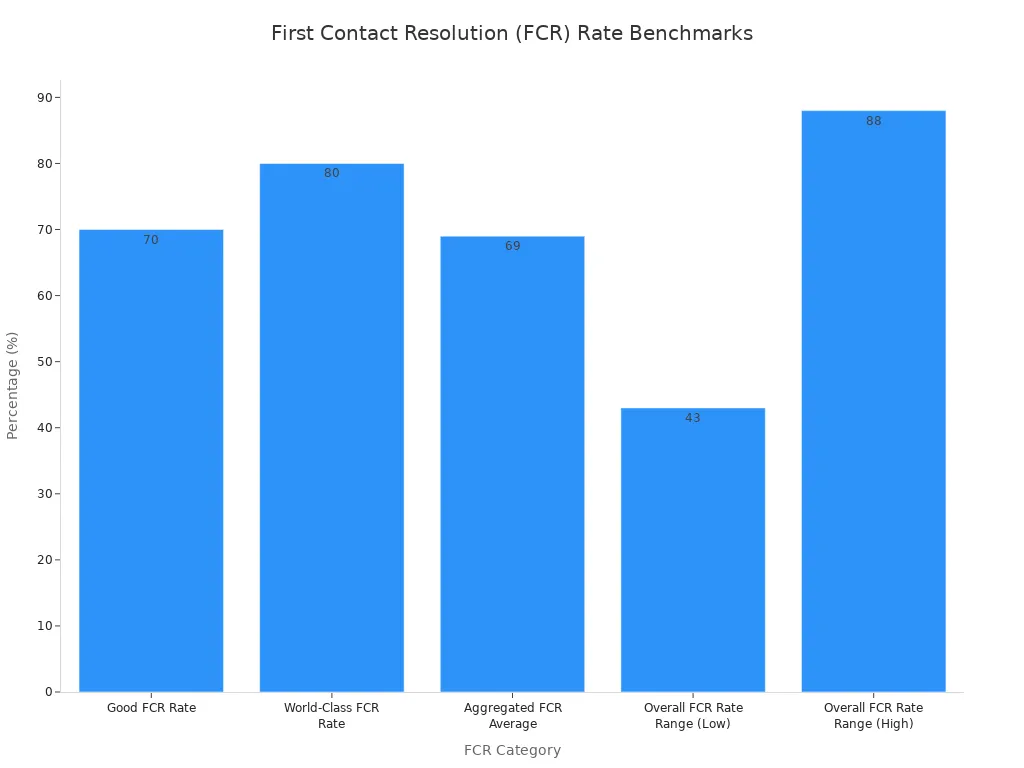
A high FCR rate minimizes customer effort. When you solve problems quickly, customers gain confidence in your company. This leads to higher satisfaction and a better overall customer experience. Your customer support team becomes a powerful tool for building trust and reducing operational strain.
Minimize Errors with Sobot's Unified Workspace
Errors in customer service, like incorrect orders or missed follow-ups, create frustration and drive up costs. You can minimize these mistakes by giving your team the right tools and a complete view of the customer. Attentiveness in customer service is easier when agents have all the information they need in one place.
Sobot's Omnichannel Solution provides a unified workspace that brings together every customer interaction. Agents can see a customer's entire history across all channels—from email and live chat to phone calls. This single view eliminates the need for customers to repeat themselves. It empowers your agents to provide accurate, context-aware customer support.
Pro Tip: Use technology to make your customer service more human. When agents have the right context, they can focus on listening and problem-solving instead of searching for information.
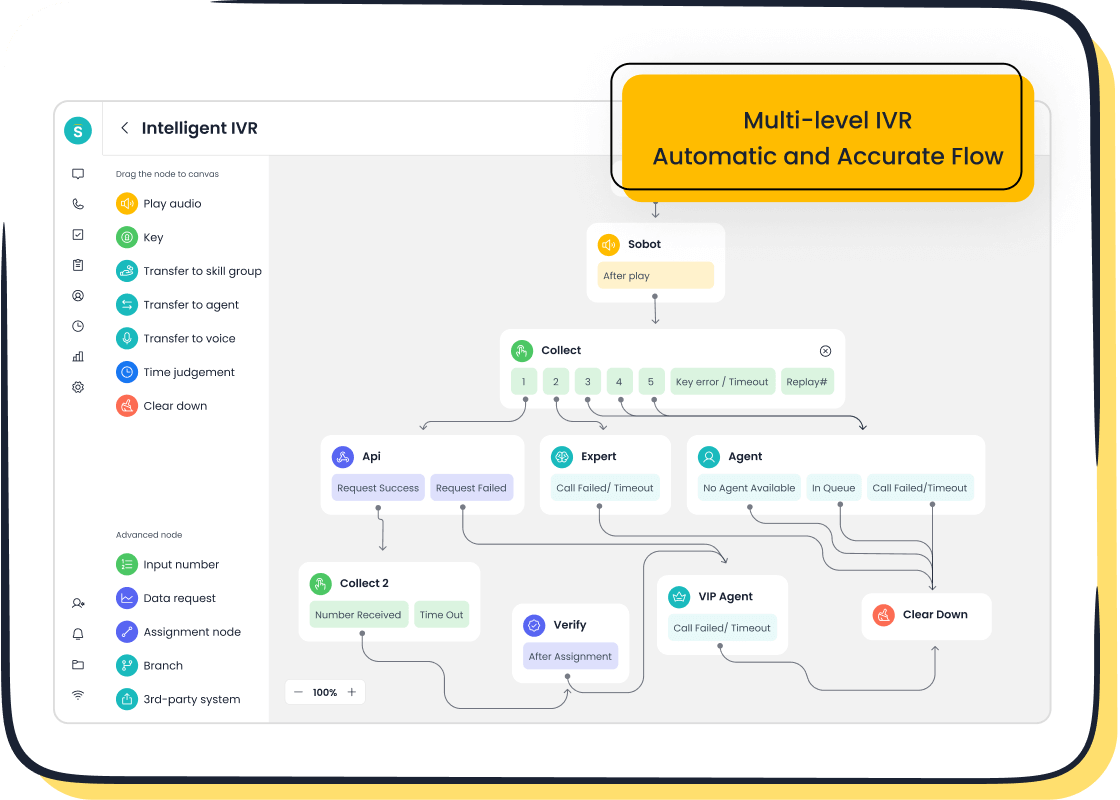
Sobot's Voice/Call Center further enhances this efficiency. Features like Smart Call Routing and Intelligent IVR use AI to understand a customer's needs before they even speak to an agent. The system automatically routes the call to the best-suited agent, reducing wait times and ensuring the customer gets the right help faster. This intelligent routing prevents transfers and ensures a seamless customer experience from the very first moment. By equipping your team with Sobot, you reduce errors, lower costs, and deliver the high-quality customer service your customers deserve.
How to Train for Customer Service Excellence
You can achieve customer service excellence by investing in targeted training for your team. Effective training programs build the essential skills your agents need to deliver excellent customer service. This training goes beyond product knowledge. It focuses on the human side of customer service, turning good agents into great ones. Consistent training ensures your team can handle any situation with confidence and care.
Implement Active Listening and Empathy Drills
You should start your training with active listening and empathy drills. These are fundamental customer service skills. Active listening means your agents fully concentrate on what the customer is saying. Empathy allows them to understand the customer's feelings. You can use simple exercises to build these skills. For example, have agents practice asking clarifying questions to confirm they understand an issue. This is a great customer service tip. Another customer service tip is to build an empathy statement library. This gives agents phrases to validate a customer's feelings. This training helps your team show genuine empathy. This is a key customer service tip for building rapport. This focus on empathy is a core part of achieving customer service excellence.
Use Role-Playing with Real Scenarios
You can make your training more effective with role-playing. This method lets agents practice their skills in a safe space. You can create realistic scenarios, like dealing with an angry customer or a product that fails to meet expectations. This practical training prepares your team for real-world challenges.
Pro Tip: Use the call recording and transcript features from Sobot's Voice/Call Center to create your role-playing scenarios. These real-world examples make your training sessions highly relevant and impactful. This is one of the best customer service tips for training your team.
This approach helps agents build confidence. They learn to apply their skills under pressure. This is a powerful customer service tip for improving performance. This type of training is vital for customer service excellence.
Build Skills for Excellent Customer Service
Your training must cover core skills for excellent customer service. These skills are the foundation of attentiveness. You should focus your training on two key areas:
- Problem-Solving: Teach your agents how to identify the root cause of a problem. This ensures they find a lasting solution, not just a temporary fix. This is a valuable customer service tip.
- Conflict Resolution: Equip your team with strategies to de-escalate tense situations. This training helps them turn a negative customer service experience into a positive one. This is a crucial customer service tip.
By developing these skills, you empower your team to provide top-tier customer service. This commitment to continuous training is what defines customer service excellence. This is the final customer service tip for your team.
You now see how attentiveness in customer service drives loyalty and reduces costs. This focus is a critical business strategy. You can empower your team with tools like Sobot to deliver a superior customer experience. This investment in your customer service builds a reputation for exceptional care. A positive customer experience is what sets you apart. Brands that provide an excellent customer experience stand out.
- Chewy: Shows compassionate customer service with handwritten cards.
- Zappos: Goes above and beyond with surprise shipping upgrades.
- Apple: Offers personalized support for a seamless customer experience.
FAQ
What is the first step to improve attentiveness in customer service?
You can start by training your team on active listening and empathy. These skills form the foundation for understanding customer needs. Simple drills and role-playing help agents build confidence and make customers feel heard, which is key for attentiveness in customer service.
How does attentiveness directly reduce operational costs?
Attentive agents solve problems correctly the first time. This improves your First Contact Resolution (FCR) rate. Higher FCR means fewer repeat calls and escalations. You save agent time and resources, which directly lowers your operational expenses.
How can Sobot help my team be more attentive?
Sobot's Omnichannel Solution gives your agents a unified workspace. They see a customer's full history in one place. This context allows them to focus on the customer's current issue instead of searching for information, enabling more attentive and personalized support.
Can you measure the impact of improved attentiveness?
Yes, you can. You should track key metrics like First Contact Resolution (FCR), Customer Satisfaction (CSAT), and Net Promoter Score (NPS). An increase in these numbers often shows that your focus on attentiveness is successfully improving the customer experience.
See Also
Elevate Live Chat Satisfaction: 10 Essential Strategies for Customer Delight
Implementing Top-Tier Quality Management Practices in Your Call Center Operations
A Comprehensive Guide to Quality Management System Principles for Call Centers
Unlocking Peak Efficiency: AI Customer Service Software's Transformative Impact Explained
Achieving Live Chat Excellence: A Retail Industry Guide to Customer Engagement

