Top Intelligent Recommendation Tools and Services in 2025

In 2025, intelligent recommendation systems have become essential for businesses aiming to enhance customer experience and drive business success. These systems, powered by artificial intelligence, analyze customer behavior to deliver personalized suggestions. For instance, when a customer adds a product like a rotary hammer to their cart, the system might recommend complementary items such as spare drills or chargers. This level of personalization boosts engagement and satisfaction, with studies showing a 35% to 70% increase in conversions.
The market for intelligent recommendation tools reflects their growing importance. It is projected to grow from $2.21 billion in 2024 to $2.44 billion in 2025, with a CAGR of 10.5%. Companies like Sobot leverage AI tools for enterprises to provide tailored solutions, such as their AI-powered chatbot, which enhances efficiency and reduces costs. By adopting these systems, you can transform customer interactions and stay ahead in a competitive landscape.
Leading Intelligent Recommendation Tools in 2025
AI-Powered Platforms for Intelligent Recommendation
Overview of AI-driven recommendation tools
AI-powered platforms have revolutionized how businesses interact with customers. These tools analyze vast amounts of data to deliver personalized recommendations in real time. By leveraging machine learning algorithms, they predict customer preferences and suggest products or services that align with individual needs. For example, platforms like Rappi, in collaboration with Amazon Personalize, use AI to create tailored shopping experiences. Their "Just For You" feature increased click-through rates by 102% and boosted revenue from personalized recommendations by 147%.
These platforms are essential for businesses aiming to enhance customer engagement and satisfaction. They also help companies stay competitive by offering unique, data-driven insights into customer behavior.
Key features and benefits of AI-powered platforms
AI-powered platforms offer several key features:
- Real-time personalization: Delivering recommendations instantly based on user behavior.
- Scalability: Supporting businesses of all sizes, from startups to enterprises.
- Integration capabilities: Seamlessly connecting with existing systems like Sobot's AI Chatbot.
These tools improve efficiency, increase sales, and enhance customer loyalty. For instance, Sobot's AI Chatbot integrates AI-driven recommendations to provide 24/7 support, boosting conversions by 20% and cutting costs by 50%.
Industry-Specific Recommendation Solutions
Tools tailored for retail and e-commerce
Retail and e-commerce businesses rely heavily on recommendation solutions to drive sales. These tools analyze browsing history, purchase patterns, and customer preferences to suggest relevant products. For example, Amazon attributes 35% of its sales to its recommendation engine, which enhances customer satisfaction and boosts revenue.
Solutions for customer service in financial services and gaming
In financial services, recommendation systems suggest personalized investment plans or credit card offers based on user profiles. Gaming platforms use these tools to recommend games, in-game purchases, or upgrades. Netflix, a leader in entertainment, uses AI to recommend content, with 80% of watched content driven by its recommendation engine.
Open-Source and Customizable Recommendation Engines
Benefits of open-source recommendation systems
Open-source recommendation engines provide flexibility and cost-effectiveness. They allow businesses to customize solutions to meet specific needs. Key benefits include:
- Improved customer experience
- Increased sales and engagement
- Time-saving automation
- Scalability for growing businesses
Examples of popular open-source platforms
Popular open-source platforms like Apache Mahout and TensorFlow offer robust frameworks for building recommendation systems. These tools empower businesses to create tailored solutions without relying on proprietary software.
Key Features and Benefits of Top AI Tools to Use in 2025
Personalization and Customer Engagement
How tools deliver tailored recommendations for customer service
AI tools excel at delivering tailored recommendations by analyzing user behavior and preferences in real time. These tools adapt dynamically as users interact with your business, ensuring that every suggestion feels relevant and timely. For example, AI assistants like chatbots use natural language processing to understand customer inquiries and provide personalized responses. This approach not only resolves issues faster but also enhances the overall customer experience.
AI-driven personalization engines create a sense of connection by making users feel understood and valued. When customers receive personalized recommendations that align with their needs, their satisfaction and loyalty increase. This deep understanding helps your team exceed expectations consistently, fostering long-term relationships with your audience.
Examples of personalization in contact centers
- Amazon customizes each user’s homepage based on browsing and purchase history.
- Spotify recommends playlists and podcasts tailored to users' listening habits.
- Netflix suggests content based on previously watched shows and movies.
- Live chat tools trigger pop-ups based on user behavior, such as time spent on a product page.
- Customer service agents access full account histories to provide context-aware assistance.
Scalability and Integration with Contact Center Solutions
Importance of scalability for growing businesses
Scalability is crucial for businesses aiming to grow without compromising service quality. AI tools, including personalization engines, can handle increasing volumes of data and interactions effortlessly. This ensures that your business can continue delivering personalized recommendations as your user base expands.
Integration with platforms like Sobot's Chatbot
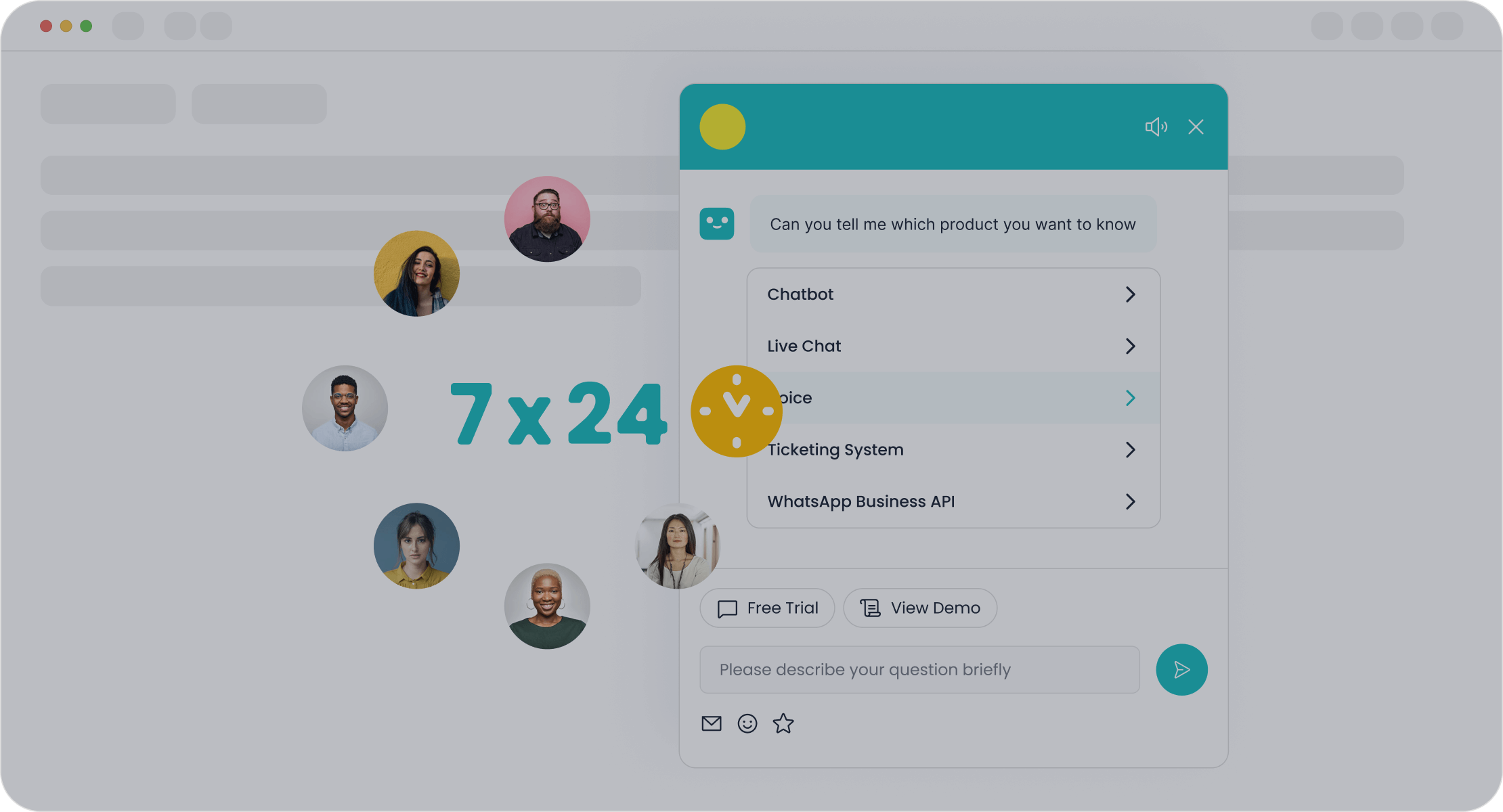
Seamless integration with existing systems enhances the efficiency of AI tools. For instance, Sobot's AI Chatbot integrates with omnichannel platforms to provide 24/7 support. It uses AI to deliver personalized recommendations, boosting conversions by 20% and cutting costs by 50%. Its no-coding-required setup makes it accessible for businesses of all sizes. By integrating such tools, you can unify customer interactions across channels, improving both efficiency and user satisfaction.
Advanced Analytics and Insights for Customer Success
Leveraging data for better recommendations
AI tools transform raw data into actionable insights, enabling you to make data-driven decisions. These insights remove guesswork, allowing your team to deliver personalized solutions that increase customer satisfaction. AI also accelerates analysis, helping you store and process data securely for longer periods.
Use cases in customer support and success
- Customer journey analytics provide insights into purchase history and product usage, helping you enhance the user experience.
- Retention analytics highlight loyalty trends, enabling you to minimize customer effort and improve satisfaction.
- AI-driven insights equip agents with knowledge about user preferences, empowering them to address needs proactively.
By leveraging advanced analytics, you can anticipate user behavior and deliver recommendations that drive success.
Comparing the Best Recommendation Engines and Services
Usability and User Experience
Ease of use for non-technical teams
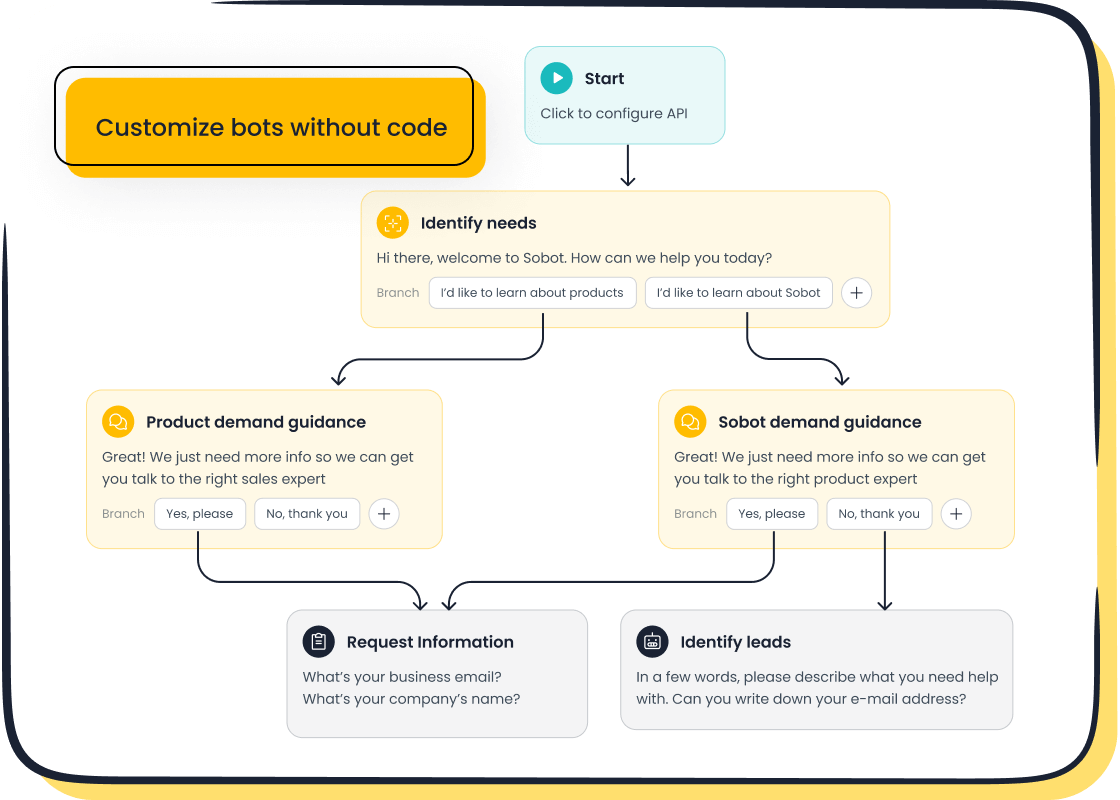
The best recommendation engines prioritize simplicity, ensuring that even non-technical teams can use them effectively. These tools often feature drag-and-drop interfaces, pre-built templates, and guided workflows. For instance, Sobot's AI Chatbot offers a point-and-click interface, enabling users to design workflows without coding. This ease of use empowers your team to focus on delivering exceptional customer experiences rather than grappling with complex setups.
Examples of intuitive interfaces in customer service tools
Many tools excel in providing intuitive interfaces. For example, live chat platforms often integrate seamlessly with customer data, allowing agents to access relevant information instantly. Sobot's AI Chatbot goes a step further by offering omnichannel support, enabling you to manage customer interactions across platforms like WhatsApp and SMS from a single dashboard. These features simplify operations and enhance efficiency, making them invaluable for businesses of all sizes.
Cost and Budget Considerations
Pricing models of top tools
Understanding pricing models helps you choose the right tool for your budget. Here’s a breakdown of common pricing structures:
| Pricing Model | Description | Pros and Cons |
|---|---|---|
| Seat-based or user-based | Cost is based on the number of users accessing the analytics. | Pros: Predictable costs for small businesses. Cons: Can be expensive for growing user bases. |
| Usage-based | Charges based on actual usage, such as API calls or data processed. | Pros: Affordable for B2B. Cons: Hard to budget due to unpredictable usage. |
| Feature-based | Pricing varies based on the features accessed within the tool. | Pros: Cost-efficient for teams needing specific features. Cons: May lead to poor budget planning. |
| Service-based or fixed | A monthly or annual fee for a set of features and services. | Pros: Predictable costs as the business grows. Cons: May not be affordable for small businesses. |
Balancing cost with features and ROI
When selecting a recommendation engine, consider both the features offered and the potential return on investment (ROI). Tools like Sobot's AI Chatbot provide a high ROI by automating customer interactions, reducing costs by 50%, and boosting conversions by 20%. These benefits often outweigh the initial investment, making such tools a cost-effective choice for businesses.
Technical Requirements and Support
Compatibility with existing systems like Sobot's solutions
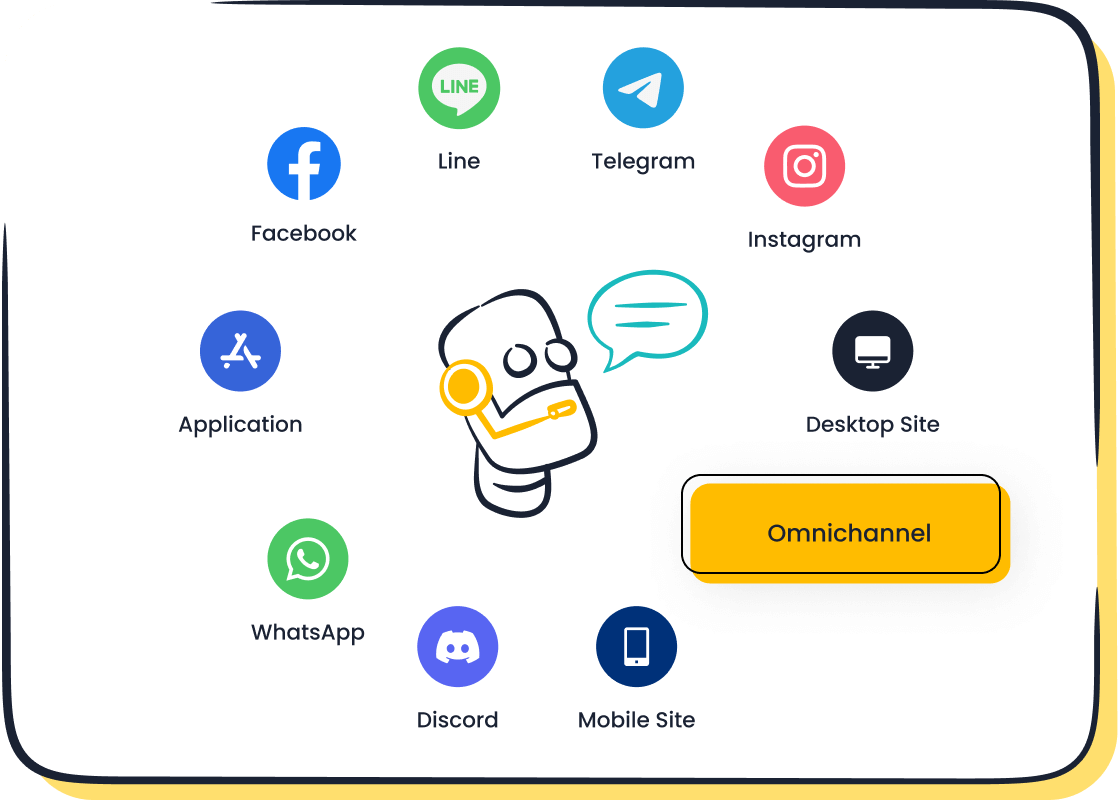
Compatibility is crucial when integrating a recommendation engine into your existing infrastructure. Tools that work seamlessly with your current systems save time and reduce operational disruptions. For example, Sobot's AI Chatbot integrates effortlessly with omnichannel platforms, ensuring smooth data flow and unified customer interactions. This compatibility enhances efficiency and simplifies the adoption process.
Availability of customer support and training
Reliable customer support and training ensure that your team can maximize the tool's potential. Many providers offer onboarding sessions, tutorials, and 24/7 support. Sobot, for instance, provides comprehensive training resources and responsive customer service, helping you get the most out of their AI-powered tools. These services minimize downtime and ensure a smooth user experience.
How to Choose the Right Intelligent Recommendation System
Aligning with Business Goals and Customer Needs
Identifying specific needs and objectives
Choosing the right recommendation engine starts with understanding your business goals and customer needs. You can achieve this by:
- Conducting customer surveys to gather feedback on preferences and pain points.
- Analyzing customer data to identify trends and tailor your offerings.
- Creating customer personas to segment your audience and address unique needs.
- Setting objectives that prioritize customer satisfaction and loyalty.
- Incorporating customer feedback into your strategy to stay aligned with evolving expectations.
By focusing on these steps, you ensure that your chosen tools align with your business objectives and deliver meaningful recommendations to your customers.

Examples of goal-driven tool selection
For instance, if your goal is to improve customer engagement, you might select tools that offer real-time personalization. Sobot's AI Chatbot is an excellent example. It uses AI to analyze customer interactions and provide tailored recommendations, boosting conversions by 20%. This approach ensures that your tools directly support your business goals.
Evaluating Features and Customization Options
Prioritizing must-have features for customer service
When evaluating tools, prioritize features that enhance customer service. Look for tools with:
- Omnichannel support to manage interactions across platforms.
- Real-time data analysis for instant recommendations.
- Multilingual capabilities to serve diverse audiences.
These features improve efficiency and customer satisfaction. For example, Sobot's AI Chatbot offers all these capabilities, making it a versatile choice for businesses.
Importance of customization for unique use cases
Customization is crucial for addressing unique business needs. Tools that allow you to tailor workflows, integrate with existing systems, and adapt to specific scenarios provide greater value. Sobot's Chatbot, for instance, features a no-coding-required setup and customizable workflows, enabling businesses to design solutions that fit their requirements perfectly.
Considering Long-Term Scalability and Trends
Preparing for future growth and trends
As your business grows, your tools must scale seamlessly. Prepare for trends like:
- Increasing demand for personalized experiences.
- Enhanced use of data to predict customer behavior.
- Opportunities for upselling and cross-selling through tailored recommendations.
By staying ahead of these trends, you ensure your tools remain effective and relevant.
Tools with proven scalability like Sobot's Chatbot
Scalable tools are essential for long-term success. Sobot's AI Chatbot exemplifies scalability with its cloud-based infrastructure, omnichannel support, and ability to handle growing customer interactions. Its robust design ensures smooth operations even as your business expands, making it a reliable choice for future growth.
Emerging Trends and Future Predictions for Recommendation Systems
AI and Machine Learning Advancements
The role of generative AI in recommendation systems
Generative AI tools are transforming recommendation systems in 2025. These tools analyze diverse content types, including images, text, audio, and video, to understand their semantic meanings. This capability allows you to deliver more accurate and engaging recommendations. For instance, generative AI can create personalized product descriptions or suggest tailored content based on user preferences. By improving content understanding, these tools enhance the overall user experience.
Generative AI also excels in preference retrieval and ranking. It filters and ranks content based on individual interests, ensuring that users receive the most relevant suggestions. Ethical AI practices further enhance these systems by addressing biases and promoting fairness. As a result, generative AI tools not only improve accuracy but also foster trust and transparency in recommendations.
Predictive analytics for enhanced accuracy
Predictive analytics plays a vital role in improving recommendation accuracy. It identifies trends and patterns in customer behavior, enabling you to anticipate user needs effectively. For example, if a customer frequently purchases fitness gear, predictive analytics can suggest related items like yoga mats or protein supplements.
These tools offer several benefits:
- Enhanced personalization increases user satisfaction and engagement.
- Improved accuracy reduces irrelevant suggestions, focusing on items users will appreciate.
- Dynamic adaptation ensures recommendations evolve with changing preferences.
By leveraging predictive analytics, you can provide more reliable and relevant recommendations, strengthening customer relationships.
Real-Time and Context-Aware Recommendations
Tools leveraging real-time data for customer service
Real-time data empowers tools to deliver immediate and personalized recommendations. For example, when a customer interacts with your website, these tools analyze their behavior instantly to suggest relevant products or services. This approach enhances engagement and boosts conversion rates.
Key benefits of real-time data include:
- Personalization strengthens customer relationships.
- Increased engagement drives higher click-through rates.
- Immediate responses improve service efficiency.
Studies show that 76% of consumers value personalized communication, highlighting the importance of real-time recommendations in meeting customer expectations.
Applications in contact centers and customer support
Context-aware recommendations improve efficiency in contact centers. These tools analyze customer interactions to identify patterns and proactively address similar issues. For instance, advanced technologies like natural language processing (NLP) enable real-time analysis of customer queries, reducing resolution times.
Applications include:
- Enhancing call and ticket resolution times.
- Identifying patterns across multiple languages.
- Proactively addressing recurring issues.
By integrating context-aware tools, you can streamline operations and deliver exceptional customer support.
Ethical and Transparent AI in Recommendation Engines
Addressing bias and ensuring fairness
Fairness in recommendation engines is essential for building trust. Bias often arises from training data or algorithm design, leading to unfair outcomes. To address this, you can implement fairness-aware algorithms and use diverse training data. Continuous monitoring ensures that your tools remain unbiased and effective.
Key strategies include:
- Ensuring diverse demographics in training data.
- Establishing AI governance frameworks for ethical development.
- Using feedback loops to improve systems based on user input.
These practices help you create fair and reliable recommendation engines that resonate with diverse audiences.
Importance of transparency in AI-driven tools
Transparency is critical for maintaining user trust. Without it, AI systems risk perpetuating biases or making inscrutable decisions. Businesses that prioritize transparency see higher customer retention rates. For example, 75% of companies believe a lack of transparency could lead to increased churn.
"Without transparency, we risk creating AI systems that could inadvertently perpetuate harmful biases, make inscrutable decisions or even lead to undesirable outcomes in high-risk applications."
By adopting transparent practices, you can ensure your AI tools deliver ethical and trustworthy recommendations.
In 2025, intelligent recommendation tools have become indispensable for businesses aiming to enhance customer interactions. These tools, powered by AI, deliver personalized experiences, improve efficiency, and drive customer satisfaction. By aligning these tools with your business goals, you can unlock their full potential and create meaningful connections with your audience.
Exploring solutions like Sobot's AI Chatbot can help you stay competitive. Its ability to integrate seamlessly, provide 24/7 support, and deliver tailored recommendations makes it a valuable asset for modern businesses. Start leveraging these tools today to transform your customer service strategy.
FAQ
What is an intelligent recommendation engine, and how does it work?
An intelligent recommendation engine uses ai to analyze user data and behavior. It predicts preferences and suggests relevant products or services. For example, it might recommend accessories based on a recent purchase. This technology enhances personalization and improves customer satisfaction.
How can ai-powered tools improve customer service?
Ai-powered tools streamline customer service by automating responses and providing real-time recommendations. For instance, Sobot's AI Chatbot operates 24/7, resolving queries and assisting agents. This approach boosts efficiency, reduces costs, and enhances customer experiences.
Are ai-driven recommendation systems scalable for growing businesses?
Yes, ai-driven systems are highly scalable. They handle increasing data volumes and interactions effortlessly. Tools like Sobot's AI Chatbot adapt to business growth, ensuring consistent performance and personalized recommendations as your customer base expands.
What industries benefit the most from ai recommendation tools?
Industries like retail, e-commerce, financial services, and gaming benefit significantly. For example, e-commerce platforms use ai to suggest products, while financial services recommend investment plans. Sobot's solutions cater to diverse industries, enhancing customer engagement and satisfaction.
How does Sobot's AI Chatbot integrate with other systems?
Sobot's AI Chatbot integrates seamlessly with omnichannel platforms like WhatsApp and SMS. It unifies customer interactions, providing a centralized workspace for agents. This integration improves efficiency and ensures a smooth customer experience.
See Also
Best 10 AI Solutions for Business Contact Centers
Leading 10 Speech Analysis Tools for Call Centers 2024
Comprehensive Guide to AI Software for Call Centers

