Upgrade Your Practice with This Software in 2025


Healthcare providers often face administrative challenges that impact patient care. Long hold times and missed calls create significant frustration for patients. Statistics show that these issues can lead to poor patient experiences and lost revenue.
- Approximately 60% of patients will hang up after just one minute on hold.
- Patients who are dissatisfied with their call are over four times more likely to switch providers.
Modern healthcare call center software offers a direct solution. This technology, like the Sobot AI-powered Sobot call center, streamlines communication. It helps practices improve patient care and operational efficiency. This guide presents the top contact center software and call center software for 2025.
What Is Healthcare Call Center Software?

Healthcare call center software is more than just a phone system. It is a comprehensive platform designed to manage all forms of patient communication. This technology helps providers streamline interactions and improve the quality of care.
Defining the Modern Patient Communication Hub
Modern contact center software transforms the traditional call center into a proactive patient engagement hub. It moves beyond simply answering calls. Instead, it focuses on delivering strategic, patient-centric care. This evolution is critical for today's healthcare landscape.
| Feature | Traditional Call Centers | Modern Patient Communication Hubs |
|---|---|---|
| Approach | Reactive (problem-solving) | Proactive (preventative, strategic) |
| Focus | Administrative tasks | Patient engagement, preventative care |
| Technology | Basic call management | AI, EHR/CRM integration, unified platforms |
| Scope | Simple support | Comprehensive, personalized virtual care |
This modern approach allows providers to extend their reach. Agents can perform post-discharge follow-ups, manage chronic conditions, and send wellness reminders. This proactive virtual care helps keep patients healthy and engaged.
Core Benefits: Improving Patient Care and Efficiency
Effective patient communication directly impacts clinical outcomes and retention. The right call center software builds trust between patients and providers. It offers an enhanced patient experience through personalized interactions.
- Improved Follow-Up: Timely follow-up calls after treatment can significantly increase patient return rates.
- Personalized Engagement: Tailored communication makes patients feel valued, boosting loyalty and referrals.
- Better Adherence: Clear communication helps patients understand their treatment plans, leading to better health outcomes.
By automating reminders and simplifying follow-ups, this software improves the overall patient experience. It empowers providers to deliver consistent, high-quality care.
The Critical Role of Security in Patient Communications
Security is non-negotiable in healthcare. The rise of telehealth services and virtual interactions makes robust data security essential. A breach can expose sensitive patient information and damage a practice's reputation. Common threats include phishing, ransomware, and unsecured third-party vendor systems.
Therefore, any call center software must ensure HIPAA compliance. Cloud-based solutions must feature strong encryption and secure data transfer protocols. Choosing a platform with a proven commitment to HIPAA compliance protects both patients and the practice. This focus on security is fundamental for modern contact center software and safe virtual care. Cloud-based call center solutions offer this protection.
Key Features in Healthcare Call Center Software
Selecting the right healthcare call center software involves evaluating its core features. These capabilities determine how effectively a practice can improve patient communication and streamline operations. Providers should look for a platform that offers a comprehensive suite of tools.
Ensuring HIPAA Compliance and Data Security
HIPAA compliance is the most critical feature of any call center software used in healthcare. Protecting patient health information (PHI) is a legal and ethical mandate. Top-tier platforms ensure HIPAA compliance through robust technical safeguards.
- End-to-end data encryption for all communications, including calls and secure messaging.
- Unique user identifiers and role-based access controls to prevent unauthorized data access.
- Automatic log-off features for inactive sessions.
- Secure data storage, backup, and disposal protocols.
These measures protect sensitive information and build trust with patients.
Seamless EHR and CRM Integration
Effective virtual care requires a complete view of the patient's history. A key feature is seamless integration with EHR and CRM systems. This connectivity allows agents to access patient records, appointment schedules, and communication history in one place. Many popular EHR systems offer APIs for this purpose.
- Epic API
- Cerner API
- Athenahealth API
This integration with EHR eliminates the need for agents to switch between multiple applications, improving efficiency and the quality of care.
Omnichannel Support: Voice, SMS, and Chat
Modern patients expect to connect with providers through their preferred channel. Leading contact center software offers omnichannel support, unifying voice, SMS, secure messaging, and chat into a single platform. This approach provides a consistent experience across all virtual touchpoints and enhances patient communication.
Intelligent Call Routing and IVR
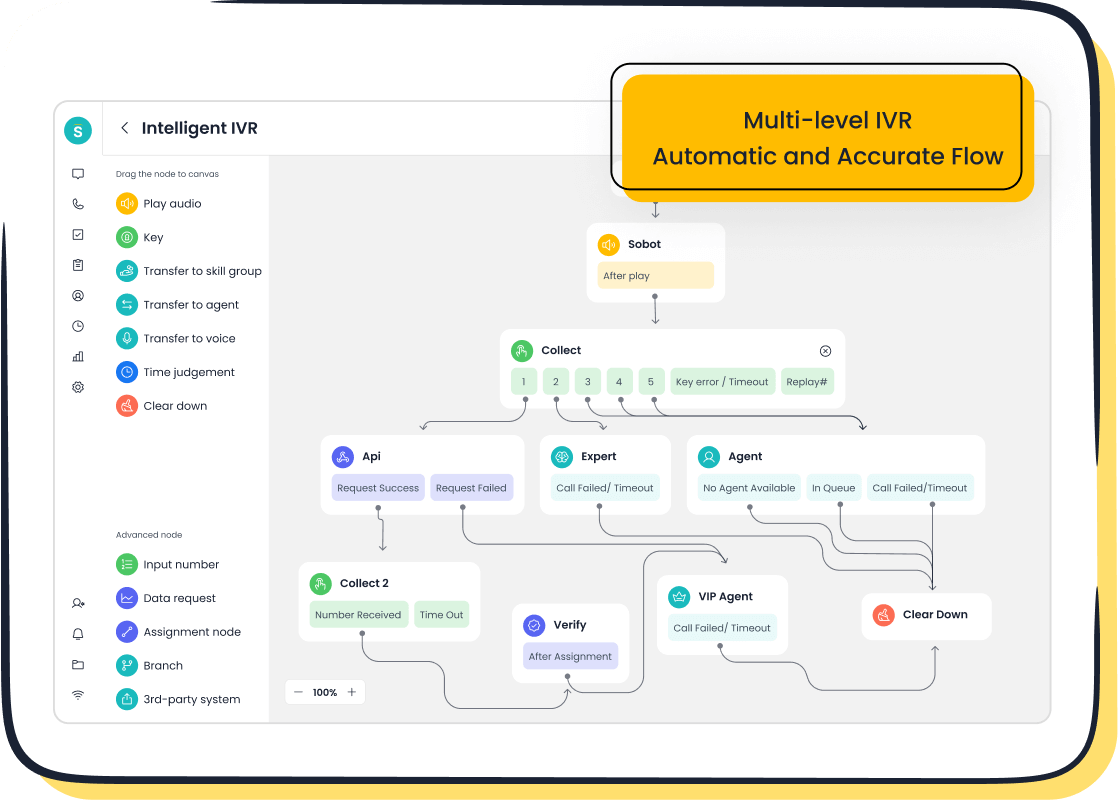
Long wait times are a major source of patient frustration. Intelligent call routing uses algorithms to direct patients to the best-qualified agent or department. This technology reduces delays and improves first-call resolution rates. A smart IVR system can also handle routine requests, freeing up staff for more complex issues. This feature is essential for any modern contact center software.
Automation for Reminders and Follow-ups
Automated patient outreach is a powerful tool for improving patient engagement and health outcomes. Contact center software can automate appointment reminders, pre-operative instructions, and post-discharge follow-ups. This proactive virtual care helps reduce no-show rates significantly.
Studies show that automated reminders can reduce patient no-show rates by over 25%, improving practice revenue and scheduling efficiency.
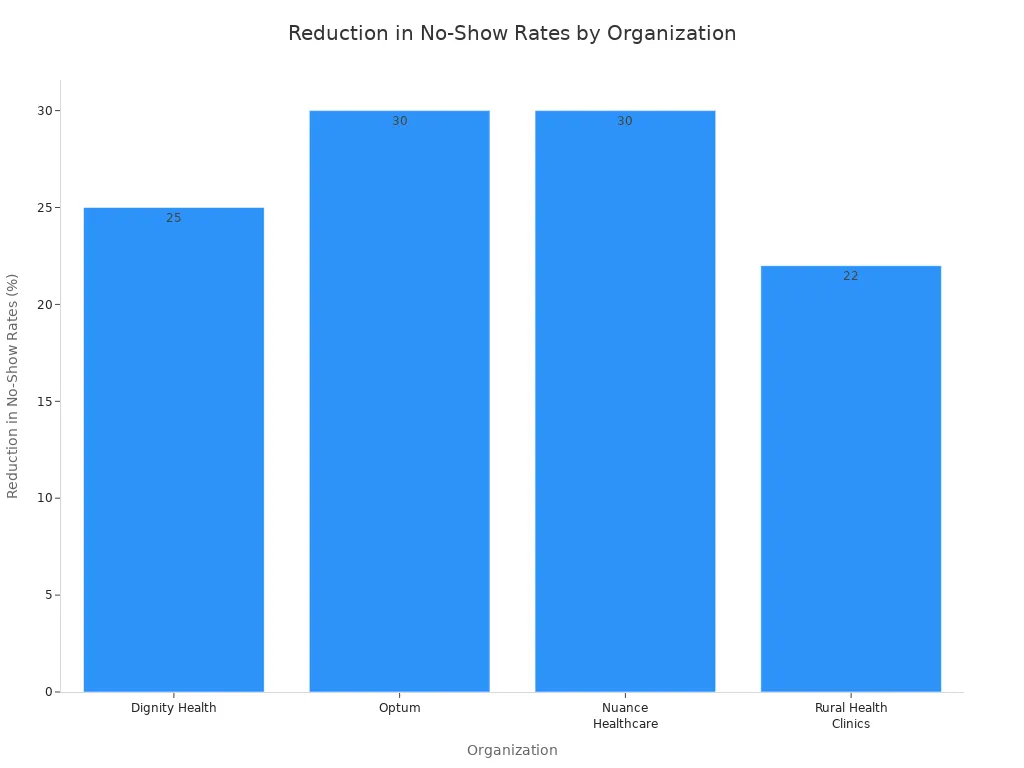
This type of patient outreach ensures patients receive timely information, which supports better care.
Real-time Analytics and Voice Analytics
Data helps providers make informed decisions. Real-time call analytics offer insights into key performance indicators (KPIs). Managers can use call analytics to monitor performance and optimize workflows.
- Agent Performance: Track metrics like average handle time and first-call resolution.
- Queue Management: Monitor call queues and wait times in real time.
- Service Levels: Measure call abandonment rates and answer times.
These call analytics tools empower providers to continuously improve their service quality.
Top Contact Center Software for Healthcare in 2025

Choosing the right contact center software is a critical decision for any healthcare practice. The ideal platform streamlines communication, ensures security, and enhances the patient journey. This section reviews the top solutions for 2025 to help providers make an informed choice.
Sobot: Best All-in-One Omnichannel Solution
Best For: Practices of all sizes, from small clinics to large hospital systems, seeking a unified and scalable platform for all patient communications.
Sobot delivers a comprehensive, all-in-one contact center solution. It unifies every patient touchpoint into a single, intelligent workspace. The platform integrates a powerful suite of tools, including a Voice Call Center, Live Chat, AI-powered Chatbots, and a robust Ticketing System. This allows staff to manage voice calls, messages, and support tickets without switching between applications.
Key Features:
- True Omnichannel Hub: Consolidates voice, SMS, email, social media, and WhatsApp Business API interactions into one unified agent workspace.
- Intelligent Automation: Utilizes an AI-powered Voicebot and chatbots to handle routine inquiries 24/7, freeing up staff to focus on complex patient needs.
- Guaranteed Reliability: Offers a 99.99% uptime SLA, ensuring that virtual communication channels are always available for patients and providers.
- Seamless Integration: Provides simple, fast integration with existing EHR and CRM systems, creating a complete view of the patient journey.
Pricing Model: Sobot operates on an economic and scalable SaaS rental model. Pricing is customized based on the specific needs, size, and feature requirements of the practice. This flexible approach ensures providers only pay for what they need.
Pros:
- A single platform for all communication channels reduces complexity and cost.
- AI-powered assistance improves efficiency and provides immediate support to patients.
- High system stability and global network support ensure reliable virtual care delivery.
- Proven results in enhancing service efficiency and patient satisfaction.
Success in Action: Agilent, a global leader in life sciences, partnered with Sobot to upgrade its customer service. The implementation of Sobot's omnichannel solution and AI-powered chatbots resulted in a 6x increase in service efficiency and achieved a 95% customer satisfaction score.
Talkdesk: Best for Enterprise-Level Features
Best For: Large healthcare organizations and hospital systems that require a robust, scalable, and integration-heavy platform.
Talkdesk is a leading contact center software known for its enterprise-grade capabilities and extensive third-party marketplace. It is well-suited for high-volume call centers in regulated industries like healthcare.
Key Features:
- Guaranteed 100% uptime SLA.
- Extensive integration marketplace with over 70 pre-built connections.
- Advanced workflow automation and IVR for managing high call volumes.
- Omnichannel support, including social media, for all users.
Pricing Model: Talkdesk offers several tiered plans, starting with the CX Cloud Essentials plan and scaling up to the CX Cloud Elite plan for advanced features. Pricing is quote-based.
Pros and Cons:
- Pros:
- Affordable compared to some enterprise competitors.
- Excellent for large organizations due to its uptime guarantee.
- Increases patient engagement with strong omnichannel and self-service tools.
- Cons:
- Key features like workforce management are restricted to the highest-tier plan.
- The mobile application can be unreliable, with reports of freezing or dropped calls.
- Lacks a native tool for video conferencing.
NICE CXone: Best for Advanced Workforce Optimization
Best For: Healthcare providers focused on maximizing agent productivity and optimizing call center operations through data and analytics.
NICE CXone provides a powerful cloud-based platform that excels in workforce engagement and analytics. It helps practices improve agent performance and streamline workflows for scheduling, billing, and patient triage.
Key Features:
- Deep integration with major EHR systems like Epic, Cerner, and Athenahealth.
- Advanced automation for key healthcare workflows.
- Powerful analytics and reporting tools for patient experience insights.
- AI-powered tools for agent assistance and proactive patient engagement.
Pricing Model: NICE offers a flexible, usage-based model with monthly billing. Its industry-specific "Ultimate Healthcare Experience Package" is priced at $249 per agent per month, with additional costs for add-ons like EHR integration and voice biometrics.
Pros and Cons:
- Pros:
- Industry-leading tools for workforce optimization and quality management.
- Strong focus on EHR integration to create a complete patient view.
- Flexible pricing that can scale with a practice's growth.
- Cons:
- The per-agent cost can be high, especially with necessary add-ons.
- The platform can be complex to configure and manage without dedicated IT resources.
Genesys Cloud CX: Best for AI-Powered Patient Experiences
Best For: Practices looking to leverage artificial intelligence to deliver highly personalized and predictive patient experiences.
Genesys Cloud CX is a top-tier contact center software that puts AI at the forefront of patient communication. It uses predictive engagement and AI-powered assistance to anticipate patient needs and guide them to the best resolution.
Key Features:
- Advanced AI for predictive routing and agent assistance.
- Unified platform for voice, digital, and WEM (Workforce Engagement Management).
- Strong analytics for tracking patient journeys across all touchpoints.
- Open APIs for deep customization and integration.
Pricing Model: Genesys offers tiered pricing, with plans starting around $75 per user/month and scaling up to over $140 per user/month for more advanced AI and channel capabilities.
Pros and Cons:
- Pros:
- Superior AI capabilities for creating personalized patient experiences.
- Highly scalable and reliable cloud architecture.
- All-in-one solution that combines CCaaS, UCaaS, and WEM.
- Cons:
- Can be more expensive than other solutions.
- The extensive feature set may be overwhelming for smaller practices.
Zendesk: Best for Integrated Ticketing and Support
Best For: Clinics and healthcare providers that need a strong ticketing system integrated with omnichannel support, especially those already using Zendesk for IT or internal helpdesks.
Zendesk is widely known for its ticketing system, but its call center software, Zendesk Talk, integrates seamlessly into its broader service suite. This makes it an excellent choice for practices that want to manage patient inquiries and internal issues from a single, familiar platform.
Key Features:
- A powerful, easy-to-use ticketing system at its core.
- Omnichannel support including email, chat, voice, and social messaging.
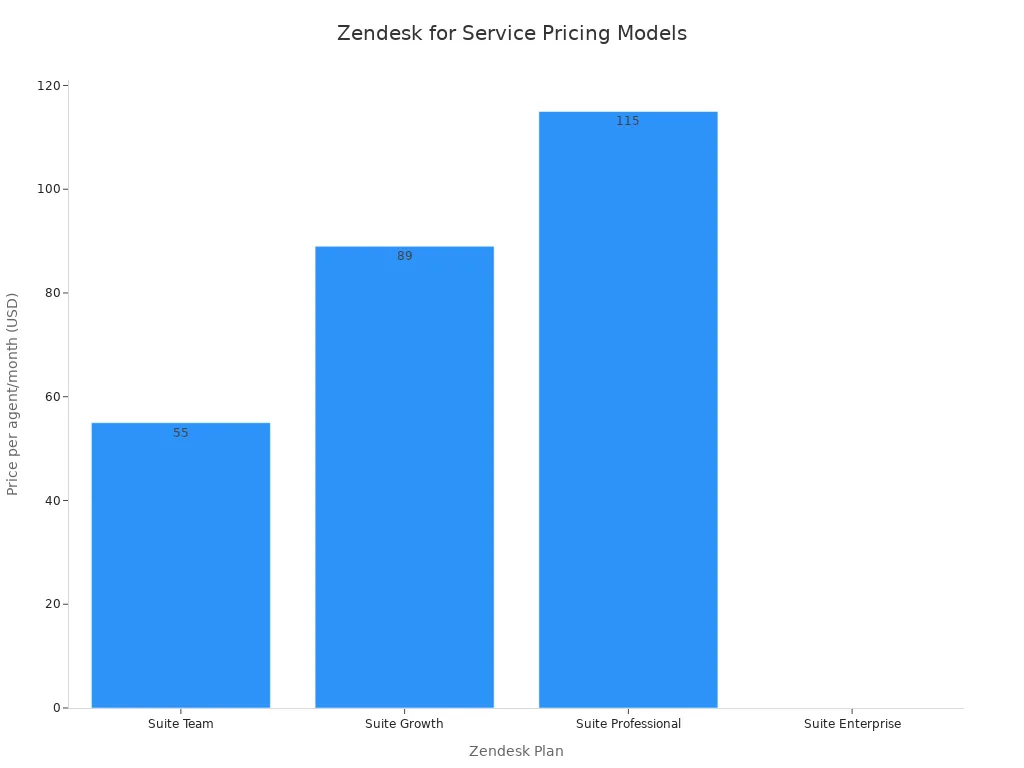
- HIPAA compliance is available on the Suite Professional plan and above.
- Robust knowledge base functionality to empower patient self-service.
Pricing Model: Zendesk offers several bundled plans. For healthcare, the Suite Professional plan is recommended for its HIPAA compliance features.
Pros and Cons:
- Pros:
- Excellent for managing and tracking patient issues through a ticketing workflow.
- Intuitive and user-friendly interface for agents.
- Strong self-service options reduce the burden on staff.
- Cons:
- Voice features are less advanced than dedicated healthcare call center software.
- HIPAA compliance is only available on more expensive plans.
- Can become costly as more agents and features are added.
How to Choose the Right Call Center Software
Selecting the right platform is a strategic process. Providers must look beyond features and consider their practice's unique operational needs. A careful evaluation ensures the chosen call center software aligns with long-term goals for patient care and efficiency.
Step 1: Assess Your Practice's Needs and Volume
First, a practice must understand its communication patterns. A simple checklist can help evaluate interactions, including how staff handle test results, follow-ups, and home care instructions. Next, providers should calculate their call volume.
- Track historical data to find average daily calls.
- Identify peak call times, often early mornings and late afternoons.
- Note metrics like average call duration and wait times.
This data helps determine the staffing and system capacity needed to manage patient communications effectively.
Step 2: Verify Integration with Your Current EHR
A new contact center software must connect with existing systems. Verifying integration with EHR is a critical step. Poor integration creates many problems for providers. It can lead to redundant data entry, delayed triage notes, and communication breakdowns. These issues slow down virtual care and increase the risk of errors. Practices should confirm the software can overcome challenges like diverse data standards and strict security protocols.
Step 3: Evaluate Scalability and Total Cost
Providers must evaluate the total cost of ownership. The initial price is only part of the expense. Hidden costs for training, onboarding, and ongoing maintenance can add up. Practices should compare pricing models. A per-agent monthly fee offers predictable budgeting. A usage-based model may be cheaper for low-volume practices but can become expensive as call volume grows. This evaluation applies to both general healthcare call center software and specialized medical insurance call center software.
Step 4: Request and Compare Live Demos
Live demos allow providers to see the call center software in action. This step is essential for comparing top contenders. Managers should prepare specific questions to guide the demonstration.
- How intuitive is the user interface for new agents?
- What security measures protect patient data and ensure HIPAA compliance?
- Can you show how the software integrates with our specific EHR?
- What does the standard training and onboarding process include?
Considerations for Medical Insurance Call Center Software
Medical insurance call center software has unique requirements. This type of virtual platform needs robust tools for claims and billing support. Excellent medical insurance call center software provides agents with instant access to policy details. AI-powered assistance is a key feature for any modern medical insurance call center software. It helps agents find information quickly. Smart IVR is another vital component of medical insurance call center software, routing patients to the right department. Ultimately, the best medical insurance call center software ensures secure, efficient handling of sensitive financial and health data. Choosing the right medical insurance call center software improves the entire virtual claims process. A quality medical insurance call center software is an investment. The right medical insurance call center software streamlines complex billing inquiries. Good medical insurance call center software is essential for both providers and payers.
Selecting the right call center software is a strategic investment. It directly impacts patient satisfaction, staff morale, and financial health. Efficient contact center software boosts job satisfaction and helps providers retain valuable staff. The right platform delivers better care and significant ROI, with some providers seeing call wait times drop by 95%. This guide helps providers choose the best contact center software. Use this information to shortlist options and upgrade your practice.
Take the Next Step 🚀
Begin your practice's transformation for 2025. Schedule a demo with a leading provider like Sobot to see how an all-in-one call center software can enhance patient care.
FAQ
What makes medical insurance call center software different?
A standard call center software handles general calls. A medical insurance call center software offers specialized tools. These tools help agents manage claims, verify benefits, and handle billing inquiries securely. This focus makes medical insurance call center software essential for revenue cycle management.
Can this software handle complex insurance questions?
Yes. The best medical insurance call center software integrates with billing systems. This gives agents real-time access to policy details. An advanced medical insurance call center software uses AI to guide agents, ensuring they provide accurate answers to patients about coverage and payments.
Is medical insurance call center software secure?
Security is a primary feature. A quality medical insurance call center software provides end-to-end encryption for all communications. This protects sensitive financial and health data. A HIPAA-compliant medical insurance call center software is necessary for any practice handling patient billing information. This contact center software protects you.
How does this improve billing operations?
A medical insurance call center software automates many routine tasks. It can route billing calls to the right specialist. The right medical insurance call center software reduces agent workload and minimizes errors. This efficiency helps practices resolve payment issues faster and improve cash flow.
See Also
Discovering The Best Free CRM Solutions For Call Centers In 2024
Unveiling The Top 10 Voice Of Customer Software Platforms For 2024
An Essential Guide To Call Center Quality Assurance Software Solutions
Exploring The Top 10 Live Chat Help Software Options For 2024
A Comprehensive Review Of Leading Automated Voice Calling Software In 2024

