How to Strengthen Customer Service Skills for Career Success


Great customer service skills are more than just a way to please clients—they’re a stepping stone to career success. When you master excellent customer care skills, you don’t just improve customer satisfaction; you also boost your chances of advancing professionally. Studies show that companies offering employee training programs, including customer service, see 218% higher income per employee. Why? Because skills like empathy, communication, and adaptability make you an asset in any industry. With tools like Sobot’s intelligent solutions, you can refine these abilities and stand out as a leader.
Understanding Customer Service Skills and Their Role in Career Advancement
What Are Customer Service Skills?
Customer service skills are the abilities that help you interact effectively with customers and solve their problems. These skills go beyond just answering questions—they include active listening, empathy, adaptability, and problem-solving. For example, when a customer calls with a complaint, your ability to listen carefully and respond with understanding can turn a negative experience into a positive one.

These skills also involve clear communication and relationship building. Whether you're explaining a product feature or calming an upset customer, your words and tone matter. Tools like Sobot’s Voice/Call Center can support you by providing real-time data and insights, helping you deliver better service.
Why Excellent Customer Care Skills Are Essential for Career Growth
Strong customer service skills can open doors to new opportunities. Companies value employees who can build trust with customers and maintain long-term relationships. According to industry reports, these skills are critical for business success and can lead to promotions or leadership roles.
Soft skills like active listening and empathy are especially important. They help you understand customer needs and create personalized solutions. For instance, using Sobot’s AI-powered tools, you can analyze customer interactions and improve your responses. This not only boosts customer satisfaction but also showcases your ability to adapt to new technologies—a trait employers love.
The Connection Between Customer Success and Career Advancement
When customers succeed, businesses thrive—and so do you. Happy customers mean higher sales, better reviews, and stronger loyalty. Your role in achieving this success makes you an invaluable asset. A study shows that employees with strong customer service skills often collaborate better across departments, enhancing overall performance.
Take a look at this table to see how these skills contribute to career success:
| Skill | Importance in Career Success |
|---|---|
| Data-driven mindset | Helps measure customer satisfaction and identify improvement areas. |
| Communication and storytelling | Engages customers and stakeholders effectively. |
| Relationship building | Enhances collaboration across teams to improve customer experience. |
| Empathy and listening skills | Retains loyal customers by addressing their emotions effectively. |
| Adaptability | Responds to changing customer preferences and technology trends. |
By mastering these skills, you position yourself as a leader who drives both customer and business success.
Key Customer Service Skills to Develop for Career Success

Communication and Active Listening
Strong communication and active listening skills are the foundation of excellent customer service. When you communicate effectively, you ensure that your message is clear and easy to understand. But communication isn’t just about talking—it’s also about listening. Active listening means giving your full attention to the customer, understanding their concerns, and responding thoughtfully.
Why does this matter? Teams led by individuals who practice active listening report a 25% increase in productivity. Managers who actively listen also see lower employee turnover rates and higher job satisfaction among their teams. For you, this means better relationships with both customers and colleagues. It also boosts your professional reputation, making you a go-to person for resolving issues.
Active listening doesn’t just help internally—it directly impacts customer loyalty and satisfaction. When you truly hear what a customer is saying, you can address their needs more effectively. Tools like Sobot’s Voice/Call Center make this easier by providing real-time data and insights during calls. Imagine being able to track customer concerns and respond with precision, all while maintaining a personal touch. That’s the power of combining communication skills with the right technology.
Empathy and Emotional Intelligence
Empathy is the ability to understand and share the feelings of another person. In customer service, it’s a game-changer. When you show empathy, you make customers feel valued and understood. Emotional intelligence takes this a step further by helping you manage your emotions and respond appropriately to others.
Studies highlight the importance of empathy in customer interactions. Research by the Harvard Business Review shows that fully connected customers are 52% more valuable than those who are simply satisfied. Another study reveals that 62% of customers feel an emotional connection to brands they frequently purchase from. These numbers prove that empathy isn’t just a “nice-to-have”—it’s essential for building loyalty.
Think of it this way: Imagine two coffee shops. One efficiently handles orders but lacks personal interaction. The other remembers your usual order and engages in friendly conversation. Which one would you prefer? Most people choose the latter because it creates an emotional connection. You can achieve the same effect in your role by practicing empathy and using tools like Sobot’s Omnichannel Solution. This platform helps you personalize interactions across channels, making every customer feel like they matter.
Problem-Solving and Critical Thinking
Every customer service role comes with its challenges. Whether it’s a delayed shipment or a technical glitch, your ability to solve problems quickly and effectively sets you apart. Critical thinking helps you analyze situations, identify root causes, and develop practical solutions.
For example, in an eCommerce scenario, a customer might receive the wrong item. Instead of just issuing a refund, a critical thinker would investigate why the mistake happened and offer solutions like expedited shipping or a discount. This approach not only resolves the issue but also leaves the customer feeling valued. Similarly, in the hospitality industry, a guest without a valid ID might be checked in after assessing their situation, creating a positive experience and earning their loyalty.
Sobot’s AI-powered tools, like the Voice/Call Center, can enhance your problem-solving capabilities. With features like call tracking and real-time analytics, you can identify patterns and address recurring issues proactively. This not only improves customer satisfaction but also streamlines your workflow, making you more efficient and effective.
Adaptability and Resilience
Adaptability and resilience are two of the most valuable skills you can develop in customer service. Why? Because no two days are the same. One moment, you’re helping a customer troubleshoot a product issue. The next, you’re calming someone upset about a delayed delivery. Your ability to adjust to these situations and bounce back from challenges makes all the difference.
These traits aren’t just helpful—they’re essential. Adaptability allows you to handle different personalities and situations with ease. Resilience keeps you focused and determined, even when things get tough. Together, they help you maintain a positive attitude and deliver excellent service, no matter what comes your way.
Here’s why these skills matter:
- Adaptability gives you a competitive edge, especially in fast-changing environments.
- Resilience helps you stay calm and effective under pressure.
- Both traits improve customer satisfaction by ensuring consistent, high-quality service.
Think about this: A customer calls with a complex issue that requires immediate attention. If you’re adaptable, you’ll quickly adjust your approach to meet their needs. If you’re resilient, you’ll stay composed and find a solution, even if the problem seems overwhelming. These qualities not only impress customers but also show your employer that you’re ready for bigger responsibilities.
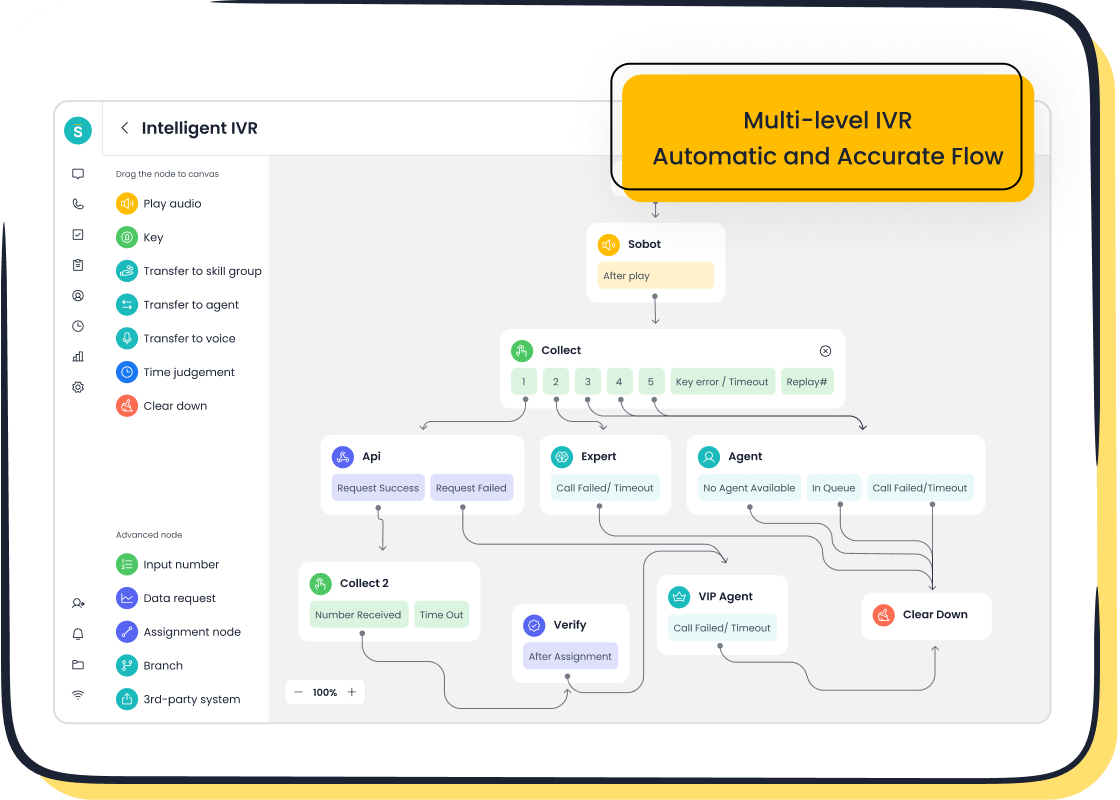
Tools like Sobot’s Voice/Call Center can help you build these skills. For example, its real-time monitoring and analytics features let you adapt your strategies based on customer behavior. You can also use its AI-powered Voicebot to handle repetitive tasks, giving you more time to focus on complex issues. By leveraging these tools, you’ll become more flexible and resilient, setting yourself up for long-term success.
Leveraging Tools Like Sobot’s Voice/Call Center for Skill Enhancement
Technology can be your best ally in improving customer service skills. Sobot’s Voice/Call Center is a perfect example. It’s not just a tool—it’s a game-changer for anyone looking to enhance their adaptability, resilience, and overall performance.
Here’s how it works:
- Real-Time Insights: The platform provides real-time data during calls, helping you understand customer needs instantly. This allows you to adapt your responses on the spot, improving the quality of your interactions.
- AI-Powered Assistance: With features like an AI-powered Voicebot, you can automate repetitive tasks. This frees up your time to focus on more challenging customer issues, sharpening your problem-solving skills.

- Call Tracking and Analysis: By analyzing call data, you can identify patterns and adjust your approach to better meet customer expectations. This not only boosts your adaptability but also helps you deliver more personalized service.
- Global Reach: The system supports global telephony, so you can interact with customers from different regions seamlessly. This exposure enhances your ability to handle diverse situations and cultural nuances.
Imagine this: You’re managing a high volume of calls during a busy holiday season. With Sobot’s smart call routing and unified workspace, you can prioritize tasks efficiently and stay organized. The platform’s stability (99.99% uptime) ensures you never miss a beat, even during peak times. These features don’t just make your job easier—they help you grow as a professional.
By using tools like Sobot’s Voice/Call Center, you’re not just improving your technical skills. You’re also becoming more adaptable, resilient, and ready to tackle any challenge that comes your way. Ready to take your customer service game to the next level? Start exploring how technology can help you shine.
Actionable Steps to Strengthen Your Customer Service Skills

Enroll in Training Programs and Certifications
If you want to take your customer service skills to the next level, enrolling in training programs and certifications is a great place to start. These programs are designed by experts who understand what it takes to deliver excellent customer care skills. They don’t just teach you the basics—they help you master advanced techniques like handling tough conversations, resolving conflicts, and using technology to improve customer service.
Here’s why training matters:
- Proven Results: Professionals who complete customer success training often see measurable improvements in their performance. For example, courses have helped over 36,000 individuals boost retention rates and revenue.
- Team Benefits: When teams train together, they become better at problem-solving and driving change. This collaborative learning approach strengthens your ability to work with others.
Take a look at the numbers:
| Metric | Pre-Training Average | Post-Training Average | Improvement |
|---|---|---|---|
| Customer Satisfaction Score | 78% | 91% | +13% |
| First Contact Resolution Rate | 67% | 85% | +18% |
| Average Handling Time | 7.2 minutes | 5.4 minutes | -1.8 minutes |
| Employee Turnover in Support | 32% annually | 18% annually | -14% |
| 5-Star Online Review Ratio | 52% | 74% | +22% |
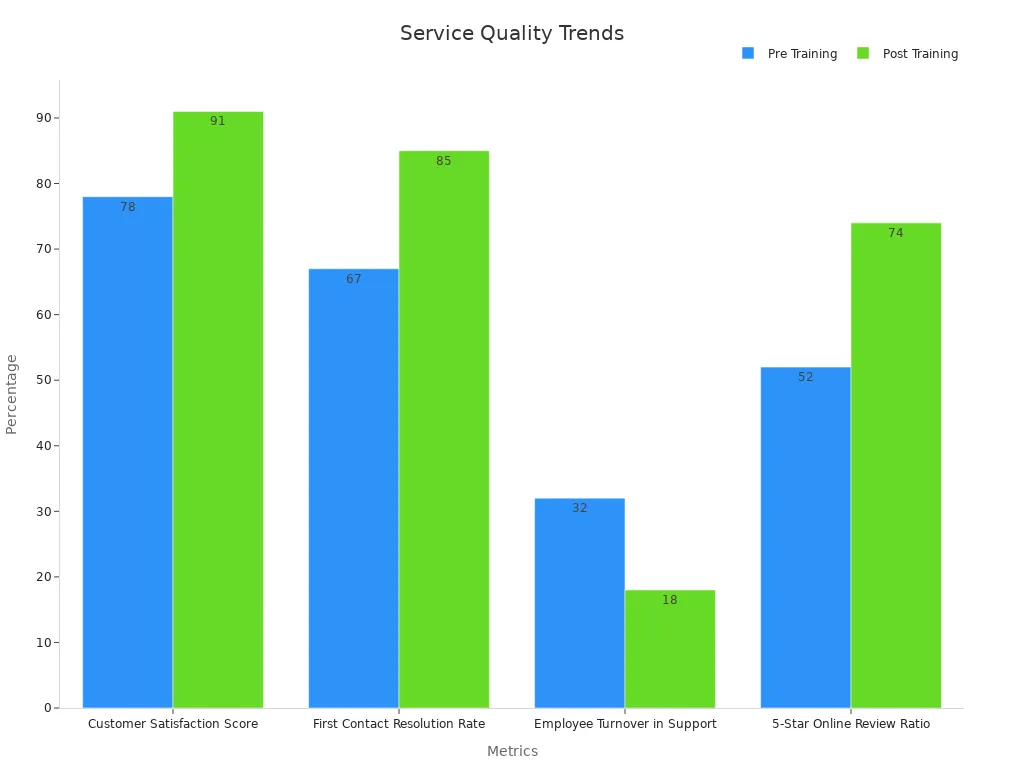
By investing in training, you’re not just improving your skills—you’re setting yourself up for long-term success in developing a customer support career. Platforms like Sobot’s Voice/Call Center can complement your learning by providing tools that enhance your efficiency and adaptability.
Seek Constructive Feedback from Customers and Peers
Feedback is one of the most powerful tools for growth. When you ask customers and peers for their honest opinions, you gain insights into what you’re doing well and where you can improve. The key is to seek feedback that’s specific, timely, and delivered in a positive manner.
Here’s how feedback helps:
- Specificity: Feedback works best when it’s tied to clear goals. For example, if a customer mentions that your tone made them feel heard, you know you’re on the right track.
- Timeliness: The sooner you get feedback, the faster you can make adjustments. This is especially important in fast-paced industries like retail or gaming.
- Positive Delivery: Feedback should highlight your strengths while offering constructive suggestions for improvement.
Imagine this scenario: A customer praises your ability to resolve their issue quickly but mentions that your explanation could’ve been clearer. This feedback gives you a roadmap for improvement. Tools like Sobot’s Omnichannel Solution can help you track customer interactions and identify areas for growth. By analyzing feedback data, you can refine your approach and deliver even better service.
Practice Role-Playing Scenarios for Real-World Application
Role-playing might sound like something reserved for theater, but it’s a fantastic way to sharpen your customer service skills. By simulating real-world situations, you can practice handling tough conversations, solving problems, and adapting to different customer personalities.
Here’s how you can make role-playing effective:
- Create Realistic Scenarios: Think about common challenges in your industry. For example, if you work in eCommerce, practice resolving issues like delayed shipments or incorrect orders.
- Use Feedback: Incorporate feedback from customers and peers into your role-playing exercises. This helps you focus on areas where you need improvement.
- Leverage Technology: Tools like Sobot’s Voice/Call Center can enhance your practice sessions. With features like call tracking and AI-powered Voicebot, you can simulate real interactions and analyze your performance.
Role-playing isn’t just about preparing for challenges—it’s about building confidence. When you rehearse different scenarios, you’ll feel more prepared to handle anything that comes your way. Plus, it’s a fun and engaging way to improve customer service while boosting your adaptability and resilience.
Use Technology, Such as Sobot’s Voice/Call Center, to Improve Efficiency
Technology isn’t just a tool—it’s your secret weapon for delivering exceptional customer service. By using platforms like Sobot’s Voice/Call Center, you can streamline your workflow, save time, and improve the quality of your interactions. Whether you’re managing a high volume of calls or handling complex customer issues, the right technology can make all the difference.

Let’s break it down. Sobot’s Voice/Call Center offers features like real-time call tracking, AI-powered Voicebots, and smart call routing. These tools don’t just make your job easier—they help you build stronger relationships with customers. For instance, real-time insights allow you to respond to customer needs instantly, while AI-powered assistance frees you up to focus on more meaningful conversations. This means you’re not just solving problems—you’re creating positive experiences that customers remember.
The numbers speak for themselves. Companies that use Sobot’s Voice/Call Center report a 30% increase in agent efficiency and a 97% customer satisfaction rate.
| Metric | Value |
|---|---|
| Increase in agent efficiency | 30% |
| Customer Satisfaction (CSAT) | 97% |
Imagine this: A customer calls with a billing issue. Instead of fumbling through multiple systems, you have all their information in one unified workspace. You resolve their issue quickly, leaving them impressed and more likely to stay loyal to your brand. That’s the power of technology in action.
By leveraging tools like Sobot’s Voice/Call Center, you’re not just improving efficiency—you’re strengthening customer relationships and setting yourself apart as a professional who knows how to use innovation to drive results.
Stay Updated on Industry Trends and Best Practices
The customer service world is always evolving. Staying updated on industry trends isn’t just a good idea—it’s essential if you want to stay ahead of the curve. When you understand what’s happening in your industry, you can adapt your strategies to meet customer expectations and even exceed them.
For example, trends like AI-driven customer support and omnichannel solutions are reshaping how businesses interact with customers. By keeping up with these developments, you can identify opportunities to improve your service and build stronger relationships with your audience. Companies that align their practices with current trends often see increased market share and profitability. They also gain a competitive edge by spotting risks early and planning strategically.
Think about it this way: If you’re aware of the growing demand for personalized service, you can use tools like Sobot’s Omnichannel Solution to deliver seamless experiences across platforms. This not only enhances customer satisfaction but also positions you as someone who understands the importance of innovation.
Staying informed doesn’t have to be overwhelming. Subscribe to industry newsletters, attend webinars, or join professional communities. These resources can help you stay in the loop and apply best practices in your role. When you’re proactive about learning, you’re not just keeping up—you’re leading the way.
Applying Customer Service Skills to Drive Career Advancement
Building Strong Relationships with Customers and Teams
Strong relationships are the foundation of success in customer success roles. When you build trust with customers and colleagues, you create a network that supports your growth. Customers who trust you are more likely to stay loyal, while colleagues who value your reliability will advocate for you during promotions.
Here’s why relationships matter:
- Personal connections make you stand out when new opportunities arise.
- Collaborating with others helps you learn new skills and grow in your role.
- Trust and transparency strengthen bonds with both customers and teams.
For example, using Sobot’s Omnichannel Solution, you can provide seamless service across platforms, showing customers that you value their time. This builds trust and enhances your reputation as a reliable professional. Similarly, working closely with your team to resolve issues fosters collaboration and keeps you top of mind for leadership roles.
Demonstrating Leadership Through Customer Success Stories
Leadership in customer success roles often shines through in how you handle challenges. By going above and beyond for customers, you demonstrate initiative and problem-solving skills that set you apart. Companies like Apple and Best Buy have shown how personalized service can create memorable experiences. For instance, Apple expedited a repair for a customer before an important presentation, showcasing their commitment to customer satisfaction.
You can create similar success stories in your role. Imagine using Sobot’s Voice/Call Center to resolve a complex issue quickly. Features like real-time call tracking and AI-powered Voicebots allow you to address customer concerns efficiently. When you share these stories with your team or supervisors, you highlight your leadership and dedication to customer success.
Leveraging Customer Feedback to Showcase Achievements
Customer feedback is a powerful tool for showcasing your achievements. Positive testimonials and case studies provide concrete evidence of your impact. They also enhance your credibility and help you stand out in customer success roles.
Here’s how feedback can work for you:
- Testimonials highlight your ability to deliver exceptional service.
- Case studies show how you’ve solved problems and added value.
- Both build your professional reputation and open doors to new opportunities.
For example, Sobot’s Omnichannel Solution allows you to track and analyze customer feedback across channels. This data helps you identify areas where you excel and share those successes with your team or during performance reviews. By leveraging feedback, you not only improve your skills but also position yourself as a top performer in your field.
Using Tools Like Sobot’s Omnichannel Solution to Enhance Customer Interactions
If you want to deliver good customer service, you need tools that make your job easier and more effective. That’s where Sobot’s Omnichannel Solution comes in. It’s designed to help you manage customer interactions across multiple platforms, like email, social media, and live chat, all from one place. This means you can respond faster, stay organized, and provide a seamless experience for your customers.
One of the biggest advantages of using Sobot’s Omnichannel Solution is its ability to improve efficiency. For example, the platform uses AI-driven automation to handle repetitive tasks, like answering common questions. This frees up your time to focus on more complex issues that require a personal touch. Plus, the unified workspace gives you access to all customer data in one view, so you can provide personalized solutions without wasting time searching for information.
The results speak for themselves. Businesses using Sobot’s Omnichannel Solution have seen impressive improvements in their customer service metrics:
| Metric | Result |
|---|---|
| Increase in new accounts | 22% |
| Reduction in average handle time | 30% |
| NPS scores compared to industry | 2X the banking industry average |
These numbers show how the right tools can transform your approach to good customer service. Imagine being able to cut down response times while doubling customer satisfaction. That’s the kind of impact Sobot’s solution can have.
By using this tool, you’re not just improving your efficiency. You’re also building stronger relationships with your customers. When they see how quickly and effectively you handle their concerns, they’ll trust you more. And trust is the foundation of good customer service. With Sobot’s Omnichannel Solution, you’re setting yourself up for success, both in your current role and in your career.
Tips for Continuous Improvement in Customer Service Roles
Set Clear Personal Development Goals
Setting personal development goals is one of the most effective ways to grow in your customer service role. Clear goals give you direction and help you measure your progress. But how do you set goals that actually work? The SMART criteria can guide you:
| SMART Criteria | Description |
|---|---|
| Specific | Goals should be clear and specific to guide focus. |
| Measurable | Progress should be quantifiable to track advancement. |
| Achievable | Goals should be realistic and attainable. |
| Relevant | Goals should align with broader objectives. |
| Time-bound | Goals should have a defined timeline for completion. |
For example, instead of saying, "I want to improve customer experience," you could set a goal like, "Increase my customer satisfaction score by 10% within three months by using active listening techniques." This approach makes your goal actionable and trackable.
Tracking your progress is just as important. Use tools like Sobot’s Voice/Call Center to monitor metrics such as call resolution times or customer satisfaction scores. These insights can help you measure development, identify areas needing improvement, and demonstrate progress to your team or manager.
Join Professional Communities and Networks
Joining professional communities is a great way to stay inspired and learn from others in the field. Whether it’s an online forum, a LinkedIn group, or a local meetup, these spaces connect you with people who share your passion for delivering exceptional customer experience.
Here’s why this matters:
- You gain access to industry trends and best practices.
- Networking opens doors to mentorship and career opportunities.
- Sharing experiences helps you solve challenges more effectively.
For instance, many professionals in customer service roles use platforms like Reddit or specialized Slack groups to exchange tips and tools. You might discover how others are using Sobot’s Omnichannel Solution to streamline workflows and improve customer interactions. These insights can inspire you to try new strategies in your own role.
Attend Industry Workshops and Conferences
Workshops and conferences are goldmines for learning and growth. They offer hands-on training, expert insights, and the chance to connect with industry leaders. Attending these events keeps you updated on the latest tools and techniques for enhancing customer experience.
Look for events that focus on topics like AI in customer service, omnichannel strategies, or emotional intelligence. For example, a workshop on using AI-powered tools could teach you how to leverage Sobot’s Voice/Call Center to handle high call volumes efficiently. Conferences often feature case studies and success stories, giving you actionable ideas to implement in your role.
Can’t attend in person? Many events now offer virtual options, so you can learn from anywhere. The key is to apply what you learn immediately. Whether it’s a new communication technique or a tech tool, putting knowledge into practice ensures it sticks.
Regularly Reflect on Your Performance and Achievements
Taking time to reflect on your performance can transform how you approach customer service. Regular reflection helps you identify strengths, pinpoint areas for improvement, and set actionable goals. It’s not just about looking back—it’s about using those insights to move forward.
Reflection builds emotional intelligence, which is essential for clear communication and conflict resolution. When you understand your emotions and reactions, you can manage them better during customer interactions. Structured reflections also boost confidence. They remind you of your achievements and show you how far you’ve come, making you feel more capable in your role.
Here’s a breakdown of the benefits:
| Benefit | Explanation |
|---|---|
| Emotional Intelligence | Regular reflection enhances self-awareness and self-regulation, improving decision-making and team dynamics. |
| Confidence | Structured reflections highlight strengths and areas for growth, boosting confidence in your abilities. |
| Structured Reflections | Encouraging regular analysis of performance leads to continuous improvement and better customer service outcomes. |
For example, imagine reviewing your call logs using Sobot’s Voice/Call Center. You might notice patterns in customer concerns or identify moments where your tone made a difference. These insights help you refine your approach and deliver even better service.
Reflection isn’t just a solo activity. Share your findings with your team to foster collaboration and inspire collective growth. When you make reflection a habit, you’ll see steady improvement in your skills and customer satisfaction.
Embrace Innovation with Tools Like Sobot’s AI-Powered Solutions
Innovation is the key to staying ahead in customer service. Tools like Sobot’s AI-powered solutions can help you work smarter, not harder. These technologies don’t just automate tasks—they enhance how you interact with customers and solve problems.
Here’s what Sobot’s AI-powered tools bring to the table:
- Enhanced Communication: The AI Agent improves language understanding, making conversations with customers feel natural and engaging.
- Knowledge Base Efficiency: It autonomously manages Q&A pairs, reducing operational costs and freeing up your time for more complex tasks.
- Multilingual Support: Seamless international operations become possible with a single knowledge base across multiple languages.
- Performance Metrics: Renogy saw a 35% increase in direct response rate and a 27% boost in response accuracy after adopting Sobot’s AI Agent.
Imagine using Sobot’s AI-powered chatbot to handle repetitive queries while you focus on building relationships with customers. The chatbot’s ability to provide accurate answers quickly ensures clear communication, even during peak times. This not only improves customer satisfaction but also makes your workflow more efficient.
Innovation isn’t just about adopting new tools—it’s about using them strategically. By leveraging Sobot’s solutions, you can streamline operations, enhance customer experiences, and position yourself as a forward-thinking professional.
Mastering customer service skills is your gateway to career success. These abilities—like empathy, communication, and adaptability—don’t just improve customer satisfaction; they also position you for leadership roles. By investing in tools like Sobot’s Voice/Call Center and staying committed to continuous learning, you can meet rising customer expectations and boost your career trajectory. Remember, customer service isn’t just a job—it’s a platform for growth. Start applying these customer service tips today, and watch your professional opportunities expand.
FAQ
What is the best way to start a customer support career path?
The best way to start is by gaining experience in entry-level customer service roles. Focus on developing skills like communication, empathy, and problem-solving. You can also enroll in training programs or certifications to stand out. Tools like Sobot’s Voice/Call Center can help you learn faster by improving your efficiency.
How can I proactively search for opportunities for career advancement in customer success?
You can proactively search for opportunities by networking, joining professional communities, and staying updated on industry trends. Showcase your achievements, such as improving customer satisfaction scores. Using tools like Sobot’s Omnichannel Solution can help you track your performance and demonstrate your value to employers.
What does a customer success manager do?
A customer success manager ensures customers achieve their desired outcomes with a product or service. They build relationships, solve problems, and drive customer success. For example, they might use Sobot’s AI-powered tools to analyze customer feedback and create strategies that improve satisfaction and loyalty.
How can I master the art of communication in customer service?
To master the art of communication, practice active listening and clear expression. Use tools like Sobot’s Voice/Call Center to analyze your interactions and refine your approach. For instance, real-time call tracking can help you identify areas for improvement, making your communication more effective.
What are the growth opportunities in a customer success career?
A customer success career offers growth opportunities like becoming a customer success manager or a customer success analyst. These roles involve leadership and strategic planning. By using tools like Sobot’s Omnichannel Solution, you can develop your skills and position yourself for advancement.
See Also
Top 10 Strategies to Enhance Live Chat Satisfaction
Essential Practices for Effective Call Center Quality Management
Ways AI Customer Service Tools Improve Operational Efficiency

