Strategies for Self-Service Guidance in Businesses

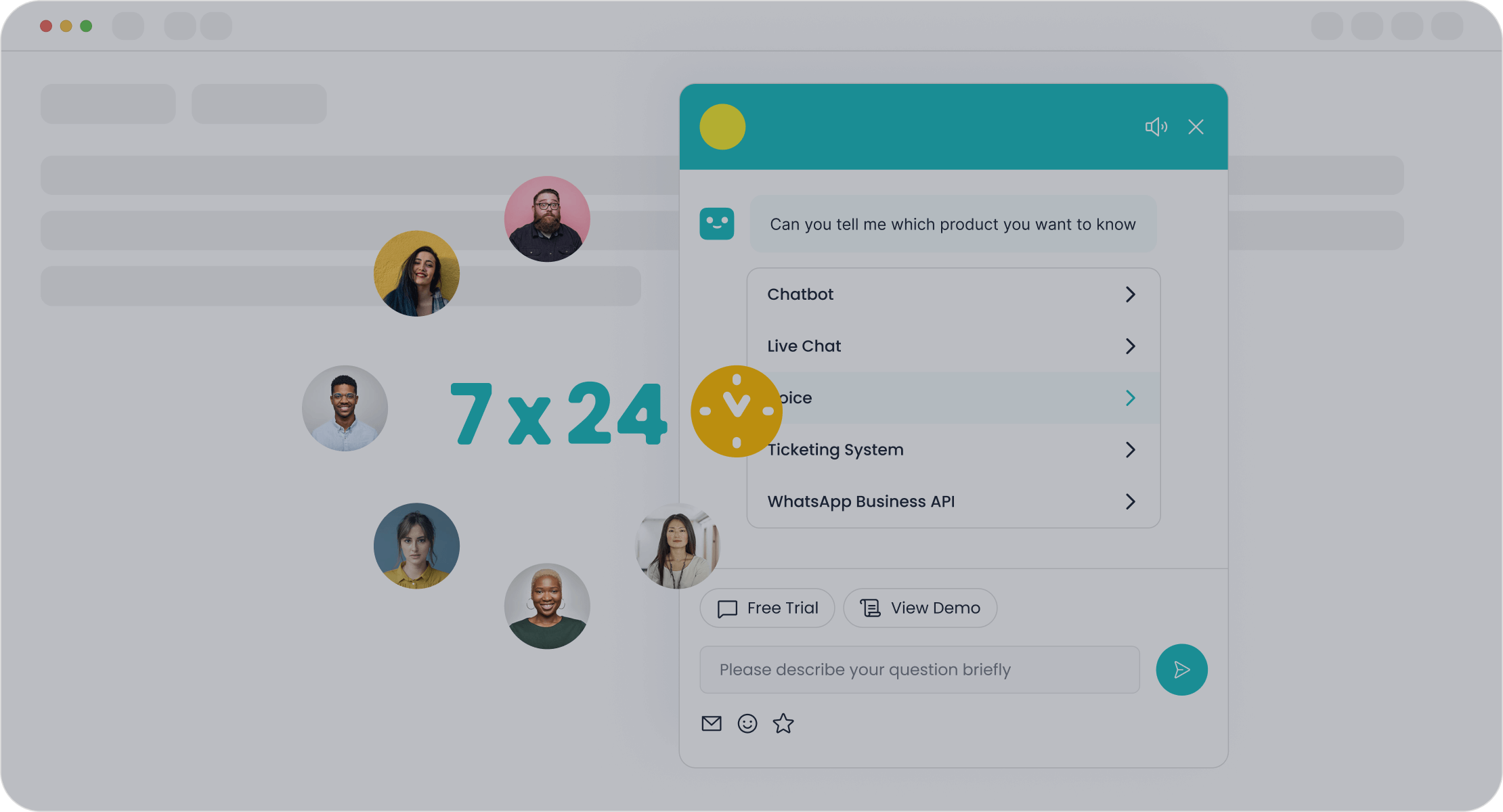
Self-service guidance empowers customers to find answers and resolve issues independently, using tools like FAQs, chatbots, and knowledge bases. This approach has become essential in modern customer service, where speed and convenience are key. Studies show that self-service portals resolve issues three times faster than traditional channels, leading to a 45% boost in customer satisfaction. Businesses also benefit significantly. For example, implementing chatbots can reduce service costs by 30% while improving operational efficiency.
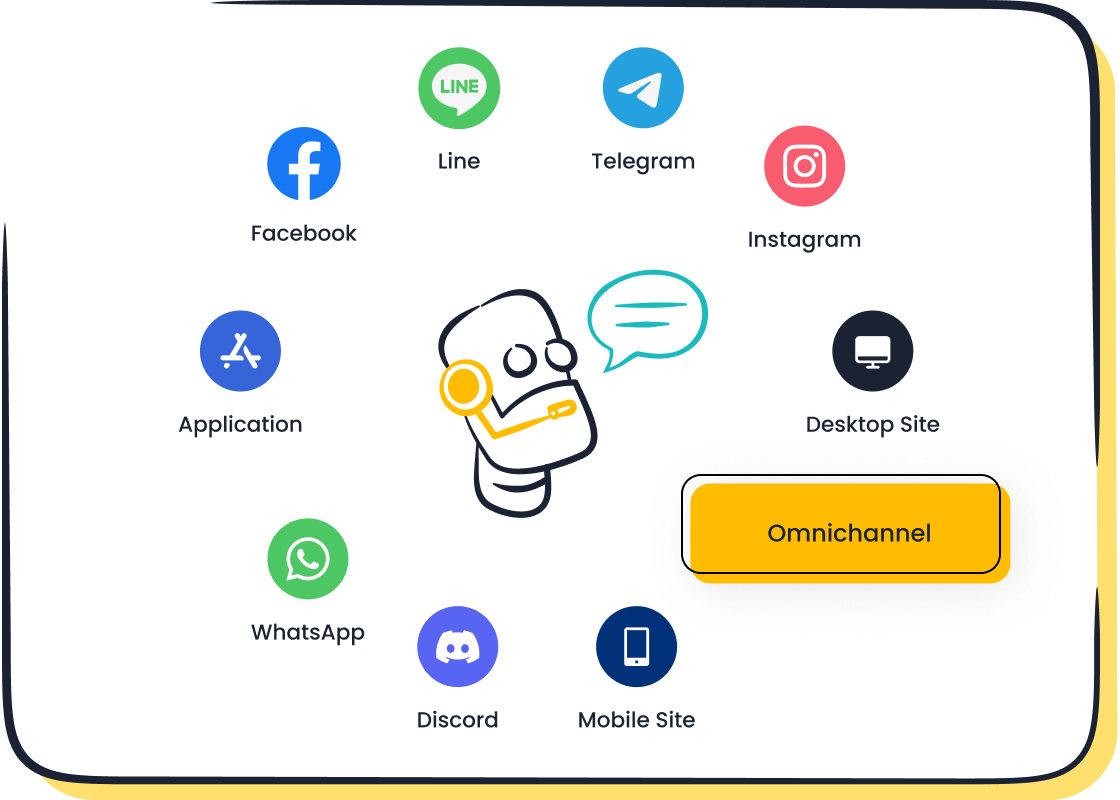
The growing adoption of self-service strategies reflects their value. A recent survey revealed that 91% of companies prioritize self-service as a key investment area. Tools like Sobot’s AI Chatbot exemplify this trend, offering 24/7 support, multilingual capabilities, and seamless integration. By adopting self-service guidance, you can enhance customer experiences, reduce churn, and streamline operations.
Benefits of Self-Service Channels
Advantages for Businesses
Cost savings and operational efficiency
Self-service options significantly reduce costs while improving operational efficiency. Tools like chatbots and knowledge bases handle routine queries, cutting the need for live agents. For instance:
- Chatbots can lower customer service costs by 30%.
- Self-service portals reduce support tickets and calls, saving resources.
- Automation minimizes human intervention, allowing your team to focus on complex tasks.

By integrating self-service solutions, you can also reuse existing systems, saving time and money. Sobot’s AI Chatbot exemplifies this by autonomously resolving queries 24/7, reducing agent workloads and enhancing productivity by 70%. These strategies not only save costs but also streamline operations, ensuring your business runs efficiently.
Scalability and 24/7 availability
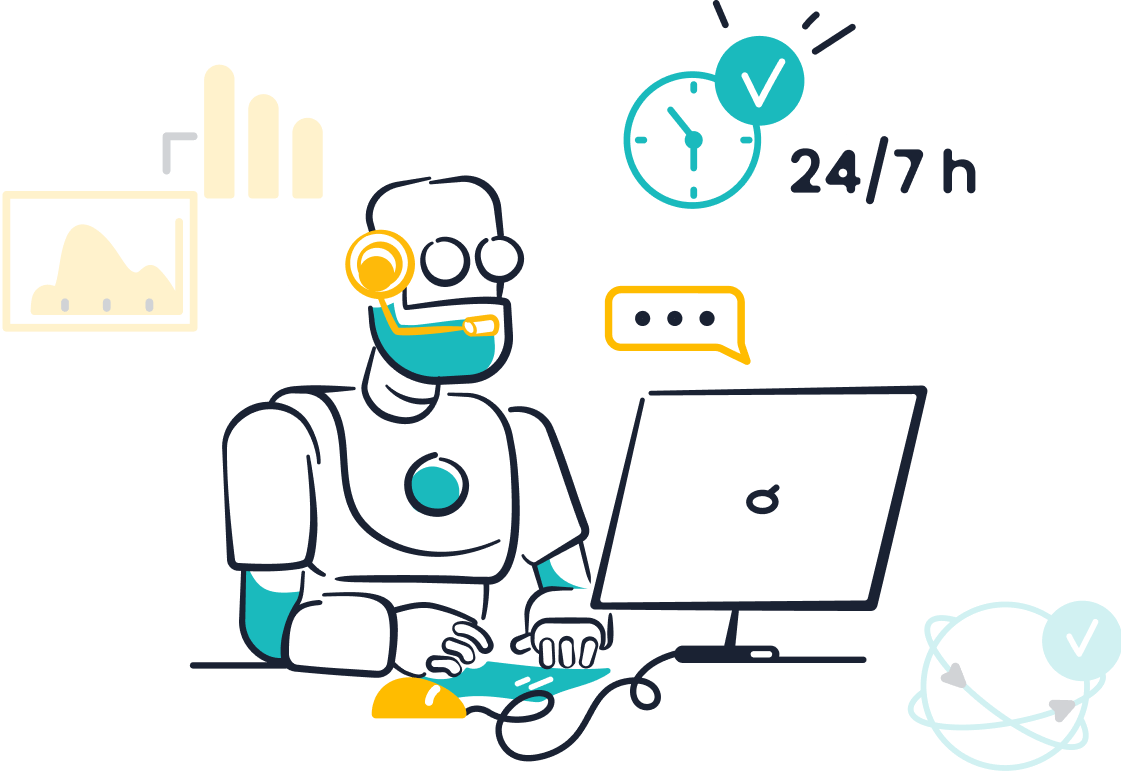
Self-service channels scale effortlessly to meet growing demands. Unlike human agents, they operate round the clock, ensuring uninterrupted support. This scalability is especially beneficial during peak periods, such as shopping festivals, when customer inquiries surge. For example, OPPO used Sobot’s chatbot to manage high volumes of queries, achieving an 83% resolution rate and a 94% positive feedback rate. With self-service options, you can provide consistent, reliable support anytime, anywhere, enhancing customer satisfaction and loyalty.
Advantages for Customers
Faster resolutions and convenience
Customers value speed and convenience. Self-service options like FAQs, chatbots, and knowledge bases provide instant answers, eliminating the need to wait for a representative. Studies show that 67% of customers prefer self-service over traditional support. Additionally, 40% of people contact call centers only after attempting self-service. These channels offer 24/7 availability, ensuring quick resolutions that enhance the overall customer experience.
Empowerment through self-reliance
Self-service strategy empowers customers by giving them control over their interactions. When customers resolve issues independently, they feel more confident and satisfied. This sense of ownership builds trust and loyalty. For example, Sobot’s AI Chatbot enables customers to find solutions autonomously, fostering a positive experience. By adopting self-service solutions, you not only reduce support team workloads but also create a more empowered and self-reliant customer base.
Steps for Effective Self-Service Implementation
Identifying Customer Needs
Conducting surveys and gathering feedback
Understanding customer needs is the foundation of effective self-service implementation. Surveys and feedback collection provide valuable insights into customer expectations and challenges. For example, post-interaction surveys can reveal how well your self-service channels meet customer needs. Analyzing feedback helps you identify gaps in your current system and refine your approach. Regularly updating your self-service content based on this feedback ensures relevance and effectiveness. Tools like Sobot’s AI Chatbot can also gather real-time data from customer interactions, offering actionable insights to improve your self-service strategy.
Mapping customer journeys to identify pain points
Mapping the customer journey allows you to visualize customer experiences and pinpoint areas of friction. This process highlights customer pain points, enabling you to address them proactively. For instance:
- Create journey maps to understand customer behavior.
- Study feedback and conduct interviews to uncover challenges.
- Use journey analytics to analyze interactions across channels.
These steps foster a deeper understanding of customer needs and help you design self-service solutions that align with their expectations.
Selecting the Right Tools and Platforms
Evaluating self-service tools like Sobot's Chatbot
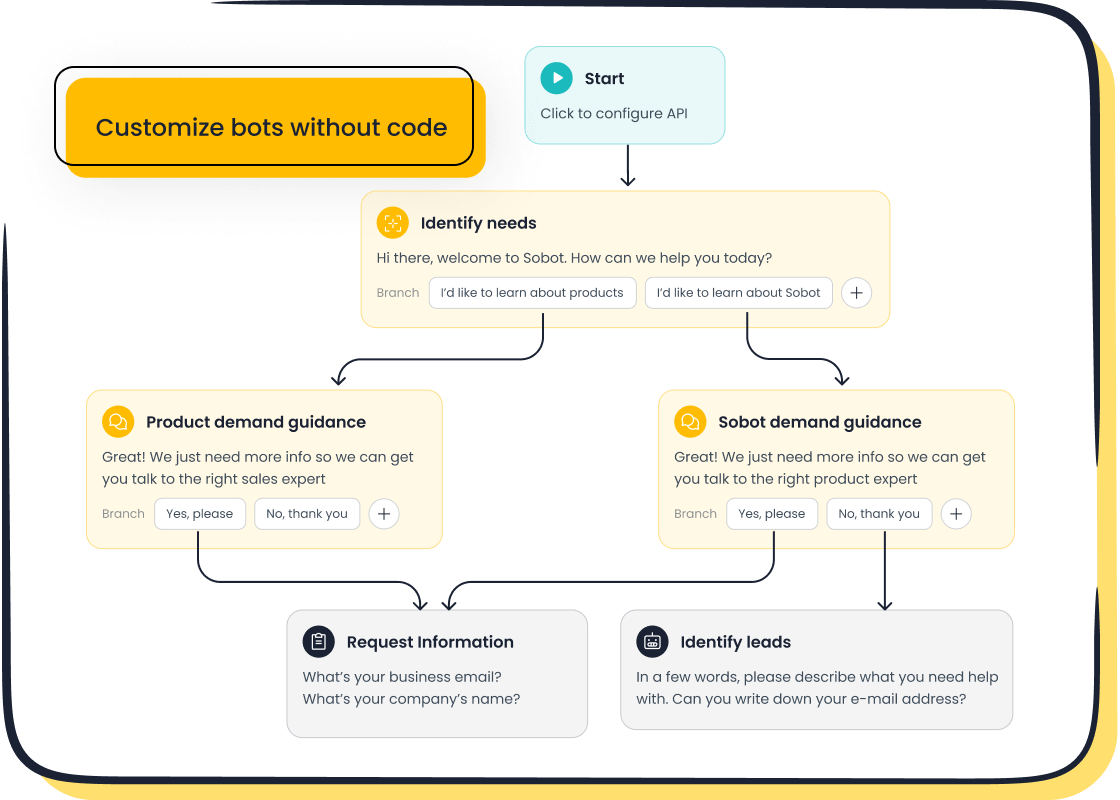
Choosing the right tools is critical for effective self-service. Evaluate platforms based on their features, scalability, and ease of use. For example, Sobot’s AI Chatbot offers multilingual support, 24/7 availability, and seamless integration with various systems. It also uses a no-coding-required interface, making it accessible for businesses of all sizes. When selecting tools, prioritize those that enhance efficiency and provide measurable outcomes, such as improved resolution rates or reduced operational costs.
Ensuring seamless integration with existing systems
Integrating self-service tools with your existing systems ensures a smooth customer experience. Use APIs and standard protocols to connect platforms like CRM systems, live chat, and knowledge bases. For example, Sobot’s Chatbot integrates effortlessly with customer-preferred applications like WhatsApp and SMS, creating a unified support ecosystem. Collaborate with IT teams to ensure data flows seamlessly between systems. A phased implementation approach can also help manage complexity and minimize disruptions.
Integrating Self-Service Channels into Customer Journeys
Providing clear guidance for using tools
Customers need clear instructions to navigate self-service channels effectively. Offer step-by-step guides, FAQs, and tutorials to help them use tools like chatbots or knowledge bases. For instance, Sobot’s Chatbot provides guided workflows that simplify complex problem-solving. Clear guidance reduces confusion and enhances the overall user experience, ensuring customers can resolve issues independently.
Ensuring consistency across all customer touchpoints
Consistency is key when integrating self-service channels into customer journeys. Maintain uniform branding, tone, and functionality across all platforms. Leverage AI to personalize interactions while ensuring a seamless transition between automated and human support. For example, redirecting calls from contact centers to self-service options can streamline the process. Consistency builds trust and ensures customers receive reliable support at every touchpoint.
Optimizing Self-Service Channels for Success
Enhancing Usability
Simplifying navigation and interface design
A simple and intuitive design is essential for creating a user-friendly experience in self-service resources. Most users interact with these tools infrequently, so the interface must be straightforward. Focus on the 80/20 rule—prioritize the 20% of content that 80% of users seek. For example:
- Use clear icons and images to guide navigation.
- Replace complex login processes with email-based authentication.
- Highlight the most relevant content to reduce search time.
Sobot’s AI Chatbot exemplifies this principle by offering a no-coding-required interface. Its point-and-click design ensures that businesses can easily set up workflows, providing a seamless user experience for customers.
Ensuring mobile responsiveness
Mobile responsiveness is critical as nearly 75% of internet users will access services via mobile devices by 2025. Many customers first encounter self-service resources on their smartphones. A responsive design ensures readability, smooth navigation, and a clean layout. This prevents frustration and reduces abandonment rates. For example, Sobot’s omnichannel chatbot supports mobile platforms like WhatsApp and SMS, ensuring a consistent customer experience across devices.
Personalizing Customer Experiences
Leveraging AI-driven tools like Sobot's Chatbot

AI tools like Sobot’s Chatbot enhance personalization by analyzing customer data to deliver tailored interactions. These tools provide 24/7 availability, quick responses, and proactive messaging. This approach not only improves customer satisfaction but also reduces routine queries, allowing your team to focus on complex issues. For instance, Sobot’s Chatbot uses multilingual capabilities and dynamic workflows to address individual customer needs effectively.
Using customer data to tailor interactions
Customer data is a powerful asset for creating personalized experiences. You can use it to:
- Design targeted email campaigns based on user behavior.
- Offer personalized recommendations on your website.
- Enhance chatbot interactions with tailored responses.
- Develop loyalty programs that align with customer preferences.
AI algorithms in tools like Sobot’s Chatbot analyze customer journeys to suggest relevant solutions, ensuring a cohesive and satisfying user experience.
Leveraging Analytics for Continuous Improvement
Monitoring usage patterns and feedback
Analytics provide valuable insights into how customers use self-service resources. Metrics like search behavior, Customer Effort Score (CES), and ROI help you understand what works and what needs improvement. For example, tracking common search terms can reveal gaps in your knowledge base. Sobot’s reporting tools allow you to monitor these patterns, enabling data-driven decisions to enhance the customer experience.
Regularly updating content and features
Frequent updates keep your self-service channels relevant. Establish a review schedule to ensure content accuracy. Use analytics to prioritize updates for the most accessed resources. Additionally, implement a feedback system to identify outdated information. Sobot’s AI-driven knowledge base simplifies this process by automating updates, ensuring your self-service resources remain effective and user-friendly.
Overcoming Challenges in Self-Service Implementation
Addressing Resistance to Change
Educating customers and employees on benefits
Resistance to change often stems from a lack of understanding. You can overcome this by educating both customers and employees about the benefits of self-service customer support. Start by communicating the purpose and advantages of these tools early in the process. For employees, highlight how automation reduces repetitive tasks, allowing them to focus on meaningful interactions. For customers, emphasize the convenience and speed of self-service support.
Involve stakeholders in the design phase to foster engagement and reduce resistance. Additionally, provide ongoing support to help employees and customers adapt. For example, Sobot’s AI Chatbot integrates seamlessly into workflows, making it easier for users to transition to self-service systems. By addressing concerns proactively, you can ensure a successful implementation.
Providing training and support during transitions
Training plays a crucial role in easing the transition to self-service tools. Offer resources like tutorials, FAQs, and interactive guides to empower users. A Learning Management System (LMS) can help employees and customers revisit materials as needed. Personalized guidance tailored to user behavior also enhances understanding.
For instance, Sobot’s AI Chatbot uses customer analytics to anticipate needs and provide relevant information. This approach not only improves user satisfaction but also ensures that your self-service customer support system operates effectively.
Ensuring Accessibility and Inclusivity
Designing tools for diverse user needs
To make self-service tools accessible, consider the diversity of your user base. Design interfaces that are simple and intuitive, ensuring easy navigation for all skill levels. Incorporate features like tactile keypads or voice commands to accommodate users with disabilities.
Sobot’s omnichannel chatbot exemplifies inclusivity by supporting multiple languages and platforms like WhatsApp and SMS. Continuously optimize your tools based on feedback to meet evolving customer needs.
Complying with accessibility standards
Compliance with accessibility standards ensures your self-service support tools are usable for everyone. Follow guidelines like the Americans with Disabilities Act (ADA) and Section 508 of the Rehabilitation Act. These standards require features like screen readers and accessible input devices.
By adhering to these regulations, you not only expand your customer base but also demonstrate a commitment to inclusivity. Sobot’s solutions align with these principles, offering user-friendly designs that cater to diverse needs.
Balancing Automation with Human Support
Offering escalation options to live agents
Automation is effective, but some situations require human intervention. Provide escalation options that allow customers to connect with live agents when needed. Use AI to route complex queries to the right agents and offer features like co-browsing for seamless transitions.
For example, Sobot’s AI Chatbot enables users to create support tickets with context from their self-service journey. This ensures agents have the information they need to resolve issues efficiently.
Maintaining a human touch in critical interactions
While automation handles routine tasks, human support remains essential for complex or emotional situations. Train your staff to focus on high-value interactions, ensuring a personal touch. Monitor customer feedback to identify areas where human involvement adds value.
By balancing automation with human support, you can enhance the overall customer experience. Sobot’s solutions integrate both elements, creating a cohesive and effective self-service customer support system.
Measuring the Success of Self-Service Strategies
Key Metrics to Track
Customer satisfaction scores (CSAT)
Customer satisfaction scores (CSAT) provide a direct measure of how users feel about your self-service tools. After interactions, you can ask customers to rate their experience on a scale, such as 1 to 5. High CSAT scores indicate that your self-service channels meet customer expectations. For example, Sobot’s AI Chatbot enhances satisfaction by offering instant, accurate responses across multiple languages.
Other metrics like the Customer Effort Score (CES) also reveal how easy it is for users to navigate your tools. Lower effort scores often lead to higher satisfaction and loyalty. By tracking these metrics, you can identify areas where your self-service system excels and where it needs improvement.
Resolution time and adoption rates
Resolution time measures how quickly customers find solutions using self-service tools. Faster resolutions improve user satisfaction and reduce frustration. For instance, Sobot’s Chatbot resolves routine queries autonomously, cutting response times significantly.
Adoption rates show the percentage of users actively engaging with self-service options. High adoption rates indicate that customers trust and prefer these tools. You can track these metrics to evaluate the effectiveness of your self-service channels.
| Metric | Description |
|---|---|
| User Adoption Rate | Percentage of users actively utilizing self-service options. |
| Resolution Rate | Percentage of queries resolved without human intervention. |
| Time to Resolution | Speed at which customers find solutions using self-service tools. |
| Deflection Rate | Reduction in support tickets as customers utilize self-service. |
Gathering and Analyzing Feedback
Using surveys and reviews to assess effectiveness
Surveys and reviews are essential for understanding how customers perceive your self-service tools. You can send brief surveys after interactions or periodically to gather insights. Questions about ease of use, satisfaction, and content relevance help you assess the quality of your tools.
For example, Sobot’s Chatbot collects real-time feedback during interactions, enabling you to refine your system continuously. Additionally, metrics like Net Promoter Score (NPS) and CSAT provide valuable data on user satisfaction. These methods ensure your self-service channels remain effective and user-friendly.
Identifying areas for improvement through customer input
Customer input highlights specific areas where your self-service system can improve. Encourage users to leave comments or rate articles within your help center. Analyze this feedback to identify gaps in your knowledge base or usability issues.
You can also examine common support issues to understand customer needs better. For instance, Sobot’s AI-driven tools use analytics to track search patterns and identify frequently asked questions. This data helps you update content and optimize your self-service channels for better performance.
Self-service guidance plays a vital role in improving customer experience and operational efficiency. It empowers customers to resolve issues independently while reducing workloads for your team. Tools like Sobot's AI Chatbot demonstrate how automation can enhance productivity by 70% and cut costs by 50%.
To succeed with self-service strategies, focus on these key takeaways:
- Understand customer needs to design effective solutions.
- Choose tools that integrate seamlessly into customer journeys.
- Optimize usability and personalize interactions for satisfaction.
- Continuously measure performance to refine your approach.
By adopting a data-driven, customer-centric strategy, you can create a scalable, efficient system that meets evolving demands. Explore solutions like Sobot's Chatbot to transform your customer service experience.
FAQ
What is a self-service portal, and how does it benefit businesses?
A self-service portal is a digital platform where customers can resolve issues independently. It reduces support costs, improves efficiency, and enhances customer satisfaction. For example, Sobot’s self-service customer portal enables 24/7 access to FAQs and chatbots, streamlining support channels and empowering users.
How can you ensure your self-service tools meet customer needs?
You can conduct surveys, analyze feedback, and map customer journeys to identify pain points. Tools like Sobot’s AI Chatbot gather real-time data, helping you refine your customer portal and ensure it aligns with user expectations.
Why is mobile responsiveness essential for self-service tools?
Mobile responsiveness ensures users can access support channels seamlessly on any device. With 75% of internet users relying on smartphones, tools like Sobot’s chatbot optimize the self-service experience across platforms, enhancing accessibility and satisfaction.
How do self-service portals improve customer loyalty?
Self-service portals provide quick resolutions and empower customers to solve problems independently. This builds trust and satisfaction. For instance, OPPO’s use of Sobot’s chatbot achieved a 94% positive feedback rate, showcasing how effective self-service tools foster loyalty.
What metrics should you track to measure self-service success?
Track metrics like resolution time, adoption rates, and customer satisfaction scores. For example, Sobot’s AI Chatbot improves resolution rates by 83%, demonstrating how analytics can help you optimize your self-service customer portal for better outcomes.
See Also
Enhance SaaS Customer Support Using Live Chat Techniques
Excelling at Live Chat Within the Retail Sector
Step-by-Step Instructions for Setting Up IVR Software
Effective Strategies for Overseeing Live Chat Representatives
Increasing Efficiency with AI-Driven Customer Service Solutions

