Strategies to Use AI Answer Generators in Business

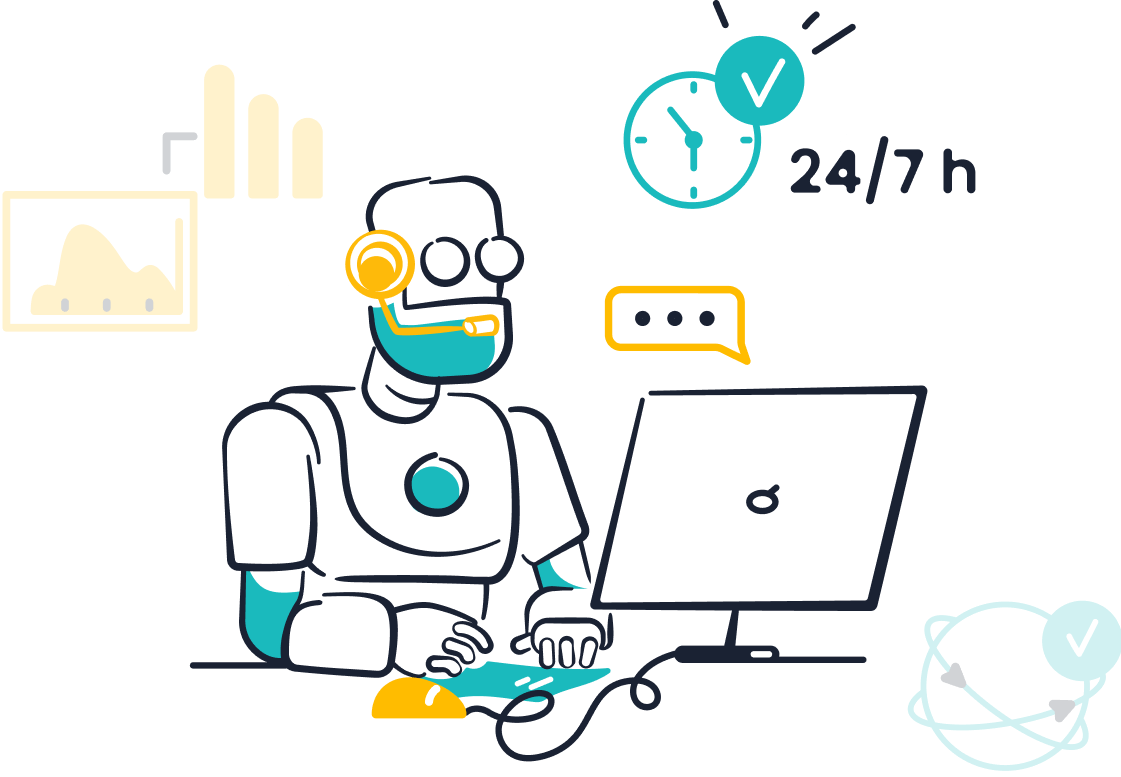
Artificial intelligence has revolutionized how businesses operate. By automating routine tasks, AI ensures faster response times and improves customer satisfaction. For example, companies like Memorial Healthcare System have reported lower call abandonment rates after adopting AI. AI-powered tools also provide 24/7 service, enabling customers to resolve issues independently. This reduces the workload on contact centers and enhances self-service options. Leveraging artificial intelligence allows businesses to analyze customer behavior, anticipate needs, and make informed decisions.
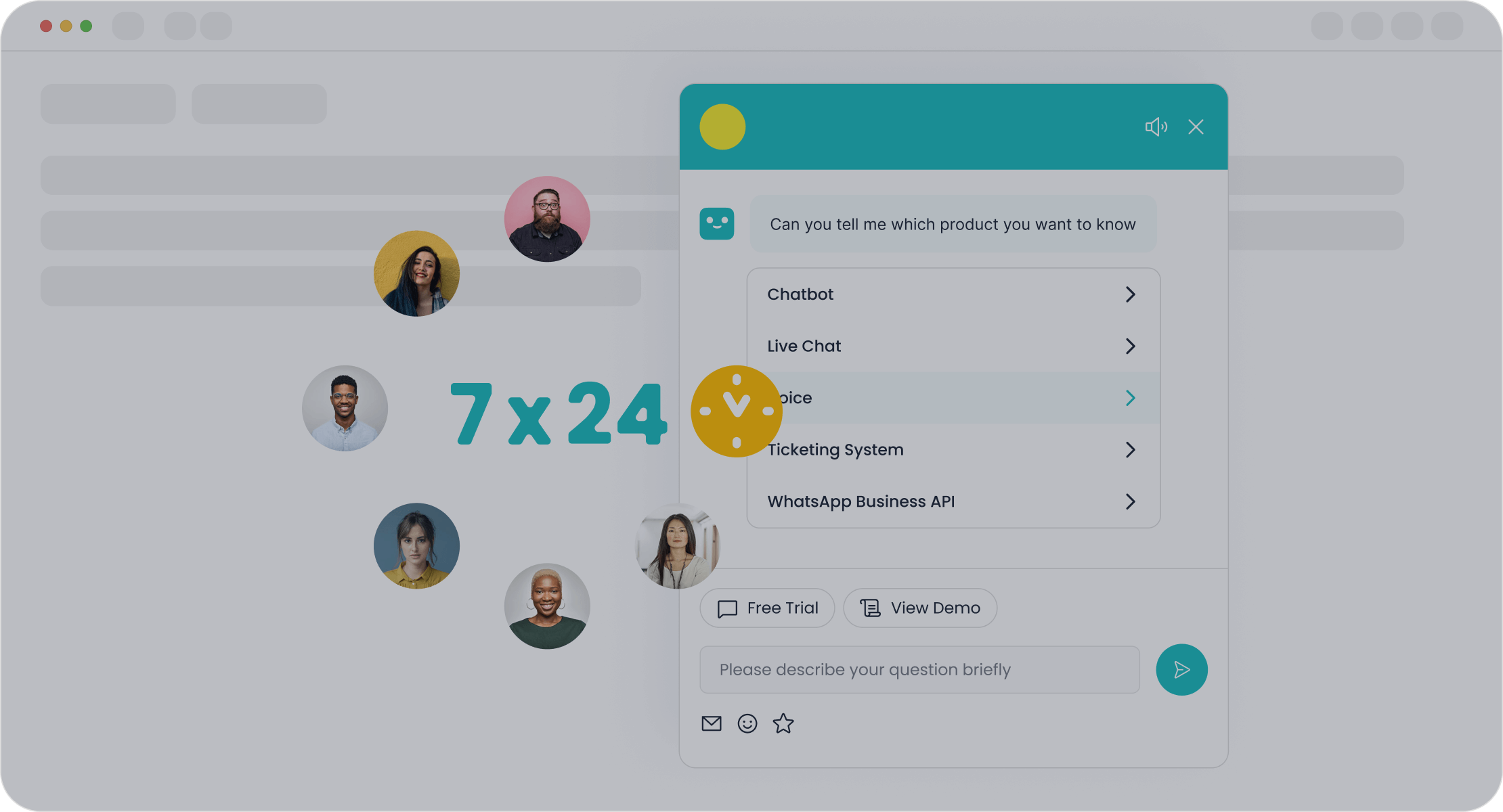
Sobot plays a key role in this transformation with its AI answer capabilities. Its AI-powered Chatbot offers multilingual support and operates round-the-clock. Businesses using Sobot’s solutions have seen significant improvements in efficiency and customer engagement.
Benefits of AI Answer Generators in Business
Enhancing Customer Support with AI
24/7 availability for customer inquiries
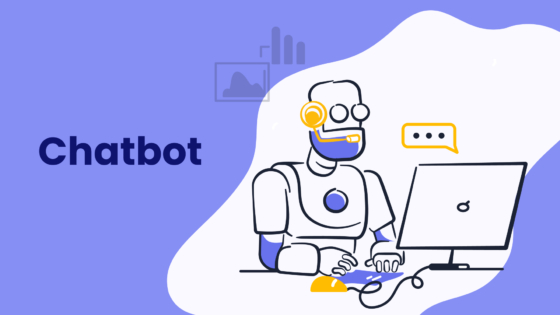
AI tools ensure your business remains accessible to customers at all times. Unlike traditional support systems, AI-powered technologies like Sobot’s Chatbot operate round-the-clock. This constant availability allows customers to resolve issues whenever they arise, improving the overall customer experience. For instance, businesses using AI answer tools report fewer abandoned queries and higher satisfaction rates. By providing immediate responses, AI eliminates the frustration of long wait times, ensuring seamless engagement.
Reducing response times and improving satisfaction
AI automates routine tasks, enabling faster responses to customer inquiries. Generative AI replaces outdated IVR systems, reducing hold times and enhancing the quality of interactions. For example, Sobot’s Chatbot uses a knowledge base to deliver instant, accurate answers. This efficiency not only boosts customer satisfaction but also allows human agents to focus on complex issues, creating a more personalized experience.
Streamlining Business Operations
Automating repetitive tasks to save time
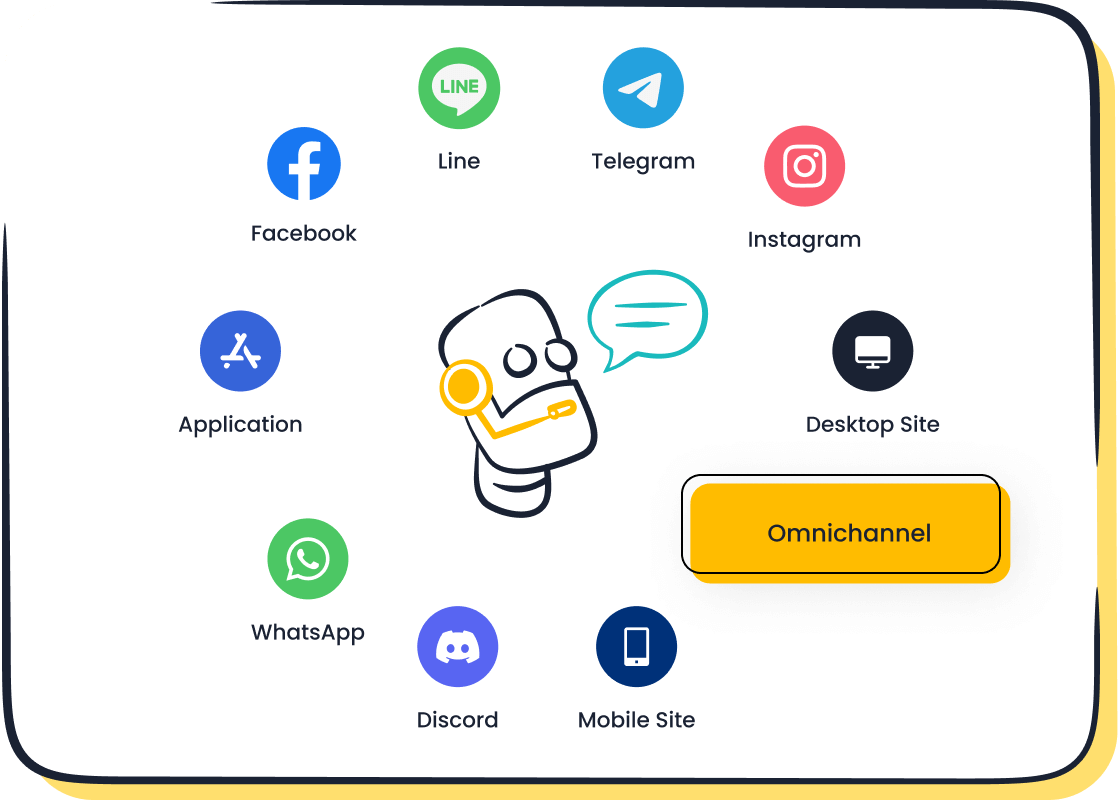
AI simplifies operations by automating repetitive tasks like email filtering, report generation, and data entry. Companies such as State Farm and Sephora France have successfully implemented AI to handle claims processing and customer inquiries, respectively. Sobot’s Chatbot further enhances productivity by autonomously resolving common queries, saving up to 50% on operational costs. This innovation allows your team to allocate time to strategic activities, driving business growth.
Supporting employees with instant access to information
AI platforms provide employees with real-time access to critical data. Tools like Sobot’s Chatbot integrate seamlessly with existing systems, offering instant answers to internal queries. This support reduces downtime and enhances decision-making efficiency. For example, accounting firms use AI to process invoices and retrieve data quickly, improving overall productivity.
Data-Driven Decision-Making
Providing actionable insights for better strategies
AI analyzes large datasets to uncover trends and correlations, enabling informed decisions. Retailers use AI to study purchasing patterns, optimizing product offerings and marketing strategies. Sobot’s AI-powered technologies provide analytics that help businesses refine their approaches, ensuring a competitive advantage in the market.
Assisting in real-time problem-solving
AI supports real-time decision-making by delivering up-to-date insights. Predictive modeling allows businesses to anticipate challenges and act proactively. For example, healthcare organizations use AI to identify high-risk patients, enabling timely interventions. With Sobot’s solutions, you can leverage data-driven decision making to address issues as they arise, ensuring operational efficiency.
Cost Optimization with AI Tools
Reducing the need for extensive human resources
AI tools reduce your reliance on large teams by automating repetitive tasks. This allows you to allocate resources more effectively. For instance, Sobot’s Chatbot handles routine customer inquiries autonomously. It operates 24/7, resolving common issues without requiring additional agents. This reduces staffing needs and cuts operational costs by up to 50%. Businesses like Tesla and Amazon have also leveraged AI to optimize their operations. Tesla uses AI for energy optimization, which increases efficiency and reduces time to market. Similarly, Amazon employs AI to optimize delivery routes, lowering shipping costs and improving service efficiency. By adopting AI, you can streamline processes and focus your workforce on strategic tasks that drive growth.
Optimizing operational costs with scalable AI solutions like Sobot’s Chatbot
AI solutions offer scalability, enabling you to manage fluctuating workloads without increasing costs. Sobot’s Chatbot is a prime example. It scales effortlessly to handle high volumes of customer interactions during peak periods, such as shopping festivals. This scalability ensures consistent service quality without additional expenses. Companies like Airbnb and Ralph Lauren have achieved similar benefits. Airbnb uses AI to analyze guest behavior and implement dynamic pricing, cutting overhead costs while maximizing revenue. Ralph Lauren employs predictive analytics to design products, reducing manufacturing expenses and enhancing customer satisfaction. With Sobot’s Chatbot, you gain a customizable tool that adapts to your business needs, helping you save costs while maintaining excellent customer service.
| Company | AI Application | Cost Optimization Benefits |
|---|---|---|
| Tesla | AI for data collection and energy optimization | Faster time to market, higher accuracy, increased efficiency |
| Airbnb | AI for guest behavior analysis and dynamic pricing | Cut overhead costs, maximize revenue, personalized experiences |
| WPP | Generative AI for ad creation | Marketing cost savings, expanded reach |
| Amazon | AI for delivery route optimization | Reduced shipping costs, higher efficiency |
| Ralph Lauren | Predictive analytics for product design | Reduced manufacturing costs, increased customer satisfaction |
AI tools like Sobot’s Chatbot not only reduce costs but also enhance efficiency. By integrating AI into your operations, you can achieve sustainable growth while delivering exceptional customer experiences.
Practical Strategies for Leveraging AI Answer Generators
Identifying Business Use Cases
Pinpointing areas where AI can add the most value
To maximize the benefits of AI, you need to identify areas where it can create the greatest impact. AI answer generators excel in tasks like data collection and analysis. These tools process large datasets efficiently, uncovering trends that might otherwise go unnoticed. For example, businesses in retail use AI to analyze purchasing patterns, enabling them to optimize inventory and improve customer engagement. AI also enhances technical support by resolving basic troubleshooting queries, freeing up human agents for complex issues. By focusing on high-impact areas, you can unlock the full potential of AI-powered technologies.
Prioritizing customer-facing and high-volume tasks
Customer-facing tasks often involve repetitive inquiries, making them ideal for AI implementation. AI answer tools, like Sobot’s Chatbot, handle high volumes of customer interactions seamlessly. These platforms provide real-time assistance, answering FAQs and guiding users through processes. For instance, healthcare providers use AI to manage appointment scheduling and general inquiries, allowing staff to focus on patient care. Prioritizing such tasks ensures better resource allocation and a more personalized customer experience.
Choosing the Right AI Tools
Evaluating features and compatibility with business needs
Selecting the right AI tools requires careful evaluation. Start by defining your objectives and assessing whether the tool aligns with your business goals. Consider factors like scalability, industry specificity, and ease of integration. For example, Sobot’s Chatbot offers omnichannel support and multilingual capabilities, making it suitable for diverse industries. Use the table below to guide your evaluation process:
| Criteria | Description |
|---|---|
| Clarifying Objectives | Define specific goals for the AI project and determine if AI is necessary for the use case. |
| Scalability | Assess whether the tool can handle enterprise-scale tasks without failure. |
| Transparency | Check for explainability in the model's decision-making process. |
| Mapping Out Costs | Calculate the total cost of deployment and maintenance, including potential ROI. |
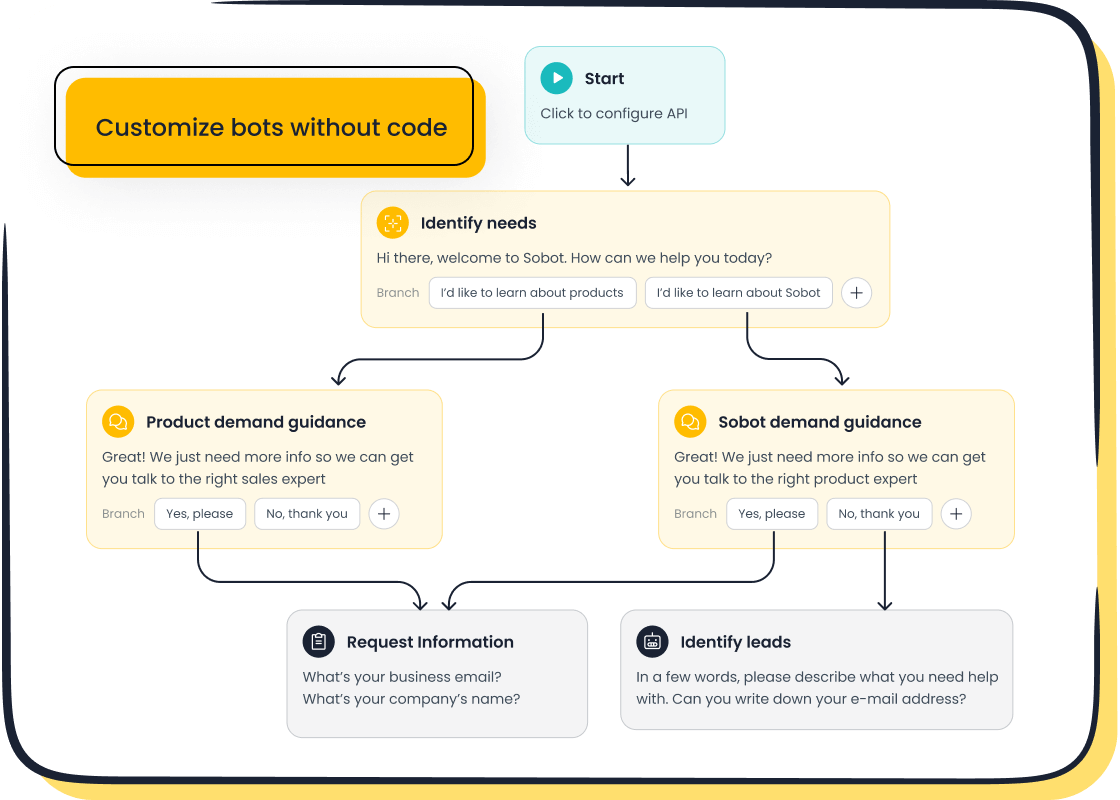
Exploring Sobot’s Chatbot for tailored AI solutions
Sobot’s Chatbot stands out as a customizable solution for businesses of all sizes. It operates 24/7, autonomously resolving queries and reducing operational costs by up to 50%. Its no-coding-required setup ensures quick deployment, while its multilingual support caters to global audiences. By choosing Sobot, you gain a scalable and efficient tool that adapts to your unique needs.
Integrating AI into Business Workflows
Training employees to use AI tools effectively
Proper training ensures your team can leverage AI tools to their fullest potential. Start by identifying the specific technologies your employees will use. Provide foundational knowledge of AI concepts and offer hands-on workshops for practical application. For example, Sobot’s Chatbot features an intuitive interface, making it easy for employees to learn and use. Continuous learning opportunities also help your team stay updated with evolving AI innovations.
Ensuring seamless integration with existing systems
Integrating AI into your workflows requires a strategic approach. Begin by assessing your current processes to identify strengths and weaknesses. Choose AI tools that align with your business goals and existing systems. Sobot’s Chatbot integrates effortlessly with platforms like WhatsApp and SMS, ensuring smooth operations. Start with small pilot projects to test the integration and refine the process based on feedback. This approach minimizes disruptions and ensures a competitive advantage.
Monitoring and Optimizing AI Performance
Regularly reviewing AI-generated outputs for accuracy
Monitoring the performance of your AI tools ensures they deliver accurate and reliable results. Regular reviews help you identify errors or inconsistencies in AI-generated outputs. For example, tracking metrics like accuracy and error rates reveals how effectively the AI meets your business needs. A high error rate might indicate the need for adjustments or additional training data.
You can also evaluate response time to ensure the AI provides timely assistance. Slow response times can frustrate users and reduce satisfaction. Metrics such as customer satisfaction scores and surveys offer valuable insights into how well the AI meets user expectations. For instance, Sobot’s Chatbot uses a knowledge base to provide instant replies, ensuring high accuracy and faster resolutions. By consistently reviewing these outputs, you can maintain the quality of your AI systems and improve user experiences.
| Metric | Description |
|---|---|
| Accuracy/Error Rate | Measures how often the AI makes correct predictions, indicating its effectiveness and reliability. |
| Response Time/Latency | Tracks the time taken for the AI to respond to user input, impacting user experience. |
| Customer Satisfaction | Evaluates user satisfaction through surveys and feedback, indicating the AI's impact on experience. |
| Bias Detection | Regular assessments for biases in AI outputs to ensure fairness and ethical standards. |
Adjusting algorithms based on feedback and evolving needs
AI systems require continuous optimization to adapt to changing business requirements. Feedback from users plays a critical role in refining algorithms. For instance, if customers report irrelevant responses, you can update the AI’s knowledge base to improve accuracy. Sobot’s Chatbot allows businesses to fine-tune its algorithms by incorporating real-time feedback, ensuring it evolves alongside customer expectations.
Additionally, monitoring metrics like return on investment (ROI) and cost reduction helps you assess the financial impact of your AI tools. If the ROI falls below expectations, consider retraining the AI with updated data or adjusting its parameters. Businesses that regularly optimize their AI systems often experience better performance and higher customer satisfaction. By staying proactive, you can ensure your AI remains a valuable asset for your operations.
Real-World Applications of AI Answer Generators
E-commerce and Retail
Using AI to handle customer queries and recommend products
AI has transformed how businesses in e-commerce and retail interact with customers. You can use AI to manage high volumes of inquiries, especially during peak shopping seasons. For example, a leading e-commerce platform implemented AI answer generators to handle common questions, achieving a 30% increase in customer satisfaction. AI tools also analyze customer data to recommend products tailored to individual preferences. This creates a more personalized shopping experience, boosting engagement and sales. By automating routine tasks, AI allows your team to focus on strategic initiatives that enhance the customer experience.
Sobot’s Chatbot enhancing online shopping experiences
Sobot’s Chatbot offers a powerful solution for e-commerce businesses. It operates 24/7, providing instant responses to customer queries. Its multilingual capabilities ensure seamless communication with global audiences. The chatbot also uses analytics to understand customer behavior, enabling smarter product recommendations. By integrating Sobot’s Chatbot, you can improve service efficiency and create engaging shopping experiences that drive customer loyalty.
Financial Services
Automating customer support for banking and insurance
AI plays a crucial role in streamlining customer support for financial institutions. You can use AI-powered chatbots to handle routine inquiries, such as account balances or policy details. This reduces wait times and improves service efficiency. For instance, AI systems processed thousands of queries daily for a financial institution, allowing human agents to focus on complex tasks. Sobot’s Chatbot excels in this area, offering real-time assistance and ensuring a smooth customer experience.
Enhancing fraud detection with AI insights
AI enhances fraud detection by analyzing vast amounts of data in real time. It identifies suspicious activities, reducing financial losses and protecting your company’s reputation. AI systems also adapt to new fraud patterns, ensuring continuous protection. For example, machine learning algorithms monitor transactions as they occur, minimizing false positives and improving accuracy. By leveraging AI, you can safeguard your operations while maintaining customer trust.
| AI Application | Description |
|---|---|
| Fraud Detection | AI algorithms analyze vast amounts of data in real time to detect suspicious activities and prevent losses. |
| Real-time Transaction Monitoring | AI excels in pattern recognition and anomaly detection to identify potential fraudulent transactions. |
| Automated Credit Checks | AI analyzes spending patterns to provide insights into consumer behavior and market trends. |
| Financial Robo-Advisory | Robo-advisors use AI to manage investment portfolios and offer personalized financial advice. |
| Customer Service Enhancements | AI-powered chatbots provide 24/7 support, handling queries and transactions for customers. |
Education and Learning
Providing instant answers to student queries
AI has revolutionized education by offering instant support to students. You can use AI tools to answer common questions, such as homework help or course details. This ensures students receive timely and specific feedback, enhancing their learning experience. AI also supports adaptive education by tailoring resources to individual needs. For example, intelligent tutoring systems create personalized learning paths, helping students achieve success.
Supporting educators with AI-driven content generation
AI-powered learning platforms assist educators by automating tasks like grading and report generation. This reduces their workload, allowing them to focus on teaching. AI also provides actionable insights through analytics, helping educators identify learning gaps and improve outcomes. By integrating AI, you can create engaging learning experiences that benefit both students and teachers. Sobot’s solutions align with next-generation education goals, ensuring accessibility and equity for learners worldwide.
Enterprise Services
Streamlining internal communication and task management
AI has become a game-changer for internal communication and task management in enterprises. It automates repetitive tasks, allowing your team to focus on strategic goals. For example, AI tools can schedule meetings, assign tasks, and send reminders without manual intervention. This automation improves efficiency and reduces the time spent on administrative work.
AI also enhances productivity by streamlining communication. It centralizes messages across platforms, ensuring your team stays aligned. Real-time language translation further bridges communication gaps in global teams. Additionally, AI analyzes communication patterns to identify bottlenecks, helping you improve workflows. These insights ensure clarity and reduce misunderstandings.
For instance, companies in the education sector use AI to manage internal operations. AI tools help educators coordinate schedules, track assignments, and share resources seamlessly. By adopting AI, you can create a more organized and efficient workplace.
Sobot’s solutions improving operational efficiency
Sobot’s AI-powered tools take operational efficiency to the next level. The Sobot Chatbot integrates seamlessly with your existing systems, centralizing communication and automating routine tasks. It operates 24/7, ensuring uninterrupted support for your team.
The Chatbot also provides real-time data insights, helping you identify inefficiencies and optimize workflows. For example, it can analyze task completion rates and suggest improvements. Its multilingual capabilities make it ideal for enterprises with diverse teams. By using Sobot’s solutions, you can reduce downtime and enhance collaboration.
Sobot’s tools are particularly valuable for industries like education. They simplify internal communication, enabling educators to focus on teaching rather than administrative tasks. With Sobot, you gain a reliable partner in streamlining operations and achieving your business goals.
Overcoming Challenges in AI Implementation
Addressing Data Privacy Concerns
Ensuring compliance with data protection regulations
AI implementation often raises concerns about data privacy. Cybercrimes affect 80% of businesses globally, making compliance with regulations essential. You must ensure your AI tools adhere to laws like GDPR or CCPA to protect sensitive information. Regular audits and transparent policies help maintain trust. For example, Sobot’s AI solutions prioritize security by offering encrypted communication and robust access controls. These measures safeguard customer data while ensuring compliance with global standards.
Using secure platforms like Sobot to safeguard information
AI adoption also brings ethical concerns, especially regarding surveillance and monitoring. In 2019, over 50% of large corporations used nontraditional monitoring techniques, often without employee awareness. Choosing secure platforms like Sobot mitigates these risks. Sobot’s Chatbot operates on a secure infrastructure, ensuring data integrity and privacy. By using trusted tools, you can address ethical concerns and build confidence among stakeholders.
Managing Initial Implementation Costs
Balancing upfront investment with long-term savings
AI implementation requires balancing initial costs with future benefits. Companies often see significant savings through automation and efficiency. For instance, Sobot’s Chatbot reduces operational costs by up to 50% by handling repetitive tasks. You should assess factors like model training and energy consumption to calculate potential ROI. Real-world examples show that industries like retail and healthcare achieve cost savings by automating workflows and improving productivity.
Exploring scalable pricing models offered by Sobot
Scalable pricing models make AI accessible to businesses of all sizes. Tools like Sobot’s Chatbot charge based on usage, helping you manage costs effectively. This flexibility allows small businesses to adopt AI without overextending budgets. Additionally, Sobot’s no-coding-required setup reduces implementation complexity, saving time and resources. By choosing scalable solutions, you can invest in AI confidently while ensuring long-term value.
Encouraging Employee Adoption of AI
Addressing fears of job displacement with proper training
Employees often fear job displacement due to AI. Concerns about inaccurate AI outputs or lack of transparency can also hinder adoption. To address these fears, you should provide comprehensive training. Highlight how AI enhances roles rather than replacing them. For example, Sobot’s Chatbot supports employees by handling routine queries, allowing them to focus on strategic tasks. Gradually introducing AI into workflows also helps employees adapt comfortably.
Highlighting AI as a tool to enhance, not replace, human roles
Communicating AI’s benefits is crucial for employee acceptance. Start with small-scale tasks to demonstrate its value. For instance, Sobot’s Chatbot integrates seamlessly with existing systems, minimizing disruption. Encouraging a culture of experimentation inspires employees to embrace AI. Clear metrics to measure effectiveness, such as improved efficiency or reduced workload, further validate AI’s role as a supportive tool.
Ensuring Accuracy and Relevance
Regularly updating AI systems with the latest data
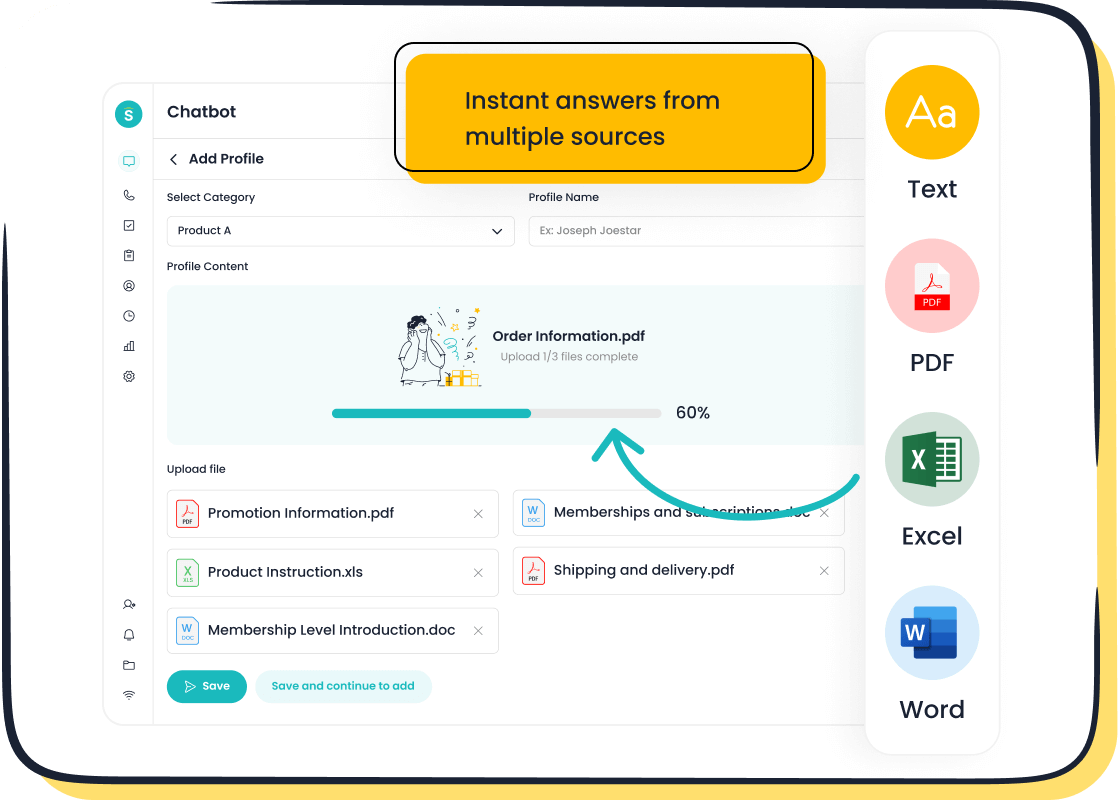
Keeping your AI systems updated ensures they remain accurate and relevant. AI relies on data to generate responses, so outdated information can lead to errors. You should establish a routine for updating your AI’s knowledge base. For example, Sobot’s Chatbot allows you to upload new articles, PDFs, and text snippets to refresh its database. This ensures the chatbot provides accurate answers to customer inquiries.
Regular updates also help your AI adapt to changes in your industry. For instance, in education, intelligent tutoring systems must stay current with curriculum changes to provide effective learning support. Similarly, businesses in retail need AI tools that reflect the latest trends and customer preferences. By updating your AI systems frequently, you can maintain their relevance and improve user satisfaction.
To ensure accuracy, you should also monitor AI-generated outputs. Reviewing these outputs helps you identify errors and refine the system. Metrics like error rates and customer feedback provide valuable insights into your AI’s performance. This proactive approach ensures your AI tools continue to meet your business needs.
Leveraging Sobot’s expertise in fine-tuning AI models
Fine-tuning your AI models enhances their performance and relevance. Sobot offers expertise in optimizing AI systems to align with your specific goals. For example, Sobot’s Chatbot uses feedback loops to improve its algorithms. This allows the chatbot to learn from user interactions and deliver more accurate responses over time.
You can also tailor your AI tools to meet the unique needs of your industry. In education, personalized learning paths help students achieve better outcomes. Sobot’s solutions can adapt to different scenarios, ensuring your AI remains effective. For instance, the chatbot’s multilingual capabilities make it ideal for global businesses.
Sobot’s team also assists with integrating AI into your workflows. They provide guidance on setting performance metrics and aligning AI outputs with your objectives. This ensures your AI tools deliver consistent results. By leveraging Sobot’s expertise, you can maximize the value of your AI systems and stay ahead in your industry.
AI answer generators have transformed how businesses operate. They improve efficiency, reduce costs, and enhance the customer experience. Companies like Adobe, Salesforce, and Bentley Systems have successfully implemented AI to gain a competitive advantage. For example, Adobe uses AI to generate images and summarize text, while Salesforce automates CRM tasks with Einstein GPT. These innovations demonstrate how AI fosters engagement and drives growth.
Strategic implementation is essential for maximizing AI’s potential. Regular updates and optimization ensure your tools remain relevant. Intelligent tutoring systems in education and personalized marketing campaigns in retail highlight AI’s versatility. Sobot’s Chatbot offers a scalable solution that adapts to your needs. It operates 24/7, reduces costs, and improves customer satisfaction. By adopting Sobot’s AI-powered tools, you can stay ahead in a rapidly evolving market.
Explore Sobot’s solutions today to unlock innovation and secure your competitive advantage.
FAQ
What industries benefit the most from AI answer generators?
AI answer generators work well in industries like education, retail, and financial services. For example, educators use AI to provide instant answers to students' questions. Retailers rely on AI for customer support during peak shopping seasons. Financial institutions use it to automate routine inquiries, improving efficiency and customer satisfaction.
How does Sobot’s Chatbot help students in education?
Sobot’s Chatbot supports students by answering their questions instantly. It operates 24/7, ensuring they get help anytime. Its multilingual feature allows students worldwide to access resources in their preferred language. This tool also assists educators by automating tasks like grading, saving time for teaching.
Can AI answer generators handle complex queries?
AI answer generators excel at handling repetitive and straightforward queries. For complex issues, they collaborate with human agents. Sobot’s Chatbot, for instance, resolves routine questions autonomously and transfers intricate problems to agents, ensuring seamless service without delays.
Are AI tools like Sobot’s Chatbot easy to integrate?
Yes, Sobot’s Chatbot integrates effortlessly with existing systems. Its no-coding-required setup ensures quick deployment. Businesses can connect it to platforms like WhatsApp or SMS. This seamless integration allows you to enhance workflows without disrupting operations.
How do AI answer generators improve learning experiences?
AI tools personalize learning by tailoring resources to individual needs. Students benefit from instant feedback and adaptive learning paths. For example, Sobot’s Chatbot provides real-time answers, helping students understand concepts better. This approach ensures a more engaging and effective learning experience.
See Also
Essential AI Solutions for Modern Enterprise Call Centers
Comprehensive Overview of AI Software for Call Centers
Enhancing Efficiency with AI-Powered Customer Service Tools
Evaluating Advanced AI Solutions for Enterprise Call Centers