A Step-by-Step Guide to AI Customer Service Agents for Ecommerce

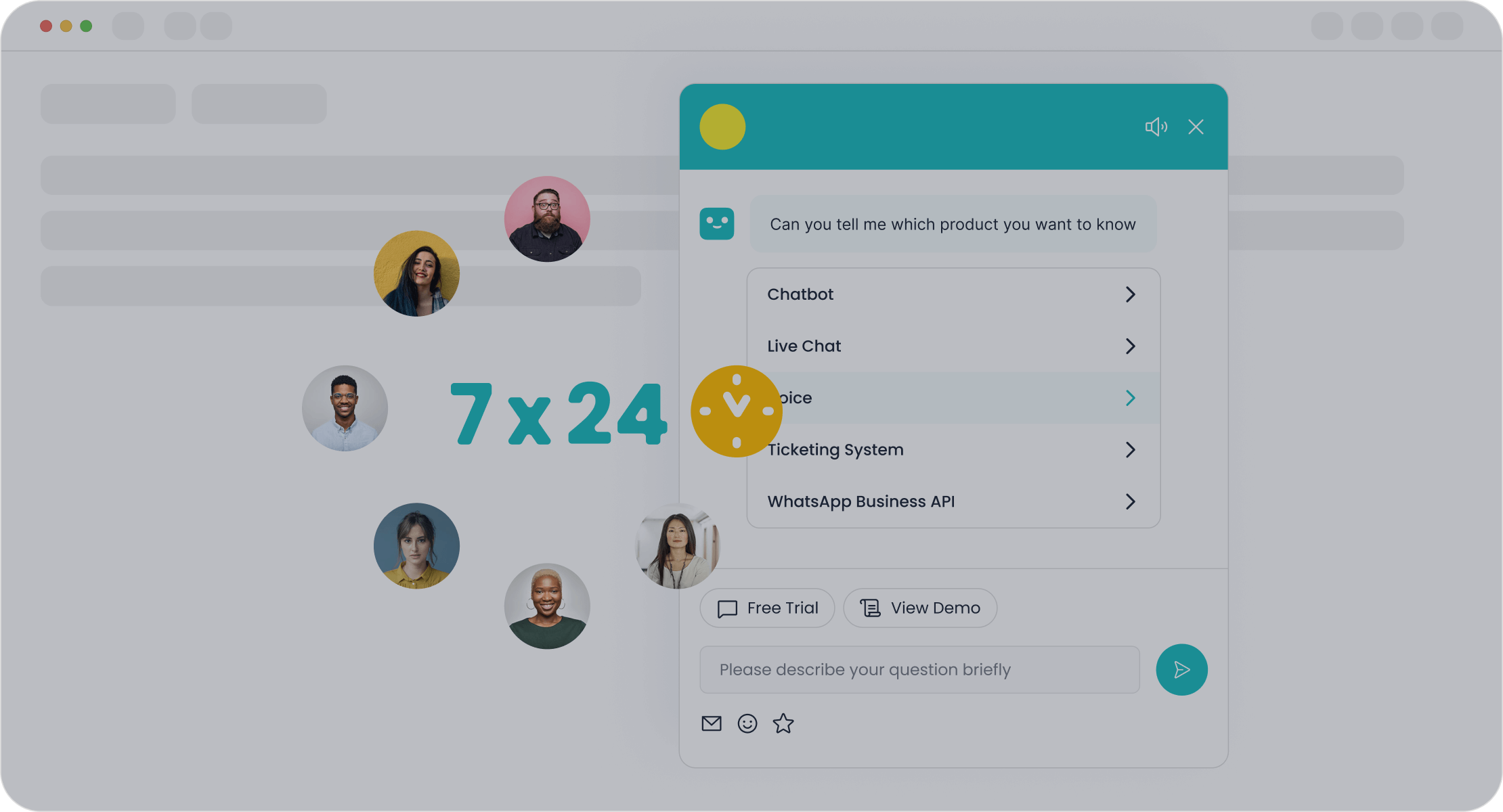
You want your ecommerce business to deliver fast, reliable support at all times. Sobot helps you achieve this with the best ai customer service agents for ecommerce. When you use Sobot’s Chatbot, you can:
- Cut support costs by up to 30%
- Save countless hours by letting chatbots manage up to 80% of routine questions
- Improve customer satisfaction through instant, accurate answers
Sobot’s solutions fit businesses of any size, making advanced AI support easy and effective.
What Are Customer Support AI Agents?
Customer support ai agents are smart tools that help you manage customer questions and problems. These agents use artificial intelligence to understand what your customers need. You can use them to answer questions, solve problems, and even predict what your customers might ask next. Sobot offers customer support ai agents that work across chat, voice, email, and social media. This means you can give your customers help wherever they reach out.
Key Features of AI Agents
You can see the main functions and capabilities of customer support ai agents in the table below:
| Function/Capability | Description |
|---|---|
| Automating support tasks | AI agents handle repetitive jobs, so your team can focus on complex issues. |
| Enhancing customer interactions | They analyze how customers feel and give personal replies. |
| Improving operational efficiency | AI agents route tickets by urgency, which reduces wait times. |
| Predictive problem-solving | They spot issues early and open support tickets before problems grow. |
| Monitoring customer conversations | AI agents flag urgent cases for fast help, so no one gets left behind. |
With Sobot, you get these features in one platform. The chatbot, live chat, and ticketing system all work together to give your customers a smooth experience.
Sobot Chatbot vs. Traditional Automation
You might wonder how customer support ai agents compare to older systems. Here are some key differences:
- AI agents can handle more questions at once because they use cloud technology. This makes it easy for you to grow your support team without hiring more people.
- They use advanced tools like Natural Language Processing (NLP) to understand and reply to customers in a human-like way.
- Traditional automation often gives basic answers. AI agents, like Sobot’s, learn from each conversation and get better over time.
Sobot’s chatbot stands out because it works 24/7, supports many languages, and connects with all your channels. You can trust it to give fast, accurate help to your customers.
Identifying Ecommerce Needs for Integration
Pinpointing Customer Service Challenges
You need to understand the main challenges before integrating ai agents into your ecommerce platform. Many businesses face high ticket volume, slow response times, and lack of 24/7 support. These issues can hurt customer satisfaction and reduce sales. Sobot’s solutions help you tackle these problems by automating routine tasks and providing instant answers.
| Challenge | Description |
|---|---|
| High ticket volume | A surge in tickets can overwhelm agents, leading to slower responses and reduced output. |
| Lack of 24/7 availability | Customers expect immediate support at any time, and without AI, businesses struggle to meet this need. |
| Slow response times | Delays in acknowledging customer queries can lead to dissatisfaction and a poor customer experience. |
You can use Sobot’s chatbot, live chat, and ticketing system to manage these challenges. The chatbot handles common questions, while the ticketing system organizes requests. Live chat connects customers with agents for more complex issues. These tools work together to improve customer support and keep your business running smoothly.
Tip: Review your current support channels and identify where customers experience delays or frustration. This helps you target the right areas for improvement.
Setting Integration Goals
You should set clear goals when integrating ai agents. Start by identifying what you want to achieve. For example, you may want to increase conversion rates or enhance customer support. Make your goals measurable and align them with your business strategy.
- Measure conversion delta to track lift in conversion rates.
- Assess forecast accuracy to evaluate stock level exceptions.
- Monitor cost-per-order to understand the financial impact of AI integration.
You can also:
- Set objectives like boosting conversion rates or improving customer support.
- Make goals clear, measurable, and attainable.
- Continuously evaluate and refine your objectives as consumer trends change.
Sobot’s platform gives you the tools to track these goals. You can use reporting features to monitor performance and optimize your customer support strategy. This ensures you get the most value from integrating ai agents.
Data Preparation for Integrating AI Agents
A strong data foundation is essential for successful ai integration in ecommerce. You need to prepare your systems and data to help AI agents deliver accurate, helpful responses. This step ensures that your ai integration works smoothly and supports seamless integration across all customer touchpoints.
Assessing Current Systems
Start by reviewing your current ecommerce systems. Look at your CRM, order management, and communication channels. Identify where your data lives and how it flows between platforms. Sobot’s solutions, like the chatbot and live chat, connect with many systems for seamless integration. This makes it easier to unify customer data and support ai integration across channels.
Here are best practices for preparing your data:
| Best Practice | Description |
|---|---|
| Define Data Objectives | Set clear goals for your ai integration. |
| Identify Data Sources | Find all sources of customer and order data. |
| Establish Data Storage | Use secure, scalable storage for easy access and management. |
| Preprocess Data | Clean and organize data for AI agents to use. |
| Understand Data Volume | Make sure you have enough data for effective ai integration. |
| Ensure Data Governance | Follow rules and standards for privacy and compliance. |
Organizing Customer Data
You should organize your customer data before ai integration. Group data by customer profiles, purchase history, and support interactions. Sobot’s customer contact center and ticketing system help you centralize this information. When you keep data organized, AI agents can give faster, more accurate answers. This also supports seamless integration with channels like WhatsApp, voice, and email.
Tip: Regularly update and clean your data to keep your ai integration effective.
Ensuring Data Privacy and Compliance
Protecting customer data is a top priority during ai integration. You must follow privacy laws like GDPR and CCPA. Sobot meets global privacy standards and uses strong encryption for data at rest and in transit. The platform limits access to sensitive data and supports regular audits. You should also:
- Collect only the data you need.
- Explain data use clearly to customers.
- Make it easy for customers to give or withdraw consent.
- Check for bias in AI decisions and keep human review for important cases.
Sobot’s approach to data privacy and compliance gives you peace of mind as you scale your ai integration. This helps you build trust and deliver a secure, seamless integration experience for your customers.
Choosing the Best AI Customer Service Agents for Ecommerce
Evaluating Sobot Chatbot Solutions
When you look for the best ai customer service agents for ecommerce, you need to check if the solution fits your ecommerce platform. Sobot Chatbot stands out because it offers features that help you manage customer questions, orders, and returns with ease. You should look for these criteria:
- Omnichannel support for chat, voice, email, and social media
- Custom training on your business data for accurate responses
- Seamless handoff to live agents for complex issues
- Analytics and reporting to track performance
- Integration with your ecommerce platform and tools
- Scalability for busy shopping seasons
Sobot Chatbot meets all these needs. It helps you give instant answers, manage high volumes, and keep your team focused on important tasks. You can see how Sobot’s features support ecommerce in the table below:
| Feature | Application in Ecommerce |
|---|---|
| Omnichannel AI | Connects all customer channels for smooth support |
| Scenario-Based AI | Adapts to your business for better engagement |
| 24/7 Inquiry Response | Turns browsers into buyers with instant help |
| Personalized Recommendations | Boosts sales with tailored suggestions |
| After-sales Support | Handles returns and delivery questions |
| Retention Strategies | Uses AI insights for repeat purchase recommendation |
Matching Features to Business Needs
You want the best ai customer service agents for ecommerce to match your business goals. Sobot’s chatbot gives you:
- Multilingual support for global customers
- No-code setup so you can launch fast
- Automation for repetitive tasks, freeing your team
- Personalized product recommendations to increase sales
Sobot’s platform lets you scale without hiring more agents. You can use ai-powered customer service to guide shoppers, help with search, and offer bundle recommendation. This makes your ecommerce platform smarter and more helpful.
Tip: Choose a chatbot that grows with your business and supports customer service automation.
Considering Omnichannel Support
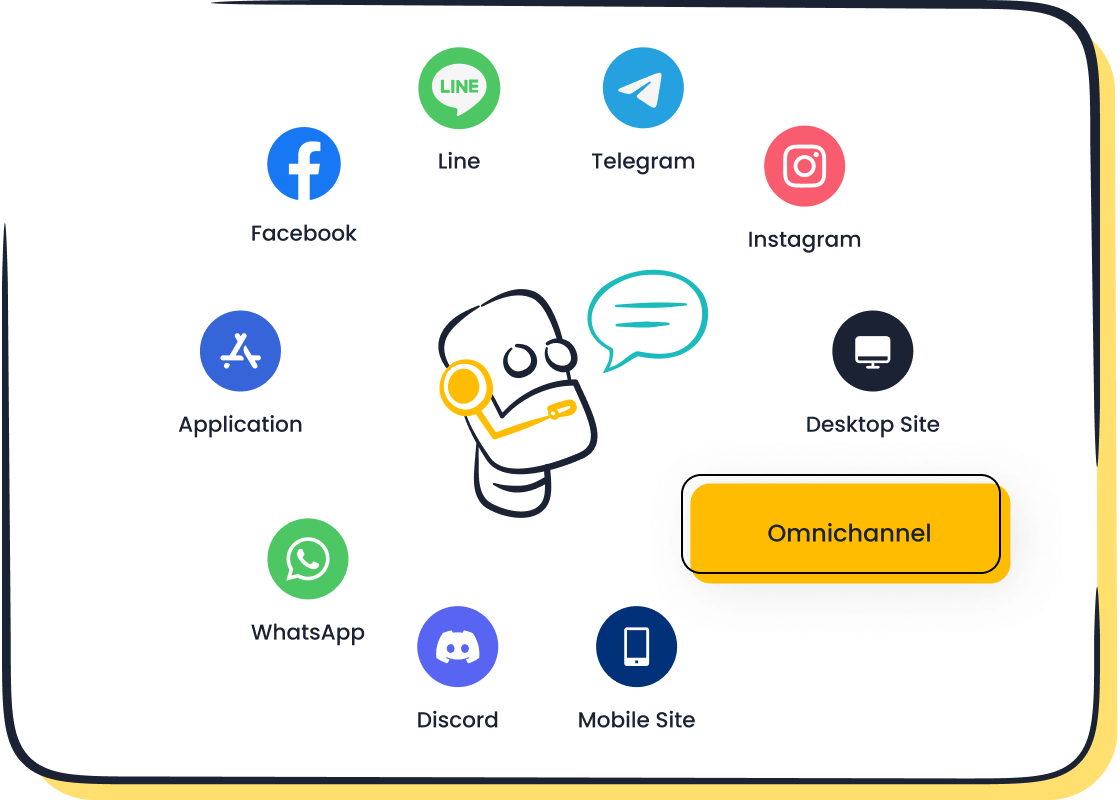
Omnichannel support is key for the best ai customer service agents for ecommerce. Sobot’s platform connects chat, voice, WhatsApp, and more. Customers can switch channels without losing their place. This means your ai-powered chatbots keep the conversation going, even if a customer moves from chat to email or voice.
| Aspect | Description |
|---|---|
| Seamless Integration | Chatbot links all your systems for a unified experience |
| Context Maintenance | Customers get smooth transitions and never repeat themselves |
| Enhanced Experience | Fast, accurate help builds loyalty and trust |
Sobot’s omnichannel platform handles thousands of queries at once. You get instant answers, lower wait times, and more sales through smart recommendation. With Sobot, your ecommerce platform delivers ai-driven personalization and top-notch support every time.
Integration Steps with Sobot Chatbot
Integrating the best ai customer service agents for ecommerce into your business can transform your support operations. Sobot Chatbot makes this process straightforward. You can follow these steps to connect, train, and customize your AI agent for the best results.
Platform Connection and Setup
You start by connecting Sobot Chatbot to your ecommerce systems. Sobot supports integration with popular platforms like Shopify, Magento, WooCommerce, and custom CMS solutions. You can also link your CRM, WhatsApp, social media, and email channels. This unified approach helps you manage all customer conversations in one place.
Step-by-step guide:
- Sign up and access your Sobot dashboard.
- Connect your ecommerce platform: Use Sobot’s integration tools to link your store, CRM, and other business systems.
- Add communication channels: Enable chat, voice, WhatsApp, and social media. Sobot’s omnichannel support ensures you never miss a customer message.
- Import your customer data: Bring in order history, chat logs, and support tickets to give your AI agent context.
- Set up user roles and permissions: Control who can manage, monitor, and optimize your chatbot.
Tip: Sobot’s no-code interface lets you set up workflows and automations without technical skills. You can launch your best ai customer service agents for ecommerce quickly and easily.
OPPO, a global leader in smart devices, followed these steps to connect Sobot Chatbot with their customer service systems. By integrating all channels, OPPO unified their support and improved response times. You can read more about OPPO’s success here.
Training with Ecommerce Data
Training your AI agent with the right data is key to delivering accurate and helpful responses. Sobot Chatbot uses your ecommerce data to learn about your products, customers, and support needs.
You should:
- Define your data objectives for each use case. For example:
- Product recommendation agents need user sessions, clicks, cart history, and product details.
- Chatbot agents require chat transcripts, FAQs, and order history.
- Prepare your data before training. Clean and organize it for best results.
- Choose the right AI models. Sobot supports decision trees, neural networks, and other algorithms.
- Start simple. Train your chatbot with basic data, then add complexity as you grow.
- Test and validate your AI agent with real customer queries.
- Monitor performance after launch. Use feedback to improve your chatbot over time.
Preparing accurate and accessible customer data helps your AI agent deliver personalized experiences. This step directly affects how well your best ai customer service agents for ecommerce perform.
Note: Sobot’s platform makes it easy to update your knowledge base. You can add new FAQs, product info, and support scripts as your business changes.
OPPO used Sobot’s training tools to optimize their knowledge base. They reduced manual maintenance by 90% and achieved an 83% resolution rate with their chatbot. The table below shows the real-world results OPPO gained after integrating Sobot Chatbot:
| Metric | Result |
|---|---|
| Resolution Rate | 83% |
| Reduction in Support Costs | Up to 50% |
| Increase in Conversion Rates | 20% |
These numbers show how the best ai customer service agents for ecommerce can drive efficiency and growth.
Customizing User Experience
You can tailor Sobot Chatbot to match your brand and customer needs. Customization helps you stand out and deliver a memorable experience.
| Feature | Description |
|---|---|
| Automated Lead Generation | Engage visitors instantly, qualify leads, and schedule demos. Convert browsers into loyal customers. |
| 24/7 Customer Support | Answer common questions any time. Improve satisfaction and reduce support costs. |
| Proactive Engagement | Spot user struggles and offer help before they ask. Enhance the user journey. |
| Multilingual Support | Communicate in many languages. Reach a global audience and boost user experience. |
You can adjust chatbot greetings, conversation flows, and response styles. Sobot lets you set up proactive messages for cart abandonment, order updates, or special offers. You can also enable multilingual support to serve customers worldwide.
Tip: Use Sobot’s analytics to track how customers interact with your chatbot. Make changes based on real feedback to keep improving your best ai customer service agents for ecommerce.
Sobot’s flexible platform supports your growth. You can add new channels, update workflows, and refine your AI agent as your business evolves. This ensures your ecommerce store always delivers fast, helpful, and personalized support.
By following these steps, you can integrate the best ai customer service agents for ecommerce and see real improvements in efficiency, customer satisfaction, and sales.
Testing, Optimization, and Scaling
Pilot Launch and Feedback
You should start with a pilot launch for your AI customer service agents. This helps you test the system in a real environment and gather valuable feedback. Begin by choosing a specific use case, such as handling order status questions on your website. Set clear goals, like reducing response time or increasing satisfaction. Assemble a team that includes a project lead, support lead, and data analyst. Train your team to work with Sobot’s chatbot and live chat tools. Make sure your knowledge base is accurate and up to date.
During the pilot, keep communication open. Let customers know when they interact with an AI agent. This builds trust and improves satisfaction. Ensure a smooth handoff from AI to human agents for complex issues. Track feedback from both customers and your support team.
| Metric Type | Description |
|---|---|
| Task Completion Rate | Shows how many tasks the AI agent finishes without help. |
| Cost Per Task | Compares the cost of AI tasks to human tasks. |
| Business Value | Measures how the AI agent helps your business, like boosting sales or improving efficiency. |
Performance Monitoring
You need to monitor your AI agent’s performance to keep satisfaction high. Use Sobot’s reporting tools to track important metrics:
| Metric | Description |
|---|---|
| Conversion Rate | Shows how well AI agents help turn visitors into buyers. |
| Customer Satisfaction Score | Measures how happy customers are with their support experience. |
| Support Ticket Reduction | Counts how many fewer tickets your team handles because of AI. |
| Resolution Time | Tracks how fast AI agents solve problems. |
| Cost-per-Order | Looks at how much it costs to process orders with AI. |
| Forecast Accuracy | Checks how well AI predicts demand for products. |
A European fashion brand saw a 15% increase in conversion rates during busy seasons because AI agents gave faster answers. Another retailer saved $250,000 a year by using AI to handle 70% of support questions. These results show how Sobot’s AI solutions can improve satisfaction and save money.
Scaling Across Channels
After a successful pilot, you can scale your AI agents across more channels. Sobot’s omnichannel platform lets you add WhatsApp, social media, voice, and email support. AI agents can answer 80-90% of common questions, so your team can focus on complex cases. For best results, connect your AI to backend systems like inventory and CRM. This gives agents a full view of each customer’s orders and history, which boosts satisfaction.
Tip: Keep monitoring and updating your AI agent as you grow. Regular improvements help you maintain high satisfaction and strong customer satisfaction.
Measuring Success After Integration
Tracking KPIs and ROI
After you integrate Sobot’s AI customer service agents, you need to measure how well they perform. Start by tracking key performance indicators (KPIs) that show the impact on your business. Use the table below to see which KPIs matter most for ecommerce:
| KPI | Description |
|---|---|
| Conversion Rates | Measures the percentage of visitors who make a purchase. |
| Response Times | Tracks the speed of customer service responses. |
| Customer Satisfaction | Assesses how products and services meet customer expectations. |
| Inventory Management | Evaluates the efficiency of stock management processes. |
| Operational Efficiency | Measures the overall effectiveness of business operations. |
You can also monitor metrics like average order value, stockouts, forecast accuracy, time-to-fulfillment, lead response time, and automation rate. To calculate ROI, follow these steps:
- Define your success metrics.
- Establish a baseline before AI integration.
- Calculate all costs related to the AI project.
- Use this formula: ROI = (Net Profit / Total Investment) × 100.
Sobot’s AI solutions can reduce support costs by up to 50%. For every $1 you invest, you may see up to $3 in return within six months. These numbers show how AI can boost your customer experience and business results.
Improving Customer Satisfaction
Customer satisfaction is a key part of your customer experience. You should use both technical and customer-facing metrics to measure improvements. The table below shows common ways to track satisfaction:
| Metric Type | Examples |
|---|---|
| Technical Metrics | Precision, Recall, Intent Recognition Accuracy |
| Customer-facing Metrics | Average Response Time, FCR, CSAT, NPS |
Set up a dashboard to monitor these metrics. Track automation rates, first contact resolution (FCR), and customer satisfaction scores (CSAT and NPS). Ask for feedback from both your agents and your customers. This helps you understand how Sobot’s chatbot, live chat, and ticketing system improve the customer experience. Fast response times and accurate answers make customers feel valued and increase loyalty.
Tip: Use feedback to find areas where your AI agent can improve. This keeps your customer experience strong.
Continuous Optimization
You need to keep your AI customer service agents performing at their best. Use continuous learning so your AI adapts to changing customer needs. Regularly monitor performance and adjust algorithms when needed. Sobot’s platform lets you analyze first-response times, aiming for under 10 seconds. Try to reach a resolution rate of over 80% for simple questions.
- Review escalation rates to spot training gaps.
- Improve mobile response times, as even a 0.1-second boost can increase retail conversions by 8.4%.
- Faster answers encourage customers to spend more, which improves your customer experience.
Sobot’s tools help you update workflows, add new channels, and refine your AI agent. This ongoing process ensures your customer experience stays excellent as your business grows.
Best Practices and Common Challenges
Tips for Ongoing Success
You want the best ai customer service agents for ecommerce to deliver results every day. To achieve this, you should follow proven steps:
- Choose the right AI solution. Evaluate features, integration options, and long-term support. Sobot’s chatbot, live chat, and ticketing system offer flexibility for your ecommerce needs.
- Train with high-quality data. Use clean, diverse data to help your AI agent learn and improve. Sobot makes it easy to update your knowledge base as your business grows.
- Balance automation with human oversight. Let AI handle routine questions, but keep your team ready for complex cases. Sobot’s platform allows seamless handoff between AI and human agents.
- Measure performance with KPIs. Track key metrics like resolution rate, customer satisfaction, and response speed. Use Sobot’s analytics to monitor and optimize your support.
- Safeguard user data and privacy. Protect customer information and follow regulations. Sobot’s best ai customer service agents for ecommerce include strong security features.
Tip: Set clear goals for your AI project. This helps you choose the best ai customer service agents for ecommerce and measure success.
Data Governance
You must handle customer data with care when using the best ai customer service agents for ecommerce. Good data governance protects your business and builds trust.
| Aspect | Description |
|---|---|
| Bias Audits | Check AI for fairness and reduce bias in responses. |
| Regulatory Compliance | Follow laws like GDPR and CCPA for ethical data use. |
- Always secure customer data and limit access.
- Regularly review your data practices to avoid mistakes.
- Use Sobot’s tools to support compliance and privacy.
Overcoming Integration Obstacles
You may face challenges when adding the best ai customer service agents for ecommerce to your store. Here are common obstacles and how you can solve them:
| Obstacle | Solution |
|---|---|
| Data privacy and security risks | Use strong security protocols and audits |
| Integration with legacy systems | Choose modular AI like Sobot for easy setup |
| High costs and limited resources | Start small and scale with Sobot’s platform |
| Algorithmic bias and fairness | Train with diverse data and run bias checks |
| Customer trust and acceptance | Combine AI with human support for confidence |
| Scalability and performance issues | Use advanced infrastructure for growth |
Note: Sobot’s best ai customer service agents for ecommerce help you overcome these challenges with secure, scalable, and easy-to-integrate solutions.
You can transform your ecommerce support by following a structured integration with Sobot Chatbot. Businesses see up to $250,000 in annual savings and a 70% drop in routine inquiries. The best ai customer service agents for ecommerce help you boost agent efficiency, increase conversion rates, and improve customer satisfaction.
| Benefit | Result |
|---|---|
| Agent Efficiency | 30-40% improvement |
| Conversion Rate | 15-20% increase |
| Customer Satisfaction | Noticeable improvement |
Start your journey with Sobot today. For more details, email marketing@sobot.io or visit sobot.io.
FAQ
What is an ai agent in e-commerce?
An ai agent in e-commerce is a smart tool that helps you answer customer questions, manage orders, and solve problems. You can use ai agents like Sobot’s chatbot, live chat, and ticketing system to improve your ecommerce store’s support and boost sales.
How does ai improve user experience in my ecommerce store?
You get faster answers and better service with ai in e-commerce. Sobot’s ai agents handle routine questions, give personalized recommendations, and help you across chat, voice, and email. This makes your user experience smoother and keeps customers happy.
Can ai agents handle multiple languages and channels?
Yes, ai agents like Sobot’s chatbot support many languages and channels. You can connect your ecommerce store to WhatsApp, social media, and voice. This lets you help customers anywhere, anytime, and improves your user experience.
What is the difference between ai agents and traditional automation?
Traditional automation gives basic answers. Ai agents in e-commerce, such as Sobot’s, use advanced technology to understand questions, learn from each chat, and give better support. You get smarter help and more satisfied customers in your ecommerce store.
How do ai agents help with recommendation engines and conversational agents?
Ai agents power recommendation engines by suggesting products based on customer behavior. You also get conversational agents that chat with users in real time. Sobot’s platform combines these features to boost sales and improve your ecommerce store’s user experience.
See Also
Enhancing Efficiency With AI-Driven Customer Service Solutions
Increasing Customer Satisfaction Through E-commerce Chatbot Solutions
Transforming Customer Support With AI Service Agents
Navigating Artificial Intelligence Solutions for Call Centers

