The Ultimate List of Skills for Customer Service Success


Customer service skills aren’t just nice to have—they’re essential. Did you know 93% of customers are more likely to return to a business after a positive service experience? That’s a game-changer! Companies that focus on customer-first strategies often double their revenue growth. Even small improvements, like retaining 5% more customers, can boost profits by 25%.
For you, mastering these skills for a customer service job can open doors to better opportunities. It’s not just about helping customers; it’s about building connections, solving problems, and creating memorable experiences. Tools like Sobot’s solutions make it easier to deliver exceptional service across various channels, ensuring you stand out in your role.
Communication Skills for a Customer Service Job

Active Listening and Understanding Customer Needs
Active listening is one of the most important skills for a customer service job. When you truly listen, you show customers that their concerns matter. This builds trust and helps you understand their needs better. For example, instead of interrupting or jumping to conclusions, focus on what the customer is saying. Use phrases like, “I understand,” or, “Let me confirm I’ve got this right,” to show you’re engaged.
Tools like Sobot’s Voice/Call Center can make active listening even more effective. With features like call recording and transcription, you can revisit conversations to ensure no detail is missed. This not only improves your response but also enhances the overall customer experience.
Clear Verbal Communication for Effective Interactions
Clear communication is key to resolving issues quickly. When you explain solutions in a straightforward way, customers feel more confident and satisfied. Imagine two scenarios: In one, an agent gives a vague answer, leaving the customer confused. In the other, the agent provides a clear timeline and context. The second approach always wins.
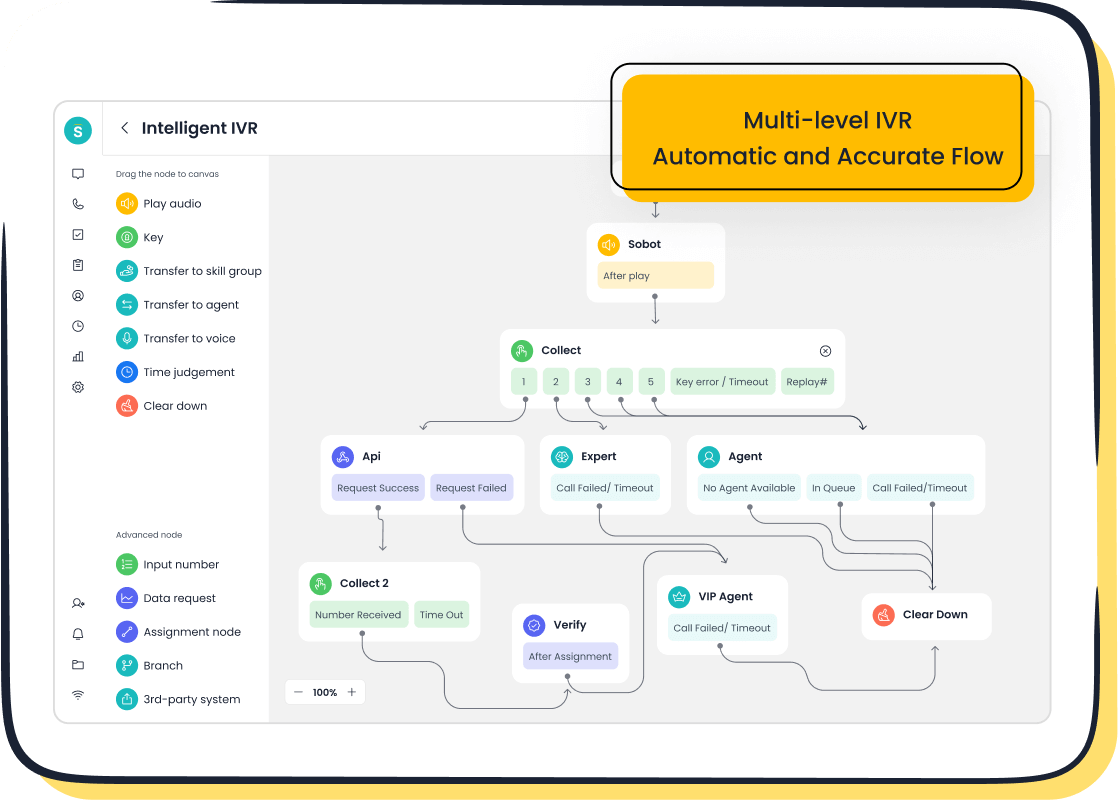
Sobot’s smart call routing ensures customers are connected to the right agent, reducing misunderstandings. This feature, combined with your ability to communicate clearly, can significantly improve resolution rates.
Writing Skills for Emails and Chat Support
In today’s digital world, writing skills are just as important as verbal communication. Whether you’re responding to an email or a chat, your words need to be clear, concise, and professional. Simplify your language, avoid jargon, and double-check grammar. Studies show that well-written responses lead to higher customer satisfaction.
Sobot’s unified workspace for live chat and email makes it easy to manage multiple conversations while maintaining quality. By using tools like these, you can deliver polished and effective written communication every time.
Problem-Solving and Critical Thinking
Identifying and Analyzing Customer Issues
When a customer reaches out with a problem, your first step is to dig deep and figure out what’s really going on. This isn’t just about listening to their words—it’s about understanding the root cause of their issue. For example, if a customer complains about delayed delivery, the real problem might be a miscommunication between departments or a system error. By identifying the true cause, you can prevent the same issue from happening again.
Here’s how you can sharpen this skill:
- Use Root Cause Analysis (RCA) to uncover the real problem instead of just addressing symptoms.
- Collaborate with your team to brainstorm solutions in a blameless environment.
- Trace back through processes, like order systems or communication logs, to pinpoint vulnerabilities.

Tools like Sobot’s Voice/Call Center make this process easier. Features like call tracking and data analysis help you trace issues back to their source, ensuring faster and more effective resolutions.
Creative and Resourceful Solutions
Sometimes, solving a problem requires thinking outside the box. Customers appreciate it when you go the extra mile to find a solution that works for them. For instance, if a product is out of stock, offering a similar item at a discount or expedited shipping for a future order can turn a negative experience into a positive one.
Here’s a quick look at how creative solutions can make a difference:
| Outcome | Description |
|---|---|
| Improved Customer Retention | Satisfied customers are more likely to return for future purchases and services. |
| Enhanced Brand Image | Positive experiences with resourceful representatives create a favorable perception of the brand. |
| Reduced Costs | Quick and efficient issue resolution minimizes time spent on interactions, leading to cost savings. |
| Proactive Problem Solving | Encourages innovation within teams, allowing for early identification and resolution of potential issues. |
Sobot’s AI-powered Voicebot can assist here by offering personalized recommendations or solutions based on customer history, saving you time and effort while delighting your customers.
Decision-Making Under Pressure
In customer service, you often need to make quick decisions, especially when emotions run high. Whether it’s resolving a billing error or handling a conflict resolution scenario, staying calm and focused is key. Start by assessing the situation. What’s the most urgent need? What resources do you have? Then, act confidently.
Sobot’s unified workspace can help you stay organized under pressure. It consolidates customer data and communication channels, so you have everything you need at your fingertips. This makes it easier to make informed decisions, even in high-stress situations.
Emotional Intelligence in Customer Service

Empathy and Building Customer Connections
Empathy is the heart of emotional intelligence. When you show customers you understand their feelings, you build trust and loyalty. Imagine a customer frustrated about a delayed order. Instead of just apologizing, you could say, “I understand how disappointing this must be. Let me help fix this for you.” That small acknowledgment can make a big difference.
Studies back this up:
- 64% of US consumers believe companies have lost the human touch, which hurts retention.
- Customers who feel unvalued are less likely to return.

Empathy also drives loyalty. A Netimperative survey found that 82% of emotionally connected customers prefer buying from their favorite brands. Sobot’s AI-powered Voicebot can help you connect emotionally by analyzing customer sentiment and tailoring responses. This ensures every interaction feels personal and meaningful.
Managing Stress and Maintaining Composure
Stress is part of the job, but managing it well can improve your performance. When you stay calm, you make better decisions and provide consistent service. For example, if a customer is upset, take a deep breath and focus on solving their issue instead of reacting emotionally.
Research shows that wellness programs reduce burnout and improve customer satisfaction. Healthy employees are more attentive and energetic, leading to better interactions. Sobot’s unified workspace simplifies your workflow, reducing stress by keeping all customer data and communication channels in one place. This helps you stay organized and composed, even during busy periods.
Navigating Complex Customer Emotions
Handling complex emotions requires patience and understanding. Customers may feel angry, confused, or even overwhelmed. Your job is to listen, empathize, and respond appropriately. For example, if a customer feels ignored, acknowledge their frustration and assure them you’re there to help.
Advanced tools like Natural Language Processing (NLP) can make this easier. By analyzing tone and keywords, you can better understand customer emotions and tailor your responses. Sobot’s Voice/Call Center uses sentiment analysis to help you navigate these situations effectively, reducing service churn and improving satisfaction.
Time Management and Multitasking
Prioritizing Tasks and Customer Requests
In customer service, not all tasks are created equal. Some require immediate attention, while others can wait. Prioritizing tasks ensures you address the most critical issues first, keeping customers happy and operations smooth. For example, responding to a customer with a billing issue should take precedence over a general inquiry about store hours.
Using performance metrics can help you stay on track. Here’s a quick breakdown:
| Metric | Description |
|---|---|
| Average Response Time | Measures how quickly you respond to inquiries, reflecting your efficiency. |
| First Response Time | Tracks the time it takes to send the first reply, crucial for customer satisfaction. |
| Use of Automation Tools | Streamlines repetitive tasks, freeing up time for more complex issues. |
| Monitoring Response Times | Identifies bottlenecks and areas for improvement in service delivery. |
| Service Level Agreements | Sets clear expectations for response times, ensuring accountability. |

Sobot’s AI-powered Voicebot and unified workspace simplify prioritization by automating repetitive tasks and consolidating customer data. This allows you to focus on what matters most—delivering exceptional service.
Handling Multiple Communication Channels
Juggling multiple communication channels can feel overwhelming, but mastering this skill boosts your productivity and ensures seamless customer experiences. Whether it’s email, chat, or phone calls, staying organized is key. A McKinsey report found that well-connected teams see a 20–25% productivity increase. Additionally, employees included in detailed workplace communication are nearly five times more likely to report higher productivity.

Sobot’s omnichannel solution makes this easier by integrating all communication channels into a single platform. You can switch between chat, email, and voice calls without losing context, ensuring every customer interaction feels smooth and professional. This unified approach not only saves time but also enhances your ability to deliver consistent service.
Meeting Deadlines in High-Pressure Scenarios
Deadlines can be daunting, especially when the pressure is on. But meeting them consistently builds trust and improves customer satisfaction. Imagine a scenario where a team had just one week to deliver a complex client report instead of the usual three weeks. By breaking tasks into smaller steps and maintaining clear communication, they completed the project on time, impressing the client and strengthening the relationship.
The same principles apply to customer service. Regular updates and transparent communication with your team help you manage expectations and address issues proactively. Sobot’s Voice/Call Center supports this by providing real-time monitoring and analytics, helping you stay on top of deadlines even in high-pressure situations.
Product and Industry Knowledge
Understanding Sobot’s Voice/Call Center Features
Knowing the tools you work with inside out can make a world of difference in customer service. Sobot’s Voice/Call Center is packed with features designed to boost efficiency and customer satisfaction. For example, its AI-powered Voicebot handles routine queries, freeing you up for more complex tasks. The smart call routing ensures customers connect with the right agent, reducing wait times and frustration.
Here’s how these features impact performance:
| Metric | Value |
|---|---|
| Customer satisfaction rate | 95% |
| Problem resolution rate | 85% |
| Increase in positive feedback | 96% |
| Self-service question resolution | 22.2% |
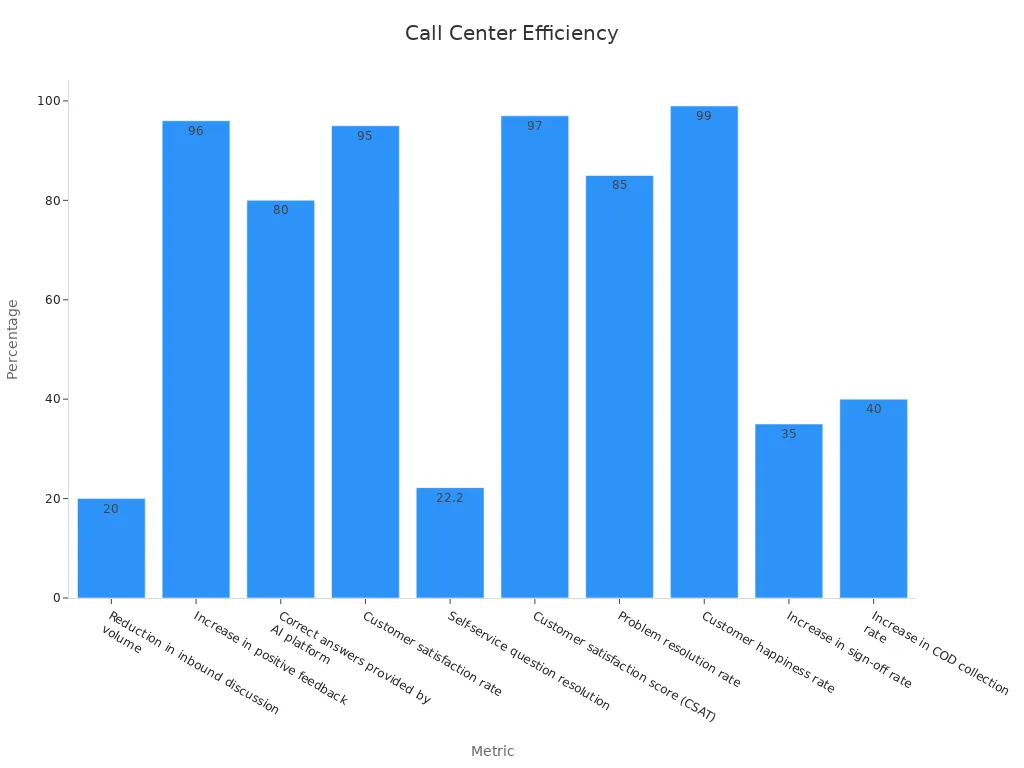
By mastering these tools, you’ll not only improve your workflow but also deliver a seamless experience that keeps customers coming back.
Staying Updated on Industry Trends and Best Practices
The customer service industry evolves quickly, and staying ahead of trends is crucial. Did you know that 87% of support teams believe customer expectations have risen? Customers now expect personalized, omnichannel experiences, and companies with such strategies see 23x higher satisfaction rates.
You can stay informed by:
- Attending webinars and workshops.
- Following industry leaders on platforms like LinkedIn.
- Reading reports on customer service trends.
Sobot’s omnichannel solution aligns perfectly with these trends. It integrates voice, email, and chat into one platform, ensuring you meet modern customer expectations effortlessly.
Educating Customers with Confidence
When you educate customers, you empower them. This builds trust and reduces frustration. Imagine a customer struggling with a product feature. Instead of just solving their issue, you guide them through the process. This not only resolves their problem but also boosts their confidence in your brand.
Here’s why this matters:
- It positions you as an expert, enhancing credibility.
- It fosters a supportive relationship, increasing satisfaction.
- It builds trust through clear and honest communication.
Sobot’s unified workspace makes this easier by providing all the information you need at your fingertips. With tools like these, you can confidently educate customers and leave a lasting impression.
Adaptability and Resilience
Adjusting to Diverse Customer Personalities
Every customer is unique, and adapting to their personalities is a skill that sets you apart. Some customers may be chatty and friendly, while others might prefer quick, no-nonsense interactions. Your ability to adjust your tone and approach can make all the difference. For example, when dealing with an analytical customer, focus on providing detailed explanations. On the other hand, a more emotional customer might appreciate empathy and reassurance.
Sobot’s AI-powered Voicebot can help you identify customer preferences by analyzing past interactions. This allows you to tailor your responses and create a more personalized experience. By adapting to different personalities, you not only resolve issues faster but also build stronger connections with your customers.
Handling Unexpected Challenges with Ease
Unexpected challenges are part of the job, but how you handle them defines your success. Imagine a customer calling about a delayed shipment. Instead of panicking, you calmly acknowledge their frustration, empathize with their situation, and offer a solution like expedited shipping or a discount on their next order. These small gestures can turn a negative experience into a positive one.
Here’s how you can handle challenges effectively:
- Active Listening: Show the customer you care by truly understanding their issue.
- Empathy: Connect with their emotions to de-escalate frustration.
- Prompt Problem-Solving: Act quickly to resolve the issue.
- Follow-Up: Ensure the problem is fully resolved to build trust.
- Compensation Gestures: Offer discounts or perks to reinforce loyalty.
Sobot’s unified workspace simplifies this process by giving you all the tools you need to respond quickly and efficiently. With features like real-time monitoring and smart call routing, you can tackle unexpected challenges with confidence.
Learning from Feedback and Continuous Improvement
Feedback is a goldmine for growth. By listening to what customers say, you can identify areas for improvement and make meaningful changes. For instance, a fast-food chain improved service speed by 30% and customer satisfaction by 20% after acting on real-time feedback. Similarly, a retail giant boosted sales by 15% by enhancing the in-store experience based on customer suggestions.
Sobot’s analytics tools make it easy to gather and analyze feedback. Whether it’s through surveys or sentiment analysis, you can pinpoint what’s working and what needs improvement. By adopting a mindset of continuous learning, you not only enhance your skills but also contribute to a better customer experience. After all, every piece of feedback is an opportunity to grow.
Tips for Developing Customer Service Skills
Enroll in Training Programs and Workshops
Investing in training programs is one of the best ways to sharpen your skills in a customer service role. These programs often focus on practical techniques like active listening, problem-solving, and emotional intelligence. For example, Deloitte’s ClientFit program helped 500 employees improve their customer interactions, achieving an 87% completion rate. This led to better customer experiences and higher satisfaction levels.
Structured training doesn’t just benefit companies—it benefits you too. Organizations that prioritize training report measurable improvements in employee performance and engagement. For instance, Company A saw a 20% increase in customer satisfaction, while Company B reduced complaints by 30% after targeted training. By enrolling in workshops, you can gain the tools and confidence needed to excel in your role.
Sobot offers resources like webinars and product training for tools such as its Voice/Call Center. These sessions help you master features like smart call routing and AI-powered Voicebots, ensuring you deliver exceptional service every time.
Practice Role-Playing Scenarios with Sobot Tools
Role-playing is a powerful way to prepare for real-world customer interactions. It allows you to practice handling different scenarios, from resolving complaints to upselling products. Using tools like Sobot’s unified workspace, you can simulate conversations across multiple channels, such as chat, email, and voice. This hands-on approach helps you build confidence and adaptability.
Imagine practicing a scenario where a customer is upset about a delayed order. With Sobot’s AI-powered Voicebot, you can rehearse empathetic responses and learn how to de-escalate the situation. These simulations not only improve your communication skills but also enhance your ability to think on your feet.
Regular practice ensures you’re ready for any challenge. It also helps you identify areas for improvement, making you a more effective and resourceful team member.
Seek Constructive Feedback from Supervisors
Feedback is a goldmine for growth. When you actively seek input from your supervisors, you gain valuable insights into your strengths and areas for improvement. According to expectancy theory, feedback boosts motivation and performance. Employees who feel supported by their organization are more likely to excel in their roles.
For example, a supervisor might notice that you excel at resolving technical issues but could improve your tone during stressful calls. By acting on this feedback, you can refine your approach and deliver better service. Tools like Sobot’s analytics features make it easier to track your progress. Supervisors can use these insights to provide targeted advice, helping you continuously improve.
Remember, feedback isn’t criticism—it’s an opportunity to grow. Embrace it, and you’ll see noticeable improvements in your performance and customer interactions.
Applying Customer Service Skills in the Workplace
Resolving Customer Complaints Using Sobot’s Omnichannel Solution
Handling customer complaints effectively is a cornerstone of any customer service role. When you resolve issues quickly and efficiently, you not only satisfy the customer but also build trust. Sobot’s Omnichannel Solution makes this process seamless by integrating all communication channels—email, chat, and voice—into one platform. This means you can address complaints without switching between tools, saving time and reducing errors.
For example, imagine a customer frustrated about a delayed shipment. With Sobot’s unified workspace, you can access their order history, track the issue, and provide a resolution in real time. Metrics like First Contact Resolution (FCR) and Customer Satisfaction Score (CSAT) improve significantly when complaints are resolved in the first interaction.
| KPI | Description |
|---|---|
| Customer Satisfaction Score | A metric for how happy customers are with the support experience. |
| Net Promoter Score | Measures customer loyalty and the likelihood of customers recommending the service. |
| First Contact Resolution | Percentage of customer inquiries resolved in the first interaction without needing callbacks. |
By using tools like Sobot, you can turn complaints into opportunities to strengthen customer relationships.
Enhancing Team Collaboration with Unified Workspaces
Team collaboration is essential for delivering exceptional service. When your team works together seamlessly, productivity soars. Sobot’s unified workspace centralizes data and communication, making it easier for customer service representatives to collaborate. You can share insights, track progress, and resolve issues faster.
Research backs this up. Companies using Unified Communications report a 52% improvement in workplace productivity and a 25% boost in operating profit. For example, IBM saw a 30% increase in team productivity after implementing a similar solution. With Sobot, your team can access real-time updates and predictive analytics, ensuring everyone stays on the same page. This not only improves efficiency but also enhances accountability.
Delivering Memorable Customer Experiences Consistently
Creating memorable experiences is what sets great customer service apart. When you go above and beyond, customers notice—and they stay loyal. Did you know that 90% of highly satisfied customers are twice as likely to return and recommend your service? Loyal customers also buy 30% more items per order compared to first-time buyers.
Sobot’s tools help you deliver these experiences effortlessly. For instance, its AI-powered Voicebot personalizes interactions by analyzing customer sentiment and history. This ensures every conversation feels tailored and meaningful. By consistently exceeding expectations, you can turn one-time buyers into lifelong advocates.
| Statistic | Description |
|---|---|
| 90% of highly satisfied customers | Indicate they are highly likely to return and recommend, which is 2x higher than satisfied customers. |
Memorable experiences don’t just happen—they’re built with the right skills and tools.
Mastering customer service skills transforms your career and boosts customer satisfaction. Engaged employees deliver better service, creating happier customers. Training and tools like Sobot’s Voice/Call Center enhance your abilities, making every interaction meaningful. Start applying these skills today—you’ll see growth in your role and build lasting customer relationships.
FAQ
What is the best way to improve customer service skills?
Focus on practice and feedback. Use tools like Sobot’s Voice/Call Center to simulate real scenarios, track performance, and refine your approach. Consistency is key to growth.
How can Sobot’s solutions help me manage multiple communication channels?
Sobot’s omnichannel solution integrates email, chat, and voice into one platform. This simplifies multitasking, reduces errors, and ensures seamless customer interactions across all channels.
Why is emotional intelligence important in customer service?
Emotional intelligence helps you connect with customers. Empathy and understanding build trust, improve satisfaction, and turn negative experiences into positive ones. Sobot’s AI tools even analyze customer sentiment for better responses.
See Also
Enhancing Customer Satisfaction Through Effective Live Chat Strategies
The Leading Customer Service Software Solutions for 2024
Guidelines for Selecting Social Media Customer Support Tools
Effective Strategies for Quality Management in Call Centers
Understanding Quality Management Systems in Call Center Operations