Simple Steps to Create a Service Oriented Company


Have you ever wondered why some companies seem to win customer satisfaction at every touchpoint? Building a service oriented company means you put the customer at the center of everything you do. You will face big changes, like shifting your team’s mindset, investing in new skills, and learning how to measure experience and satisfaction. With the right tools, such as Sobot AI and the Sobot call center, you can boost both customer happiness and your business growth. Sobot helps you make every moment count.
What Is a Service Oriented Company?
A service oriented company puts customer orientation at the heart of everything. You focus on delivering value to your customers, not just selling a product. In today’s business world, this approach matters more than ever. Business analysts say a service oriented company builds its core functions around serving external customers, while support teams treat each other as internal customers. This model depends on strong communication and teamwork. When you make customer orientation your main goal, you create a business that adapts quickly and meets real needs.
Sobot is a great example of a service oriented company. Sobot’s mission is to help brands deliver better customer experiences through innovation, efficiency, and customer orientation. The company’s values put customer orientation first, making sure every solution supports customer satisfaction and customer loyalty. Sobot’s all-in-one contact center solutions help businesses connect with customers across many channels, showing how customer orientation drives every decision.
Key Traits of Service Orientation
You can spot a service oriented company by looking for these traits:
- Customer orientation is always the top priority.
- Customer loyalty is seen as the key to long-term success.
- Leaders encourage a culture of customer orientation and service excellence.
- Teams work together to improve customer satisfaction and customer loyalty.
- The company adapts its services to fit customer needs.
Service oriented companies are different from product-oriented ones:
- Product-oriented companies sell physical goods, but service oriented companies offer experiences and solutions.
- Service oriented companies often earn recurring revenue by building customer loyalty.
- They rely on referrals and relationships, not just ads.
- Customer orientation means they tailor services to each customer, instead of focusing only on innovation or manufacturing.
Why Customer Satisfaction Matters
Customer satisfaction is more than a nice-to-have. It drives customer loyalty and business growth. When you focus on customer orientation, you see big results. Studies show that increasing customer retention by just 5% can boost profits by up to 95%. Satisfied customers spend more, return often, and tell others about your business.
| Statistic | Source |
|---|---|
| The cost of acquiring a new customer can be up to five times higher than the cost of retaining an existing one. | Harvard Business Review |
| Companies that prioritize customer retention over acquisition are 60% more profitable. | Bain & Company |
| Repeat customers spend 67% more than new customers. | Inc. |
| Increasing customer retention rates by 5% can increase profits by 25-95%. | Harvard Business Review |
| Loyal customers are worth up to 10 times as much as their first purchase. | White House Office of Consumer Affairs |
When you build a service oriented company with strong customer orientation, you set yourself up for lasting success.
Build a Customer-Focused Culture

Creating a customer-focused culture starts with leadership and vision. You set the tone for your company’s customer service oriented mindset. When you lead by example, your team follows. Leaders who communicate a clear vision and reinforce customer-oriented strategy help everyone understand what matters most—customer satisfaction. Open communication, inclusion, and ongoing support from leadership drive employee engagement and make your customer service support efforts stronger.
Leadership and Vision
You can’t build a customer service oriented company without strong leadership. Leaders shape the culture by sharing a customer-oriented strategy and making sure everyone knows the goal. They encourage innovation, support well-being, and keep the team focused on customer support. At Sobot, leaders champion a customer-first culture by aligning every process with customer needs. They use real-time feedback and data to guide decisions, making sure the customer always comes first.
Customer-Centric Values
Your values shape every customer interaction. The best customer service oriented companies focus on empathy, respect, patience, and active listening. You want your team to show transparency, responsiveness, and professionalism. These values build trust and loyalty. Sobot’s customer-oriented strategy includes ongoing support, flexibility, and innovation. The company encourages teamwork and gratitude, making every customer feel valued. You can measure success with metrics like customer satisfaction scores, NPS, and retention rates.
Tip: Focus only on what matters to your customer. Analyze feedback and share insights with your team to keep improving.
Empower Your Team
Empowering your team means giving them the right tools and training. Start with a strong agent onboarding process. Use a training program that covers communication, problem-solving, and empathy. Gamify training to boost engagement and creativity. Offer real-time performance metrics so agents can track their progress. Sobot’s customer agent onboarding and ongoing support help teams deliver excellent customer service support. Involve frontline employees in service design and provide ongoing training to keep skills sharp. When you invest in agent onboarding and a customer-oriented strategy, your team feels confident and ready to deliver the best service.
- Best practices for agent onboarding:
- Include customer support onboarding in your training program.
- Use real-world scenarios to practice customer service oriented responses.
- Encourage teamwork and share best practices regularly.
Enhance Customer Experience with Technology

Technology has changed how you deliver customer experience. You can now use smart tools to make every customer interaction smoother and more personal. Sobot gives you everything you need to boost customer satisfaction and support your team.
Sobot Voice/Call Center Solutions

Sobot’s Voice and Call Center solutions help you manage customer support with ease. You get a unified workspace where agents see all customer information in one place. The AI-powered voicebot answers questions 24/7 and handles simple requests, so your team can focus on complex support needs. Sobot’s system connects with your CRM and other tools, making it easy to track calls and analyze data. Here’s how Sobot compares to industry standards:
| Evidence Type | Description |
|---|---|
| AI-Powered Tools | Sobot uses AI tools for 24/7 support, automating tasks which leads to improved customer satisfaction. |
| Cost Savings | Reported savings of $1.3 million by reducing ticket volumes and improving response times. |
| Seamless Customer Experience | Integration of multiple channels (web, mobile, social) for a unified customer interaction. |
You can also use Sobot’s live chat, ticketing system, and WhatsApp Business API to reach customers wherever they are.
Omnichannel Customer Experience
Customers want to connect with you on their terms. Sobot’s omnichannel solution lets you offer support across voice, chat, email, and social media—all in one place. This means your team can give a consistent customer experience, no matter the channel. Here’s what makes omnichannel support so powerful:
| Benefit | Statistic/Insight |
|---|---|
| Customer Retention | One in five customers will leave a company if their sales channels lack integration. |
| Customer Expectations | Seventy-six percent of customers expect their interactions to be consistent across departments. |
| Increased Spending | Customers who feel connected to a company will increase their spending by 57%. |
| Customer Engagement | Eighty-five percent of consumers prefer a blend of multiple channels for communication. |
| Brand Differentiation | Less than 20% of companies deliver frictionless customer experiences. |
Samsung used Sobot’s all-in-one contact center to unify its channels and boost agent efficiency by 30%. The result? A 97% customer satisfaction rate and a seamless experience for every customer.
AI and Automation for Better Service
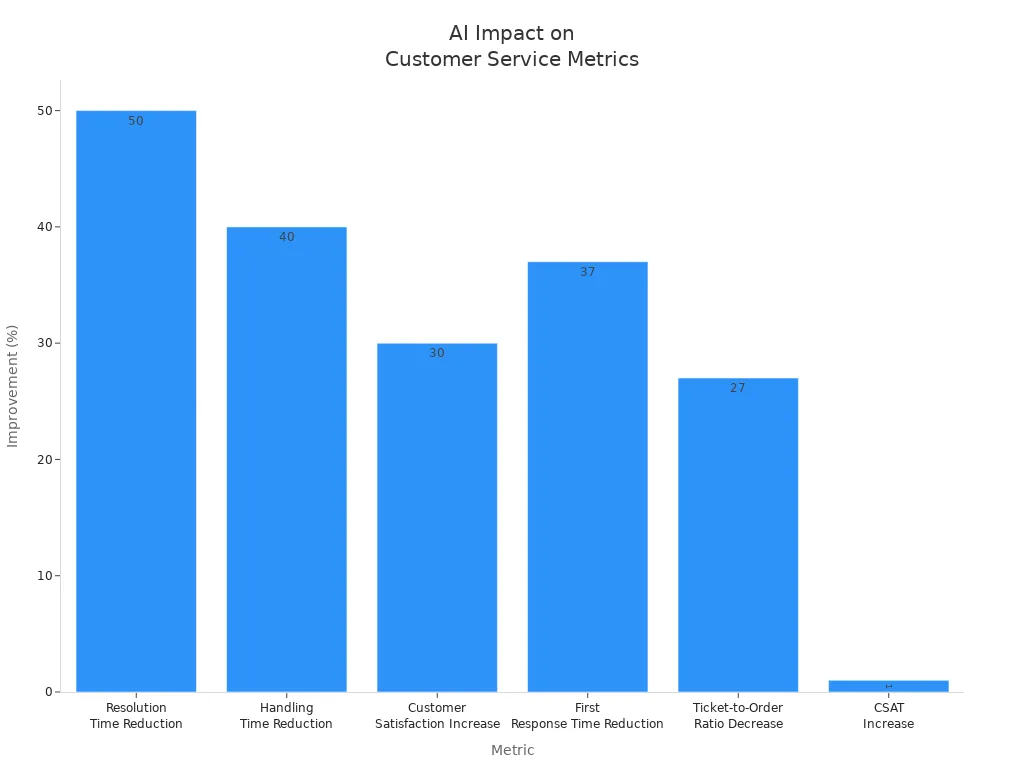
AI and automation help you deliver faster, smarter support. Sobot’s chatbot and AI Agent answer common questions, route requests, and predict what customers need next. This reduces wait times and frees up your team for more important support tasks. Check out these improvements:
| Metric | Improvement |
|---|---|
| Resolution Time Reduction | 50% |
| Handling Time Reduction | 40% |
| Customer Satisfaction Increase | 30% |
| First Response Time Reduction | 37% |
| Ticket-to-Order Ratio Decrease | 27% |
| CSAT Increase | 1% |
With Sobot, you balance automation and human support. Customers get quick answers from chatbots and real help from agents when they need it. This mix builds trust and keeps your customer experience strong.
Personalize Every Customer Interaction
Every customer wants to feel special. When you personalize customer interactions, you show that you care about their needs and value their business. This approach helps you stand out and builds trust over time.
Understand Customer Needs
You can’t deliver great customer interactions without understanding customer needs. Start by listening closely and asking the right questions. When you recognize what your customers want, you create positive feelings and boost satisfaction. Customers notice when you address their needs directly. This leads to loyalty and higher satisfaction scores. You can also spot pain points and fix them before they become bigger problems.
- Customers feel valued when you acknowledge their needs.
- Addressing pain points creates solutions that match customer needs.
- Loyal customers come from companies that understand their needs.
- Measuring satisfaction helps you see how well you meet customer needs.
Tailor Communication
You can make every message count by tailoring your communication. Use customer data to segment your audience and prepare content that fits their needs. Real-time personalization lets you respond quickly and keep interactions relevant. Companies that focus on customer-centric interactions see more profit and happier customers.
| Strategy | Evidence |
|---|---|
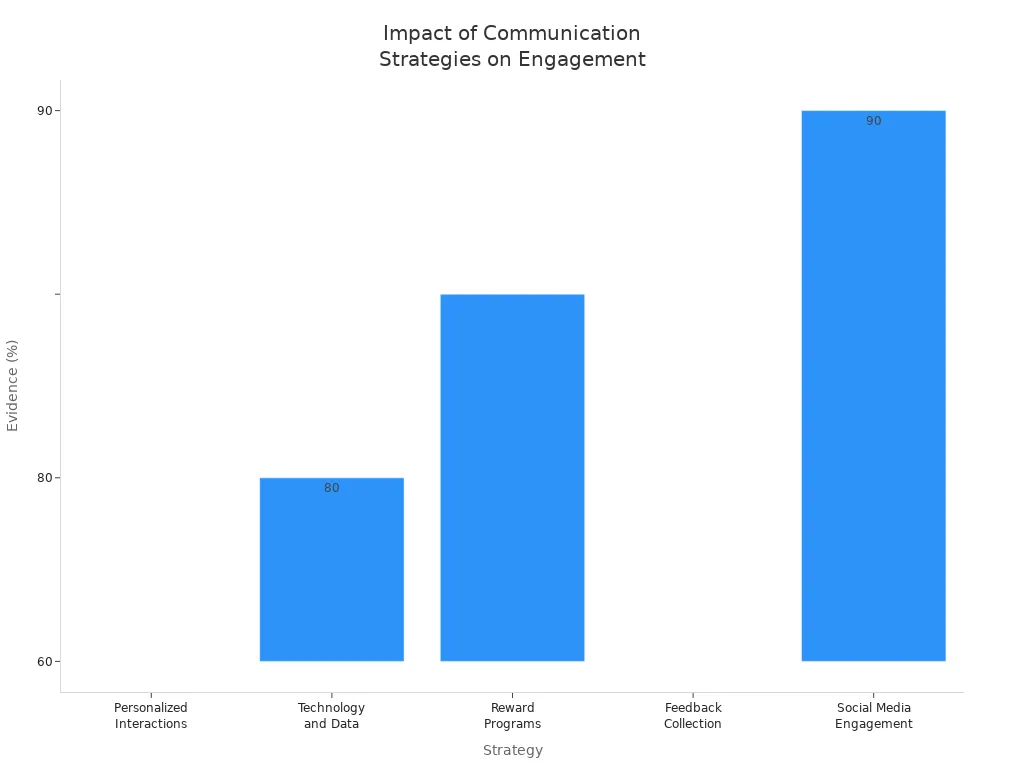
| Personalized Interactions | 60% of customers prefer brands with tailored interactions. |
| Technology and Data Utilization | Companies with strong personalized interactions see a retention increase of up to 80%. |
| Reward Programs | Reward systems can greatly benefit from increased customer lifetime value and repeat business. |
| Feedback Collection | Businesses using feedback mechanisms see a 60% improvement in customer satisfaction. |
| Social Media Engagement | 90% of consumers engage with brands on social sites. |
- Segment your audience based on behavior.
- Act on customer data in real time.
- Test and improve your personalization across all channels.
Build Lasting Relationships
Building strong customer relationships takes time, but the rewards are huge. When you focus on customer needs in every interaction, you create loyal fans who come back again and again. These relationships lower your costs and increase the value of each customer over time.
| Benefit | Explanation |
|---|---|
| Improved customer loyalty | Strong relationships lead to repeat purchases, enhancing overall sales. |
| Reduced customer churn | Consistent experiences encourage customers to stay with the brand, minimizing turnover. |
| Higher customer lifetime value | Loyal customers return more often, increasing their overall value to the business. |
| Lower customer acquisition costs | Retaining existing customers is significantly cheaper than acquiring new ones, maximizing ROI. |
Tip: Keep learning about your customers’ needs and update your approach. Small changes in your interactions can make a big difference in customer relationships.
Gather and Act on Customer Feedback
Listening to your customers is one of the best ways to improve your service oriented company. When you gather customer feedback, you learn what works and what needs fixing. Acting on this feedback helps you create a better experience and boost satisfaction.
Collect Feedback Regularly
You want to know what your customers think, so make it easy for them to share their thoughts. Try using tools that help you collect customer feedback quickly and often. Some of the most effective options include:
- Typeform
- Zoho Survey
- Survicate
- Medallia
- Zendesk
- Qualtrics
You can send short surveys after a purchase or support call. You might also ask for feedback through email or chat. The key is to ask often and keep it simple. When you collect feedback regularly, you spot trends and fix problems before they grow.
Use Insights to Improve Service
Once you have customer feedback, use it to make real changes. Look for patterns in what customers say. Maybe they want faster replies or easier returns. When you act on these insights, you show customers you care about their satisfaction. Here’s how companies use feedback to get better:
- Boosts customer satisfaction by matching services to real needs
- Drives innovation with new ideas from customers
- Reduces risk by testing changes before a big launch
- Increases loyalty when customers see their ideas in action
- Enables data-driven decisions for updates and improvements
Tip: Share feedback results with your team. Celebrate wins and work together to solve issues.
Measure Customer Satisfaction
You need to track how happy your customers feel. Use simple metrics to measure satisfaction and see if your changes work. The most common ways to measure customer satisfaction are:
- Net Promoter Score (NPS)
- Customer Satisfaction Score (CSAT)
- Customer Effort Score (CES)
- Churn Rate
- Customer Lifetime Value (CLTV)
- First Contact Resolution (FCR)
- Customer Retention Rate
These numbers help you see what’s working and where you can improve. When you measure satisfaction, you keep your company moving in the right direction.
Drive Continuous Improvement
Continuous improvement keeps your company moving forward. You can’t just set up your service and forget about it. You need to review, learn, and innovate all the time. This approach helps you stay ahead and deliver better results for every customer.
Review and Refine Processes
You should check your processes often. Don’t wait for a yearly review. Give feedback and make changes as you go. This helps your team understand what works and what needs improvement.
Don't wait for annual review cycles to give feedback. Regular, constructive feedback fosters continuous improvement and helps employees better understand their performance in real-time.
Many companies use proven frameworks to guide their improvement efforts. Here’s a quick look at some popular options:
| Framework | Focus | Best For |
|---|---|---|
| Lean Management | Reduce waste, streamline workflow | Organizations wanting to enhance productivity |
| Six Sigma | Data-driven approach to reduce variation | Complex processes requiring high precision |
| Total Quality Management | Quality principles at every level | Organizations focusing on collective quality |
| Continuous Service Improvement | Aligning service delivery with strategic objectives | Businesses aiming to elevate service levels |
You can pick the one that fits your goals best. For example, Continuous Service Improvement (CSI) helps you align your service with your business goals and optimize operations.
Learn from Customer Experience
You learn the most by listening to your customers. When you look at customer experience data, you find valuable lessons. Here are some of the top takeaways:
- Innovate now, or risk falling behind.
- Get your whole team on board for change.
- Invest in experience and loyalty will grow.
- Show empathy and communicate with care.
- Use both your head and your heart.
- Work closely with all stakeholders.
- Break down silos between teams.
- Share perspectives, not just data.
- Keep your eyes on the outcome.
- Choose your metrics wisely.
These lessons help you build a stronger, more customer-focused company.
Encourage Innovation
You want your team to feel excited about new ideas. Encourage them to share suggestions and try new things. Here are some best practices for sparking innovation:
| Best Practice | Description |
|---|---|
| Technology Utilization | Use smart tools to boost efficiency and insights. |
| Team Morale | Build a positive environment with team-building and gamification. |
| Open Communication | Make it easy for everyone to share ideas and concerns. |
| Ongoing Training | Offer training to keep skills sharp and agents engaged. |
| Performance Monitoring | Set clear goals to guide your team toward great customer experiences. |
When you support creativity and improvement, your team will help you reach new heights.
You can start your journey to a service oriented company by defining your mission, building a culture of innovation, and empowering your team. Try making one or two changes today. When you focus on customer satisfaction, you see big rewards over time:
- Nearly three-quarters of customers say service is key to loyalty.
- Satisfied customers stay longer and trust your brand.
- Positive reviews help your journey and reduce churn.
Sobot’s AI solutions make your journey smoother. The platform offers secure, omnichannel support and helps you deliver great customer experiences every step of the way.
FAQ
What is a service oriented company?
A service oriented company puts people first. You focus on helping others and solving problems. Your team works together to make sure everyone gets the support they need. This approach builds trust and keeps people coming back.
How can I start building a customer-focused culture?
Begin by sharing your vision with your team. Show them how important it is to listen and help others. Offer training and support. Celebrate small wins when your team makes a difference for someone.
Why does technology matter for customer service?
Technology helps you answer questions faster and keeps information organized. With the right tools, you can talk to people on different channels and solve problems quickly. This makes your service better and saves time.
How do I measure if my service is improving?
You can use surveys, feedback forms, or simple questions after each interaction. Look at scores like NPS or CSAT. Watch for changes over time. If people seem happier and come back more often, you know you are on the right track.
What should I do with customer feedback?
Listen to what people say and look for patterns. Fix problems that come up often. Share feedback with your team so everyone learns. When you act on feedback, you show you care about every customer.
See Also
A Complete Guide to Omnichannel Contact Center Implementation
Essential Advice for Selecting Social Media Support Tools
Understanding Quality Management Systems in Call Centers

