How Service Mindset Shapes Customer Experiences


A service mindset shapes every customer service experience you create. When you show a positive attitude and take ownership, you help customers feel valued. Companies like Zappos see 75% of customers return because engaged employees make a difference. You can build loyalty and satisfaction by adopting a customer service mindset. With Sobot and Sobot AI, the Sobot call center gives you tools to deliver excellent service every day.
Service Mindset Defined

What Is Service Mindset?
You shape every customer interaction with your attitude and approach. A service mindset means you focus on helping others and making their experience better. You do not just answer questions or solve problems. You look for ways to make each customer feel important and understood. In the customer service industry, this mindset goes beyond following rules. You put the customer first and try to build a real connection.
At Sobot, you see the service mindset in action every day. Sobot encourages you to listen, respond with empathy, and take responsibility for each customer’s needs. You use technology to support your work, but you never forget the human touch. This approach helps you create positive experiences and lasting relationships.
Tip: When you adopt a service mindset, you do not just meet expectations. You exceed them and turn customers into loyal fans.
Customer Service Mindset Principles
You can follow some key principles to develop a strong customer service mindset. These principles guide your actions and help you deliver great service every time.
- You prioritize a positive user journey by humanizing automation and offering clear customer choices.
- You balance AI efficiency with human empathy to build trust and deliver exceptional experiences.
- You listen carefully to each customer and respond with respect.
- You take ownership of problems and work until you find a solution.
- You look for ways to personalize each interaction and make the customer feel valued.
When you use these principles, you help your team and your company succeed. Sobot’s approach combines smart technology with these core values. You see this in the way Sobot’s omnichannel solutions let you connect with customers on their terms. You also see it in the training that helps you grow your skills and confidence.
Service Mindset vs. Customer Service
You might wonder how a service mindset differs from traditional customer service. The table below shows the main differences:
| Service Mindset | Traditional Customer Service |
|---|---|
| Customer-Centric | Self-Centric |
| Proactive | Reactive |
| Personalization | Standardization |
| Active Empathy | Indifference |
| Unscripted | Scripted |
You see that a service mindset puts the customer at the center of everything you do. You do not wait for problems to happen. You look ahead and try to prevent them. You treat each customer as an individual, not just a number. You use empathy and real conversation, not just scripts. This approach helps you build trust and loyalty.
When you work with Sobot, you use tools that support this mindset. The Sobot platform lets you personalize service, respond quickly, and keep track of each customer’s needs. You can use AI to handle simple tasks, but you always have the chance to add a human touch. This balance helps you deliver the best possible experience.
Frameworks in Customer Service

Internal and External Service
You can improve customer service by understanding both internal and external service frameworks. Internal service means how your teams work together behind the scenes. When you share information and support each other, you help agents deliver better customer experiences. External service focuses on how you interact with customers directly. Both types matter in a contact center. You can see the impact in the table below:
| Type of Benchmarking | Contribution to Customer Experience |
|---|---|
| Internal Benchmarking | Improves operational efficiency by comparing performance across teams. |
| External Benchmarking | Helps you set standards and find ways to improve customer service. |
Sobot’s unified workspace lets your team access customer data quickly, making internal service smooth. When you use Sobot’s omnichannel solution, you connect with customers on their favorite channels, improving external service. Learn more about Sobot’s omnichannel platform here.
Service-Profit Chain
The Service-Profit Chain shows how service mindset leads to better business results. When you focus on employee satisfaction and customer service quality, you see more loyal customers and higher profits. The model, developed by Harvard researchers, links great service to growth. The table below explains the key elements:
| Key Element | Description |
|---|---|
| Origin | Developed by researchers from Harvard University. |
| Key Findings | Superior service experiences drive customer loyalty, profit, and growth. |
| Supporting Literature | The book The Service Profit Chain explores this model in detail. |
You can apply this model by investing in agent training and using tools like Sobot’s AI-powered voicebot, which helps agents focus on complex customer needs.
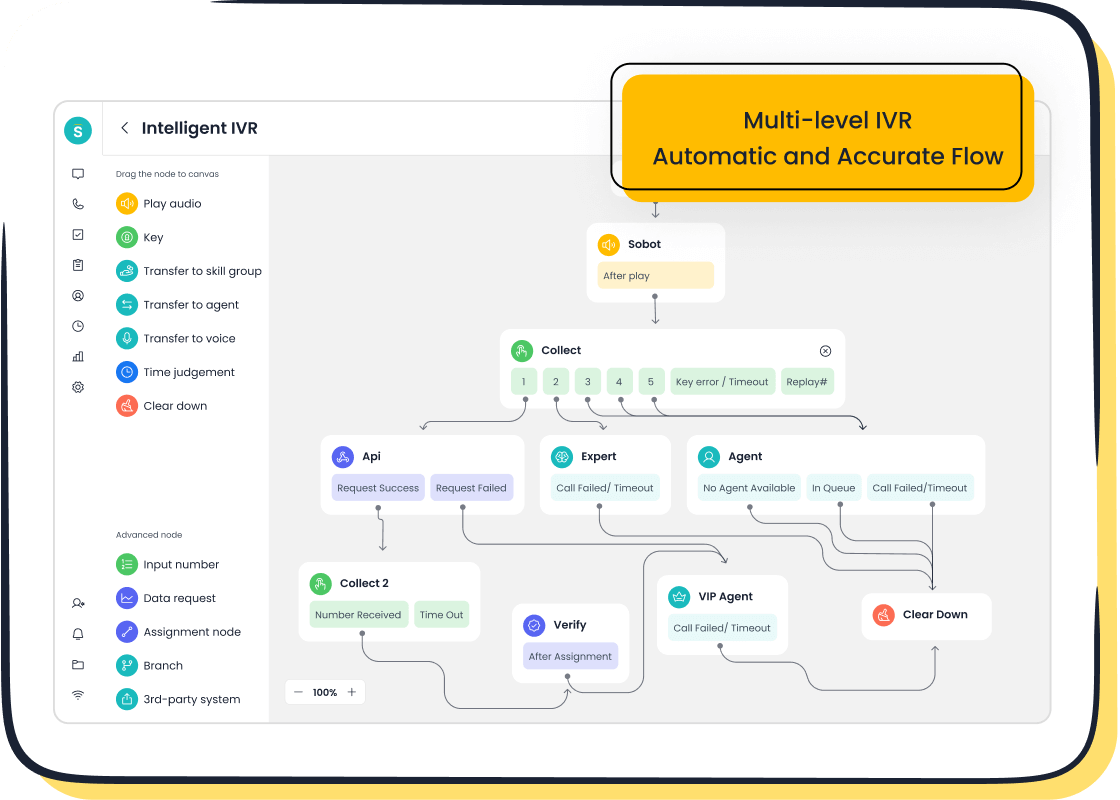
Sobot Voice/Call Center Integration
Sobot’s Voice/Call Center shows how technology supports a service mindset. You can use features like intelligent IVR, smart call routing, and real-time analytics to improve every customer interaction. Sobot’s platform helps you answer calls faster and solve problems on the first try. The results speak for themselves:
| Metric | Improvement |
|---|---|
| Reception Efficiency | Increased by 48% |
| Average Handle Time | Decreased by 41% |
| First-Contact Resolution Rate | Improved by 54% |
You can see how Sobot’s solutions help you deliver excellent customer service and build lasting customer relationships. Explore Sobot’s Voice/Call Center here.
Key Elements of Service Mindset
A strong service mindset forms the foundation for every great customer service experience. You can break this mindset into several key elements. These elements act as the building blocks of excellent customer service. When you focus on these areas, you help your team deliver better results and create lasting relationships with your customers.
Note: The table below highlights the most critical elements of a service mindset in customer service literature.
| Critical Element | Description |
|---|---|
| Customer-Centric Support Services | Essential for enhancing customer experience throughout the customer journey. |
| Incorporation into Business Strategy | Customer support should be integrated into overall business strategy to address support needs. |
| Key Roles of Customer Support | Includes providing information, facilitating decision-making, building relationships, and upselling. |
Understanding Needs
You must understand what your customers want and need. This skill helps you create a better experience for everyone who contacts your team. When you listen carefully and ask the right questions, you can solve problems faster and make customers feel valued.
Sobot’s omnichannel solution gives you a unified workspace. You see all customer data in one place, so you do not have to ask the same questions again. This saves time and reduces customer effort. For example, when a customer reaches out through chat, phone, or email, Sobot’s platform shows their history and preferences. You can personalize your service and address their needs right away.
Tip: Satisfied customers tend to return for future purchases. When you make them feel valued and appreciated, you foster loyalty.
The benefits of understanding customer needs in a contact center include:
| Benefit | Explanation |
|---|---|
| Enhance customer satisfaction | Anticipating and addressing customer needs proactively creates seamless experiences, leading to loyalty. |
| Reduce customer effort | Minimizing the effort required for customers to resolve issues improves satisfaction and loyalty. |
| Improve first-contact resolution | Understanding needs allows for issue resolution in the first interaction, enhancing efficiency. |
| Increased customer lifetime value | Meeting and exceeding expectations fosters long-term relationships, resulting in repeat business. |
You can see these benefits in action with Sobot’s AI-powered chatbots. These bots handle simple questions, so agents can focus on complex needs. This approach improves first-contact resolution and builds trust with your customers.
Ownership and Accountability
You play a key role in customer service when you take ownership and show accountability. When you own a problem, you do not pass it to someone else. You follow through until you find a solution. This attitude builds trust and shows customers that you care about their experience.
Low ownership and accountability can slow down decision-making and create a culture of fear. This makes it hard for agents to respond quickly to customer needs. When you feel empowered to make decisions, you act faster and deliver better outcomes. Managers at Sobot encourage agents to take responsibility for each case. They provide training and support, so you feel confident handling any situation.
For accountability to exist, you must face consequences for your actions. This principle helps you develop a sense of ownership. When you know your actions matter, you work harder to deliver great service. Sobot’s agent training programs focus on this value. You learn how to track your performance and improve with each interaction.
Callout: When you take ownership, you help your team build a positive culture. This leads to better customer service and stronger relationships.
Proactive Service
Proactive service means you do not wait for problems to happen. You look ahead and try to solve issues before they affect your customers. This approach sets you apart from other teams and creates a memorable experience.
Research shows that proactive service behavior from employees significantly enhances customer satisfaction. When you reach out to customers before they ask for help, you show that you care about their needs. This can lead to better business results and more loyal customers.
Sobot’s omnichannel platform helps you deliver proactive service. For example, the system can send reminders, updates, or alerts to customers automatically. If a customer’s order is delayed, you can notify them before they call to ask. This reduces frustration and builds trust.
You can also use Sobot’s analytics tools to spot trends and address common issues. When you see that many customers have the same question, you can update your chatbot or FAQ. This keeps your service fresh and relevant.
Communication Skills
Great communication skills are essential for every customer service agent. You need to listen, speak clearly, and show empathy. These skills help you build strong relationships and solve problems quickly.
The table below lists the top communication skills for high-performing customer service teams:
| Skill | Description |
|---|---|
| Active Listening | Listen without interrupting and summarize customer concerns to show understanding. |
| Empathy | Use emotional intelligence to understand issues and build positive relationships. |
| Clarity in Communication | Convey complex information simply and effectively for productive conversations. |
| Patience | Stay calm, especially with frustrated customers, for effective communication. |
| Positive Language | Use positive alternatives to create a more constructive dialogue. |
| Problem-Solving Abilities | Think on your feet and handle unexpected situations without sounding rude. |
Sobot’s agent training programs focus on these skills. You practice active listening and learn how to use positive language. The unified workspace helps you access customer information quickly, so you can respond with clarity and confidence.
Tip: When you use empathy and patience, you turn difficult situations into opportunities to build trust and loyalty.
You can see the impact of strong communication skills in every customer interaction. When you listen and respond with care, you create a positive experience. This helps you build long-term relationships and sets your team apart.
Building Service Mindset in Organizations
Training and Culture
You build a strong customer service mindset by focusing on training and culture. Training shapes how you approach every customer interaction. The most effective methods help you align your actions with core values and create a customer-centric mindset. You develop problem-solving skills, learn to listen, and show empathy. These skills become the building blocks of excellent customer service.
- Align training with your company’s core values.
- Practice problem-solving in real customer scenarios.
- Learn to listen and understand customer frustrations.
- Work in a supportive environment where you feel valued.
Organizational culture plays a big role in shaping your approach. A strong customer service culture encourages teamwork, open communication, and collaboration. Leaders teach you the value of customer service and help you see how your actions affect the customer experience. When you feel engaged and empowered, you deliver better service and build stronger relationships.
Leadership Support
Leaders set the tone for customer service in your organization. They create a customer-focused culture and inspire you to put the customer first. Leadership support helps you stay committed to delivering great service at every level. When leaders show that customer satisfaction matters, you feel motivated to do your best.
- Leaders establish a clear vision for customer service.
- They inspire you by showing their own commitment.
- They make customer satisfaction a priority for everyone.
A customer service mindset grows when leaders support you and give you the tools you need. You feel confident making decisions that help the customer. This support builds trust and loyalty, both inside your team and with your customers.
Sobot & Samsung Case Study
You can see the impact of a service mindset in real life with Sobot and Samsung. Samsung wanted to improve its customer experience and unify its service channels. By working with Sobot, Samsung created a seamless system for handling customer inquiries. Agents accessed all customer information in one place, which helped them solve problems faster and build better relationships.
| Challenge | Solution with Sobot | Result |
|---|---|---|
| Fragmented communication | Unified contact center | 30% increase in agent efficiency |
| Repetitive questions | Integrated customer data | 97% customer satisfaction |
| VIP customer needs | Customized video support | Stronger loyalty and trust |
This case shows how a customer service mindset, supported by the right tools and culture, leads to better experiences and lasting relationships. You can learn from Samsung’s example and apply these steps in your own organization.
You shape every customer experience by using a strong service mindset. When you focus on customer needs, you build trust and loyalty. Research shows that 73% of people value a good experience, and 86% will pay more for better service. Sobot’s solutions help you apply these principles every day. You can improve customer satisfaction, strengthen relationships, and drive long-term business success by practicing emotional intelligence, goal-oriented focus, and proactive problem-solving.
FAQ
What is a service mindset in customer service?
A service mindset means you focus on helping others. You look for ways to make each customer feel important. You do more than answer questions. You try to create a positive experience every time.
How does a service mindset improve customer satisfaction?
You improve satisfaction by listening, showing empathy, and solving problems quickly. When you care about each customer’s needs, you build trust. This leads to happier customers and stronger relationships.
Why is ownership important in customer service roles?
Ownership means you take responsibility for solving problems. You do not pass issues to others. You follow through until the customer feels satisfied. This builds trust and shows you care about their experience.
What are some ways to build a service mindset in a team?
You can build a service mindset by offering training, encouraging teamwork, and rewarding positive behavior. Leaders should set a good example. Teams that share knowledge and support each other deliver better service.
How can technology support a service mindset?
Technology helps you respond faster and track customer information. Tools like unified workspaces and chatbots let you focus on complex needs. You use technology to make service more personal and efficient.
See Also
Transforming Customer Support With AI Service Agents
Enhance Customer Satisfaction With These 10 Live Chat Tips
Improve SaaS Customer Support Using Live Chat Techniques
Comparative Analysis of Leading Voice of Customer Tools
Essential Practices for Effective Call Center Quality Management