What Makes a Strong Service Manager Job Profile in 2025


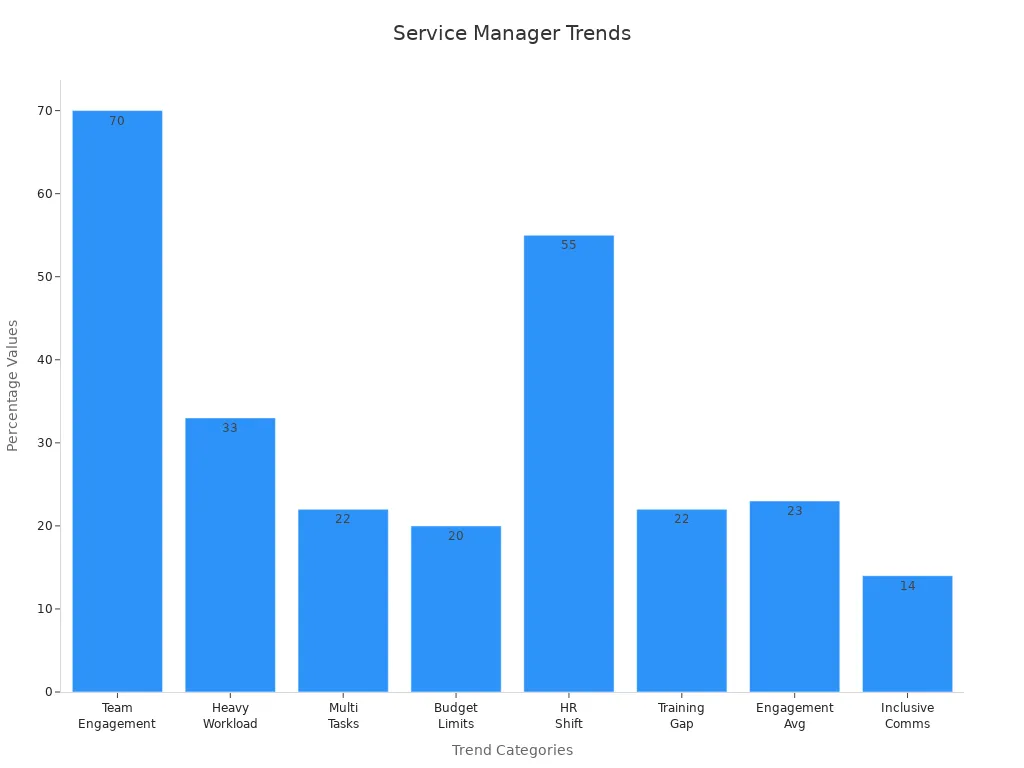
You know a strong service manager job profile in 2025 stands out by blending leadership, customer focus, and tech skills. Managers drive 70% of team engagement, but 33% face heavy workloads and 22% juggle many tasks. You need to adapt fast as digital tools and omnichannel experiences shape customer expectations. Solutions like Sobot AI help you deliver seamless support, automate tasks, and boost efficiency.
Service Manager Job Profile 2025
Evolving Responsibilities
You will notice that the service manager job profile in 2025 looks very different from just a few years ago. Digital transformation has changed almost everything about how you work. Now, you need to manage digital workflows, use AI tools, and help your team adapt to new technology. You do not just solve problems—you lead your team to reach operational excellence every day.
Here are some ways your responsibilities have evolved:
- You use AI and automation to schedule tasks and reduce costs.
- You rely on real-time data from IoT devices to fix problems before they grow.
- You give your team mobile tools so they can help customers faster.
- You focus on customer experience, making sure every interaction feels personal.
- You manage digital platforms like Sobot to keep all your channels connected and your team working smoothly.
Did you know? In 2025, over 94% of organizations are working on digital transformation. Only 18% of businesses do not depend on digital tools. This means almost every customer service manager must master digital skills and lead change.
You also need to track key performance indicators (KPIs) to measure your success. Here is a quick look at the most important ones:
| KPI Category | Key Numerical Indicators |
|---|---|
| Customer Experience | Customer Effort Score (CES), Customer Satisfaction (CSAT), Net Promoter Score (NPS), Customer retention rates |
| Employee Productivity | Digital skill assessment, Digital adoption rates, Employee satisfaction ratings, Error rates, Time-to-market |
| Financial Returns | Return on digital investment, Cost-benefit analysis, Revenue from digital technology, Profit margin |
| Technology Adoption | Digital maturity, Percentage of cloud deployment, Percentage of AI-enabled processes, Innovation rate |
| Project Management | On-time completion rate, On-budget completion rate, Scope creep, Resource utilization |
| Organizational Change | Digital adoption rate, Time-to-adoption, Change success rate, Organizational agility, Employee engagement |
| Business Process | Cycle time of business processes, Throughput, Error rate, Cost and quality of business output |
These numbers help you see where you stand and where you can improve your service management practices.
Industry Standards
You want your service manager job profile to match the best in the industry. Companies now use clear benchmarks to set expectations for customer service managers. They look at core responsibilities, skills, and experience. They also check market data from trusted sources like Mercer and O*NET to make sure you get fair pay and a clear job description.
- Most companies update their standards every six months to keep up with new trends.
- They ask experts and managers for feedback to make sure the standards fit real needs.
- They compare your role to similar jobs, like project managers, to set fair pay and duties.
You also need to focus on operational excellence. This means you always look for ways to improve, use data to make decisions, and help your team grow. Strategic planning and vision are now part of your daily work. You do not just react to problems—you plan ahead and lead your team to success.
SaaS spending is rising fast, with forecasts showing $299 billion in 2025. AI tools are everywhere, and you must manage risks and costs. You also need to keep up with new pricing models and make sure your team uses the right tools. Sobot helps you do this by offering unified platforms and analytics, so you can focus on what matters most—helping your customers and reaching operational excellence.
Core Service Delivery Manager Skills
Leadership and Team Collaboration
You play a huge role in shaping your team's success. Great leadership and team collaboration go hand in hand. When you lead well, your team feels motivated and confident. Studies show that leadership development boosts skills like conflict resolution, motivating others, and coping with change. These skills help your team work together better and deliver great results.
- Leadership training improves confidence and satisfaction.
- Teams with strong leaders solve problems faster.
- Shared responsibility builds trust and accountability.
A study with 164 participants found that collective leadership led to a clear jump in team performance. Teams worked better together and reached their goals more often. When you encourage everyone to take part, you create a culture where people feel engaged and ready to help each other. This is the heart of strong service delivery manager skills.
Tip: Use digital tools like Sobot to keep your team connected. Sobot’s unified workspace helps everyone see updates, share feedback, and stay on track.
Communication Skills
You need strong communication and stakeholder management skills to succeed as a service delivery manager. Clear communication helps you share goals, explain changes, and solve issues quickly. When you talk openly with your team and customers, you build trust and avoid confusion.
Research shows that training in communication skills leads to better care and higher quality service. In one study, nurses who took communication training improved their skills and the care they gave. The results were clear: better communication meant better outcomes for everyone.
You can use tools like Sobot’s omnichannel platform to bring all your messages into one place. This makes it easy to answer questions, update your team, and keep customers happy. When you manage all channels in one system, you save time and reduce mistakes.
Problem-Solving
Every day, you face new challenges. Problem-solving and critical thinking help you find the best answers fast. You need to spot issues, think through solutions, and act quickly. Good problem-solving and critical thinking skills keep your team moving forward.
Let’s look at some real numbers:
| Metric | What It Means | Why It Matters |
|---|---|---|
| Problem Backlog | Unresolved problems in the queue | Helps you see where to focus first |
| Problem Resolution Cost | Average cost to fix a problem | Shows where you can save money |
| SLA Compliance Rate | Problems solved within set timeframes | Proves you deliver on your promises |
| Automation | Using tools to speed up problem-solving | Cuts down manual work and errors |
Companies like Arcos Dorados improved efficiency by putting all service desks on one platform. Mirgor saved 2,500 hours by using automation. You can do the same with Sobot’s ticketing system. It automates ticket creation, routes issues to the right person, and tracks progress. This means you spend less time on manual tasks and more time helping your team and customers.
Remember: The best service delivery manager skills help you lead, communicate, and solve problems every day. When you use the right tools and focus on your team, you set yourself up for success.
Customer Service Management Skills
Customer Focus
You can’t deliver great service without a customer-centric mindset. When you put customer needs first, you build trust and loyalty. Surveys show that 76% of people expect connected experiences across all channels, but more than half feel their service is fragmented. This gap means you need to listen to feedback and act fast. Companies that use customer-centric strategies see better results, like higher customer satisfaction and more repeat business.
- Surveys help you spot pain points and improve your service.
- Regular feedback shows customers you care about their opinions.
- Market research helps you stay ahead of trends and meet customer needs.
| Metric Name | Description | How It Validates Customer Focus Impact on Service Outcomes |
|---|---|---|
| Customer Satisfaction Score (CSAT) | Measures customer satisfaction with a product, service, or interaction via numeric survey ratings. | High CSAT scores indicate satisfied customers, reflecting effective customer-focused service. |
| Customer Effort Score (CES) | Assesses ease of customer interaction and effort required to resolve issues. | Lower effort scores correlate with higher satisfaction and retention, showing service improvement. |
| Net Promoter Score (NPS) | Quantifies customer loyalty and likelihood to recommend via a single survey question. | High NPS indicates strong customer loyalty and potential for organic growth through referrals. |
You can use Sobot’s omnichannel solution to unify all your channels and make sure every customer gets a seamless experience. This helps you respond faster and personalize every interaction, which boosts customer advocacy and satisfaction.
Emotional Intelligence
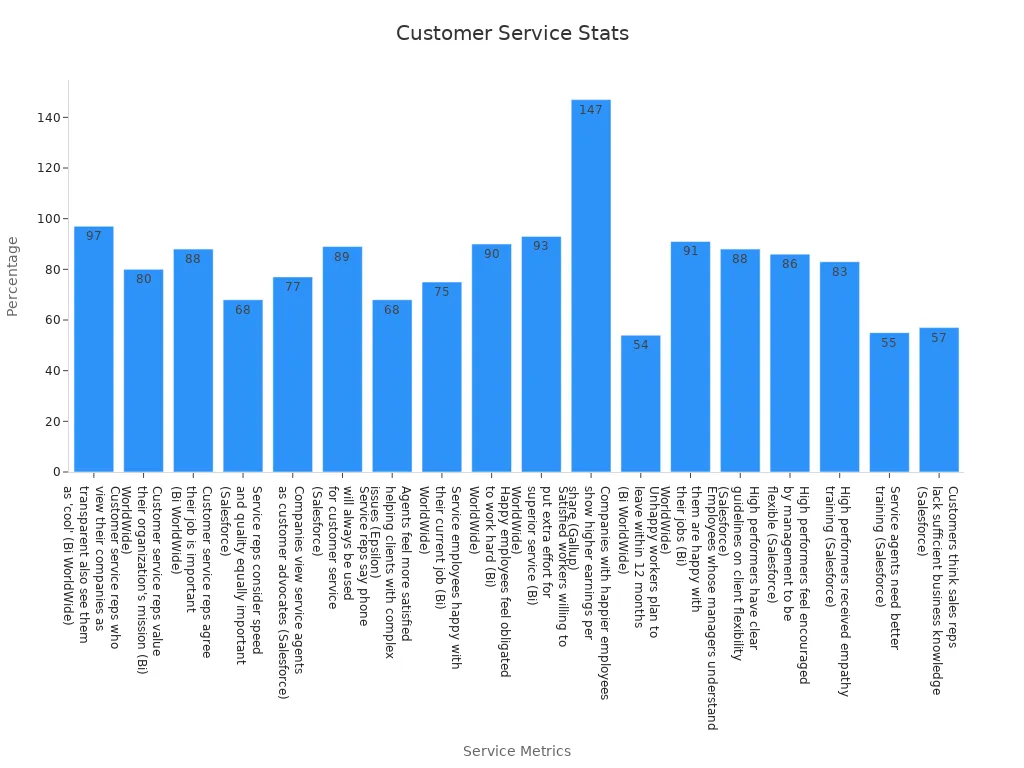
Emotional intelligence helps you connect with customers and your team. When you understand how others feel, you can solve problems before they grow. Research shows that 83% of high-performing service reps have received empathy training. This skill helps you handle tough situations and keep customers happy.
Tip: Happy employees are 13% more productive, and 93% of satisfied workers go the extra mile for customers. When you show empathy, you inspire your team to do their best.
Sobot’s unified workspace gives you all the customer information you need in one place. This makes it easier to understand customer emotions and respond with care. When you use tools that support emotional intelligence, you create better customer experiences and drive customer advocacy.
Conflict Resolution
You will face conflicts in customer service, but strong customer service management skills help you turn problems into opportunities. The Thomas-Kilmann Conflict Model shows five ways to handle conflict: Avoiding, Competing, Accommodating, Collaborating, and Compromising. The best service managers aim for collaborating or compromising to find solutions that work for everyone.
- Listen to the customer and show you understand their concerns.
- Stay calm and keep emotions in check.
- Offer clear solutions, like refunds or replacements, when needed.
- Use data from Sobot’s ticketing system to track issues and spot patterns.
| Case Study | Industry | Conflict Context | Conflict Resolution Outcome |
|---|---|---|---|
| Telecom Provider | Telecom | Post-merger cultural integration issues causing customer satisfaction and turnover problems | Enhanced conflict resolution processes to improve collaboration and retention |
| Luxury Retail Company | Luxury Retail | Cultural conflicts affecting team cohesion and customer service quality | Implemented conflict resolution framework to maintain high customer experience standards |
| Solar Energy Provider | Renewable Energy | Internal conflicts causing 25% drop in productivity, 15% project delays, 20% turnover | Implemented strategic conflict management framework improving productivity and stakeholder relations |
You can train your team to adapt their approach based on each situation. When you resolve conflicts well, you boost customer advocacy and keep satisfaction high.
Effective Customer Service with Technology
Digital Tools and Automation
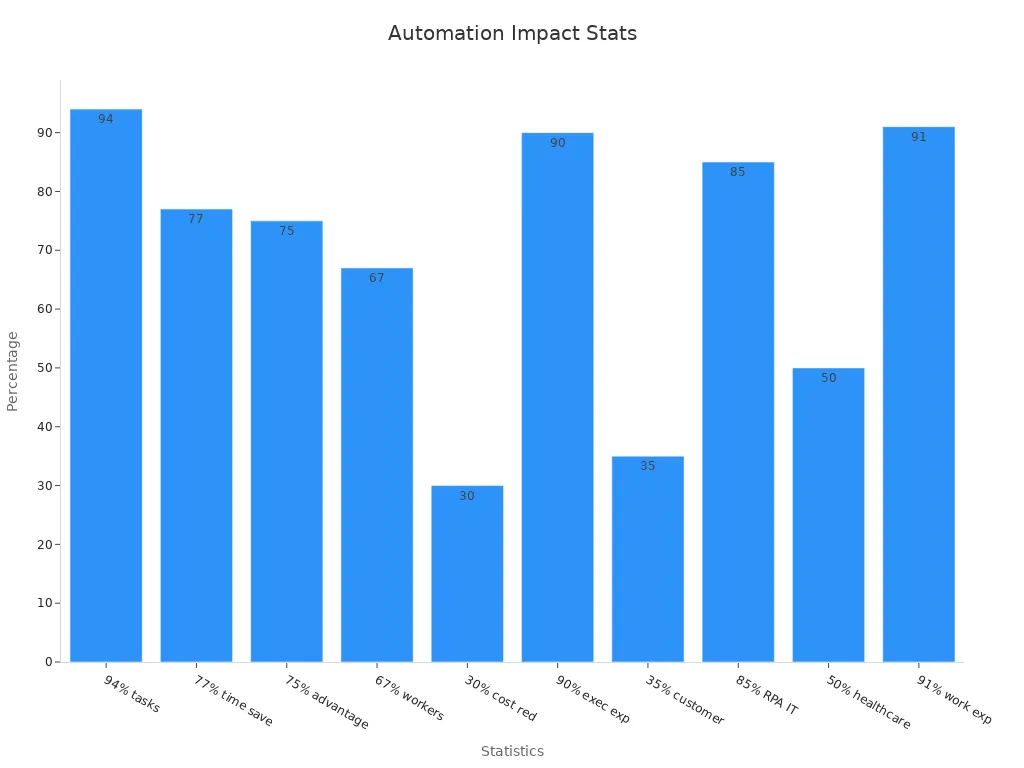
You need the right digital tools to deliver effective customer service. Technology speeds up communication and helps you avoid losing customers because of long wait times. Did you know that 75% of businesses lose customers when they make people wait too long? Automation and self-service options give customers quick answers and save your team time. You can use live chat, chatbots, and IVR menus to handle simple questions, while your team focuses on more complex support. These tools also help you cut costs and work smarter.
Here’s a quick look at how automation changes service management:
| Statistic Description | Impact on Service Management Performance | Source |
|---|---|---|
| Automation market to reach $19.6B by 2026 | Big growth in automation for service delivery | Markets and Markets |
| 94% see automation as an opportunity | Most businesses want to use automation for support | Kissflow |
| Automation saves up to 77% of time | Teams get more done, faster | Gitnux |
| 75% say automation gives a competitive edge | Automation helps you stand out | Gitnux |
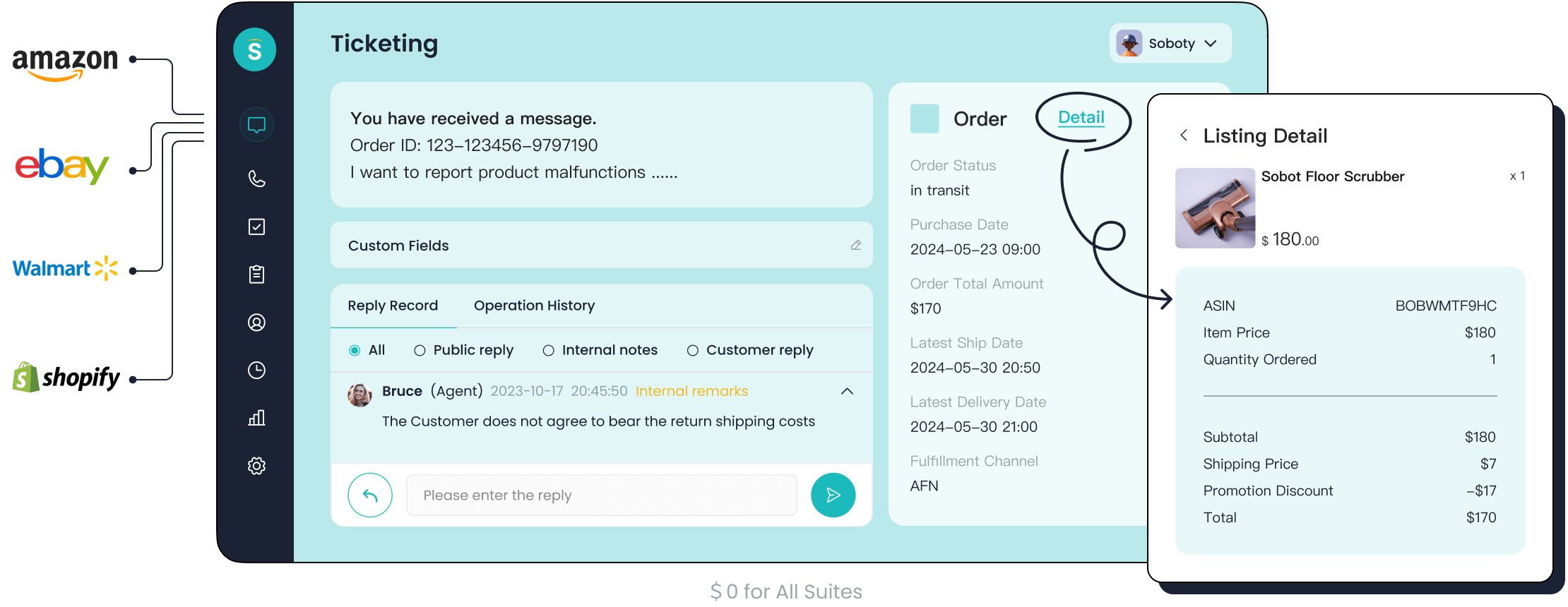
Sobot Ticketing System
You want a tool that keeps everything organized. The Sobot Ticketing System acts as your central hub for support. It brings together live chat, ticketing, and customer messages in one place. This setup helps you answer questions faster and keeps your team on track. The system is easy to use, so your agents can jump in and start helping customers right away. Sobot also lets you set up custom workflows, track ticket status, and manage SLAs. This means you spend less time sorting through emails and more time giving great support.
OPPO, a global smart device brand, used Sobot to handle a surge in customer questions. By using Sobot’s chatbot and ticketing system, OPPO reached an 83% chatbot resolution rate and a 94% positive feedback rate. Their team could focus on complex issues, while Sobot handled the rest. This real-world example shows how the right tools can boost your service delivery and customer satisfaction.
Omnichannel Solutions
You want your customers to reach you on any channel—chat, email, phone, or social media. Sobot’s omnichannel solution lets you manage all these channels from one platform. This makes it easy to give customers a smooth, personal experience every time. Companies that use omnichannel support keep 91% of their customers, according to Aberdeen Group. You can also use AI and automation to answer questions faster and keep your team focused on what matters most.
When you use omnichannel tools, you build stronger relationships and improve your support. Customers get quick answers, and your team works more efficiently. This is the future of effective customer service.
Skill Development and Certification
Training and Upskilling
You need to keep learning if you want to stay ahead in your service manager job profile. Technology changes fast. Companies now expect you to adapt quickly and pick up new service delivery manager skills. A LinkedIn Learning report found that 94% of employees would stay longer at a company that invests in their learning. Over 86% of businesses plan to use advanced tech like AI for training. This shows how important upskilling is for your career.
- Continuous learning helps you keep up with industry changes.
- Upskilling sharpens your current skills, while reskilling teaches you new ones.
- You can spot skill gaps by using feedback, performance data, and industry trends.
- Microlearning, peer learning, and mentorship make learning part of your daily work.
If you use tools like Sobot, you can access training resources and analytics that help you track your progress. Sobot’s unified platform also makes it easier to learn new customer service management skills as you work.
| Statistic / Trend | Figure | Implication |
|---|---|---|
| Employees who want more skill development | 55% | High demand for learning |
| Employees who stay longer with training | 94% | Training boosts loyalty |
| HR managers who value training for hiring | 83% | Training attracts talent |
Recommended Certifications
Certifications can boost your service manager job profile and open new doors. Many service delivery manager skills are in high demand, especially those tied to process improvement and data management. Certifications like Six Sigma and CompTIA Data+ show employers you have what it takes.
| Certification Level | Average Salary (USD) | Salary Range (USD) | Common Industries |
|---|---|---|---|
| Yellow Belt | $76,000 | $55,000 – $95,000 | Healthcare, Manufacturing, Admin Support |
| Green Belt | $116,500 | $91,000 – $135,000 | Manufacturing, Healthcare, Finance |
| Black Belt | $128,300 | $109,000 – $147,200 | Technology, Engineering, Operations |
| Master Black Belt | $163,600 | $141,000 – $186,000 | Corporate Strategy, Quality Management |
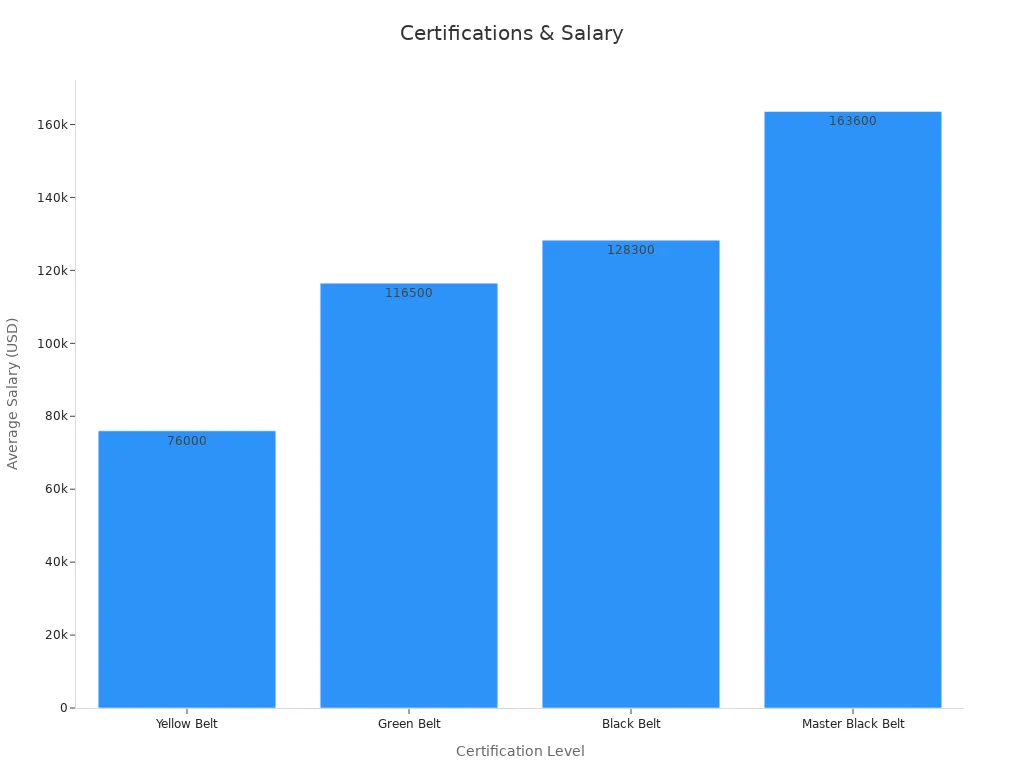
Certifications in data analysis, like CompTIA Data+, help you manage data-driven customer service management skills. These credentials show you can handle analytics, security, and operational efficiency—key for using platforms like the Sobot Ticketing System.
Showcasing Skills
You want employers to notice your service manager job profile. Start by customizing your resume to highlight both hard and soft skills. Use real examples to show your leadership, communication, and problem-solving abilities. List your experience with tools like Sobot and the Sobot Ticketing System to prove your tech skills.
- Tailor your resume for each job.
- Use a combination format to show skills and work history.
- Give examples of how you solved problems or led teams.
- Highlight your experience with customer service management skills.
- Prepare for interviews with stories about your achievements.
- Show enthusiasm and ask smart questions.
- Follow up after interviews to reinforce your interest.
Employers want to see that you can adapt, learn fast, and use the latest tools. When you showcase your service delivery manager skills and certifications, you stand out in a crowded field.
Trends Shaping Service Manager Roles

AI and Automation
You see AI and automation changing your daily work as a service manager. These tools help you finish tasks faster and make fewer mistakes. For example, DHL used AI to plan delivery routes, which made deliveries quicker and saved fuel. AI can boost global productivity by up to 64% and raise GDP by 14% by 2030 (PwC). Many companies now use AI chatbots to answer customer questions right away, even after hours. This means your team can focus on complex problems while AI handles simple ones. Sobot’s AI-powered ticketing system lets you automate ticket routing and responses, which supports operational excellence and keeps your team focused on what matters most. You also see innovation in customer engagement as AI helps you give customers quick, personal answers.
- AI-driven scheduling helps your team finish more jobs each day.
- Predictive maintenance tools spot problems before they grow.
- Chatbots improve customer engagement and satisfaction.
Data-Driven Decisions
You need to make smart choices based on facts, not just guesses. Data analysis and performance metrics help you see what works and what needs to change. Many service managers now follow a step-by-step model:
- Define the problem.
- Collect data from feedback, sales, and research.
- Analyze the data using charts or machine learning.
- Find trends and patterns.
- Make decisions based on what you learn.
- Watch the results and adjust as needed.
About 25% of companies use data for almost every big decision, and 44% use it for most choices (MIT Sloan). Sobot’s analytics tools give you real-time insights, so you can track customer engagement and improve operational excellence. You see more innovation in customer engagement when you use data to personalize service and solve problems quickly.
Diversity and Inclusion
You want your team to feel valued and included. Diversity and inclusion lead to more innovation, better decisions, and higher engagement. Teams with different backgrounds come up with new ideas and solve problems in creative ways. When you support diversity, you also build trust and loyalty, which helps with customer advocacy. Leaders who focus on inclusion see better team performance and happier employees. You can set clear goals, listen to your team, and check your progress often. Sobot’s unified workspace makes it easy to connect everyone, no matter where they are, and supports innovation in customer engagement by bringing together different voices and ideas.
Tip: Make diversity and inclusion part of your business strategy, not just an HR task. This helps your team grow and keeps your service fresh and creative.
You need a strong mix of service delivery manager skills to stand out in your service manager job profile for 2025. Great communication, leadership, and adaptability matter most. Check out these key traits:
| Skill / Trait | Statistic or Insight |
|---|---|
| Effective Communication | 86% link failures to poor communication |
| Leadership Skills | Boost business results by 23% |
| Emotional Intelligence | Exceed revenue targets by 20% |
| Adaptability | 90% of leaders say it is crucial |
| Continuous Learning | Drives innovation and growth |
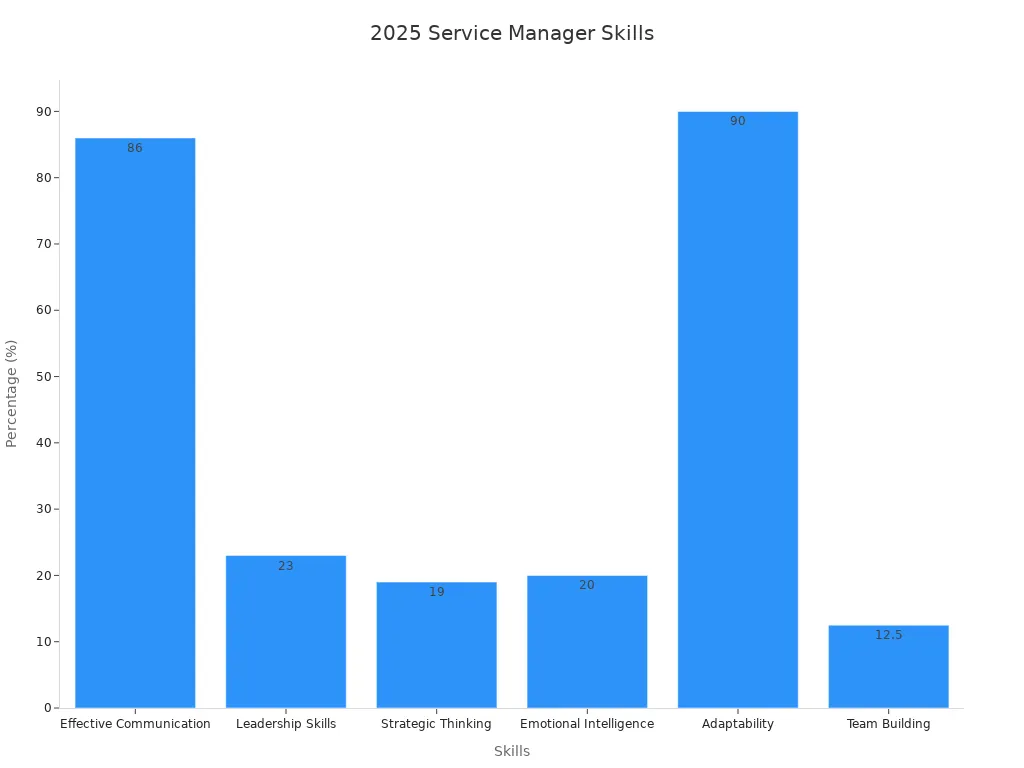
You can use Sobot’s all-in-one platform to build your customer service management skills, lead your team, and keep learning. Stay ahead by embracing technology and focusing on your growth as a service manager.
FAQ
What skills do you need for a strong service manager job profile in 2025?
You need leadership, communication, and digital skills. Service delivery manager skills like problem-solving and adaptability matter most. Companies want you to use tools like the Sobot Ticketing System to boost customer advocacy and improve customer service management skills.
How does technology help with customer service management skills?
Digital tools make your job easier. For example, the Sobot Ticketing System automates ticket routing and tracks issues. This helps you solve problems faster and keeps customers happy. Over 94% of companies use digital tools to improve service manager job profiles.
Why is customer advocacy important for a service manager job profile?
Customer advocacy means your customers trust you and recommend your service. When you focus on customer service management skills and use platforms like Sobot, you build loyalty. Companies with strong customer advocacy see higher retention and better reviews.
What makes the Sobot Ticketing System stand out?
Sobot Ticketing System brings all your channels together. You can manage emails, chats, and calls in one place. It supports multilingual tickets and automates workflows. This helps you deliver top-notch service and strengthens your service delivery manager skills.
How can you develop your service delivery manager skills?
You can join training programs, earn certifications, and use feedback to improve. Many managers use Sobot’s analytics to track progress. Upskilling helps you stay ahead in your service manager job profile and keeps your customer service management skills sharp.
See Also
Discover The Leading Cloud Contact Centers For 2025
Best Ten Customer Service Software Solutions For 2024
2024 Reviews Of The Best Cloud Contact Center Services

