Self-Care for Customer Service: Key to Better Communication


You probably notice how your mood shapes your conversations with customers. When you practice self-care, you boost your clarity, empathy, and patience. Satisfied employees create better customer experiences—businesses with happy teams see 81% higher customer satisfaction. Self-care helps you stay sharp and calm, even on tough days. Sobot believes in supporting you with self help customer service tools that make your work smoother. How does your well-being change the way you connect with customers?
Workplace Burnout and Communication Challenges
Recognizing Burnout in Customer Service
You might notice burnout sneaking up on you during busy days. It can show up in many ways. Here are some common signs you may spot in yourself or your team:
- You feel frustrated with customers or coworkers more often.
- You sense you’re stuck and can’t change things at work.
- You feel tired, even after a weekend off.
- You dread going to work each day.
- Small problems make you feel stressed or agitated.
- You worry about your performance and relationships at work.
- You work longer hours but don’t see progress.
- Your body feels the effects—headaches, stomach issues, or changes in posture.
- You make more mistakes on tasks you usually handle well.
- You start to feel indifferent or less interested in doing your best.
Burnout doesn’t just affect your mood. It can impact your mental health and make work-related stress harder to manage.
Effects of Burnout on Communication Quality
When burnout hits, your communication skills can suffer. You might find it harder to listen, respond with empathy, or stay patient with customers. Studies show that burnout changes how you interact at work. Take a look at this table:
| Evidence Type | Description |
|---|---|
| Communication Patterns | Burnout leads to lower quality interactions with customers. |
| E-mail Overuse | Too many emails can cause information overload and hurt communication. |
| Control of Communication | Less control over messages increases burnout and weakens communication. |
You may notice more mistakes, shorter tempers, and less energy for positive conversations. Your mental health can suffer, making it tough to handle stress and stay engaged.
Sobot’s Approach to Reducing Burnout
Sobot believes in preventing burnout by supporting your mental health and making your job easier. Sobot’s solutions, like the unified workspace and AI-powered tools, help you manage tasks and reduce stress. OPPO, a global smart device leader, saw real results after using Sobot’s automation. Their customer satisfaction scores went up by 1%. Agents felt less pressure because chatbots handled simple questions, so people could focus on complex issues. This approach helps you stay healthy, happy, and ready to give your best at work.
Tip: Take breaks, ask for help, and use tools that support your mental health. You deserve to feel good at work!
Self-Care Practices for Customer Service Professionals

Taking care of yourself at work is not just a trend. Self-care helps you stay focused, calm, and ready to handle anything your day brings. When you work in customer service, your wellbeing shapes every conversation. Let’s look at some self-care practices that boost your communication and make your workday smoother.
Mindfulness and Mental Clarity
Mindfulness is about paying attention to the present moment. You can use simple self-care habits to clear your mind and improve your focus. When you feel stressed or distracted, it’s hard to listen to customers or solve problems. Mindfulness helps you reset.
Here are some easy ways to practice mindfulness at work:
- Try breathing exercises before you answer calls or switch tasks. Take a deep breath in, hold it, and let it out slowly. This helps you release stress and get ready for the next customer.
- Practice mindful listening. Give your full attention to the person speaking. This makes customers feel heard and helps you avoid misunderstandings.
- Build emotional intelligence. Notice your feelings and reactions. When you understand your emotions, you can respond with more empathy and patience.
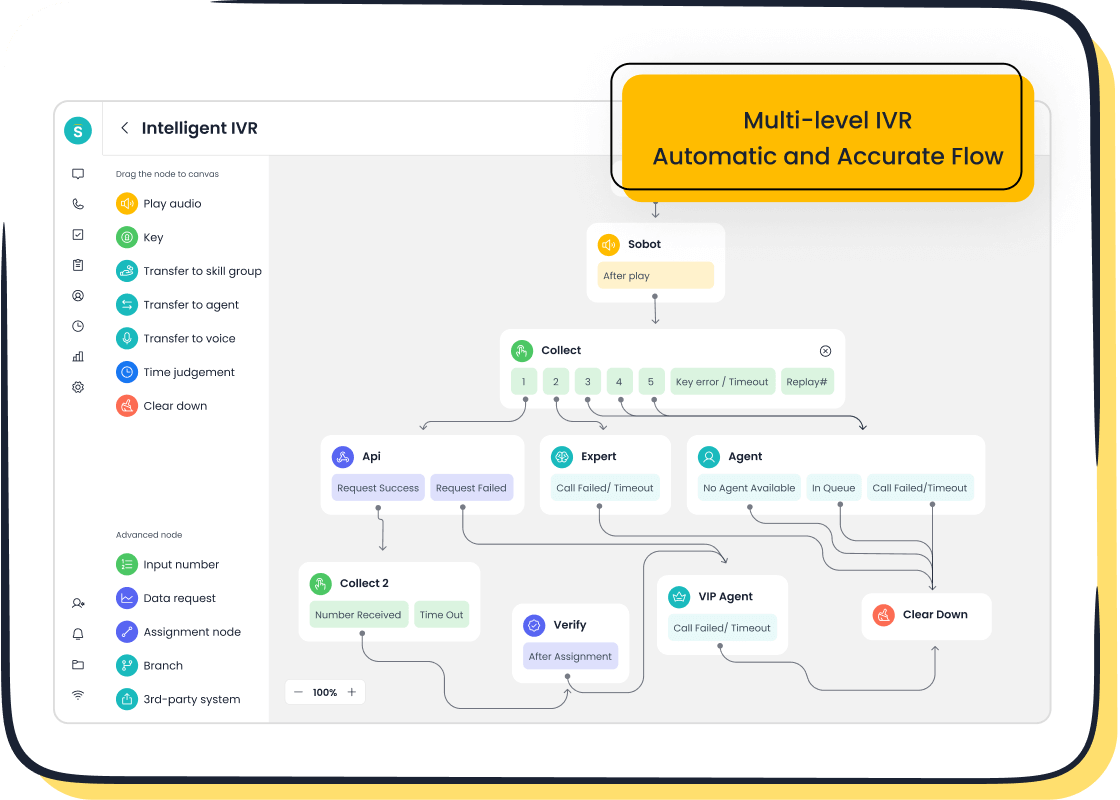
You can use Sobot’s Voice/Call Center features to support your self-care. For example, the unified workspace keeps all your customer information in one place. You don’t have to jump between screens, so you can focus on each call. Real-time monitoring lets you see your performance and take breaks when you need them. These tools help you protect your mental health and stay sharp.
Tip: Set a reminder to pause and breathe every hour. Even a short break can boost your mental clarity and wellbeing.
Physical Health and Energy Management
Your body needs care just like your mind. Physical self-care gives you the energy to stay positive and productive all day. When you feel good physically, you communicate better and handle stress with ease.
Let’s see how physical health supports your work:
| Benefit | Description |
|---|---|
| Increased Energy | Regular physical activity boosts energy levels and brain power. You feel more alert and ready for each customer. |
| Improved Mental Health | Exercise helps manage stress, anxiety, and low moods. You enjoy your job more and feel satisfied at work. |
| Enhanced Creativity | Moving your body gets your brain working. You solve problems faster and come up with new ideas. |
You don’t need a gym membership to practice self-care. Try these simple steps:
- Stand up and stretch every hour. This keeps your body loose and your mind awake.
- Drink water throughout your shift. Staying hydrated helps you think clearly and feel your best.
- Take a quick walk during breaks. Even a few minutes outside can refresh your energy and mood.
Sobot’s Voice/Call Center makes it easier to manage your workload. With features like smart call routing and automated tasks, you get more time for self-care. You can step away for a short break without worrying about missing important calls. This balance supports your wellness and boosts your performance.
Emotional Self-Care for Better Communication
Emotional self-care means looking after your feelings and building strong relationships at work. When you feel good emotionally, you connect with customers and coworkers in a positive way. This leads to better outcomes and happier teams.
Here’s how emotional self-care helps you communicate:
- You sense customer emotions and respond in a way that soothes them. This increases customer satisfaction.
- You stay calm under pressure and listen carefully. This helps you solve problems and resolve conflicts.
- You show genuine care and concern. Customers feel valued and are more likely to stay loyal.
You can build emotional self-care with these steps:
- Practice self-awareness. Notice your emotions and how they affect your words and actions.
- Use self-regulation. Take a deep breath when you feel upset. Choose how you respond instead of reacting right away.
- Show empathy. Try to understand how the customer feels. Let them know you care about their experience.
Sobot’s Voice/Call Center supports emotional self-care by giving you tools to track your interactions and review feedback. You can see what works well and where you can improve. This helps you grow your emotional intelligence and build stronger connections.
Note: If you ever feel overwhelmed, reach out to a coworker or supervisor. Support from your team is a key part of self-care and employee wellbeing.
Overcoming Barriers to Self-Care
Many people find it hard to practice self-care at work. You might feel low motivation, not know where to start, or worry about time and costs. You are not alone. Most customer service professionals face these barriers.
Common challenges include:
- Not feeling motivated to start self-care
- Not knowing which self-care activities to try
- Feeling like you don’t have enough support
- Worrying about the cost or time needed for self-care
You can overcome these barriers by learning about self-care practices, asking for encouragement, and using tools that make self-care easier. Sobot’s wellness initiatives, like real-time monitoring and unified workspaces, help you save time and reduce stress. When your company values wellness, you feel more empowered to take care of yourself.
Promoting self-care in your workplace leads to better wellbeing, higher productivity, and improved customer experiences.
Self-care is not just about you. It benefits your whole team and your customers. When you take care of your mental health, physical wellness, and emotions, you create a positive work environment. You feel more balanced, enjoy better work-life balance, and see real improvements in your performance.
Remember, self-care is a journey. Start with small steps and build habits that fit your life. Use the tools and support around you, like Sobot’s Voice/Call Center, to make self-care part of your daily routine. Your wellbeing matters, and so does your happiness at work.
Self Help Customer Service Solutions by Sobot
Unified Workspace for Stress Reduction
You know how juggling multiple screens and channels can drain your energy. Sobot’s unified workspace brings everything together. You see calls, chats, tickets, and customer data in one place. This setup makes self help customer service easier and cuts down on stress. You don’t waste time searching for information. You stay focused and boost your wellbeing. The workspace supports your performance by letting you track conversations and follow up quickly. You feel more in control, which lifts morale and helps you deliver better support.
AI-Powered Tools to Support Self-Care
Sobot’s AI-powered tools work behind the scenes to make your day smoother. The voicebot predicts customer moods and routes calls smartly. You get ready for tough conversations before they happen. The chatbot and live chat offer 24/7 support, so you always have help. These tools give personalized recommendations based on your habits, promoting self-care and supporting self-care. You get reminders for breaks and wellness initiatives. AI can detect changes in your tone and suggest guided breathing sessions. This approach improves employee wellbeing and helps you manage workplace stress.
AI-powered wellness support can reduce burnout by scheduling breaks and adjusting shifts. You keep a healthier work-life balance and see real benefits in productivity.
Real-Time Monitoring to Prevent Burnout
Sobot’s real-time monitoring tools help you spot challenges fast. You see where you struggle with system navigation or repetitive tasks. Managers use this data to streamline workflows and ease workloads. The software reveals hidden time-wasters, so you can focus on what matters. Investing in wellness benefits like real-time monitoring protects employee well-being and boosts overall wellness. You notice improvements in performance and feel more valued at work.
Let’s look at OPPO’s experience with Sobot’s self help customer service solutions:
| Metric | Value |
|---|---|
| Resolution Rate | 83% |
| Increase in Repurchase | 57% |
OPPO saw higher resolution rates and more repeat customers. Their agents felt less pressure and enjoyed better wellbeing. Sobot’s tools made their workplace more efficient and positive.
Promoting self-care and wellness in your team leads to happier employees and better customer experiences.
Linking Self-Care to Customer Experience
Improved Empathy and Patience
When you take care of yourself, you show up for customers with more empathy and patience. You might notice that after a short break or a good night’s sleep, you listen better and respond with more kindness. Here’s how self-care helps you connect:
- Taking breaks lowers stress and helps you refocus after tough calls.
- Setting healthy boundaries keeps you from feeling overwhelmed.
- Eating well and getting enough rest gives you energy and patience.
- Talking with coworkers gives you support and new ideas.
- Thinking positively helps you bounce back from hard moments.
- Relaxation techniques, like deep breathing, calm your mind and help you stay in control.
Many companies now offer training that teaches you how to spot compassion fatigue and build resilience. These programs encourage you to reflect and practice self-care, so you can keep your empathy strong, even on busy days.
Enhanced Customer Satisfaction
When you feel good, your customers notice. Self-care leads to better conversations and happier customers. Studies show that when you engage in self-care, you create value in every interaction. Customers feel heard and respected, which boosts their satisfaction.
| What Happens When You Practice Self-Care? | How It Helps Customers |
|---|---|
| You stay calm and focused | Customers get clear, helpful answers |
| You listen with empathy | Customers feel valued and understood |
| You handle stress better | Customers enjoy a smoother experience |
Sobot’s AI tools make this even easier. They help you respond quickly, personalize your support, and reduce wait times. Over 80% of businesses using AI in customer service report higher satisfaction scores. When you use these tools, you help create a positive customer journey.
Long-Term Benefits for Teams
Self-care doesn’t just help you—it lifts your whole team. When your workplace values self-care, everyone benefits. You see more creativity, better focus, and a happier atmosphere.
When you and your coworkers feel well, you work better together. You solve problems faster, share ideas, and support each other. Teams that practice self-care have higher job satisfaction, less turnover, and fewer sick days.
- Increased productivity
- Reduced turnover
- Improved mental health
- Enhanced workplace culture
- Boosted creativity
You can measure the impact by looking at how customers describe their experience. Are they treated with respect and empathy? Do they get clear information? When you focus on self-care, you help your team shine and your customers leave with a smile.
Self-care helps you prevent burnout and communicate better with customers. Studies show that when you practice self-care, you build emotional resilience and make better decisions at work. Sobot supports you with tools that make self-care simple, like unified workspaces and real-time monitoring. Try one new self-care habit today—maybe a mindful break or a quick stretch. Here are some top self-care strategies:
| Self-Care Practice | Benefit |
|---|---|
| Microbreaks and Movement | Boosts energy and focus |
| Mindfulness Techniques | Reduces stress |
| Healthy Eating and Hydration | Improves mood and clarity |
You deserve to feel your best—at work and in life.
FAQ
What is self-care in customer service?
Self-care means taking steps to protect your mental, physical, and emotional health at work. You might take breaks, drink water, or use tools like Sobot’s unified workspace. Self-care helps you stay positive and handle customer conversations with more patience.
How does self-care improve communication with customers?
When you practice self-care, you feel less stressed and more focused. You listen better and respond with empathy. Customers notice your positive attitude. This leads to better conversations and higher satisfaction scores.
What are some quick self-care tips for busy customer service agents?
Try these self-care ideas:
- Take short breaks every hour.
- Stretch or walk for a few minutes.
- Drink water often.
- Use Sobot’s real-time monitoring to track your workload.
- Practice deep breathing before tough calls.
Can self-care really prevent burnout?
Yes! Self-care helps you manage stress and avoid feeling overwhelmed. Studies show that regular self-care lowers burnout rates. You stay healthier and enjoy your job more.
How does Sobot support self-care for customer service teams?
Sobot offers tools like a unified workspace, AI-powered chatbots, and real-time monitoring. These features make self-care easier. You save time, reduce stress, and focus on what matters—helping your customers.
See Also
Enhancing Customer Satisfaction Through Effective Live Chat Strategies
Top Strategies for Effective Call Center Quality Management
Essential Principles for Quality Management Systems in Call Centers

