The Risks and Rewards of AI Outbound Calls

Sales leaders face a dilemma with AI. They want massive efficiency for outbound sales. However, they fear brand damage from robotic ai cold calling and flawed ai calling. How can teams scale outreach without sacrificing the human relationships that close deals? This guide offers a framework for smart AI calling investment. It clarifies tasks for an ai agent for outbound calls and where human experts, supported by solutions from Sobot like the Sobot call center and Sobot AI, must lead to prevent poor ai cold calling outcomes.
The Rewards: Why AI Drives Sales Growth
Integrating AI into an outbound sales strategy unlocks significant advantages. AI calling platforms empower sales teams to operate at a scale and speed that is impossible to achieve manually. This technology automates repetitive work, freeing human agents to focus on building relationships and closing complex deals. The result is a more productive, cost-effective, and data-driven sales operation.
Achieve Massive Scale and Increased Efficiency
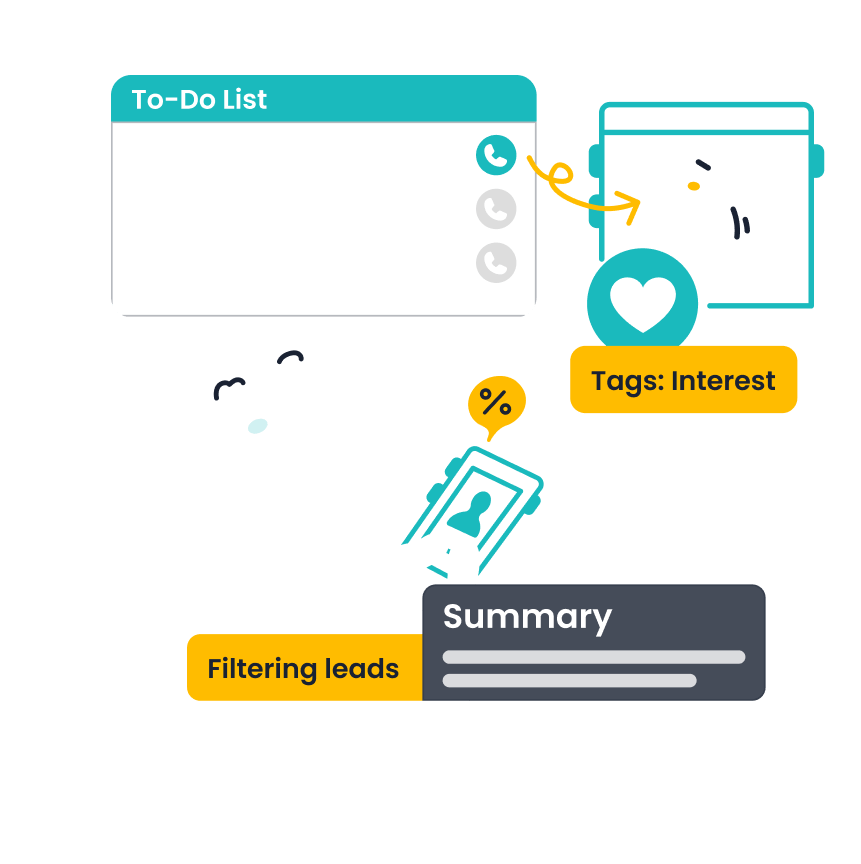
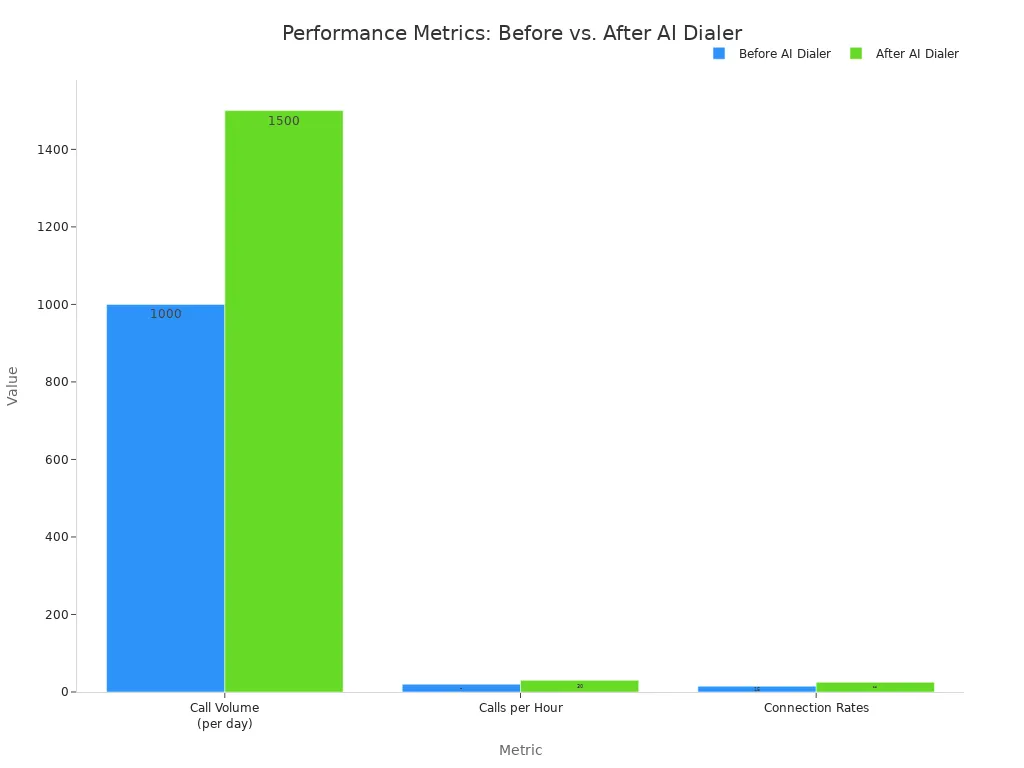
AI calling dramatically boosts team productivity. Platforms like Sobot's Voice for Sales can increase efficiency by up to 79% by automating dialing, task management, and lead prioritization. This increased efficiency allows sales teams to connect with more prospects in less time. AI handles the high-volume, low-yield work, which lets sales representatives focus on valuable conversations. This leads to higher call volumes and better connection rates.
Drive Significant Cost Reduction Per Lead
AI delivers impressive cost efficiency. AI calling agents operate at a fraction of the cost of human agents, directly leading to a lower cost per lead. This allows companies to scale their outreach without a proportional increase in headcount.
| Category | Average Cost Per Lead |
|---|---|
| AI-powered outbound calling systems | $1-$3 |
| Human agents | $8-$15 |
Real-World Results: By implementing a unified AI solution, financial services leader Opay reduced its overall operational costs by 20%. This demonstrates how integrated platforms streamline workflows and create lower operational costs.
Ensure Unyielding Consistency in Messaging
Human conversations vary. AI ensures every prospect hears the same core message, every time. This consistency is vital for brand integrity and accurate lead qualification. AI sales agents follow scripts perfectly, never forget key talking points, and apply qualification criteria without bias. This disciplined approach from AI voice technology can achieve qualification accuracy rates between 85-95%. Consistent messaging ensures all leads are evaluated fairly, improving the quality of opportunities handed to the sales team. An AI phone caller guarantees a uniform brand experience during initial outreach.
Leverage Instant AI Data Capture and Analysis
AI calling transforms every conversation into a source of valuable data. The AI automatically records and transcribes calls, capturing critical information that human agents might miss. It identifies:
- Common objections
- Competitor mentions
- Buying signals
- Customer sentiment
This real-time data capture allows sales leaders to make faster, more informed decisions. They can quickly spot trends, refine scripts, and optimize their sales strategy. The AI provides the insights needed to improve outreach and convert more leads into customers.
The Risks: Critical Downsides of AI Callers
While the rewards of AI are compelling, sales leaders must also weigh the significant risks. Deploying an AI phone caller without a clear strategy can lead to brand damage, legal trouble, and a poor customer experience. Understanding these downsides is the first step toward building a successful hybrid sales model.
Brand Damage From Robotic Interactions
A poorly configured AI can sound unnatural and robotic. This immediately signals to a prospect that they are not speaking with a human, which can erode the human-driven trust essential for meaningful engagement. Customers often hang up on calls that feel impersonal or scripted. This negative first impression can damage a brand's reputation and make future outreach from a human agent more difficult. The goal of initial contact is to build rapport, not create frustration.
Navigating Legal Minefields Like TCPA
The legal landscape for AI calling is complex and full of financial risk. Regulations like the Telephone Consumer Protection Act (TCPA) impose strict rules on automated calls. Violations carry heavy penalties.
The TCPA assesses penalties starting at $500 per illegal call. This amount can triple to $1,500 for willful violations, leading to multi-million dollar settlements for large-scale campaigns.
Recent rulings have expanded these concerns. The FCC now classifies AI-generated voices as "artificial," making their use in AI calling illegal without prior express consent. Furthermore, issues surrounding call recording and data privacy are growing, with many states requiring clear disclosure that an AI is present on the call.
The Lack of Genuine Empathy in AI
An AI can process data, but it cannot feel empathy. This lack of a human element becomes a major liability when a prospect expresses frustration or has a complex problem. A human agent can listen, understand emotional cues, and build trust through genuine connection. An AI, by contrast, follows a script. It cannot replicate the authentic understanding that turns a difficult conversation into a positive engagement. This emotional gap can make the AI seem unhelpful and cold.
Technical Failures and Misinterpretation
AI calling technology is not perfect. Technical glitches can ruin the quality of an interaction. An AI might struggle with:
- Accents or slang
- Poor audio connections
- Unexpected questions
These issues can cause the AI to misinterpret information, repeat itself, or provide irrelevant responses. When AI calling agents fail to understand a customer, it creates a frustrating experience that reflects poorly on the company. A human can navigate these challenges, but an AI often cannot.
The Hybrid Model: Human + AI Collaboration

The most effective outbound sales strategies do not force a choice between human agents and AI. Instead, they blend the strengths of both. The goal is not replacement but augmentation. This hybrid model uses an ai agent for outbound calls to manage high-volume, repetitive tasks. This frees skilled human agents to focus on building relationships and closing deals. It is a partnership where technology empowers people to achieve better results.
The Role of an AI Agent for Outbound Calls
In a hybrid model, the ai agent for outbound calls serves as the engine for top-of-funnel activities. It handles the time-consuming work that often leads to agent burnout. This allows the sales team to operate with maximum efficiency. Key responsibilities for the AI include:
- Automated Lead Qualification: The AI interacts with prospects to ask initial questions and perform lead qualification before passing valuable leads to a human.
- Persistent Multi-touch Follow-up: AI sales agents diligently follow up with prospects across multiple channels, ensuring no lead is forgotten.
- 24/7 Availability: The AI can run outreach sequences around the clock, engaging prospects in different time zones at optimal hours.
- Confirmed Meeting Booking: Once a lead shows interest, the AI seamlessly integrates with sales calendars to book meetings, send invitations, and manage reminders.
This division of labor ensures that human agents spend their time on conversations with the highest potential for conversion. The AI handles the initial ai cold calling, filtering out unqualified prospects and warming up interested leads.
Where Humans Lead: High-Value Interactions
While AI excels at scale, the human touch remains essential for building trust and navigating complexity. Human agents should lead interactions that require empathy, strategic thinking, and genuine connection. These include handling complex objections, negotiating contracts, and building long-term customer relationships.
In a modern sales environment, the human agent is not alone. They are supported by powerful AI tools.
The AI Copilot Advantage: Solutions like Sobot's AI Solution provide human agents with an AI copilot. This assistant works in the background during live calls. It offers real-time response suggestions by pulling answers from a knowledge base. The AI also generates instant call summaries, condensing long conversations into clear overviews. This allows the next human agent to grasp the context immediately, ensuring a seamless customer journey.
This support system enhances human capabilities. It reduces cognitive load and allows agents to focus completely on the customer, strengthening engagement and improving outcomes. The human provides the empathy; the AI provides the data.
Achieving Improved Personalization at Scale
A common fear with ai cold calling is the loss of personalization. However, a hybrid model actually enables improved personalization at a massive scale. The AI begins the process by gathering and incorporating key data points into its initial outreach scripts. This initial layer of personalization makes the first touchpoint more relevant.
AI can tailor opening scripts using information like:
- Company name and industry
- Recent company news or events
- Technographics (the technology a company uses)
- Engagement history from your CRM
- Third-party intent data showing buying signals
This automated personalization ensures that even at high volumes, the initial ai cold calling feels more relevant than a generic script. When the conversation is handed to a human agent, they already have a foundation of context. The human can then add a deeper, more authentic layer of personalization based on a real conversation, creating a powerful one-two punch.
Creating a Seamless Handoff From AI to Human
A successful hybrid model depends on a flawless handoff from the AI to a human. A clumsy transfer can frustrate prospects and damage trust. The process must be smooth, contextual, and feel like a natural part of the service. The best systems use clear triggers to escalate a call.
- Customer-Initiated: The prospect directly asks to speak with a person or shows clear signs of frustration.
- AI-Initiated: The AI recognizes a question is outside its scope or detects a sensitive topic like a billing problem.
- Business-Rule: The system identifies a high-value lead or a strong buying signal that requires immediate human attention.
When a trigger is met, the handoff should be a "warm" transfer. The ai phone caller should not simply dump the call. Instead, it provides the human agent with a complete summary of the interaction. This includes the prospect's information, the reason for the call, and a transcript of the conversation so far. This ensures the human can start the conversation with full context, without asking the prospect to repeat themselves. This seamless transition positions the escalation as a positive service, reinforcing the brand's commitment to helping the customer.
The Framework for AI Cold Calling Success
A successful AI strategy requires a clear framework. It defines which tasks belong to technology and which require a human expert. This framework helps sales leaders maximize rewards while managing risks. It turns AI from a potential liability into a powerful asset for growth.
Ideal Use Cases for AI Automation
AI excels at tasks that are repetitive, data-driven, and operate at a high volume. An ai agent for outbound calls is best used for top-of-funnel activities where efficiency is the primary goal. This strategic automation allows the human sales team to focus on high-value work. Ideal use cases for AI cold calling include:
- Outbound Prospecting and Outreach: The AI can handle the entire initial outreach process. It segments lists, validates contact information, and executes multi-touch campaigns across voice channels.
- Initial Lead Qualification: An AI can ask predefined questions to determine if leads meet the basic criteria for a sales conversation. This filters out unqualified prospects early.
- Appointment Setting: Once a prospect shows interest, the AI can access calendars, find mutually available times, and schedule meetings. It also sends automated reminders to reduce no-shows.
- Re-engaging Cold Leads: AI sales agents can run persistent follow-up sequences to nurture cold leads over time. This ensures no potential opportunity is lost.
Using AI for these tasks can increase lead generation by over 50%. It allows teams to connect with more qualified prospects without burning out human agents on low-yield activities.
Scenarios Requiring Human Expertise
Certain interactions demand skills that AI cannot replicate. A human must lead when empathy, creative problem-solving, and genuine connection are required to build trust. These scenarios are critical for closing deals and building lasting customer relationships. A human is essential for:
- Building Rapport and Trust: A human can read subtle emotional cues like tone of voice and hesitation. This allows them to build genuine rapport, which is crucial in complex sales cycles.
- Navigating Complex Objections: When a prospect raises a complex or unexpected objection, a human can think critically and provide a nuanced response. An AI often struggles with questions that fall outside its script.
- Handling High-Value Negotiations: Closing a major deal requires strategic thinking and adaptability. A human can navigate the give-and-take of a negotiation, a skill far beyond the current capabilities of AI.
- Managing Frustrated Customers: If a prospect expresses frustration, a human can offer genuine empathy. This ability to connect emotionally can turn a negative interaction into a positive one, preserving the brand's reputation.
In these moments, the human ability to understand context and emotion is the most valuable asset a sales organization has.
How Sobot Voice for Sales Mitigates Risks
Deploying AI cold calling technology comes with risks, but the right platform provides powerful tools to manage them. Sobot Voice for Sales is designed with built-in safeguards that protect brand reputation and ensure compliance. It turns ai calling from a gamble into a controlled, effective strategy.
Proactive Quality and Compliance Control Sobot's platform uses AI to monitor itself. This creates a safety net for every interaction. Key features include:
- AI-Driven Call Quality Monitoring: The system analyzes interactions in real-time to detect issues like long pauses or negative customer sentiment. This allows managers to identify coaching opportunities and maintain a high standard of quality.
- Real-Time Warnings and Keyword Spotting: To navigate legal minefields, the AI flags risky keywords or phrases during a live call. It can provide real-time warnings to agents, helping them avoid compliance violations related to regulations like the TCPA.
- Automated Audits: The AI automatically audits every call for script adherence and quality benchmarks. This eliminates human bias and ensures every interaction meets company standards, preventing poor customer experiences before they escalate.
These features provide the oversight needed to deploy an ai agent for outbound calls with confidence.
Measuring ROI on Your AI Investment
The ultimate test of any outbound sales technology is its return on investment (ROI). A successful AI implementation delivers measurable improvements in efficiency, cost, and revenue. Tracking the right Key Performance Indicators (KPIs) is essential to quantify the value of your AI cold calling investment.
Key metrics to monitor include:
- Cost Per Lead: Compare the cost to generate leads using AI versus manual methods.
- Connection Rate: Measure the percentage of calls that connect to a prospect.
- Conversion Rate: Track the percentage of leads that convert into qualified opportunities or sales.
- Average Handle Time: Monitor the time it takes for the AI to complete an interaction.
- First Call Resolution: Measure the rate at which the AI resolves an inquiry without needing human escalation.
With a robust platform, the returns are both significant and swift. Nearly 90% of sales teams using Sobot Voice for Sales achieve a positive ROI within six months.
Real-World Success with Sobot: Opay, a leading financial services platform, transformed its customer outreach by implementing Sobot's hybrid solution. The results demonstrate the power of a well-executed AI strategy. Opay achieved:
- A 17% increase in conversion rates.
- A jump in customer satisfaction to 90%.
- A 20% reduction in overall operational costs.
You can read more about their success story here.
These results show that with the right framework and technology, AI is a powerful driver of sales growth.
The true power of AI in outbound sales is augmenting, not replacing, the human agent. Rewards like scale are unlocked when AI handles high-volume, low-complexity tasks. Risks are managed by reserving human agents for high-touch, strategic interactions, a model exemplified by solutions like Sobot Voice for Sales. The future of sales is a partnership where AI empowers professionals to build stronger relationships. This collaboration ensures the essential human touch drives every final success.
FAQ
How quickly can a team deploy an AI calling platform?
Most sales teams can deploy a platform like Sobot Voice for Sales in under one week. The user-friendly interface allows personnel to begin operating within an hour of training. This quick setup minimizes downtime and accelerates the path to improved productivity.
Does an AI phone caller integrate with existing CRM systems?
Yes, seamless integration is a key feature. Sobot Voice for Sales connects with popular CRM systems like Salesforce and HubSpot in under 30 minutes. This ensures a unified workflow and allows teams to leverage existing customer data without complex technical hurdles.
What is the typical ROI for an AI agent for outbound calls?
The return on investment is both rapid and significant. Nearly 90% of sales teams using Sobot Voice for Sales achieve a positive ROI within six months. This is driven by increased efficiency, lower operational costs, and higher conversion rates.
See Also
An In-Depth Look at AI Solutions for Enterprise Call Centers
Your Comprehensive Handbook for Call Center AI Software Applications
Discovering The Best 10 AI Tools For Enterprise Contact Centers
Evaluating The Leading Automated Voice Calling Software Solutions For 2024
Comparing The Leading Interactive Voice Response Software Options Available Today

