Which Outbound Call Center Solution is Best?


Selecting the right outbound call center solutions involves a key comparison. A dedicated communication platform like RingCentral provides a strong unified communications solution for high-volume call tasks. An all-in-one CRM platform like Zendesk offers integrated sales workflows within its CRM. A third solution exists among ringcentral alternatives. The Sobot call center platform, powered by Sobot AI, combines a powerful call system with seamless CRM integration. This comparison of contact center solutions shows Sobot is a specialized platform built for CRM efficiency.
Core Outbound Calling Capabilities
Effective outbound call center solutions depend on strong core calling features. These features directly impact agent productivity and sales outreach success. A detailed comparison reveals how each platform handles these essential functions.
Advanced Dialers: RingCentral's Edge
RingCentral provides powerful dialing features to maximize agent talk time. Its advanced dialers automate the calling process, allowing teams to make more calls efficiently. The platform offers several modes for different campaign needs.
| Dialer Type | Key Features |
|---|---|
| Predictive Dialer | Uses an algorithm to dial multiple numbers per agent, connecting only live calls. |
| Progressive Dialer | Dials the next number on a list as soon as an agent finishes a call. |
| Preview Dialer | Shows agents customer information before they choose to make the call. |
These features help accelerate outreach and increase the number of live conversations per hour.
Call Management and Routing
Proper call management is vital for a smooth workflow. RingCentral offers many features, including click-to-dial from a CRM and call recording for training. Zendesk's strength lies in its unified routing. Its platform uses an omnichannel system to assign any customer interaction, including a call, based on agent availability and skills. This creates a consistent experience across all communication channels.
Local Presence and Caller ID Quality
Customers are more likely to answer a call from a local number. Using local caller IDs can increase answer rates by over 20%. RingCentral allows sales reps to select local numbers for their campaigns. While Zendesk also offers phone number options, Sobot’s Voice for Sales solution provides high-quality global numbers. This feature is designed to significantly boost connection rates for international sales teams.
Call Quality and System Stability
A reliable cloud-based phone system is essential for any sales team. Dropped calls lead to a poor customer experience and lost opportunities. RingCentral is known for its stable cloud communication platform, offering a high uptime guarantee. For mission-critical sales, system stability is paramount. Sobot’s Voice for Sales platform provides a 99.99% SLA, ensuring consistent and dependable interaction for global sales engagement.
CRM Integration and Lead Management
An outbound call solution must work with your customer relationship management (CRM) system. This connection is vital for managing leads and tracking sales. A detailed comparison shows how each platform handles CRM integration and data management. This process helps you find the best solution for your team.
Native CRM: Zendesk's Unified Advantage
Zendesk provides a unified customer service platform. Its main advantage is a native CRM built directly into its customer service software. This creates a single environment for sales and customer support. The customer service software includes several key features.
- Prospecting Tools: These features help teams generate leads and automate outreach.
- Sales Analytics: The platform offers many data charts and dashboards for pipeline analysis.
- Built-in Calling: The customer service software has a dialer for making calls and logging every interaction.
- Email Intelligence: These features track email activity and automate communication.
This all-in-one approach simplifies the workflow. It gives teams a complete view of the customer experience within one customer service platform.
Third-Party Integrations: RingCentral's Flexibility
RingCentral offers great flexibility through third-party integration. It connects with many popular customer relationship management systems. This allows businesses to add powerful communication features to their existing CRM. RingCentral has pre-built connections for:
- Salesforce
- HubSpot
- Zendesk
- Microsoft Dynamics 365
This approach is ideal for teams happy with their current CRM. Similarly, Sobot Voice for Sales offers deep and rapid integration. The platform connects with major CRM systems like Salesforce and HubSpot. This process takes less than 30 minutes, offering a quick path to enhanced call features.
Workflow Automation and Data Sync
Keeping data consistent between your dialer and CRM is essential. RingCentral's platform uses an extension to sync call history and SMS logs. This data sync can happen automatically or manually. The goal is to keep communication data updated in the CRM. This ensures agents have the correct information for every customer interaction. Accurate data helps teams provide better customer support and improve engagement. A smooth data flow between the cloud phone system and the CRM is a core part of an effective outbound strategy. This experience improves both agent productivity and the quality of customer support.
A Third Option in Outbound Call Center Solutions: Sobot
While RingCentral and Zendesk offer strong capabilities, a third category of outbound call center solutions has emerged. These specialized platforms, often considered among RingCentral alternatives and RingCentral competitors, focus exclusively on optimizing outbound sales performance. Sobot Voice for Sales is a leading example of such a solution. It combines a powerful cloud dialing system with advanced AI and deep CRM integration. This platform is built to help sales teams double their conversion rates.
Introducing Sobot Voice for Sales
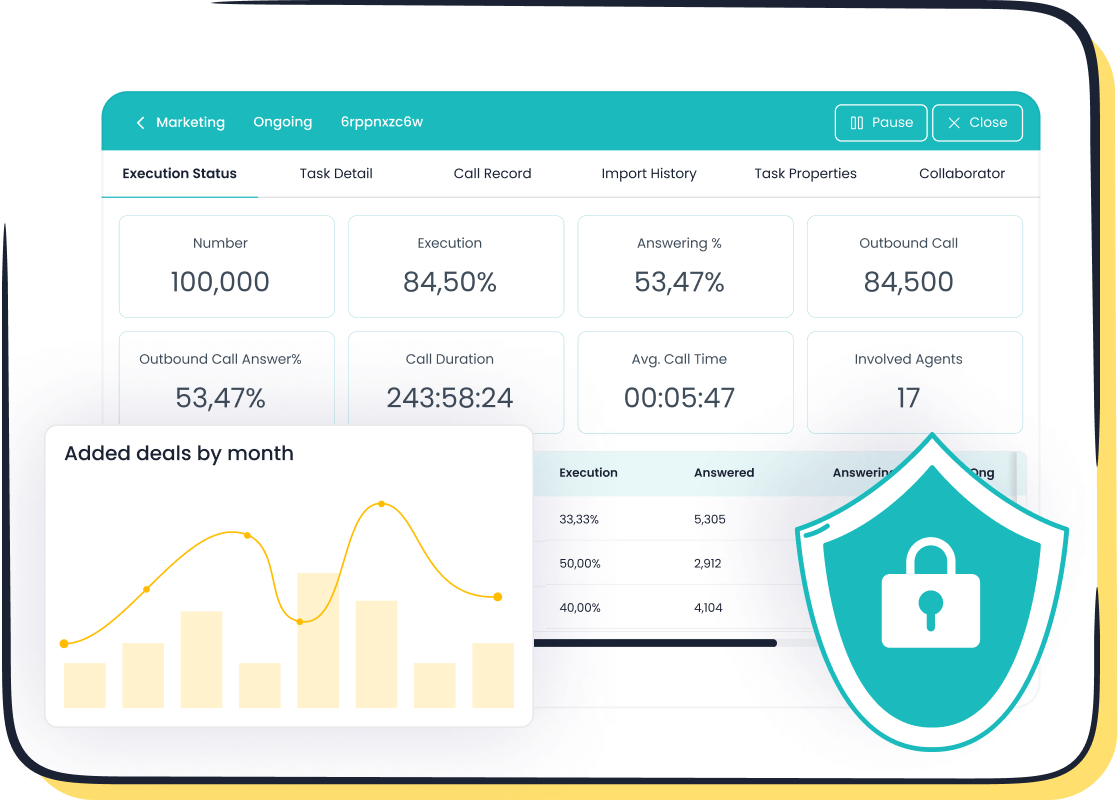
Sobot Voice for Sales is a comprehensive telesales platform. It provides features designed to boost productivity and revenue. The solution focuses on solving core outbound challenges. It offers a reliable and scalable platform for teams of any size. This focus on sales effectiveness delivers measurable results.
Customer Success Story: Opay Opay, a major financial services platform, implemented Sobot's contact center solutions. The results were significant. The company saw a 17% increase in conversion rates. Customer satisfaction also rose from 60% to an impressive 90%. This case shows how a specialized solution can directly impact both sales outcomes and customer engagement.
The platform's design prioritizes efficiency. It offers deep integration with major CRM systems like Salesforce and HubSpot. Teams can connect their existing CRM in under 30 minutes. This rapid setup allows businesses to enhance their call operations without a lengthy implementation process.
AI-Driven Insights and Quality Monitoring
Sobot separates itself with powerful AI-driven features. These tools give managers unprecedented control over sales quality and agent performance. The platform uses AI to analyze every call interaction. This provides valuable data for coaching and improvement.
Key AI features include:
- Real-Time Keyword Spotting: The system automatically detects predefined keywords or phrases during a live call. This helps managers monitor for compliance and identify sales opportunities.
- Live Call Whispering: Supervisors can privately guide an agent during a difficult call. This real-time coaching helps agents handle objections and close deals more effectively.
- Automated Quality Scoring: The platform uses AI to score each interaction based on custom criteria. This automates the quality assurance process and provides objective performance data.
These intelligent features move beyond basic call recording. They provide actionable analytics and data to refine sales strategies and improve agent skills.
Global Reach for International Sales Teams
Many businesses operate on a global scale. Reaching international customers requires a platform with a worldwide presence. Sobot Voice for Sales provides high-quality global phone numbers. This feature is crucial for boosting connection rates. The platform offers virtual numbers in over 50 countries, including major markets like India.
Using local numbers has several advantages:
- Increased Answer Rates: Customers are more likely to answer a call from a familiar local number.
- Enhanced Trust: A local presence builds credibility and makes a business feel more accessible.
- Improved Engagement: Better connection rates lead to more conversations and a stronger sales pipeline.
This global infrastructure makes Sobot an excellent choice for international sales teams. It provides the necessary tools to connect with prospects anywhere in the world. The platform ensures every call has the best chance of success.
Analytics, Pricing, and Overall Value
Choosing the right solution involves a careful comparison of analytics, pricing, and long-term value. Each platform offers different features and pricing models that affect its overall return on investment (ROI). Understanding these differences is key to making an informed decision.
Sales Performance Analytics
Effective sales analytics provide the data needed to refine strategies and improve team performance. RingCentral offers detailed call analytics, tracking metrics like call volume and duration. Zendesk provides reports on email sequence performance, including reply rates. This data helps teams understand how outreach strategies affect their pipeline and overall engagement.
Sobot takes a different approach with its AI-powered analytics. The platform moves beyond basic reports to offer deeper insights.
| Platform | Key Analytics Features |
|---|---|
| RingCentral | Focuses on call-specific data and agent activity logs. |
| Zendesk | Tracks email campaign data and integrates sales activity into the CRM. |
| Sobot | Uses AI for automated quality scoring and real-time performance data. |
These advanced features give managers a clearer picture of sales quality and help drive revenue growth.
Pricing Models Compared
Pricing structures vary significantly between providers. RingCentral typically uses a per-user, per-month pricing model for its communication features. Zendesk offers tiered suite-based pricing, where costs increase as you add more advanced features and seats. This pricing approach bundles sales and service tools together.
The pricing for a specialized solution like Sobot often reflects its direct impact on sales outcomes. This value-based pricing model connects the cost of the platform to the results it delivers. A clear understanding of each company's pricing is essential. The best pricing depends on your team's size, needs, and budget. Evaluating each pricing model helps you find the most cost-effective solution.
Scalability and Return on Investment (ROI)
A good outbound call solution must grow with your business. All three platforms are built to scale, but their value propositions differ. RingCentral delivers ROI by maximizing call volume. Zendesk provides value through its unified platform, simplifying the tech stack.
Sobot offers a compelling ROI focused on sales efficiency and conversion. Its specialized features are designed to directly boost performance.
A Rapid Return 📈 Nearly 90% of Sobot's sales teams achieve ROI within six months. This demonstrates the platform's ability to quickly generate a positive financial impact.
This rapid return makes it a strong choice for teams looking to improve their bottom line without a long waiting period. The right platform not only supports your current workflow but also provides a clear path to future growth.
This comparison of outbound call center solutions shows three distinct paths. The final choice depends on your sales goals, CRM, customer service software, and pricing needs. This comparison of solutions helps clarify the best solution.
- Choose RingCentral if: Your team needs a high-volume call system to connect with an established CRM. This is a good solution for maximizing agent talk time. The pricing is separate from your CRM and customer service software.
- Choose Zendesk if: You want a single customer service platform. This platform unifies your CRM and customer service software. The pricing reflects an all-in-one approach.
- Choose Sobot if: You seek a specialized outbound call solution from ringcentral alternatives. It boosts engagement and integrates with your CRM and customer service software. Its pricing model delivers rapid ROI.
Ready to boost your outbound productivity? Explore how Sobot's Voice for Sales can double your conversion rates. https://www.sobot.io/voice-for-sales/
FAQ
How do pricing models for these solutions differ?
RingCentral and Zendesk have per-user pricing. Sobot offers value-based pricing tied to sales results. This pricing structure reflects its focus on ROI. The best pricing depends on team size and goals. Comparing each pricing model is important. The overall pricing can vary greatly. This pricing is key.
Which solution offers the fastest ROI?
Sobot Voice for Sales is designed for rapid ROI. Nearly 90% of its sales teams see a return within six months. This quick return is a key part of its value-based pricing. The platform's efficiency directly impacts its pricing advantage and overall value.
Can Sobot integrate with a CRM I already use?
Yes, it can. Sobot Voice for Sales offers deep integration with major CRM systems.
- Salesforce
- HubSpot
The connection process is fast. It usually takes less than 30 minutes to complete. This makes adoption simple without complex setup or extra pricing. The pricing is straightforward.
What makes the pricing for each platform different?
The pricing for each solution reflects its core function. RingCentral's pricing is for communication features. Zendesk's pricing bundles sales and service tools. Sobot's pricing is built around boosting sales conversions, linking cost directly to performance outcomes.
See Also
Leading Contact Center Platforms: An In-Depth Review for 2024
Your Essential Guide to Omnichannel Call Center Software Solutions
Exploring AI-Powered Enterprise Call Center Solutions: A Comprehensive Analysis
Implementing Top-Tier Quality Management Practices in Your Call Center
Evaluating Leading Cloud Contact Center Services: A 2024 Review

