Relieve Customer Support Agents From Burnout


As a support leader, you know replacing a single agent costs around $10,000. This expense often stems from widespread agent burnout, with recent attrition rates hitting 52%. This level of burnout is not an inevitable cost of business; it is a preventable problem. You have the power to relieve customer support agents from this pressure. The right strategies and tools help your support agents avoid burnout, and powerful solutions from Sobot can help you build a more resilient and efficient team.
Understanding Customer Service Burnout and Its Causes

You can only solve a problem when you fully understand it. Customer service burnout is more than just a bad day; it is a state of physical and emotional exhaustion caused by prolonged or excessive stress. Recognizing the signs of burnout early allows you to intervene effectively. This protects your agents and your organization from the negative impacts of chronic workplace stress.
Defining Burnout Symptoms
Burnout manifests in several distinct ways. You might notice changes in an agent's behavior or performance. Keep an eye out for these common symptoms:
- Emotional exhaustion
- A persistent bad attitude or increased sensitivity to feedback
- Depersonalization, or a loss of empathy for customers
- A decreased sense of accomplishment
- Reduced performance and motivation
- Increased absenteeism or physical symptoms like headaches
Researchers first identified the core components of burnout as emotional exhaustion from constant caring, depersonalization that depletes compassion, and a decreased sense of accomplishment where work feels futile. When you see these signs, you are seeing burnout in action.
Identifying Key Workplace Causes
A high stress work environment directly contributes to agent burnout. You can often trace the issue back to a few key workplace factors. Addressing these root causes is the first step toward building a more resilient team.
- Increasing Job Demands: Agents often face an overwhelming workload. This includes high contact volumes, ambitious performance targets, and pressure to shorten call times. These constant demands leave agents feeling overworked and exhausted.
- Workplace Conflict: Disagreements with coworkers, managers, or difficult customers create significant stress. This friction can harm an agent's well-being and hinder their ability to perform their job effectively.
- Distracting Work Environment: Many support centers are loud and crowded. A suboptimal workspace with constant distractions makes it difficult for agents to focus, which adds to their daily stress levels.
Tip 1: Implement Structured Breaks and Downtime
Your agents handle high-stress interactions all day. This constant mental effort drains their cognitive resources, leading directly to burnout. You can fight this exhaustion by building structured breaks and downtime into the daily workflow. These pauses are not a luxury; they are essential for maintaining performance and well-being.
The Importance of Cognitive Recharge
Continuous work without rest depletes your agents' ability to focus and regulate their emotions. Mental breaks allow the brain to recharge. This downtime is crucial for preventing the mental fatigue that fuels burnout. Scientific research shows that even short breaks offer significant benefits.
- Restored Attention: Brief mental breaks can restore an agent's attention capacity, preventing performance decline during long shifts.
- Reduced Fatigue: Studies confirm that micro-breaks effectively reduce feelings of fatigue and boost vigor, helping agents feel more energized.
- Improved Emotional Regulation: Pauses give agents a moment to process difficult interactions and reset their emotional state, which is vital for maintaining empathy.
- Better Decision-Making: Downtime helps minimize decision fatigue, which can impair judgment and the quality of support your team provides.
Scheduling and Protecting Micro-Breaks
Simply allowing breaks is not enough; you must actively schedule and protect them. Encourage your team to take short breaks of 5-10 minutes in addition to their longer scheduled ones. This gives them regular opportunities to step away and decompress.
- Educate Your Team: Explain how short breaks reduce stress and improve focus. When agents understand the benefits, they are more likely to take them.
- Provide Simple Tools: Offer resources for effective breaks. This could include access to brief meditation apps, simple breathing exercises, or guided stretching routines.
- Lead by Example: Adopt and share your own strategies for taking micro-breaks. Your leadership encourages employees to prioritize their own well-being.
- Schedule Buffer Time: Build 5-minute gaps into your scheduling system. For example, schedule 25-minute or 55-minute meetings instead of filling the entire hour. This gives agents a moment to reset before their next task.
Tip 2: Upgrade and Integrate Support Technology
Your agents' tools can either be their greatest asset or their biggest source of frustration. Outdated, disconnected systems force agents to switch between multiple screens to find information. This constant toggling increases cognitive load and slows them down, creating friction that leads to burnout. Modern, integrated technology is a powerful way to relieve customer support agents from this unnecessary stress.
How Tech Can Relieve Customer Support Agents
The right technology automates repetitive tasks and streamlines workflows. This frees your agents to focus on complex customer issues where their skills are most valuable. An AI-powered chatbot is a perfect example. It can handle common, time-consuming questions on its own.
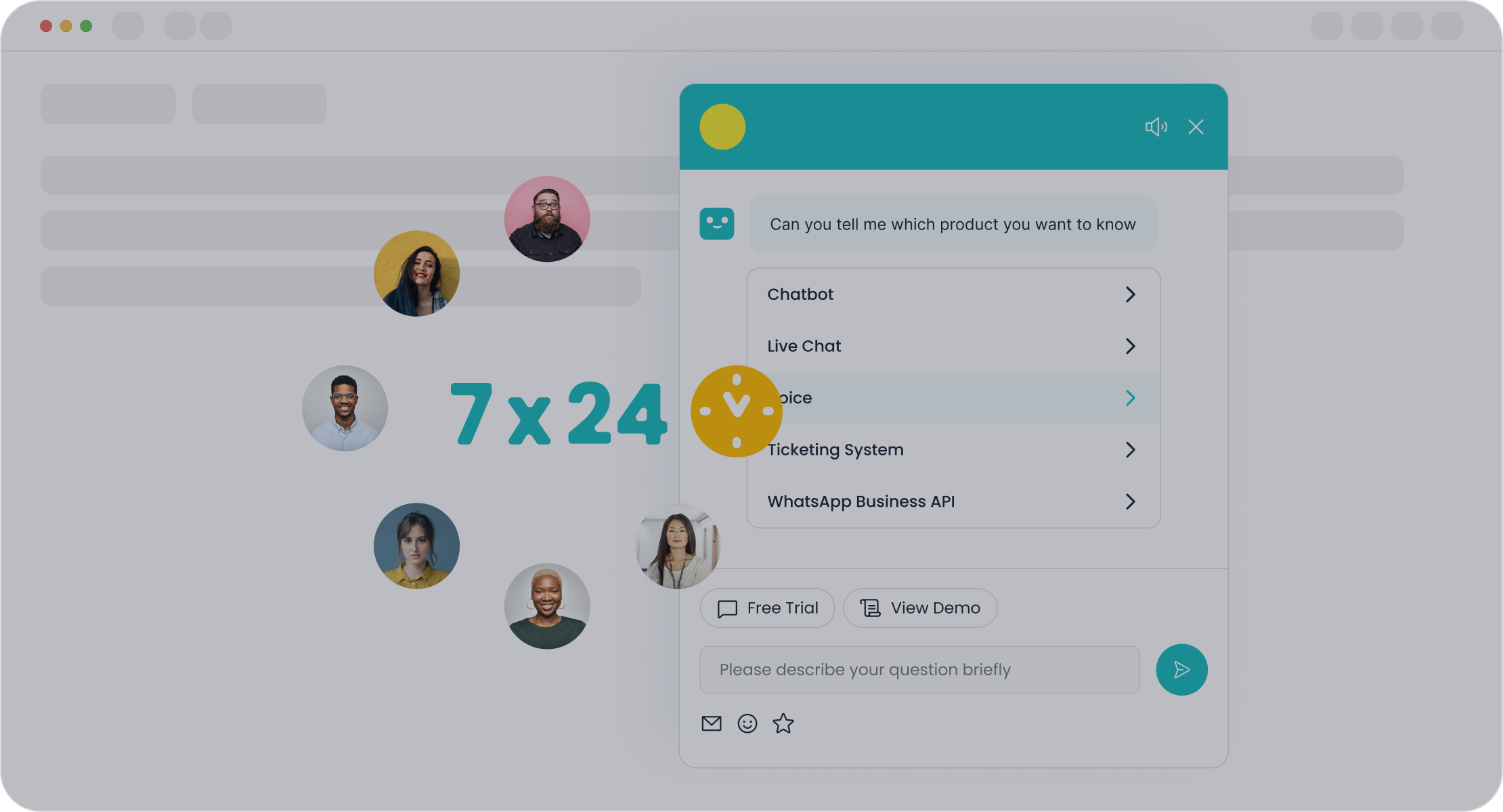
- AI chatbots use natural language processing to understand customer needs.
- They provide instant answers to routine questions about order tracking or returns.
- They allow customers to resolve simple issues through self-service.
By automating these simple interactions, tools like Sobot's AI Chatbot can improve agent productivity by up to 70%. This gives your team the breathing room they need to handle more challenging work without feeling overwhelmed.
Auditing Your Current Tech Stack
Take a close look at the tools your team uses every day. Are they helping or hindering? A fragmented tech stack, where agents jump between different systems for chat, email, and phone calls, is a hidden cause of stress. It creates inefficiency and makes it impossible to get a complete view of the customer's journey.
An all-in-one platform unifies every communication channel, from Live Chat and Voice to WhatsApp. When your support agents have a single, unified workspace, they can manage all interactions seamlessly. This reduces mental strain and empowers them to provide faster, more consistent service.
By investing in an integrated solution like Sobot's all-in-one contact center, you eliminate the chaos of multiple systems. You give your team the clear, consolidated tools they need to succeed.
Tip 3: Foster Recognition to Prevent Customer Service Agent Burnout
Your agents work on the front lines, often dealing with difficult situations. A simple "thank you" can make a huge difference. When agents feel valued, their motivation and commitment grow. Fostering a culture of recognition is a powerful strategy to prevent customer service agent burnout and build a loyal, resilient team.
The Psychological Impact of Appreciation
Appreciation is more than just a nice gesture; it is a fundamental human need. Recognizing your agents' hard work directly counters the feelings of futility that fuel burnout. When you consistently acknowledge their contributions, you create a positive feedback loop that boosts morale and strengthens their connection to the company. This has a measurable impact on retention.
- Well-recognized employees are 45% less likely to leave their jobs.
- They are also 65% less likely to be actively looking for new opportunities.
- Companies with strong recognition cultures see 31% lower voluntary turnover.
These numbers show that making your team feel valued is a strategic investment in stability and a key defense against customer service agent burnout.
Building Recognition Programs
Creating a formal recognition program ensures that appreciation is consistent and fair. You can build a system that fits your team's culture and budget. The goal is to make recognition a regular part of your workplace.
A great recognition program includes multiple avenues for praise. This ensures every agent has a chance to be celebrated. Happy, recognized employees provide a superior customer experience, which boosts satisfaction and retention.
Consider implementing a mix of recognition types:
- Peer-to-Peer Shoutouts: Use a team chat channel or a digital platform where agents can give public praise to their colleagues. This builds camaraderie and team spirit.
- Performance-Based Awards: Celebrate agents who meet or exceed specific goals. This could be a "Top Performer of the Month" award tied to positive customer feedback.
- Milestone Celebrations: Acknowledge work anniversaries and other important personal or professional milestones to show you care about your agents as individuals.
Tip 4: Provide Clear Paths for Career Growth
When agents feel stuck in a dead-end role, their motivation plummets. A lack of opportunity for advancement is a major contributor to burnout. You can counter this by providing clear, achievable paths for career growth. This shows your agents that you are invested in their future, not just their daily ticket count.
The Link Between Growth and Customer Service Agent Burnout
A job without a future creates feelings of stagnation and helplessness. Agents who see no path forward can quickly lose their sense of purpose and become disengaged. This feeling that their hard work leads nowhere is a direct cause of customer service agent burnout. When you offer clear opportunities for advancement, you give your team something to strive for. This sense of progress is a powerful antidote to the emotional exhaustion that defines burnout. Investing in your agents' careers helps them envision a long-term future with your company.
Creating a Competency Matrix
A competency matrix is a practical tool that maps out the skills your team needs and where each agent stands. It makes career progression transparent and achievable. This clarity helps prevent customer service agent burnout by turning abstract goals into a concrete action plan.
Use a competency matrix to show agents exactly what they need to learn to reach the next level. This empowers them to take ownership of their development and see a clear path forward.
Building an effective matrix involves a few key steps:
- Identify Crucial Skills: Outline the soft skills, technical knowledge, and company values required for each support role.
- Evaluate Team Proficiencies: Use manager feedback, self-evaluations, and peer reviews to get an accurate picture of your team's current abilities.
- Compile Your Data: Create a simple table that lists each agent and their expertise and interest levels for every identified skill.
- Align Members with Roles: Match agents to projects and responsibilities that fit their current skills and future goals.
- Leverage for Training: Use the matrix to identify skill gaps and organize workshops or mentorships to build team-wide proficiency.
Tip 5: Normalize Seeking Mental Health Support
Your agents are on the emotional front lines every day. They manage difficult conversations and absorb customer frustrations. This constant emotional effort, or "emotional labor," is a significant driver of customer support agent burnout. You can protect your team by creating a culture where seeking mental health support is normal and encouraged. This shows your agents that their well-being is a top priority.
Destigmatizing Emotional Labor
Emotional labor is the work of managing feelings to meet job requirements. It is a real and draining part of customer service. You can reduce its negative impact by openly acknowledging it and creating a supportive environment. This helps prevent the emotional exhaustion that leads to customer support agent burnout.
- Validate Emotions: Acknowledge that it is okay for agents to have negative feelings after a tough call. This fosters authenticity and reduces the pressure to always appear happy.
- Encourage Community: Create spaces where agents can connect with coworkers. Sharing similar experiences reduces the burden of maintaining an artificial emotional front.
- Grant Autonomy: Give agents more control over their interactions. Policies that do not penalize genuine emotional expression empower your team.
When you formally recognize emotional labor as a core part of the job, you embed its value into your company culture. This makes agents feel seen and appreciated for the full scope of their work.
Promoting Wellness Resources
Holistic wellness programs are crucial for mitigating the chronic stress of customer-facing roles. Generic solutions often fail because they do not address the specific pressures your agents face. You need to provide targeted, accessible resources that fit into their demanding schedules.
This table shows how to overcome common barriers to wellness program participation:
| Barrier | Solution |
|---|---|
| Time Pressure & Shift Work | Mobile-first tools with short, "bite-sized" content like breathing exercises. |
| Mental Health Stigma | Anonymous access to support and public endorsement from leadership. |
| Irrelevant Options | Industry-specific workshops on burnout, emotional fatigue, and communication stress. |
By offering confidential therapy, expert coaching, and 24/7 support, you give your team the tools they need to build resilience. This proactive approach is a powerful defense against customer support agent burnout.
Tip 6: Introduce Variety Into Daily Tasks
Answering the same questions all day creates a monotonous routine that can drain your agents' energy. This repetition is a direct path to burnout. You can break this cycle by introducing variety into their daily work. Mixing up tasks keeps agents engaged and helps them feel more connected to their roles.
Combating Monotony and Burnout
Performing a single, repetitive task for hours is mentally and emotionally taxing. This lack of stimulation leads to a specific kind of burnout where agents feel under-challenged and bored. They may show indifference and lose their sense of purpose. This gradual process is caused by mounting stress from routine work.
When work fails to provide satisfaction, agents can develop cynicism and a desire to escape. This mental exhaustion is just as draining as being overworked.
Watch for these signs of burnout from monotony:
- Feelings of fatigue and powerlessness
- A noticeable decline in motivation
- Physical symptoms like drowsiness or sickness
Task Rotation and Specialization
You can fight monotony by implementing a system of task rotation. This gives agents a chance to develop new skills and see different parts of the support process. It also ensures that no single person is stuck with the most repetitive tasks all day. A simple rotation can make a huge difference in your team's well-being.
Consider creating specialized roles that agents can cycle through:
- Triage: Assigns incoming tickets to the right person or team.
- Chat Specialist: Manages live customer interactions via chat.
- Phone Coordinator: Handles the live phone queue and ensures coverage.
- Ticket Tank: Works on complex tickets that require deep investigation.
You can use time blocking to schedule these different roles. For example, an agent might handle chats in the morning and work on complex tickets in the afternoon. This structured variety keeps the day interesting and helps prevent mental fatigue.
Tip 7: Empower Agents With Autonomy and Training
Micromanaging your team creates stress and stifles growth. When you empower agents with autonomy and provide excellent training, you build a more confident and capable team. This trust is essential to prevent burnout and improve service quality.
Building Agent Confidence and Trust
Autonomy is the freedom for agents to make their own decisions. When you give your team more control, they feel more energetic and dedicated. This satisfaction boosts their well-being and engagement. Increased autonomy also builds self-efficacy, which is an agent's belief in their own skills to solve problems. Confident support agents who trust their judgment are better equipped to handle complex customer issues without constant oversight. This sense of ownership is a powerful motivator.
Expanding Decision-Making Power
Giving agents more power requires a clear framework. You need to provide the right tools and information so they can make smart choices. Without a complete view of the customer's history, agents feel powerless and frustrated. This is a powerful way to relieve customer support agents from the stress of feeling powerless.
A real-world example of this is Samsung. The company faced challenges with data spread across different systems. By implementing Sobot's all-in-one contact center solution, Samsung unified its communication channels. This gave agents a complete customer view in a single place.
This empowerment had a massive impact. Agents no longer had to ask repetitive questions or switch between screens. They could resolve issues faster and more effectively. The results speak for themselves:
- Agent efficiency increased by 30%.
- Customer satisfaction reached 97%.
When you equip your team with unified tools, you give them the confidence and capability to own the customer experience.
Tip 8: Set Realistic and Supportive Performance Metrics
The metrics you use to measure success can either motivate your team or push them toward burnout. Focusing too much on numbers like call times creates a high-pressure environment. You can build a healthier, more effective team by shifting your focus from pure quantity to customer-centric quality.
Moving Beyond Purely Quantitative KPIs
When you make quantitative KPIs the main focus, you may unintentionally create problems for your team. Unrealistic targets can demotivate agents and harm overall performance. This intense pressure to meet numbers at any cost often leads to negative outcomes.
- Employees experience significant stress and exhaustion.
- Agents may focus on short-term gains instead of building long-term customer relationships.
- This pressure can increase turnover rates as agents leave to escape the stressful environment.
This approach can damage your team's well-being and your company's reputation. Moving away from these rigid metrics is a key step in creating a supportive workplace.
Focusing on Customer-Centric Goals
You can measure performance in a way that supports both your agents and your customers. Customer-centric goals align your team's success with customer happiness. This approach values the quality of an interaction over its speed.
By focusing on customer-centric metrics, you empower agents to solve problems thoroughly. This builds their confidence and improves the customer experience.
Consider adopting these more meaningful KPIs:
- First Contact Resolution (FCR): This measures how often an agent solves an issue in a single interaction. A high FCR shows your team is efficient and knowledgeable.
- Customer Satisfaction Score (CSAT): This metric directly asks customers how happy they are with the support they received. It reflects the quality of service your team provides.
- Average Time for First Reply: A prompt first response shows customers you value their time. This metric helps manage expectations, even if a full resolution takes longer.
These goals encourage thoughtful problem-solving and reduce the pressure to rush through customer interactions.
Tip 9: Promote Self-Care and Mindfulness

The constant pressure of customer support can take a toll on your team's mental health. You can help them manage this stress by promoting mindfulness and agent self-care. These practices give your team the tools to build mental resilience and prevent burnout before it starts.
Equipping Agents with Resilience Tools
Resilience is the ability to bounce back from difficult situations. You can equip your agents with tools to build this crucial skill. This empowers them to manage their own well-being.
You can teach your team to build personal resilience in a few key ways:
- Master emotion identification: Help agents learn to name their feelings. This gives them more control over their emotional responses.
- Take control of your control center: Encourage agents to manage their thoughts. Focusing on what they can control reduces feelings of helplessness.
- Get grateful: Show your team how practicing gratitude can shift their perspective and build a more positive outlook.
Simple mindfulness techniques also provide immediate relief during a stressful day. Encourage agents to try these practices:
- Mindful Breathing: Focus on the natural flow of breath to quiet the mind and promote relaxation.
- Body Scan Meditation: Mentally scan the body for tension. This practice helps release physical stress.
- Single-Tasking: Concentrate on one task at a time. This reduces cognitive overload and improves focus.
Offering Workshops and Quiet Spaces
Active support from your organization shows that you are serious about agent self-care. Offering workshops and dedicated quiet spaces provides your team with structured opportunities to recharge. Workshops can address the specific challenges your agents face.
Consider offering sessions focused on key areas of well-being:
| Workshop Category | Workshop Idea | Focus Area |
|---|---|---|
| Mental Health | Stress & Burnout Management | Identifying triggers and recovery techniques. |
| Mindfulness & Emotional Reg. | Breathwork and present-moment awareness. | |
| Physical Health | Movement Breaks | Stretching and short mobility sessions. |
| Desk Ergonomics | Proper workstation setup and posture. |
In addition to formal training, provide a quiet room where agents can go to decompress. A peaceful space for meditation or simple silence gives them a place to reset after a difficult interaction. This investment in your team's well-being is a powerful defense against the chronic stress that causes burnout.
Tip 10: Create a Positive and Collaborative Team
Isolation is a major risk factor for agent burnout. You can build a strong defense against this by fostering a positive and collaborative team environment. A connected team provides a crucial support network that helps agents manage stress and feel like part of something bigger than their individual ticket queue.
Building a Social Support System
A strong social support system at work is more than just friendships; it is a professional lifeline. When your agents feel supported by their peers and leaders, they are better equipped to handle the daily pressures of their roles. This sense of community acts as a powerful buffer against stress.
You can encourage a supportive network that helps your team:
- Find emotional comfort. A listening ear from a colleague validates an agent's feelings after a tough call and reduces feelings of isolation.
- Get practical help. Teammates can offer advice or assist with a difficult ticket, which frees up mental energy.
- Gain new perspectives. A coworker might offer a different way to solve a problem, reducing an agent's feeling of being overwhelmed.
Facilitating Team Huddles and Events
Regular team interactions build rapport and strengthen your social support system. You can use daily huddles and team events to create consistent opportunities for connection. Keep daily huddles short, under 15 minutes, and make them interactive. Ensure everyone participates, sharing not just status updates but also wins and blockers. This makes the huddle a valuable, two-way conversation.
You can also organize events that help your team bond on a personal level. Even for remote teams, simple activities make a big difference.
- Virtual Coffee Chats: Host 15-minute video calls for casual conversation.
- Interest-Based Channels: Create chat channels for non-work topics like pets or movies.
- Online Games: Engage the team with fun trivia or a collaborative game to build camaraderie.
These small, consistent efforts create a positive culture where agents feel connected and supported.
You can relieve customer support agents from burnout. This is a shared responsibility. It requires organizational strategies, like implementing Sobot's AI solutions, and a commitment to individual agent self-care. Preventing customer service burnout protects your support agents and strengthens your business. This approach stops the cycle of burnout before it begins.
Now is the time to act. As a leader, you must champion these changes. As an agent, you must advocate for your well-being. Together, you can relieve customer support agents and build a healthier, more productive team.
FAQ
How can technology reduce agent burnout?
You can use technology to automate repetitive tasks. An AI-powered tool like Sobot's Chatbot handles simple questions. This frees your agents to focus on complex issues, reducing their workload and preventing the stress that causes customer support agent burnout.
What is the first step to creating a better work environment?
You should start by talking to your team. Ask them about their biggest challenges. Understanding their specific pain points helps you focus your efforts. This simple act shows you value their well-being and is a key step to prevent customer support agent burnout.
Why is career growth so important for preventing burnout?
A clear career path gives agents a sense of purpose. It shows them a future with your company. This motivation fights the feelings of stagnation that lead to burnout. You invest in their long-term success, not just their daily performance.
How do I measure performance without causing stress?
You can shift your focus to customer-centric goals. Measure metrics like First Contact Resolution (FCR) and Customer Satisfaction (CSAT). These goals value quality over speed. This empowers agents and reduces the pressure that contributes to customer support agent burnout.
See Also
Artificial Intelligence Agents Are Transforming Customer Support Experiences Now
An Essential Guide for Effectively Managing Your Live Chat Support Team
Ten Practical Tips to Elevate Live Chat Customer Satisfaction Significantly
Unlocking Peak Efficiency: AI Software for Superior Customer Service
Become a Live Chat Expert: Elevating Your Customer Support Game

