Proven Ways Small Businesses Can Win Back Lost Customers

You can win back lost customers by reaching out with the right message, timing, and tools. John Addessi, a business advisor, says it costs five to six times more to get a new customer than to win back lost customers. That means winning back lost customers saves you money and grows your business faster. If you use smart tools like Sobot AI or the Sobot call center, you make reconnecting with customers even easier. Take a moment to think about why losing customers happens. Are you ready to rebuild those relationships?
Why Losing Customers Happens
Common Causes
Losing customers can feel frustrating, but you are not alone. Many small businesses face this challenge. Let’s look at the most common reasons you might see customer churn:
- Poor customer service. If you do not respond quickly or solve problems, customers may leave after just one bad experience.
- Failing to reward loyalty. When you forget to thank or reward your regulars, they may feel unappreciated and look for better treatment elsewhere.
- Focusing only on price. Competing just on price can hurt your business. Customers want value, which means good service, quality, and consistency.
- Outdated technology. Slow systems or missing features can frustrate customers. They may switch to businesses that use modern tools like Sobot Live Chat, which makes communication fast and easy.
- Unmotivated staff. If your team does not feel excited or rewarded, they may not give their best. This can lead to more customer churn.
Tip: Regularly check in with your customers and your team. Small changes can make a big difference in client retention.
Impact on Small Businesses
Losing customers does more than just hurt your feelings. It can have a real impact on your business growth and profits. Here’s a quick look at how customer churn affects small businesses:
| Cause of Customer Loss | Percentage |
|---|---|
| Poor Service | 42% |
| Lost Customers to Competitors due to Communication Issues | 12% |
| Cause of Business Failure | Percentage |
|---|---|
| Outcompeted (Competition) | 19% |
| Poor Product Quality | 17% |
When you lose customers, your client retention drops. This means you have to spend more on acquisition, which costs much more than keeping your current customers happy. High churn makes your revenue less stable and makes it harder to plan for the future. If you increase your retention rate by just 5%, you could boost your profits by up to 95% (source). That’s why tracking customer churn and acting early is so important.
Smart businesses use tools like Sobot to spot churn risks and improve client retention. Sobot’s unified platform helps you keep track of every customer interaction, so you can fix problems before they turn into lost business. By focusing on customer retention, you set your business up for steady growth and fewer surprises.
Identifying Lost Customers
When you want to bring back lost customers, you first need to know who they are. Not every customer who stops buying is truly lost. Some just need a little nudge to come back. If you can spot these people early, you can boost your client reacquisition efforts and make your customer service even stronger.
Segmentation Strategies
You can use smart segmentation to group your customers based on their actions and value. This helps you target the right people with the right message. Here’s a quick look at some common strategies:
| Segmentation Strategy | Description | Purpose / Use Case | Example / Implementation |
|---|---|---|---|
| Event-based Segmentation | Segments users based on triggered user events and behavior such as app opens, feature usage, purchases. | To categorize users by behavior and engagement level for personalized messaging and retention efforts. | Fashion app groups active users by app opens and feature interactions, then targets them with push notifications offering discounts. |
| RFM (Recency, Frequency, Monetary) Segmentation | Adapts traditional RFM by focusing on Recency and Frequency, sometimes omitting Monetary data. | Identifies user segments like 'Champions', 'At risk', 'Hibernating' to tailor re-engagement campaigns. | Using Pushwoosh tools to segment users by recent and frequent interactions, then sending personalized emails to re-activate dormant users. |
| Retention-based Segmentation | Focuses on identifying users at risk of churn and loyal users to reduce churn and boost retention. | Helps target users who need reactivation or further engagement to maintain app activity. | Sending personalized push notifications highlighting unexplored features and exclusive offers to users about to churn. |
| Acquisition-based Segmentation | Uses user acquisition source data to segment users when in-app behavior data is limited. | Tailors marketing messages based on how users found the app, improving relevance and retention. | Targeting users who installed the app via a summer collection ad with messages showcasing similar styles and new arrivals. |
| Predictive Analytics | Uses past user data to predict future churn and engagement trends. | Enables proactive engagement by identifying users likely to churn before it happens. | Integrating Amplitude predictive analytics with Pushwoosh to export at-risk users and set up reactivation messaging sequences. |
You can use these strategies to find out which customers need attention. For example, if someone hasn’t bought anything in three months, you might put them in the “at risk” group and send them a special offer.
Using Sobot Live Chat Data
Sobot Live Chat makes it easy to spot lost customers and improve your client reacquisition process. You can track every customer service interaction across channels like WhatsApp, Facebook, and your website. Here’s how you can identify lost customers using smart data practices:
- Keep your customer data clean and updated. Remove duplicates and fix errors often.
- Use automated tools to spot inconsistencies and standardize your records.
- Audit your database regularly to catch outdated details.
- Monitor customer behavior with Sobot’s unified workspace. You can see who has stopped chatting, asking questions, or making purchases.
Tip: Sobot Live Chat gives you built-in analytics and customer profiles. You can quickly see which customers have gone quiet and reach out before they leave for good.
By using these steps, you make your customer service more proactive. You can focus your acquisition efforts on the people most likely to return. This saves you time and helps you win back lost customers faster.
Customer Win-Back Strategy Essentials

Gathering Feedback
If you want to win back lost customers, you need to know why they left in the first place. Gathering customer feedback is the first step in any strong customer win-back strategy. When you reach out and ask for honest opinions, you show that you care about client satisfaction and want to improve.
You can collect feedback in many ways. Try sending a short exit survey, asking for a quick review, or following up with a personal message. Sobot Live Chat makes this process simple. You can set up automated surveys right after a customer interaction or use chatbots to ask questions in real time. This helps you get direct answers while the experience is still fresh in your customer’s mind.
Tip: Timing matters. If you wait too long, customers may forget the details or lose interest in sharing their thoughts.
Here are some ways you can gather feedback from lost customers:
- Send a friendly email asking why they stopped using your service.
- Use Sobot Live Chat to pop up a quick survey after a chat session ends.
- Call customers who left suddenly and ask for their honest opinions.
- Check support tickets and reviews for common complaints.
Customer success teams play a big role here. When you follow up with a personal touch, you show that you value each customer’s experience. For example, a consulting firm once reached out to a client who left because of slow response times. They explained new processes and introduced a dedicated account manager. This direct approach helped rebuild trust and showed real commitment to customer satisfaction.
When you gather feedback, you also spot patterns. Maybe several customers mention slow replies or confusing billing. These insights help you fix problems and improve your strategies for client retention. Addressing past dissatisfaction directly, and sharing what you have changed, builds trust and increases your chances to win back lost customers.
Acting on Insights
Collecting feedback is only half the job. You need to act on what you learn. A successful customer win-back strategy always turns feedback into action. This shows customers that you listen and care about making things better.
Start by looking for common pain points. Maybe you see that many lost customers mention long wait times or unclear pricing. Use this information to make real changes. For example, you might update your website, train your team, or add new features to your service. Sobot’s unified workspace helps you track these issues and measure improvements over time.
Here’s a simple process you can follow to act on customer feedback and boost client reacquisition:
1. Collect detailed feedback from lost customers using exit surveys, support tickets, and reviews. 2. Analyze the feedback to find common reasons for churn. 3. Make meaningful changes to your products or services based on these insights. 4. Let your lost customers know about the improvements you made. Send a message or use Sobot Live Chat to share updates. 5. Keep the feedback loop open. Ask for more input and show that you are always working to improve.
Note: Communicating changes is key. When you tell customers how you fixed their concerns, you rebuild trust and increase the chance they will return.
A good customer win-back strategy uses an omnichannel approach. Combine email, SMS, and social media to reach customers where they are. Sobot’s marketing solution lets you automate these messages and track responses. You can even use AI-powered analytics and RFM analysis to spot at-risk customers and trigger targeted win-back flows before they fully leave.
Try different timing, frequency, and incentives in your win-back emails. A/B testing helps you see what works best. Sometimes, you need to know when to let go. If a customer never responds, it’s okay to remove them from your list. This keeps your email reputation strong and your focus on those most likely to return.
Here’s what makes a customer win-back strategy work:
- Use multiple channels for a smooth experience.
- Personalize your messages with details from past purchases or interactions.
- Show urgency in your subject lines and offer clear incentives.
- Test your approach and adjust based on results.
- Keep your contact list clean by removing unresponsive customers.
When you act on feedback and communicate your improvements, you show real commitment to client satisfaction. This not only helps you win back lost customers but also strengthens your overall customer retention. Over time, these proven strategies for client reacquisition success will help your business grow and keep your customers happy.
Personalizing Outreach to Win Back Customers
When you want to win back customers, you need to make every message count. Generic emails or bland offers rarely work. People want to feel seen and valued. That’s why personalization is the secret sauce for re-engaging customers and building loyalty. Let’s break down how you can make it personal and use the right tools to boost your customer service results.
Tailored Messages
You can’t treat every lost customer the same way. Each person has their own story, preferences, and reasons for leaving. If you want to re-engage lapsed customers, you need to show that you remember them and care about their experience.
Personalization starts with data. Look at what your customers bought, how often they visited, and what feedback they gave. Use this information to craft messages that speak directly to them. For example, if a customer stopped buying after a product issue, mention the fix and invite them back with a special offer. If someone loved a certain service, highlight new features or updates related to that.
Here are some proven ways to personalize your outreach:
- Use the customer’s name and reference their last purchase or interaction.
- Segment your audience by reasons for leaving, then tailor your message to address those concerns.
- Send targeted emails with updates about new features or improvements that match their interests.
- Offer personalized discounts or exclusive deals based on their shopping history.
- Reach out with a one-on-one check-in, asking for feedback and showing you value their opinion.
Did you know? 71% of customers say that personalized interaction makes them more loyal to a brand. When you address their specific needs, you build trust and increase the chance they’ll come back.
Tailored messages do more than just grab attention. They boost response rates and make customers feel important. For example, SMS marketing has a 98% open rate, making it a powerful channel for quick, personal follow-ups. Automated messages triggered by actions like cart abandonment or missed appointments keep your business top of mind without extra effort from your team.
A small business owner once noticed several customers stopped booking appointments. Instead of sending a generic reminder, she sent a personal text referencing their last visit and offered a small discount for their next booking. Many customers responded right away, saying they appreciated the thoughtful touch.
You can also use CRM systems to track customer history and automate these tailored messages. This approach saves time and ensures no one slips through the cracks. When you combine customer data with thoughtful outreach, you create effective communication in client reengagement that feels genuine, not forced.
Here’s a quick table to help you match message types to customer segments:
| Customer Segment | Message Type | Example Content |
|---|---|---|
| At-risk (inactive 45+ days) | Feedback request + update | "We miss you! Can you share what we can improve?" |
| Left after product issue | Apology + solution + incentive | "We fixed the issue you mentioned. Here’s 10% off!" |
| Loyal but lapsed | Exclusive offer + appreciation | "Thanks for being a loyal customer. Enjoy early access to our new collection!" |
| Abandoned cart | Reminder + personalized discount | "Still thinking about those shoes? Here’s a special deal just for you." |
Personalization isn’t just about using a name. It’s about showing you understand each customer’s journey. When you make it personal, you turn lost opportunities into new beginnings.
Leveraging Sobot Live Chat
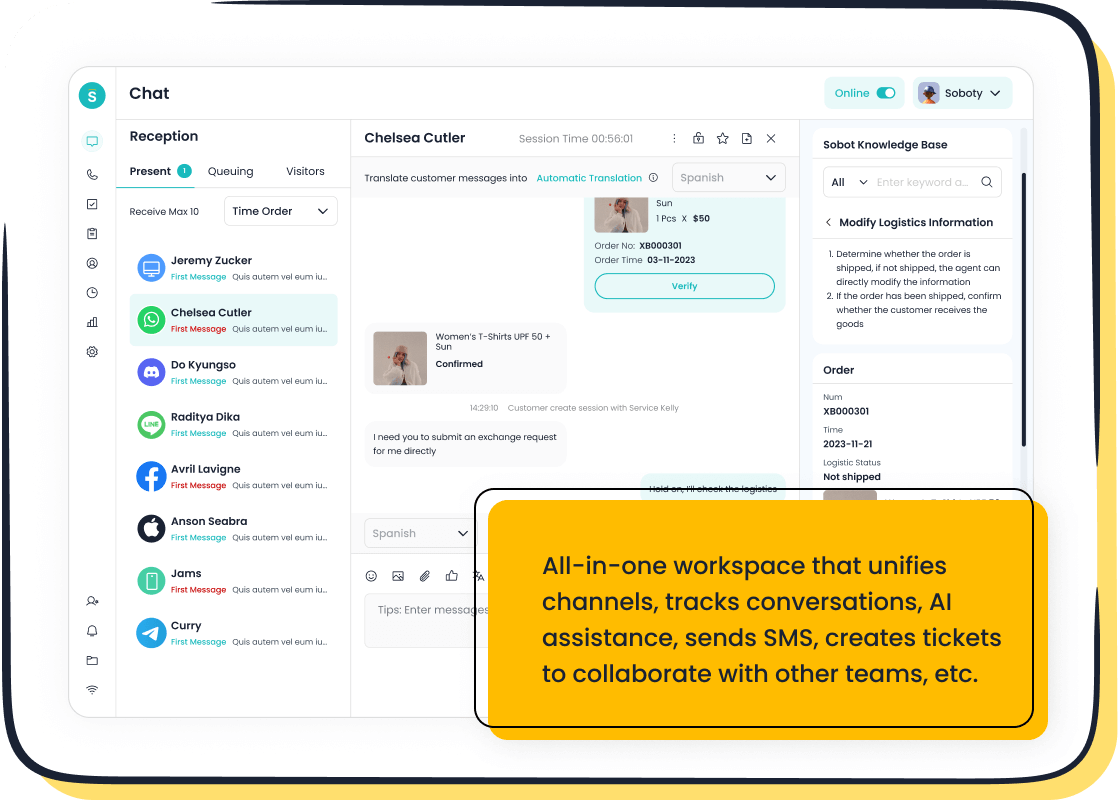
You don’t have to do all this alone. Sobot Live Chat gives you the tools to deliver personalized interaction at scale. With Sobot, you can connect with customers across their favorite channels—like WhatsApp, Facebook, Instagram, and your website—all from one place.
Sobot Live Chat uses AI-powered chatbots that can simulate real conversations. These bots remember past interactions and can recommend products or solutions based on each customer’s history. If a customer left because of a slow response, Sobot’s quick replies and smart routing make sure they get help fast the next time.
Here’s how Sobot Live Chat helps you win back customers:
- Omnichannel support: Reach customers wherever they are, whether on social media, your app, or your website.
- AI-driven personalization: Chatbots use customer data to offer tailored solutions, discounts, or updates.
- Seamless agent workflow: Agents can see all past conversations, making it easy to pick up where things left off.
- Timely promotions: The system can trigger special offers when a customer returns or shows interest again.
- Proactive engagement: Sobot can send automated check-ins after periods of inactivity, asking for feedback or offering help.
Tip: Use Sobot’s built-in analytics to track which messages get the best responses. Adjust your approach based on what works.
Imagine a customer who stopped buying after a bad experience. With Sobot, you can send a message that acknowledges their concern, explains what you’ve changed, and offers a special incentive to return. The customer feels heard and valued, not just another name on a list.
Sobot also supports satisfaction surveys right after a chat session. This lets you gather feedback in real time and act quickly if something goes wrong. When you show customers that you listen and respond, you build trust and improve the overall customer experience.
Here’s a quick checklist for using Sobot Live Chat to re-engage lapsed customers:
- Set up automated messages for customers who haven’t interacted in a while.
- Personalize each message with details from their history.
- Offer tailored incentives or updates based on their feedback.
- Use chatbots to handle simple questions, freeing up agents for more complex issues.
- Follow up with satisfaction surveys to keep improving your service.
Sobot’s unified workspace means you never lose track of a conversation. Every customer gets a consistent, personal touch, no matter which channel they use. This level of personalization helps you stand out and keeps customers coming back.
Note: Personalization is not a one-time effort. Keep learning from your customers and updating your approach. The more you know about their needs, the better your chances of winning them back.
By combining tailored messages with the power of Sobot Live Chat, you create a customer service strategy that feels personal, timely, and effective. You don’t just reach out—you reconnect in a way that matters.
Incentives and Win-Back Programs
When you want to bring back lost customers, you need more than a simple “We miss you.” Win-back programs work best when you combine exclusive offers with strong loyalty rewards. These strategies show customers that you value them and want to rebuild your relationship.
Exclusive Offers
Exclusive offers can turn a lost customer into a loyal fan again. When you send a special promotion or a unique discount, you create a sense of urgency and make customers feel important. Here’s how these offers help:
- Promotions tied to new products or upgrades encourage customers to give your business another try.
- Special deals signal that you care about their business and want to make things right.
- Personalized discounts based on purchase history show you remember their preferences.
- Early access, free shipping, or gift cards add extra value and make your offer stand out.
Did you know? About 68% of people appreciate discounts tailored to their shopping habits, and over half value rewards and loyalty points (source). Personalized communication makes your win-back programs even more effective.
Sobot’s marketing solution lets you automate these exclusive offers. You can set up targeted campaigns that reach customers on their favorite channels, like WhatsApp or SMS, without extra effort. This saves you time and helps you re-engage more people at once.
Loyalty Rewards
Loyalty rewards are the heart of successful win-back programs. When you offer loyalty points or exclusive discounts, you remind customers that their business matters. Personalized rewards based on past purchases, along with time-limited promotions, create excitement and motivate customers to return.
Sobot’s platform makes it easy to launch and manage loyalty programs. You can use automated workflows to send rewards, track engagement, and follow up with customers who respond. Here’s a quick look at how Sobot helps:
| Feature/Metric | Description/Impact |
|---|---|
| Automated workflows | Set up multi-channel campaigns for loyalty rewards and win-back programs. |
| AI-powered tools | Personalize offers and messages for each customer. |
| Conversion rate improvement | Boost customer loyalty and increase repeat business. |
Tip: Loyalty rewards build trust and keep your brand top of mind. When you make customers feel valued, they are more likely to come back and stay.
With Sobot, you can create win-back programs that combine exclusive offers and loyalty rewards. This approach helps you rebuild customer loyalty, increase retention, and grow your business.
Apologies and Trust Building
Sincere Apologies
When you want to win back lost customers, a real apology can make all the difference. People want to feel heard and respected. If you made a mistake, you need to own it and show you care. Here’s how you can deliver a sincere apology that helps rebuild trust:
- Listen first. Ask for feedback and let customers explain what went wrong. This shows you value their voice and opens honest communication.
- Take responsibility. Admit your mistake from the customer’s point of view. Don’t make excuses or blame others. Thank them for sharing their experience.
- Make it personal. Use the customer’s name and details about their situation. Send a message that feels like it was written just for them. Sign it yourself to show you mean it.
A simple “We’re sorry” is not enough. You need to show you understand the problem and want to make things right.
For example, if a customer left because of a slow response from your customer service team, you could say, “I’m sorry we didn’t get back to you quickly. We know your time matters. Thank you for letting us know.” This approach helps customers feel respected and more willing to give you another chance.
Demonstrating Improvements
Saying sorry is just the first step. You also need to prove that you’ve made changes. When you show customers what you’ve improved, you help rebuild their trust and confidence in your business. A survey by PwC found that almost 80% of people say product quality is key to trust (source). If you keep making your products or services better, customers notice.
Here’s how you can show real improvements:
- Act on feedback. Use what customers tell you to fix problems and make things better.
- Be open. Tell customers what you changed and why. Don’t hide mistakes or pretend nothing happened.
- Involve your customers. Let them know their ideas helped shape your new service or product.
- Keep improving. Show that you care about customer satisfaction and want to keep getting better.
For example, if you use Sobot Live Chat, you can let customers know you’ve added faster response times or new features based on their suggestions. You might send a message like, “Thanks to your feedback, we’ve improved our chat support. Now you’ll get answers even faster.” This makes customers feel like partners, not just buyers.
Tip: Always follow up after you make changes. Ask if the new experience meets their needs. This keeps the conversation going and shows you care about their satisfaction.
Showcasing Success Stories
Customer Testimonials
You want to know if a business really cares about its customers. You look for real stories from people like you. That’s why customer testimonials matter so much. When you see someone share how a business solved their problem or made things right, you start to trust that brand again. Testimonials help answer your questions about cost, time, or if a service is worth it.
Let’s say you left a company because you thought it was too expensive or not a good fit. If you read a testimonial from someone who felt the same way but came back and had a great experience, you might give that business another chance. These stories show you that the business listens and improves. They help rebuild credibility and make you feel confident about returning.
“I stopped using this service because I had a bad experience, but after seeing how they changed things and reading other customers’ stories, I decided to try again. Now I’m glad I did!”
When you share testimonials from happy customers, you show that your loyalty programs and win-back efforts really work. This helps you build customer loyalty and trust. You can use these stories in emails, on your website, or even in your Sobot Live Chat to answer questions in real time.
OPPO Case Study
Let’s look at a real example. OPPO, a global smart device brand, wanted to keep more customers and boost loyalty. They used Sobot’s AI-powered platform to spot which customers might leave. With predictive analytics, OPPO could reach out before customers left for good.
OPPO sent personalized messages, special offers, and loyalty rewards using Sobot’s tools. This proactive approach helped OPPO reduce their churn rate by 25%. Customer satisfaction jumped by 30%. Sobot’s chatbots and analytics made it easy for OPPO to see what customers needed and respond fast.
OPPO’s story shows how you can use technology to build loyalty and win back customers. By combining real-time data with personal outreach, you can create a loyalty strategy that works. OPPO also focused on privacy and transparency, which made customers feel safe and valued.
Tip: When you use case studies like OPPO’s, you show your customers that your loyalty programs and customer service improvements are real. This builds trust and encourages others to come back.
If you want to see results like OPPO, start by listening to your customers and using tools like Sobot to make your loyalty efforts smarter and more personal.
You can win back lost customers by listening, acting on feedback, and building loyalty with personal touches. Using Sobot Live Chat helps you track progress and automate loyalty programs. Many small businesses see over 70% more repeat revenue after launching win-back strategies. Keep an eye on your win-back rate, customer loyalty, and revenue growth. When you focus on loyalty, you create lasting relationships. Start your own win-back program today and watch your loyalty soar!
FAQ
How can Sobot Live Chat help with customer win-back?
Sobot Live Chat lets you reach customers on their favorite channels, like WhatsApp or Facebook. You can send quick, personal messages. This makes it easier to reconnect and boost client retention. Many businesses see a 38% increase in conversion rates with Sobot.
What is the best way to measure customer win-back success?
You can track your win-back rate, repeat purchases, and customer loyalty scores. Sobot’s built-in analytics show you these numbers in real time. For example, OPPO saw a 57% increase in repurchase rate after using Sobot’s customer service tools.
Why do personalized messages work better for client retention?
Personalized messages show customers you remember them. People feel valued when you mention their name or last purchase. According to McKinsey, 71% of customers expect personalization. Sobot Live Chat helps you send these messages easily.
What are some quick tips for building customer loyalty?
- Say thank you often.
- Offer loyalty rewards.
- Fix problems fast.
- Use Sobot to keep all conversations in one place.
Tip: Happy customers tell their friends. That helps your business grow!
See Also
Best Ten Live Chat Platforms Compared With Shopify
Leading Ten Chat Software Solutions For Businesses 2024
Ways Chatbots Improve Customer Experience In E-Commerce

