Proven Ways to Scale Customer Support


Scaling customer support is a strategic challenge that goes beyond hiring more agents. As your customer base grows, you face an increased workload and resource constraints, which can diminish the quality of your customer service.
Effective scaling requires a blend of smart technology, customer empowerment, and process optimization.
This post explores proven strategies for customer support at scale, helping you improve your customer service as you grow. With the right strategies and tools from Sobot, scaling your operations becomes a strategic advantage.
Strategy 1: Leverage Technology for Customer Support at Scale

To achieve customer support at scale, you must move beyond linear growth models where hiring more agents is the only solution. Technology allows you to handle more volume, improve response times, and boost customer satisfaction without proportionally increasing costs. These technology-focused strategies are fundamental to building a resilient customer service operation.
Deploy AI Chatbots for 24/7 Support
Your customers expect answers anytime, day or night. Deploying an AI chatbot provides immediate, 24/7 support for common questions, which can make up 80% of your inquiry volume. This frees your human agents to focus on complex issues that require a personal touch.
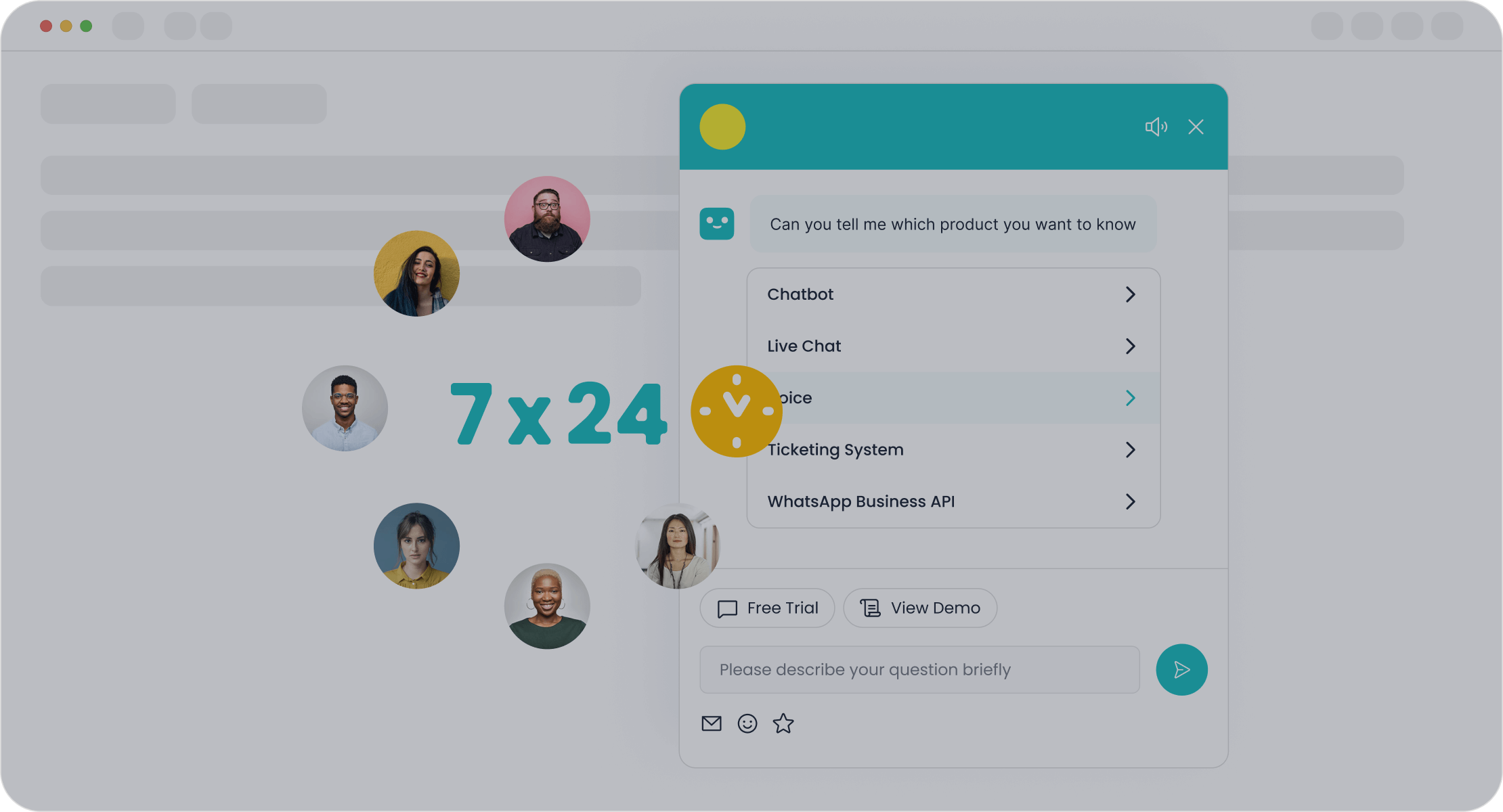
With a tool like Sobot's AI Chatbot, you can enhance efficiency by 70% and cut operational costs by up to 50% through automated, round-the-clock query resolution. This improves the quality of your customer service and ensures no customer is left waiting.
Success in Action: OPPO By implementing Sobot's solutions, smart device leader OPPO achieved an 83% chatbot resolution rate and a 94% positive feedback rate, demonstrating the powerful impact of human-machine cooperation on customer service.
Use Generative AI to Empower Agents
Generative AI is not just for customers; it's a powerful tool for your support team. AI assistants can increase agent productivity by over 30% by providing real-time response suggestions, summarizing long conversations, and personalizing training programs.
Tools like Sobot's AI Copilot act as a partner for your agents. It analyzes customer queries and instantly suggests the best answers from your knowledge base. This support helps new agents become productive faster and ensures every agent delivers consistent, high-quality support.
Automate Ticketing and Workflows
As your team grows, manual ticket handling becomes a major bottleneck. You need to optimise support workflows to ensure tickets reach the right person quickly. Automating these backend tasks is crucial for scalable case management.
A robust ticketing system can automate key processes, saving significant time and reducing response times by over 40%. Key automations include:
- Automating case assignments based on agent skill or workload.
- Auto-tagging tickets by keyword for better organization and reporting.
- Escalating urgent issues to senior staff automatically.
Sobot's Ticketing System provides these streamlined processes, creating an efficient foundation for your customer support at scale.
Strategy 2: Customer-Facing Self-Service Strategies
Empowering customers to find their own answers is one of the most effective scaling strategies. When you provide excellent self-service tools, you reduce ticket volume and improve the customer experience. This approach allows your team to focus on high-value interactions, transforming your customer service from a cost center into a strategic asset.
Build a Comprehensive Knowledge Base
A well-organized knowledge base is the foundation of self-service. Research shows that 51% of customers prefer to find answers themselves through a knowledge base before contacting an agent. You can build a successful resource by centralizing all your product information into one accessible hub.
To create a knowledge base that customers love, you should:
- Organize content into clear, logical categories.
- Use simple language and helpful visuals like images or videos.
- Ensure all information is fresh and up-to-date.
A powerful knowledge base deflects common questions and improves your overall customer service.
Foster a Peer-to-Peer Community Forum
A community forum turns your most passionate customers into brand advocates. These forums allow users to help each other, which builds loyalty and reduces your support team's workload. For example, companies like HP have seen significant improvements in resolution speed by scaling their forums.
An active community provides real-time feedback and fosters a sense of belonging. When customers feel connected to your brand and each other, they become more loyal and are more likely to stick with your product through challenges. This direct line to your users is invaluable for improving your products and customer service.
Use Proactive Messaging to Preempt Inquiries
Why wait for customers to contact you with a problem? You can use proactive messaging to get ahead of common questions. This reduces inbound support requests and shows customers you are looking out for them.
Effective proactive messages include:
- Onboarding assistance for new users.
- Announcements about new features or updates.
- Alerts about known issues or service outages.
By anticipating customer needs, you prevent problems before they arise, freeing your support team for more complex work and delivering a superior customer service experience.
Strategy 3: Optimize Team Structure for Scaling Customer Support
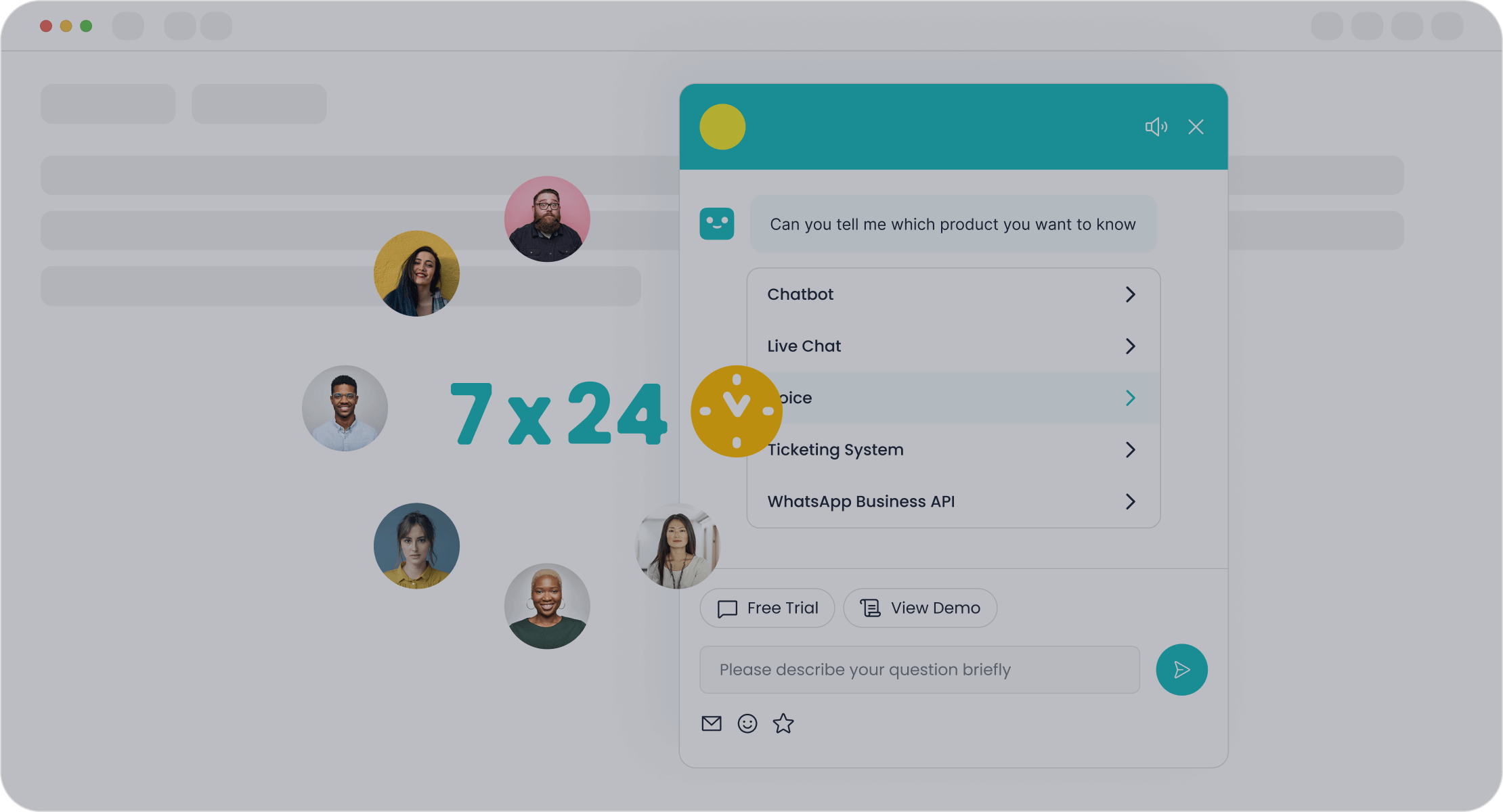
Technology and self-service are powerful, but your team's structure is the backbone of your customer service operation. As you grow, you must optimize how your team works together. A well-designed structure improves accountability, boosts employee engagement by up to 8%, and increases overall support team efficiency. These strategies ensure your team can handle growth without sacrificing quality.
Adopt an Omnichannel Approach with Sobot
Customers expect a seamless conversation, no matter how they contact you. An omnichannel approach unifies all your communication channels into a single, coherent customer experience. This means an agent can see a customer's entire history—from a past email to a recent WhatsApp message—all in one place.
With a complete view of the customer journey, agents can resolve issues on the first contact. This minimizes customer effort and builds lasting loyalty.
Sobot’s all-in-one contact center makes this possible. It integrates channels like live chat, email, and voice calls into one unified workspace. This gives your team the context they need to provide a fast, personal, and effective customer experience every time.
Implement a Collaborative Support Model
Traditional tiered support can create silos and slow down resolutions. A modern, collaborative model like "ticket swarming" is better for scaling. Instead of escalating a ticket through different levels, this model brings the right experts together to solve the problem from the start.
This approach empowers a single agent to own an issue through resolution. They can pull in help from colleagues as needed. This teamwork resolves complex issues faster and prevents customers from being passed from one agent to another, improving their overall experience.
Invest in Continuous Agent Training
Scaling customer support requires your agents to grow with you. Continuous training is not a cost; it is an investment with a clear return. Companies that invest in regular training see profit margins up to 24% higher than those that do not.
Your training should build critical skills for modern customer service, including:
- Tech Adaptability: Using tools like AI and automation effectively.
- Problem-Solving: Handling complex issues without needing to escalate.
- A Customer-First Approach: Prioritizing the customer in every interaction.
Investing in your team's skills is fundamental to successful scaling and delivering excellent customer service.
Strategy 4: Data-Driven Proven Strategies for Improvement
You cannot improve what you do not measure. Data-driven proven strategies transform customer support from a reactive function into a proactive engine for growth. By tracking performance, analyzing trends, and creating feedback loops, you can make informed decisions that enhance your customer service and drive business success. This approach ensures every change is an improvement.
Track Key Performance Indicators (KPIs)
Key Performance Indicators (KPIs) are your compass for scaling. They tell you what is working and where you need to focus your efforts. You should track metrics that align with customer outcomes, such as Customer Satisfaction (CSAT) and First Response Time (FRT). These numbers provide a clear picture of your team's performance.
Set clear goals based on industry benchmarks. This helps you measure success and keep your team aligned.
Here are some common benchmarks to aim for:
| Business Type | CSAT Score | First Response Time (FRT) |
|---|---|---|
| B2C eCommerce | 75-85% | Under 2 minutes for chat |
| B2B eCommerce | 80-90% | Under 5 minutes for chat |
| Enterprise | 75-85% | Under 1 hour |
Tracking these KPIs helps you evaluate performance and monitor customer happiness effectively.
Analyze Support Data to Find Bottlenecks
Your support tickets are a goldmine of information. Analyzing this data helps you identify recurring issues and process bottlenecks before they escalate. Start by categorizing tickets by issue type, product, or customer feedback. This organization reveals patterns and common customer pain points.
For example, a high volume of tickets about a specific feature may signal a need for a better help article or a product update. By using data to find the root cause of issues, you can solve problems proactively. This reduces ticket volume and frees your team for more complex work. These data-driven strategies are essential for long-term efficiency.
Create a Feedback Loop for Continuous Improvement
Data is only valuable when you act on it. A feedback loop ensures that insights from your customer service team are shared across the company, especially with product and marketing teams. When support shares trends about customer confusion, the product team can build a better user experience.
This system for continuous improvement involves a few key steps:
- Collect feedback from every customer touchpoint.
- Analyze the data to identify high-impact issues.
- Share insights with relevant departments to drive change.
- Act on the feedback to show customers you are listening.
This collaborative process turns customer feedback into a powerful tool for improvement.
Scaling customer support requires a smart approach. You have learned four proven strategies: using technology, offering self-service, optimizing your team, and using data for continuous improvement. Successful scaling is an ongoing journey of refinement, not a one-time project. These methods help you build excellent customer service and achieve greater efficiency.
Ready to build a system for customer support at scale? Explore Sobot's solutions to prepare your customer service for future growth and lasting improvement.
FAQ
How does an AI chatbot improve customer support?
You can use an AI chatbot to provide instant, 24/7 support for common questions. This frees your human agents to handle complex issues. This strategy significantly enhances the overall customer experience and boosts your team's efficiency.
Why is a knowledge base important for scaling?
A knowledge base empowers your customers to find answers on their own. This self-service option reduces ticket volume and improves customer satisfaction. Better support is a key factor for successful customer retention and long-term growth.
What is the most important metric for scaling support?
While many KPIs are valuable, tracking the customer retention rate is vital. It directly shows if your support improvements are keeping customers loyal. High customer satisfaction levels often lead to a better customer retention rate and sustainable business success.
See Also
Elevate Your SaaS Customer Support Through Effective Live Chat Tactics
Achieve Higher Customer Satisfaction: Ten Live Chat Improvement Strategies
Become a Live Chat Expert: Enhancing Your Customer Support Operations
Selecting the Best Social Media Customer Service Software: Ten Key Insights
Artificial Intelligence Customer Service Agents Are Transforming Support Experiences

