Top 10 Methods for Customer Satisfaction


Exceptional customer satisfaction is a key business advantage. Poor customer service causes 14% of all customer churn. You can improve customer satisfaction and boost customer retention. A better customer experience also increases revenue. Many customers will pay more for a great experience.
- 86% of buyers will spend more for excellent service.
- 61% of consumers will pay at least 5% extra.
Turn every customer interaction into a growth opportunity. Here are 10 actionable methods to ensure customer satisfaction. Sobot helps you enhance interactions and efficiency, boosting loyalty and satisfaction.
1. Implement Proactive Communication

Waiting for a customer to report a problem is a reactive approach. You can get ahead by using proactive communication. This strategy helps you anticipate customer needs and address potential issues before they escalate. A great proactive strategy builds trust and shows every customer you value their time.
Why Anticipating Needs Matters
Anticipating needs is crucial for a superior customer experience. Today, 75% of customers expect personalized interactions. You can meet this expectation by reaching out first. For example, brands like Amazon and Netflix inform customers about shipping delays or streaming outages before they even ask. This approach turns a potential problem into a positive touchpoint. Using predictive analytics can also improve customer retention by up to 30%. When you anticipate and address customer issues, you show that your customer service is a step ahead. This builds loyalty and makes the customer feel valued. It helps you resolve customer queries efficiently and strengthens your brand's reputation.
Practical Tips for Proactive Outreach
You can implement proactive outreach in several simple ways. Start by sending timely updates about orders, appointments, or potential service interruptions. This keeps your customer informed and reduces their anxiety.
For instance, an effective order update might look like this:
Hello, {Customer First Name}! I’m {Your Name} from {Brand Name}. Your order #{order number} has been received, and we’re working on it now! We’ll message you again when it ships. Questions? Reply here.
To make your outreach effective, follow these key tips:
- Send reminders 24-48 hours before an appointment.
- Personalize messages with the customer's name and specific details.
- Include clear call-to-action buttons for easy confirmation or rescheduling.
- Provide contact information so the customer can easily ask questions.
This simple communication shows you care about the customer's experience and their needs.
2. Act on Customer Feedback
You should treat customer feedback as a valuable resource. It offers direct insights into what your customers want and need. Acting on this feedback is essential for boosting customer satisfaction and driving business growth. Listening to your customer helps you make smarter decisions.
Why Feedback is a Goldmine
Customer feedback is a goldmine of information. It tells you exactly where you can make an improvement. Businesses that use customer feedback to enhance their services often see a 15% lower churn rate. This feedback directly impacts your bottom line. A Forrester study shows that companies focused on customer experience outperform competitors by a 5:1 ratio.
Consider these points about the power of customer feedback:
- 73% of companies see a direct link between customer satisfaction and revenue.
- 65% of businesses expect customer feedback to shape product development.
- 62% of companies use feedback to improve agent performance.
Ignoring feedback is a risk. Gartner predicts that by 2025, customer experience will be the main brand differentiator. Your ability to listen and adapt will define your success and overall customer satisfaction.
How to Systematically Collect Feedback
You need a system to collect and manage customer feedback effectively. A scattered approach means valuable insights get lost. A ticketing system is a great tool. It helps you track every piece of customer feedback from submission to resolution. This ensures you address every customer concern.
Follow these steps to build a strong customer feedback loop:
- Define Your Goals: Know what you want to learn from customer feedback.
- Choose Your Channels: Use methods your customers prefer, like email or customer satisfaction surveys.
- Encourage Participation: Make it easy for a customer to give feedback.
- Analyze and Act: Use tools like sentiment analysis to understand the feedback. Then, take action. Closing the feedback loop is critical for satisfaction.
- Communicate Changes: Tell your customer how their feedback led to changes. Closing the feedback loop shows you value their input.
This process of closing the feedback loop builds trust and increases satisfaction. It turns customer feedback into a cycle of continuous growth.
3. Empower Your Team to Improve Customer Satisfaction
Your team is your greatest asset for creating amazing customer experiences. When you empower your employees, you give them the tools and confidence to solve problems effectively. This directly boosts customer satisfaction and builds a stronger brand.
Empowerment and Customer Happiness
An empowered team is an engaged team. Research consistently shows a direct link between employee engagement and happy customers. For example, Gallup found that high employee engagement can lead to a 10% increase in customer ratings. When your employees feel valued and trusted, they provide better service. This creates a positive cycle that benefits everyone.
Strong leadership is the foundation of this success. The difference is clear when you compare manager effectiveness with employee and customer outcomes.
| Leadership Effectiveness | Employee Engagement | Customer Satisfaction |
|---|---|---|
| Bottom 10% of Managers | 24th Percentile | 36th Percentile |
| Top 10% of Managers | 77th Percentile | 69th Percentile |
Effective leaders create an environment where employees can excel, leading to higher satisfaction for every customer.
Strategies for Training and Trust
Empowerment begins with trust but thrives on training. You must give your team the authority to make decisions. The Ritz-Carlton famously allows each employee to spend up to $2,000 to resolve a customer issue without asking a manager. This level of trust enables fast, effective solutions that create lasting satisfaction.
You can build this capability with targeted training. Zappos, for instance, puts new hires through four weeks of training focused on company culture and customer loyalty. To improve your customer service quality, focus your training on key areas:
- Effective Communication: Teach active listening and clear speaking.
- Problem-Solving: Equip agents to handle difficult situations with confidence.
- Empathy: Help your team understand and connect with the customer's emotional state.
This combination of trust and training empowers your team to go beyond simply fixing problems. They learn to create positive interactions that increase overall satisfaction.
4. Personalize the Customer Experience
Generic, one-size-fits-all interactions no longer meet expectations. Customers want to feel seen and understood. You can achieve this through personalization. This approach tailors the customer experience to individual needs and preferences. It is a powerful way to boost customer satisfaction and build lasting relationships.
Moving Beyond Generic Service
You must move beyond generic customer service to stand out. Personalization of experiences makes your brand memorable and encourages loyalty. When you tailor interactions, you show each customer they are more than just a number. This effort directly translates into repeat business and higher satisfaction. In fact, 78% of consumers are more likely to repurchase from a brand that provides a tailored experience.
Consider the impact of a personal touch:
- 60% of shoppers become repeat buyers after a personalized experience.
- 65% of consumers are more loyal to brands offering these interactions.
- Personalized loyalty programs can lead to 8x higher satisfaction.
This data shows a clear path. A better experience, driven by personalization, creates a loyal customer base and improves overall satisfaction.
Using Data for Tailored Interactions
You can use data to create tailored interactions. The key is to know your customers. By collecting and analyzing customer data, you can understand their behavior, preferences, and history. This allows you to offer relevant recommendations and proactive support. For example, you can use AI-powered chatbots for instant, 24/7 personalized answers to common questions. For more complex issues, live chat allows your agents to provide real-time, tailored human support.
Many businesses see a direct increase in customer retention from their personalization strategies.
Leading brands already use this method effectively. Ulta Beauty uses customer data to deliver real-time promotions based on browsing activity. Similarly, AXA sends geo-specific weather alerts to customers, offering proactive advice on insurance claims. These actions show you care about the individual customer, which is the foundation of excellent customer satisfaction.
5. Reduce Customer Effort
You can significantly improve customer satisfaction by making interactions easier. A difficult or complicated process creates frustration. A simple, frictionless experience builds loyalty. When you reduce the work a customer must do, you show them you value their time and business.
The Value of a Frictionless Experience
A frictionless experience means removing unnecessary steps and obstacles for your customer. This ease of interaction is directly linked to loyalty. Research shows that customer effort is 40% more accurate at predicting loyalty than customer satisfaction scores. The data is clear:
- 94% of customers who have a low-effort interaction intend to repurchase from that company.
- In contrast, only 4% of customers with high-effort experiences plan to buy again.
Making things easy for your customer is not just a courtesy; it is a powerful strategy for growth. Lowering effort is a key driver of long-term satisfaction and repeat business.
Proven Methods to Ensure Customer Satisfaction
You can use specific tools and strategies to create an effortless journey. Automation and smart routing are excellent methods to ensure customer satisfaction. For example, a modern call center solution can simplify how a customer gets help.
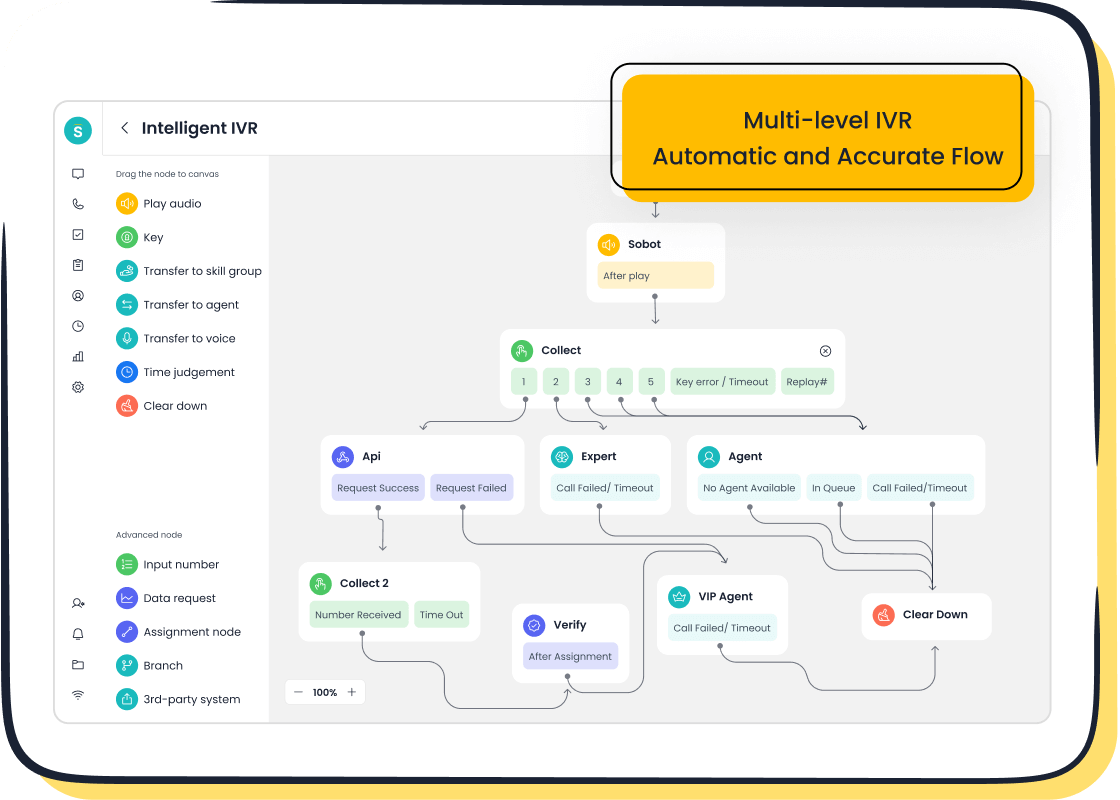
Sobot’s Voice/Call Center helps you achieve this with powerful features. The AI-powered Voicebot offers instant answers to common questions 24/7. The drag-n-drop Intelligent IVR quickly routes customers to the right agent, which minimizes wait times and boosts satisfaction.
Here are other proven methods to ensure customer satisfaction:
- Simplify Onboarding: Provide clear welcome emails and interactive product walkthroughs.
- Offer Self-Service: Build a knowledge base so customers can find answers on their own.
- Remove Friction: Use auto-fill forms and allow sign-ups with third-party accounts.
These tactics reduce effort and create a smooth, positive journey that encourages customer loyalty and satisfaction.
6. Offer Omnichannel Support

Your customers live in a connected world. They expect to interact with you on their preferred channels, from email and phone to chat and WhatsApp. Offering support on multiple channels is a good start. Providing a seamless omnichannel experience is what truly boosts customer satisfaction.
Meeting Customers on Their Channel
A modern customer expects a consistent conversation. In fact, 90% of consumers want seamless interactions when they switch between channels. A customer might start a query on chat and finish it on the phone. They should not have to repeat their story. This is a major source of frustration and a key reason for poor satisfaction scores. A disconnected approach hurts the customer experience. An integrated strategy, however, leads to much higher satisfaction.
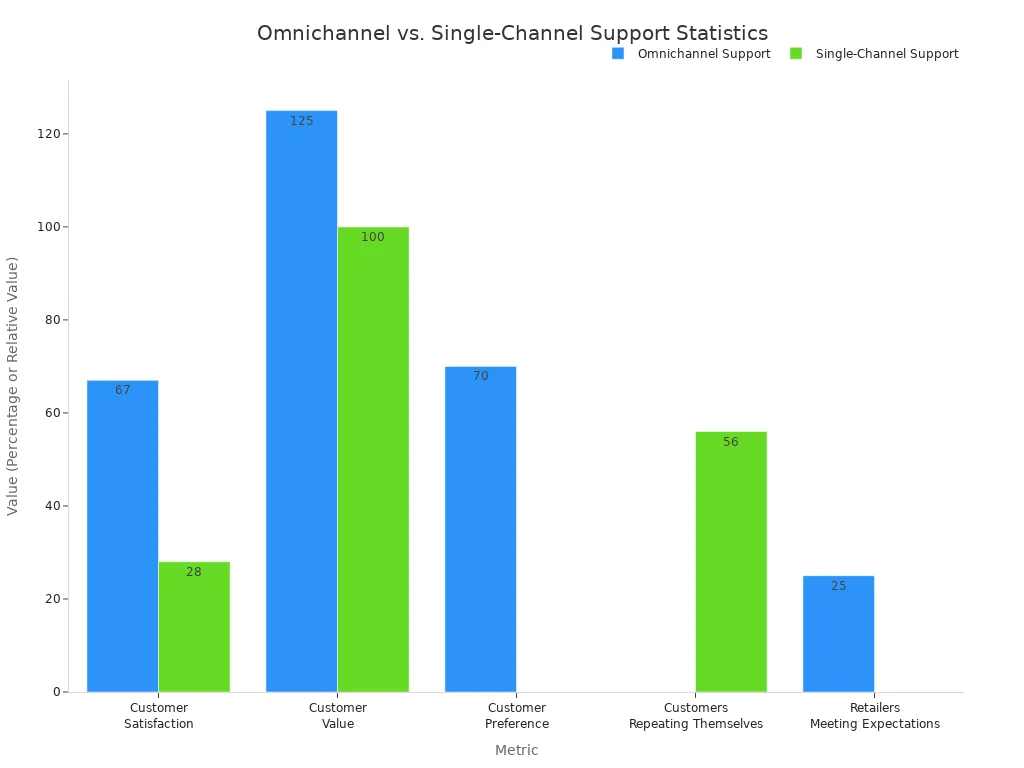
When you meet a customer on their channel without losing context, you show them you value their time. This builds trust and improves overall satisfaction.
Best Practices for an Omnichannel Strategy
You can achieve a true omnichannel experience with the right tools and strategy. A unified platform is essential for effective customer service.
Sobot’s Omnichannel Solution provides a unified workspace for your team. It brings all communications and customer data into one place. This allows your agents to provide seamless, contextual support across every channel. As an official WhatsApp Business Solution Provider (BSP), Sobot helps you meet customer needs on one of the world's most popular apps.
To build a strategy that ensures high customer satisfaction, you should:
- Select a scalable solution that can grow with your business.
- Train your support team to use a unified platform and standardize procedures.
- Use automation for simple questions and let agents handle complex issues.
- Personalize interactions by using customer history and preferences.
- Optimize your process based on feedback and performance metrics to improve satisfaction.
7. Measure and Track Customer Satisfaction Metrics
You cannot improve what you do not measure. Tracking key metrics is the first step to understanding your performance. It gives you the data you need to make smart decisions and improve customer satisfaction. This process turns vague feelings into concrete numbers for improvement.
Tracking Key Metrics: CSAT, NPS, CES
You should use specific metrics to gauge customer satisfaction. Each one provides a different kind of feedback. These three are the most common:
- Customer Satisfaction (CSAT): This metric measures a customer's short-term happiness with a specific interaction. You often collect this feedback through customer satisfaction surveys.
- Net Promoter Score (NPS): This metric gauges long-term customer loyalty. It asks how likely a customer is to recommend your brand. This feedback helps you understand brand health.
- Customer Effort Score (CES): This metric measures how easy it was for a customer to get their issue resolved. This feedback highlights friction in your customer service process.
Industry benchmarks can provide context for your scores. Good satisfaction scores vary by sector.
| Sector | Average CSAT Score |
|---|---|
| E-commerce and Retail | 82% |
| Banking | 75-85% |
This data gives you a target for your own satisfaction goals. Consistent feedback collection is key.
Turning Data into Actionable Insights
Collecting feedback is just the beginning. The real value comes from turning that data into action. You must analyze the feedback to find patterns and opportunities for improvement. This is how you truly enhance customer satisfaction.
Platforms like Sobot provide built-in data analytics and real-time monitoring. You can track metrics and agent performance in one place. This helps your business make informed decisions based on customer feedback.
Leading companies use customer feedback to drive change.
- Disney uses feedback from touchpoints like ticketing to map the customer journey.
- Airbnb uses user feedback to make its booking process smoother.
- Starbucks listens to social media feedback to address service issues quickly.
By analyzing feedback, you can identify specific areas for improvement. This focused approach helps you create a better experience for every customer and boost overall satisfaction.
8. Create a Customer-Centric Culture
True customer satisfaction comes from your company's core values. You must build a culture where every employee prioritizes the customer. This approach makes excellent service a shared responsibility, not just a department's job. A strong customer-centric mindset drives loyalty and growth.
Making Customer Satisfaction Everyone's Job
You should make the customer the focus of every department. A customer-first mentality is not just for your customer service team. It involves everyone, from marketing to engineering. When your whole organization aligns with customer needs, you create a seamless experience. Companies with this focus are 60% more profitable than those without it.
Many successful brands show the power of this approach.
| Company | Customer-Centric Practice | Business Impact |
|---|---|---|
| Amazon | Uses data for personalized recommendations. | Personalization drives 35% of total sales. |
| Zappos | Empowers agents to solve problems with empathy. | Revolutionized support and created customer delight. |
This shared focus on the customer leads to higher satisfaction and better business outcomes.
Leadership's Role in a Customer-First Mindset
A customer-centric culture starts at the top. Your leadership team must champion this vision. Leaders show their priorities through their actions and rewards. When leaders demonstrate empathy and trust, employees feel valued and empowered. This positive environment directly improves every customer interaction and boosts satisfaction.
A powerful example is Samsung. The company achieved a 97% satisfaction rate by implementing Sobot's all-in-one solution. This move unified communication channels and empowered agents with complete customer data. It shows a true commitment from leadership to invest in tools that enable better service, proving that a customer-centric culture delivers measurable results.
You can build this culture by:
- Making customer needs a priority in all business decisions.
- Encouraging every team to understand its impact on the customer.
- Actively collecting and acting on customer feedback.
When you lead with a focus on the customer, your entire organization follows.
9. Reward Customer Loyalty
You can turn a happy customer into a loyal advocate by showing appreciation. Rewarding customer loyalty is more than just giving discounts. It is a powerful way to build an emotional connection with your brand. This strengthens relationships and boosts long-term satisfaction.
The Psychology of Appreciation
Rewarding a customer taps into powerful psychological principles. When you give a customer an unexpected gift, it creates a memorable moment and deepens their connection to your brand. This is the principle of reciprocity. People feel a natural urge to return a favor. A small reward can encourage a customer to continue their loyalty.
People also seek consistency. A customer who joins your customer loyalty program begins to see themselves as a loyal supporter. They will act in ways that match this self-image. This builds a cycle of repeat business and higher satisfaction.
You can also motivate a customer by showing them their progress. The endowed progress effect shows that people are more likely to finish a task if they feel they have a head start. Giving a new customer bonus points makes them feel invested from day one. This simple act increases their commitment to your brand and its loyalty program.
Simple and Effective Loyalty Ideas
You can create an effective loyalty program without a huge budget. The key is to offer value that your customer appreciates. Many successful brands, like Starbucks and Sephora, use points-based systems that lead to high customer satisfaction.
Here are some simple ideas to build customer loyalty:
- Use a Points System: Let a customer earn points for every purchase. They can redeem these points for free products or discounts.
- Create Tiers: Offer different levels of rewards, like Silver, Gold, and Platinum. A customer who spends more gets better perks, which encourages more spending.
- Offer Exclusive Access: Give your most loyal customers early access to new products or special sales. This makes them feel valued and important.
- Surprise and Delight: Send an unexpected gift on a customer's birthday or anniversary. This personal touch creates a strong emotional connection and boosts loyalty.
10. Be Transparent and Honest
You build the strongest customer relationships on a foundation of trust. Honesty and transparency are not just buzzwords; they are essential practices. When you are open with a customer, you show respect for their business and their intelligence. This approach is critical for long-term satisfaction and loyalty.
Building Trust Through Openness
You can earn customer trust by being open in your communications. Research shows a powerful link between transparency and consumer confidence. Practices like clear pricing, honest data policies, and straightforward customer service create a strong positive connection. This openness is even more impactful when combined with ethical marketing.
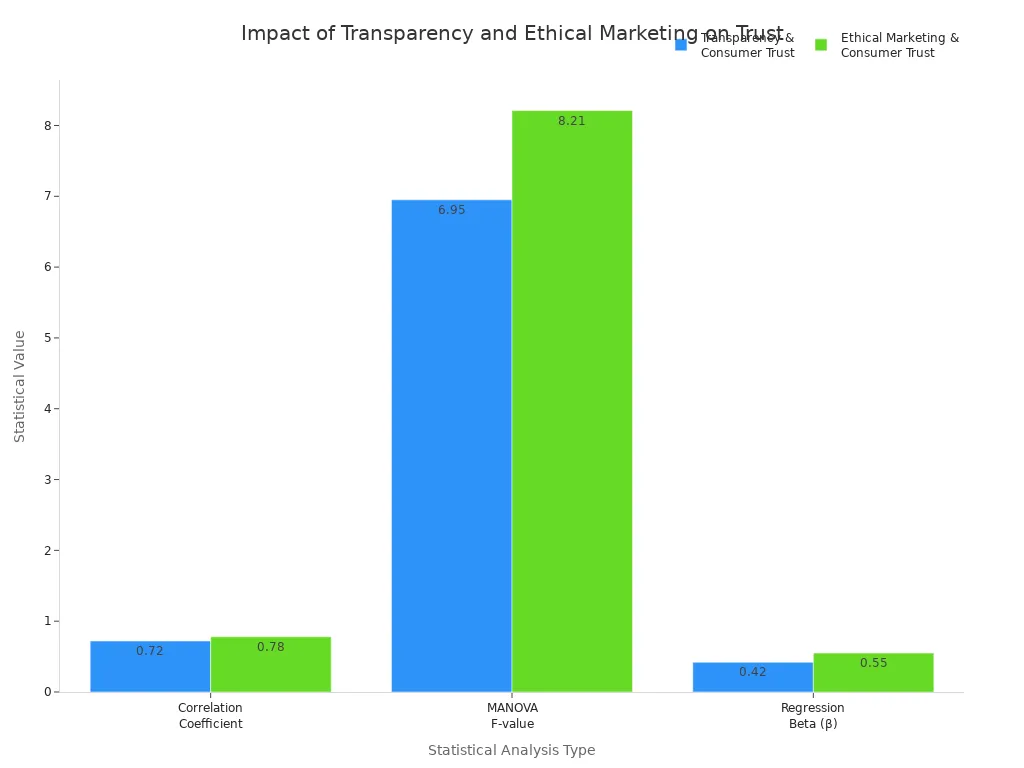
A transparent brand communicates openly about its products, sourcing, and even company changes. This consistency helps bridge the gap between how much companies think a customer trusts them and how much they actually do. Openness is a key driver of satisfaction.
How to Handle Mistakes and Communicate
Mistakes happen. How you handle them defines your brand's character and impacts customer satisfaction. A clear plan helps you turn a negative situation into an opportunity to build trust. You should communicate with care and empathy.
Follow these steps to manage mistakes effectively:
- Listen Actively: First, listen to the customer's concerns. Acknowledge their feedback to show you value their input.
- Respond Promptly: Aim to follow up within 24 hours. A quick response shows the customer you are taking their issue seriously.
- Take Ownership: Step up and accept responsibility for your part in the problem. Do not make excuses.
- Communicate Clearly: Explain the next steps you will take to resolve the issue. This transparency gives the customer a clear roadmap and manages their expectations.
- Follow Up: After you resolve the issue, follow up with the customer. Inform them of the actions you took. This final step closes the loop and reinforces their trust, leading to greater satisfaction.
You can improve customer satisfaction with ongoing effort. This is a journey of continuous improvement. Using integrated solutions for your customer service helps you apply these methods to ensure customer satisfaction. This commitment boosts customer retention and loyalty. The right methods to ensure customer satisfaction create a better experience for every customer, leading to higher satisfaction.
Ready to embark on your contact journey? Explore how Sobot’s all-in-one solution can accelerate your success. Contact us at marketing@sobot.io or visit our website at https://www.sobot.io/.
FAQ
Why is customer feedback so important?
Customer feedback is a direct line to your customers' thoughts. This feedback shows you what works and what does not. You can use this feedback to improve your service. Acting on feedback helps you meet customer needs and build loyalty. Good feedback creates better experiences.
What is the first step to improve satisfaction?
You should start by listening to customer feedback. This feedback gives you valuable insights. You can collect feedback through surveys or direct conversations. Analyzing this feedback helps you understand what to fix first. This is the foundation for making meaningful improvements.
How can technology help my team?
Technology helps your team manage customer feedback more efficiently. It can organize all feedback in one place. This allows your team to respond faster and track issues easily. It ensures no piece of customer feedback gets lost, which improves your team's performance.
See Also
Discover the Leading Customer Service Software Solutions for 2024
Enhance Live Chat Satisfaction: Ten Essential Tips for Your Customers
Unveiling the Premier Voice of Customer Software Options for 2024
Implementing Top Quality Management Practices in Your Call Center
Selecting Social Media Customer Service Software: Ten Expert Tips