Fix issues with CCM solutions

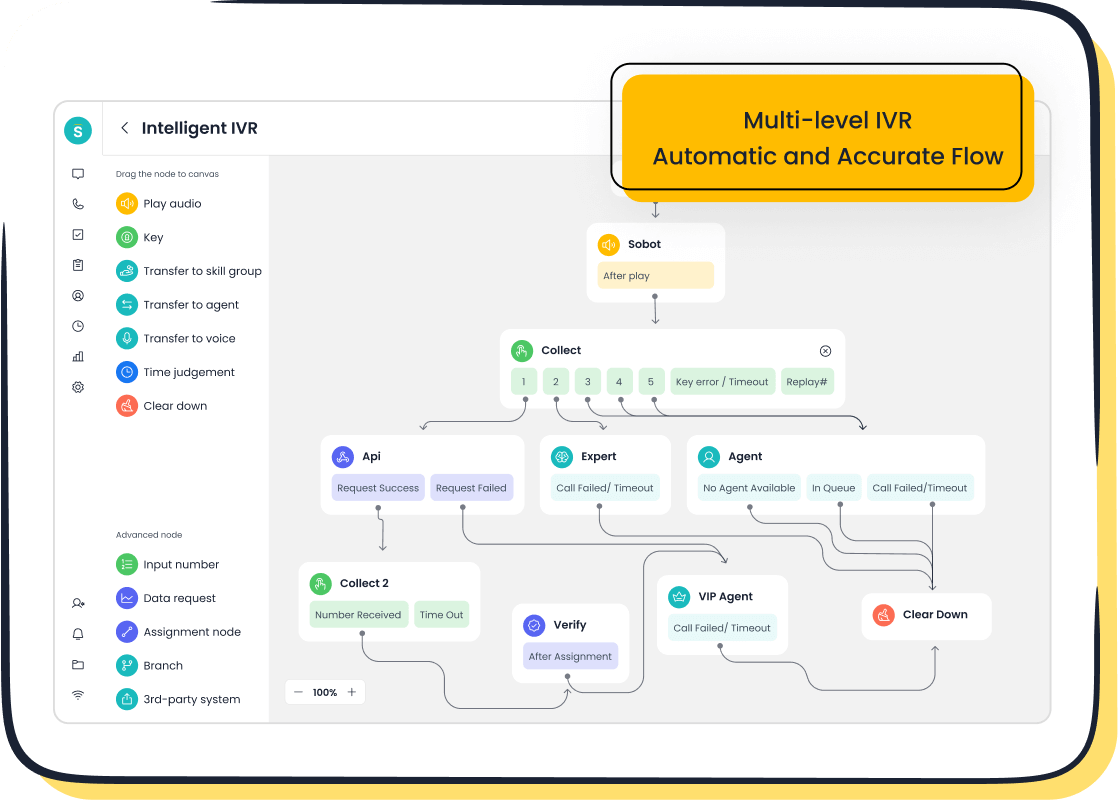
Businesses often face a significant risk with outdated customer communication management. High costs and integration failures lead to a poor customer experience. The solution starts with diagnosis. Evaluating the pros and cons of modern customer communication management solutions reveals the root cause of this risk. A platform like Sobot, with its Sobot AI and Sobot call center, provides a clear path to effective customer communication management and improvement. This guide offers an actionable plan to identify and address these specific issues.
Evaluating the Pros and Cons of CCM Software
A thorough evaluation of customer communication management solutions reveals clear pros and cons. Businesses must weigh the benefits of modern platforms against the dangers of outdated systems. This analysis helps diagnose the root cause of communication failures.
Pro: Unified Platforms for Better Customer Support
Modern customer communication software offers unified platforms. These systems provide significant advantages for customer support. They centralize data and prevent information silos. This ensures all departments have a complete view of the customer. Key features include:
- Omnichannel Consistency: Businesses can deliver clear and consistent messaging across all channels, from email to mobile apps. The platform manages content centrally for a seamless experience.
- Intelligent Automation: Conversational AI powers virtual assistants for automated, human-like interactions. This improves the efficiency of customer communication management.
- Actionable Analytics: Reporting tools analyze customer interaction trends. These insights help personalize the brand voice and improve the overall customer experience.
These pros demonstrate how a modern approach to customer communication management directly enhances customer support operations.
Con: The Risk of Legacy System Dependencies
Legacy systems present a significant risk to any organization. Their outdated architecture creates numerous problems. These systems often lack support from original vendors. This makes maintenance difficult and costly. The primary cons and associated risk factors include:
Security Vulnerabilities: Older systems often have unpatched software. This makes them easy targets for cyber threats, creating a major security risk. Compliance Issues: Many legacy platforms were built before modern regulations like GDPR. They struggle to meet current compliance standards, exposing the business to legal risk. Data Silos: Fragmented data prevents departments from sharing vital information. This leads to disjointed customer interactions and poor service quality.
These dependencies hinder growth and damage customer relationships. They are a core issue in ineffective customer communication management.
Fixing Poor CCM Integration & Data Silos
Integration failures and data silos are common pain points with outdated CCM systems. They prevent a unified view of the customer, leading to disjointed experiences. Fixing these issues requires adopting modern architectures and identifying the legacy code that holds a business back.
Pro: API-First Architecture for Seamless Integration
Modern platforms built with an API-first architecture offer a powerful solution to integration challenges. This approach prioritizes connectivity, allowing a business to build a flexible and future-proof tech stack. It provides a clear advantage for customer communication management.
- Secure and Flexible Connections: An API-first design uses modern REST APIs for secure integration. It allows a CCM to connect smoothly with enterprise CRMs like Salesforce or e-commerce platforms like Shopify.
- Faster Time-to-Value: This architecture often includes pre-built connectors and reusable templates. It eliminates the need for complex IT workarounds and reduces implementation time.
- Eliminates Data Duplication: Automatic data synchronization between systems prevents double entry and version mismatches, ensuring all teams work with the same information.

For example, Sobot's Omnichannel Solution creates a unified workspace for agents. It integrates voice, email, and social media into one platform, breaking down data silos. This approach provides seamless omnichannel support and improves the quality of customer support.
Con: Identifying Monolithic Code as the Root Cause
Many integration failures stem from a CCM's reliance on monolithic code. In a monolithic system, all components are tightly coupled into a single application. This structure creates a significant risk because a failure in one part can bring down the entire system. Identifying this as the root cause is the first step toward a solution.
If replacing the system is not immediately possible, businesses can take steps to mitigate the risk associated with monolithic architecture.
- Implement Load Balancing: Distribute requests evenly across multiple instances of the application. This prevents any single instance from becoming overwhelmed.
- Use Feature Flags: Turn new features on or off without redeploying the entire application. This minimizes the risk of new code causing system-wide failures.
- Adopt Canary Releases: Roll out updates to a small subset of users first. This strategy limits the impact of potential bugs before a full release.
These tactics help manage the inherent risk of older systems while planning a transition to a more modern customer communication management platform. A robust omnichannel support strategy depends on a system that can adapt and grow with the business, a feat difficult for monolithic structures to achieve. This makes effective customer communication management a challenge. Ultimately, a flexible system is essential for excellent customer support.
Tackling the High Cost of Customer Communication Management
High costs are a major challenge in customer communication management. On-premises systems often come with expensive infrastructure and maintenance fees. Businesses can tackle this issue by adopting modern solutions and learning to identify hidden expenses. This approach reduces financial risk and improves budget predictability.
Pro: SaaS Customer Communication Management Solutions
Software-as-a-Service (SaaS) models offer a clear financial advantage for customer communication management. They replace large upfront investments with predictable subscription fees. This shift eliminates the need for businesses to purchase and maintain their own hardware. Key benefits include:
- Transparent Cost Structure: A fixed annual access fee provides clarity and predictability. This allows for effective budget planning.
- Elimination of Infrastructure Costs: SaaS solutions remove expenses tied to servers, IT personnel, and ongoing updates.
- Flexible Licensing: Pay-as-you-go models allow organizations to scale licenses based on demand, ensuring they only pay for what they use.
Sobot’s economic SaaS rental model exemplifies this cost-effective approach. It bundles software, global numbers, and WhatsApp into an all-in-one platform, controlling the total cost of ownership. For example, Opay implemented Sobot's solution and achieved a 20% reduction in overall costs. This shows how modern customer communication management solutions can deliver significant savings.
Con: Diagnosing Hidden Scalability and Usage Fees
A vendor’s initial price is often not the full story. Hidden fees can accumulate over time, creating a significant financial risk. Diagnosing these costs is essential for effective customer communication management. Businesses must look beyond the proposal and account for expenses that appear later.
Common hidden fees in customer communication management solutions include:
- Maintenance and upgrade costs
- Support and end-user training fees
- Customization or integration charges
- Market data and infrastructure fees
Identifying these potential expenses early helps a business calculate the true total cost of ownership. A thorough evaluation protects the organization from unexpected financial burdens. It reduces the risk of choosing a platform that becomes too expensive to maintain.
Fixing an Ineffective Customer Experience (CX)

An ineffective customer experience (CX) poses a serious risk to brand loyalty and revenue. When communications are generic and support is slow, customers quickly become frustrated. Fixing this requires a shift toward intelligent, personalized interactions. Modern customer communication management platforms use AI to orchestrate journeys and overcome legacy system limitations, directly improving customer satisfaction.
Pro: AI-Powered Journey Orchestration
Modern platforms use AI-powered journey orchestration to deliver a superior customer experience. These ai-powered tools leverage predictive analytics to create tailored interactions. This approach enables hyper-personalization at scale.
- AI analyzes customer behavior to gauge interest and customize outreach.
- It automates journey testing to find and fix friction points.
- It uses data-driven insights to send personalized communication at the optimal time.
Sobot’s AI-driven chatbots and intelligent IVR demonstrate this power. In the case of Opay, these tools enabled 60% of customers to self-serve, freeing agents for complex issues. This strategic use of automation improved the overall customer experience. The result was a massive leap in customer satisfaction, which soared from 60% to 90%. This shows how effective customer communication management boosts customer engagement and loyalty.
Con: Overcoming Complex Template Management
Outdated systems often create a significant risk with complex and fragmented template management. This complexity makes it difficult to maintain brand consistency and deliver timely, personalized communication. It undermines the customer experience and reduces customer satisfaction. Overcoming this challenge is crucial for effective customer support.
Modern customer communication management solutions solve this problem with centralized content management. These systems provide a single repository for all templates, brand assets, and business rules. This approach eliminates duplication and empowers business teams to make updates without IT support. Generative AI can even assist in template creation, suggesting layouts and brand-aligned copy. These data-driven insights streamline workflows and reduce the risk of inconsistent messaging. Better template control enhances customer engagement and leads to a better customer experience, which ultimately improves customer satisfaction and strengthens the customer support function.
Resolving Compliance and Security Risks

Navigating the complex landscape of compliance and security is a critical challenge. A failure in this area exposes a business to severe financial and reputational risk. Effective customer communication management must include robust tools for governance and cybersecurity. These tools help organizations resolve compliance issues and mitigate the significant risk associated with data handling. A strong compliance management plan is essential for modern business.
Pro: Governance for Compliant Customer Support
Modern CCM platforms provide built-in governance for compliant customer support. These enterprise compliance solutions offer a framework for proactive risk management. They automate compliance management processes to reduce human error and ensure adherence to regulations. This approach strengthens the overall risk management strategy. Key features that enhance compliance and cybersecurity include:
- Data Protection: Strong encryption and authentication protocols safeguard sensitive customer data from unauthorized access. This is a core part of cyber risk management.
- Access Management: Role-based access controls limit data visibility to authorized personnel only, reducing internal risk.
- Audit Trails: Full audit trails monitor all user activity, creating a clear record for compliance checks and improving cyber risk management.
These tools help businesses meet strict compliance standards like GDPR and HIPAA. They provide a centralized foundation for risk and compliance management. This ensures a high level of cybersecurity and compliance.
Con: Assessing Regional Data Residency Controls
Businesses face a major risk from varying regional data residency laws. A CCM solution must offer controls to manage where data is stored. Failure to meet these requirements leads to severe consequences. Non-compliance can result in massive fines, as seen when Meta was fined €1.2 billion for violating GDPR. This highlights the financial risk of poor compliance management.
Assessing a platform's data controls is a crucial part of cyber risk management. Without proper controls, a company faces not only fines but also reputational damage that erodes customer trust. This risk is magnified by the increasing consumer awareness of data privacy laws. Ineffective compliance management can even lead to market exclusion. A strong cybersecurity posture requires a system that can handle complex data residency rules. This is a non-negotiable aspect of cyber risk management and overall compliance. The risk of inaction is too great to ignore, making diligent cyber risk management a top priority.
Fixing customer communication management involves several key actions. Businesses leverage APIs for integration and adopt SaaS models for cost control. AI enhances the customer experience. Built-in governance resolves compliance risk. Effective customer communication management reduces this risk. A poor customer experience is a significant risk. Strong compliance mitigates this risk.
A targeted audit of current customer communication management solutions is the next step. This audit assesses compliance risk and overall compliance. It creates a roadmap for improving customer communication management. This plan addresses compliance, risk, and compliance. It ensures compliance and better customer communication management. This audit is vital for compliance.
This process helps businesses choose a modern solution like Sobot to begin a better contact journey.
FAQ
What is customer communication management?
Customer communication management (CCM) is the strategy and technology businesses use to create, deliver, and manage outbound communications. This includes documents like bills, statements, and marketing messages. Effective CCM ensures communications are consistent, personalized, and compliant across all channels.
How does an API-first CCM improve integration?
An API-first platform prioritizes connectivity. It allows a business to seamlessly connect its customer communication management software with other systems like CRMs or e-commerce platforms. This approach eliminates data silos, reduces IT complexity, and ensures all teams have access to unified customer data.
Can a modern CCM solution reduce operational costs?
Yes. A SaaS-based CCM solution eliminates expensive hardware and maintenance fees. For example, Sobot’s all-in-one platform bundles software, global numbers, and WhatsApp into a predictable subscription. This model helps businesses like Opay reduce overall costs by over 20%.
How does AI enhance the customer experience?
AI powers features like intelligent chatbots and automated journey orchestration. It enables hyper-personalization and allows customers to self-serve for simple issues. This frees up human agents to handle complex problems, which boosts efficiency and increases customer satisfaction rates significantly.
See Also
Optimizing Call Center Performance: Essential Strategies for Quality Management Excellence
Seamless Customer Journeys: A 10-Step Guide to Omnichannel Implementation Success
Enhancing Customer Service: Your Comprehensive Guide to Quality Assurance Software
Transforming Customer Interactions: An In-Depth Review of AI Call Center Solutions
Leading Contact Center Platforms: An Expert Review of Top Solutions for 2024

