The Pros and Cons of AI Chatbots for Business

Business owners often ask: Are AI chatbots a smart investment or a risk to the customer experience? This question is central for any company considering new technology. AI promises better service and cost savings. But a key dilemma remains.
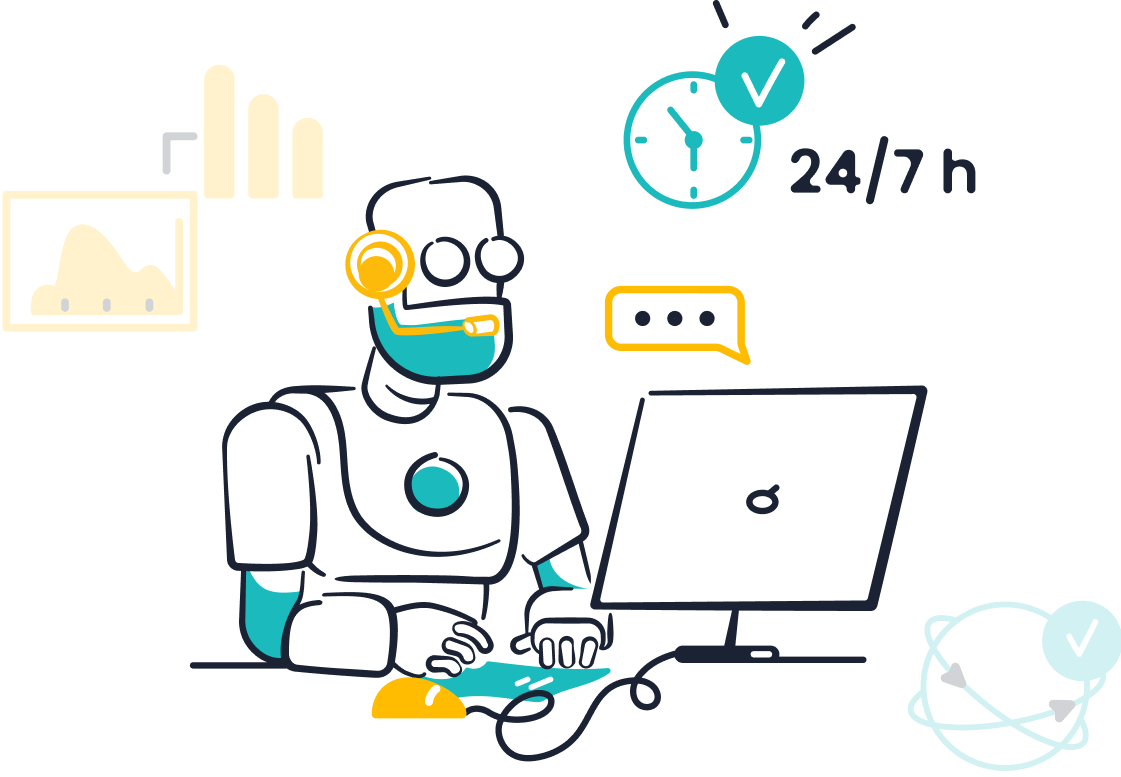
AI offers 24/7 support, but can a bot truly replace the human touch your customer values?
This article provides a balanced analysis of the pros and cons of chatbots. We will explore the pros and cons to help you decide if artificial intelligence chatbots are the right move. This guide will help you evaluate AI customer support tools small business owners can use, like Sobot, to improve their customer service.
The Pros: Business Advantages of AI in Customer Service
Implementing AI in customer service offers significant advantages. Businesses can transform their support operations with these powerful AI tools. They improve how companies interact with every customer. Let's explore the key benefits of using AI chatbots.
24/7 Availability and Instant Responses
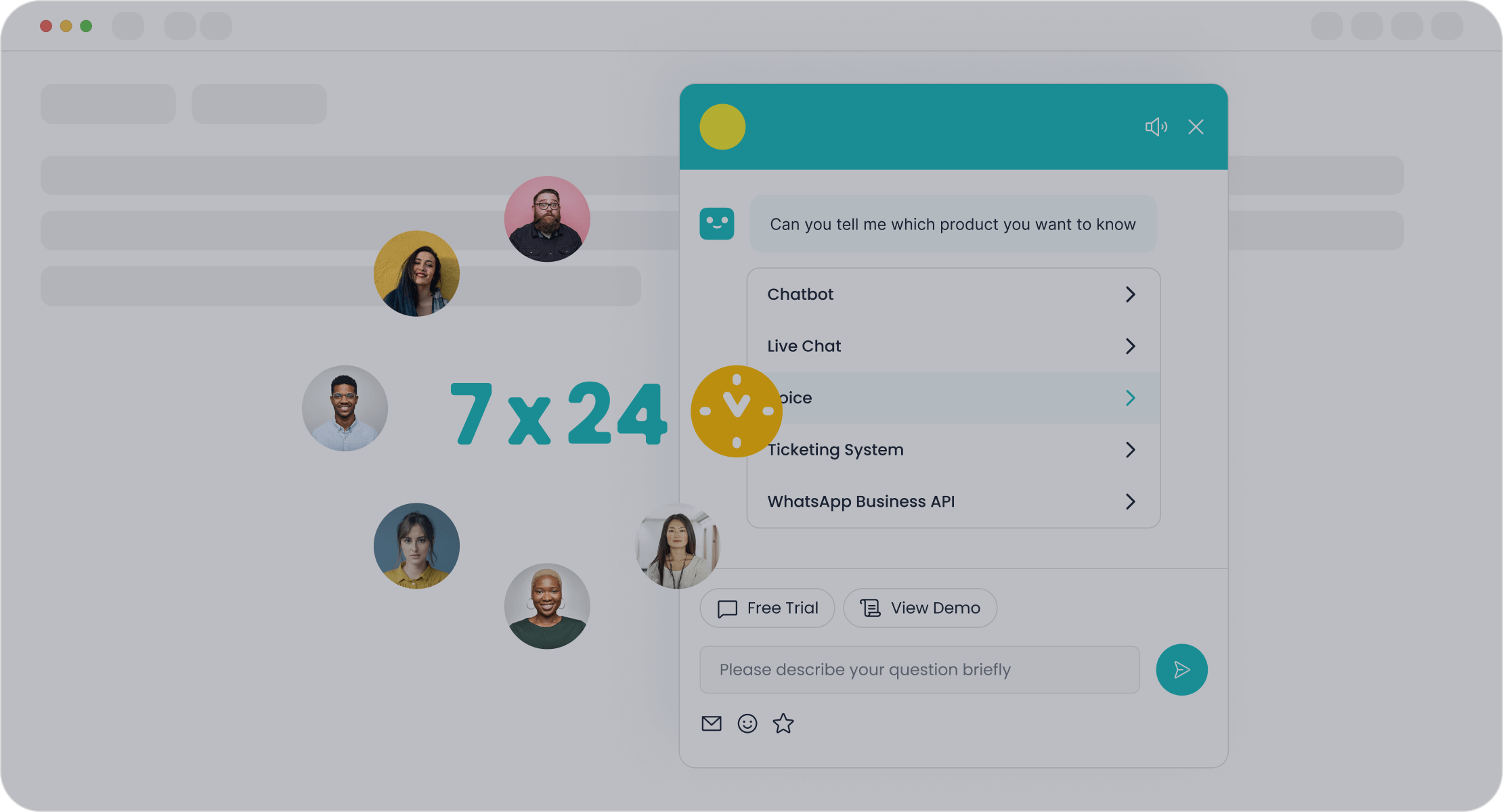
Today's customers expect answers immediately. They do not want to wait for business hours to get help. This is where the 24/7 availability of AI chatbots becomes a major advantage. A chatbot never sleeps. It provides continuous service on weekends, holidays, and overnight. This means a customer with a question at 2 a.m. receives the same level of support as a customer at 2 p.m.
This constant availability leads to faster response times. Studies show that responsiveness directly impacts customer satisfaction and purchase intention. Immediate responses make customers feel valued and heard. This builds trust and loyalty. With 24/7 chat capabilities, you can meet key performance targets that are impossible with human agents alone.
| Metric | Target (with 24/7 chatbot support) |
|---|---|
| Overnight First Response Time (FRT) | < 30 seconds |
| AI Resolution % (night) | ≥ 70 % |
| Morning backlog change | –25 % |
| CSAT gap (day vs night) | < 5 points |
Proactive chatbots can also anticipate user needs. They offer timely information. This enhances the customer experience and can lead to higher purchase intentions.
Ultimately, the 24/7 availability and instant responses from chatbots create a better service experience. This keeps your customers happy and engaged, no matter the time of day.
Increased Efficiency and Cost Reduction
One of the most compelling reasons to adopt AI in customer service is the potential for huge efficiency gains and cost savings. Chatbots automate repetitive and simple inquiries. This frees up your human agents to focus on complex, high-value customer issues that require empathy and critical thinking.
This automation has a direct impact on productivity. For example, a powerful tool like the Sobot AI Chatbot can improve team productivity by 70%. The AI handles the bulk of common questions. Your team can then handle more difficult tasks without feeling overwhelmed. This leads to a more effective and motivated support staff.
The financial benefits are just as impressive. Running a 24/7 human support center is expensive. AI chatbots provide after-hours support at a fraction of the cost. This can lead to significant cost savings. Businesses using Sobot's AI tools have seen savings of up to 50% on agent costs. The AI works around the clock, reducing the need to hire additional staff for peak periods or night shifts.
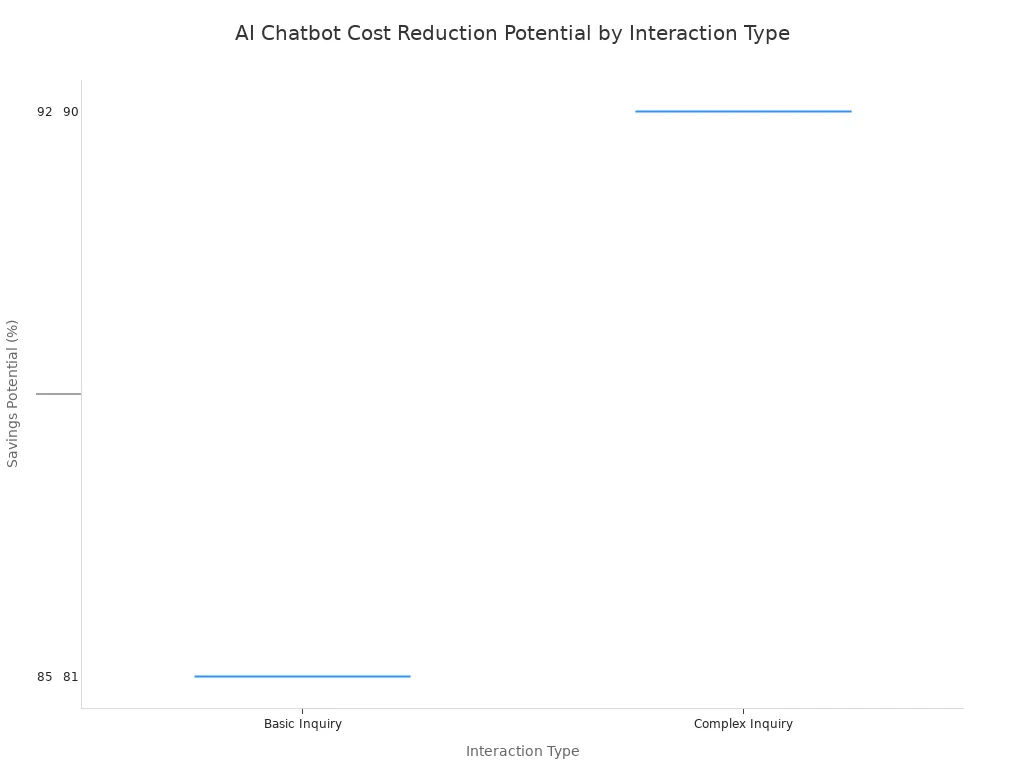
The savings potential varies by the type of interaction, but the numbers are consistently high.
By improving efficiency and cutting expenses, AI in customer service allows you to reinvest resources into other critical areas of your business.
Enhanced Lead Generation and Sales
Chatbots are more than just support tools. They are also powerful engines for lead generation and sales. A chatbot on your website can engage visitors proactively. It can answer product questions, offer recommendations, and guide users toward making a purchase. This turns passive website browsers into active leads.
Here’s how it works:
- 24/7 Engagement: A chatbot is always online to capture leads. It can ask qualifying questions to identify serious buyers, even outside of business hours.
- Automated Lead Scoring: Conversational AI can score leads based on their answers and behavior. This helps your sales team prioritize the hottest prospects.
- Seamless Handoff: High-quality leads can be automatically routed to the right sales representative. Some AI tools can even schedule meetings directly within the chat window.
These benefits are not just theoretical. Customizable chatbots like Sobot can help businesses capture 30% more leads. By providing instant engagement and gathering key information, AI ensures no potential customer slips through the cracks. This streamlined process boosts efficiency and gives your sales team the data they need for more personalized and effective follow-ups.
Valuable Data and Customer Insights
Every interaction a customer has with your chatbot is a source of valuable data. AI in customer service acts as a constant feedback loop. It collects information on customer preferences, common questions, and pain points. This data provides deep insights into what your customers are thinking and what they need from your business.
You can track several key metrics to understand performance and customer behavior:
- Bot Resolution Rate: What percentage of issues does the chatbot solve on its own?
- Customer Satisfaction (CSAT): How happy are customers with the chatbot interaction?
- Conversation Patterns: What are the most frequently asked questions or discussed topics?
- Goal Completion Rate: How often do users complete a desired action, like signing up for a newsletter?
Analyzing this data helps you make smarter business decisions. For instance, if many customers ask about a specific feature, you might realize your website needs clearer information. If you identify common product complaints, you can pass that feedback directly to your product development team. This use of AI helps you refine your marketing campaigns, improve your service offerings, and ultimately build a better customer experience. These AI tools give you the information needed to grow and adapt.
The Cons: Key Challenges of Using Chatbots
While AI chatbots offer many benefits, they also come with significant challenges. Business owners must understand these potential drawbacks before investing in AI tools. A clear view of the cons helps you make a balanced decision for your company and your customers. Ignoring these issues can lead to a bad customer service experience and damage your brand's reputation.
Lack of Human Empathy and Emotional Nuance
One of the biggest limitations of AI is its inability to replicate human emotion. Chatbots operate on logic and data. They cannot truly understand or share a customer's feelings. This lack of empathy can be a major problem, especially when a customer is frustrated, angry, or dealing with a sensitive issue. Research shows that 61% of consumers believe human agents are better at understanding their needs than AI.
When customers are upset, they often seek more than just a solution. They want to feel heard and understood. A chatbot might provide the right answer, but it can't offer genuine remorse or compassion, which can make the customer feel dismissed.
Human emotional intelligence is irreplaceable in many customer service scenarios. An emotionally intelligent agent can:
- Build trust by showing genuine care, turning a frustrated customer into a loyal advocate.
- Anticipate needs by picking up on subtle cues like hesitation in a customer's tone.
- De-escalate conflict by validating feelings and calmly guiding the conversation toward a resolution.
- Handle urgent issues that require real-time problem-solving and a true personalised experience.
For complex or emotional problems, a bot’s scripted response can feel cold and unhelpful. This is why many customers still prefer speaking to a person for important matters. Without the ability to provide a truly personalized service that accounts for emotion, chatbots risk alienating the very customers you want to support.
Implementation and Ongoing Maintenance Needs
Implementing AI chatbots is not a simple "plug-and-play" solution. It requires a significant investment of time and money. The initial setup costs can be high, depending on the complexity of the AI you choose. After the launch, chatbots require continuous maintenance to remain effective.
The cost of developing and maintaining a chatbot varies widely. A simple rule-based bot is much cheaper than a sophisticated conversational AI system. Here is a general idea of the costs involved:
| Chatbot Type | Development Cost Range | Monthly Subscription Cost |
|---|---|---|
| Rule-Based Chatbots | $5,000–$30,000 | $30–$150 |
| AI-Powered Chatbots | $75,000–$500,000 | $800–$10,000+ |
| Generative AI Chatbots | $150,000 and up | Varies widely |
Beyond the initial build, you must account for ongoing expenses. These can include:
- Monthly subscription fees for the chatbot platform.
- Maintenance costs, which can range from $500 to $2,000 per month.
- Integration fees for connecting the bot to other systems like your CRM.
- Training and updates to keep the bot's knowledge base current and improve its performance.
These AI tools need regular attention. You must monitor conversations, identify areas where the bot is failing, and update its programming. This requires dedicated staff and resources. Businesses that underestimate the need for ongoing maintenance often find their AI investment delivers poor results.
Limits in Handling Complex Queries
Chatbots excel at answering simple, repetitive questions. However, they often struggle with complex or unusual problems. When a customer has a multi-part question or a unique issue that doesn't fit a pre-programmed script, the chatbot can fail. This limitation can lead to customer frustration and a broken service experience.
Statistics show that this is a common problem. Even for simple questions, 20% of customers report that AI chatbots cannot provide the answer they need. This forces the customer to seek out a human agent, defeating the purpose of the bot. The situation gets worse when the handover from AI to a human is not smooth.
- 76% of customers rate their experience significantly worse if they are forced to repeat information to a human agent after first talking to a bot.
This repetition makes the customer feel like their time has been wasted. It creates a disjointed and inefficient service process. A chatbot that cannot understand a query may respond with irrelevant information or get stuck in a loop, asking the same questions over and over. This frustrating experience can damage customer trust and make them less likely to use your service in the future. Effective AI tools must have a clear and seamless escalation path to a human for issues they cannot resolve.
Data Privacy and Security Concerns
When you use chatbots for customer service, you are collecting a large amount of customer data. This creates significant data privacy and security responsibilities. Every conversation may contain personal details, contact information, and sometimes even sensitive financial or health data. Protecting this information is critical.
Hackers can target chatbots to steal data or attack your organization. At the same time, regulations around data privacy are becoming stricter.
- GDPR (General Data Protection Regulation) in Europe and CCPA (California Consumer Privacy Act) in the United States give consumers rights over their data. These laws require businesses to be transparent about how they collect, use, and protect customer information.
- The U.S. lacks a single federal privacy law, creating a complex landscape of state-level rules that businesses must navigate.
- Regulators like the FTC (Federal Trade Commission) are closely watching how companies use AI, especially with minors.
Using a third-party AI service adds another layer of risk. You must be clear on who owns the data from customer conversations and whether it is used to train the vendor's AI models. If a chatbot provides misleading information, your company could be held legally responsible. Businesses must ensure their AI and data practices are secure and compliant to avoid heavy fines and loss of customer trust.
Making the Right Choice: The Pros and Cons of Chatbots Weighed
Understanding the pros and cons of chatbots is the first step. The next is deciding if they are right for you. A careful evaluation of your specific situation will help you weigh the pros and cons and make an informed choice. This process ensures you select the right AI tools for your goals.
Assessing Your Business and Customer Needs
Before you invest in AI, you must assess your needs. This helps you choose the right technology for your company. Ask yourself these key questions:
- What are your technical resources? Do you have an in-house team for coding, or do you need a no-code solution?
- What is your budget? Consider both the initial setup and ongoing maintenance costs.
- What integrations are necessary? List the systems your chatbot must connect with, such as your CRM or other AI customer support tools for small business.
Answering these questions will clarify whether chatbots fit your operational and financial structure.
Choosing the Right AI Customer Support Tools for Small Business
For a small business, the right AI customer support tools for small business must be effective and easy to manage. Look for solutions that offer:
- Ease of Use: The platform should be simple to set up and manage.
- Integration: It must connect with the tools you already use.
- Scalability: The service should grow with your business.
- Customization: You need to tailor the customer experience to your brand.
AI agents are great for frontline support. They provide 24/7 service for common questions, which reduces the ticket volume for your human team. This makes AI customer support tools for small business a smart investment.
Why a Hybrid Model is Often Best
The best solution is often not all-or-nothing. A hybrid model, which combines AI chatbots with human agents, has an 85% success rate. This approach offers the best of both worlds.
AI chatbots can handle up to 70% of routine customer questions. This frees up your human agents to focus on complex issues that require empathy and critical thinking.
This combination improves operational efficiency and customer satisfaction. The AI provides instant answers, while humans offer the nuanced support that builds loyalty. This balanced approach to customer service maximizes the benefits of AI while minimizing its drawbacks. These AI tools create a better service for every customer.
Implementing Sobot for a Seamless Transition
Concerns about difficult implementation can stop businesses from adopting AI. However, modern AI customer support tools for small business are designed for ease of use. For example, the Sobot AI Chatbot features a "no-coding-required" point-and-click interface. This allows you to design and deploy conversational AI without needing a team of developers.
This smooth AI integration leads to real results. Just look at Agilent, a global leader in life sciences. By implementing Sobot's omnichannel workbench and AI chatbot, they achieved incredible outcomes:
- A sixfold increase in efficiency
- A 95% customer satisfaction score
Agilent's success shows how the right AI customer support tools for small business can overcome challenges. They transformed their customer service, proving that a seamless transition is possible.
Getting Started with AI Chatbots
Adopting AI chatbots can transform your customer service. A clear plan helps you launch successfully. This guide will walk you through the essential steps to get started with AI.
Defining Your Goals and KPIs
First, you must define what you want your AI to achieve. Clear goals are essential for a successful customer service strategy. Do you want to reduce response times or generate more leads? Set specific targets, like decreasing customer wait times by 40%. This helps measure the success of your AI tools.
Key Performance Indicators (KPIs) track your progress. Important metrics for chatbots include:
- Resolution Rate: The percentage of customer issues solved by the AI alone.
- Automation Rate: The number of queries the chatbot handles without human help.
- Customer Satisfaction (CSAT): Feedback from a customer after an interaction.
Monitoring these KPIs shows how your AI chatbots improve your service.
Building Your Initial Knowledge Base
Your chatbot needs information to answer customer questions. This information forms its knowledge base. You can build this base using existing content.
- Gather information from FAQs, product manuals, and old support tickets.
- Review the content to ensure it is accurate and easy to understand.
- Identify any gaps in knowledge by looking at common customer questions.
A strong knowledge base is the brain of your AI. It allows the chatbot to provide helpful and correct answers, which is a key part of a good customer service strategy.
Designing the Conversation Flow
A good conversation flow makes chatbots feel natural and helpful. Avoid making the AI sound too scripted. The goal is to create a smooth experience for every customer. Use conversational ai to help the bot understand user intent. A major pitfall is not providing an easy way for a customer to reach a human agent. Always include an escalation path for complex problems. This ensures no customer gets stuck in a frustrating loop. These AI tools should always prioritize the customer experience.
Training Your Team and Launching
Your team must understand how the new AI tools work. Train them on how the service operates and when to take over a conversation. When you are ready to launch, start with a soft launch.
A soft launch means releasing the chatbot to a small group of users first. This allows you to gather feedback and fix any issues before the full rollout.
Listen to early customer feedback to improve the chatbot’s performance. This phased approach ensures your AI is ready to provide excellent service to all users.
We have weighed the pros and cons of AI chatbots. AI offers great benefits like 24/7 support and efficiency. However, AI chatbots have cons, such as a lack of empathy. The best customer service solution is often a hybrid model. This approach balances the pros and cons of AI. AI chatbots handle simple queries. Human agents manage complex customer issues. This creates a better service for every customer.
Explore how a powerful, easy-to-use AI solution like the Sobot AI Chatbot can enhance your customer service. This service helps boost conversions. Learn more on our product page or contact us at marketing@sobot.io.
FAQ
How does an AI chatbot improve the customer experience?
An AI chatbot provides instant, 24/7 support. This means a customer gets answers immediately, any time of day. This quick service makes every customer feel valued. The AI helps the customer without making them wait for a human agent for simple questions.
Is it difficult to set up an AI chatbot?
No, modern AI platforms are user-friendly. Solutions like Sobot offer a point-and-click interface. You can build and launch your AI chatbot without any coding knowledge. This makes the setup process simple and fast for any business looking to improve customer interactions.
Can AI completely replace my human customer service team?
A hybrid model is often best. The AI handles simple, common questions. This frees your human agents to solve complex problems for a customer. This approach uses AI to boost efficiency while keeping the human touch for issues that need empathy and a personal customer connection.
What kind of data does an AI chatbot collect from a customer?
An AI chatbot collects data from customer conversations. This includes common questions, feedback, and user preferences. This information helps you understand your customer better. Businesses use this data to improve products, services, and the overall customer journey with the help of AI.
See Also
Discover Key Advantages of Integrating Chatbots on Your Website
Elevating E-commerce Customer Happiness Through Chatbot Interactions
Your Essential Handbook for Selecting Optimal Chatbot Solutions
Unlocking Ten Major Perks of Website Chatbot Implementation
Exploring Ten Core Advantages of Chatbot Integration for Websites

