Transform Customer Conversations With These Pro Tips


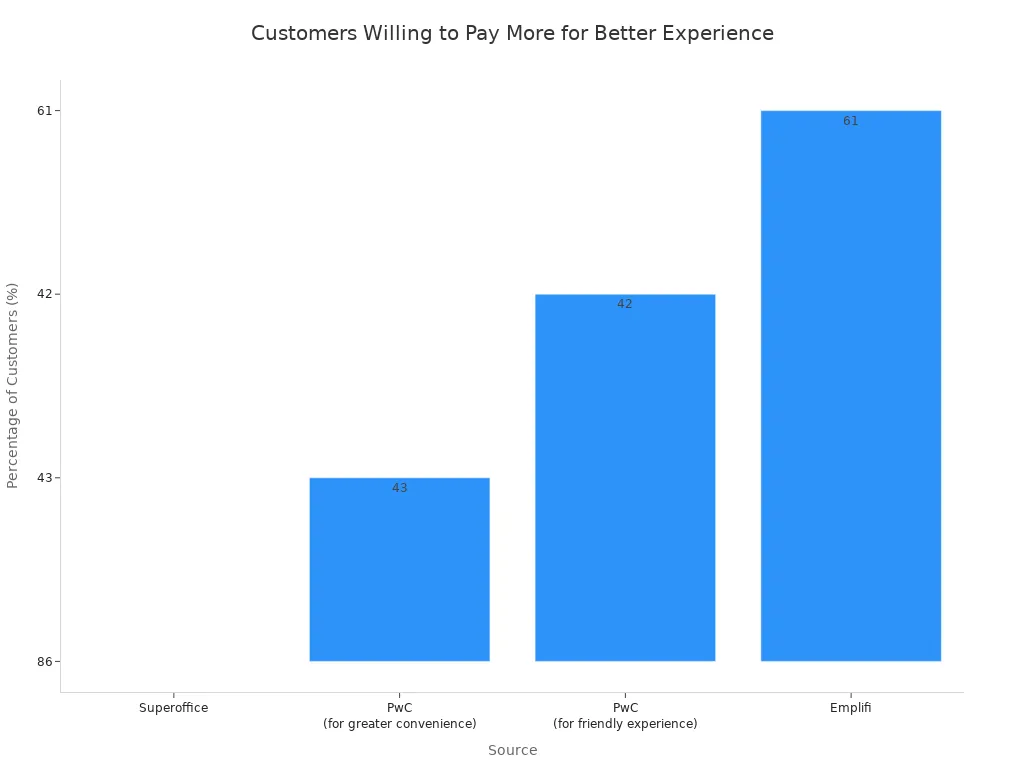
You want to improve your customer conversations. Every customer interaction is a chance for building trust and a strong relationship. Good customer service skills create happy customers. These clients tell others about their great experience. This guide gives you 47 easy tips to elevate your engagement and connection with every customer. You can master these customer interactions. Tools like the Sobot call center, powered by Sobot AI, help your team connect with clients. Remember, many customers will pay more for a better experience. Sobot helps you deliver it.
Fundamentals of Great Customer Service

Great customer service conversations start with a solid foundation. You can build stronger relationships with your clients by mastering a few key basics. These fundamentals help you create a positive customer service experience every time.
Start With a Warm Greeting
Begin every interaction with a friendly and welcoming greeting. A simple "Hello!" or "Good morning!" sets a positive stage. It shows the customer you are happy to help them. This first impression matters a lot.
Use the Customer's Name
Using a customer's name makes the conversation feel personal. It shows you see them as an individual. Research shows this simple act builds trust and makes customers feel valued. In fact, 71% of consumers expect personalized interactions.
Pro Tip: When you use a customer's name, you trigger parts of the brain linked to identity. This small detail can make a big difference in how clients perceive your customer service.
Set a Positive and Helpful Tone
Your attitude shapes the entire conversation. Always use a positive and helpful tone. Let the customer know you are on their side. Phrases like "I'm happy to help with that" or "Let's see what we can do" create a sense of partnership and build trust.
Practice Active Listening
Truly hearing your customers is a superpower. Practice active listening to understand their real needs. This means giving your full attention and showing you are engaged.
- Don't Interrupt: Let the customer finish their thoughts.
- Use Affirmations: Say things like "I see" or "I understand" to show you are listening.
- Summarize: Briefly repeat what the customer said to confirm you understood correctly.
Mirror the Customer's Language
Try to match the customer's tone and style. If a customer is formal, you should be formal too. If they are friendly and casual, you can be more relaxed. This technique helps customers feel more comfortable. Avoid mimicking them; instead, adapt your style to create a better connection.
Maintain Professional Demeanor
No matter the situation, always stay professional. You represent your company. This means being polite, respectful, and patient, even with difficult customers. Good customer service requires you to remain calm and focused on finding a solution.
End Every Conversation on a High Note
How you end customer service conversations is just as important as how you begin them. Always ask, "Is there anything else I can help you with today?" This shows you care. End with a warm closing like, "Have a great day!" to leave a lasting positive impression.
Proactive Customer Support Tactics
Great customer service doesn't just react; it anticipates. A proactive customer engagement strategy solves problems before they happen. This approach builds trust and shows customers you care about their success. These tactics will help you get ahead.
Set Clear Expectations Upfront
You should always tell customers what to expect. This simple step builds trust and prevents frustration. When you are proactive with information, you can reduce customer support tickets significantly.
- Proactive communication can lower ticket volume by 20-30%.
- Companies like Slack have seen a 45% drop in related tickets by clearly communicating system status and incidents.
Setting clear expectations for response times also helps manage what your clients expect, leading to higher satisfaction.
Provide Regular Updates on Delays
If there is a delay, keep your customers informed. No one likes waiting in the dark. A quick update shows you respect their time. This small act of engagement can turn a negative experience into a positive one. It shows the customer you are on top of the situation.
Follow Up After the Interaction
Your job isn't over when the conversation ends. A follow-up message shows the customer you value their business. Many unhappy customers don't complain; they just leave. Proactive follow-ups are key to customer retention because they help you identify dissatisfaction early and strengthen relationships with your clients.
Anticipate Future Customer Needs
Try to think one step ahead of your customers. You can use data to understand their behavior and predict future needs. Analyzing past interactions and feedback helps you spot trends. This allows you to offer solutions before clients even ask, creating a seamless customer experience.
Educate Customers on Product Features
Many customer questions come from not knowing how to use a product. You can educate customers about features they might not know exist. This helps them get more value from their purchase. It also reduces future support requests and improves customer engagement.
Share Helpful Resources Proactively
Don't wait for customers to ask for help. Send them useful resources after they make a purchase. This could be a quick start guide, a how-to video, or a link to your FAQ page.
Thanks for your purchase! Here’s a quick guide to get started: [Link]. We want you to have a great experience, and we're here if you need anything.
This simple outreach makes your clients feel supported and valued.
Positive Language in Customer Conversations
The words you choose can completely change the direction of your customer conversations. Using positive language helps you build rapport, de-escalate tension, and guide customers toward a solution. It shows you are an ally, not an obstacle. This approach makes every customer feel supported.
Use "I Can" Instead of "I Can't"
Negative words like "can't" or "won't" immediately create a barrier. You can reframe your language to focus on what is possible. This simple shift moves the focus from a dead end to a path forward. It assures the customer you are actively seeking a solution for them.
| Negative Phrase (I can't) | Positive Transformation (I can) |
|---|---|
| I can't help you with that. | Let me find someone who can assist you better. |
| I can't give you that information. | I'll check the details and provide the information you need. |
| I can't do it any faster. | I'll do my best to expedite the process for you. |
Say "Let Me Find Out for You"
You don't need to have every answer. Admitting you don't know something and promising to find out builds trust. It shows the customer you are committed to getting them the right information. This phrase turns a moment of uncertainty into an opportunity to demonstrate your resourcefulness.
Use Empathy Statements
Empathy is about understanding and sharing the feelings of your customers. Using empathy statements shows you are listening and you care. Simple phrases like, "I understand how frustrating this must be," can calm an upset customer. This validation makes your clients feel heard and respected.
Use "We" to Create a Partnership
Using the word "we" makes the customer feel like you are on the same team. It creates a sense of collaboration. Phrases like "Let's see what we can do" or "We can solve this together" build a partnership. This helps your clients see you as a helpful guide working with them.
Ask Open-Ended Questions
Open-ended questions encourage customers to share more details. They can't be answered with a simple "yes" or "no." Ask questions like, "Could you tell me a little bit more about that?" This helps you uncover the root cause of an issue and find the best solution for the customer.
Summarize to Confirm Understanding
After a customer explains their issue, repeat the key points back to them. You can say, "So, if I understand correctly..." This confirms you are on the same page. It also gives the customer a chance to correct any misunderstandings and shows you were paying close attention.
Explain the "Why" Behind Decisions
People are more accepting of an outcome when they understand the reasoning behind it. Always explain the "why" behind a policy or a decision. This transparency builds trust, even if the news isn't what the customer wanted to hear. It shows respect for your customers.
How to Talk to Customers When Things Go Wrong
Even with the best intentions, things can go wrong. How you talk to customers during these moments defines your brand. These difficult customer conversations are your chance to build even stronger trust. You can turn a frustrated customer into a loyal advocate.
Acknowledge Frustration Immediately
When a customer is upset, the first thing you should do is acknowledge their feelings. A simple "I can see why you're frustrated" shows you are listening. This validates their emotion and helps de-escalate the situation. It lets the customer know you are on their side from the start.
Apologize Sincerely and Take Ownership
A sincere apology goes a long way. You don't have to admit fault to show you care. You can express regret for the situation.
Try saying, "I'm so sorry you've had this experience" instead of admitting wrongdoing. This shows empathy and keeps your communication consistent. Always follow an apology with a clear plan to help your clients.
Avoid Placing Blame or Excuses
Never blame the customer or make excuses. This only makes the situation worse. Your job is to help, not to defend. When you talk to customers, focus on what you can do for them now. Taking responsibility shows professionalism and builds trust with your clients.
Focus on the Solution, Not the Problem
Dwelling on the problem keeps the conversation negative. You should shift the focus to finding a solution. A unified agent workspace, like the one in Sobot's Omnichannel Solution, helps you do this effectively. It gives you a full customer history from every channel, so you can find solutions faster without asking your customers repetitive questions. This lets you talk to customers about what comes next.
Offer a Clear Next Step
After you find a solution, clearly explain the next step. Tell the customer exactly what you are going to do and what they can expect. This clarity gives your customers confidence that their issue is being handled. It shows them a path forward.
Know When to Escalate
Sometimes, you can't solve an issue on your own. You need to know when to escalate to a manager. If a customer asks to speak to a manager or if an issue remains unresolved for too long, it's time to escalate. Good customer service means getting the customer to the right person who can help.
Deliver Bad News with Empathy
You will sometimes have to deliver bad news. When you talk to customers about a difficult topic, be direct but empathetic.
- Prepare the customer by letting them know bad news is coming.
- Deliver the information clearly and honestly.
- Acknowledge their emotions and guide them toward the next steps.
This approach helps your clients process the information and feel supported.
Turn Complaints Into Opportunities
Every complaint is a gift. It's a chance to improve your service and show a customer you care. Companies like Zappos and Chewy are famous for turning a bad experience into a "wow" moment. By going the extra mile to fix a problem, you can create a loyal fan for life. How you talk to customers when things go wrong is a true test of your service.
Advanced Techniques to Delight Customers
You can move beyond good service to create truly memorable moments. These advanced techniques help you delight your customers. They build deep loyalty and turn happy clients into brand advocates. This is how you create an exceptional customer experience.
Personalize Beyond Their Name
Using a customer's name is a great start, but true personalization goes deeper. You can offer customized solutions based on a customer's unique history. This level of personal engagement is made possible with the right tools. Sobot's Omnichannel Solution gives your team a complete view of every customer. It brings together data and past conversations from all channels into one unified workspace. This allows you to understand your customers' needs and provide a truly tailored customer experience.
Use Humor Appropriately
A little humor can build rapport and make an interaction more human. You should know your audience and the situation. If a customer is already frustrated, humor might not be the best approach. When used correctly, it can lighten the mood and create a positive connection with your clients.
Use Emojis and GIFs Judiciously
In digital communication, emojis and GIFs can add personality and convey tone. A simple smiley face 😊 can show warmth and friendliness.
Pro Tip: Use emojis to match the customer's tone. If they use them, it's usually safe for you to do so as well. Just be sure to keep it professional and on-brand.
Remember Past Conversations
Customers feel valued when you remember their history. You don't have to ask the same questions over and over. A platform like Sobot's Omnichannel Solution makes this easy. It provides a full history of every customer interaction, so you can pick up right where you left off. This shows your customers you are paying attention.
Go the Extra Mile
Going the extra mile means doing something unexpected to help a customer. It doesn't have to be a grand gesture. It could be as simple as following up to ensure their issue was fully resolved. These small acts show your clients you genuinely care about their success.
Create a "Wow" Moment
A "wow" moment is an unexpectedly positive experience that leaves a lasting impression. For example, Amazon created a self-service portal during the pandemic to answer questions before customers even had to ask. You can create these moments by anticipating needs and proactively offering solutions. This turns a standard interaction into a memorable customer experience.
Ask for Feedback on the Experience
The best way to improve is to ask your customers for their thoughts. You can collect feedback right after an interaction.
- Use short, in-product surveys.
- Analyze customer support chats to spot common issues.
When you collect feedback, you show customers their opinions matter and you are committed to getting better.
Mastering Voice and Digital Communication

How you communicate is just as important as what you say. Whether you are on the phone or in a chat, your style shapes the customer experience. Mastering both voice and digital channels is key to effective customer communication. The right tools can make all the difference in helping your team deliver a great experience for every customer.
Master Your Tone of Voice
Your tone of voice can carry more weight than your words. Research shows that tone accounts for 38% of how a person is perceived. A friendly, confident tone builds connection, while an impatient one can break trust. You can improve your tone by simply sitting up straight and smiling when you talk. This helps your voice sound more energetic and positive to your clients.
Be Mindful of Pacing and Volume
Speaking at a steady, natural pace helps your customers follow along. If you talk too fast, you might sound rushed. If you talk too slow, you might lose their attention. You should also use a moderate volume. This shows you are calm and confident. A calm tone and slower pace are also great tools for de-escalating a conversation with an upset customer.
Use Clear Language in Chat and Email
In digital channels, clarity is everything. You should use simple words and short sentences. Avoid jargon that your customers might not understand. This makes your messages easy to read and ensures your customer gets the right information quickly. Effective communication is clear communication.
Proofread Digital Messages
A small typo can make your company look unprofessional. Always take a moment to proofread your messages before you hit send. This simple step shows you care about the details. It helps build trust with your clients and maintains a high standard of quality.
Respond Promptly Across Channels
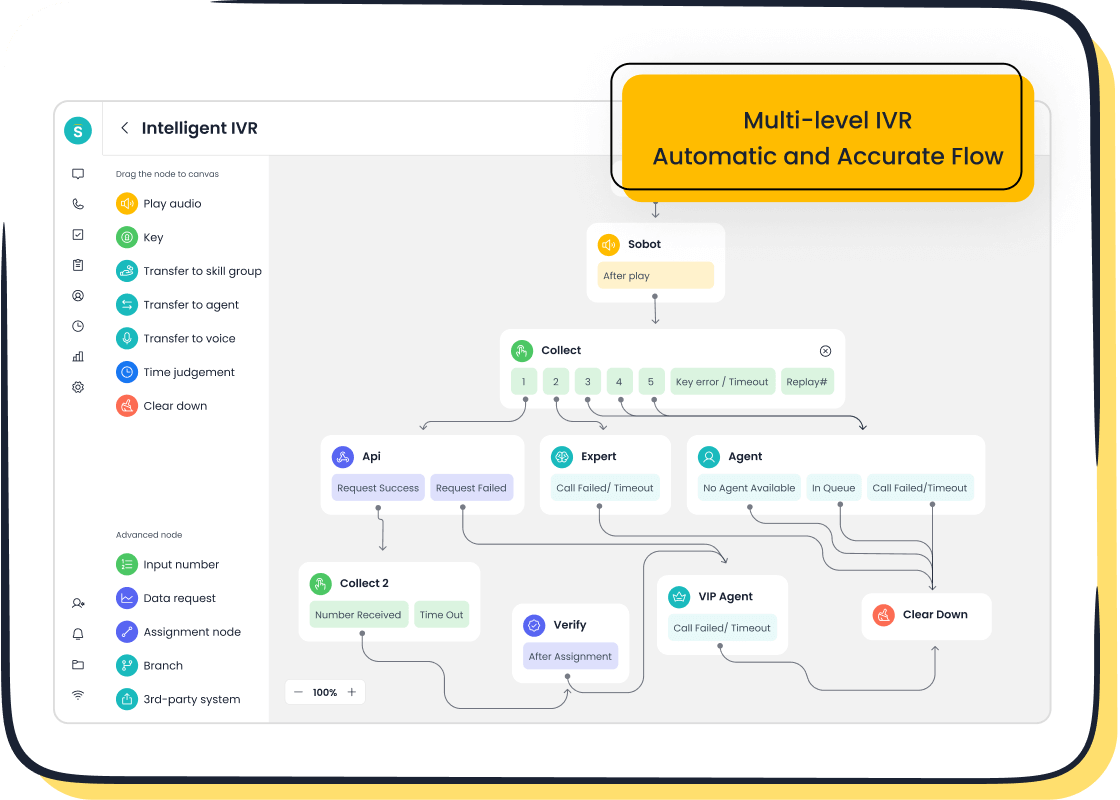
Slow responses can drive customers away. In fact, more than half of consumers will switch to a competitor after just one negative experience. Technology like Sobot's Voice/Call Center ensures your clients get help fast. Features like smart IVR and call routing connect each customer to the right agent on the first try, reducing wait times and improving effective customer communication.
Use Canned Responses as a Starting Point
Canned responses can save time, but you should always personalize them. Use them as a starting point to answer common questions. Then, add specific details that apply to the customer's situation. This approach combines efficiency with a personal touch that your customers will appreciate.
Maintain a Consistent Brand Voice
Your brand should sound the same everywhere, just like Apple or Slack. A consistent voice builds trust. For example, the online supermarket Weee! needed to serve a diverse customer base. They used Sobot's flexible IVR and multilingual support to create a consistent, helpful experience for all their customers. This led to a 20% increase in agent efficiency and showed their clients they were a priority. Effective communication helps you build a strong brand identity.
Personal Development for Customer-Facing Roles
Great customer service comes from within. You can become an expert in customer conversations by focusing on your personal growth. These skills help you connect with every customer and turn tough situations into positive outcomes. Your development is key to creating happy customers.
Practice Empathy Daily
Empathy is your most powerful tool. You should try to see things from the customer's point of view in every interaction. This means truly listening to their concerns and understanding their feelings. When you show a customer you care, you build a strong foundation of trust with your clients.
Develop Deep Product Knowledge
You need to know your product inside and out to help any customer effectively. You can build this knowledge with focused training.
- Use short, daily learning sessions to keep information fresh.
- Try fun activities like games or challenges to make learning stick.
- Practice with realistic simulations to build confidence in handling any customer question.
This deep knowledge allows you to provide fast and accurate solutions for your customers.
Learn to Manage Your Emotions
Difficult customer conversations can be stressful. You must learn to manage your own emotions to stay effective. Remember that a customer's frustration is rarely about you personally.
Before a tough call, take a few deep breaths to calm your nerves. If you feel overwhelmed, try to name the emotion you are feeling. This simple act can lessen its power. Giving yourself a brief moment to reset after a hard interaction helps you prepare for the next customer.
Role-Play Difficult Scenarios
Practice makes perfect. Role-playing difficult scenarios prepares you for real-life challenges. It gives you a safe space to practice handling an angry customer or a complex problem. This training builds your confidence and improves your problem-solving skills, helping you assist customers more quickly.
Seek Feedback from Peers
Your teammates are a valuable resource. You can ask a colleague to listen to one of your calls or review a chat transcript. They might spot something you missed. Getting feedback from your peers helps you see your own performance from a new perspective and find areas for improvement that benefit your clients.
Stay Curious and Keep Learning
The best customer service professionals are always learning. You should stay curious about your product, your company, and your customers. Ask questions and seek out new information. This drive to learn will make you a better problem-solver and a more valuable resource for every customer and all your clients.
You can transform your customer conversations. It starts with using small, empathetic techniques in every customer interaction. Small changes in your approach, supported by powerful tools like Sobot, create big results. Good service makes 88% of customers more likely to return, boosting customer loyalty. This improves customer satisfaction. Better customer interactions build customer loyalty and increase customer satisfaction. Your customer interactions define your brand. These customer interactions are key to customer satisfaction. Every customer interaction is a chance to improve customer satisfaction. Your customer interactions build customer loyalty. A great customer interaction improves customer satisfaction. Your customer interactions matter.
Your Challenge: Pick one tip from this guide. Use it in your very next customer interaction. See the difference a single change can make for your customers and your customer satisfaction.
FAQ
How can I improve my tone in customer conversations?
You can improve your tone by sitting up straight and smiling while you talk. This simple action makes your voice sound more positive and energetic. A friendly tone helps you build a better connection with every customer.
What is the fastest way to handle an angry customer?
You should first acknowledge the customer's frustration. Use an empathy statement like, "I understand this is difficult." Then, apologize sincerely for the trouble they've experienced. This helps de-escalate the situation and shows you are ready to help.
Why is using positive language so important?
Positive language transforms your customer conversations. It turns problems into solutions and shows you are an ally. Using phrases like "I can" instead of "I can't" builds trust and guides the customer toward a positive outcome.
How can technology help me remember past conversations?
Tools like Sobot's Omnichannel Solution bring all customer information into one place. You get a full history of past interactions across every channel. This helps you provide personalized and efficient customer service without asking repetitive questions.
See Also
Elevate Customer Happiness: 10 Strategies for Superior Live Chat Support
Become a Live Chat Expert: Advanced Techniques for Customer Assistance
Enhance Your SaaS Customer Service Through Effective Live Chat Tactics
Seamless Customer Journeys: 10 Steps for Omnichannel Contact Center Integration
Shopify Live Chat Success: Authentic Experiences from Real Users

