Practical Examples of AI in Customer Care

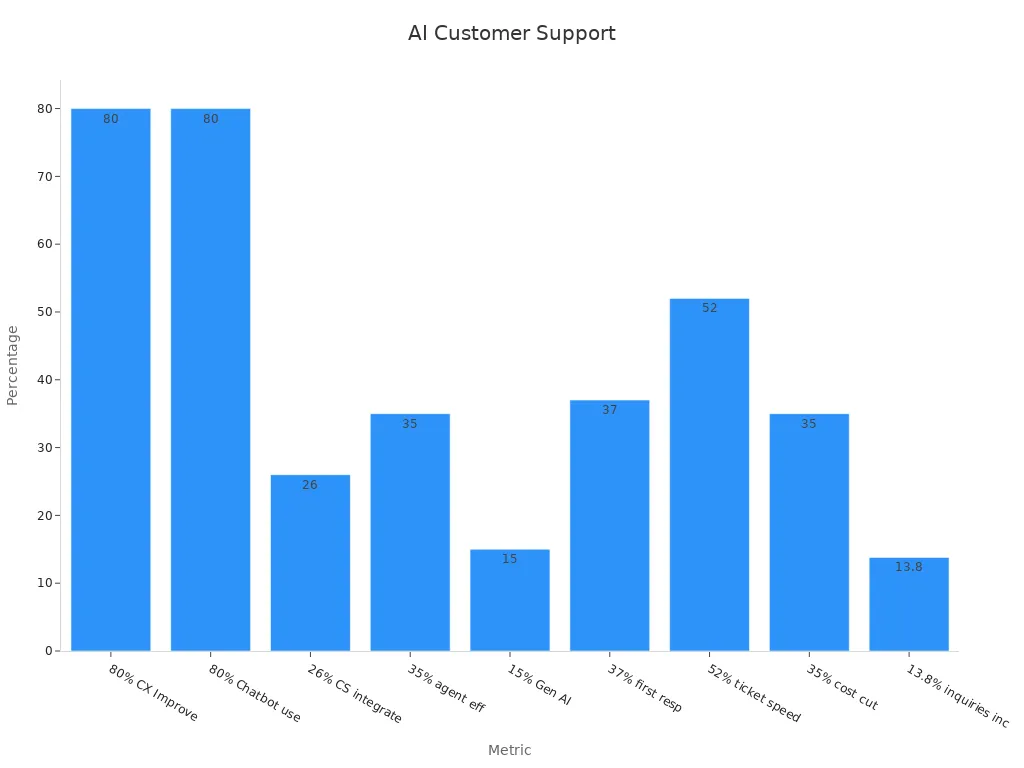
Imagine a world where customer service feels effortless and lightning-fast. That’s the power of ai in customer care. Businesses using artificial intelligence report a 37% drop in response times and a 35% cost reduction. By 2025, 80% of companies plan to adopt AI-powered chatbots. With tools like Sobot’s solutions, you can transform how you connect with customers.
AI-Powered Chatbots: Revolutionizing Customer Service
What Are AI-Powered Chatbots?
AI-powered chatbots are virtual assistants that use generative AI to simulate human-like conversations. They handle customer inquiries, provide real-time assistance, and automate repetitive tasks. These chatbots rely on artificial intelligence to understand customer intent and deliver accurate responses. Unlike traditional bots, they continuously learn from interactions, improving over time.
Metrics like automation rate and customer satisfaction (CSAT) scores measure their effectiveness. For instance, chatbots can automate up to 90% of FAQs and achieve high CSAT ratings. Their quick response times make them indispensable in today’s fast-paced world of customer service.
Real-World Examples of Chatbots in Action
Chatbots are everywhere. From retail to healthcare, they’re transforming customer service. For example, Humana, a major insurance company, introduced a voice agent to handle inquiries about health plans. This AI-powered customer service tool reduced wait times and improved user satisfaction.
Globally, 49% of adults have interacted with chatbots in the past year. Businesses like OPPO have also embraced AI-powered chatbots to manage high volumes of inquiries. OPPO’s chatbot achieved an 83% resolution rate, freeing human agents to focus on complex issues.
Benefits of Chatbots for Businesses and Customers
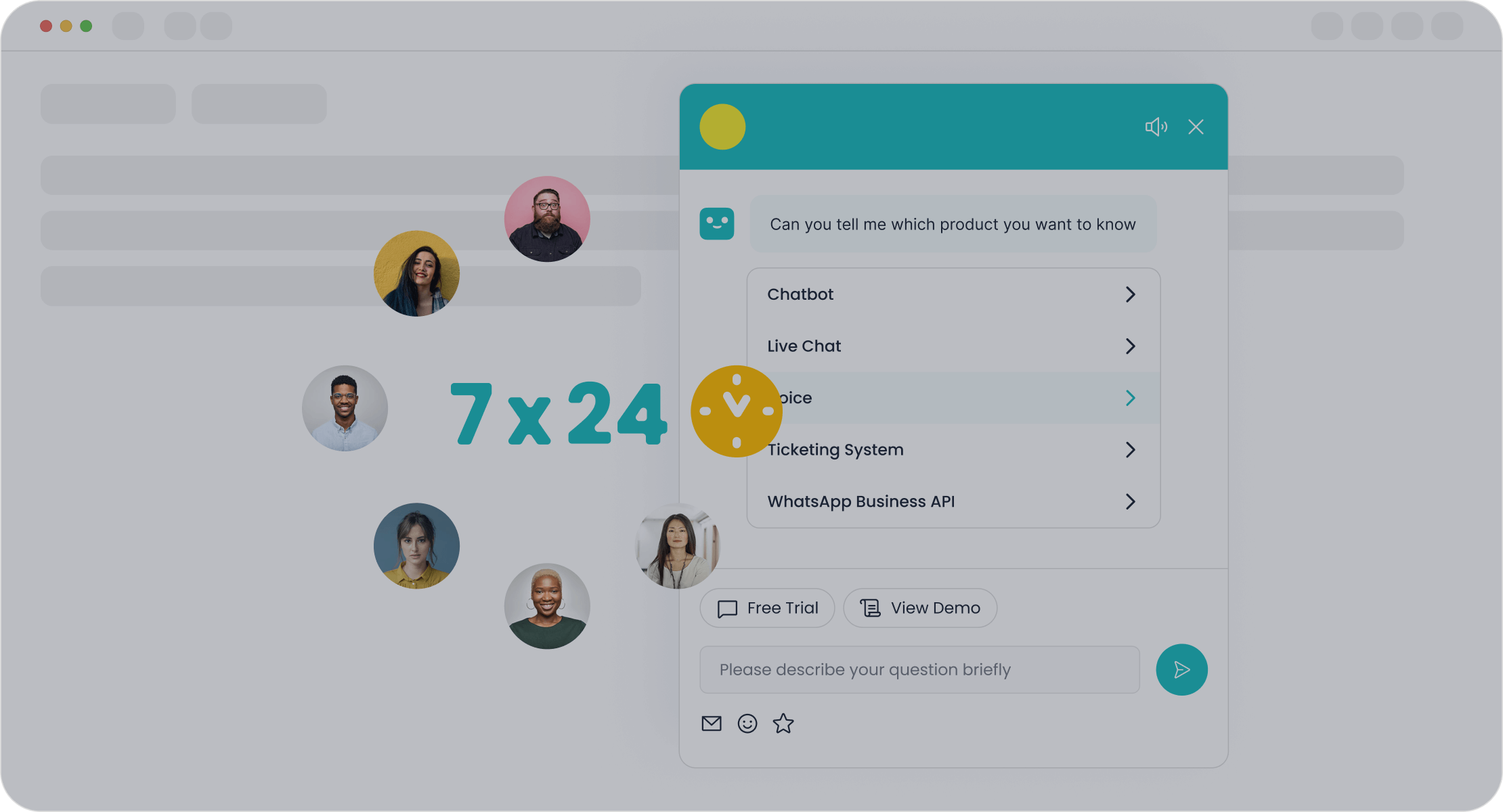
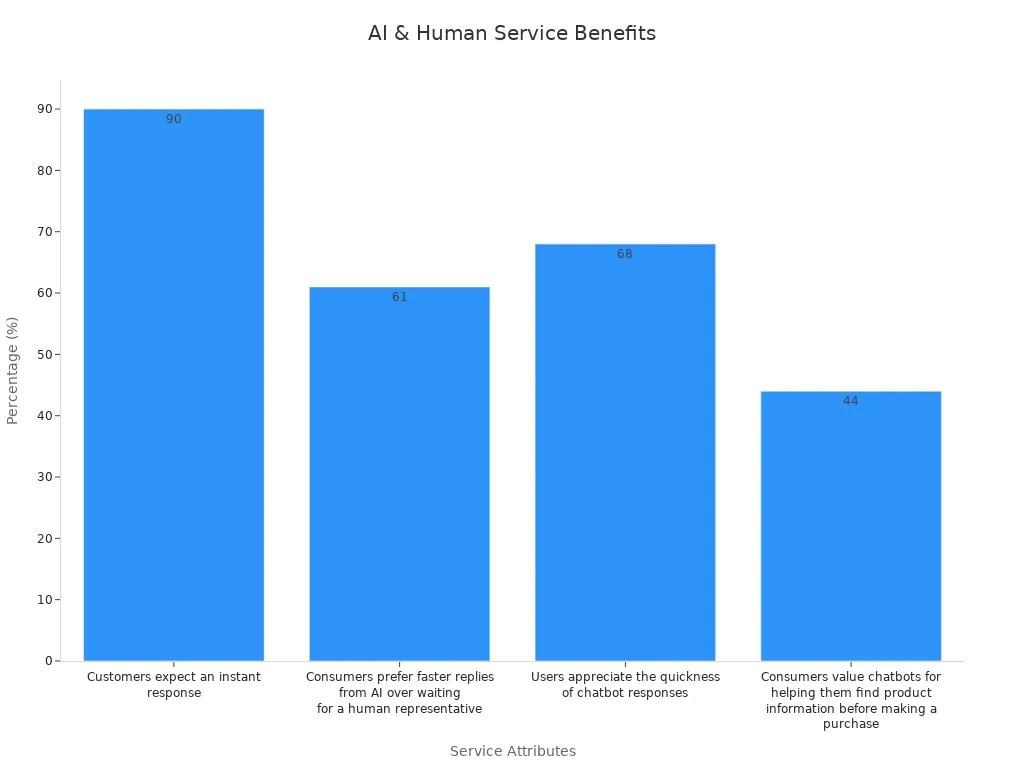
Chatbots offer numerous benefits. They provide 24/7 support, ensuring customers get help anytime. They also reduce costs by automating routine tasks. For businesses, this means saving up to 50% on operational expenses. Customers appreciate their speed, with 68% valuing quick responses.
Additionally, chatbots enhance personalization. They use customer data to tailor interactions, boosting satisfaction and loyalty. Businesses using AI-powered customer service tools report a 37% drop in response times and a 35% cost reduction.
Sobot's Chatbot: Enhancing Efficiency and Customer Satisfaction
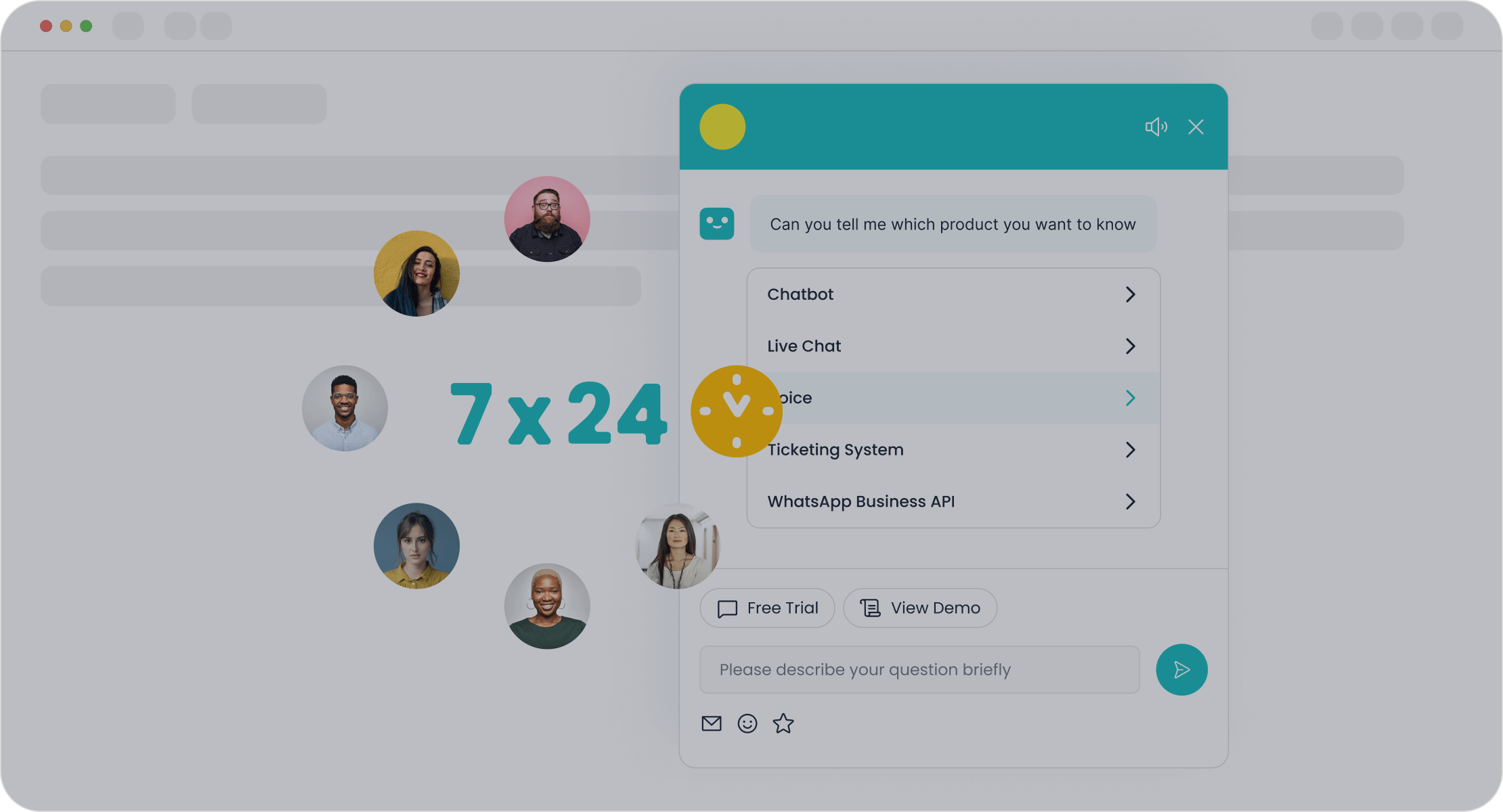
Sobot’s AI-powered chatbot is a game-changer. It automates customer interactions, solving regular queries and assisting agents. This boosts productivity by 70% and cuts costs by 50%. The chatbot operates 24/7, supports multiple languages, and requires no coding to set up.
OPPO’s success story highlights its impact. By integrating Sobot’s chatbot, OPPO improved its resolution rate to 83% and increased repurchase rates by 57%. Sobot’s chatbot doesn’t just save time—it transforms customer service.
Predictive Analytics: Anticipating Customer Needs
Understanding Predictive Analytics in Customer Care
Predictive analytics is like having a crystal ball for customer service. It uses historical data, machine learning, and statistical algorithms to forecast customer behaviors and preferences. By analyzing patterns, you can anticipate what your customers need before they even ask. This proactive approach helps you deliver personalized experiences that make customers feel valued.
For example, predictive analytics can identify upsell opportunities by understanding buying habits. It also helps you spot at-risk customers through metrics like churn rate and customer health score. These data-driven insights empower you to act quickly, whether it’s offering a discount or resolving an issue. Businesses that embrace predictive analytics often see faster response times and higher satisfaction ratings.
Applications of Predictive Analytics in Customer Service
Predictive analytics isn’t just about numbers—it’s about transforming customer interactions. Companies like Netflix use AI to predict viewing preferences, with 80% of views coming from recommendations. Volvo leverages data to predict car maintenance needs, preventing breakdowns and enhancing customer experience. Sephora creates personalized profiles to recommend products, achieving 80% customer loyalty.
You can apply predictive analytics in many ways:
- Proactive Engagement: Reach out to customers before they encounter issues.
- Personalized Offers: Tailor promotions based on past purchases.
- Efficient Resource Allocation: Use real-time analytics to deploy support teams where they’re needed most.
Sobot’s solutions integrate predictive analytics seamlessly, helping businesses optimize customer interactions and improve satisfaction.
How Predictive Analytics Improves Customer Experience
Imagine knowing exactly what your customers want. Predictive analytics makes this possible. By analyzing data, you can offer personalized recommendations, resolve issues faster, and even predict future trends. Companies like Caesars Palace use it to determine the best guest upgrades, while Progressive analyzes driving data to create accurate insurance policies.
The impact is clear: businesses using predictive analytics report 115% higher ROI and 93% higher profits. Customers benefit too, enjoying tailored experiences that save time and enhance satisfaction. Whether it’s predicting maintenance needs like Volvo or recommending products like Sephora, predictive analytics transforms customer service into a proactive, personalized experience.
AI-Driven Agent Assist Tools: Empowering Human Agents
Overview of Agent Assist Tools in Customer Service
AI-driven agent assist tools are like having a personal assistant for your customer service team. These tools use generative AI to provide real-time support, helping agents respond faster and more accurately. By analyzing customer sentiment and conversation context, they suggest the best responses or actions. This ensures your team delivers efficient customer support while maintaining a personal touch.
For example, these tools can recommend solutions, automate routine tasks like data entry, and even prioritize tickets based on urgency. They also integrate seamlessly with existing systems, making it easier for agents to access customer information. The result? A smoother workflow and happier customers.
| Benefit | Description |
|---|---|
| Reduce Response Time | Agents can handle inquiries faster with AI-recommended responses. |
| Improve Accuracy | Suggested replies reduce errors and misunderstandings. |
| Enhance Customer Satisfaction | Personalized responses lead to better customer experiences. |
| Increase Efficiency | Agents can manage more inquiries in less time. |
Real-World Examples of AI Supporting Human Agents
AI isn’t just about replacing humans—it’s about making them better. Imagine a chatbot automatically creating tickets based on customer interactions. It analyzes keywords, urgency, and sentiment to assign the ticket to the right agent. This saves time and ensures issues are resolved quickly.
Take Pragmatic, for instance. They used AI tools to automate meeting scheduling and lead research. This saved them 20–30 hours per week and reduced proposal turnaround times from 1.5 weeks to just two days. These tools also helped them secure deals worth over $10,000 by improving lead quality.
Tip: Combining AI with human expertise creates a powerful duo. AI handles repetitive tasks, while your team focuses on building relationships.
Benefits of Combining AI with Human Expertise
When you pair AI with human agents, you get the best of both worlds. AI tools provide contextual answers, analyze customer sentiment, and offer real-time insights. This helps your team resolve issues faster and with greater accuracy. In fact, AI-driven agent assist tools can reduce response times by up to 60% and improve first-contact resolution rates by 35%.
But it’s not just about speed. Customers value empathy and understanding, which only humans can provide. By letting AI handle routine tasks, your agents can focus on delivering personalized service. This balance boosts customer satisfaction by 15–25% and creates a more positive experience.
Sobot’s solutions integrate AI seamlessly into your customer service operations. With tools like Sobot’s Live Chat and Chatbot, your team can access real-time data and insights, ensuring every interaction is efficient and meaningful.
Personalization Through AI: Tailoring Customer Interactions
How AI Enables Personalized Customer Experiences
Generative AI has completely changed how businesses interact with customers. It allows you to deliver personalized support by analyzing customer data and predicting their needs. AI tools create detailed customer profiles based on browsing history, purchase patterns, and past interactions. These profiles help you offer personalized product recommendations, making every interaction feel unique.
AI doesn’t stop there. It predicts customer churn and suggests strategies to retain them. For example, if a customer hasn’t engaged with your brand recently, AI can recommend sending a special discount or a friendly follow-up. It also identifies upsell opportunities, helping you offer the right products at the right time. Whether it’s pre-purchase recommendations, streamlining the checkout process, or post-purchase feedback, AI ensures a seamless customer experience.
| Mechanism/Metric | Description |
|---|---|
| AI-driven personalization strategies | Enhances customer experience by leveraging data for tailored interactions. |
| Dynamic content delivery | Adjusts content in real-time to match individual preferences, boosting customer engagement. |
| Predictive analytics | Anticipates future behaviors, optimizing customer journeys and interactions. |
Examples of AI-Driven Personalization in Customer Care
Real-world examples show how generative AI enhances customer engagement. Humana, a health insurance company, uses AI-powered virtual assistants to provide personalized services to over 1.3 million members. These assistants improve customer satisfaction by offering instant, accurate responses.
Another example is TeamSystem Fatture in Cloud, which implemented AI chatbots to automate 60% of customer queries. This change boosted customer satisfaction by 20%. Businesses using AI tools also report higher first-contact resolution rates, with some achieving a 78% improvement. These metrics highlight how AI transforms customer service into a more efficient and personalized experience.
Tip: Tools like Sobot’s AI Chatbot make personalization easy. They analyze customer intent in real-time, delivering tailored responses that improve engagement and satisfaction.
Impact of Personalization on Customer Loyalty and Satisfaction
Personalization isn’t just a buzzword—it’s a game-changer. Studies show that 80% of customers are more likely to do business with companies offering personalized experiences. Businesses that prioritize personalization see a 20% increase in customer satisfaction and a 19% boost in sales.
Generative AI plays a key role here. It helps you deliver personalized services that make customers feel valued. For example, dynamic content delivery ensures customers see relevant offers, while predictive analytics tailors interactions to their preferences. This approach fosters loyalty and encourages repeat purchases. In fact, 77% of customers say they’ve chosen or recommended a brand because of its personalized support.
Sobot’s solutions integrate these AI capabilities seamlessly. By using tools like Sobot’s Chatbot, you can enhance customer engagement, improve satisfaction, and build lasting relationships.
Automation and Self-Service: Scaling Customer Support
Role of AI in Automating Customer Service Tasks
AI has revolutionized how businesses handle customer service. By automating repetitive tasks, it frees up your team to focus on more complex issues. Generative AI plays a key role here, enabling tools like chatbots to handle FAQs, process orders, and even assist with troubleshooting. This not only improves efficiency but also ensures customers get faster responses.
The numbers speak for themselves. Companies using AI report a 37% drop in first response times and a 52% increase in ticket resolution speed. Additionally, 35% of organizations now use AI to improve agent efficiency. These stats highlight how AI-powered automation can scale your operations while maintaining quality.
| Statistic | Value |
|---|---|
| Drop in first response times | 37% |
| Ticket resolution speed | 52% |
| Organizations using AI for efficiency | 35% |
Examples of AI-Powered Self-Service Platforms
Self-service options powered by AI are transforming customer interactions. Platforms like chatbots and voicebots allow customers to resolve issues independently, reducing the need for human intervention. For instance, Virgin Atlantic’s AI tools increased query resolution rates by 29% and boosted customer satisfaction scores by 25 points.
Other examples include a leading bank that used AI video solutions to handle 10,000 calls monthly, achieving an 83.64% satisfaction rate. These platforms not only enhance customer service but also provide 24/7 support, ensuring help is always available.
- Key Metrics Tracked:
- Resolution Rate: Percentage of issues resolved without human help.
- Customer Satisfaction (CSAT): Reflects satisfaction with AI interactions.
Advantages of Automation for Scalability and Efficiency
Automation offers clear benefits for scaling customer support. Generative AI provides real-time answers, enabling agents to handle inquiries more efficiently. This improves operational efficiency and allows your team to manage higher volumes of requests.
AI also supports scalability by resolving tickets 52% faster than traditional methods. With automation, you can handle more inquiries without increasing costs, making it a cost-effective solution for growing businesses.
| Advantage | Description |
|---|---|
| Real-time AI-powered answers | Enables agents to resolve customer inquiries more efficiently, enhancing operational efficiency. |
| Ticket resolution speed | AI automation helps companies resolve tickets 52% faster compared to those without it. |
Sobot's Contribution to Self-Service Solutions
Sobot’s AI-powered chatbot is a standout example of automated customer service. It provides self-service options that operate 24/7, handling routine queries and assisting agents. This boosts productivity by 70% and reduces costs by 50%. The chatbot’s multilingual capabilities and no-coding setup make it accessible for businesses of all sizes.
For instance, OPPO leveraged Sobot’s chatbot to achieve an 83% resolution rate and a 57% increase in repurchase rates. These results show how Sobot helps businesses automate experiences while enhancing customer satisfaction.
| Metric | Improvement Rate |
|---|---|
| Sign-off Rate | 35% |
| COD Collection Rate | 40% |
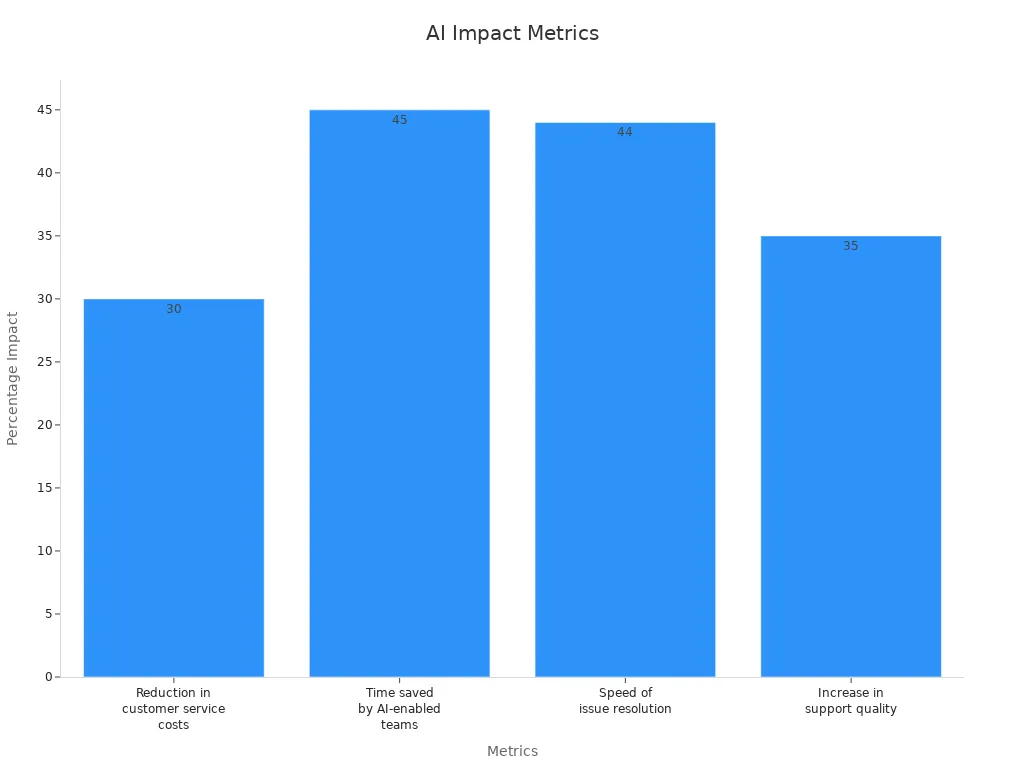
AI has revolutionized customer service, making it faster, smarter, and more scalable. Businesses now save 45% of their time and resolve issues 44% faster, all while cutting costs by 30%. Tools like Sobot’s Chatbot simplify operations, offering 24/7 support and personalized interactions.
| Statistic Description | Value | Source |
|---|---|---|
| Average return on AI investment | $3.5 for every $1 | KPMG |
| Reduction in customer service costs | 30% | KPMG |
| Time saved by AI-enabled teams | 45% | Intercom |
| Speed of issue resolution | 44% faster | Intercom |
| Increase in support quality | 35% | Intercom |
To get started, consider scalable tools like Sobot’s Chatbot or predictive analytics. These solutions not only improve efficiency but also enhance customer satisfaction. Remember, blending AI with human expertise ensures a perfect balance of speed and empathy, creating exceptional customer experiences.
FAQ
What industries benefit the most from AI in customer care?
Industries like retail, finance, and gaming see the biggest gains. For example, Sobot’s chatbot helps OPPO handle high inquiry volumes, boosting efficiency by 70%.
How does AI improve customer satisfaction?
AI tools like predictive analytics anticipate customer needs. Sobot’s solutions, for instance, personalize interactions, leading to a 94% positive feedback rate for OPPO.
Is it hard to set up AI-powered tools like Sobot’s chatbot?
Not at all! Sobot’s chatbot uses a no-coding interface. You can design workflows with simple point-and-click steps, making setup quick and easy.
See Also
Enhancing Efficiency With AI-Driven Customer Service Solutions
Navigating the World of AI Software for Call Centers
Evaluating Solutions for AI in Enterprise Call Centers
Best 10 AI Technologies for Enterprise Contact Centers
Transforming Support Services With AI Customer Service Agents

