Personalized Customer Service Tips to Win in 2025


Personalized customer service isn't just a buzzword in 2025—it’s a game-changer. Did you know that 84% of customers now prefer businesses that offer tailored experiences? And here's the kicker: 61% of people are willing to spend more for those experiences. This shift in expectations means you can't afford to treat your customers like numbers. They want to feel seen, heard, and valued.
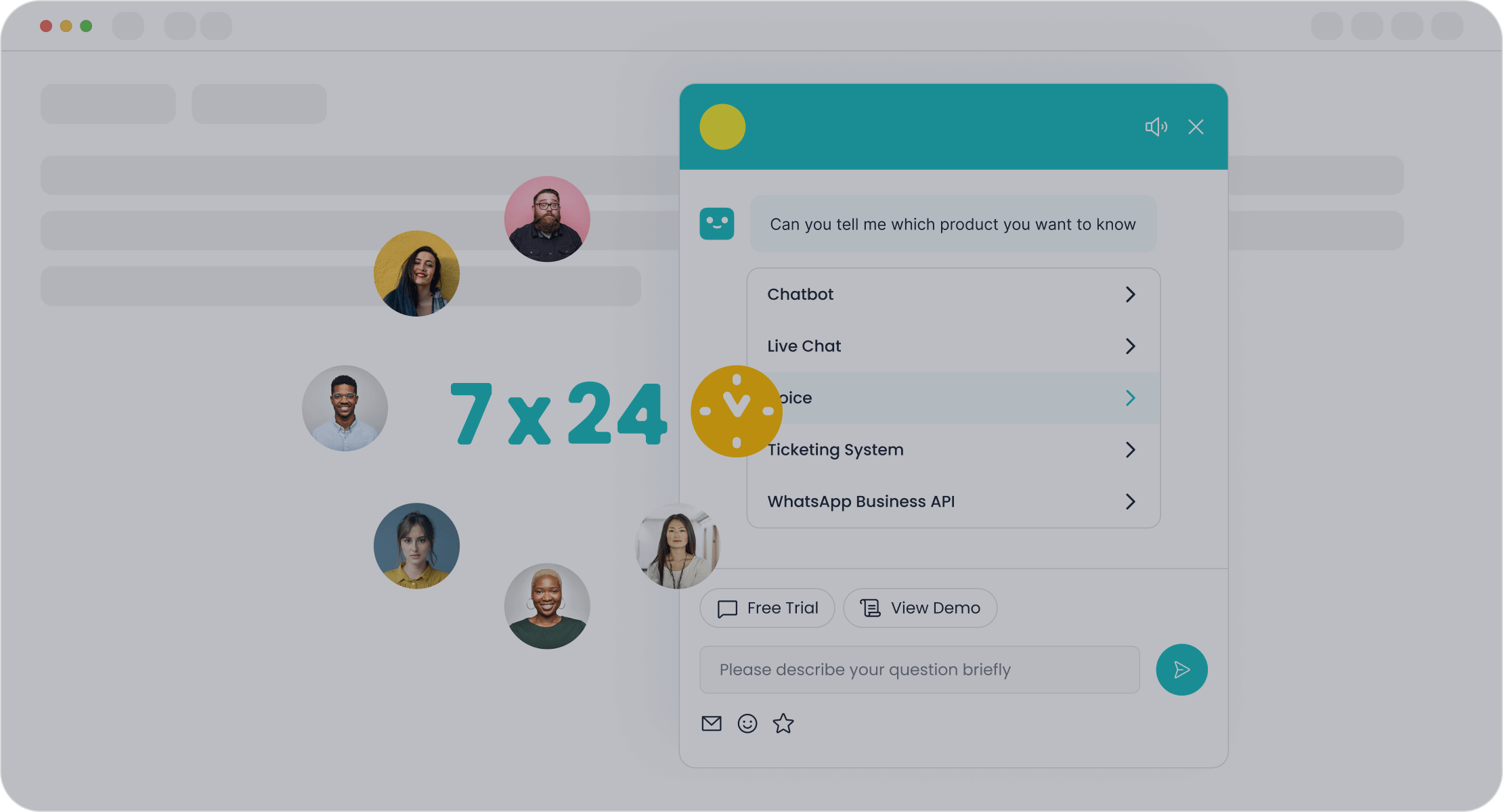
That’s where tools like Sobot’s Chatbot come in. By automating routine tasks and offering smart self-service, it helps you boost customer satisfaction while saving time. Whether you're running a customer service company or managing a retail brand, personalization is your secret weapon to stand out and thrive.
Why Personalization is the Future of Customer Service
The Evolution of Customer Expectations in 2025
Customer expectations have skyrocketed in 2025. People no longer settle for generic service—they want experiences tailored to their needs. Think about it: 85% of customers are willing to pay more for excellent service, and over half feel frustrated with traditional support. This shift isn’t just about convenience; it’s about trust. When you know your customers’ history, preferences, and past interactions, you show them you care.
Take a look at the numbers:
| Statistic | Value |
|---|---|
| Customers willing to pay more for excellent service | 85% |
| Customers likely to leave after two negative experiences | 85% |
| U.S. consumers spending more on businesses with excellent CX | 17% |
| Customers frustrated with traditional support | >50% |
| Customers valuing high-level service as much as products/services | 90% |
| Customers likely to share positive experiences with others | 72% |
These stats highlight one thing—personalization isn’t optional anymore. It’s the key to building a customer-centric culture that drives retention and loyalty.
Building Loyalty Through Tailored Interactions
Loyalty isn’t just about rewards programs; it’s about making every interaction meaningful. When you personalize your approach, customers feel valued. For instance, knowing their name, purchase history, or even their preferred communication channel can make all the difference.
Metrics like loyalty program sign-ups and redemption rates prove this. High engagement in these programs reflects how much customers appreciate tailored experiences. And when customers feel connected, they stick around. They’re not just buying products; they’re buying trust.
Competitive Advantages of Personalization for a Customer Service Company
Personalization gives your customer service company a competitive edge. Here’s why:
- 76% of customers feel frustrated when their experience isn’t personalized.
- 31% expect tailored interactions every time.
- Fast-growing companies generate 40% of their revenue from personalization.
Companies like Vodafone New Zealand and IndiGo have nailed this. Vodafone adapted its services for Chinese customers, while IndiGo used eight Indian languages to connect with diverse audiences. These strategies didn’t just improve customer experience—they built trust and retention.
By embracing personalization, you create a customer-centricity that sets you apart. You’re not just solving problems; you’re building relationships that last.
Actionable Customer Service Tips for Personalization
Using Data to Understand Customer Needs
Data is your best friend when it comes to understanding customers’ needs. Every interaction, purchase, and feedback holds valuable insights. By analyzing this data, you can uncover patterns that reveal what your customers truly want. For example, tracking customer behavior on your website can show which products they’re interested in or what issues they frequently encounter.
Here’s how you can make data work for you:
- Collect and analyze customer data to identify trends and pain points.
- Share these insights with your product and service teams to align your offerings with customer expectations.
- Implement small changes based on the data, like improving your FAQ section or offering personalized discounts.
Tools like Sobot’s Omnichannel Solution simplify this process. It consolidates customer data from multiple channels into one workspace, making it easier to spot trends and deliver tailored experiences. Imagine knowing exactly what your customers need before they even ask. That’s the power of data-driven personalization.
| Insight | Key Points |
|---|---|
| Data Utilization | Increased usage of big data can lead to significant improvements in customer satisfaction. |
| Customer Journey Mapping | Identifying pain points through customer journey mapping can streamline processes. |
| Personalization Strategies | Tailored experiences based on customer data enhance engagement, trust, and loyalty. |
Creating Customer Personas for Targeted Experiences
Customer personas are like blueprints for personalization. They help you understand who your customers are, what they care about, and how they prefer to interact with your brand. By combining qualitative and quantitative research, you can create detailed personas that guide your customer service techniques.
For example, qualitative research might reveal that your customers value quick responses, while quantitative data shows that 70% of them prefer live chat over email. Together, these insights help you craft experiences that resonate.
Here’s how to build effective personas:
- Use surveys and interviews to gather qualitative insights about customer attitudes and behaviors.
- Analyze quantitative data to validate trends and identify common preferences.
- Combine both methods to create actionable personas that inform your customer service guidelines.
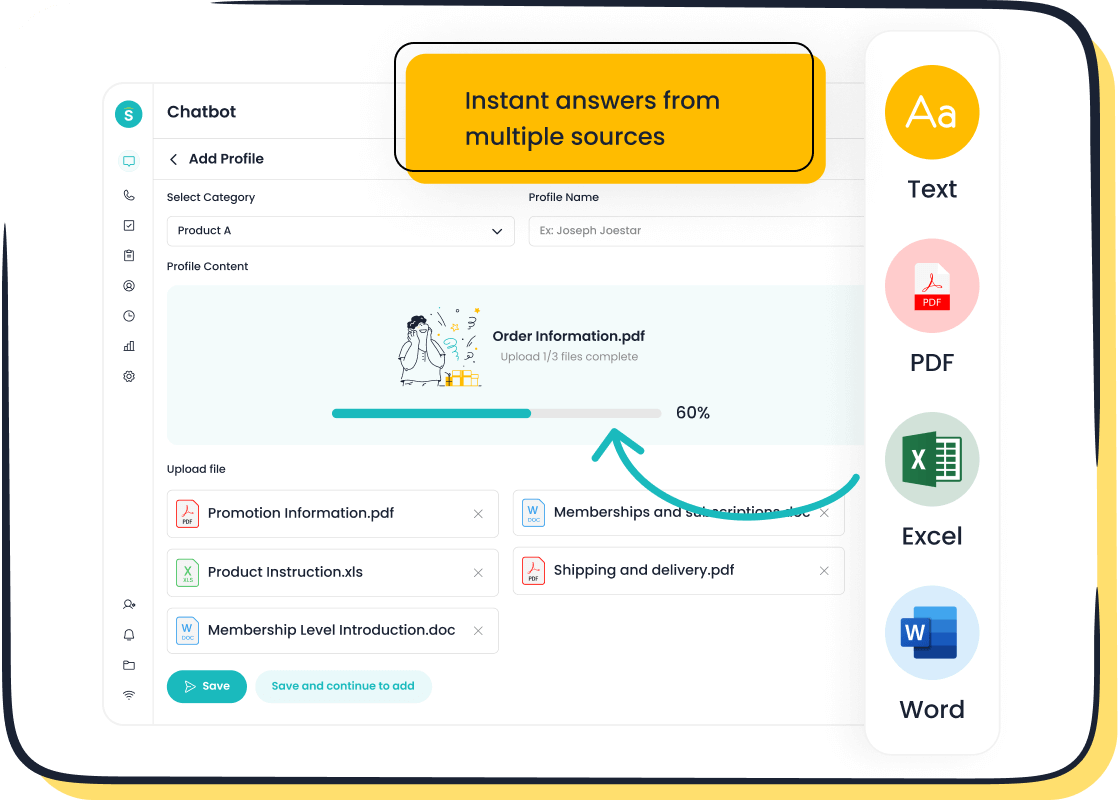
Sobot’s AI-powered Chatbot can play a key role here. It uses customer data to adapt its responses, ensuring every interaction feels personal. Whether your customers prefer WhatsApp or SMS, the chatbot delivers seamless support tailored to their preferences.
Proactive vs. Reactive Personalization: Finding the Right Balance
Proactive support is all about anticipating customer needs before they arise. Reactive support, on the other hand, focuses on solving problems after they’ve been reported. Both approaches have their place, but finding the right balance is key to delivering exceptional service.
Proactive personalization delights customers by preventing frustration. For instance, sending a reminder about an expiring subscription or offering tips for using a new product can make customers feel cared for. Reactive personalization, while essential, often leaves customers feeling like they had to do the heavy lifting to get help.
| Aspect | Proactive customer service | Reactive customer service |
|---|---|---|
| Timing | Addresses issues or needs before they arise | Addresses issues or needs after they arise |
| Customer experience | Can delight customers by preventing frustration | May frustrate customers who feel compelled to reach out |
| Focus | Prevention of potential issues; continuous improvement | Quick resolution of existing complaints |
| Resource utilization | May require initial investment in analytics, training, or tech | Depends on complaint handling; staff may be overwhelmed during peak times |
| Brand perception | Boosts reputation; shows a brand that genuinely cares | Potentially neutral or negative; brand is seen as helpful only after the fact |
| Cost implications | Investment in prevention often reduces costly fixes in the long run | Lower short-term costs but can lead to higher long-term costs |
Sobot’s solutions, like its Chatbot and Omnichannel platform, excel at proactive support. They use AI to predict customer needs and offer solutions before issues escalate. This not only saves time but also builds trust and loyalty. By combining proactive and reactive strategies, you can create a customer service experience that’s both efficient and empathetic.
Leveraging Technology to Enhance Customer Satisfaction

The Role of AI and Machine Learning in Personalization
AI and machine learning are transforming how you deliver personalized experiences. These technologies analyze vast amounts of customer data to predict preferences, anticipate needs, and tailor interactions. Imagine knowing what your customers want before they even ask—that’s the power of AI.
Here’s why it matters:
- Companies lose up to $1.6 trillion annually due to poor customer experiences.
- 93% of customers are likely to make repeat purchases after a positive experience.
AI-driven tools, like recommendation engines, are expected to reach $12 billion by 2025, showing their growing importance in personalization. Whether it’s suggesting products based on browsing history or customizing email campaigns, AI helps you create meaningful connections.
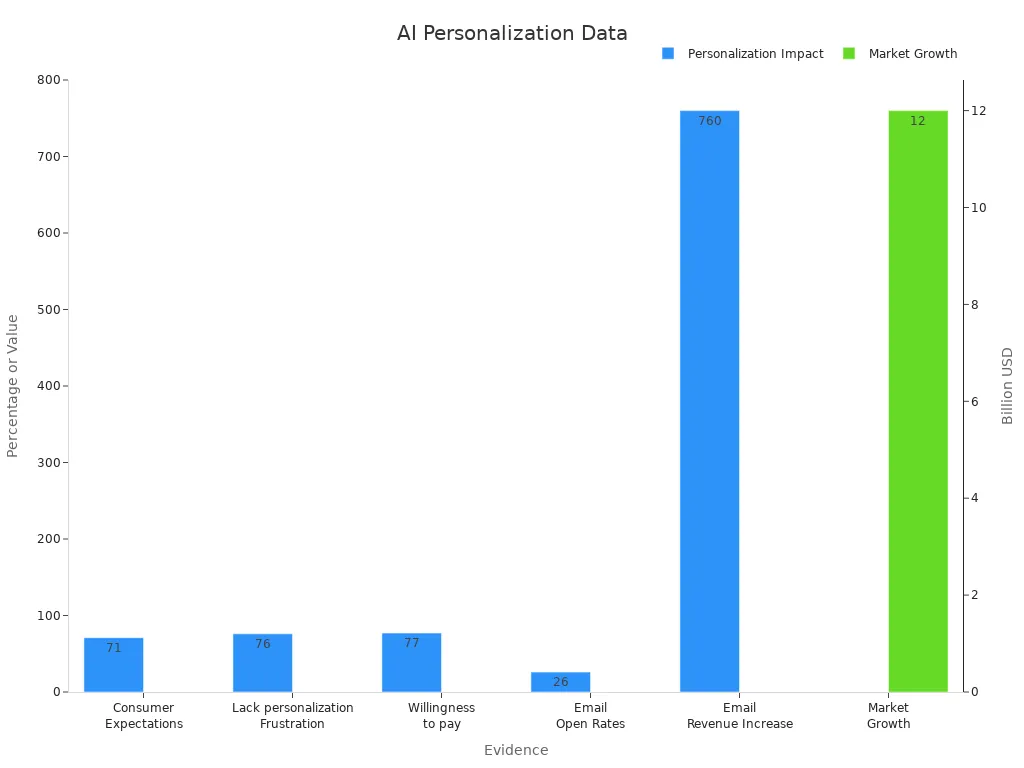
Take a look at the numbers:
| Evidence Description | Numerical Data |
|---|---|
| Consumer expectations for personalized interactions | 71% of consumers expect personalized interactions |
| Frustration due to lack of personalization | 76% of consumers feel frustrated when not offered personalized experiences |
| Willingness to pay for personalized services | 77% of consumers are willing to pay more for personalized experiences |
| Increase in email open rates with personalization | Emails with personalized subject lines are 26% more likely to be opened |
| Revenue increase from segmented email campaigns | 760% increase in email revenue from segmented campaigns |
| Market growth for recommendation engines | Expected to reach $12 billion by 2025 |
AI and automation aren’t just tools—they’re your allies in delivering low-effort self-service options that boost satisfaction and engagement.
How Sobot's Chatbot Drives Efficiency and Satisfaction
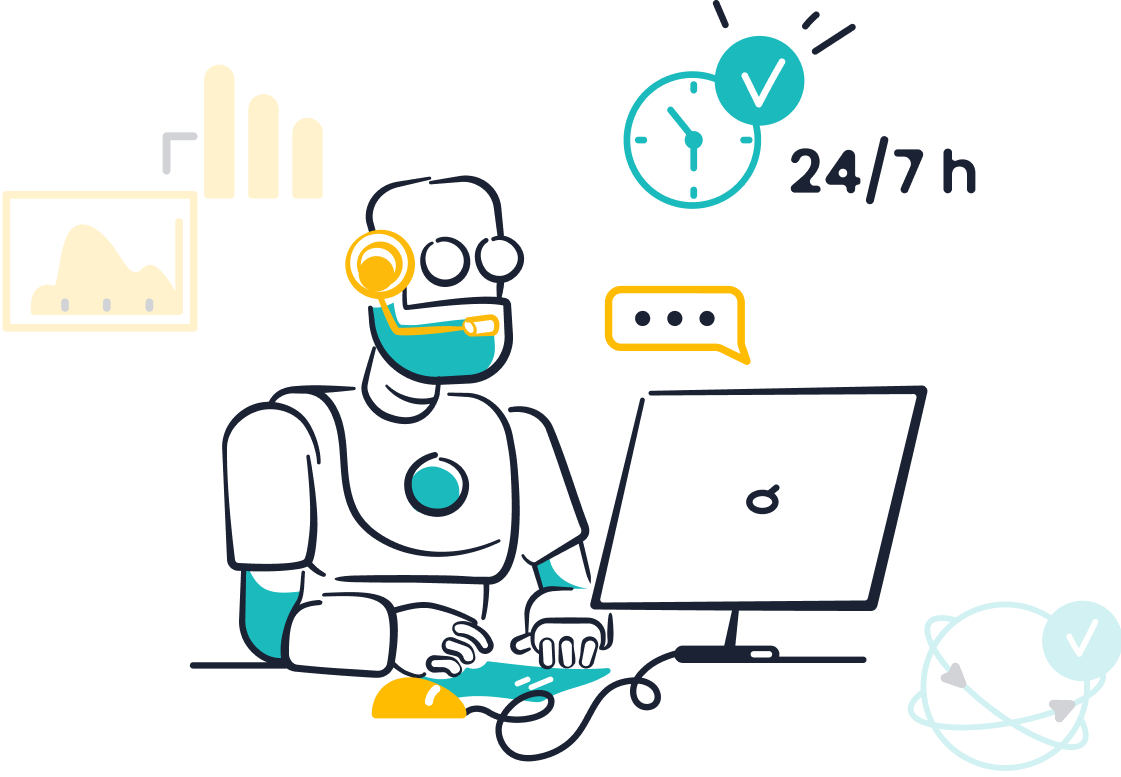
Sobot’s AI-powered Chatbot is a game-changer for businesses aiming to enhance customer satisfaction. It operates 24/7, solving routine queries and assisting agents with complex issues. This isn’t just about saving time—it’s about creating seamless experiences that keep customers coming back.
Here’s what makes Sobot’s Chatbot stand out:
- It improves productivity by 70%, allowing your team to focus on high-value tasks.
- It cuts costs by up to 50% through autonomous query triaging.
- It boosts conversions by 20% with proactive messaging and real-time assistance.
The chatbot also offers actionable insights, helping you optimize responses and streamline operations. With over 300 performance indicators and customizable dashboards, you can monitor engagement and satisfaction in real time.
| Metric | Description |
|---|---|
| Actionable Insights | Provides data-driven insights to enhance chatbot responses and operational efficiency. |
| Customer Engagement Boosts | Increases personalized experiences by analyzing user trends and optimizing chatbot interactions. |
| Seamless Operations | Streamlines workflows and addresses inefficiencies in real-time using analytics. |
| Maximized Performance | Continuous monitoring of key metrics to ensure optimal chatbot performance. |
Sobot’s Chatbot doesn’t just answer questions—it builds relationships. By offering low-effort self-service options, it ensures your customers feel valued and supported every step of the way.
Integrating CRM Tools for Seamless Customer Interactions
CRM tools are the backbone of personalized customer service. They unify customer data, enabling you to deliver tailored experiences across every touchpoint. When integrated with AI, these tools become even more powerful, helping you anticipate needs and provide smart recommendations.
Here’s what CRM integration can do for you:
| Benefit | Description |
|---|---|
| Unique customer experiences | Tailored interactions that resonate with individual customers. |
| Connection with the brand | Customers feel acknowledged and valued by the brand. |
| Smart recommendations | Data-driven suggestions that enhance the shopping experience. |
| Personalised offers | Customized deals that cater to specific customer needs. |
| Frictionless transactions | Streamlined processes that reduce barriers to purchase. |
| Deeper loyalty | Increased customer retention and commitment to the brand. |
| Increased customer retention | A reported 30% rise in overall customer retention through targeted campaigns and actions. |
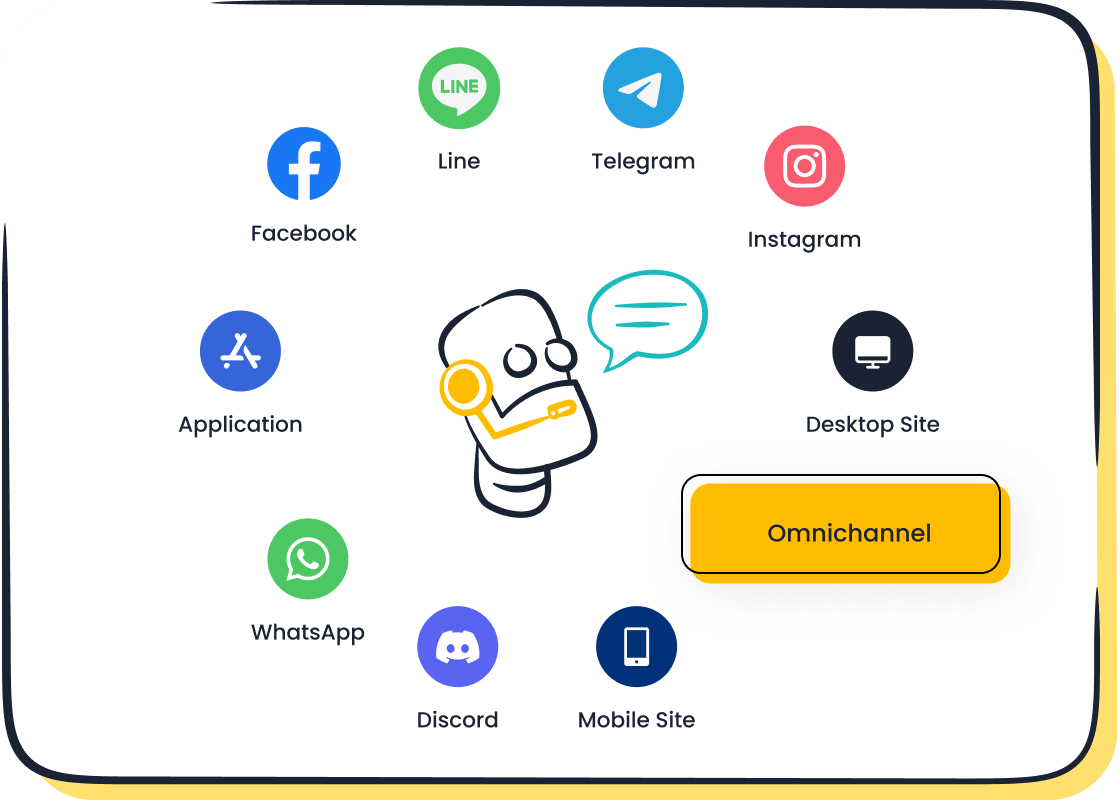
Sobot’s Omnichannel Solution takes CRM integration to the next level. It consolidates customer data from multiple channels into one workspace, ensuring seamless interactions. Whether your customers prefer email, social media, or live chat, you can deliver consistent and personalized service.
By leveraging CRM tools, you don’t just improve satisfaction—you build loyalty that lasts.
Training Teams to Deliver Exceptional Personalized Service
Building Empathy and Emotional Intelligence in Teams
Empathy is the cornerstone of personalized customer support. When your team learns to empathize with customers, they can better understand their frustrations and needs. This skill doesn’t just improve service—it builds rapport and trust. Research shows that empathy training boosts customer satisfaction and engagement. Plus, 75% of customers share positive experiences with others, while only 13% share negative ones.
Start by encouraging your team to listen actively during interactions. Teach them to ask open-ended questions and acknowledge customer concerns. For example, if a customer feels overwhelmed by a product issue, your team can respond with, “I understand how frustrating this must be. Let’s resolve this together.” This simple act of empathy can turn a challenging situation into an opportunity to strengthen rapport.

Sobot’s solutions, like its AI-powered Chatbot, complement empathy training by handling routine queries. This frees your team to focus on building meaningful connections with customers.
Role-Playing Scenarios for Real-World Applications
Role-playing isn’t just a training exercise—it’s a game-changer for preparing your team to handle real-world challenges. These scenarios help bridge the gap between technical knowledge and customer expectations. They also equip your team with the confidence to resolve customer problems at first contact.
For instance, you can simulate a situation where a customer feels frustrated about delayed delivery. Your team can practice responding with professionalism and empathy while offering solutions. Studies show that role-playing reduces call handling times and improves customer satisfaction. It also prepares your team to turn negative interactions into opportunities for stronger relationships.
You can integrate Sobot’s Omnichannel Solution into these exercises. It provides a unified workspace, allowing your team to access customer data seamlessly during role-play sessions. This ensures they’re ready to deliver personalized service in real-life scenarios.
Encouraging a Customer-Centric Mindset Across the Organization
A customer-first approach isn’t just a strategy—it’s a culture. When your organization prioritizes customer satisfaction, every team member understands the importance of delivering exceptional service. This mindset fosters loyalty, generates consistent revenue, and turns customers into brand advocates.
Start by aligning your team’s goals with customer needs. Share success stories that highlight the impact of personalized service. For example, OPPO’s partnership with Sobot resulted in an 83% chatbot resolution rate and a 57% increase in repurchase rates. These results show how a customer-centric culture drives success.
Empower your team with tools like Sobot’s CRM integration. It consolidates customer data, ensuring consistent experiences across all interactions. When your team has the resources to make beneficial decisions for customers, they’ll feel confident in delivering top-notch service.
Tip: Celebrate customer service wins regularly to reinforce the importance of a customer-first approach. Recognition motivates your team to keep delivering exceptional experiences.
Measuring Success and Driving Continuous Improvement
Key Metrics for Evaluating Customer Service Performance
Tracking the right metrics helps you understand how well your customer service strategies are working. Without measurable insights, it’s hard to know if you’re meeting customer expectations or falling short.
Here are some key performance indicators (KPIs) you should monitor:
| KPI Name | Description |
|---|---|
| Customer Satisfaction Score | Measures the percentage of customers who are satisfied with a product or service. |
| Net Promoter Score | Evaluates customer loyalty by asking how likely they are to recommend a company’s products. |
| Customer Retention Rate | Measures the percentage of customers a company retains over a specific period. |
| Customer Churn Rate | Tracks the percentage of customers who stop doing business with a company over a specific period. |
| Customer Lifetime Value | Estimates the total revenue a business can expect from a single customer over their relationship. |
| Customer Acquisition Cost | Calculates the cost associated with acquiring a new customer. |
| First Contact Resolution | Measures the percentage of customer issues resolved on the first contact. |
| Customer Effort Score | Assesses how much effort a customer must exert to resolve an issue or interact with customer service. |
| Repeat Purchase Rate | Measures the percentage of customers who have made more than one purchase. |
These metrics give you a clear picture of your performance. For example, a high First Contact Resolution rate shows your team’s efficiency, while a low Customer Effort Score indicates smooth interactions. Tools like Sobot’s Omnichannel Solution can help you track these KPIs across multiple channels, ensuring you stay on top of your customer service game.
Collecting and Applying Customer Feedback Effectively
Customer feedback is a goldmine for improving your service. It tells you what’s working and what needs fixing. But collecting feedback isn’t enough—you need to act on it.
Here are some practical methods for gathering and applying feedback:
| Method | Description |
|---|---|
| Interviews | In-depth discussions to understand customer experiences and validate assumptions. |
| Focus Groups | Structured conversations that provide diverse perspectives and deeper insights. |
| Survey Panels | Feedback from committed panel members ensures thorough responses. |
| Operational Data | Tracks customer actions to identify gaps between expectations and reality. |
| Post-Purchase Surveys | Collects feedback shortly after delivery to strengthen relationships. |
| Periodic Surveys | Snapshot feedback from different segments at specific intervals. |
| Continuous Tracking | Monitors customer experience over time to identify trends. |
| Conversational Analytics | Analyzes ongoing feedback to address issues proactively and understand sentiment. |
For example, post-purchase surveys can reveal how satisfied customers are with your delivery process, while operational data highlights areas where customers struggle. Sobot’s AI-powered Chatbot can assist by collecting real-time feedback during interactions, helping you make quick adjustments to improve satisfaction.
Iterating and Adapting Strategies Based on Data Insights
Improvement doesn’t happen overnight—it’s a continuous process. By analyzing data insights, you can refine your strategies and adapt to changing customer needs.
Here are some real-world examples:
- Chipper Cash identified barriers to cryptocurrency adoption through user research. They launched awareness campaigns and educational initiatives, leading to a 194% increase in feature adoption.
- Nova Credit used targeted surveys to refine their website messaging. After redesigning their homepage based on feedback, they saw a 47% increase in conversion rates.
These examples show the power of data-driven iteration. Whether it’s tweaking your website or launching a new campaign, the key is to stay flexible and responsive. Sobot’s solutions, like its Omnichannel platform, provide actionable insights that help you adapt quickly. By continuously improving, you ensure your customer service stays ahead of the curve.
Personalized customer service isn’t just a trend—it’s the foundation of success in 2025. Customers expect more than ever, and businesses that meet these expectations thrive.
- 93% of customer service teams say customer expectations have skyrocketed.
- 80% of people still face poor service experiences.
- 71% of support leaders report rising contact volumes since 2020.
Tools like Sobot’s Chatbot make personalization easier. They streamline operations, cut costs, and keep customers happy. Start small. Use data, train your team, and adopt smart solutions. The sooner you act, the faster you’ll stand out in a competitive market.
💡 Tip: Personalization isn’t just about technology—it’s about showing customers you care.
FAQ
What is personalized customer service, and why does it matter?
Personalized customer service tailors interactions to individual needs. It matters because customers feel valued when you address their preferences. This approach builds trust, loyalty, and satisfaction, which ultimately boosts your business success.
💡 Tip: Use tools like Sobot’s Chatbot to deliver personalized experiences effortlessly.
How can Sobot’s Chatbot improve my customer service?
Sobot’s Chatbot automates routine tasks, offers 24/7 support, and personalizes interactions. It improves productivity by 70% and reduces costs by up to 50%. Plus, it boosts conversions by 20% with proactive messaging and real-time assistance.
What industries benefit most from Sobot’s solutions?
Sobot serves industries like retail, financial services, gaming, education, and enterprise services. Its tools adapt to diverse needs, making them ideal for businesses aiming to enhance customer satisfaction and efficiency.
Do I need coding skills to set up Sobot’s Chatbot?
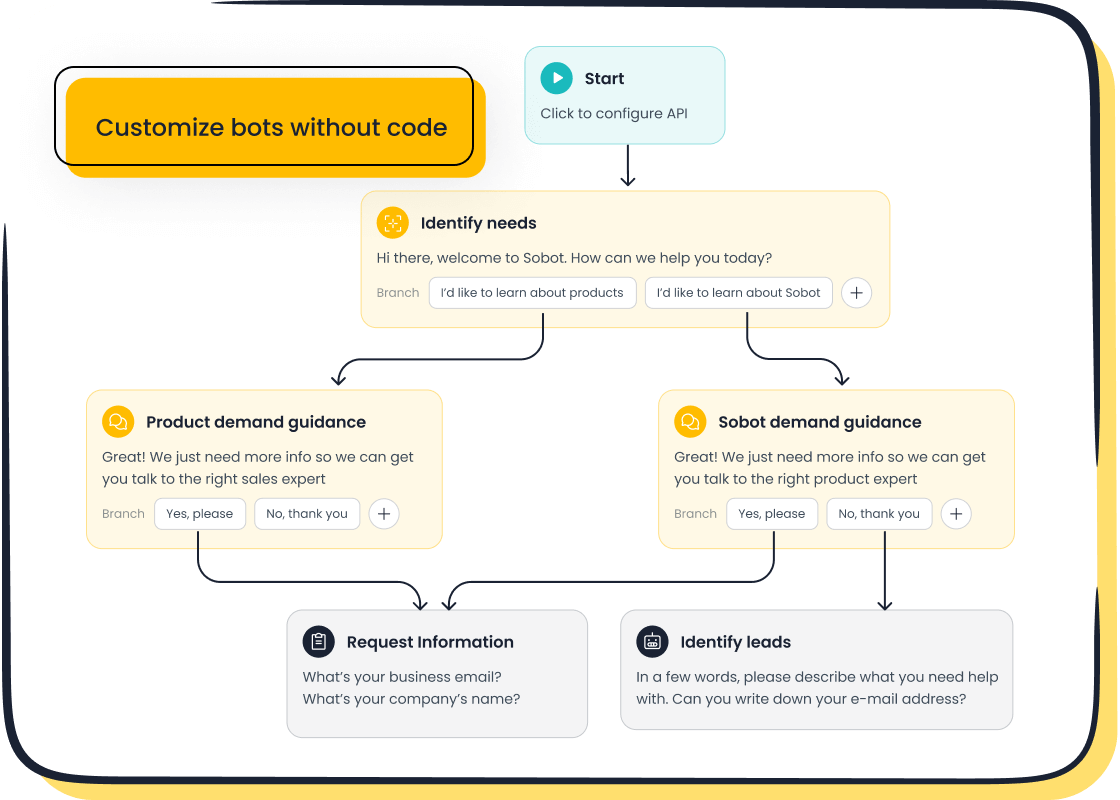
Nope! Sobot’s Chatbot features a point-and-click interface. You can design workflows and deploy it without any coding experience. It’s user-friendly and perfect for businesses of all sizes.
How does Sobot ensure data security in customer interactions?
Sobot prioritizes data security with a system stability rate of 99.99%. It complies with global standards to protect customer information, ensuring trust and reliability in every interaction.
🔒 Note: Your customers’ data is safe with Sobot’s robust security measures.
See Also
10 Strategies to Enhance Live Chat Customer Experience
10 Guidelines for Selecting Social Media Support Tools
The 10 Leading Customer Service Software Solutions for 2024

