Outbound Calls Meaning Explained


The outbound calls meaning is straightforward. An outbound call is a phone call a company representative initiates to a potential or existing customer.
The purposes of outbound calls are proactive. This communication strategy drives sales, enhances customer relationships, and gathers valuable feedback.
While often linked to sales, the role of an outbound call is much broader for modern businesses. Strategic outbound calling is a powerful tool for growth. A Sobot call center, powered by Sobot AI, helps companies connect with each customer effectively.
The Core Outbound Calls Meaning: More Than Sales
The modern outbound calls meaning extends far beyond its traditional association with sales. It represents a company's entire proactive communication strategy. Businesses use outbound calling to build relationships, solve problems before they start, and understand their market on a deeper level. This approach turns communication into a powerful tool for growth and customer loyalty.
Outbound vs. Inbound: Who Initiates?
The simplest way to understand the difference between outbound and inbound calls is to ask: "Who made the call?" The direction of the call defines its category. An outbound call is initiated by the business, while an inbound call is initiated by the customer.
Here is a simple breakdown:
| Call Type | Who Initiates the Call? | Example |
|---|---|---|
| Outbound | The Company or Agent | A support agent calls a customer to follow up on a resolved issue. |
| Inbound | The Customer or Prospect | A customer calls the support line with a question about their bill. |
Proactive vs. Reactive Purpose
The purpose behind the call also defines the outbound calls meaning. Outbound communication is proactive. The company has a specific goal it wants to achieve, so it reaches out to the customer to make it happen. In contrast, inbound communication is reactive; the company responds to a need or request from a customer.
A proactive outbound call allows a business to control the narrative. It can introduce new products, offer help, or gather feedback on its own schedule, rather than waiting for the customer to act first.
This proactive stance helps businesses stay ahead of customer needs and market trends.
Common Call Examples 📞
While many people think of sales calls when they hear "outbound," the applications are much broader. An outbound call can serve many strategic purposes across different departments. These calls are essential for growing a business and keeping a current customer happy.
Here are some common examples of outbound communication:
- Lead Generation: Agents perform outbound cold calling to find potential customers. They gather information and qualify individuals who show interest in the company's products or services.
- Sales: Representatives initiate calls to present offers, explain product benefits, and close deals with a new customer.
- Appointment Setting: An agent calls a prospect to schedule a meeting or a product demonstration with a member of the sales team.
- Customer Retention: A business proactively contacts an existing customer to offer assistance, check on their satisfaction, or present an upsell opportunity to cultivate loyalty.
- Market Research: Companies conduct surveys over the phone. This helps them gather valuable market insights to improve their products and marketing strategies.
- Debt Collection: Financial service businesses may need to contact a customer with an overdue payment. The goal is to arrange a payment plan or collect the outstanding debt.
Key Types of an Outbound Call
The modern outbound calls meaning covers several strategic functions. Businesses use different types of calls to achieve specific goals, from generating revenue to building loyalty. Each type serves a unique purpose in the customer journey.
Sales and Lead Generation
Sales and lead generation are the most well-known uses for outbound calling. Agents engage in outbound cold calling to identify a potential lead or follow up with warm prospects. A rapid response is critical. For example, some companies contact a new customer lead within 60 seconds to set an appointment immediately. This proactive approach is key for successful lead generation. Structured sales calls help businesses qualify prospects, create a database, and promote products effectively.
Conversion rates for these sales calls vary by industry. The goal is to turn a call into a productive conversation.
| Sector | Metric | Average Rate |
|---|---|---|
| SaaS | Call to Conversation Rate | 5-10% |
| SaaS | Conversation to Appointment Rate | 23% |
Proactive Customer Service
Proactive customer service uses an outbound call to solve issues before they escalate. Instead of waiting for a customer to complain, a company reaches out first. This builds trust and shows the business values its customers.
“Only 1 in 26 customers will complain about a problem they encounter with your product or service. The rest will simply stop buying from you, and look for a better solution elsewhere.” – CX Today
Companies can use data to predict which customers might be at risk of leaving. An agent can then call to offer help or check in. This simple action can prevent a customer from churning. Businesses also use these calls for appointment reminders and service updates, creating a smooth customer experience.
Market Research and Feedback
Companies use outbound calls to connect directly with their market. Agents can conduct surveys or ask for opinions on new products. This method provides honest, unfiltered feedback. The insights gathered help businesses understand customer needs, identify market trends, and make smarter decisions about their products and strategies.
Account Management and Retention
An outbound call is a powerful tool for account management and customer retention. Regular check-ins make a customer feel valued. Agents can share important updates, offer personalized deals, or discuss renewal opportunities. This direct engagement strengthens the relationship between the customer and the company. Actively listening to feedback during these calls provides valuable information for improving the business. This focus on retention helps increase customer lifetime value.
Why Outbound Calling is Crucial for Growth
An outbound call strategy is more than just making calls; it is a fundamental driver of business growth. When executed correctly, outbound calling allows companies to actively pursue opportunities instead of waiting for them to arrive. This proactive approach helps businesses increase revenue, build stronger customer relationships, gather critical market data, and improve overall efficiency.
Drive Proactive Sales and Revenue
Outbound calling directly fuels sales and revenue growth. Sales teams that proactively contact prospects can control the sales cycle and create opportunities. A well-timed outbound call can significantly increase the chances of securing a new customer. Data shows a strong link between specific outbound tactics and sales success.
- Personalized calls can achieve a 202% higher conversion rate than generic outreach.
- Using local area codes can boost connection rates by as much as 400%.
- Contacting a new lead on a weekend can increase the likelihood of connection by 60%.
Real-world examples highlight this impact. One B2B lead generation campaign increased revenue by 23%, while another B2C appointment-setting effort generated $5.1 million in new business. These results show that a strategic outbound approach is a reliable path to revenue growth.
Enhance Customer Loyalty
Beyond acquiring new customers, outbound calling is essential for customer retention. Proactive communication makes a customer feel valued and supported. Businesses that use hyper-personalization in their outbound calls build stronger trust and create lasting partnerships. This focus on the existing customer base is crucial for long-term success.
A great example of this is the financial service platform Opay. The company needed to manage a high volume of customer interactions and proactively engage its users. By implementing Sobot's omnichannel solution, Opay transformed its customer service and marketing efforts. This allowed them to streamline communication and deliver targeted, helpful outreach.
The results were remarkable. Opay saw its customer satisfaction rate jump from 60% to 90%. This shows how a proactive outbound strategy, focused on helping the customer, directly improves loyalty and retention.
Gather Valuable Market Intelligence
Outbound calls provide a direct line to the market. Each conversation is an opportunity to gather unfiltered feedback and insights. Businesses use this intelligence to make smarter decisions about product development and marketing. Agents can conduct surveys to collect key demographic data like age, gender, and income, which helps in targeting specific markets.
Market research calls help businesses:
- Identify common issues with existing products.
- Discover gaps in the market for new opportunities.
- Understand how customers perceive competitors.
- Test new messaging and get immediate feedback.
By analyzing what prospects say during a call, such as which competitors they mention, companies can refine their own offerings and sales tactics. This direct feedback loop is invaluable for staying competitive.
Boost Operational Efficiency
Modern technology makes outbound calling more efficient than ever. Automation and AI handle routine tasks, allowing agents to focus on high-value conversations. Automated systems reduce idle time between calls, retrieve customer records instantly, and optimize call routing. This leads to significant cost savings and productivity gains.
- AI-powered dialing connects agents to customers more quickly, reducing unanswered calls.
- Automation allows companies to manage large campaigns without hiring more agents.
- Agents can concentrate on complex inquiries and closing deals, boosting their productivity.
Opay’s success story also demonstrates this benefit. By using Sobot's intelligent and unified platform, Opay not only improved its customer outreach but also made its operations more efficient. The company achieved a 17% increase in conversion rates and a 20% reduction in overall operational costs.
These tangible results prove the value of an integrated outbound solution.
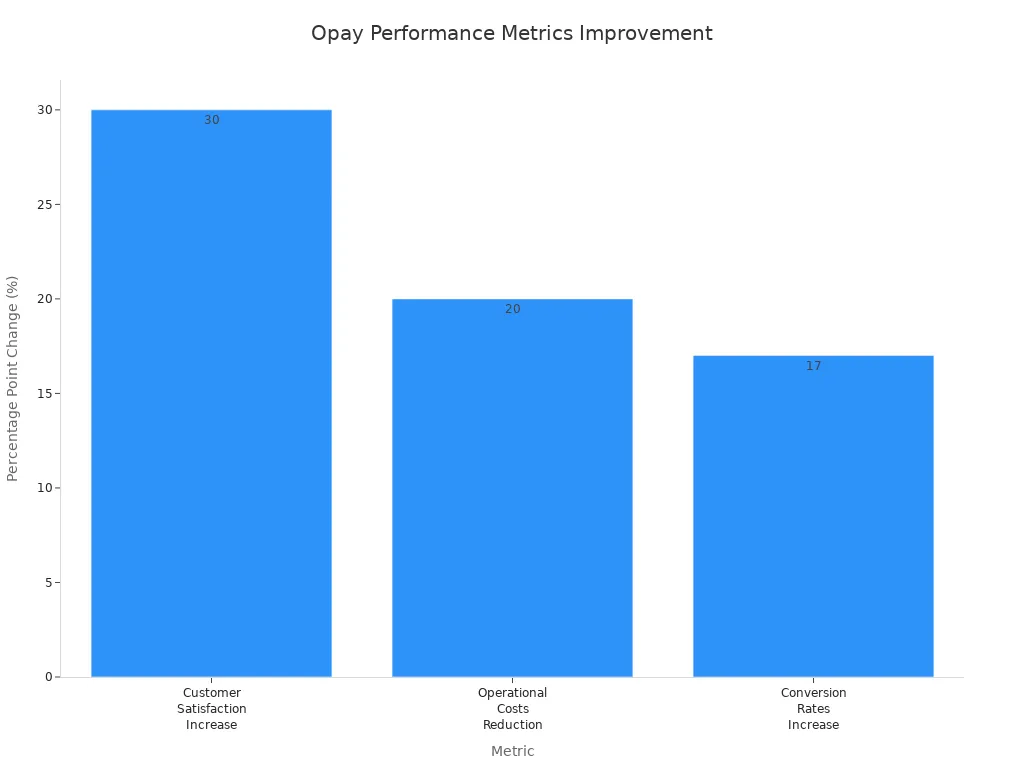
By leveraging the right tools, a business can turn its outbound call center into a powerful engine for growth and efficiency.
Technology That Powers Modern Outbound Calls
Effective outbound calling campaigns rely on modern technology. The right tools are essential for an outbound call center to operate efficiently. They automate repetitive tasks, provide valuable data, and empower agents to have more meaningful conversations. This technology transforms a standard outbound call center into a strategic asset for business growth.
Integrated CRM Platforms
Integrated CRM platforms are the brain of a modern outbound call center. They give agents a complete view of each customer before they even dial. When an agent makes an outbound call, they can see the customer's history, past purchases, and previous interactions. This context allows for personalized and effective sales calls. A good contact center solution integrates smoothly with CRMs like Salesforce and HubSpot, ensuring all data is in one place.
Automated Dialing Systems
Automated dialing systems dramatically increase the efficiency of an outbound call center. Instead of manually dialing numbers, agents can focus on talking to people. Different dialers serve different purposes.
- Predictive Dialer: Dials multiple numbers at once and connects answered calls to available agents. This is best for high-volume campaigns in a large contact center.
- Power Dialer: Dials one number after another for an agent, ensuring a steady pace. This is useful for follow-up calls.
- Preview Dialer: Shows the agent information about the next lead before making the call. This allows for a more personalized approach.
Modern Contact Center Software
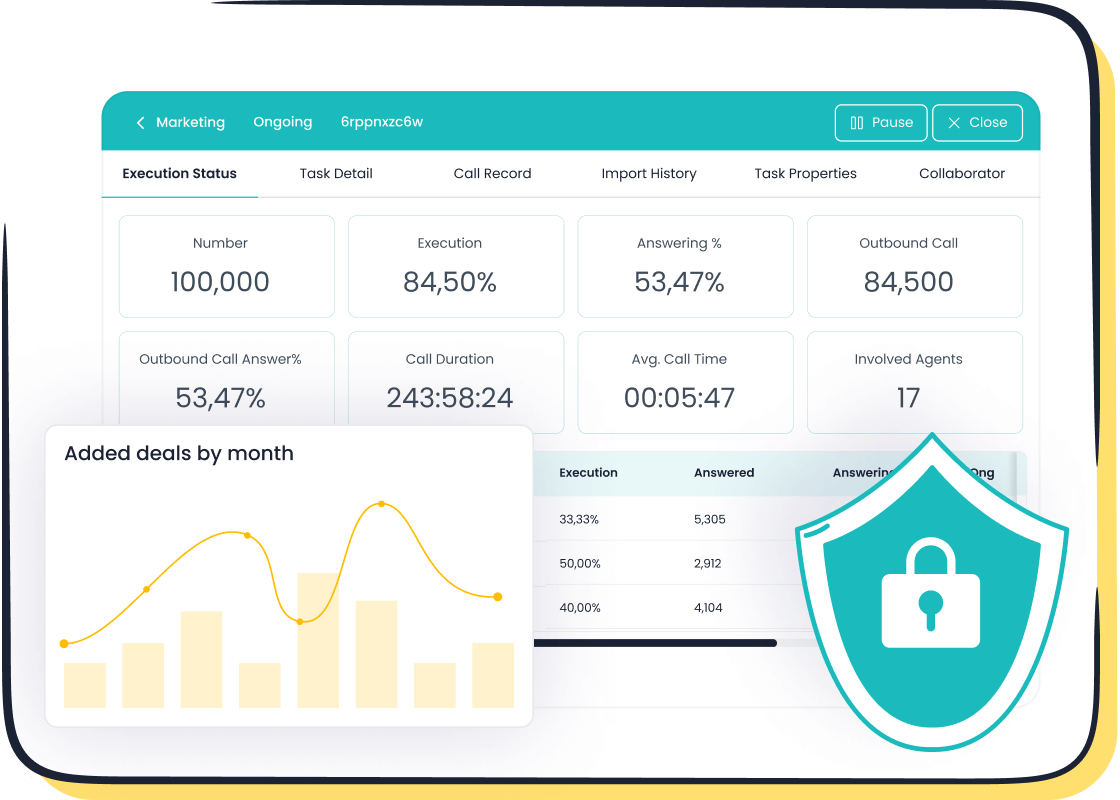
Modern contact center software combines multiple tools into one powerful platform. A comprehensive telesales platform like Sobot's Voice for Sales is a prime example. It is designed to help any outbound call center boost productivity and conversion. Such a contact center platform offers key features for global outreach.
Sobot provides global number coverage, allowing an outbound call center to connect with any customer using local numbers, which improves answer rates. Its seamless integration with CRM systems keeps all customer data unified. This technology helps teams double their conversion rates and increase productivity by 79%.
A strong contact center solution is the backbone of a successful outbound call center.
AI-Powered Call Assistance
AI-powered assistance is changing how an outbound call center operates. AI tools provide agents with real-time support during calls. For example, AI can analyze the conversation and suggest answers or relevant information. This helps agents handle objections and close deals more effectively. After the call, AI provides insights by analyzing call recordings for keywords and sentiment. This data helps the contact center improve training and strategy.
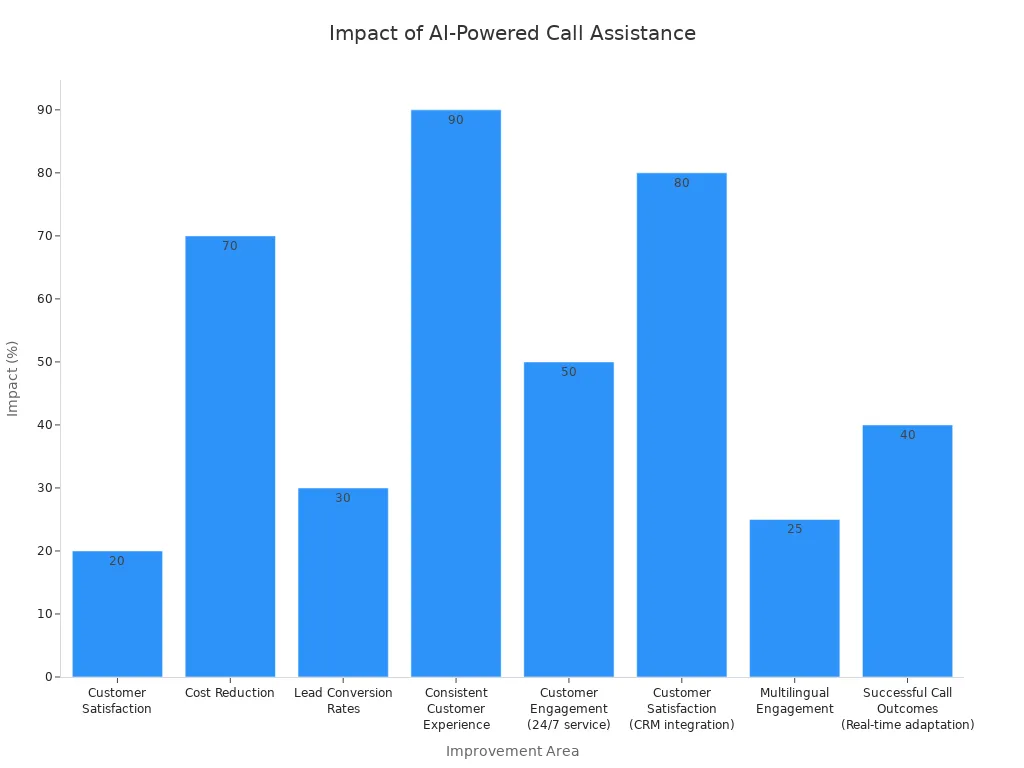
This technology ensures a consistent customer experience and drives better outcomes for every outbound call.
The outbound calls meaning is clear: it is a proactive communication a business starts with a customer. This strategy is vital for growth. An effective outbound call drives revenue, builds customer loyalty, and gathers important market data. A well-planned outbound calling strategy helps a business connect with each customer.
Ultimately, a successful outbound call strategy, powered by modern solutions like Sobot, is a powerful tool. It helps any business actively grow its customer base and build stronger relationships.
FAQ
What is the main goal of an outbound call?
The main goal of an outbound call is proactive communication. A business initiates contact to achieve specific objectives. These goals include driving sales, providing customer support, or gathering market feedback. This strategy helps a company actively manage its growth and customer relationships.
Are outbound calls only for sales?
No, the purpose of an outbound call extends beyond sales. Companies use them for many reasons:
- Proactive customer service
- Appointment reminders
- Market research surveys
- Account management check-ins
How does technology improve an outbound call?
Technology makes an outbound call more efficient and effective. Tools like automated dialers increase call volume. CRM integrations provide agents with customer history for personalized conversations. AI offers real-time assistance, helping agents improve their performance and achieve better results.
What makes an outbound call successful?
A successful outbound call depends on clear goals and preparation. Agents need to understand the customer and the purpose of the call. Using a local number increases answer rates. A personalized approach that focuses on the customer's needs builds trust and leads to better outcomes.
See Also
Exploring the Concept of a Remote Customer Service Call Center
Maximizing Efficiency: The Mechanics of Call Center Automation Explained
Demystifying the Costs Associated with Outsourcing Live Chat Support
Reviewing the Best Automated Voice Calling Software Solutions for 2024
A Deep Dive into the Essential Role of an IT Call Center Agent

