Outbound Call vs Inbound Call Pros and Cons


Understanding the key differences between an inbound and outbound call is simple. Your customers make inbound calls for customer support, while your business initiates an outbound call for sales or proactive engagement. This article provides a clear breakdown of each call strategy, helping you find the right approach for your goals. Modern tools like Sobot's all-in-one contact center, powered by Sobot AI, help you manage both inbound and outbound communications effectively. With Sobot call center solutions, you can seamlessly connect with your customers and optimize your communication strategies.
The Pros and Cons of Inbound Calls

What Is an Inbound Call?
An inbound call is a call that a customer initiates to your business. While many people associate these calls with technical support or placing an order, customers also call for many other reasons. Your inbound call center may handle a wide variety of inquiries.
- Questions about billing or charges
- Requests for detailed product information
- Concerns about privacy and data security
- Product stock inquiries
Pros of an Inbound Strategy
An inbound call strategy allows you to build stronger relationships with your customers. When you resolve an issue on the first call, you boost customer satisfaction and loyalty. This positive customer experience saves people time and eliminates the frustration of follow-ups.
A flexible and intelligent IVR is crucial for effective communication. It routes customers to the right agent quickly, which is one of the best practices for excellent customer service. For example, the online supermarket Weee! used Sobot's flexible IVR and unified workbench to improve its operations. This change increased agent efficiency by 20% and boosted their customer satisfaction score to an impressive 96%. This shows how the right tools directly address customer needs.
Cons of an Inbound Strategy
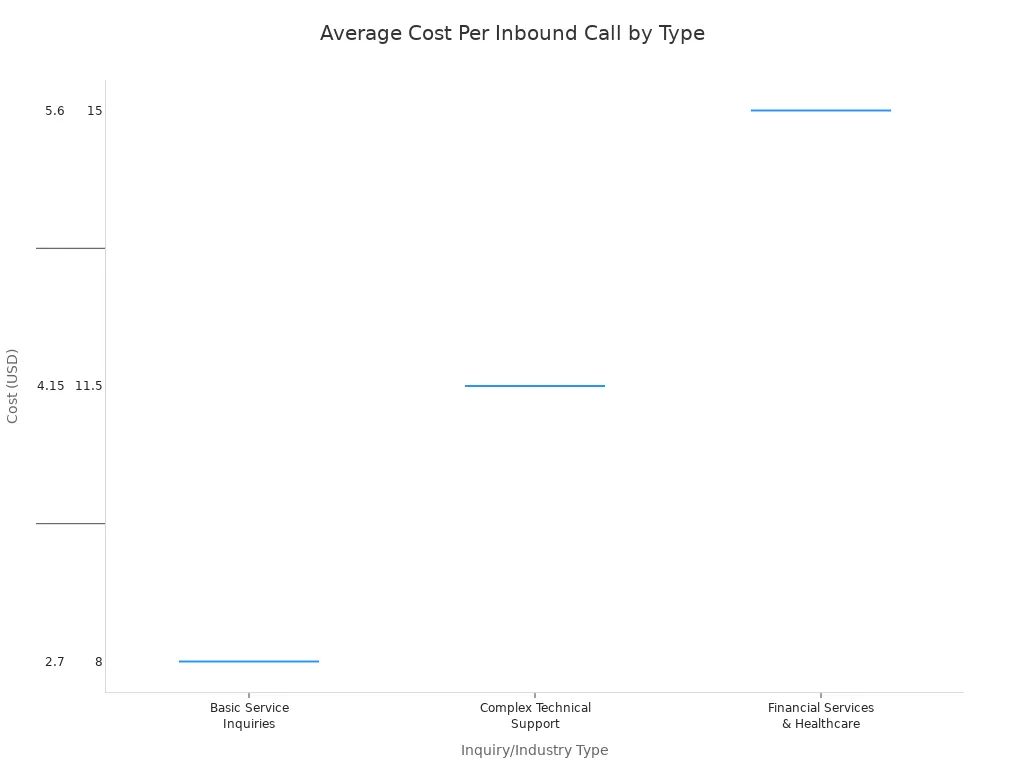
While powerful, an inbound strategy can be resource-intensive. High volumes of inbound calls can overwhelm your team, leading to staff burnout and longer wait times. This directly impacts your customer service quality. The cost can also add up quickly, as different types of inquiries have varying costs.
| Inquiry/Industry Type | Cost Range (USD) |
|---|---|
| Basic Service Inquiries | $2.70 - $5.60 |
| Complex Technical Support | $8.00 - $15.00 |
| Financial Services & Healthcare | $7.00 - $9.00 |
| Retail & E-commerce | $3.50 - $6.00 |
| Traditional Phone-based Service | $6.00 - $12.00 |
Tip: You can mitigate these challenges with a modern solution. Sobot's unified platform helps by consolidating tools into a single workspace, which improves agent efficiency and reduces operational strain.
When to Use an Inbound Call Center
You should focus on an inbound call center if your primary goal is providing outstanding customer support and strengthening retention. This approach is essential for industries where customers frequently need assistance.
- Healthcare: Manages appointments, insurance claims, and medical support.
- Banking and Finance: Handles account queries and resolves issues without a branch visit.
- Retail: Addresses complaints, processes orders, and manages feedback.
This inbound model is also effective for inbound sales, where you convert interest from warm leads who contact you first.
The Pros and Cons of the Outbound Call

What Is an Outbound Call?
An outbound call is a call your business makes to prospects or existing customers. Unlike inbound calls where you react to a customer's needs, an outbound call is a form of proactive outreach. Your team initiates contact to achieve specific business goals. Common types of an outbound call include:
- Lead Generation: Your agents contact potential customers to identify interest in your products or services.
- Telesales: Your representatives call prospects to sell products directly over the phone.
- Appointment Setting: Your team schedules meetings with qualified leads for your sales department.
Pros of a Proactive Outbound Call
A proactive outbound call strategy allows you to generate sales leads and control your sales pipeline. You do not have to wait for customers to find you. This approach helps you nurture leads and build relationships directly. Personalizing your sales calls can also increase customer lifetime value. For example, referral leads often show a 16% higher lifetime value.
Modern tools make this process efficient. Sobot's Voice/Call Center includes a "Bulk Outbound Task" feature that automates campaigns and assigns leads to agents. You can also integrate it with Sobot's Marketing Solution to use outbound voice, WhatsApp, and SMS. This helps you re-engage customers and increase sales.
Cons of an Outbound Strategy
Outbound strategies have challenges. Many prospects do not answer calls from unknown numbers. In fact, around 79% of unidentified outbound calls go unanswered. This can make reaching new leads difficult. The conversion rate for cold-calling strategies is also relatively low, at about 9.38%.
You must also follow strict regulations. The Telephone Consumer Protection Act (TCPA) and various state-specific rules limit when and how you can contact prospects. Breaking these rules can lead to costly fines.
When to Build an Outbound Call Center
An outbound call center is most effective for business models that rely on proactive sales. It works well for B2B sales and high-value B2C products. These models often require direct engagement to explain value and close deals. An outbound call strategy gives you control over the sales process and helps build predictable revenue. The effectiveness of your call strategy can vary by business model.
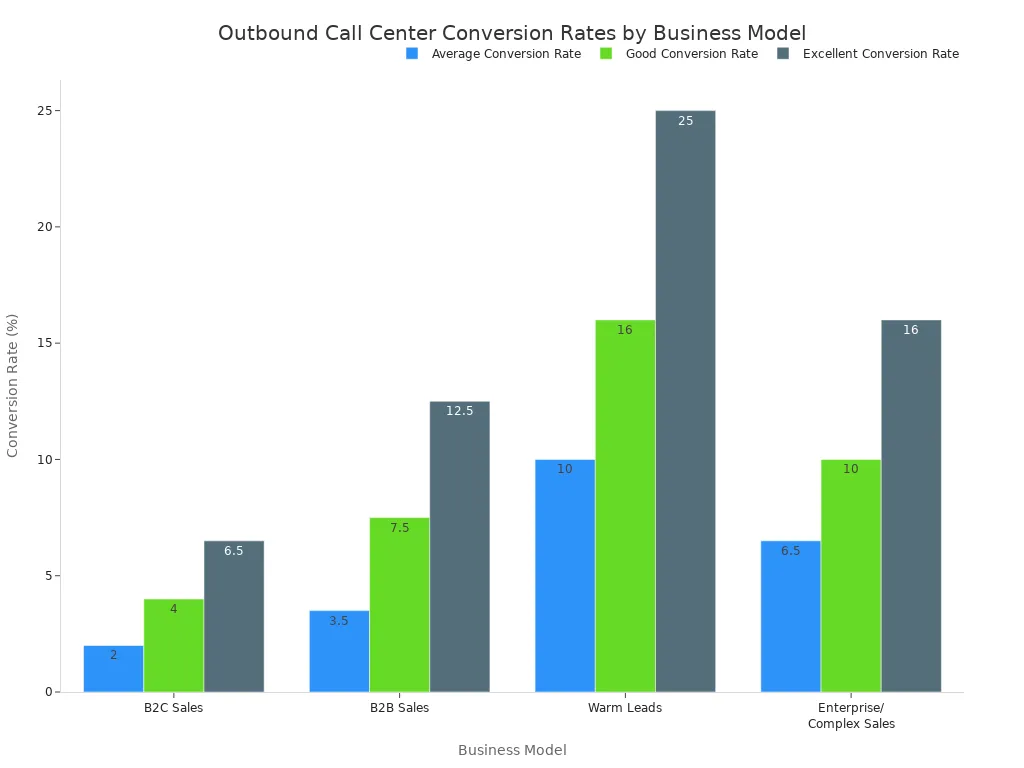
This data shows that an outbound call center can be a powerful tool when you target the right audience with the right approach.
Inbound vs. Outbound: A Direct Comparison
Understanding the core differences between inbound and outbound strategies helps you choose the right one for your goals. The two approaches are opposites in their initiator, goal, nature, and required skills.
Call Initiator: Customer vs. Business
The most basic difference is who makes the call. Your customers start inbound calls when they need help or information. This puts them in control of the conversation. In contrast, your business initiates an outbound call. Your team reaches out to prospects or existing customers to achieve a specific objective.
Primary Goal: Service vs. Sales
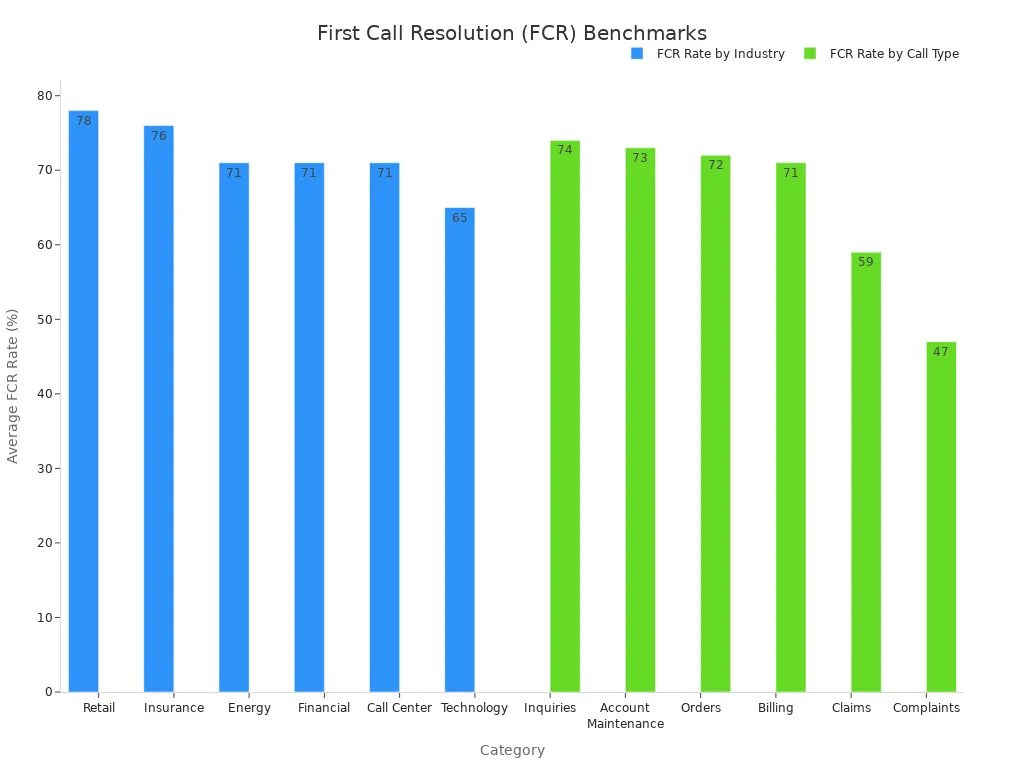
The primary goal of inbound calls is typically customer service. Your team focuses on resolving issues and answering questions to build satisfaction and loyalty. A key metric here is First Call Resolution (FCR), which measures how often you solve a customer's problem on the first try.
| Category | Average FCR Rate |
|---|---|
| Overall Industry Standard | 70% |
| By Industry | |
| Retail | 78% |
| Insurance | 76% |
| Technology | 65% |
| By Call Type | |
| Inquiries | 74% |
| Billing | 71% |
| Complaints | 47% |
The goal of an outbound strategy is usually sales or proactive outreach. Your agents work to generate leads, set appointments, or close deals.
Nature: Reactive vs. Proactive
An inbound strategy is reactive. You respond to needs as they arise. Your team must be ready to handle a wide range of issues at any time. An outbound strategy is proactive. You decide who to call and when to call them. This gives you direct control over your sales pipeline and outreach efforts.
Agent Skills: Empathy vs. Persuasion
The different natures of inbound and outbound calls demand different agent skills.
Tip: Inbound agents need strong empathy and problem-solving abilities to understand and resolve customer issues effectively. Outbound agents require persuasion and resilience to handle rejection and successfully guide prospects toward a sale.
Choosing the Right Calling Strategies for Your Business
Deciding between inbound and outbound strategies depends on your primary business goals. Do you want to strengthen customer loyalty or proactively drive new growth? Many businesses find that a combination of both offers the most powerful path forward.
Focusing on Inbound for Customer Retention
If your goal is to keep your current customers happy, an inbound focus is essential. Excellent customer support turns one-time buyers into loyal fans. When you make it easy for customers to get help, you build trust and satisfaction. For example, proactively informing customers about shipping updates or using AI to resolve common issues can lead to satisfaction rates as high as 90%. This approach reinforces customer trust.
You can implement several best practices to improve retention through your inbound channel.
- Create a Strong Onboarding Program: Teach new customers how to use your product. A personalized setup helps them achieve their goals quickly and prevents them from leaving.
- Offer Seamless Post-Sale Support: Ensure your customer service team has all the notes from the sales process. This creates a smooth transition and shows customers you understand their needs from day one.
- Reward Loyal Customers: Make your best customers feel appreciated. You can grant them early access to new products, offer exclusive discounts, or create a loyalty program that gives rewards for referrals.
Tip: When you build a loyalty program, consider offering high-value incentives for advocacy efforts. This encourages customers to become brand ambassadors.
Using Outbound for Proactive Growth
An outbound call strategy puts you in control of your growth. Instead of waiting for leads to come to you, your team actively seeks them out. This is not just for making sales. You can also use an outbound call to test new ideas and explore markets.
This approach allows you to gather valuable market intelligence directly from potential buyers. You can use an outbound call to validate a business idea before investing heavily in it. A structured campaign can test different messages with specific target groups to see what resonates. For instance, a new software company successfully tested 10 different sales hypotheses in three months using this method. This process gave them scalable sales blueprints and their first paying customers.
You can use two main types of outbound strategies.
| Campaign Type | Goal | Success Metrics |
|---|---|---|
| Sales Outbound | Lead generation and closing deals | Number of replies and conversions |
| Strategic Outbound | Validating a market hypothesis | Quality of feedback and reactions |
This shows that an outbound call is a versatile tool for generating both sales and strategic insights.
The Hybrid Advantage with Sobot's Platform
Why choose one when you can have the best of both worlds? A hybrid model combines inbound and outbound strategies to create a balanced approach to growth and service. Your business can provide excellent customer support for inbound calls while also using an outbound call strategy to generate new leads. Companies using a hybrid model have seen results like a 23% faster revenue growth and a 30% increase in their sales pipeline.
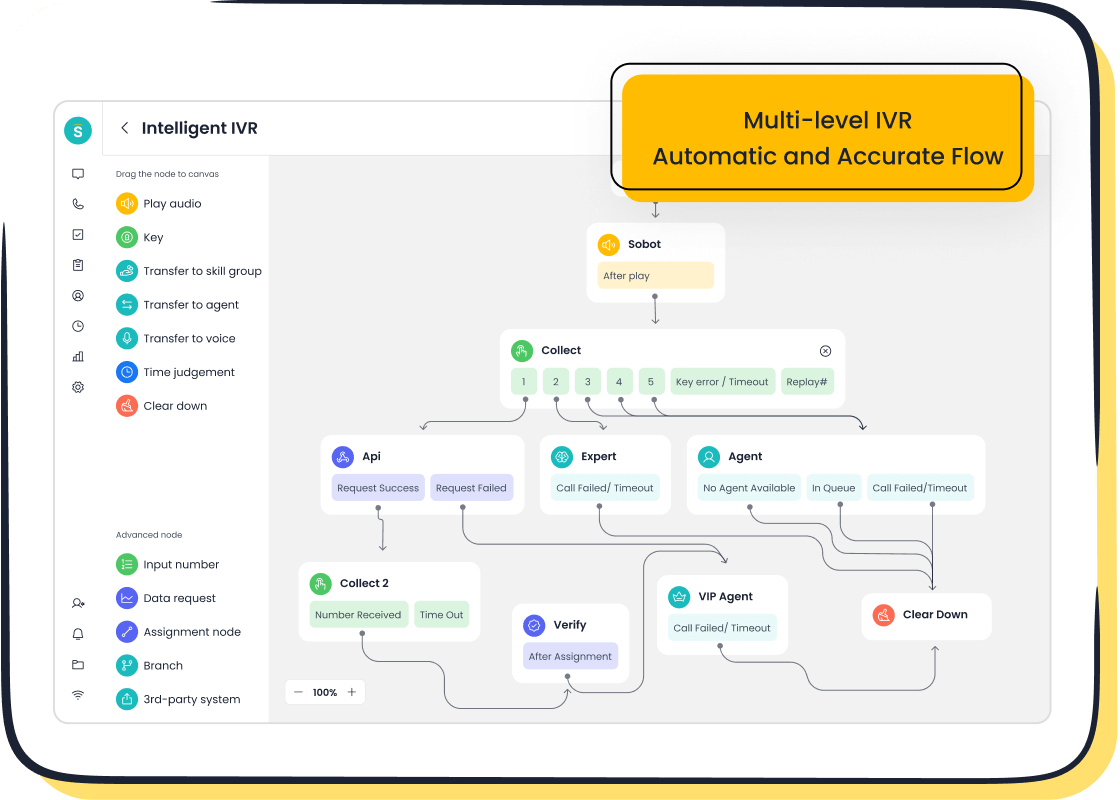
The key to a successful hybrid model is having the right technology. A modern solution like Sobot's Voice/Call Center is designed to handle both inbound and outbound calls seamlessly from a single platform. This eliminates the need for agents to switch between different systems, which improves efficiency and reduces stress.
A unified platform for all call center operations is no longer a luxury—it's a necessity for balanced growth.
Sobot empowers your team with features that support a hybrid model:
- Smart Call Routing (ACD): This feature automatically directs incoming calls to the right agent or department. It ensures your customers get the help they need quickly, boosting customer satisfaction.
- A Unified Agent Workspace: Agents can manage inbound calls, outbound tasks, and customer data all in one place. This streamlined workflow allows them to handle interactions more effectively, increasing productivity.
- Comprehensive Data Analytics: You get a clear view of performance for both your inbound and outbound campaigns. This helps you make informed decisions to optimize your overall call strategy.
By integrating your inbound and outbound efforts on one platform, you create a powerful engine for both customer service and sales. You can support your existing customers while proactively reaching new ones, driving sustainable business growth.
Your choice between inbound and outbound calls depends on your goals. Inbound excels at customer service, while outbound drives sales. The most powerful strategies often combine both for balanced growth and customer satisfaction. A hybrid call strategy helps you serve existing customers and find new ones. Sobot's all-in-one platform empowers you to manage both inbound and outbound communications effectively, helping you embark on your ideal contact journey.
FAQ
What is the main difference between an inbound and outbound call?
An inbound call is when a customer calls your business for support. An outbound call is when your business calls a customer, usually for sales or proactive outreach. You react to inbound calls and initiate outbound ones.
Can my business use both inbound and outbound strategies?
Yes. A hybrid model is often the most effective approach. You can use an inbound strategy for customer service and an outbound call strategy for sales growth. This creates a balanced approach to customer satisfaction and business expansion.
How does Sobot help manage both call types?
Sobot provides a unified platform for all your calling needs. You can handle both inbound and outbound calls from a single workspace. Features like smart routing and data analytics help you optimize both service and sales efforts efficiently.
Which strategy is better for generating sales?
An outbound call strategy is generally better for proactively generating sales. It allows you to control your sales pipeline by directly contacting potential customers. Inbound sales rely on warm leads who contact you first, which can also be very effective.
See Also
Exploring the Advantages and Disadvantages of Remote Call Center Operations
Genesis Call Center Versus Genesys: A Comparative Analysis for Superiority
Your Comprehensive Guide to Omnichannel Solutions for Call Center Software
Essential Features of CRM Software for Modern Call Center Management
Reviewing the Best Contact Center Solutions Available for 2024

