Why Outsource Call Center Services to the Philippines?


Businesses often weigh the costs of an in-house call center against customer service outsourcing. Opting for outbound call center services philippines offers a decisive advantage over building a domestic in-house call center. The global market for an outsourced call center is growing at a 7.3% CAGR, underscoring this strategic shift. This analysis compares financials, talent in Philippine call centers, and operational scalability. A modern Sobot call center, powered by Sobot AI, exemplifies the technological edge gained when businesses like those using Sobot choose an outsourced call center over american call centers.
The Financial Case for Customer Service Outsourcing
Deciding between an in-house call center and customer service outsourcing is a critical financial choice. A detailed look at the numbers reveals a clear winner for most businesses. The financial burden of a domestic team often outweighs its perceived benefits. In contrast, an outsourced call center provides predictable, lower costs and greater value. This section breaks down the outsourcing vs in-house debate from a purely financial perspective.
The High Cost of an In-House Call Center
Building an in-house call center involves far more than just agent salaries. The total cost of ownership includes significant direct and indirect expenses that accumulate quickly. Business leaders must account for every line item to understand the true financial commitment.
- Recruitment and Training: Finding, hiring, and training qualified agents is a costly and continuous cycle.
- Salaries and Benefits: The average annual salary for a call center agent in the US is approximately $47,627. This figure does not include benefits, payroll taxes, or paid time off, which add another 20-30% to labor costs.
- Infrastructure and Overhead: These operational costs represent a massive investment.
Note: Hidden Operational Costs
- Real Estate: A small facility can cost $5,000 - $10,000 monthly in rent.
- IT & Technology: Each agent workstation requires hardware, software licenses, and furniture, costing over $2,500 per agent initially. Ongoing IT security and maintenance can add thousands annually.
- Utilities: Expenses for internet, electricity, and water can account for 5-7% of total operational costs.
These compounding expenses make an in-house call center a substantial financial liability, especially when compared to more efficient models. The high costs of american call centers create a barrier to scaling.
The All-Inclusive Model of an Outsourced Call Center
An outsourced call center in the Philippines operates on a much simpler financial model. Businesses pay a single, all-inclusive fee. This fee typically covers all aspects of the operation, eliminating the variable and hidden costs associated with an in-house call center.
This straightforward pricing model bundles essential services into one predictable monthly payment. Key inclusions are:
- Agent salaries and benefits
- Recruitment and ongoing training
- Management and quality assurance staff
- Workstations, hardware, and software
- Office space and utilities
- 24/7 IT support and security
This model provides businesses with cost-effective solutions and financial predictability. There are no surprise expenses for hardware replacement or facility maintenance. The outsourced call center partner manages all operational overhead, allowing your business to focus on its budget and core objectives. This approach maximizes cost efficiency without sacrificing quality.
A Side-by-Side Cost Analysis
The financial difference becomes undeniable when comparing the two models directly. Let's analyze the estimated annual cost for a 10-person team. An in-house call center requires a detailed budget for numerous expenses. In contrast, an outsourced call center consolidates these into one fee.
The table below illustrates the stark contrast in costs. It compares a domestic in-house call center to an outsourced call center in the Philippines.
| Cost Category | 10-Person In-House Team (US) | 10-Person Outsourced Team (Philippines) |
|---|---|---|
| Agent Salaries | $476,270 | Included in Fee |
| Benefits & Taxes (25%) | $119,068 | Included in Fee |
| Management (1 Manager) | $70,000 | Included in Fee |
| Recruitment (20% turnover) | $19,050 | Included in Fee |
| Office Lease (Annual) | $60,000 | Included in Fee |
| IT & Infrastructure | $25,000 | Included in Fee |
| Utilities | $20,000 | Included in Fee |
| Total Annual Cost | ~$789,388 | ~$140,000 |
| Monthly Cost | ~$65,782 | ~$11,667 |
💡 The Bottom Line: By outsourcing to the Philippines, a US company can achieve cost savings of up to 55%. The financial case is compelling. The resources saved can be reinvested into product development, marketing, and other core business activities that drive growth, a strategic advantage that
american call centerscannot offer at the same price point.
Talent and Quality in Philippine Call Centers

Beyond the financial benefits, the decision to outsource hinges on talent and quality. Building a skilled team for an in-house call center presents significant hurdles that customer service outsourcing effectively solves. Philippine call centers provide access to a workforce that is not only cost-effective but also highly skilled and service-oriented, offering a distinct advantage over domestic teams.
The Local Talent Acquisition Challenge
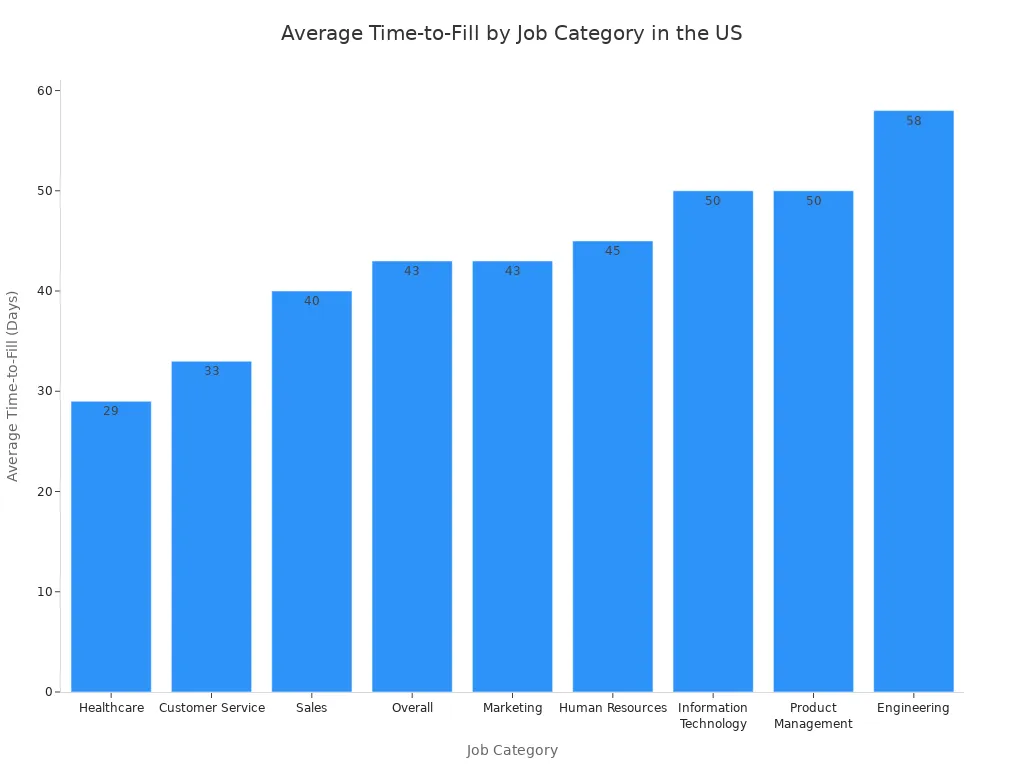
Companies in the US face a difficult and time-consuming hiring process. Finding qualified agents for an in-house call center is a major operational drain. The average time to fill a customer service position is 33 days, a lengthy period that leaves teams understaffed and service levels at risk. This delay is a common struggle for american call centers.
Accessing a Specialized Workforce
In contrast, Philippine call centers tap into a vast and specialized talent pool. The country boasts a large, young, and highly educated population with exceptional English proficiency. This workforce has a strong cultural affinity with Western markets, making interactions smooth and natural. Business process outsourcing partners handle all recruitment, providing access to pre-trained agents with a deep-rooted customer service mindset. This eliminates the internal burden of sourcing and training, allowing businesses to deploy a skilled team almost immediately.
Ensuring Quality and Cultural Alignment
Top Philippine call centers operate with rigorous Quality Assurance (QA) frameworks that often surpass the standards of american call centers. These providers do not just promise quality; they measure it with precision. They use established metrics to ensure agents meet performance targets and deliver exceptional customer experiences.
Key QA Metrics in Philippine Call Centers:
- First Call Resolution (FCR): Aiming for over 70% to solve issues on the first attempt.
- Customer Satisfaction (CSAT): Targeting scores above 85% to ensure positive interactions.
- Net Promoter Score (NPS): Measuring customer loyalty to drive long-term brand advocacy.
These established processes ensure that outsourcing enhances, rather than compromises, service quality.
Operational Edge with Outbound Call Center Services Philippines

Beyond financials and talent, the operational argument for outsourcing is perhaps the most compelling. Managing an in-house call center creates a significant administrative load that diverts focus from core business functions. Choosing outbound call center services philippines provides a powerful operational advantage, granting businesses flexibility, advanced technology, and the freedom to innovate.
The Management Burden of Internal Operations
Running an in-house call center is a complex, resource-intensive task. Managers face a constant stream of operational challenges that can hinder productivity and growth. These day-to-day burdens often include:
- Inefficient Processes: Poor data management and legacy system integration issues create confusion and slow down operations.
- Low Productivity: Agents struggle with low contact rates, repetitive manual tasks, and inadequate training, leading to frustration and burnout.
- Compliance Risks: Teams must constantly navigate legal rules like the Telephone Consumer Protection Act (TCPA), where mistakes can lead to heavy fines.
- High Agent Turnover: Disengagement and stress contribute to high attrition, forcing a continuous and costly cycle of recruitment and training.
This constant management strain is reflected in employee retention data. While a well-run in-house team may have lower turnover, the challenge remains significant and requires dedicated resources to manage.
| Call Center Type | 2025 Attrition Projection |
|---|---|
| Outsourced Centers | 48-52% |
| In-House Centers | 32-38% |
An attrition rate of 32-38% in an in-house call center still represents a major operational drag, demanding constant attention from management that could be better spent on strategic goals.
Gaining Flexibility and Advanced Technology
An outsourced call center partner eliminates these operational headaches. Philippine BPO providers offer incredible flexibility, using "on-demand staffing" to scale teams up or down in hours, not weeks. A business can add ten agents for a peak season and scale back to three afterward without disruption. This agility is nearly impossible for american call centers to match without significant cost. Some businesses even adopt a hybrid outsourcing strategy, blending their core team with an outsourced one for maximum flexibility.
Furthermore, outsourcing provides immediate access to advanced technology without the steep investment. Licensing modern call center software can cost anywhere from $75 to $155 per user per month, with extra fees for crucial CRM integrations. An outsourced partner already has this technology in place. This includes:
- Omnichannel Integration: Over 50% of modern contact centers support social media, email, chat, and voice, creating a unified customer experience.
- AI-Enabled Service: Top providers use AI for chatbots, real-time agent assistance, and data analysis to improve performance.
- Predictive Analytics: Data is used to shift from reactive service to proactive relationship-building.
This model allows businesses to leverage cutting-edge tools from day one, enhancing their call center operations without the capital expenditure.
Focusing on Core Business Competencies with Sobot
Ultimately, the greatest operational advantage of using outbound call center services philippines is the freedom it creates. By offloading customer support operations, executive teams can stop managing call queues and start focusing on innovation, product development, and strategic growth. This is where a partner equipped with a powerful platform like Sobot's Voice/Call Center solution becomes a true force multiplier.
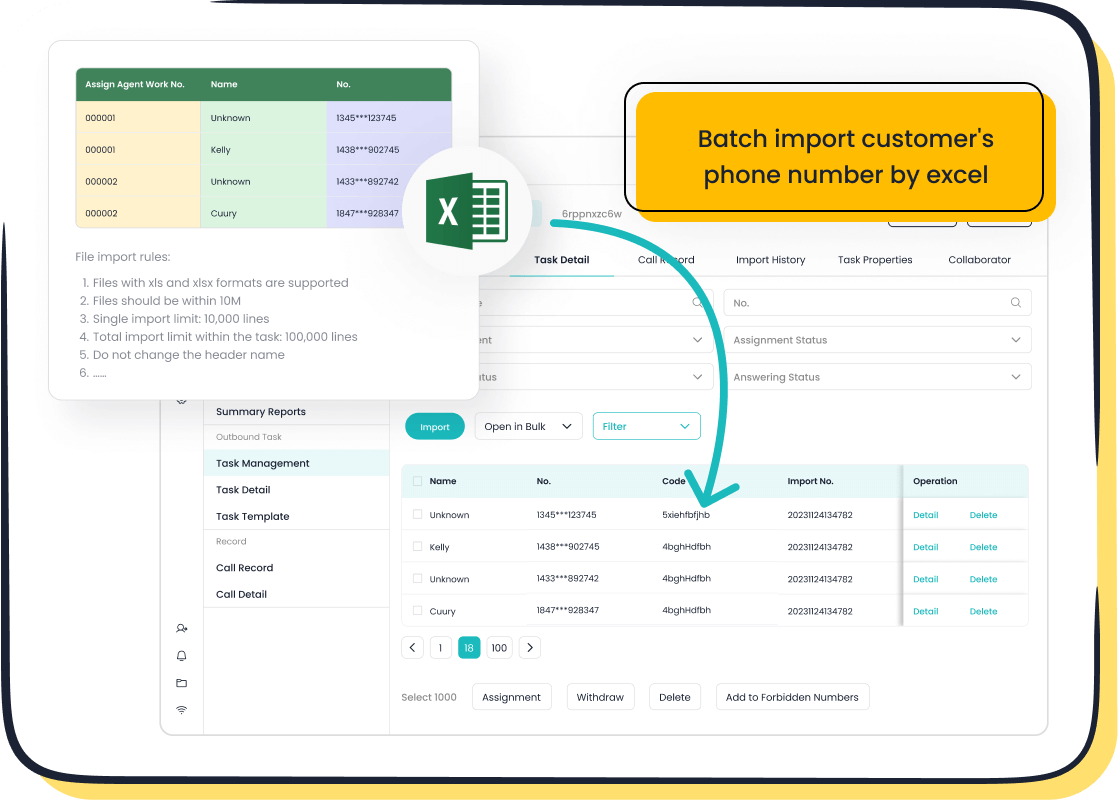
A provider using Sobot gives businesses more than just agents; it delivers a technologically superior operation. For instance, the Bulk Outbound Task feature automates entire campaigns. It assigns leads to agents based on priority and SLAs, eliminating manual dialing and maximizing efficiency.
The integration of AI takes this even further. Sobot’s AI-powered Voicebots can handle thousands of calls simultaneously, qualifying leads and scheduling appointments with human-like conversational ability. This technology drives incredible results.
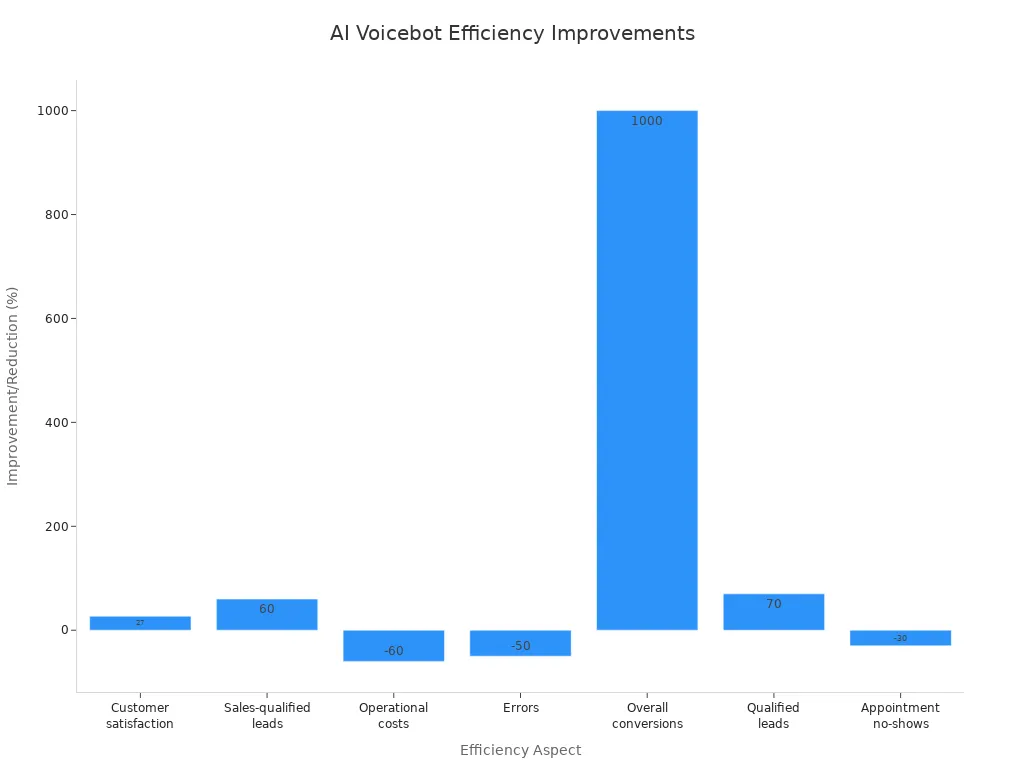
This level of automation, combined with a 99.99% SLA that guarantees system uptime of all but 52 minutes per year, ensures that call center operations are both highly efficient and exceptionally reliable. A hybrid outsourcing strategy built on such a robust platform allows a company to maintain a small internal team for specialized tasks while leveraging the scale and technology of an outsourced call center. By choosing outbound call center services philippines powered by Sobot, businesses don't just cut costs—they build a smarter, more scalable, and resilient growth engine.
Choosing an outsourced call center is a strategic move for growth. The evidence is clear: outsourcing enhances performance and scalability, with 72% of leaders now using it to drive innovation. Philippine call centers provide significant financial savings over american call centers. They also offer access to a specialized talent pool and give businesses the operational freedom to focus on core growth. An outsourced call center partner providing outbound call center services philippines is not just a vendor; it is a strategic growth engine.
Ready to see the numbers for your business? Explore how Sobot's all-in-one contact center solutions can transform your outbound strategy.
FAQ
How secure is my data with an outsourced call center?
Reputable providers prioritize data security. They use advanced encryption and strict access controls to protect sensitive information. These partners comply with international security standards, ensuring your company's and customers' data remains safe and confidential at all times.
What is the first step to outsourcing?
A business begins by defining its specific needs and goals. The next step involves consulting with a potential partner. The provider then develops a tailored strategy, handles agent recruitment, and manages the entire setup process for a smooth transition.
Can an outsourced team use my company's CRM?
Yes, seamless integration is a key benefit. Leading providers of outbound call center services philippines use platforms designed for compatibility. A solution like Sobot's Voice/Call Center easily connects with your existing CRM, creating a unified and efficient workflow for agents.
How do Philippine call centers handle fluctuating call volumes?
Philippine call centers provide excellent staffing flexibility. They can quickly scale teams up or down to match your call volume. This on-demand model allows your business to manage peak seasons and slow periods efficiently without the costs of hiring permanent staff.
See Also
Leading Philippine Call Centers: A Comprehensive Guide for 2024
Demystifying Live Chat Outsourcing: A Guide to Understanding Expenses
Exploring Medical Call Center Services: Unveiling Their Key Benefits
Discovering the Best Call Center Analytics Software Solutions for 2024
Identifying the Foremost Remote Call Center Employers in Today's Market

