Outbound AI Agent vs Human Who Wins?


The question of AI versus human sales has a clear answer. Neither wins alone. The true victor is the business that builds a strategic partnership between them. This playbook shows how to combine AI efficiency with human value for an unstoppable sales engine. An outbound ai agent handles volume, freeing the sales team for complex talks. This hybrid approach, powered by Sobot AI, improves metrics like first contact resolution and customer satisfaction. A Sobot call center using this AI model drives superior sales results for any modern business.
The Outbound AI Agent Advantage: Speed, Scale, and Cost
An outbound AI agent offers clear advantages in modern sales. AI-powered sales automation drives efficiency that human teams cannot match alone. The core benefits are speed, massive scalability, and precision. These AI capabilities transform how businesses approach outbound sales automation.
24/7 Availability and Instant Speed
AI agents operate around the clock. This 24/7 availability means a business never misses an opportunity to engage potential leads. While human teams work in shifts, AI provides continuous outreach. This automation ensures that new leads receive a response in seconds, not hours. The performance of conversational AI remains consistent, free from fatigue.
The difference is clear when comparing their operational capabilities:
| Feature | AI Sales Agents | Human Sales Teams |
|---|---|---|
| Operational Hours | 24/7, continuous operation | 40-hour workweeks, constrained by shifts |
| Uptime | 97.4% across time zones | Unavailable during off-hours |
| Performance | Consistent, no degradation | Subject to fatigue and reduced attention |
| Global Coverage | 'Follow-the-sun' capability | Regionally constrained |
Massive Scalability at Lower Costs
AI delivers unmatched scalability for outbound sales automation. A business can achieve instant scalability, handling thousands of simultaneous interactions without hiring more staff. This is a fundamental shift from human-led sales, where doubling outreach volume means doubling costs. AI SDRs provide the output of an entire team for a fraction of the price. This automation allows for massive scalability.
AI-powered tools allow businesses to:
- Automate lead generation and sequencing without adding headcount.
- Deploy thousands of personalized touches quickly.
- Achieve significant pipeline results while reducing payroll.
Virtual sales assistants and AI SDRs make this scalability possible. The use of AI SDRs and virtual sales assistants is key.
Flawless Consistency and Data Precision
AI ensures every customer interaction is perfectly consistent. AI agents follow predefined scripts and brand guidelines for every conversation. This automation eliminates human error and guarantees a uniform brand voice. This consistency in qualification builds trust with leads. AI SDRs and virtual sales assistants use the same criteria for intelligent lead qualification every time. This process provides the sales team with reliable sales qualified leads. The AI-driven sales tools and conversational AI ensure that the qualification of leads is precise. AI SDRs and virtual sales assistants are great at this. The AI SDRs and virtual sales assistants use conversational AI for this. AI SDRs and virtual sales assistants are key. AI SDRs and virtual sales assistants use AI. AI SDRs and virtual sales assistants are great.
The Human Sales Rep Edge: Empathy, Strategy, and Closing
While an ai excels at volume and speed, it cannot replicate the nuanced skills that define great sales professionals. Technology is a powerful tool, but the human touch remains essential for building relationships and closing high-value deals. The true edge for human sales agents comes from empathy, strategic thinking, and adaptability.
Building Genuine Trust and Rapport
An ai can deliver information, but a person builds trust. This connection is the foundation of successful sales. Meaningful human interaction creates a bond that a machine cannot. This is where personalization goes beyond inserting a name into a template. It becomes about creating personalized sales experiences based on real conversation. Psychology shows why this works:
- The Liking Principle: People prefer to say "yes" to those they know and like. A friendly, authentic style helps a salesperson find common ground with a customer.
- Meaningful Connection: Sales professionals establish an instant connection. This rapport builds a bridge between the customer and the business.
- Demonstrated Empathy: Actively listening to a customer and showing a sincere interest in their challenges builds deep trust and enhances personalization.
This level of personalization and connection is something an ai struggles to achieve.
Navigating Complex Deal Negotiations
High-stakes sales involve more than a simple transaction. They require sophisticated negotiation skills. Humans excel at reading the room, understanding subtle cues, and adjusting their strategy in real time. A successful negotiation involves balancing the needs of the buyer with the goals of the business.
This is especially true in complex b2b negotiations, where multiple stakeholders and custom requirements are common. An ai can follow a script, but it cannot navigate the delicate give-and-take of a major negotiation. Human intuition is critical for finding a path to a winning agreement for both sides. This strategic negotiation is a core part of the sales process.
Creative Problem-Solving and Adaptability
Prospects often present unexpected questions or unique challenges. An ai operates within its programming and can falter when faced with a novel problem. In contrast, human sales agents are masters of adaptability. They can think on their feet, pivot the conversation, and create custom solutions that an ai would never consider. This creative problem-solving turns a potential "no" into a closed deal. This flexibility in sales allows for a higher degree of personalization and demonstrates a true commitment to meeting the customer's needs.
A Strategic Business Comparison: AI vs. Human Sales
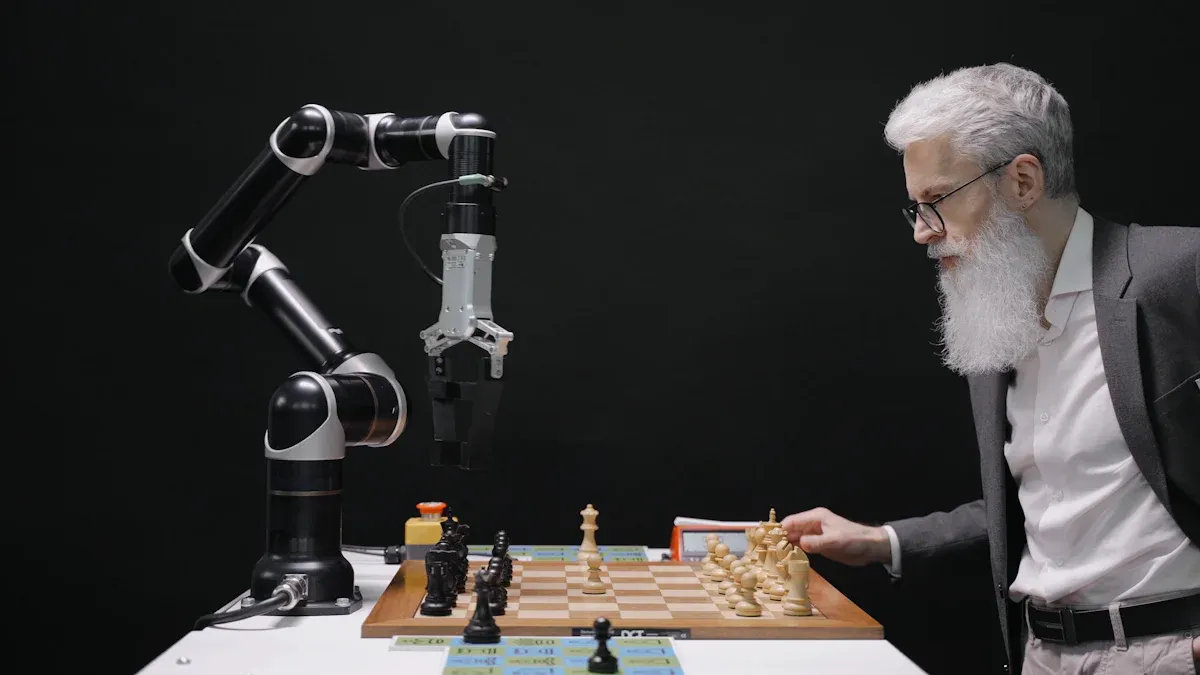
This strategic business comparison breaks down which resource wins specific sales tasks. The goal is to see where AI excels and where humans provide unmatched value. Understanding these differences helps businesses build a powerful, hybrid sales model.
Winner by Cost Per Lead
AI is the undisputed winner for lowering the cost of acquiring leads. An AI system can engage thousands of potential customers for a fraction of the cost of a human team. This efficiency directly impacts the budget.
| Campaign Type | Cost Per Qualified Meeting |
|---|---|
| Telemarketing | $600–$1,200 |
| AI-Enabled SDRs | $150–$300 |
The data shows AI dramatically reduces the expense of generating qualified leads.
Winner by Initial Outreach Volume
When it comes to volume, AI operates on a different level. An AI agent can send thousands of personalized emails or make hundreds of calls in a single day. A human sales professional simply cannot match this scale. This makes AI perfect for top-of-funnel activities.
| Agent Type | Personalized Emails Per Day |
|---|---|
| AI Sales Tools | Up to 1,000 |
| Human Sales Professional | 100-200 |
This massive output allows a business to contact more leads faster.
Winner by Building Deep Relationships
Humans win this category easily. A person builds genuine trust and rapport. This connection is vital for long-term customer loyalty. While an AI can be polite, it cannot form the meaningful relationships that drive high-value sales and repeat business.
Winner by Closing High-Value Enterprise Deals
Closing large, complex deals requires human strategy and intuition. A sales professional navigates tricky negotiations and adapts to stakeholder needs. While AI-powered sales teams can see a 25% increase in customer lifetime value, this is often because AI frees up human reps to focus on these critical, high-touch sales opportunities. The final close belongs to the human.
Winner by Data Entry and CRM Hygiene
AI is the clear winner for administrative tasks. An AI automatically logs every interaction, updates customer records, and keeps the CRM clean. This flawless data entry eliminates human error and saves the sales team hours of manual work, allowing them to focus on selling.
Winner by Handling Complex Objections
Humans are better at managing complex or unexpected objections. An experienced sales representative can understand a customer's true concern, think creatively, and provide a custom solution. An AI can handle common questions but struggles with unique problems that require deep understanding and adaptability.
The Final Scorecard
Task Winner Cost Per Lead AI 🤖 Initial Outreach Volume AI 🤖 Building Deep Relationships Human 🧑💼 Closing High-Value Deals Human 🧑💼 Data Entry & CRM Hygiene AI 🤖 Handling Complex Objections Human 🧑💼
Building Your Winning Hybrid Sales Team

The real power in modern sales comes from a hybrid team. This model combines the strengths of an outbound AI agent with the strategic skills of human experts. Businesses that adopt this structure see a dramatic rise in sales productivity. The key is to assign the right tasks to the right resource. AI handles the volume and repetition. Humans manage the relationships and complex deals. This creates a streamlined workflow for outbound sales automation that produces better results.
Let AI Handle the Heavy Lifting
The first step is to let AI manage high-volume, repetitive tasks. An AI can work 24/7, engaging thousands of leads through outbound sales automation without getting tired. This automation is perfect for top-of-funnel activities. AI SDRs can handle initial outreach, lead scoring, and appointment setting. This process delivers a steady stream of sales qualified leads to the human team. This boosts sales productivity significantly.
A crucial part of this process is the handoff from AI to a human. A smooth transition is essential for a good customer experience. The goal is to make the customer feel helped, not passed around.
Best Practices for AI-to-Human Handoffs 🤝
- Define Escalation Rules: The AI should use its knowledge base to answer common questions. It only escalates issues that truly need a human touch, like specific product questions or high-value opportunities.
- Route to the Right Expert: Clear rules send the customer to the correct department. This avoids delays and frustration.
- Provide a Warm Transfer: The AI gives the human agent a full summary of the conversation. The customer does not have to repeat information. This respects their time.
- Frame Escalation as a Service: The conversational AI can say, "Let me connect you to a team member who can best help with this." This makes the handoff feel like an upgrade in service.
This intelligent lead qualification and routing system ensures that human agents only receive leads that are ready for a meaningful conversation. The AI SDRs do the initial qualification work.
Empower Humans to Build and Close
With AI handling the heavy lifting, your sales team can focus on what they do best: building relationships and closing deals. This shift requires upskilling your team to leverage AI tools effectively. Sales productivity soars when humans use AI-generated insights to improve their strategy.
Managers can use AI to coach their teams with incredible precision. AI tools analyze sales calls and identify patterns. This data helps managers provide targeted feedback. For example, AI can pinpoint:
- Specific phrases top performers use to close deals.
- Common objections that cause deals to fail.
- Missed buying signals from a customer.
- The ideal talk-to-listen ratio for engaging conversations.
This data-driven coaching helps the entire sales team refine their closing techniques. To further empower your team, consider dedicated training platforms that integrate AI.
| AI Training Platform | Key Features for Sales Teams |
|---|---|
| Gong | AI-driven call analysis and actionable insights. |
| Chorus AI | Comprehensive conversation analysis and targeted coaching. |
| MindTickle | Micro-learning and AI-driven performance analytics. |
| Highspot | Content tracking and AI insights to enhance training. |
This focus on training and strategy transforms human sales agents into expert closers. They use their time for high-value interactions, driving revenue and building lasting customer relationships through deep personalization. The AI SDRs provide the opportunities; the humans provide the closing expertise.
Implementing Outbound Sales Automation
Integrating outbound sales automation into your existing workflow is a straightforward process. Connecting an AI platform with your CRM (like Salesforce or HubSpot) is essential for creating a single source of truth. This automation ensures all data is logged correctly, which is vital for sales productivity and accurate reporting.
Here are the essential steps for a successful integration:
- Authenticate Accounts: First, authorize the outbound sales automation platform within your CRM. This creates a secure connection between the two systems.
- Create a Webhook: Next, create a webhook in your AI platform. This tool will send event data (like email opens, replies, or bounces) to your CRM in real time.
- Decide on Sync Direction: Most teams start with a one-way sync. Data flows from the AI platform to the CRM. This logs all outbound activity. A two-way sync can be set up later if needed.
- Map Your Fields: Align the fields from your AI platform with the fields in your CRM. This ensures data like names, emails, and company information lands in the right place. Personalization depends on accurate data.
- Test with a Single Record: Always run a test. Send a test email to a single contact to confirm the automation works correctly. Check that the contact and activity log appear in the CRM as expected.
- Turn on CRM Automations: Create rules in your CRM to trigger actions based on the data from the AI. For example, a positive reply can automatically create a task for a sales rep to follow up.
- Go Live: Once testing is complete, enable the outbound sales automation for all your live campaigns. Monitor the process to ensure data flows smoothly.
This structured implementation of outbound sales automation makes your sales process more efficient and reliable. The AI SDRs and automation tools work together to boost sales productivity.
Real-World Success with Sobot Voicebot
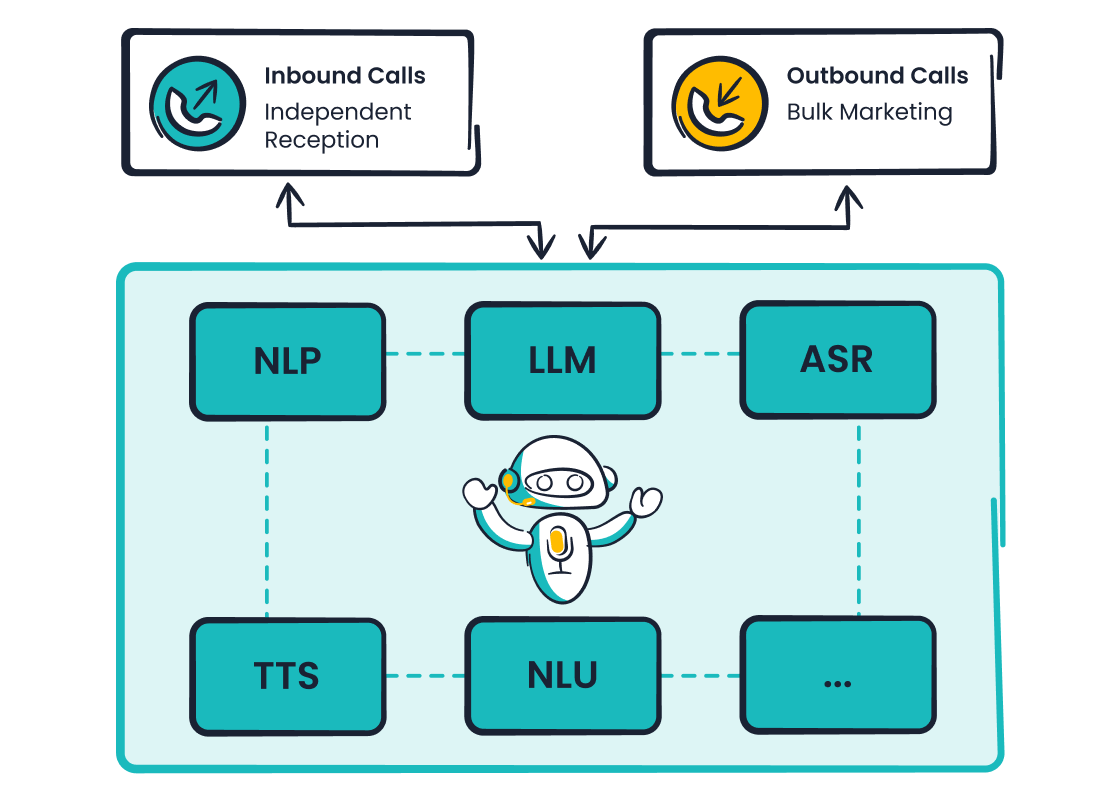
The power of a hybrid sales model is not just theoretical. Opay, a leading financial services platform, demonstrates its real-world impact. Opay needed to manage a high volume of customer interactions across social media, email, and voice calls. They partnered with Sobot to build a more efficient system for both service and sales.
Sobot implemented an omnichannel platform that unified all of Opay's communication channels. This included Sobot's advanced Voicebot, which uses conversational AI to provide a human-like experience. The AI solution was designed to handle volume, freeing human agents to focus on more complex issues.
Here is how the hybrid model worked for Opay:
- AI Handled Volume: Sobot's intelligent IVR system and AI agents managed a huge number of inbound calls and routine queries. This automation allowed 60% of customers to resolve their issues through self-service. The AI SDRs also powered automated outbound marketing campaigns.
- Humans Handled Value: With the AI handling routine tasks, Opay's human agents could dedicate their time to complex customer problems and high-value sales interactions. This improved the quality of service and the personalization of each conversation.
The results were remarkable. By implementing Sobot's AI-powered sales automation and Voicebot, Opay achieved:
- A jump in customer satisfaction from 60% to 90%.
- A 20% reduction in overall operational costs.
- A 17% increase in conversion rates from their sales efforts.
Opay's story, which you can read more about here, is a perfect example of the "AI for Human" philosophy. The outbound AI agent and conversational AI did not replace the team; they empowered it. This strategic partnership between AI and humans created an unstoppable engine for growth and customer satisfaction.
Businesses should stop thinking "AI vs. Human" and start thinking "AI for Human." The future of sales is collaborative. The winning formula uses an outbound AI agent for high-volume, repetitive tasks. This AI empowers the human sales team.
An AI like Sobot's Voicebot handles lead scoring and initial outreach. This AI frees your sales experts to focus on building relationships and closing high-value deals. This AI-driven process combines machine precision with human oversight. The AI provides insights, and the sales team crafts the strategy.
Explore how Sobot's AI solutions can build this powerful hybrid model for your business. Embark on Your Contact Journey.
FAQ
Can AI SDRs completely replace a human sales team?
No, AI SDRs cannot replace human teams. AI SDRs excel at high-volume tasks. Human agents handle complex negotiations and relationship-building. The best strategy combines AI SDRs with human expertise. AI SDRs support the team.
What is the main benefit of using AI SDRs in sales?
The main benefit is efficiency. AI SDRs manage initial outreach and lead qualification at a massive scale. This automation frees human reps to focus on closing high-value deals. AI SDRs boost overall team productivity.
How do AI SDRs improve outbound sales automation?
AI SDRs enhance outbound sales automation by personalizing outreach. The AI can manage thousands of conversations at once. This ensures timely follow-ups and consistent messaging. AI SDRs make the entire process more effective and scalable.
Do customers prefer talking to an AI or a human?
Customers prefer the right resource for their needs. An AI is great for quick, simple questions. For complex problems or building trust, customers value human interaction. A hybrid model with AI SDRs and human agents serves both preferences.
See Also
An In-Depth Look at AI Solutions for Enterprise Call Centers
Discover the 10 Best AI Tools for Your Contact Center
Your Essential Guide to Artificial Intelligence Software for Call Centers
How AI Customer Service Agents Are Revolutionizing Support Experiences
Comparing the Leading Interactive Voice Response Software for Your Business

