Omnichannel or Multichannel for Customer Service?


For a modern customer experience, an omnichannel model is superior. A multichannel setup, however, is a practical starting point for many businesses. A strong omnichannel strategy can make a huge difference. Companies with strong omnichannel engagement retain 89% of customers, while those with weak engagement retain only 33%. This guide helps you choose the right path for your customer service optimization. You can learn to improve your current multichannel system or build a roadmap to a true omnichannel future with a solution like Sobot, which integrates tools like Sobot AI and the Sobot call center.
Omnichannel vs. Multichannel: The Core Difference

Understanding the difference between multichannel and omnichannel is key to improving your customer service. The two terms sound similar, but they describe very different customer experiences. One approach offers options, while the other offers a seamless journey.
Defining Multichannel: A Collection of Channels
A multichannel strategy gives your customers multiple ways to contact you. You are present where your customers are. This multichannel support model is a great starting point for many businesses. Common channels in a multichannel setup include:
- Phone support
- Live chat
- Social media messaging
In a multichannel system, each channel often works independently. A customer might email you one day and call you the next. Your support agents may not have a record of the previous email conversation. This creates data silos, where information is trapped in one channel. This can force customers to repeat their issues, leading to a disjointed experience.
Defining Omnichannel Support: A Connection of Channels
Omnichannel support takes your strategy a step further. It connects all your channels into one unified system. An omnichannel approach breaks down the walls between your communication platforms. It creates a single, continuous conversation with your customer.
An omnichannel platform integrates tools like your CRM and helpdesk. It centralizes all customer data and interaction history. If a customer starts a conversation on live chat and later calls your support line, the agent has the full context. This creates a smooth and efficient experience for both the customer and your team. True omnichannel support is about building a connected, customer-centric journey.
This integration is the core of a modern omnichannel strategy. It ensures a consistent and personalized experience, no matter how a customer chooses to engage with you.
Key Differences: A Direct Comparison
Choosing between a multichannel and an omnichannel strategy directly impacts your customers, your agents, and your operational efficiency. While both approaches expand your reach, their effects on the overall customer experience are vastly different.
Customer and Agent Experience
In a multichannel system, you offer support on several platforms, but they operate in isolation. This separation can create a frustrating customer experience. In fact, studies show that 87% of customers feel frustrated when they have to repeat themselves across different channels. This repetition happens because your agents lack a unified view of the customer's history.
An omnichannel approach solves this problem. It provides a seamless journey for the customer and a more satisfying workflow for your agents. With omnichannel support, agents have all the context they need in one place. This empowerment reduces agent frustration and can improve employee retention. When your team has the right tools, they can focus on solving problems instead of hunting for information.
Data, Context, and Efficiency
The primary difference between multichannel and omnichannel lies in how they handle data. A multichannel setup creates data silos, making it difficult to track a customer's journey. An omnichannel platform, however, centralizes all interactions. This unified view leads to major efficiency gains, such as improved First Contact Resolution (FCR) and reduced handle times.
Here is a direct comparison to help you visualize the differences:
| Feature | Multichannel | Omnichannel |
|---|---|---|
| Customer Experience | Disjointed and repetitive. Customers must restart conversations on new channels. | Seamless and consistent. Conversations continue smoothly across all channels. |
| Agent Experience | Frustrating. Agents switch between multiple systems and lack full customer context. | Efficient. Agents use a single, unified workspace with a complete customer history. |
| Data & Context | Data is siloed in separate channels, leading to a loss of context. | Data is centralized, providing a complete and actionable view of the customer. |
| Implementation | Simpler and faster to set up individual channels. | More complex, requiring integration of all channels and systems. |
| Cost | Lower initial cost, but can lead to higher operational costs due to inefficiency. | Higher initial investment, but delivers long-term ROI through efficiency and retention. |
Ultimately, omnichannel support builds a smarter, more connected foundation for your customer service operations.
Choosing Your Model: Multichannel Support vs. Omnichannel
Deciding between a multichannel and an omnichannel strategy depends on your business's current stage, resources, and long-term goals. One model provides a solid foundation, while the other builds a framework for exceptional growth. You can evaluate your needs to determine the best path forward.
Scenarios for Multichannel
A multichannel approach is a practical and effective choice in several situations. You might find that multichannel support is the right fit if your business is just starting or has specific operational constraints. This model allows you to be present where your customers are without the immediate complexity of full integration.
Consider a multichannel strategy if you are:
- A new or small business. When you are just launching, your primary goal is to establish a presence. Setting up individual channels like email and social media is a fast and straightforward way to become accessible to customers.
- Operating with a limited budget. Implementing a fully integrated omnichannel system requires a significant investment in technology and training. A multichannel setup allows you to build your support infrastructure one channel at a time, managing costs as you grow.
- Serving a customer base that rarely switches channels. If your analytics show that customers stick to one platform for their entire interaction, the need for a connected cross-channel experience is lower. In this case, optimizing each channel individually can be a sufficient strategy.
- Needing to establish a quick presence. You may need to quickly launch support on a new platform to meet customer demand. A multichannel approach lets you add new channels to your support mix without reconfiguring your entire system.
Scenarios for Omnichannel
You should plan for an omnichannel strategy when your goal is to deliver a superior customer experience that drives loyalty and creates a sustainable competitive advantage. This model transforms your customer service from a simple function into a powerful engine for business growth. An omnichannel approach is ideal when you want to achieve long-term success.
An omnichannel model is your best choice if you aim for:
- Maximizing customer loyalty and lifetime value. Customers who engage with a company across multiple channels have a 30% higher lifetime value. An omnichannel strategy makes this possible by creating a rewarding and cohesive experience. Leading brands build powerful loyalty by unifying their channels.
- Sephora's Beauty Insider program links online and in-store activity to offer personalized perks.
- Nike's membership connects its apps and retail stores, rewarding customers for both shopping and fitness activities.
- Creating a truly seamless customer journey. A disconnected customer journey is frustrating. In fact, 62% of consumers will abandon a retailer after a bad experience. An omnichannel platform eliminates these friction points by unifying conversations. It ensures the customer journey is smooth, whether a customer moves from your website to WhatsApp or from email to a phone call.
- Gaining deep, actionable data insights. A multichannel setup keeps data in silos, giving you an incomplete picture. An omnichannel system breaks down these walls. It unifies data from every touchpoint to create a 360-degree view of your customer.
This complete history allows you to track customer movement between channels, understand their preferences, and even predict their future needs. You can move from reactive support to proactive engagement.
- Building a strong competitive edge. In today's market, a seamless experience is no longer a luxury; it is a requirement. Businesses that implement a strong omnichannel strategy retain around 89% of their customers. By integrating your data, inventory, and internal teams, you create an efficient operation that customers trust. This focus on a unified experience secures a loyal customer base and a long-term advantage.
The Path to Omnichannel: A Roadmap for Customer Service Optimization

Transitioning from a multichannel setup to a true omnichannel strategy is a journey. It requires careful planning and the right technology. This evolution is the key to modern customer service optimization. You can follow a clear roadmap to build a connected, efficient, and customer-centric operation. This path will transform your customer experience and drive business growth.
Auditing Your Current Channels
Your first step is to understand your current state. An audit of your existing channels gives you a clear picture of what works and what does not. This analysis helps you pinpoint friction points in the customer journey.
Start by mapping every touchpoint.
- Document all existing communication channels, from phone and email to social media.
- Analyze ticket volume to see which channels your customers prefer.
- Survey your team to identify their biggest operational challenges.
- Look for drop-off points where customers get frustrated or abandon their inquiries.
Next, evaluate your performance. You can use key metrics to measure the effectiveness of each channel. Look at your Customer Satisfaction (CSAT) scores, First Contact Resolution (FCR) rates, and Average Handle Time (AHT). These numbers will reveal where your multichannel system is failing to provide a smooth experience. This audit provides the data you need for effective customer service optimization.
Implementing a Unified Platform with Sobot
After your audit, the next step is to break down the data silos you have identified. This requires a central platform that connects all your channels. Sobot’s Omnichannel Solution unifies your customer conversations into one AI-powered contact center. It brings voice, email, live chat, and social media into a single, intelligent workspace.
A successful implementation requires a clear plan. You can roll out your new omnichannel platform in phases to minimize disruption.
- Set Clear Objectives. Define what success looks like. Your goals might include reducing response times or improving your FCR rate.
- Identify Key Stakeholders. Involve team members from customer support, marketing, and sales early in the process. Their feedback is crucial for a smooth transition.
- Deploy to a Small Group. Start with a small team of agents. This allows you to gather feedback and fix any issues before a full rollout.
- Monitor and Adjust. Use analytics to track performance. You can make adjustments based on real-time data and user feedback to ensure your omnichannel strategy is effective.
With a platform like Sobot, your agents get a complete view of every customer interaction. This eliminates the need for customers to repeat themselves. It empowers your team to provide faster, more personalized omnichannel support. This is the foundation of excellent customer service optimization.
Leveraging Key Channels like WhatsApp
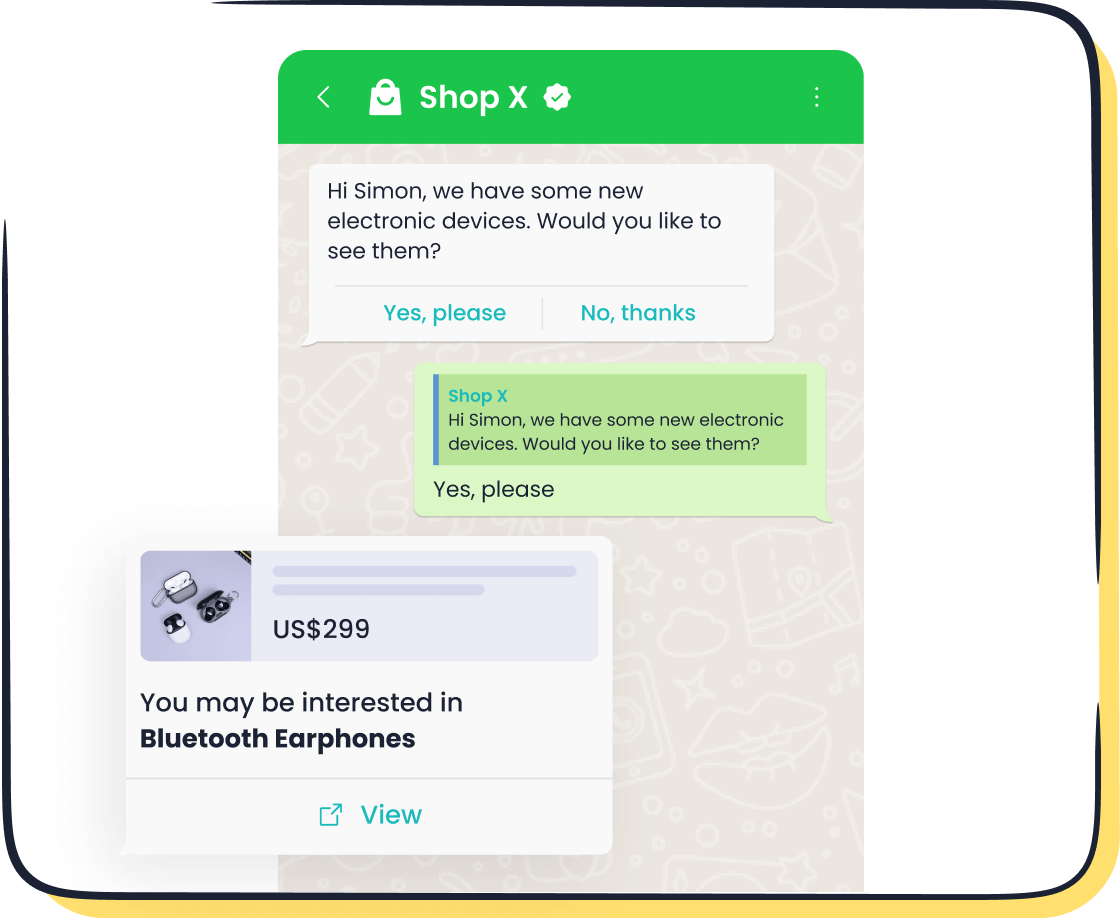
An omnichannel strategy allows you to meet customers on their preferred channels. For millions of people, that channel is WhatsApp. WhatsApp messages have a 98% open rate, making it a powerful tool for both customer support and omnichannel marketing.
With Sobot’s official WhatsApp Business API, you can connect with customers at scale.
- Automate Responses. Use 24/7 chatbots to handle routine inquiries, freeing up your agents for more complex issues.
- Route Conversations Intelligently. Direct customers to the right agent or department automatically.
- Engage with Proactive Marketing. Send targeted promotions, updates, and abandoned cart reminders. Companies using WhatsApp for omnichannel marketing see much higher click-through rates than with email.
The financial service platform Opay transformed its operations with Sobot. By unifying their channels, including email, voice, and WhatsApp, they created a seamless omnichannel experience. This move increased their customer satisfaction from 60% to 90% and reduced overall costs by 20%. This shows the power of a truly connected omnichannel strategy.
Integrating key channels like WhatsApp is essential for modern customer engagement. It turns a simple messaging app into a vital part of your omnichannel marketing and support ecosystem.
Training Your Team for an Omnichannel Mindset
Technology alone cannot create a great customer experience. Your team needs the right mindset. Moving from a multichannel to an omnichannel environment requires a cultural shift. You must train your team to think beyond individual channels and focus on the complete customer journey.
Effective training for omnichannel support should focus on new skills and values.
- Emphasize Empathy. Teach agents to listen and understand customer frustrations, no matter which channel they use.
- Develop Problem-Solvers. Move beyond scripts. Empower your team with the critical thinking skills to find the true cause of a problem.
- Become Data-Savvy. Train agents to use the unified customer data in your omnichannel platform. This context helps them provide relevant and efficient solutions.
- Foster Collaboration. A superior customer experience is a team effort. Encourage communication between your sales, marketing, and support teams to deliver a consistent message.
When you invest in training, you empower your agents to deliver exceptional service. This focus on a customer-centric mindset is the final piece of your omnichannel transformation. It ensures your technology and your team are working together to build lasting customer loyalty.
Your journey to customer service optimization begins with a choice. A multichannel strategy is a valid starting point. However, a true omnichannel strategy is the goal for superior customer service. You should choose the model that fits your resources. Create a roadmap for your omnichannel evolution with a partner like Sobot. This omnichannel approach will define your success. Ready to build a better omnichannel experience?
🚀 Embark on Your Contact Journey! Explore Sobot's omnichannel solutions or book a demo today to start your transformation.
FAQ
What is the main difference between omnichannel and multichannel?
A multichannel approach gives you many separate ways to talk to customers. An omnichannel strategy connects all those channels. This creates one single, continuous conversation for a seamless customer service experience.
What is the biggest benefit of an omnichannel strategy?
The biggest benefit is a better customer experience. You can track a customer's entire journey across all channels. This eliminates repetition and frustration, which helps you build stronger customer loyalty.
When should I use a multichannel approach?
You should use a multichannel approach if you are a new business or have a limited budget. It lets you establish a presence on key platforms quickly. This model is a practical first step before moving to a fully integrated omnichannel system.
How can I start moving to an omnichannel model?
You can start by auditing your current channels to find customer pain points. Next, implement a unified platform like Sobot to connect your data. This creates a single view of the customer and is the foundation for your omnichannel customer service.
See Also
Your Essential Guide to Seamless Omnichannel Call Center Software Solutions
A 10-Step Blueprint for Implementing Omnichannel Contact Center Solutions Effectively
Evaluating the Best Cloud Contact Center Services: A 2024 Review
Achieving Excellence: Mastering Live Chat for the Retail Industry
Comparing Leading Voice of Customer Software for Enhanced Business Insights

