Your 2026 Omnichannel Customer Service Strategy

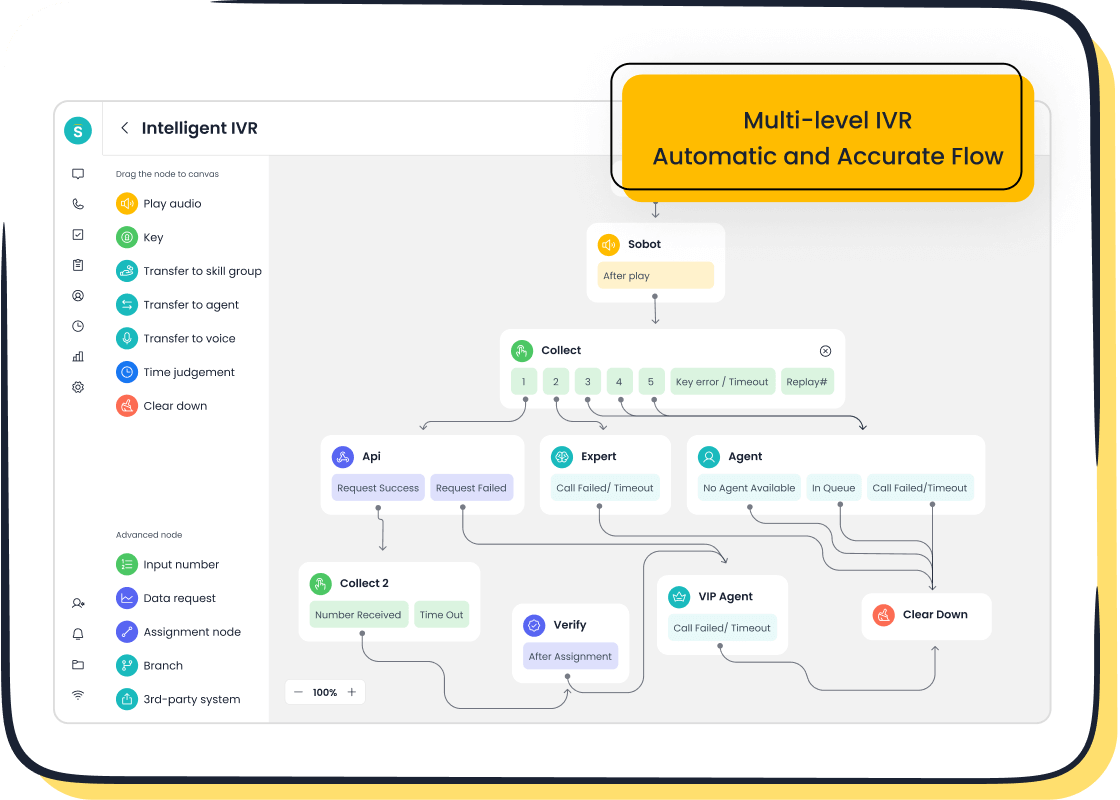
A 2026 omnichannel customer service strategy is a fully integrated, AI-driven system. It creates a single, continuous customer conversation across all touchpoints. This approach moves beyond simply being present on multiple channels. It proactively anticipates needs and personalizes interactions in real-time. In fact, 90% of customers now expect this level of consistency. This unified conversation is the new benchmark for growth, with strong omnichannel strategies boosting customer retention to 89%. It is a journey Sobot helps brands embark on to achieve superior loyalty.
Pillars of Your 2026 Omnichannel Customer Service Strategy

Building a future-proof omnichannel customer service strategy requires more than just being available on multiple channels. It demands a structure supported by four interconnected pillars. These pillars work together to transform disconnected interactions into a single, intelligent conversation that builds trust and drives growth.
The Unified Customer Profile 2.0
The foundation of any modern customer service strategy is data. The Unified Customer Profile 2.0 is the evolution of the traditional CRM record. It acts as a single, dynamic identity for each customer. This profile centralizes real-time data from every touchpoint. This includes:
- Website browsing history
- Live chat transcripts
- Call center recordings
- Social media interactions
- In-store purchases
- Even data from emerging channels like IoT devices or AR/VR experiences.
This complete view allows your team to understand the full context of a customer's journey. For example, a clothing retailer, FashionForward, created a unified data platform to connect its online and physical stores. This gave them a complete view of customer preferences. The company could then send personalized content and select the best channel for each message. This led to a 25% increase in customer satisfaction and a 15% rise in sales in just six months. Brands like Netflix and Starbucks also masterfully use unified profiles to power their renowned personalization engines.
AI-Powered Proactive Support
In 2026, waiting for a customer to report a problem will be too late. The goal is to solve issues before they even happen. AI-powered proactive support uses predictive analytics to anticipate customer needs. It analyzes data patterns to identify potential problems and initiates support automatically.
Imagine a customer's package is flagged for a potential shipping delay in your logistics system. Instead of waiting for an angry call, your AI system automatically sends a personalized message via WhatsApp or SMS. It informs the customer, apologizes for the inconvenience, and offers a small discount on their next purchase.
This turns a negative experience into a positive one. A global e-commerce company that implemented AI agents saw its Net Promoter Score (NPS) increase by 20% due to faster, more personalized support. Key AI capabilities that enable this include:
- Predictive Issue Identification: Analyzing browsing patterns and purchase history to foresee problems.
- Intelligent Routing: Connecting customers to the right agent with full context if human help is needed.
- Continuous Improvement: Learning from every interaction to refine future responses.
- Personalized Intervention Timing: Offering help at the exact moment a customer is most likely to need it.
Seamless Channel Fluidity
Customers expect to move between channels without friction. Seamless channel fluidity means a conversation can start on one channel and continue on another with zero loss of context. The customer never has to repeat themselves.
Consider this scenario:
- A customer starts a conversation with a chatbot on your website to ask about a complex product feature.
- The chatbot understands the query is too complex and offers to escalate. With one click, the customer is connected to a product specialist via a video call.
- The specialist already has the full chat transcript and continues the conversation seamlessly.
- The customer then decides to visit a physical store to see the product. The in-store associate can access notes from the video call, greet the customer by name, and finalize the sale.
This fluid experience is powered by Conversational AI. This technology acts as an intelligent, interconnected layer that keeps the conversation alive across all touchpoints. It uses Large Language Models (LLMs) and Natural Language Processing (NLP) to understand context and adapt in real-time. Brands like Nike and Lenskart excel at this, integrating their mobile apps with in-store experiences to create one unified journey.
Hyper-Personalization at Scale
Customers no longer want to feel like a number. They expect brands to know them and tailor interactions to their unique needs. Hyper-personalization uses AI to deliver individualized experiences to every customer, automatically. This goes far beyond using a customer's first name in an email.
AI decisioning engines analyze customer data to personalize every aspect of the interaction. This includes the content, the timing, and even the communication channel. According to Gartner, companies using AI to personalize customer interactions see a 25% increase in customer satisfaction. The impact is clear: 80% of customers are more likely to buy from a brand that offers personalized experiences.
| Technique | How It Works | Real-World Example |
|---|---|---|
| Contextual Content | AI adapts the message, tone, and format to the channel and the customer's preferences. | Netflix's recommendation engine, which generates over $1 billion annually by suggesting content you'll love. |
| Behavioral Triggers | AI analyzes customer actions to send timely, relevant messages. | An automated email with a discount code when a customer abandons their shopping cart. |
| Predictive Engagement | AI predicts what a customer might want next and proactively offers it. | Starbucks' app offering promotions based on past orders, local weather, and store inventory. |
By implementing these techniques, you create a truly customer-centric omnichannel customer service strategy that not only meets but exceeds expectations, fostering loyalty that lasts.
How to Build Your Strategy with Sobot
Building a forward-thinking omnichannel strategy requires a clear roadmap and the right tools. It involves unifying your technology, embracing predictive intelligence, empowering your team, and deeply understanding your customers' needs. With a partner like Sobot, you can turn these strategic steps into a functional and highly effective system.
Integrate Your Technology Stack
A successful omnichannel experience depends on a fully integrated technology stack. Disconnected systems create data silos, forcing customers to repeat information and frustrating agents who lack a complete view of the customer's history. The goal is to create a single source of truth.

Sobot's Omnichannel Solution provides a unified workspace that connects every customer touchpoint. This central hub brings together our Live Chat, Ticketing System, and Voice/Call Center into one seamless interface. This integration ensures that whether a customer contacts you via email, social media, or a phone call, the conversation remains continuous. Key features of this unified platform include:
- A Central Hub: All customer interactions from every channel are stored and visible in one place. This gives agents a complete history, leading to faster resolutions.
- Deep Integration: Customers can move fluidly between channels, like from a WhatsApp chat to a phone call, without losing context.
- Personalized Interactions: Agents can access past conversations, purchase history, and preferences to deliver tailored support.
This unified system is built for reliability, backed by a 99.99% SLA. This level of uptime is critical for maintaining customer trust. A 99.99% SLA means your service will experience no more than 4.5 minutes of downtime per month, preventing lost revenue and protecting your brand's reputation.
Furthermore, Sobot simplifies integration with your existing tools. Our platform connects easily with popular CRMs like Salesforce and e-commerce platforms like Shopify. As an official WhatsApp Business Solution Provider (BSP), Sobot allows you to manage customer conversations on the world's most popular messaging app directly within the unified workspace. This eliminates the need for managers to check multiple systems for data, as all channels are integrated into one platform.
Success in Action: The Opay Story Opay, a leading financial services platform, faced challenges managing high volumes of customer inquiries across social media, email, and voice. By implementing Sobot's omnichannel solution, Opay unified its customer service operations. The results were transformative:
- Customer satisfaction (CSAT) soared from 60% to 90%.
- Overall operational costs were reduced by 20%.
- 60% of customers could resolve issues independently via self-service.
This success story demonstrates the power of an integrated technology stack in delivering exceptional service and driving business growth. You can learn more about their journey here.
Invest in Predictive AI
A 2026 strategy must be proactive, not reactive. Investing in predictive AI allows you to anticipate customer needs and solve problems before they arise. Sobot's AI-powered tools, including our Chatbot and Voicebot, use predictive analytics to transform your customer service from a cost center into a value driver.
Predictive AI works by analyzing data to identify patterns and forecast future behaviors. Common applications include:
- Predictive Issue Identification: AI analyzes browsing patterns, account activity, and purchase history to spot potential problems. For example, it can detect if a customer is struggling on a checkout page and proactively offer help.
- Intelligent Routing: When a customer needs human assistance, AI routes them to the most qualified agent. It provides the agent with the full context of the customer's journey, eliminating the need for repetition.
- Proactive Engagement: AI can predict a customer's next move. If an item is out of stock, it can suggest alternatives. If a subscription is about to lapse, it can send a timely renewal reminder.
By using AI to anticipate needs, you reduce friction in the customer journey and turn potentially negative experiences into positive ones. This proactive approach not only boosts satisfaction but also frees up your agents to focus on more complex, high-value interactions.
Train Agents for a Hybrid Role
As AI handles more routine tasks, the role of the human agent evolves. Agents become problem-solvers, brand ambassadors, and empathy experts who manage complex and emotionally charged situations. To succeed in this hybrid AI-human model, agents need a new set of skills.
Training should focus on two key areas:
| Skill Category | Training Focus |
|---|---|
| Technical Skills | Agents need to be comfortable using new AI-powered dashboards and tools. Training should cover how to interpret AI-generated insights, such as sentiment analysis, and how to collaborate effectively with chatbots for seamless handoffs. |
| Soft Skills | With AI handling simple queries, agents will manage more complex issues. This requires enhanced skills in empathy, active listening, and complex problem-solving to handle frustrated customers and provide the human touch that AI cannot replicate. |
Empowering agents is crucial. When agents are trained and trusted to make decisions—like issuing a refund or offering a discount within set guidelines—they can resolve issues faster. This reduces escalations and improves First Contact Resolution (FCR). Organizations that empower their agents see significant improvements in key metrics. For instance, some report FCR rates jumping from 60% to over 80% and agent turnover dropping by more than half. This creates a more satisfying experience for both customers and employees.
Map the Complete Customer Journey
You cannot improve a journey you do not understand. Mapping the complete customer journey is a foundational step in identifying and fixing service gaps. This process involves visualizing every touchpoint a customer has with your brand, from initial awareness to post-purchase support.
Follow these steps to create an effective journey map:
- Identify All Touchpoints: List every interaction point, including your website, social media, email campaigns, call center, and physical stores.
- Capture Every Interaction: Use a centralized platform like Sobot to log all communications. This creates a complete, unified record for every customer.
- Analyze for Friction: Look for patterns and recurring issues. Where do customers struggle? At what points do they switch channels? Identifying these friction points reveals opportunities for improvement.
- Prioritize Interventions: Focus on fixing high-volume, high-friction issues first. Simple changes, like adding a dynamic FAQ page for common questions or sending proactive status updates for orders, can have a big impact.
By using journey analytics and Voice of the Customer (VoC) insights, you can create a dynamic map that helps you proactively shape a better experience. This customer-centric approach ensures your omnichannel customer service strategy is built around real user needs, leading to greater loyalty and sustained growth.
Measuring the Success of Your Strategy
An effective omnichannel customer service strategy requires new ways of measuring success. Traditional metrics are not enough. You need to track how your unified approach impacts both the customer experience and your bottom line. This involves adopting future-focused KPIs and connecting them directly to business growth.
Future-Focused KPIs
Traditional metrics like First Contact Resolution (FCR) are still important. However, a 2026 omnichannel customer service strategy demands more advanced KPIs. These new metrics measure the quality of the entire journey, not just single interactions.
| KPI | What It Measures | Why It Matters |
|---|---|---|
| Proactive Resolution Rate | The percentage of potential issues resolved by your AI before the customer contacts support. | This KPI directly measures the success of your predictive AI. A high rate shows you are reducing customer effort and building trust. |
| Customer Effort Score 2.0 | How easy it was for a customer to get their issue resolved across the entire journey, including channel switches. | This score provides a holistic view of experience quality. A low effort score is a strong indicator of a seamless omnichannel experience. |
| Personalization Impact Score | The direct impact of personalized interactions on conversion rates and customer satisfaction. | This metric proves the ROI of hyper-personalization. It connects tailored content and offers to tangible business results. |
Measuring Business Impact
Ultimately, your omnichannel customer service strategy must drive tangible business outcomes. The goal is to prove how excellent service translates into revenue and loyalty.
- Increased Customer Lifetime Value (CLV): CLV measures the total revenue a customer generates. Companies with strong omnichannel strategies see a 9.5% year-over-year increase in annual revenue. This happens because satisfied customers spend more and stay longer. In fact, omnichannel shoppers have a 30% higher lifetime value than single-channel customers.
- Improved Agent Efficiency: A unified platform empowers agents and boosts productivity. By automating routine tasks, you free up agents to handle complex issues. Opay, for example, enabled 60% of its customers to use self-service, which significantly reduced agent workload and operational costs.
- Higher Brand Loyalty: A seamless experience makes customers want to stick with your brand. Companies with a robust omnichannel customer service strategy retain 89% of their customers, compared to just 33% for those with weak support. This loyalty is also reflected in metrics like Customer Satisfaction (CSAT), which measures happiness across all touchpoints.
A 2026 omnichannel customer service strategy is not about channel variety. It is about creating one single, intelligent conversation centered on the customer. This requires three core actions:
- Unify your customer data.
- Leverage predictive AI.
- Empower your agents with the right tools.
An all-in-one platform like Sobot makes these steps achievable. It provides the integrated technology needed to build a truly unified experience. Ready to transform your support? Embark on Your Contact Journey with Sobot today.
FAQ
What is a 2026 omnichannel customer service strategy?
A 2026 omnichannel customer service strategy creates one continuous conversation with a customer across all channels. It uses AI to predict needs and personalize support. This approach moves beyond just being available everywhere to offering a single, intelligent experience.
Why is a unified platform important for this strategy?
A unified platform like Sobot connects all customer touchpoints, such as chat, email, and voice calls. It eliminates data silos. This gives agents a complete customer history, which leads to faster, more consistent service and a better overall experience.
How does AI improve an omnichannel customer service strategy?
AI automates routine tasks and predicts customer issues before they happen. For example, Sobot's AI can power chatbots for 24/7 support or route calls intelligently. This frees up human agents to handle more complex problems, improving efficiency.
What is the first step to building this strategy?
The first step is to integrate your technology stack. You need to connect all your communication channels and customer data into one central system. This creates the foundation for a seamless omnichannel customer service strategy and provides a single view of the customer.
See Also
Your Essential Handbook for Omnichannel Call Center Software Solutions
Implementing Omnichannel Contact Centers: A 10-Step Practical Guide
Best Contact Center Solutions: Comprehensive Reviews and Analysis for 2024
Evaluating Leading Cloud Contact Center Services: In-Depth Reviews for 2024
Discovering the Foremost Cloud Contact Centers: An Exclusive Look at 2025

