What is Multi-round Dialogue Management and Why it Matters

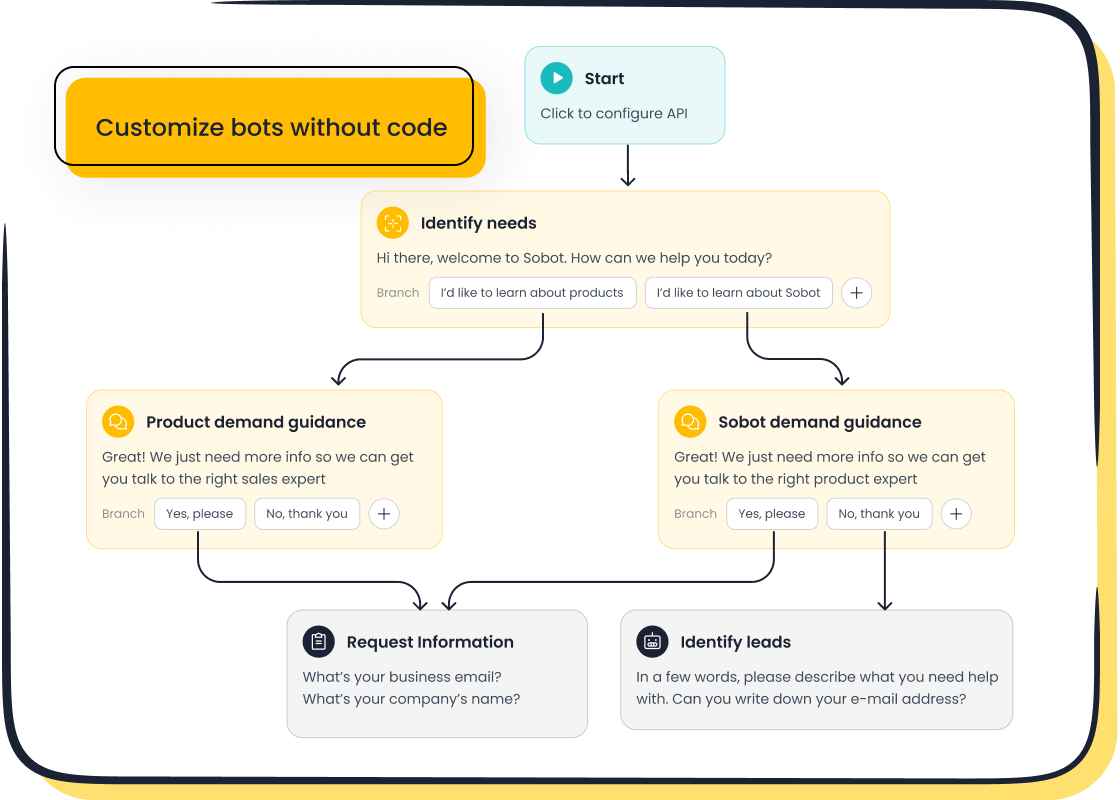
Multi-round dialogue management allows AI to manage coherent, context-aware conversations across multiple exchanges. This capability enables AI to handle complex, goal-oriented interactions, such as assisting customers with multi-step processes or resolving intricate queries. Industries like retail, banking, and healthcare have seen significant improvements in customer engagement and efficiency through this technology. For example, Sobot's chatbot uses multi-round dialogue management to deliver personalized, 24/7 support, enhancing user experience and reducing operational costs. By retaining context and adapting dynamically, it ensures seamless conversations that meet diverse customer needs.
What is Multi-round Dialogue Management?
Definition and Key Features
Managing Context Across Multi-turn Conversations
Multi-round dialogue management excels at maintaining context throughout multi-turn conversations. Unlike single-turn systems, it uses advanced techniques to track dialogue history, ensuring continuity. For example, external memory mechanisms and tools like hierarchical aggregate trees allow AI to remember past exchanges. This capability enables the system to provide contextually relevant responses, enhancing the flow of conversation.
Imagine asking an AI about a product's features and later inquiring about its price. With multi-round dialogue management, the AI recalls your initial query, avoiding repetitive explanations. This seamless interaction improves user satisfaction and makes the conversation feel more natural. Sobot's chatbot leverages this feature to deliver personalized support, ensuring users receive accurate answers without needing to repeat themselves.
Adapting Dynamically to User Intent
Multi-round dialogue management adapts dynamically to user intent, making it ideal for complex conversations. It allows users to interrupt, clarify, or change their requests without losing context. For instance, if you ask about a flight's availability and then switch to baggage policies, the AI adjusts effortlessly. This flexibility ensures a smoother user experience.
Sobot's chatbot exemplifies this adaptability. It uses real-time intent recognition to guide users through multi-step processes, such as troubleshooting a device or completing a purchase. By understanding and responding to evolving user needs, it enhances efficiency and reduces frustration.
How Multi-round Dialogue Management Differs from Single-turn Interactions
Limitations of Single-turn Systems
Single-turn systems handle one query at a time, lacking the ability to retain context. This limitation often leads to fragmented conversations, where users must repeat information. For example, asking a single-turn AI about a product's specifications and then its price would require restating the product name. This inefficiency can frustrate users, especially in customer service scenarios.
Advantages of Multi-turn Conversations in Customer Service
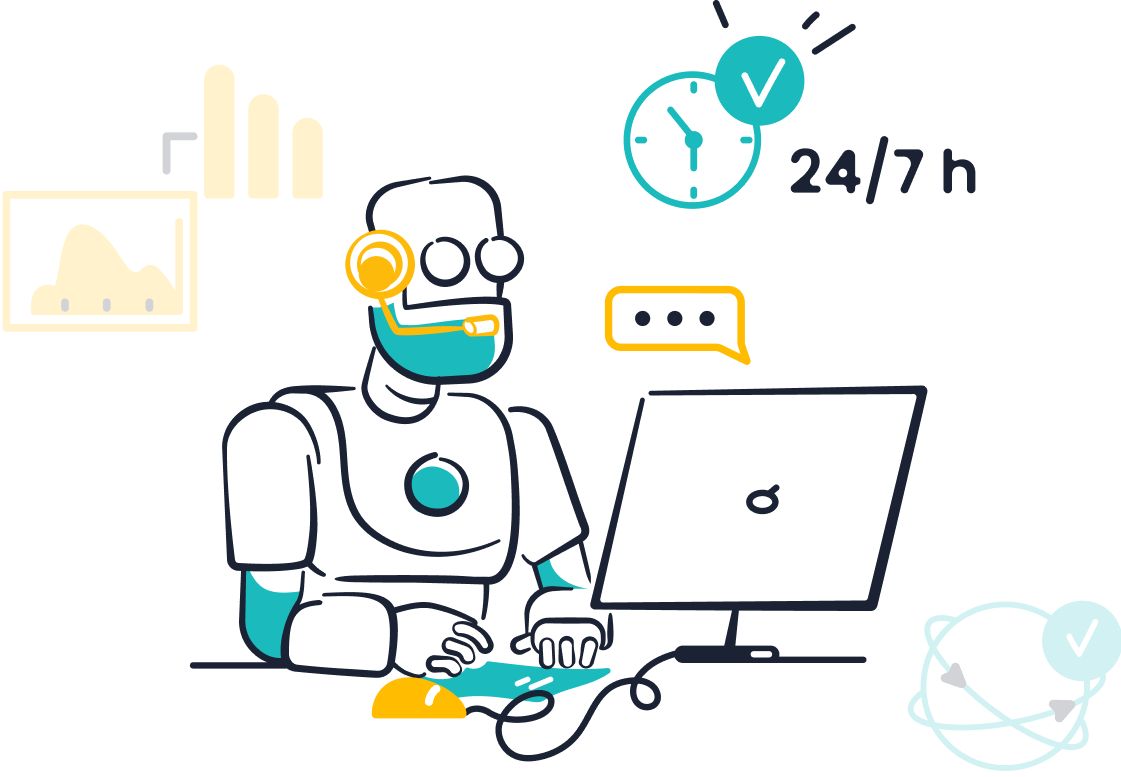
Multi-turn conversations offer significant advantages in customer service. They enable AI to handle complex queries by retaining context and adapting to user inputs. For example, Sobot's chatbot uses multi-turn dialogue to resolve intricate customer issues, such as troubleshooting a smartphone. By remembering previous exchanges, it provides accurate, timely responses, improving user satisfaction. This approach not only enhances the customer experience but also reduces operational costs by automating repetitive tasks.
How Does Multi-round Dialogue Management Work?
Core Components of Multi-turn Systems
Context Retention and Memory in AI
Context retention is the backbone of multi-turn AI systems. It allows the AI to remember the context of the conversation, ensuring continuity in ongoing conversations. This capability is crucial for applications like customer support chatbots, where users often ask follow-up questions. For example, if you inquire about a product's features and later ask about its price, the AI can recall your earlier query without needing you to repeat it.
Memory plays a vital role here. It enables the system to track dialogue history and generate relevant responses. This feature ensures a high level of accuracy in interactions, especially in complex scenarios. Sobot's chatbot excels in this area by leveraging advanced memory mechanisms to deliver seamless, context-aware conversations.
- Memory helps maintain consistency in long-form interactions.
- It ensures the AI adapts to user needs dynamically.
- It enhances user satisfaction by reducing repetitive exchanges.
Dialogue Strategy and Planning for Goal-oriented Interactions
Goal-oriented interactions require a structured approach. Multi-turn systems use dialogue strategies to guide users toward task completion. These strategies include:
| Dialogue Strategy | Description |
|---|---|
| Finite-State Scripts | Conversations follow a fixed script, suitable for simple tasks. |
| Slot-Filling | The AI gathers specific information to complete a task, such as booking a ticket. |
| Plan-Based Models | The system infers user intentions and assists in executing plans, requiring context understanding. |
| Agent-Based Models | Advanced systems that adapt dynamically to complex environments. |
Sobot's chatbot employs slot-filling and plan-based models to assist users in troubleshooting devices or completing purchases. This approach ensures efficient and accurate task resolution.
Technologies Powering Multi-round Dialogue Management
Natural Language Processing (NLP) and Machine Learning
NLP and machine learning are the driving forces behind cutting-edge dialogue management. These technologies enable the AI to interpret user inputs, detect patterns, and craft context-aware responses.
- NLP enhances language understanding for intent detection and semantic interpretation.
- Machine learning improves context awareness by analyzing dialogue history.
- Algorithms detect conversational patterns, ensuring the AI adapts to user needs.
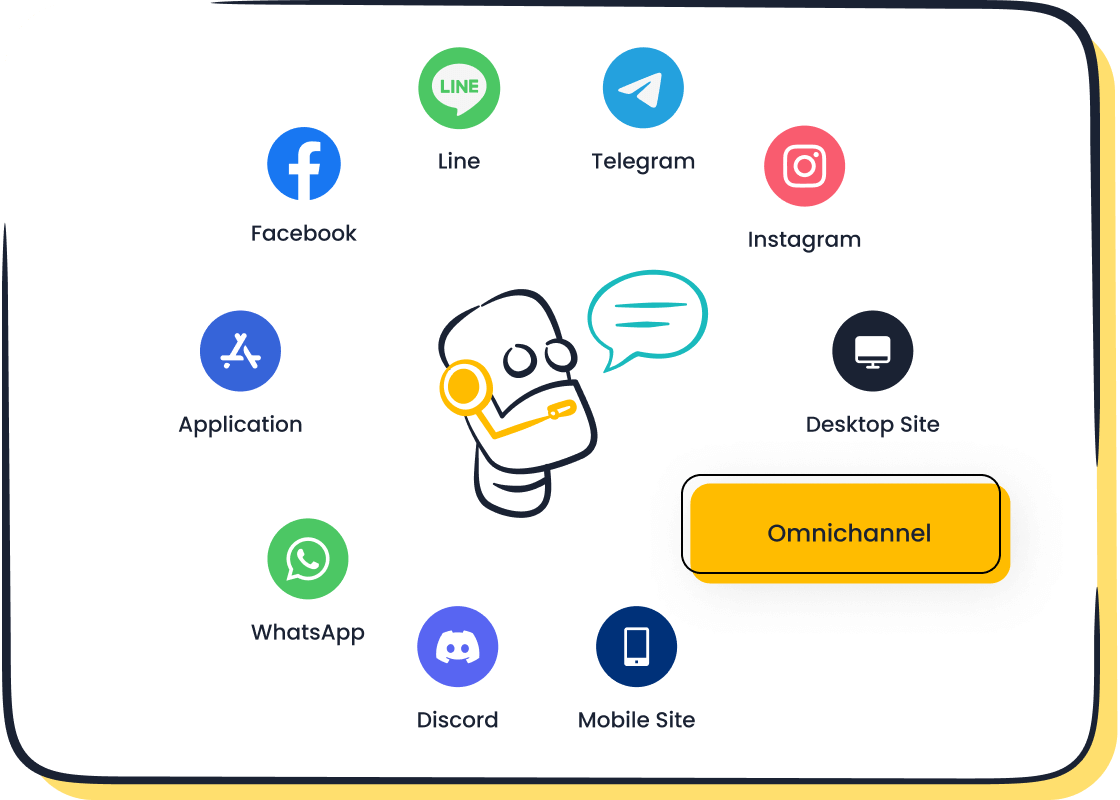
Sobot's chatbot uses these technologies to deliver personalized, multi-turn conversations across various platforms, including WhatsApp and SMS. This capability makes it a versatile tool for businesses aiming to improve customer engagement.
Reinforcement Learning for Adaptive Conversations
Reinforcement learning allows AI systems to learn from user interactions and refine their responses over time. This method involves policy learning, where the AI develops adaptive strategies for various conversational scenarios.
- The system adjusts its behavior dynamically based on conversation patterns.
- It ensures high-quality interactions by maintaining context and relevance.
- Adaptive policies improve the AI's ability to handle complex queries.

Sobot's chatbot leverages reinforcement learning to provide proactive support, reducing frustration in customer interactions.
Challenges in Implementing Multi-round Dialogue Management
Handling Ambiguity and Errors in Multi-turn Conversations
Ambiguity in user intents can disrupt multi-turn conversations. To address this, researchers have developed frameworks like Action-Based Contrastive Self-Training (ACT). This approach enhances the AI's ability to select appropriate strategies in ambiguous contexts, ensuring smoother interactions.
Balancing Efficiency and Accuracy in AI Systems
Achieving a balance between efficiency and accuracy is challenging. While users expect quick responses, the AI must also maintain a high level of accuracy. Sobot's chatbot addresses this by using advanced algorithms to optimize response times without compromising on quality. This balance is critical for delivering effective customer support.
Why Multi-round Dialogue Management Matters in AI Systems
Enhancing Customer Service with Multi-turn Conversations
Providing Context-aware and Personalized Responses
Multi-round dialogue management significantly improves customer service by delivering context-aware and personalized responses. A sophisticated system remembers the context of previous exchanges, ensuring coherent and productive conversations even when users change topics or ask follow-up questions. For instance, if you inquire about a product's features and later ask about its price, the AI recalls your earlier query, avoiding repetition.
Key features like state tracking and contextual awareness enhance this capability:
- State Tracking: The system monitors the dialogue state to provide appropriate responses based on prior interactions.
- Contextual Awareness: Historical conversation data informs responses, making them more relevant and personalized.
- Multi-Session Management: The AI manages multiple dialogue sessions simultaneously, maintaining context across different users or topics.
Sobot's chatbot exemplifies these features by offering seamless, multi-turn conversations that adapt to your needs, enhancing the overall customer experience.
Reducing Frustration in Complex Customer Interactions
Complex conversations often lead to frustration when systems fail to retain context. Multi-round dialogue management eliminates this issue by ensuring continuity. For example, Sobot's chatbot uses advanced memory mechanisms to handle intricate queries, such as troubleshooting a device. This reduces the need for you to repeat information, streamlining the interaction and improving satisfaction.
Enabling Seamless Goal-oriented Interactions
Supporting Problem-solving and Decision-making
Multi-turn systems excel in goal-oriented interactions, guiding you through problem-solving and decision-making processes. For example, a travel booking system can ask for departure and arrival locations, followed by travel dates, ensuring a smooth booking experience. Sobot's chatbot uses similar strategies to assist with tasks like troubleshooting or completing purchases, ensuring efficient and accurate outcomes.
Facilitating Task Completion in Customer Support
Multi-round dialogue management ensures task completion by maintaining focus on critical topics across multiple exchanges. Systems like Sobot's chatbot proactively ask questions and guide you toward resolution. Features like topic management allow the AI to handle multiple dialogue rounds effectively, ensuring comprehensive understanding and support.
Building Trust and Engagement in AI Systems
Creating Human-like Interactions
Human-like interactions make AI systems more engaging and trustworthy. Factors like conversation flow, personality, and empathy contribute to this. For instance:
- AI with a personality and charisma creates memorable experiences.
- Empathy in interactions enhances user satisfaction.
- Explainability ensures you understand the reasoning behind AI outputs, fostering trust.
Sobot's chatbot incorporates these elements, delivering natural, engaging conversations that feel less robotic.
Encouraging Continued Use of AI Solutions like Sobot's Chatbot
Trust and engagement drive the continued use of AI solutions. Multi-round dialogue management ensures coherent and contextually relevant responses, building confidence in the system. Sobot's chatbot, with its ability to remember the context and navigate complex dialogue trees, exemplifies this. By providing reliable and human-like interactions, it encourages you to rely on AI for your needs.
Practical Applications of Multi-round Dialogue Management
Customer Service and Support
Resolving Complex Customer Queries with Sobot's Chatbot
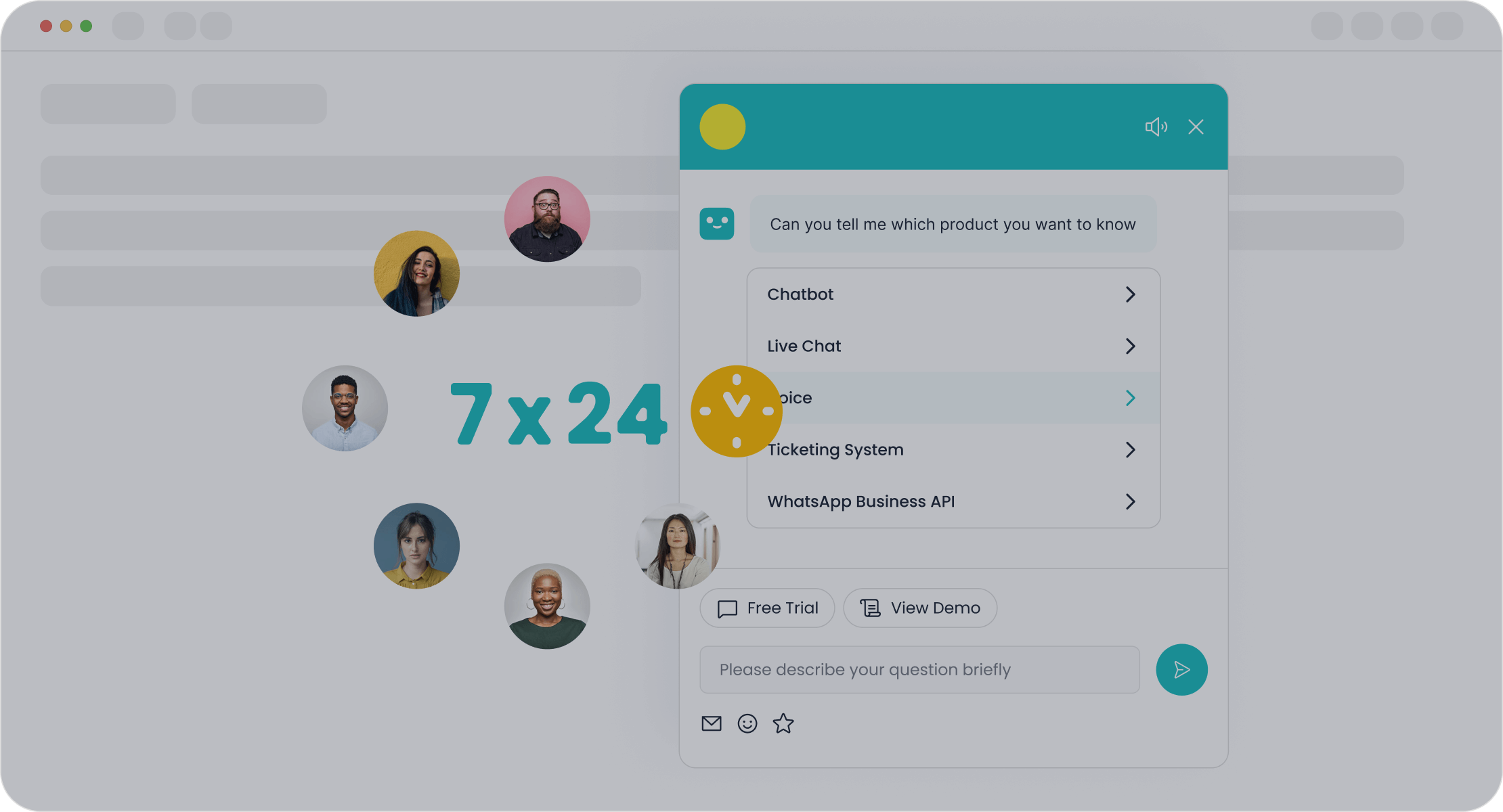
Multi-turn conversational automations excel in resolving complex queries in customer service. You often encounter situations where a single question cannot address your needs. For example, troubleshooting a smartphone might require multiple steps, such as identifying the issue, suggesting solutions, and verifying the outcome. Sobot's chatbot uses multi-turn dialogue to handle such scenarios effectively. It retains the context of your conversation, ensuring you don’t have to repeat yourself. This capability not only saves time but also enhances your experience by delivering accurate and timely responses.
Automating Repetitive Tasks in Contact Centers
Repetitive tasks, like answering frequently asked questions, can overwhelm human agents. Multi-turn conversational automations simplify this by automating such interactions. Sobot's chatbot operates 24/7, managing repetitive queries like order tracking or account updates. This automation reduces agent workload and ensures consistent service quality. By handling these routine tasks, the chatbot allows agents to focus on more complex conversations, improving overall efficiency in contact centers.
Virtual Assistants and Chatbots
Assisting with Multi-step Processes
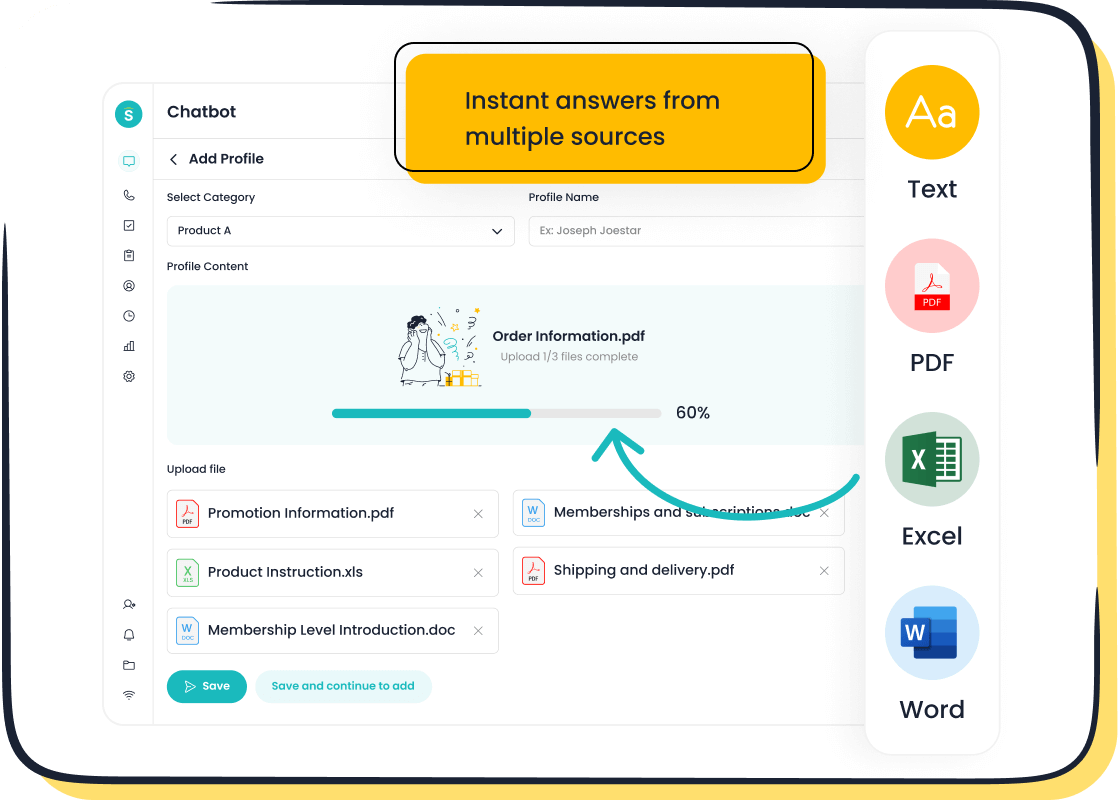
Virtual assistants powered by multi-turn dialogue management guide you through multi-step processes seamlessly. For instance, booking a flight involves selecting dates, destinations, and payment options. A chatbot with multi-turn capabilities ensures each step flows logically, adapting to your inputs dynamically. Sobot's chatbot excels in this area, assisting you with tasks like troubleshooting devices or completing purchases. Its ability to manage multi-turn conversations ensures smooth and efficient task completion.
Offering Contextual Recommendations in Real-time
Multi-turn conversational automations enhance real-time recommendations by understanding your preferences and context. Imagine browsing a website and asking a chatbot for product suggestions. The chatbot analyzes your previous interactions and provides tailored recommendations. Sobot's chatbot uses advanced AI to offer personalized suggestions, whether you’re shopping online or seeking technical support. This feature improves your decision-making process and enhances your overall experience.
Industry-specific Use Cases
Healthcare: Supporting Patient Consultations

In healthcare, multi-turn dialogue systems play a crucial role in patient consultations. These systems guide you through structured conversations, asking follow-up questions to gather essential information. For example, the Healthcare Copilot categorizes your inputs into tasks like diagnosis and recommendations. This approach helps you articulate your symptoms effectively, ensuring accurate medical assessments. By employing multi-turn conversational automations, healthcare providers enhance patient care and streamline consultations.
Education: Guiding Students Through Learning Modules
Multi-turn dialogue management transforms education by guiding you through learning modules. A chatbot can assist with tasks like solving math problems or explaining scientific concepts. It retains the context of your queries, ensuring continuity in your learning journey. Sobot's chatbot, with its multi-turn capabilities, supports students by providing step-by-step guidance and personalized feedback. This approach makes learning more interactive and effective.
The Future of Multi-round Dialogue Management
Advancements in AI Capabilities
Improved Context Understanding in Multi-turn Systems
Future advancements in AI will significantly enhance how multi-turn systems understand context. Enhanced monitoring of dialogue contexts will allow AI to track and recall intricate details from previous exchanges. This improvement ensures that conversations remain coherent, even when users revisit earlier topics. For example, if you inquire about a product's features and later ask about its warranty, the system will seamlessly connect the two queries. Dynamic response adjustment mechanisms will further refine this process, enabling AI to adapt to evolving user needs in real-time. These advancements will make multi-turn conversations more efficient and user-friendly, especially in customer service scenarios where accuracy is critical.
More Natural and Intuitive Interactions
AI systems are evolving to deliver more natural and intuitive interactions. Dialogue optimization techniques, including advanced language understanding, will make conversations feel less robotic. Improved training regimes with adversarial examples will help AI handle ambiguous or unexpected inputs more effectively. Imagine interacting with a chatbot that not only understands your intent but also responds with empathy and clarity. Sobot's chatbot already incorporates elements of natural interaction, and future developments will make these systems even more engaging and human-like.
Expanding Use Cases Across Industries
Integration with IoT and Smart Devices
The integration of multi-turn dialogue systems with IoT devices will revolutionize how you interact with technology. Smart home assistants, for instance, will use multi-turn conversations to manage complex tasks like setting up routines or troubleshooting devices. Picture asking your smart assistant to adjust your home's temperature while also scheduling a maintenance check for your air conditioner. AI-powered dialogue systems will make such interactions seamless, enhancing convenience and efficiency in everyday life.
Applications in Emerging Sectors like Gaming and Retail
Emerging sectors like gaming and retail will benefit immensely from multi-turn dialogue management. In gaming, AI-driven NPCs (non-playable characters) will engage in multi-turn conversations, creating immersive storylines and enhancing gameplay. In retail, chatbots will guide you through personalized shopping experiences, from product recommendations to checkout. Sobot's chatbot already excels in retail by offering contextual recommendations in real-time, and its capabilities will only expand as AI technology advances.
Ethical Considerations in Multi-round Dialogue Management
Ensuring Privacy and Data Security
As AI systems handle more complex conversations, ensuring privacy and data security becomes paramount. Multi-turn dialogue systems often store user data to maintain context, which raises concerns about unauthorized access. Companies must implement robust encryption and data anonymization techniques to protect sensitive information. For example, Sobot prioritizes security by adhering to strict data protection standards, ensuring your interactions remain confidential.
Avoiding Bias in AI Responses
Bias in AI responses can undermine trust and fairness in multi-turn conversations. Developers must train AI systems on diverse datasets to minimize biases and ensure inclusivity. Regular audits and updates will help maintain neutrality in dialogue outputs. For instance, an unbiased chatbot will provide consistent and accurate responses, regardless of the user's background or preferences. This approach fosters trust and encourages continued use of AI solutions.
Multi-round dialogue management transforms how AI systems handle complex conversations. By preserving context and tracking interaction states, it creates robust and user-friendly dialogue systems. This capability enhances customer service by delivering personalized responses and optimizing operational efficiency. For instance, Sobot's chatbot uses advanced techniques to resolve intricate queries, improving user satisfaction and reducing costs.
This technology also drives AI integration into daily life. It retains entire conversation histories, enabling dynamic personalization, such as dietary preferences. Features like belief tracking and session layers further enhance relevance and accuracy. As AI evolves, multi-round dialogue management will continue shaping seamless, intuitive interactions across industries, making your experiences with AI more engaging and effective.
FAQ
1. What is the main purpose of multi-round dialogue management?
Multi-round dialogue management helps AI systems maintain context across multiple exchanges. This ensures coherent and goal-oriented conversations. For example, Sobot's chatbot uses this technology to guide you through troubleshooting or completing purchases without requiring you to repeat information.
2. How does multi-round dialogue management improve customer service?
It enhances customer service by delivering personalized, context-aware responses. Sobot's chatbot remembers your previous queries, reducing frustration and saving time. This capability improves satisfaction and operational efficiency, especially in industries like retail and financial services.
3. Can multi-round dialogue management handle complex queries?
Yes, it excels at managing complex queries. For instance, Sobot's chatbot uses advanced memory mechanisms to troubleshoot devices or answer layered questions. This ensures accurate and timely responses, even in intricate scenarios.
4. What technologies power multi-round dialogue management?
Technologies like Natural Language Processing (NLP) and machine learning power multi-round dialogue management. Sobot's chatbot leverages these to interpret your inputs, detect patterns, and deliver seamless, multi-turn conversations across platforms like WhatsApp and SMS.
5. Why is multi-round dialogue management important for AI systems?
It enables AI systems to handle complex, goal-oriented interactions. Sobot's chatbot uses this feature to automate repetitive tasks, improve user engagement, and reduce costs. This makes it a valuable tool for businesses aiming to enhance customer experience.
See Also
Top Strategies for Effective Call Center Quality Management
Effective Techniques for Managing Live Chat Representatives
Comprehensive Overview of Omnichannel Call Center Solutions
Essential Principles of Quality Management Systems in Call Centers
Evaluating AI Solutions for Enterprise Call Center Operations

