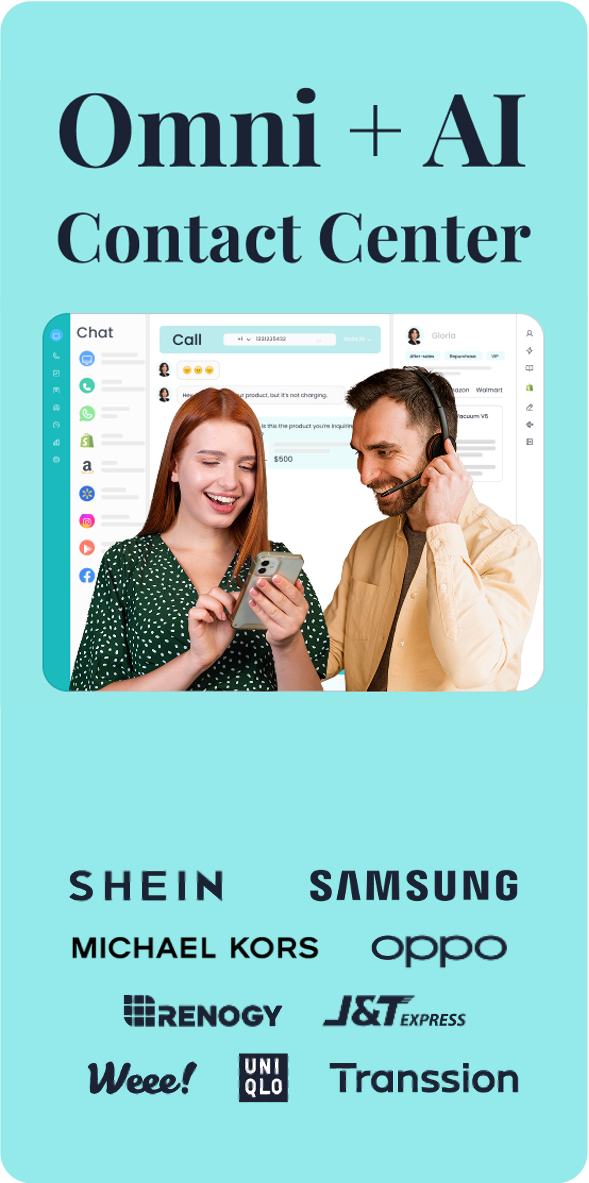
Is Your Call Center Multichannel or Omnichannel?


A multichannel call center offers your customer separate ways to contact you. An omnichannel center integrates them into one seamless conversation. Think of the multi channel vs omnichannel difference this way: a multichannel setup is like making separate phone calls for each question. An omnichannel approach is like one continuous chat, creating a superior customer experience. This unified customer journey is what your customer now expects. A strong omnichannel strategy is vital, and Sobot helps you build this perfect omnichannel experience.
Did you know? A recent study shows 70% of customers prefer an omnichannel experience, and 61% get frustrated when they have to restart their conversation on a new channel—a common issue with a multichannel system.
Multi Channel vs Omnichannel: Core Differences
Understanding the key differences between multi channel vs omnichannel is the first step toward improving your customer service. While both models use multiple channels, their impact on your customer experience and operational efficiency is vastly different. The key differences lie in how you manage the customer journey, agent workflow, and data.
The Siloed Multichannel Approach
A multichannel model gives your customer different ways to contact you, but these channels operate in isolation. An email conversation does not connect to a phone call. This siloed approach creates a broken customer journey. Customers often have to repeat themselves, a major source of frustration. In fact, 72% of consumers report receiving irrelevant messages from companies, a common symptom of a disconnected multichannel strategy.
This fragmentation also hurts your team. Agents waste valuable time—up to 2.5 hours daily—just searching for information across different systems. This leads to:
- Inconsistent Brand Messaging: The brand voice may change from social media to email.
- Disjointed Customer Experience: The customer feels like they are talking to separate companies, not one brand.
- Missed Opportunities: You cannot easily follow up with interested customers, hurting customer engagement.
The Unified Omnichannel Approach
An omnichannel model breaks down these silos. It integrates all channels to create one continuous conversation and a unified experience. If a customer starts on live chat and calls later, the agent sees the entire history instantly. This is the core of the multi channel vs omnichannel distinction. A true omnichannel approach provides a seamless experience for every customer.
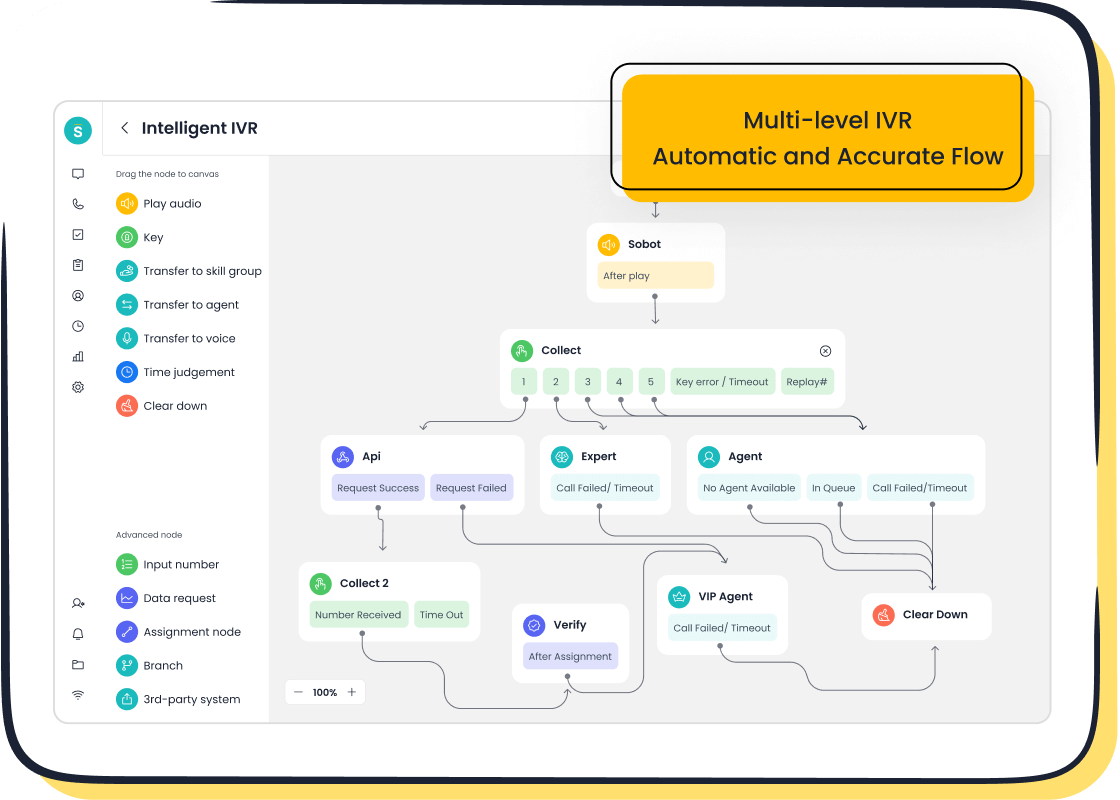
Solutions like Sobot's Omnichannel Solution make this possible by creating a unified workspace. Your agents can manage interactions from the Voice Call Center, Live Chat, and Ticketing System all in one place. This gives them the full context needed to deliver fast, personalized experiences. Companies like Disney use a similar integrated approach to create a magical customer experience, proving the power of a unified strategy.
Here is a simple breakdown of the key differences in the multi channel vs omnichannel debate:
| Feature | Multichannel | Omnichannel |
|---|---|---|
| Customer Journey | Fragmented and repetitive. The customer restarts the conversation on each new channel. | Seamless and continuous. The conversation flows across channels without interruption. |
| Agent View | Siloed. Agents see only the interaction on their current channel. | Unified. Agents see the complete customer history from all channels in one view. |
| Data Systems | Disconnected. Customer data is stored in separate systems for each channel. | Integrated. A central platform provides a single source of truth for all customer data. |
Ultimately, an omnichannel strategy delivers the cross-channel consistency and consistent experience that modern customers expect.
A Diagnostic Checklist for Your Call Center

Now that you understand the core differences, it's time to diagnose your own operations. This checklist will help you determine whether you are running a multichannel or a true omnichannel center. Answer these questions honestly to see where your business stands.
Evaluating Your Customer Journey
The customer journey is your first and most important clue. A disconnected journey is a clear sign of a multichannel model. Ask yourself these questions to evaluate the experience you provide.
-
Does your customer have to repeat information? If a customer explains their issue in a chat and then calls, does your phone agent have that chat transcript instantly? If not, you are operating a multichannel system. A staggering 56% of customers report having to repeat themselves when switching channels. This repetition is a major source of frustration and a hallmark of a broken experience.
-
Are your customer satisfaction scores declining? Pay close attention to your Net Promoter Score (NPS) and Customer Satisfaction (CSAT) scores. A downward trend often signals a worsening customer experience. If customers feel unsupported or misunderstood, their loyalty will drop. A Gallup study found that 71% of B2B customers are at risk of leaving if they are not fully engaged, a common outcome of a fragmented journey.
-
Do you see high drop-off rates at key moments? Look at your analytics. Do customers abandon shopping carts frequently? Do potential clients drop off during a complex sign-up process? These are signs that the journey is too difficult. An omnichannel approach provides proactive support and clear information, guiding the customer smoothly through each step.
Is This Your Call Center? 🧐 A high volume of support calls about simple issues is a red flag. It suggests your website, app, or initial communications are not providing the right information. This forces the customer to switch channels to get basic answers, indicating a multichannel setup.
A seamless customer journey is the foundation of an omnichannel strategy. If your customer feels like they are starting over with every new interaction, you have work to do.
Analyzing Your Agent Workflow
Your agents are on the front lines. Their daily workflow provides a clear window into your operational model. A stressed, inefficient team is often a symptom of a disconnected, multichannel environment.
-
Do your agents switch between multiple screens to help one customer? An agent who toggles between five different applications to piece together a customer's history is working in a siloed system. This context switching is inefficient and stressful. In many contact centers, this fragmented access to information is a daily reality. An omnichannel platform unifies all data into a single workspace, giving agents a complete view without the hassle.
-
Are your agents suffering from burnout? Agent burnout is a serious issue. A poll by BenchmarkPortal revealed that about half of agents believe inadequate technology contributes to them leaving their jobs. Complaints often include slow systems and too many applications. An omnichannel setup reduces this strain by providing one integrated tool, which helps prevent the stress associated with constantly switching between disconnected systems.
-
Is your agent training focused on separate channels? If you train agents specifically on email, then separately on phone calls, you are reinforcing a multichannel mindset. Omnichannel training focuses on managing a unified customer conversation, regardless of the channel. Agents learn to navigate a single platform where they can see the entire customer history. This empowers them to provide a better, more consistent experience.
A truly omnichannel workflow equips agents with the context and tools they need to resolve issues efficiently, boosting both their morale and performance.
Auditing Your Data and Technology
Your technology stack is the backbone of your customer service model. A collection of disconnected tools will always produce a multichannel experience. A proper audit can reveal the gaps preventing you from achieving a true omnichannel operation.
-
Map Your Data Flow Start by tracing the path of customer data. Where does it enter your systems? How does it move between your CRM, email platform, and call center software? Build a data flow map to visualize this journey. Look for inconsistencies, like different customer IDs in different systems, or missing data. These gaps are where the customer experience breaks down.
-
Identify Redundant Systems Do you have multiple tools that do the same thing? For example, you might have one system for email marketing and another for sending SMS notifications. Create a simple matrix to score your tools on core capabilities. This will help you spot overlaps and opportunities to consolidate. Eliminating redundant software reduces costs and simplifies your tech stack, paving the way for an omnichannel platform.
-
Check for Security Risks Disconnected systems create significant security vulnerabilities. When data is siloed, it is harder to manage access and track activity. This "identity sprawl" can lead to unmonitored access and compliance issues. In fact, 52% of organizations have experienced security incidents tied to poor SaaS access management. A unified omnichannel platform centralizes data, making it easier to secure and control.
An integrated technology stack is non-negotiable for an omnichannel strategy. It ensures that data flows freely, providing a single source of truth for every customer interaction.
The Business Case for an Omnichannel Customer Experience
Shifting from a multichannel model to an omnichannel strategy does more than just connect your systems. It delivers a powerful return on investment by improving key business metrics. You can build strong customer loyalty and achieve better customer retention. An omnichannel approach directly impacts your bottom line.
Boosting FCR and Customer Satisfaction
An omnichannel strategy is the key to higher customer satisfaction and better customer retention. When you provide a seamless experience, customers feel valued. They do not have to repeat their issues across different channels. This hassle-free support builds trust and strong customer loyalty. In fact, a strong omnichannel approach can boost customer retention to nearly 90%. A consistent experience across all touchpoints reinforces your brand's commitment to the customer. This focus on customer retention is vital for long-term growth and customer loyalty. Better customer retention means a healthier business. This is why customer retention is a top priority.
Pro Tip: Track your Customer Satisfaction (CSAT) scores closely. A rising score is a clear sign your omnichannel efforts are working. Low scores signal friction in the customer journey, giving you a chance to improve the experience and boost customer loyalty and retention.
Reducing AHT and Operational Costs
An omnichannel model also drives significant operational savings. Instead of paying for many separate tools, you use one unified platform. This consolidation reduces software licensing costs. Your agents also become more efficient. They no longer need to switch between multiple screens to find customer information. This unified view increases productivity and reduces Average Handle Time (AHT).
You can further cut costs by using automation.
- AI-driven chatbots handle simple, repetitive questions 24/7.
- Intelligent IVR systems guide customers to self-service options.
These tools free up your human agents to focus on complex issues. This optimizes your staffing and streamlines operational costs, moving you away from a costly multichannel setup.
Driving Efficiency with Sobot's Solution
The benefits of an omnichannel approach are clear, and Sobot delivers measurable results. Just look at our work with Opay, a leading financial service platform. Before implementing Sobot, their multichannel system led to a customer satisfaction rate of 60%.
After adopting Sobot's Omnichannel Solution, Opay transformed its customer experience.
- Customer satisfaction soared from 60% to 90%.
- Overall operational costs dropped by over 20%.
These improvements were a direct result of giving agents a complete view of the customer journey. With full context from voice, email, and social media in one unified workspace, agents resolved issues faster and delivered truly personalized experiences. This is the power of a true omnichannel strategy in action, enhancing both customer engagement and customer loyalty through superior retention.
Transitioning to an Omnichannel Model
Moving from a multichannel setup to a true omnichannel model requires a clear plan. This transition involves more than just new software. It demands a strategic shift in your technology, data management, and team training. You can create a seamless experience for every customer with the right approach.
Auditing Your Current Tech Stack
Your first step is to audit your current technology. Many companies struggle with legacy systems. These outdated tools often lack modern APIs, making integration difficult. This creates silos and prevents a unified customer experience. A thorough audit helps you identify these roadblocks.
To start your audit, you should:
- Create an Inventory: Ask each department to list all the software they use.
- Organize the Data: Put this information into a spreadsheet. Note each tool's owner, cost, and purpose.
- Analyze and Decide: Find redundant or unused applications. Identify where you can consolidate tools to improve efficiency.
- Create an Action Plan: Assign leaders to manage each action, from canceling subscriptions to setting up new integrations.
This process reveals gaps in your current setup and prepares you for a successful omnichannel transition.
Unifying Data with a Central Platform
An omnichannel strategy depends on a single source of truth. You need a central platform that connects all your customer data. This eliminates the need for agents to switch between systems. Sobot's Omnichannel Solution provides this unified hub. It integrates smoothly with essential business systems like Salesforce and Shopify. This integration gives your team a complete view of every customer.
Did you know? Companies that combine their CRM and customer experience platforms see up to 91% higher customer retention rates.
Sobot makes this possible by unifying interactions from every channel. Key features like our AI-driven chatbots offer 24/7 self-service, while our intelligent IVR routes calls smartly. This creates a consistent experience and frees up your agents to provide personalized experiences.
Training Agents for a Unified Workflow
Your technology is only one part of the omnichannel puzzle. Your agents need the right training to adapt to a unified workflow. A multichannel mindset focuses on separate channels. An omnichannel approach trains agents to manage one continuous customer conversation.
Effective training should include:
- Scenario-based drills that simulate a customer moving between channels.
- Lessons on the unified interface so agents can navigate the platform confidently.
- Practice with new skills like multitasking and time management.
This training empowers your team to leverage the full power of your omnichannel platform. They can deliver the fast, effective support that improves customer engagement and builds lasting loyalty.
Ask yourself a simple question. Do your agents switch screens to see a customer's email history? If so, you have a multichannel system. If it is all in one view, you are on the path to an omnichannel experience. While a multichannel setup is common, the competitive advantage lies with a true omnichannel strategy. Businesses using an omnichannel approach achieve 91% greater customer retention. This superior customer experience is the key difference in the multi channel vs omnichannel debate. A strong omnichannel model delivers the experience your customer expects from your brand.
Ready to unify your customer conversations? Embark on Your Contact Journey with Sobot's Omnichannel Solution.
FAQ
What is the main difference between multichannel and omnichannel?
A multichannel system gives you separate ways to talk to customers. An omnichannel system connects all those ways into one single conversation. Your agents see the full customer history in one place, which allows for more personalized experiences.
How does an omnichannel approach improve agent efficiency?
Omnichannel platforms unify all tools into a single workspace. Your agents do not need to switch between different screens to find information. This saves time, reduces stress, and allows them to solve customer issues much faster.
Can Sobot's solution integrate with my existing tools?
Yes. Sobot's Omnichannel Solution integrates smoothly with popular business systems. It connects with CRMs like Salesforce and e-commerce platforms like Shopify. This creates a single source of truth for all your customer data.
Is it difficult to switch from multichannel to omnichannel?
The transition requires a clear plan. You need to audit your technology, unify your data, and train your team. A central platform like Sobot simplifies this process by providing the core technology and integration capabilities you need.
See Also
Your Essential Guide to Omnichannel Call Center Software Solutions
Implementing Omnichannel Contact Centers: A 10-Step Practical Guide
Achieving Excellence: Call Center Quality Management Best Practices Explained
Reviewing The Top Contact Center Solutions For Your Business In 2024
Cloud Contact Center Services: Top Reviews And Insights For 2024