A Step-by-Step Guide to Monitoring Customer Relationship KPIs


Tracking customer relationship KPIs is essential for driving customer satisfaction and loyalty. Businesses that monitor these metrics achieve higher Net Promoter Scores (NPS) and Customer Satisfaction (CSAT) rates, with top performers exceeding an NPS of 50 and CSAT scores above 80%. These metrics also reduce churn rates and increase renewal rates, ensuring greater customer success.

Sobot’s Voice/Call Center simplifies KPI monitoring by offering real-time call tracking and intelligent data analysis. Its unified workspace lets you manage customer interactions efficiently, helping you focus on improving customer outcomes. With tools like smart call routing and AI-powered voicebots, Sobot empowers you to optimize communication workflows while enhancing customer experience.
This guide will equip you with practical steps to measure and improve KPIs, ensuring your business achieves lasting success in customer relationships.
Understanding Customer Relationship KPIs
What Are Customer Relationship KPIs
Customer relationship KPIs are measurable indicators that help you evaluate the quality of your interactions with customers. These metrics provide insights into how well your business meets customer expectations and identifies areas for improvement. By tracking these KPIs, you can measure customer satisfaction, loyalty, and overall success.
For example, metrics like customer satisfaction (CSAT) and first contact resolution (FCR) reveal how effectively your team resolves issues and delivers a positive experience. These KPIs act as benchmarks, guiding your efforts to improve customer relationships and achieve long-term success.
Common Customer Service KPIs to Track
Tracking the right customer service KPIs ensures you focus on what matters most to your customers. Here are some key metrics for customer success:
- Customer Satisfaction (CSAT): Measures how happy customers are with your service. Higher scores indicate better satisfaction.
- First Contact Resolution (FCR): Tracks the percentage of issues resolved during the first interaction. Aim for over 80% to ensure efficiency.
- Response Time: Measures how quickly your team responds to inquiries. Faster responses lead to better customer experience.
- Net Promoter Score (NPS): Assesses customer loyalty by asking how likely they are to recommend your business.
- Resolution Time: Tracks how long it takes to resolve issues. Shorter times improve satisfaction and reduce frustration.
- Customer Effort Score (CES): Evaluates how easy it is for customers to resolve their issues. Lower scores reflect a smoother experience.
These KPIs help you monitor performance, identify trends, and make data-driven decisions to enhance customer success.
Why Customer Relationship KPIs Are Vital for Customer Success
Customer relationship KPIs are essential for achieving customer success. They allow you to monitor performance in real-time, quickly identify issues, and implement solutions. For instance, tracking resolution time helps you reduce delays, improving customer satisfaction. Similarly, analyzing customer feedback through CSAT scores reveals what works and what doesn’t.
These KPIs also drive profitability. Satisfied customers are more likely to make repeat purchases and recommend your business. Retaining existing customers is more cost-effective than acquiring new ones, making customer retention a critical metric. Additionally, KPIs like NPS and CES provide valuable insights into customer loyalty and ease of interaction, helping you refine your strategies.
By focusing on these metrics, you can create a seamless customer experience, build stronger relationships, and achieve long-term success.
The Importance of Monitoring Customer Relationship KPIs
How KPIs Drive Customer Satisfaction and Retention
Monitoring customer relationship KPIs helps you understand what drives customer satisfaction and loyalty. These metrics reveal how well your business meets customer expectations and where improvements are needed. For example, tracking first contact resolution ensures your team resolves issues quickly, reducing frustration and boosting satisfaction. Similarly, monitoring the customer effort score highlights how easy it is for customers to interact with your business, which directly impacts retention.
Satisfied customers are more likely to stay loyal and recommend your services. A major retail chain improved its customer satisfaction score by 15% and increased its Net Promoter Score from 25 to 45 by conducting regular surveys and training staff. These efforts not only enhanced the customer experience but also strengthened retention. By focusing on key metrics for customer success, you can create a seamless experience that keeps customers coming back.
| Company | KPI Focus | Improvement in Customer Satisfaction | Increase in Retention | Revenue Impact |
|---|---|---|---|---|
| Delta Air Lines | NPS, CSAT | 15% | N/A | 7% increase |
| Nordstrom | FCR, CES, CLV | 12% | N/A | 5% increase |
| CVS Health | FCR, CES, NPS | N/A | 10% increase | 5% increase |
These examples show how monitoring KPIs can lead to measurable improvements in satisfaction and retention, ultimately driving business growth.
The Role of KPIs in Measuring Customer Success
KPIs provide a clear picture of your performance in delivering customer success. Metrics like customer retention rate and customer lifetime value help you evaluate the long-term impact of your strategies. For instance, a high retention rate indicates that your customers are satisfied and loyal, while a strong lifetime value shows the financial benefits of retaining them.
Other KPIs, such as churn rate and monthly recurring revenue, offer insights into areas that need attention. If churn rates rise, it signals dissatisfaction or unmet needs. By addressing these issues, you can improve customer success and reduce churn. Advanced data analytics also play a crucial role. A tech startup reduced its time to insights by 40%, enabling faster decision-making and steady growth.
- Customer Churn Rate: Tracks the percentage of customers who stop using your service, helping you identify retention challenges.
- Monthly Recurring Revenue (MRR): Measures predictable income, aiding in financial planning.
- Customer Lifetime Value (CLV): Shows the total revenue a customer brings, guiding investment in retention strategies.
By focusing on these KPIs, you can measure success effectively and make data-driven decisions to enhance the customer experience.
Business Growth Through Effective KPI Monitoring
Effective KPI monitoring not only improves customer satisfaction but also drives significant business growth. When you track metrics like customer satisfaction score and average resolution time, you gain actionable insights to optimize your operations. For example, reducing resolution time improves efficiency and enhances the overall customer experience.
Businesses that prioritize KPI monitoring often see tangible results. Companies with high Net Promoter Scores and customer satisfaction rates report better financial outcomes. For instance, CVS Health achieved a 10% increase in retention by focusing on first contact resolution and customer effort score. These improvements translated into a 5% revenue boost.
| KPI Metric | Target Value |
|---|---|
| Customer Retention Rate | >90% |
| Customer Satisfaction Score | >80% |
| Online Conversion Rates | >3% |
| Customer Effort Score | <2 |
Monitoring these metrics ensures you stay aligned with your goals. It also helps you identify opportunities for growth, such as improving digital adoption rates or increasing sales per square foot. By leveraging best practices for achieving customer service KPIs, you can create a sustainable path to success.

Tip: Use tools like Sobot’s Voice/Call Center to streamline KPI tracking. Features like real-time call tracking and AI-powered analytics simplify the process, allowing you to focus on improving customer outcomes.
Step-by-Step Guide to Monitoring Customer Relationship KPIs
Step 1: Define Clear Customer Success Goals
Defining clear customer success goals is the foundation of effective KPI monitoring. Without clear objectives, tracking progress becomes challenging. Start by aligning your goals with your business objectives. For example, if your aim is to improve customer retention, focus on metrics like customer retention rate and customer satisfaction. These goals act as a roadmap, guiding your team toward measurable outcomes.
Engaging with customers through surveys and interviews can provide valuable insights into their needs. Use this feedback to shape your goals. For instance, if customers highlight long wait times as a pain point, reducing average resolution time should become a priority. Clear goals also help you identify the right customer personas, ensuring your strategies address their specific expectations.
Think of your goals as a compass. They direct your efforts and ensure every team member works toward the same destination. Businesses that define clear goals often see better customer success enablement and improved satisfaction rates.
Step 2: Select the Right Customer Service KPIs
Choosing the right customer service KPIs ensures you focus on metrics that truly matter. Start by identifying KPIs that align with your goals. For instance, if your goal is to enhance customer experience, track metrics like first contact resolution and customer effort score. These KPIs reveal how effectively your team resolves issues and how easy it is for customers to interact with your business.
Research shows that companies monitoring their KPIs consistently achieve higher satisfaction rates. For example, teams using best practices saw a 5% increase in satisfaction scores and a 15% improvement in one-touch ticket resolution. Selecting the right KPIs also boosts team performance. When employees understand the importance of these metrics, they feel more confident and motivated.
| Evidence Type | Description |
|---|---|
| Customer Retention | 52% of U.S. customers switch providers due to poor experiences. |
| Performance Improvement | Teams saw a 15% better one-touch ticket resolution with effective KPI use. |
| Employee Confidence | Continuous training led to 76% higher confidence among staff. |
Regularly assess and refine your KPIs to adapt to changing customer needs. This approach ensures your strategies remain effective and relevant.

Step 3: Leverage Tools Like Sobot's Voice/Call Center for Tracking
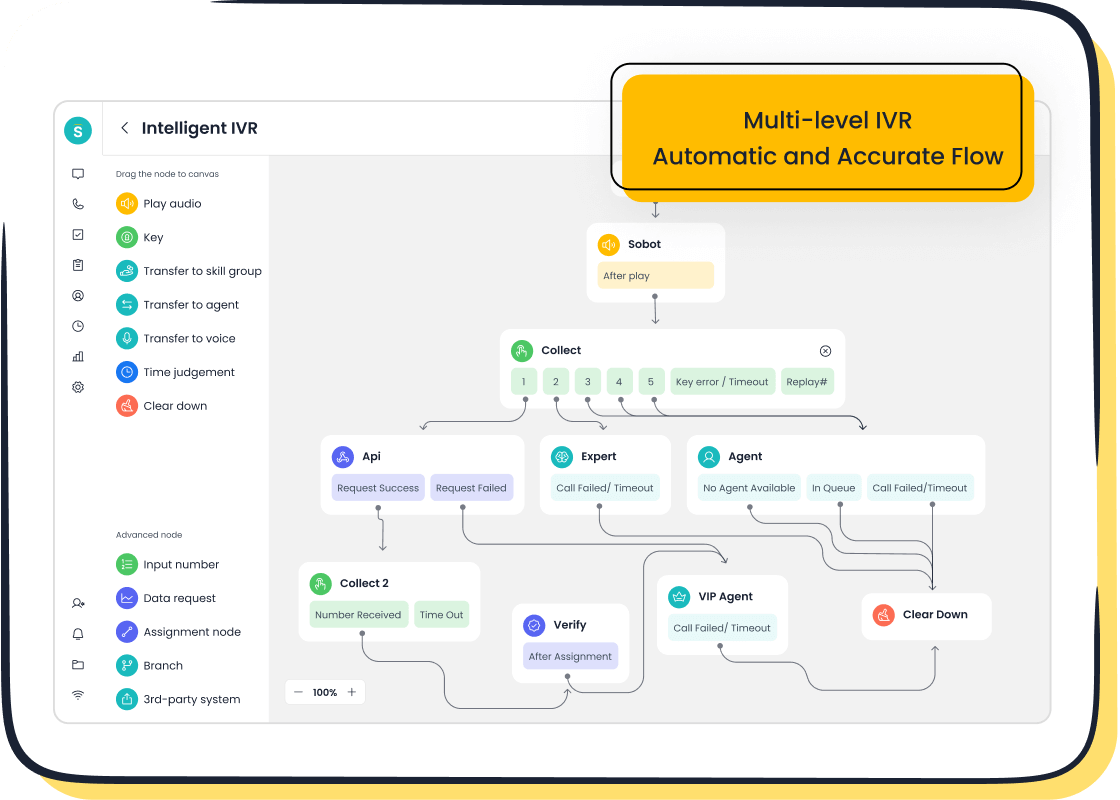
Using advanced tools simplifies KPI monitoring and enhances accuracy. Sobot's Voice/Call Center offers features like real-time call tracking and intelligent data analysis. These tools help you monitor customer service KPIs such as resolution time and first contact resolution effortlessly. The platform’s unified workspace allows agents to manage customer interactions efficiently, reducing delays and improving satisfaction.
For example, Sobot’s smart call routing ensures customers connect with the right agent quickly. This reduces frustration and enhances the overall customer experience. Additionally, the AI-powered voicebot handles repetitive queries, freeing up agents to focus on complex issues. With a 99.99% system uptime, Sobot ensures reliable operations, even during peak times.
Real-time tracking tools like Sobot’s dashboards provide actionable insights. You can visualize trends, identify bottlenecks, and make data-driven decisions to improve customer success. By leveraging these tools, you streamline your processes and achieve better outcomes.
Tip: Regularly review your KPI data to identify areas for improvement. Use insights from tools like Sobot to optimize your strategies and enhance customer success enablement.
Step 4: Establish a Regular Monitoring and Reporting Schedule
A consistent monitoring and reporting schedule is essential for tracking customer service KPIs effectively. Without a structured approach, it becomes challenging to identify trends, measure progress, or make timely adjustments. By establishing a routine, you ensure that your team remains aligned with customer success goals and can act on insights promptly.
Start by determining the frequency of your reports. Weekly reviews work well for operational metrics like resolution time and first contact resolution, while monthly or quarterly reports are better suited for strategic KPIs such as customer retention and churn rates. Use tools like Sobot’s Voice/Call Center to automate data collection and generate real-time reports. Its intelligent dashboards provide a clear view of performance metrics, enabling you to monitor and analyze performance effortlessly.
Consider adopting proven scheduling models to enhance your reporting process. For example:
| Scheduling Model | Key Benefits | Reported Improvements |
|---|---|---|
| Earned Value Management | - Accurate project forecasts - Better budget control | 30% more accurate forecasts 25% better budget control |
| Critical Path Method | - Clear identification of critical activities - Improved resource allocation | - Enhanced timeline management - Early warning of potential delays |
| Performance Measurement | - Quantifies project progress - Tracks variance trends | 40% improved visibility 35% better communication 50% more accurate forecasting |
Regularly reviewing these reports ensures that your team stays proactive. For instance, if your customer satisfaction score drops, you can quickly identify the root cause and implement corrective measures. A well-structured schedule also fosters accountability, as team members know when to deliver updates and what metrics to prioritize.
Tip: Use Sobot’s unified workspace to centralize your reporting efforts. This feature simplifies collaboration and ensures that all stakeholders have access to the latest data.
Step 5: Analyze Data and Optimize Strategies for Better Outcomes
Analyzing data is the cornerstone of improving customer success enablement. By diving deep into your KPI reports, you can uncover patterns, identify bottlenecks, and refine your strategies. For example, if your resolution time consistently exceeds targets, it may indicate a need for additional training or process adjustments.
Start by segmenting your data. Group metrics by customer demographics, service channels, or product categories to gain a clearer understanding of performance variations. Tools like Sobot’s Voice/Call Center make this process seamless with features like real-time call tracking and AI-powered analytics. These capabilities allow you to pinpoint areas needing improvement and implement targeted solutions.
Businesses that optimize their KPI strategies often see measurable improvements. For instance:
- Starbucks increased global revenue from $14.9 billion in 2013 to $26.7 billion in 2020 by focusing on customer feedback and performance gaps.
- Tesla achieved record revenue of $11.958 billion in Q2 2021 by optimizing production efficiency through operational KPIs.
- Coca-Cola outperformed peers by up to five times after making data-driven adjustments to sales-related KPIs.
A Harvard Business Review study also found that companies using performance metrics consistently outperform others by nearly 24%. To replicate these successes:
- Identify areas needing improvement, such as high churn rates or low customer satisfaction scores.
- Optimize operational efficiencies by streamlining workflows and reducing customer effort.
- Benchmark your performance against competitors to uncover growth opportunities.
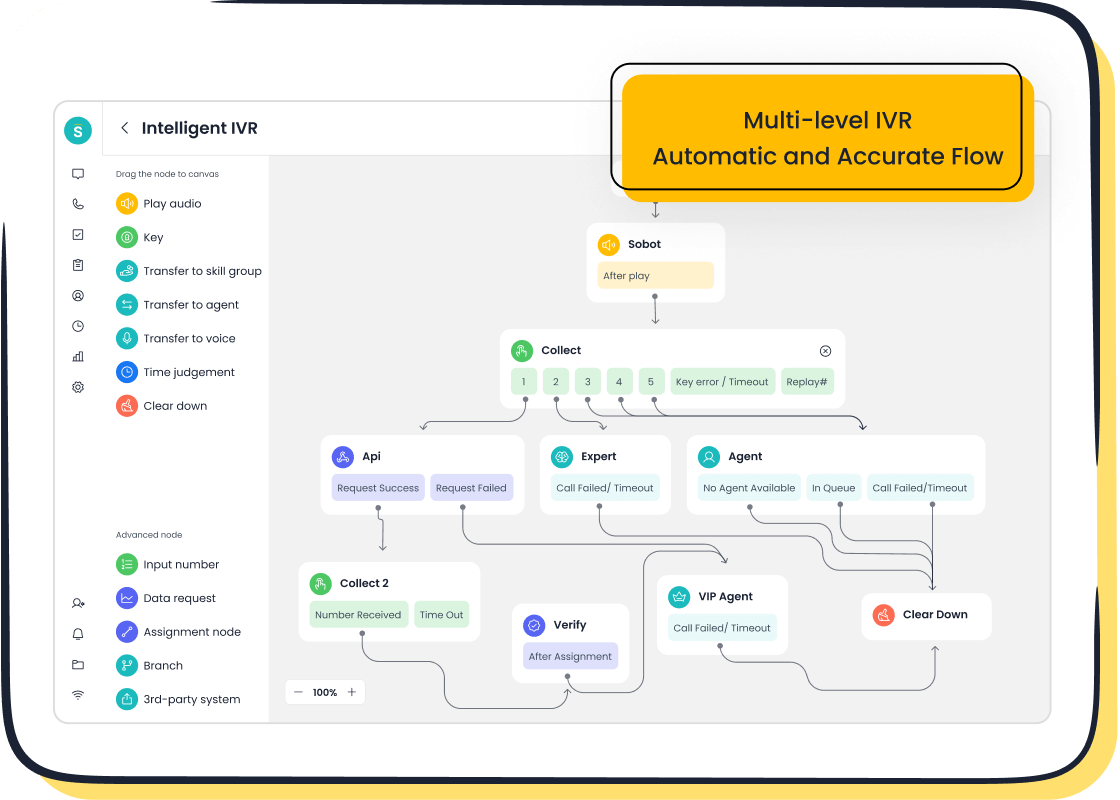
Finally, use the insights gained to refine your strategies. For example, if customer feedback highlights long wait times, consider implementing Sobot’s smart call routing to connect customers with agents faster. Regularly revisiting your data ensures that your strategies remain effective and aligned with evolving customer needs.
Note: Continuous optimization is key. Even small adjustments, like reducing resolution time by a few minutes, can significantly enhance customer satisfaction and retention.
Common Mistakes to Avoid in KPI Monitoring
Tracking Too Many Metrics Without Focus
Tracking too many metrics can overwhelm your team and dilute your focus. When you monitor an excessive number of KPIs, it becomes challenging to identify which ones truly impact customer success. This lack of clarity can lead to disengagement among employees. Approximately 85% of employees report feeling disconnected when their performance is evaluated solely through numerous quantifiable metrics. High employee morale, on the other hand, can boost productivity by up to 20%.
Relying only on quantitative metrics also risks overlooking emotional and qualitative factors. For example, while resolution time is important, it may not capture the quality of the interaction or the emotional connection with the customer. To avoid this mistake, prioritize a few key KPIs that align with your customer success enablement goals. Focused tracking ensures your team remains motivated and your strategies stay effective.
Overlooking Customer Feedback in KPI Analysis
Ignoring customer feedback creates blind spots in your analysis. KPIs like customer satisfaction scores provide valuable insights, but they may not fully reflect the needs and experiences of your customers. Without feedback, you risk misaligning your KPIs with actual customer expectations. This can lead to strategies that fail to address critical pain points.
Customer feedback also reveals emotional connections, which traditional KPIs often miss. These connections play a significant role in building loyalty and advocacy. By integrating feedback into your analysis, you gain a deeper understanding of customer needs and can refine your KPIs to better support customer success enablement. Listening to your customers ensures your metrics remain relevant and actionable.
Failing to Act on Insights from KPI Data
Collecting data without taking action wastes time and resources. Teams that fail to act on insights often experience analysis paralysis, where decision-making becomes stalled. This inefficiency diverts attention from other priorities and hampers progress. For example:
| Consequence | Description |
|---|---|
| Analysis Paralysis | Overwhelmed teams struggle to make decisions, leading to halted progress. |
| Ambiguity | Lack of context in metrics creates confusion about their relevance and necessary actions. |
| Inefficiency | Gathering data without a clear purpose wastes time and diverts resources from other priorities. |
To avoid these pitfalls, establish clear evaluation timelines and assign accountability for implementing changes. Use tools like Sobot’s Voice/Call Center to streamline data analysis and identify actionable insights. Acting on your data ensures continuous improvement and drives customer success.
Real-World Examples of Effective KPI Monitoring

How Samsung Achieved a 97% Customer Satisfaction Score with Sobot
Samsung’s journey to achieving a 97% customer satisfaction score highlights the power of effective KPI monitoring. The company faced challenges such as fragmented communication platforms, repetitive inquiries, and a lack of personalized service for VIP customers. These issues hindered efficiency and customer experience.
By implementing Sobot’s all-in-one contact center solution, Samsung unified its communication channels, enabling agents to manage inquiries seamlessly. The platform’s integration with internal systems provided agents with comprehensive customer data, reducing repetitive questioning. Sobot’s chatbots handled routine queries, freeing agents to focus on complex issues. VIP customers received tailored video support, enhancing their experience.
The results were transformative. Agent efficiency increased by 30%, labor costs decreased, and customer satisfaction soared to 97%. Samsung’s success demonstrates how monitoring KPIs like first contact resolution and customer satisfaction can drive measurable improvements.
| Challenges Faced | Improvements Made |
|---|---|
| Agents switched among different platforms for inquiries | Customer satisfaction increased to 97% |
| Agents responded to repetitive questions | Agent efficiency increased by 30% |
| No distinction in service for VIP and ordinary customers | Labor costs reduced and customer experiences personalized |
Using Sobot's Voice/Call Center to Enhance E-commerce Customer Support
E-commerce businesses often struggle with high volumes of customer inquiries and the need for quick resolutions. Sobot’s Voice/Call Center offers a solution by providing tools like real-time call tracking, AI-powered voicebots, and smart call routing. These features streamline operations and improve customer interactions.
For example, e-commerce companies using Sobot’s platform have reported significant improvements:
- Customer satisfaction scores increased by over 30%.
- Net Promoter Scores (NPS) rose by over 35%.
- Conversion rates improved by over 15%.
The platform’s ability to answer 22.2% of customer questions autonomously and provide immediate multi-channel responses enhances the purchase experience. Metrics like CSAT scores of 97% and customer happiness rates of 99% reflect the impact of Sobot’s tools on customer success.
| Metric | Value |
|---|---|
| Correct Answers | Over 80% |
| Customer Satisfaction | Over 95% |
| Problems Solved | 85% |
| Customer Happiness | 99% |
| CSAT Score | 97% |
| Improvement in Customer Satisfaction | Over 30% |
| Increase in Net Promoter Score | Over 35% |
| Boost in Conversion Rates | Over 15% |
Lessons Learned from Successful KPI Implementation
Successful KPI monitoring offers valuable lessons for businesses striving to improve customer success. Companies like Google, Walmart, and Toyota have demonstrated the importance of aligning KPIs with strategic goals. For example, Google tracks user engagement and ad conversion rates to maintain market dominance, while Walmart optimizes supply chain efficiency through metrics like stock turnover.
Key takeaways include:
- Data Transparency: Sharing performance data fosters accountability and collaboration.
- Employee Empowerment: Involving staff in KPI reviews boosts morale and innovation.
- Adaptability: Refining KPIs as strategies evolve ensures long-term success.
- Strategic Alignment: KPIs must align with business objectives to drive meaningful outcomes.
- Measured Execution: Continuous data collection and feedback loops refine processes and improve decision-making.
These lessons emphasize the importance of integrating KPIs into your operations to achieve measurable success. By leveraging tools like Sobot’s Voice/Call Center, you can simplify monitoring and focus on optimizing customer outcomes.
Monitoring customer relationship KPIs is essential for achieving customer success and satisfaction. These metrics not only help you understand customer needs but also drive long-term growth. For example:
- Customer success metrics boost existing revenue and attract new customers.
- High customer satisfaction scores foster loyalty and acquisition opportunities.
- Retention rates reduce churn and strengthen relationships.
| Metric | Importance |
|---|---|
| Customer Health Scores | Essential for understanding overall customer engagement and satisfaction. |
| Customer Satisfaction Scores | High scores indicate strong customer loyalty and potential for further acquisition. |
| Retention Rates | Critical for measuring long-term customer relationships and reducing churn. |
To succeed, define clear goals, select relevant KPIs, and use tools like Sobot’s Voice/Call Center for real-time tracking. These steps simplify monitoring and encourage customer feedback, ensuring continuous improvement. Start today by identifying one KPI to track and optimize. Small actions lead to big results.
FAQ
What are customer relationship KPIs, and why should you track them?
Customer relationship KPIs measure how well you interact with customers. Tracking them helps you identify areas for improvement, boost satisfaction, and achieve customer success. Metrics like CSAT and NPS reveal how effectively your team meets customer expectations.
How can Sobot’s Voice/Call Center help with KPI monitoring?
Sobot’s Voice/Call Center simplifies KPI tracking with tools like real-time call tracking and AI-powered analytics. It provides actionable insights, reduces delays, and improves customer interactions. Features like smart call routing enhance efficiency and satisfaction.
How often should you monitor customer relationship KPIs?
Monitor operational KPIs weekly and strategic KPIs monthly or quarterly. Regular reviews ensure you stay aligned with goals and quickly address issues. Tools like Sobot’s dashboards automate reporting and provide real-time updates.
What are the most important KPIs for customer success?
Focus on KPIs like customer satisfaction (CSAT), first contact resolution (FCR), and customer effort score (CES). These metrics highlight how well your team resolves issues and delivers a seamless experience.
Can customer feedback improve KPI monitoring?
Yes, customer feedback adds valuable context to KPI data. It reveals emotional connections and unmet needs, helping you refine strategies and align metrics with customer expectations.
See Also
Enhancing Call Center Efficiency Through Effective Monitoring
Ten Essential Steps for Omnichannel Contact Center Setup
Ten Key Tips for Selecting Social Media Support Tools

