Mobile App Customer Experience Approaches Compared for Service Teams

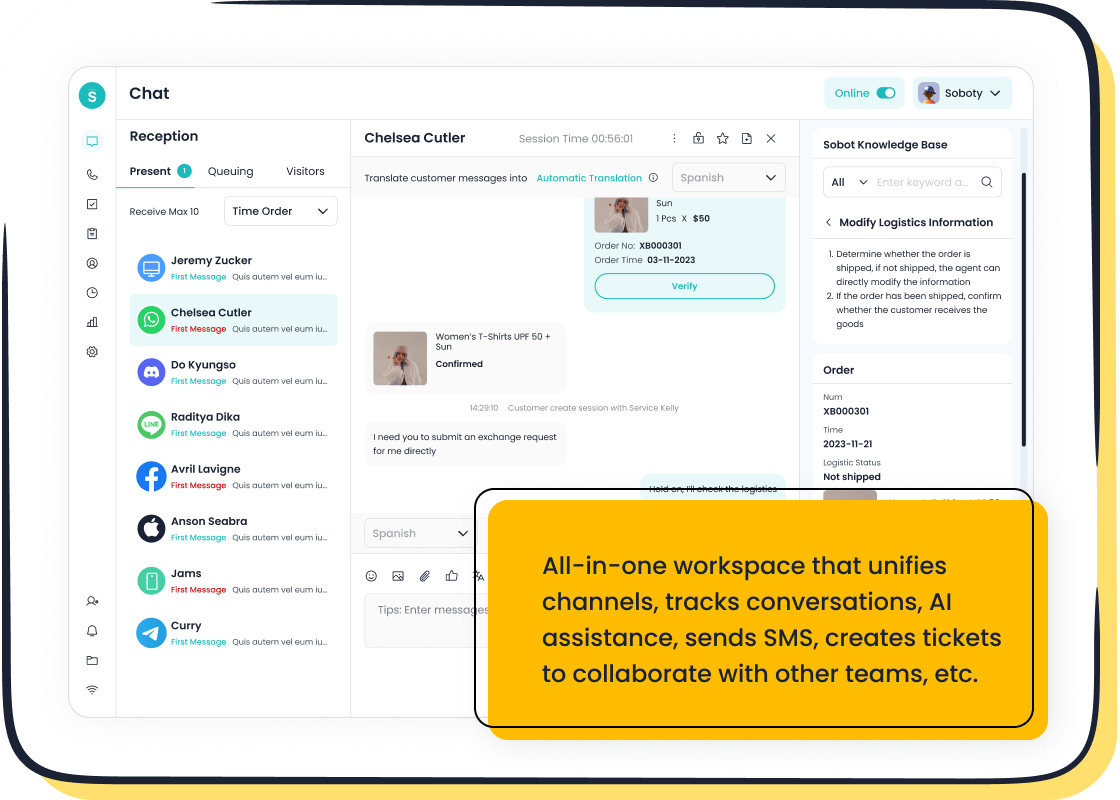
You need to choose a mobile app customer experience approach that matches how your service team works best. Today, customers use an average of nine channels to reach brands, and 61% prefer digital contact. If your mobile application offers a seamless experience, you can keep up to 91% of your customers. A strong mobile app customer experience also helps you stand out, with 44.5% of organizations seeing it as their main advantage. Sobot leads with innovation, putting you and your customers first. Consider how your mobile application meets your service goals while focusing on mobile app customer experience, app store optimization, and omnichannel support. The right mobile application approach will help you connect, engage, and retain customers.
Customer Experience Quality | Customer Retention Rate |
|---|---|
Excellent | |
Personalized & Convenient | Up to 91% |
Why Mobile App Customer Experience Matters
Impact on Customer Satisfaction
You shape the customer journey every time you interact with users through your mobile app. A strong mobile experience helps you build trust and loyalty. Users expect brands to support them anytime and anywhere. When you focus on customer experience, you create a user-centric environment that meets their needs. Personalized interfaces and effective notifications keep users engaged throughout their journey. You can see how companies like JetBlue improved retention by understanding user app usage and offering personalized services. When you centralize data and make it accessible, you help users feel valued. Over 60% of users become repeat customers after a personalized shopping experience. Retail apps use data to recommend products, while banking apps offer real-time chat support. These features make the mobile customer journey smoother and more enjoyable.
Exceptional customer support is crucial for a positive mobile experience.
Users want flexible and efficient help-desk solutions.
Personalized experiences foster loyalty and keep users coming back.
Service Team Efficiency
You boost your service team’s efficiency by investing in mobile app customer experience. Enhanced mobile apps allow real-time communication, helping users resolve issues quickly. This reduces the volume of support requests and frees your team to focus on complex problems. When users enjoy faster loading times and intuitive navigation, they return to your app instead of seeking help elsewhere. Almost 70% of users prefer chatbots for immediate answers, and 80% want the option to switch to a live agent. By integrating AI and automation, you streamline the customer journey and improve operational efficiency. Sobot’s mission is to help you unify customer interactions and optimize your mobile strategy. You can achieve higher conversion rates and extend the customer journey by making every user interaction seamless.
Real-time chat and self-service options reduce agent workload.
AI-driven tools support users and improve satisfaction.
A unified workspace helps your team manage the customer journey efficiently.
Tip: Focus on a user-centric mobile strategy to enhance customer experience and drive conversion. You will see users engage more and stay loyal throughout their journey.
Main Approaches to Mobile Experience
You have many options when you plan your mobile app development strategy. Each approach shapes the mobile app customer experience in different ways. The main types include native apps, mobile websites, adaptive websites, and hybrid apps. Understanding these options helps you choose the best path for your service team and your customers.
Type | Defining Features |
|---|---|
Native Apps | Software designed for mobile devices, providing a tailored user experience for specific operating systems. |
Mobile Websites | Websites optimized for various devices, dynamically adjusting layout and appearance for user-friendliness. |
Adaptive Websites | Websites that adjust their layout based on the device's screen characteristics, ensuring optimal readability. |
Hybrid Apps | Apps that combine elements of both native and web apps, allowing cross-platform use and faster development. |
Native Apps Overview
Native apps run directly on mobile devices. You download them from app stores like Google Play or the Apple App Store. These apps use the device’s hardware and software to deliver a smooth mobile app customer experience. Native app development lets you use features like GPS, camera, and push notifications. You can access native apps even when you do not have an internet connection. This makes them reliable for customer service teams who need to help users anytime. Native apps also give you a consistent look and feel across different devices. Many brands choose native app development to build strong connections with their users.
Advantage | Description |
|---|---|
Native apps can function without an Internet connection, providing access to services even in areas with poor connectivity, enhancing customer experience during critical moments. | |
Native Capabilities | They can utilize device-specific features like location and user data to create personalized experiences, although they may require more maintenance due to platform updates. |
Consistent User Experiences | Native apps can be optimized for various devices and screen sizes, ensuring a reliable and consistent user experience, unlike mobile websites that may face display issues. |
Specific Uses to Empower Customers | Native apps can offer tailored services that meet specific customer needs, leading to stronger brand connections and increased customer engagement, as evidenced by the high percentage of mobile media time spent on apps. |
Mobile Websites Explained
Mobile websites are easy to access. You do not need to download anything. You just open your browser and visit the site. Mobile websites adjust their layout to fit your screen, making them user-friendly. This approach works well for reaching many users quickly. Mobile websites often have fewer accessibility errors than other technologies. You can see this in the chart below, which compares average accessibility errors for different web technologies.
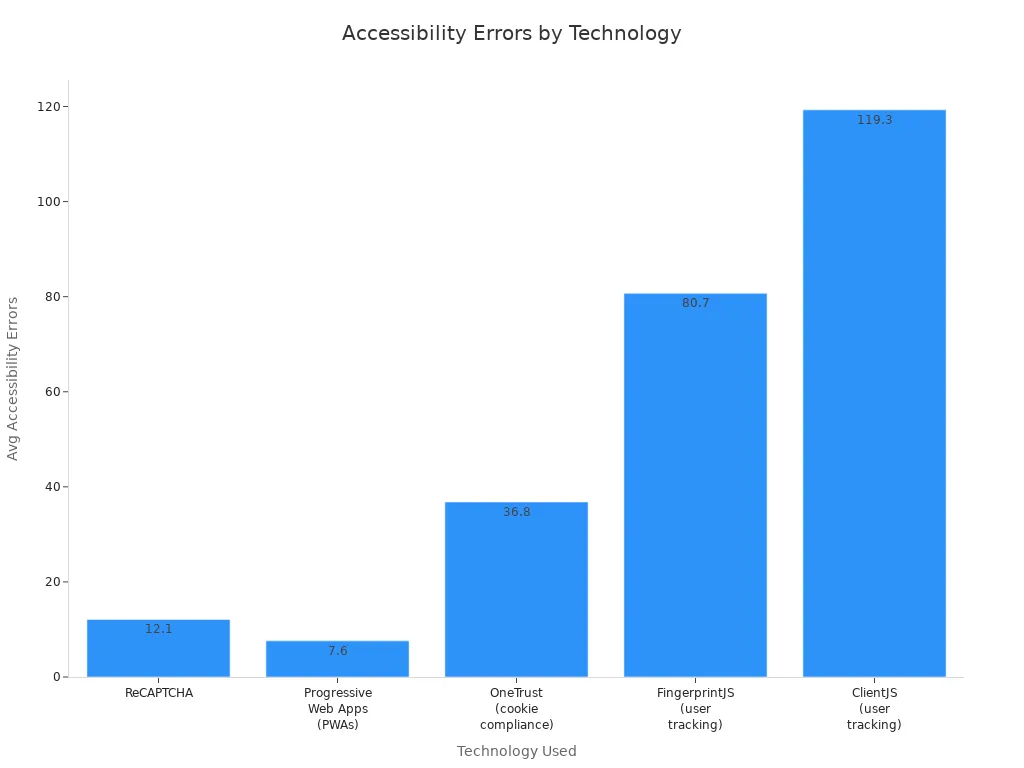
Mobile websites help you reach users who want fast answers. You can use Sobot Live Chat on your mobile website to give real-time support and improve the mobile app customer experience.
Adaptive Websites
Adaptive websites change their layout based on your device’s screen size. This means you get the best view whether you use a phone, tablet, or computer. Adaptive sites often load faster than responsive sites. They can be two to three times quicker because they only load what your device needs. This speed helps you deliver a better mobile app customer experience. Adaptive websites focus on performance and readability, which is important for service teams who want to keep users happy.
Adaptive sites can load 2-3 times faster than responsive sites, as they serve layouts specifically optimized for the user's device.
Hybrid Apps
Hybrid apps mix features from both native apps and mobile websites. You can use one codebase for different platforms, which saves time and money during mobile app development. Hybrid mobile apps are a good choice if you want to reach users on many devices without building separate apps for each one. These apps offer good user engagement and work well for content-focused services. Hybrid mobile apps are popular with startups and businesses that need to launch quickly and keep costs low. You can use Sobot Live Chat in hybrid apps to support users across all channels and improve the mobile app customer experience.
Tip: Sobot Live Chat supports all these approaches. You can add live chat to your native app, mobile website, adaptive site, or hybrid app. This helps you deliver seamless, omnichannel support and boost customer satisfaction.
Comparing User Experience and Integration
Usability for Service Teams
You want your service team to work quickly and help customers without confusion. Usability plays a big role in how well your team can support users. Each mobile app customer experience approach offers different strengths for usability.
Native apps give you a smooth user interface that feels natural on each device. You can use device features like the camera or GPS, which helps your team solve problems faster. Native apps also let you work offline, so your team can help customers even when the internet is slow or unavailable. This makes native apps a top choice for service teams that need speed and reliability.
Mobile websites are easy to access. You do not need to download anything. Your team can reach users on any device with a browser. Adaptive websites go a step further by changing their layout to fit the screen. This means your team sees a clear and readable user interface, no matter the device. Hybrid apps combine both worlds. They use one codebase for many platforms, so your team can support users on different devices with less effort.
User testing helps you see how well each approach works. You can use moderated tests to watch how your team uses the app. Unmoderated tests let you collect feedback from many users at once. These tests show where users get confused or make mistakes. They also measure how long it takes to finish tasks. When you use these insights, you can improve the user experience for your team and your customers.
Feature | Native App | Web App | Hybrid App |
|---|---|---|---|
Performance | Dependent on browser and internet | Good, but may not match native | |
Device Feature Access | Full access to device hardware | Limited access | Moderate access via plugins |
Offline Access | Generally available | Limited or none | Often available |
Compatibility | Platform-specific (iOS, Android) | Universal across devices | Broad, with some platform tweaks |
Development Cost | Higher due to platform specificity | Lower | Moderate, less than native |
Maintenance | Frequent updates required | Easier to update, centralized | Regular updates needed, fewer than native |
Internet Dependency | Low | High | Low |
User Experience | Optimal, tailored to platform | Varies, generally good | Good, aims to mimic native |
You can see that native apps lead in performance and user experience, but they cost more to build and update. Web and hybrid apps offer easier updates and wider reach, but may not feel as smooth.
Tip: Use user testing tools like Userlytics or UserTesting to find out how your team interacts with your app. These tools help you spot problems and improve the user interface for better results.
Integration with Sobot Live Chat
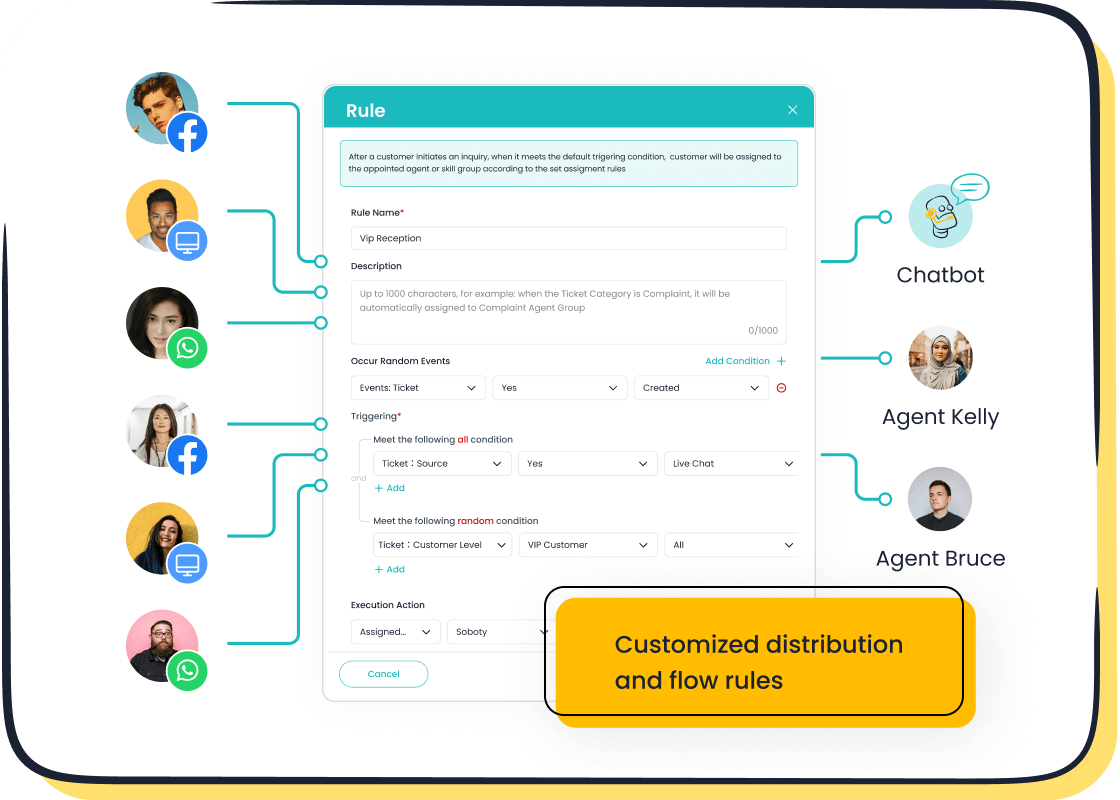
You need your service tools to work together. Integration makes your team’s job easier and improves the mobile app customer experience. Sobot Live Chat connects with all major mobile app approaches. You can add live chat to native apps, mobile websites, adaptive sites, and hybrid apps. This gives your team one place to manage all conversations.
Sobot’s unified workspace brings together chat, voice, ticketing, and AI-powered tools. Your team can switch between channels without losing track of the conversation. This seamless user experience means your agents do not waste time searching for information. Sobot’s AI Agent and chatbot handle common questions, so your team can focus on complex issues. The ticketing system keeps track of every user interaction, making follow-up easy.
Other platforms like Zendesk, Intercom, and Gorgias also offer live chat and ticketing. Sobot stands out with its all-in-one customer contact center. You get voice, live chat, chatbot, voicebot, and ticketing in one place. Sobot’s system supports over 550,000 users and handles millions of messages and calls daily, with 99.99% uptime (source). This reliability helps your team deliver fast and accurate support.
Challenge Type | Description |
|---|---|
Users may need time to learn setup and customization. | |
Interface Complexity | Some features may seem complex at first, but become easier with use. |
Customization Limits | Some advanced customizations may require extra support. |
You can rely on Sobot’s support team to help with setup and training. Sobot also offers a free trial, so you can test integration before making a decision.
Performance and Reliability
You want your mobile app customer experience to be fast and dependable. Performance and reliability affect how users feel about your service. Native apps give you the best performance. They use device hardware and run smoothly, even with many users. You can trust native apps for tasks that need speed, like voice calls or real-time chat.
Web apps and adaptive websites work well for content and e-commerce. They load quickly and are easy to update. Hybrid apps offer good performance and faster development, but may not match the speed of native apps. You can see the differences in the table below.
Factor | Web Apps | Native Apps | Hybrid Apps |
|---|---|---|---|
Installation | Browser-based | App store download | App store download |
Performance | Moderate | Excellent | Moderate to good |
Device Access | Limited | Full | Partial (plugins) |
Maintenance | Simple, centralized | Complex, per platform | Easier than native |
Best For | Content, e-commerce | Games, banking | Startups, MVPs |
Sobot’s platform ensures high reliability. You get 99.99% system stability, which means your service team can always help users. Sobot’s AI-powered tools and analytics help you spot problems before they affect users. You can track user behavior and improve the user experience based on real data.
Note: Reliable performance keeps users happy and reduces support requests. Choose the approach that matches your team’s needs and your users’ expectations.
Sobot’s unified workspace, AI Agent, chatbot, live chat, call center, voicebot, and ticketing system work together to give you a complete solution. You can deliver a strong mobile app customer experience on any platform. This helps your team work smarter and keeps your users satisfied.
Customer Engagement and Omnichannel Support
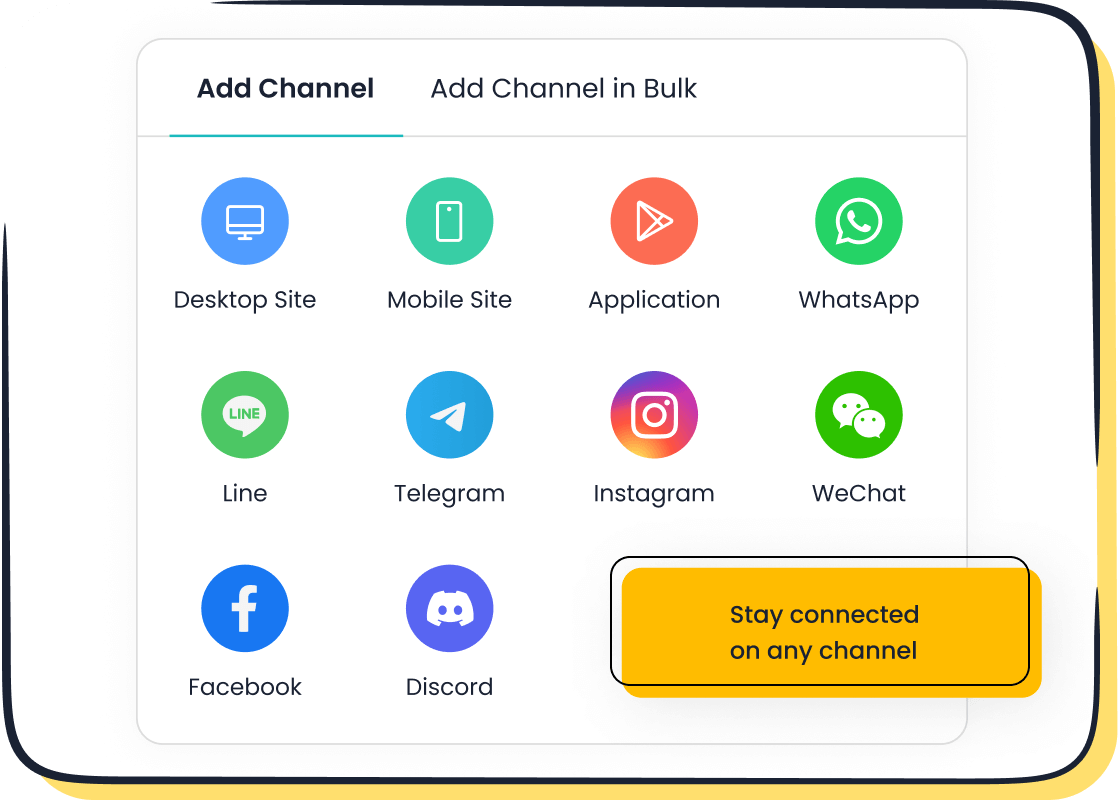
Real-Time Communication
You can boost user engagement by using real-time communication features in your mobile apps. When you send push notifications or in-app messages, you reach users instantly. This direct contact helps you share updates, promotions, or important news right away. Users feel more connected to your brand when they get quick responses. Real-time chat and messaging let you solve problems fast, which increases satisfaction. Many businesses see higher engagement because users get answers without delay. If you rely only on phone or email, you miss chances to connect. Mobile apps with chatbots and live chat help you resolve issues quickly and keep users happy.
Personalization and Analytics
Personalization makes users feel special. You can use mobile analytics to learn what your users like and need. When you send personalized recommendations or offers, you increase engagement and loyalty. Many users want shopping experiences that match their interests. In fact, 80% of customers prefer brands that offer personalized experiences. Over 60% will spend more if you customize their journey. You can use push notifications to share rewards or special deals. Mobile apps help you track user actions and improve your service. When you use analytics, you see what works and make better decisions for retention.
Mobile apps allow real-time communication and personalized offers.
Push notifications about rewards and special deals increase engagement.
Loyalty programs in apps use customer data to make promotions more relevant.
Case Study: OPPO and Sobot
OPPO improved its customer engagement by working with Sobot. The company used Sobot’s chatbot and ticketing system to handle more requests and give faster answers. OPPO also used Sobot to connect all its customer channels. This made the customer journey smooth and easy. Here are some results from OPPO’s partnership with Sobot:
KPI | Outcome |
|---|---|
Resolution Rate | 83% |
Positive Sentiment | 94% |
Annual Cost Savings | $1.3 million |
You can see how Sobot’s solutions help brands deliver a seamless mobile app customer experience. OPPO’s story shows that strong engagement and smart tools lead to better results.
Choosing the Right Mobile Apps Approach
Assessing Team and Customer Needs
You need to start by understanding what your service team and customers expect from mobile apps. Collect user feedback from reviews, comments, and app ratings. This helps you improve the customer journey and support. Measure support efficiency using metrics like CSAT, First Response Time, and Resolution Time. Find the right balance between automation and human interaction. You can use a table to organize your assessment:
Criteria | Description |
|---|---|
User Feedback | Gather insights from customer reviews and ratings to enhance support. |
Support Efficiency Metrics | Track CSAT, response times, and resolution times to optimize resources. |
Balance Automation & Human | Mix automated responses with human support for better satisfaction. |
Regularly measuring these factors helps you identify areas for improvement in the customer journey. You can use this information to make your mobile apps more effective.
Aligning with Business Goals
You should align your mobile apps strategy with your business goals. This improves the customer journey and boosts service team performance. Personalized dashboards and push notifications increase engagement. Mobile apps streamline operations and reduce manual tasks. Real-time data access helps your team make faster decisions. When you match your mobile apps approach to your goals, you create a smoother journey for your customers and agents.
Aligning mobile apps with business goals increases engagement.
Streamlined operations improve response times and efficiency.
Real-time data access supports better decision-making.
Industry leaders measure ROI by tracking customer retention rates, lifetime value, repeat purchases, and app engagement scores. Even a small increase in retention can lead to big profit gains.
Implementation Steps with Sobot
You can implement your chosen mobile apps approach with Sobot’s support. Sobot offers integration with popular systems like Amazon, Walmart, Shopify, and Salesforce. You get flexible APIs for easy integration. Sobot provides a free trial and demo so you can test features before committing. You can follow these steps:
Assess your team and customer needs.
Align your mobile apps strategy with business goals.
Choose the best approach for your customer journey.
Integrate Sobot Live Chat and other tools.
Monitor performance and update based on feedback.
You may face challenges like technical complexities, user experience design, security, and continuous updates. Sobot’s support team helps you overcome these hurdles. You can rely on Sobot for ongoing maintenance and improvements, ensuring your mobile apps deliver a seamless customer journey.
Tip: Use Sobot’s free trial to explore integration options and optimize your mobile app customer experience.
You improve long-term customer satisfaction and business outcomes when you select the right mobile app customer experience approach. Companies like Starbucks and Tesla have seen higher engagement and loyalty by focusing on seamless mobile journeys. Sobot helps you deliver secure, omnichannel support and boosts sales by 25%. You can establish clear support pathways, balance automation with personal touch, and measure key metrics. Explore Sobot Live Chat or request a demo to optimize your mobile app customer experience.
Sobot Advantage | Impact |
|---|---|
Data Protection Policies | Safeguards customer data |
Omnichannel Strategies | |
Complaint Reduction | 30% fewer complaints |
FAQ
What is mobile app customer experience?
Mobile app customer experience describes how users feel when they use your app. You improve this by offering fast support, easy navigation, and personalized features. Sobot helps you boost satisfaction with real-time chat and AI tools.
How does Sobot Live Chat enhance mobile app customer experience?
You use Sobot Live Chat to connect with customers on websites, apps, and social media. The platform offers omnichannel support, quick responses, and AI-powered tools. These features help you increase conversion rates and improve mobile app customer experience.
Which approach works best for service teams?
You choose native apps for speed and offline access. Mobile websites offer easy entry. Hybrid apps save time and money. Sobot supports all approaches, helping you deliver a seamless mobile app customer experience across every channel.
Can you track and improve mobile app customer experience with Sobot?
You use Sobot’s built-in analytics to monitor over 150 indicators. The platform provides customizable reports. You spot trends and make changes to improve mobile app customer experience and boost customer loyalty.
Is there a free trial for Sobot Live Chat?
You can try Sobot Live Chat for free. Visit the official website to start your trial. Test features and see how Sobot improves your mobile app customer experience before making a decision.
See Also
How AI-Powered Agents Are Transforming Customer Support
Comparing The Leading Voice Of Customer Solutions Today
Ten Effective Ways To Improve Live Chat Satisfaction
Ways AI Service Software Enhances Customer Support Efficiency

