Top AI Customer Service Metrics for US Brands

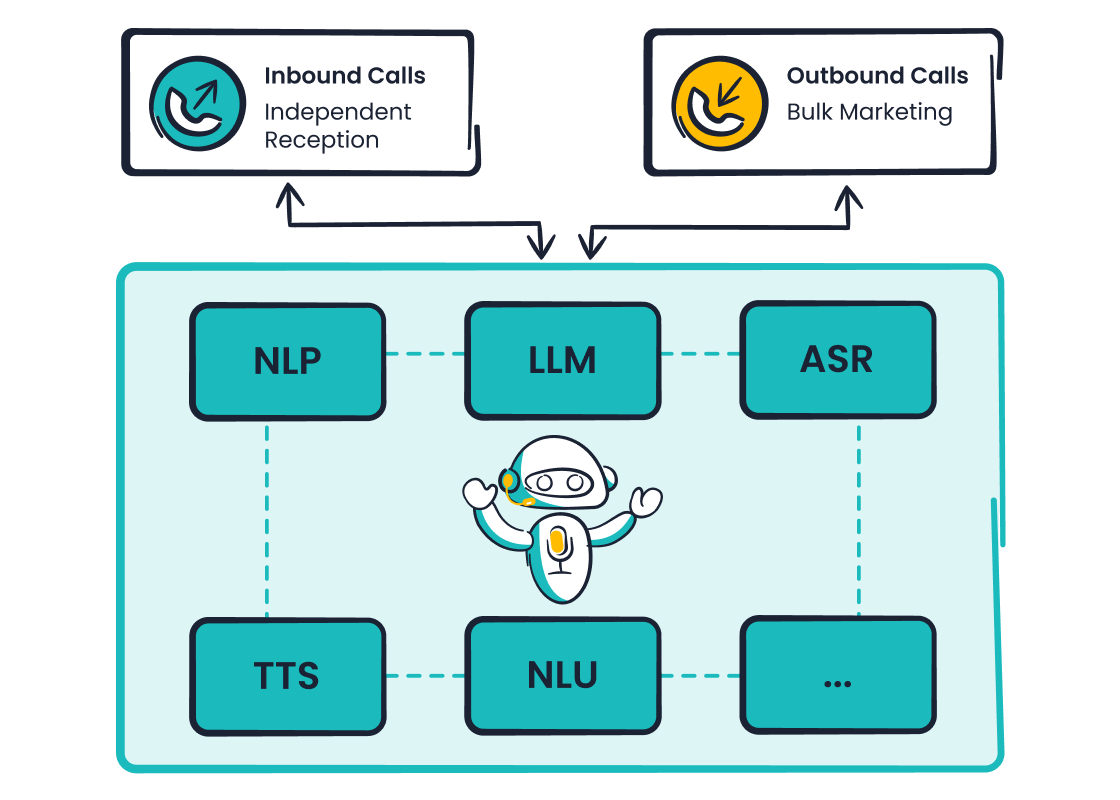
The future of AI in customer service demands new benchmarks. Key indicators for 2026 include Predictive Customer Satisfaction (P-CSAT), AI-Driven Resolution Rate, and Emotional Resonance Score. A business must adopt these forward-looking metrics to evaluate AI customer service USA. This innovation helps a business navigate future AI trends. The right analytics are crucial for any business. These AI trends show massive growth potential.
- Gartner projects contact center labor savings will reach $80 billion by 2026.
- The firm also expects 10% of agent interactions to be fully automated.
This business innovation requires powerful analytics. The future depends on understanding these AI trends. Sobot provides all-in-one contact center solutions. The Sobot call center uses Sobot AI and advanced analytics, helping a business implement these metrics and master future AI trends.
Metric 1: Predictive Customer Satisfaction (P-CSAT)
What Is P-CSAT?
Predictive Customer Satisfaction (P-CSAT) is an advanced metric that forecasts customer satisfaction levels. It uses AI to analyze interactions in real-time. This innovation moves beyond traditional, reactive surveys. A business can instead anticipate customer sentiment before a conversation even ends. The model relies on several key components to function.
- AI Technologies: It uses Natural Language Processing (NLP) and Large Language Models (LLMs) to understand conversation nuances.
- QA Rubrics: A structured tool assesses interactions against behavioral standards that predict satisfaction.
- Proprietary Formulas: A unique formula integrates various data points into a cohesive predictive score.
This approach provides a dynamic view of the customer experience, a core element of future AI trends.
Why It Matters: P-CSAT and 2026 AI Trends
P-CSAT is critical for any business aiming to lead in 2026. Its primary value lies in enabling proactive outreach. Predictive analytics tools analyze data to forecast potential issues. This allows a business to address concerns before they escalate, a key differentiator in a crowded market. This capability is central to emerging AI trends.
Proactive Intervention: Instead of waiting for a negative review, a business can receive an alert about a potentially unhappy customer mid-conversation. This allows a manager to intervene, offer a solution, or escalate the issue to prevent a poor experience. This is a powerful innovation for customer retention.
This strategy directly addresses future AI trends focused on personalization and pre-emptive support. It helps a business build loyalty and trust.
How to Measure Predictive Satisfaction
Measuring P-CSAT requires sophisticated analytics and diverse data inputs. An effective model synthesizes information from multiple sources to create its predictions. These sources often include:
- ASR-generated call transcripts
- Sentiment scores from text and voice
- Raw audio features (tone, pitch)
- Historical customer survey responses
A business needs a powerful platform to unify and process this information. The right analytics engine is essential for this task. Platforms like Sobot's Omnichannel Solution provide the integrated analytics necessary for robust P-CSAT models. They consolidate multi-channel data into a single view. This allows the AI to identify patterns that signal satisfaction risks. The future of customer service analytics depends on this level of integration. These AI trends empower every business to turn data into a competitive advantage.
Metric 2: AI-Driven First Contact Resolution (FCR)
Defining AI-FCR
AI-Driven First Contact Resolution (AI-FCR) measures the percentage of customer inquiries resolved entirely by conversational AI on the first attempt. This metric is a crucial innovation for the future. It goes beyond traditional FCR, which often includes human agents. AI-FCR specifically tracks the success of automated systems. A high score means the conversational AI successfully understood, addressed, and closed an issue without needing to escalate to a person. This is a core goal for any business investing in automation and a key indicator of future AI trends.
The Impact on Efficiency and CX
A high AI-FCR directly improves the customer experience and boosts operational efficiency. When conversational AI resolves issues instantly, a business sees lower operational costs and a reduced agent workload. This allows human agents to focus on more complex and valuable interactions.
America’s largest online Asian supermarket, Weee!, provides a powerful example. By implementing Sobot's voice product, the business reduced its resolution time by 50%, a direct indicator of improved FCR.
This efficiency also benefits employees. AI-powered tools like Sobot's Chatbot and Voicebot reduce the mental strain of multitasking for agents. This automation handles repetitive queries, which lowers agent stress and burnout. This focus on agent well-being is one of the most important AI trends. A supported team delivers a better customer experience, creating a positive cycle for the entire business. The future of service depends on this human-AI synergy.
Measuring AI-Driven Resolution
Measuring AI-FCR requires specific analytics that can distinguish between automated and human-assisted resolutions. A business cannot rely on simple ticket closure data. Instead, the analytics must track the entire interaction path. Key data points include:
- Containment Rate: The percentage of interactions handled exclusively by the AI.
- Zero-Reply Tickets: Automated interactions that do not generate a follow-up query from the customer.
- Post-Chat Surveys: Feedback collected immediately after an AI-only interaction confirms resolution.
Effective measurement requires a platform with robust analytics capabilities. This is a vital part of modern AI trends. A business needs clear data to understand if its conversational AI investment is delivering results, a key component of future AI trends.
Metric 3: Emotional Resonance and Empathy Score

What Is an Empathy Score?
An Empathy Score is a metric that quantifies the emotional connection and understanding within a customer service interaction. This goes beyond simple problem resolution. It measures how well a brand representative, human or AI, connects with a customer on an emotional level. A business can use this data to gauge the quality of its service. The score is derived from powerful analytics that assess several factors.
- AI systems analyze voice intonations, pauses, and speech patterns to identify emotional states.
- The technology uses natural language processing (NLP) to evaluate word choice and sentiment.
- It measures customer sentiment by assessing voice pitch, volume, and the length of silences.
These analytics provide a deep understanding of the customer's true feelings during an interaction.
Why Empathy Differentiates Brands
In an increasingly automated world, empathy is a powerful differentiator. Customers want to feel heard and understood. A business that delivers empathetic, personalized experiences builds stronger loyalty. This focus on human connection is one of the most important ai trends for the future. Top US brands like USAA, Patagonia, and Costco Wholesale already lead in this area.
These companies have succeeded by seamlessly blending technology with genuine human connection. For them, empathy has emerged as a crucial distinguishing factor that secures customer trust and repeat business.
This approach shows that the future of customer service is not just about speed but also about quality and connection.
How to Quantify Emotional Resonance
Quantifying emotion requires sophisticated conversational ai and deep analytics. This is possible through advanced platforms like Sobot's Voicebot. This technology uses powerful NLP and Large Language Models (LLM) to analyze speech patterns and emotional cues in real time. The conversational ai can then adjust its tone and language to provide a more human-like, empathetic response.

This capability is central to one of the most critical ai trends for 2026: building trust in AI. An empathetic AI is a more trustworthy AI. When a business deploys technology that understands and responds to human emotion, it breaks down barriers and encourages user adoption. These ai trends show that effective analytics are key to creating a better customer journey. A business must invest in these ai trends to prepare for the future.
Key Metrics to Evaluate AI Customer Service USA: Containment & Escalation

Defining Containment and Escalation
Containment and escalation are two fundamental metrics to evaluate ai customer service usa. They measure the effectiveness of automation.
- Containment Rate: This metric shows the percentage of interactions an AI resolves without any human help. A high containment rate means the chatbot or voicebot is successfully handling customer issues on its own.
- Escalation Rate: This metric tracks how often an AI transfers an interaction to a human agent. It is the percentage of total interactions that require human intervention.
Understanding these numbers is vital for any business adopting automation. These ai trends help a business gauge AI performance and efficiency.
Balancing Automation and Human Support
A successful AI strategy is a strategic balancing act. The goal is not 100% containment. Instead, a business should aim for intelligent escalation. AI should handle common queries, while humans manage complex or emotional issues like billing disputes. This approach reflects key ai trends focused on optimizing the customer journey.
A smart escalation is not a system failure. It is a feature. It shows the AI can recognize its limits and find the best resource for the customer. This builds trust and improves satisfaction.
Sobot’s philosophy centers on this seamless human-AI collaboration. The system is designed to make escalations smooth and contextual. This ensures the customer never feels stuck. A business that masters this balance turns its contact center into a competitive advantage, which is one of the most important ai trends. These are essential metrics to evaluate ai customer service usa.
How to Track Containment Rates
Tracking containment requires a platform that can follow the entire interaction path. A business calculates the containment rate with a simple formula:
(Interactions resolved by AI / Total AI interactions) x 100
Industry benchmarks show what is possible. For e-commerce, a typical containment rate is 70-80%, while leading performers reach 89-92%. Achieving this requires powerful analytics. These are critical metrics to evaluate ai customer service usa. Platforms like Sobot’s integrated solution provide the necessary tools. The system allows a business to easily track interaction paths and tag escalation reasons. This provides clear data on AI performance and highlights areas for improvement. Following these ai trends is crucial for future success. This data helps refine AI responses, aligning with forward-thinking ai trends.
Metric 5: Task Completion and User Effort Score
Defining Task and Effort Metrics
Task Completion Rate (TCR) and User Effort Score (CES) are metrics that measure customer success and ease. TCR calculates the percentage of users who successfully finish a specific task. CES measures how much effort a customer had to exert to get their issue resolved. For a modern conversational ai, these tasks often include:
- Tracking an order or checking its status
- Updating account information or changing a password
- Automating ticket creation for a complex issue
- Getting answers for basic product troubleshooting
A high TCR and a low CES show that the AI is effective and easy to use. These metrics provide direct insight into the performance of a business's automated systems.
The Link Between Effort and Loyalty
Low effort builds customer loyalty. When a business makes it easy for customers to solve problems, those customers are more likely to return. The data on this is clear and compelling.
Research from Gartner shows that 94% of customers with low-effort interactions plan to repurchase from a brand. In stark contrast, 96% of customers who experience a high-effort interaction become more disloyal, increasing the risk they will switch to a competitor.
This direct link between effort and loyalty is a powerful business driver. The online supermarket Weee! achieved a 96% customer satisfaction score after implementing Sobot's solutions, a result that stems directly from making it easier for customers to complete their tasks and find resolutions quickly.
How to Measure User Success
A business measures user success by tracking interaction paths and outcomes. Success is not just about closing a ticket. It is about whether the conversational ai helped the customer achieve their goal without friction. Modern platforms can now predict effort by analyzing 100% of interactions for signs of struggle, like repeated questions or negative sentiment.
Creating a low-effort experience starts with design. This is where a platform’s tools become critical. For example, Sobot's Voicebot includes a no-code visual flow builder. This feature allows a business to design intuitive and logical conversation paths from the ground up. By carefully mapping out the customer journey, a company can anticipate needs, remove unnecessary steps, and guide users to a successful resolution. This proactive design directly minimizes user effort and boosts task completion rates.
The future of customer service is here. Businesses must adopt new metrics to evaluate ai customer service usa. These include P-CSAT, AI-FCR, Empathy Score, Containment/Escalation, and Task Completion. Mastering these ai trends is essential for the future. Partner with an experienced provider like Sobot to implement these advanced analytics. This partnership turns your contact center into a competitive advantage, preparing your business for the future of ai in customer service and aligning with emerging ai trends.
Embark on Your Contact Journey.
FAQ
Why are new AI metrics necessary?
Traditional metrics do not capture AI's full impact. New metrics like P-CSAT offer a forward-looking view. They help a business proactively manage the customer experience and improve its AI customer service evaluation.
How does Sobot help track these metrics?
Sobot's Omnichannel Solution unifies data from all channels. Its integrated analytics engine provides the tools a business needs to measure advanced metrics like AI-FCR and Emotional Resonance, simplifying AI customer service evaluation.
What is the first step for a business?
A business should first define its goals for automation. It must identify which metrics align with its objectives. Partnering with a provider like Sobot helps a business create a clear strategy for implementation.
How can a business improve its AI customer service evaluation?
A business improves its AI customer service evaluation by focusing on user outcomes. It should use platforms with strong analytics to track metrics like Task Completion Rate and User Effort Score, ensuring the AI is effective.
See Also
Comparing Leading Voice of Customer Software Solutions for Your Business
Leading AI Tools Revolutionizing Enterprise Contact Center Solutions Today
The 10 Best Customer Service Software Platforms for 2024
Boosting Efficiency: The Impact of AI on Customer Service Software
Discover the 10 Best Voice of the Customer Software for 2024

