Tips to Get the Best Out of Free Trials


Free trials give you a risk-free way to explore tools like Sobot’s Voice/Call Center. They let you test the waters without committing financially. To make the most of a customer service free trial, set clear goals and focus on your business needs. A plan ensures you uncover its true value.
Understanding the Customer Service Free Trial
Importance of Reading Terms and Conditions
When you sign up for a free trial, the terms and conditions might feel like a boring wall of text. But skipping them can lead to surprises later. These terms explain what you’re agreeing to, including how the trial works and what happens when it ends. For example, some trials might limit access to premium features or restrict usage to a specific number of users. Knowing these details upfront helps you avoid misunderstandings and ensures you’re fully prepared to evaluate the product.
Take Sobot’s Voice/Call Center as an example. Its free trial offers access to key features like intelligent IVR and AI-powered voicebots. By reviewing the terms, you’ll know exactly what’s included and how to make the most of it. This step is crucial for understanding the offer and aligning it with your business needs.
Knowing the Trial Duration and Limitations
Every free trial has an expiration date, and knowing it is essential. Some trials last a week, while others extend to a month or more. The longer you have, the better you can explore the product. However, trials often come with limitations, such as restricted access to advanced tools or a cap on usage. These constraints are designed to give you a taste of the product without revealing everything.
Studies show that the longer you use a product during a free trial, the more likely you are to purchase it. This is why understanding the offer is so important. With Sobot’s customer service free trial, you can test features like call tracking and smart call routing to see how they fit your workflow. Knowing the trial’s scope ensures you focus on what matters most to your business.
Checking for Automatic Renewals or Payment Obligations
Automatic renewals can catch you off guard if you’re not careful. Many companies require credit card details upfront, and if you forget to cancel, you might get charged. Always check if the trial includes automatic billing and set a reminder to cancel if needed. Also, watch out for hidden costs like shipping fees or additional charges that might make the trial less “free” than it seems.
Here’s a quick checklist to stay on top of things:
- Verify if the trial requires payment details upfront.
- Look for renewal notices and confirm their legitimacy.
- Set calendar reminders to cancel before the trial ends.
By staying vigilant, you can avoid unexpected charges and focus on understanding the offer. Sobot’s free trial, for instance, is transparent about its terms, ensuring you can explore its features without worrying about hidden fees.
Setting Goals and Priorities for Your Free Trial
Identifying Your Business Needs and Pain Points
Before diving into a free trial, take a moment to reflect on your business challenges. What’s holding you back? Are you struggling with inefficient tools, slow processes, or unresponsive customer support? These are common pain points businesses face during their customer service journey. For example:
- Financial Pain Points: You might feel the cost of a solution outweighs its value.
- Productivity Pain Points: Inefficient tools could be wasting your team’s time.
- Process Pain Points: Poor onboarding or fragmented systems may frustrate your customers.
- Support Pain Points: Unresponsive support can lead to dissatisfaction.
To uncover these issues, consider conducting surveys, analyzing customer reviews, or directly asking your team for feedback. Once you identify your needs, you’ll know exactly what to focus on during the trial period.
Defining Success Metrics for the Trial
How will you know if the free trial is worth it? By setting clear goals and defining success metrics. These metrics help you measure the product’s impact on your business. Here are a few examples:
| Metric | Description |
|---|---|
| Free Trial Sign-Up Rate | Percentage of visitors who complete the sign-up process for a free trial. |
| Customer Acquisition Cost | Average cost incurred to acquire a new customer, including marketing and sales expenses. |
| Time to Value | Duration for a new user to realize the value of the product after signing up. |
| Customer Activation Rate | Percentage of new users who reach a key activation milestone, indicating effective onboarding. |
For instance, if you’re testing Sobot’s Voice/Call Center, you might track how quickly your team adapts to features like intelligent IVR or AI-powered voicebots. These metrics will guide your evaluation and help you decide if the product aligns with your goals.
Prioritizing Features or Services to Test
Not all features are created equal. Some will have a bigger impact on your business than others. To make the most of your free trial, prioritize the features that address your biggest challenges. Use frameworks like RICE (Reach, Impact, Confidence, Effort) or the Value vs Effort matrix to rank features based on their potential ROI.
For example, if your team struggles with call management, focus on testing Sobot’s smart call routing and unified workspace. If customer satisfaction is your priority, explore the AI-powered voicebot to see how it handles real-world scenarios. By focusing on high-impact features, you’ll get a clearer picture of the product’s value.
Tip: Actively listen to your team’s feedback during the trial. Their insights can help you identify which features truly make a difference.
Exploring Features and Tools Thoroughly

Testing Core Functionalities of Sobot's Voice/Call Center

When you start a free trial, the first thing you should do is dive into the core functionalities. These are the backbone of the product and often the features you’ll use the most. For Sobot’s Voice/Call Center, this means exploring tools like intelligent IVR, smart call routing, and call tracking.
Begin by testing how the intelligent IVR handles incoming calls. Does it route calls efficiently to the right agents or teams? Try customizing the IVR menus to match your business needs. Next, check out the smart call routing feature. It automatically directs calls based on predefined workflows, saving time and reducing errors. Finally, use the call tracking tool to analyze call data. This feature provides insights into customer behavior and helps you identify areas for improvement.
These core functionalities are designed to streamline your operations and improve customer satisfaction. By focusing on them during the trial period, you’ll get a clear picture of how the product fits into your workflow.
Experimenting with Advanced Features like AI-Powered Voicebot
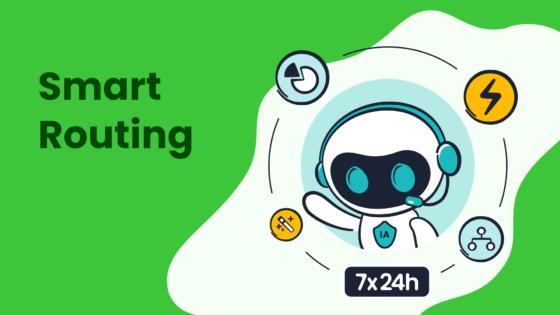
Once you’ve mastered the basics, it’s time to explore advanced features. Sobot’s AI-powered voicebot is a standout tool that can transform your customer service experience. This voicebot uses intelligent interaction and intent recognition to handle customer inquiries seamlessly.
Test the voicebot by simulating real-world scenarios. For example, ask it common customer questions or create complex queries to see how it responds. Does it provide accurate answers? Can it handle multiple languages or adapt to different accents? These are critical aspects to evaluate.
The AI-powered voicebot isn’t just about answering questions—it’s about enhancing efficiency. It reduces the workload on your agents by handling repetitive tasks, allowing them to focus on more complex issues. This feature is especially valuable for businesses with high call volumes or diverse customer bases.
Using the Product in Real-World Scenarios

A free trial is your chance to see how the product performs in real-world situations. Don’t limit yourself to hypothetical tests—use the tools in your daily operations. For instance, deploy Sobot’s Voice/Call Center during peak hours to evaluate its stability and scalability.
Real-world usage often reveals insights that controlled tests can’t. Observational studies show that products may perform differently in practice compared to controlled environments. This is why it’s essential to test features like bulk outbound tasks or global number availability under actual conditions.
For example, if your team handles international calls, test the global number availability feature. Does it provide seamless connectivity across time zones? Similarly, use the monitoring and analysis tools to track call performance and identify trends. These insights can guide your decision-making and help you assess the product’s long-term value.
By exploring features and functionality in real-world scenarios, you’ll bridge the gap between trial efficacy and everyday effectiveness. This approach ensures you make an informed decision about whether the product meets your business needs.
Engaging with Customer Support During the Trial

Testing Responsiveness of Support Channels
During the trial period, you’ll want to test how quickly and effectively customer support responds to your inquiries. Start by reaching out through different channels like email, live chat, or phone. This helps you gauge their availability and response times. For example, if you’re using Sobot’s Voice/Call Center, try contacting their support team during peak hours to see how they handle high demand.
Pay attention to how long it takes to get a reply. Do they respond within minutes or hours? A study by SuperOffice found that 62% of companies don’t respond to customer emails at all. You don’t want to end up with a service that leaves you hanging. Sobot’s customer support is known for its reliability, so use this opportunity to confirm their reputation firsthand.
Tip: Keep track of response times and note how well the team resolves your issues. This data will help you decide if the service meets your expectations.
Asking Questions About Features and Use Cases
A free trial is your chance to ask questions and learn everything you can about the product. Don’t hesitate to reach out to customer support for clarification on features or use cases. For instance, if you’re exploring Sobot’s AI-powered voicebot, ask how it handles multilingual queries or adapts to different accents.
You can also inquire about integration options. Does the product work seamlessly with your existing CRM system? Sobot’s support team can guide you through these details, ensuring you understand how the tools fit into your workflow.
Pro Tip: Prepare a list of questions before contacting support. This keeps the conversation focused and ensures you get the answers you need.
Evaluating the Quality of Support Provided by Sobot
The quality of customer support can make or break your experience with a product. During the trial period, evaluate how well the support team understands your needs. Are they knowledgeable about the product? Do they offer practical solutions or just generic advice?
Sobot’s customer support stands out for its expertise and dedication. Their team doesn’t just answer questions—they provide actionable insights to help you maximize the product’s value. For example, if you’re struggling with call tracking, they might suggest ways to use the feature for better customer insights.
Note: A good support team doesn’t just solve problems; they empower you to use the product effectively. Sobot’s support team excels in this area, making them a valuable resource during your free trial.
Evaluating and Deciding Post-Trial
Assessing How Well the Product Met Your Goals
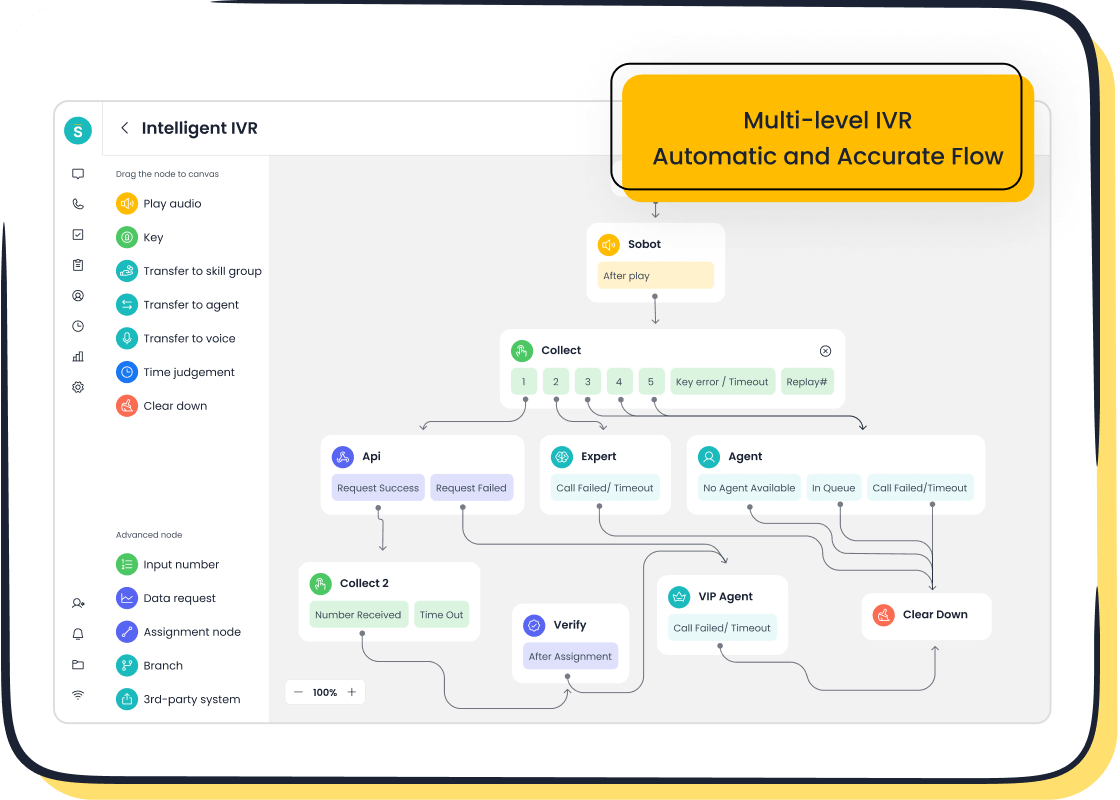
Once the trial period ends, it’s time to reflect on how well the product met your expectations. Start by revisiting the goals you set before the trial. Did the product address your business needs and solve your pain points? For example, if you wanted to improve call management, did features like Sobot’s smart call routing and intelligent IVR make a noticeable difference?
Use a structured approach to evaluate the product’s performance. Multi-Criteria Decision Analysis (MCDA) frameworks can help you score and weigh the product against your goals. For instance, you might assign scores to criteria like ease of use, feature effectiveness, and customer satisfaction. Then, calculate an overall score to see how the product stacks up.
Also, consider value-for-money assessments. Did the product deliver enough benefits to justify its cost if you were to upgrade to a paid plan? For example, Sobot’s AI-powered voicebot reduces agent workload by handling repetitive tasks. If this feature saved your team hours of work, it’s a clear indicator of value.
Tip: Involve your team in this evaluation. Their feedback on how the product impacted their workflow can provide valuable insights.
Comparing the Trial Experience with Competitors
To make an informed decision, compare your trial experience with other options you’ve explored. Look at factors like ease of setup, feature performance, and customer support quality. Did the product stand out in any specific area? For example, Sobot’s Voice/Call Center offers a 99.99% uptime and global number availability, which are critical for businesses with international operations.
You can also use scoring and weighting methods to compare alternatives. Assign scores to each product based on your priorities, such as integration capabilities or advanced features like AI-powered tools. Then, weigh these scores to determine which product aligns best with your needs.
Don’t forget to consider the overall user experience. Was the interface intuitive? Did the customer support team provide timely and helpful responses? Sobot’s support team, for instance, is known for its expertise and quick problem resolution. These factors can significantly influence your decision.
Note: Keep your comparison focused on what matters most to your business. A product that excels in areas irrelevant to your needs might not be the best choice.
Deciding Whether to Continue with a Paid Plan
After evaluating the product and comparing it with competitors, you’ll need to decide whether to upgrade to a paid plan. Ask yourself these questions:
- Did the product meet or exceed your expectations during the free trial?
- Will it help you achieve long-term business goals?
- Does the pricing align with your budget and the value it provides?
If the answer to these questions is yes, moving forward with a paid plan could be a smart investment. For example, Sobot’s Voice/Call Center offers scalable solutions that grow with your business. Its features, like bulk outbound tasks and real-time monitoring, can enhance efficiency and customer satisfaction.
However, if you’re unsure, consider reaching out to the product’s sales team. They can provide additional insights or even extend the trial period to help you make a confident decision.
Pro Tip: Look for flexible pricing models. Sobot’s economic SaaS rental model, for instance, ensures you only pay for what you need, making it a cost-effective choice for businesses of all sizes.
Maximizing a free trial starts with clear goals and a plan. Dive into the features, test them in real-world scenarios, and engage with customer support. These steps help you uncover the product’s true value. Companies like Netflix and Slack have shown how free trials improve personalization and user satisfaction.
Sobot’s Voice/Call Center free trial offers tools like intelligent IVR and AI-powered voicebots to enhance your customer service. Use this opportunity to see how it fits your business needs. A well-used trial can lead to better decisions and long-term success. Don’t miss out—explore Sobot’s free trial today!
FAQ
What happens if I forget to cancel my free trial?
If you forget to cancel, many trials automatically renew into paid plans. Sobot’s free trial, however, is transparent, so you’ll know exactly when it ends.
Tip: Set a calendar reminder to avoid surprises!
Can I access all features during Sobot’s free trial?
Yes, Sobot’s free trial lets you explore key features like intelligent IVR, AI-powered voicebots, and call tracking. It’s designed to showcase the product’s full potential.
How can I make the most of Sobot’s free trial?
Focus on your business needs. Test features like smart call routing in real-world scenarios. Engage with Sobot’s support team for tips and best practices.
Pro Tip: Use the trial during peak hours to evaluate its scalability and stability.
See Also
Enhance Customer Satisfaction With These 10 Live Chat Tips
Essential Tips for Achieving Success in Depop Live Chat
Comparing Free and Paid Voice Over Software Choices
Selecting Top Chat Software Options for 2024: A Guide
10 Essential Tips for Selecting Social Media Support Software

