How to Master Retail Customer Service Skills in 2025


Retail customer service skills have never been more critical than they are in 2025. Why? Because customers expect more than ever. Did you know 93% of customer service teams agree expectations have skyrocketed? And here’s the kicker—70% of customers stop buying from brands after poor service. Technology also plays a huge role. With 80% of consumers spending more on personalized experiences, tools like Sobot’s intelligent solutions help businesses stay ahead. If you want to thrive, mastering these skills is your ticket to happier customers and stronger business growth.
Why Retail Customer Service Skills Are Crucial in 2025
The Impact of Excellent Customer Service on Business Growth
In 2025, excellent customer service is more than just a "nice-to-have"—it’s a business necessity. Why? Because how you treat your customers directly impacts your bottom line. Studies show that 70% of buying decisions hinge on how customers feel they’re treated. And here’s a game-changer: customers who experience great service spend 140% more than those who don’t.
Let’s break it down further:
| Evidence Description | Statistic/Fact |
|---|---|
| 70% of buying decisions are based on customer treatment. | Better service = bigger revenue. |
| Acquiring a new customer costs 5-7 times more than retaining an existing one. | Exceptional service leads to lower churn and higher renewal rates. |
| Great service acts as free marketing through referrals and positive reviews. | It drives new sales without increasing ad spend. |
| Customers receiving great service spend 140% more than those with bad experiences. | This highlights the financial impact of customer service quality on revenue. |
When you deliver good customer service, you’re not just solving problems—you’re building loyalty. Loyal customers are more likely to refer others, which means free marketing for your business. In fact, referred customers convert 3-5x more often than others. That’s why investing in retail customer service is one of the smartest moves you can make.
Adapting to Changing Customer Expectations in Retail
Customer expectations are evolving faster than ever. Today’s shoppers want convenience, personalization, and sustainability. For instance, 83% of U.S. online shoppers now expect free shipping, while 58% are willing to pay more for eco-friendly products.
Here’s a quick snapshot of what’s trending:
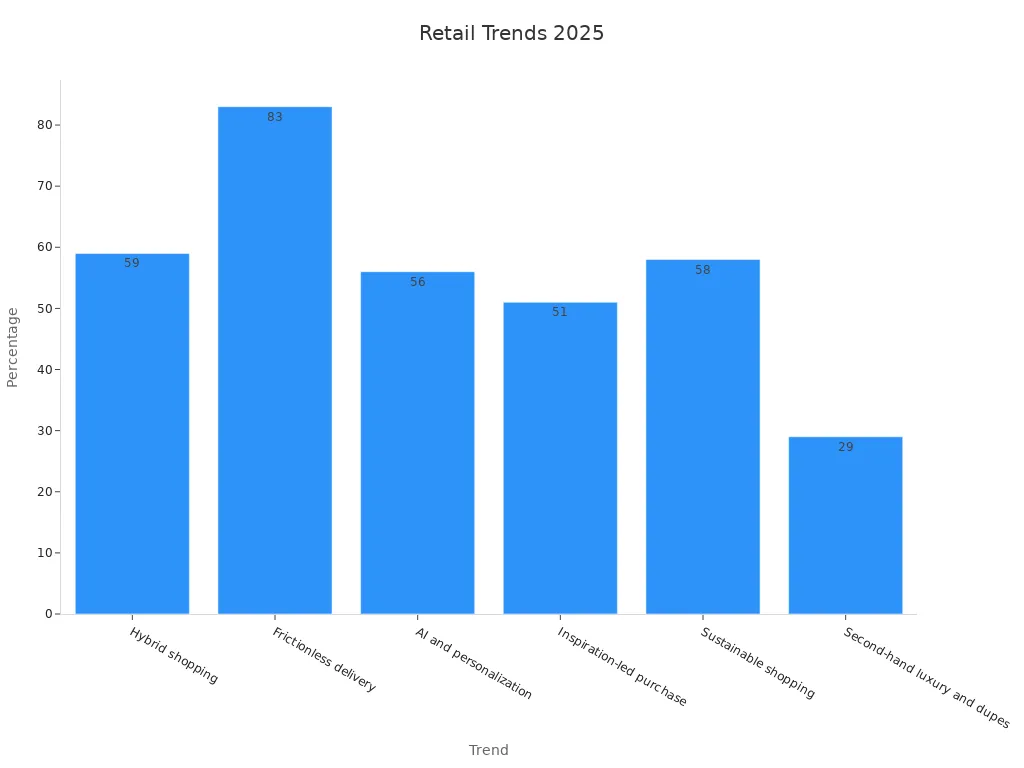
To meet these demands, you need to stay agile. Offering hybrid shopping options, like buy-online-pick-up-in-store (BOPIS), can bridge the gap between digital and physical retail. Tools like Sobot’s omnichannel solutions make this seamless by integrating all customer interactions into one platform. This ensures a positive customer experience, whether they’re shopping online or in-store.
The Role of Technology in Shaping Customer Experiences
Technology is revolutionizing how you interact with customers. AI-powered tools, like chatbots and voice assistants, are making support faster and more efficient. For example, companies like Amazon use data analytics to offer personalized recommendations, while Starbucks leverages mobile app analytics to tailor rewards.
| Company | Technology Used | Impact on Customer Experience |
|---|---|---|
| Amazon | Data Analytics | Personalized product recommendations and tailored marketing. |
| Starbucks | Mobile App Analytics | Personalized suggestions and rewards based on purchase history. |
| Sephora | In-store Data Analytics | Personalized beauty recommendations and virtual try-on tools. |
Sobot’s AI-powered Voice/Call Center is another great example. It uses intelligent IVR and smart call routing to connect customers with the right agents quickly. This not only reduces wait times but also improves first-contact resolution rates. By leveraging such technologies, you can create a seamless and personalized customer journey that keeps shoppers coming back.
Essential Skills for Retail Customer Service Success
Active Listening and Clear Communication
Good listening skills are the backbone of retail customer service. When you actively listen, you show customers that their concerns matter. This builds trust and makes them feel valued. Studies reveal that active listening improves customer retention and brand loyalty. It also boosts key metrics like CSAT ratings and NPS scores.
Here’s how you can master this skill:
- Focus on the customer: Avoid distractions and give them your full attention.
- Ask follow-up questions: Clarify their needs to ensure you understand them completely.
- Use clear communication: Respond in simple, concise language that’s easy to grasp.
For example, Sobot’s Voice/Call Center helps agents enhance listening by providing a unified workspace with customer data at their fingertips. This ensures faster resolutions and better customer experiences.
| Benefit | Description |
|---|---|
| Improves customer retention | Active listening helps retain customers by making them feel understood. |
| Creates great customer experiences | Effective communication leads to positive interactions, enhancing overall customer satisfaction. |
Empathy and Emotional Intelligence in Customer Interactions
Empathy in customer service transforms interactions from transactional to meaningful. When you connect emotionally, you ease tensions and build loyalty. The Empathy-Driven Engagement Framework highlights how emotional intelligence improves customer retention and brand perception.
Imagine a frustrated shopper who received the wrong item. Instead of just offering a refund, you acknowledge their frustration and apologize sincerely. This approach shows empathy and turns a negative experience into a positive one.
Sobot’s AI-powered tools, like chatbots, can handle routine queries, freeing you to focus on emotionally charged situations. By prioritizing empathy, you create personalized experiences that customers remember.
Problem-Solving and Conflict Resolution
Problem-solving is a superpower in retail customer service. Customers value quick resolutions, and 73% say it’s a top priority. When conflicts arise, active listening and empathy pave the way for solutions.
Here’s a simple strategy:
- Identify the issue: Listen carefully to understand the root cause.
- Offer solutions proactively: Present options that address the problem effectively.
- Follow up: Check back to ensure the customer is satisfied.
Sobot’s smart call routing ensures customers reach the right agent quickly, reducing frustration and improving resolution rates. By mastering conflict resolution, you not only solve problems but also strengthen customer loyalty.
Adaptability and Resilience in a Dynamic Retail Environment
Adaptability and resilience are your secret weapons in today’s fast-changing retail world. Customers expect more, trends shift overnight, and technology evolves at lightning speed. To thrive, you need to stay flexible and bounce back from challenges quickly.
Why does this matter? Because adaptable employees help businesses outperform their competitors. A McKinsey study found that companies prioritizing adaptability are 1.5 times more likely to lead their industries. Resilient teams also drive better results. Deloitte reports that businesses with resilient employees see 85% higher profitability and operational efficiency during times of change.
Take Zappos, for example. By fostering a culture of resilience, they navigated tough market conditions, reduced employee turnover, and boosted engagement. This shows how adaptability isn’t just about surviving—it’s about thriving.
So, how can you build these skills? Start by embracing change. When new tools or processes come your way, view them as opportunities to grow. For instance, Sobot’s omnichannel solutions make it easier to adapt to customer needs. By unifying all communication channels, you can deliver consistent service whether customers reach out via email, chat, or phone.
Here are some quick tips to strengthen your adaptability and resilience:
- Stay curious: Keep learning about new trends and technologies in retail customer service.
- Practice problem-solving: Treat every challenge as a chance to improve your skills.
- Build a support network: Collaborate with teammates to share ideas and solutions.
Employees in adaptable organizations are 47% more likely to report high job satisfaction, according to the Society for Human Resource Management. That’s because adaptability doesn’t just benefit the business—it makes your job more rewarding too.
In a dynamic retail environment, resilience helps you handle setbacks with confidence. Whether it’s a supply chain hiccup or a demanding customer, staying calm and solution-focused sets you apart. With tools like Sobot’s AI-powered Voice/Call Center, you can streamline workflows and reduce stress, giving you more time to focus on what matters most—your customers.
Adaptability and resilience aren’t just buzzwords. They’re the foundation of success in retail customer service. By cultivating these traits, you’ll not only meet today’s challenges but also prepare for whatever comes next.
Actionable Strategies to Improve Customer Service
Investing in Employee Training and Onboarding
If you want to deliver good customer service, start with your team. Well-trained employees are the backbone of any successful retail operation. When your staff feels confident and prepared, they’re more likely to create positive customer experiences.
Here’s why investing in employee training matters:
| Metric | Description |
|---|---|
| Employee Retention Rates | Higher retention rates mean more experienced staff handling customer interactions. |
| Time to Full Productivity | Faster onboarding ensures new hires can contribute effectively in less time. |
| Performance Metrics | Better training leads to improved customer service outcomes and higher satisfaction scores. |
Retention rates are a key indicator of how effective your onboarding process is. When employees feel supported and equipped with the right skills, they’re more likely to stick around. This reduces turnover and ensures your team has the experience needed to handle complex customer issues.
For example, Sobot’s Voice/Call Center provides a unified workspace that simplifies workflows for agents. This makes it easier for new hires to get up to speed quickly, reducing the time it takes for them to reach full productivity. By combining thorough staff training with tools like Sobot’s, you can set your team up for success.
Leveraging Customer Feedback for Continuous Improvement
Your customers are your best teachers. Their feedback offers a goldmine of insights into what’s working and what needs improvement. By listening to their voices, you can fine-tune your approach and improve customer service over time.
Here’s how feedback drives improvement:
- Online reviews reveal customer sentiments and highlight pain points.
- User-generated content helps you understand what customers value most.
- Digital tools make it easier to collect and analyze feedback for actionable insights.
For instance, a regional pharmacy chain used customer feedback to revamp its service approach. The results? A 23% boost in satisfaction scores, a 17% drop in complaints, and a 14% increase in repeat business.
You can achieve similar results by integrating feedback into your strategy. Tools like Sobot’s omnichannel solution make this seamless by consolidating customer interactions across platforms. This allows you to track trends, identify recurring issues, and implement changes that enhance the customer experience.
Pro Tip: Don’t just collect feedback—act on it. Customers appreciate businesses that listen and make meaningful changes based on their input.
Personalizing Customer Interactions for Memorable Experiences
Personalization isn’t just a buzzword—it’s a game-changer. When you tailor your interactions to individual needs, you create memorable experiences that build trust and loyalty.
Why does personalization matter?
- It makes interactions more engaging and relevant.
- Customers feel valued when you address their unique preferences.
- Tailored solutions demonstrate your commitment to their satisfaction.
Imagine a shopper returning to your store. Instead of treating them like a stranger, you greet them by name and recommend products based on their past purchases. This small gesture can turn a routine visit into a memorable experience.
Sobot’s AI-powered tools make personalization effortless. For example, its Voice/Call Center uses intelligent IVR to route calls based on customer history. This ensures they’re connected to the right agent, reducing frustration and improving satisfaction. By leveraging technology, you can deliver personalized experiences that keep customers coming back.
Did You Know? Consistent personalization builds trust. Customers are more likely to stay loyal when they feel understood and valued.
Establishing Clear Procedures for Consistent Service Delivery
Consistency is the backbone of excellent retail customer service. When your team follows clear procedures, customers know what to expect every time they interact with your brand. This builds trust and keeps them coming back. But how do you establish these procedures effectively? Let’s break it down.
Why Clear Procedures Matter
Imagine walking into a store where one employee greets you warmly, but another ignores you completely. Frustrating, right? Inconsistent service can confuse customers and damage your reputation. On the flip side, clear procedures ensure every customer gets the same high-quality experience, no matter who they interact with.
Here’s why this matters:
- Clear communication of expectations creates a strong foundation for consistent service.
- Consistency fosters trust and loyalty, which are essential for long-term customer relationships.
- High standards across all interactions enhance your brand’s reputation, especially in competitive industries like retail.
When your team knows exactly what’s expected, they feel empowered to deliver exceptional service. This alignment improves the overall customer experience and strengthens your brand.
Steps to Create Clear Procedures
Creating clear procedures doesn’t have to be complicated. Start with these simple steps:
-
Define Your Standards
Decide what great customer service looks like for your business. Is it fast response times? Personalized interactions? Friendly greetings? Write these standards down and share them with your team. -
Train Your Team
Training is key to consistency. Teach your employees how to handle common scenarios, like returns or complaints, so they feel confident in their roles. Tools like Sobot’s Voice/Call Center can help by providing a unified workspace where agents can access customer data and follow standardized workflows. -
Document Everything
Create a playbook that outlines your procedures. Include step-by-step guides for tasks like processing refunds or resolving disputes. This ensures everyone is on the same page. -
Monitor and Adjust
Regularly review your procedures to see what’s working and what’s not. Use customer feedback and performance data to make improvements. For example, Sobot’s analytics tools can help you track trends and identify areas for improvement.
Pro Tip: Consistency doesn’t mean rigidity. Stay flexible and adapt your procedures as customer needs evolve.
Real-Life Example: Samsung’s Success with Clear Procedures
Samsung’s collaboration with Sobot is a perfect example of how clear procedures can transform customer service. By integrating Sobot’s all-in-one contact center solution, Samsung unified its communication channels and streamlined its processes. This allowed agents to provide consistent, high-quality service across all interactions. The result? A 97% customer satisfaction rate and a 30% boost in agent efficiency.
This success story shows that when you combine clear procedures with the right tools, you can achieve remarkable results.
The Role of Technology in Consistency
Technology plays a huge role in maintaining consistent service delivery. Platforms like Sobot’s Omnichannel Solution unify all customer interactions into one system. This means your team can access the same customer data, whether they’re responding to an email, a chat, or a phone call.
Here’s how technology helps:
- Smart Call Routing: Connects customers to the right agent quickly, reducing frustration.
- Unified Workspaces: Ensures agents have all the information they need to provide consistent service.
- Analytics Tools: Help you monitor performance and identify areas for improvement.
By leveraging these tools, you can ensure every customer interaction meets your high standards.
Final Thoughts
Establishing clear procedures might take some effort upfront, but the payoff is worth it. You’ll create a seamless customer experience that builds trust, loyalty, and long-term success. And with tools like Sobot’s Voice/Call Center and Omnichannel Solution, maintaining consistency has never been easier. So, take the time to define your standards, train your team, and embrace technology. Your customers—and your bottom line—will thank you.
Did You Know? Businesses with consistent service delivery see higher customer retention rates and stronger brand loyalty. Don’t underestimate the power of clear procedures in shaping your retail success.
Leveraging Technology to Enhance Retail Customer Service

How Sobot's Voice/Call Center Improves Customer Interactions
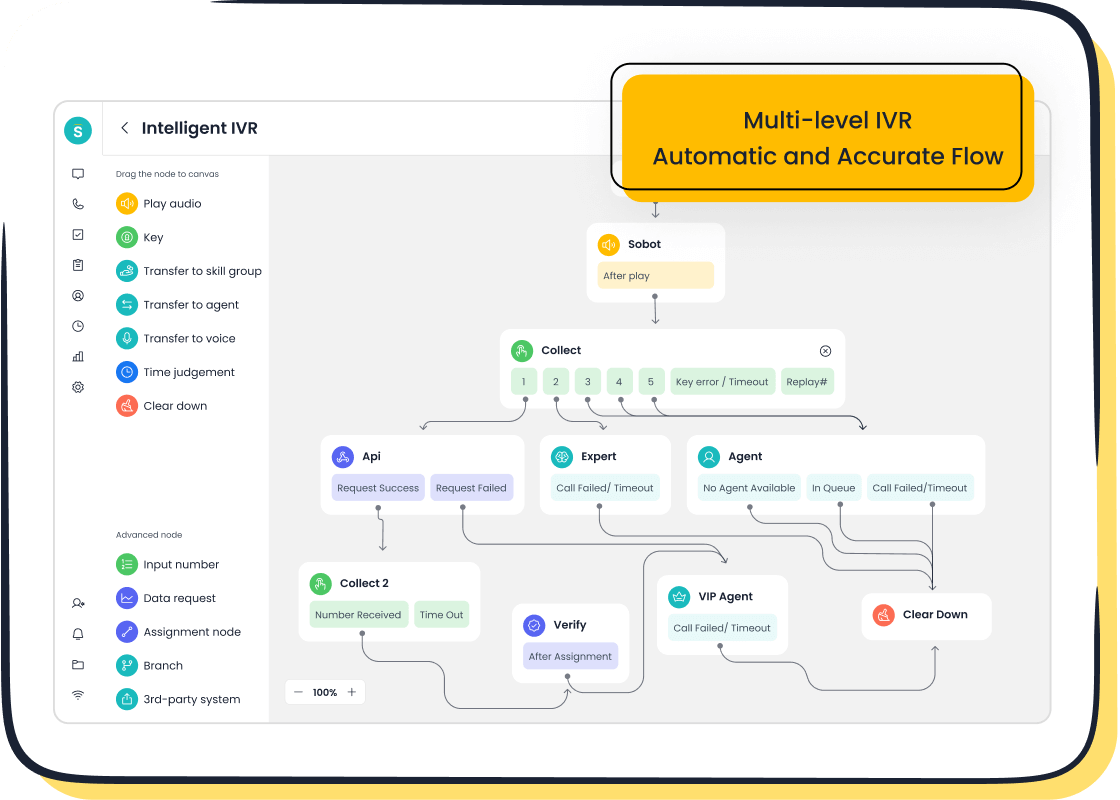
Technology has completely transformed how you can connect with customers. One standout tool is Sobot's Voice/Call Center, which makes every interaction smoother and more efficient. Imagine a system that not only routes calls intelligently but also provides agents with all the customer information they need in one place. That’s exactly what Sobot offers.
Here’s how it works:
- First-Call Resolution (FCR): Sobot’s platform ensures customers get their issues resolved on the first call. With an FCR rate above 80%, you can save time and boost satisfaction.
- Reduced Average Handle Time (AHT): By streamlining workflows and using AI analytics, Sobot helps agents resolve issues faster. This means shorter calls and happier customers.
- Customer Satisfaction (CSAT): With a CSAT score of around 85%, Sobot’s Voice/Call Center proves its ability to keep customers loyal.
| Metric | Description |
|---|---|
| First-Call Resolution (FCR) | A high FCR rate (above 80%) indicates effectiveness in resolving customer issues on the first call. |
| Average Handle Time (AHT) | Monitoring AHT helps identify inefficiencies in processes or complexity of customer issues. |
| Customer Satisfaction Score (CSAT) | A CSAT of around 85% reflects strong performance in resolving issues and maintaining customer loyalty. |
Sobot’s intelligent IVR and smart call routing ensure customers reach the right agent quickly. This reduces wait times and frustration. Plus, the platform’s global number availability and AI-powered Voicebot make it a one-stop solution for businesses of all sizes. Whether you’re a small retailer or a global brand, Sobot’s Voice/Call Center can elevate your customer service game.
Using AI-Powered Tools for Seamless Support
AI-powered tools are changing the way you deliver customer service. They make support faster, smarter, and more personalized. For example, chatbots can handle routine queries 24/7, freeing up your team to focus on complex issues. But the benefits don’t stop there.
Here’s what AI can do for you:
- Save Time: Automation reduces the time spent on repetitive tasks by 31%.
- Improve Efficiency: AI tools streamline workflows, cutting average handle time by 27%.
- Enhance Satisfaction: With 91% of users satisfied with AI in support units, it’s clear these tools make a difference.
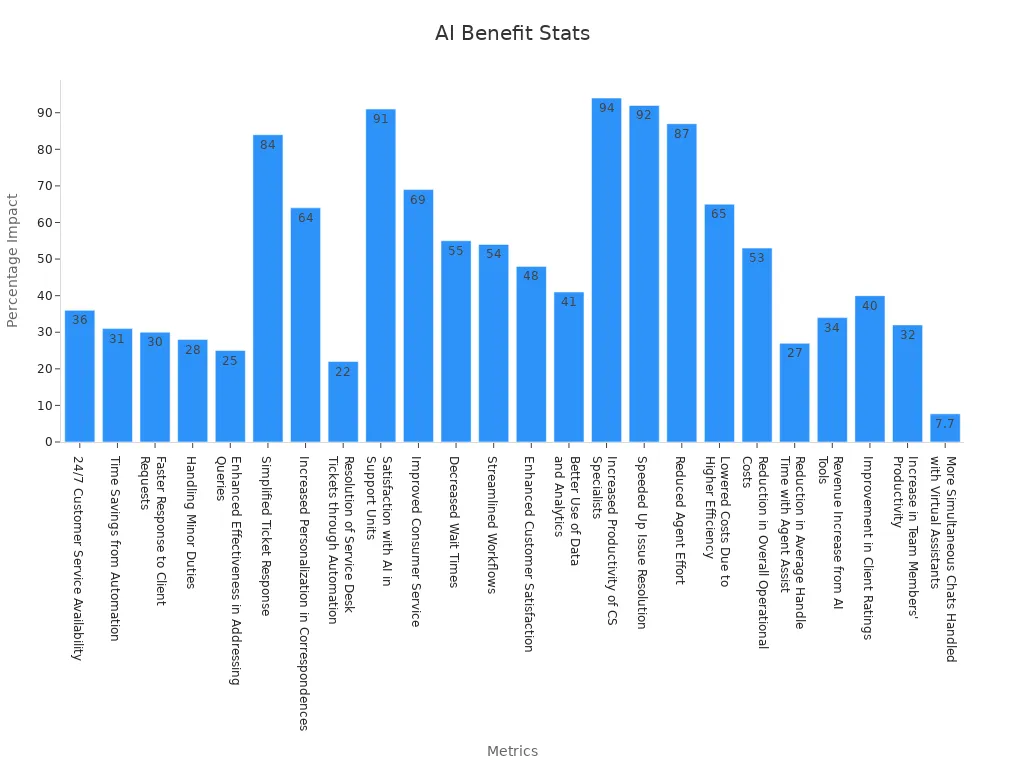
Sobot’s AI-powered solutions, like its Voice/Call Center and Chatbot, take this to the next level. The Chatbot, for instance, is multilingual and ChatGPT-enabled, offering 24/7 availability. It can handle minor duties, simplify ticket responses, and even personalize interactions. This means your customers get faster, more accurate support, and your team gets more time to focus on what really matters.
Pro Tip: AI isn’t just about automation. It’s about creating a seamless experience that makes customers feel valued.
Integrating Omnichannel Solutions for Consistent Experiences
Consistency is key in customer service. Customers want the same high-quality experience whether they’re shopping online, chatting with support, or visiting your store. That’s where omnichannel solutions come in.
Sobot’s Omnichannel Solution integrates all customer interactions into one platform. This means your team can access the same data, no matter the channel. Here’s why this matters:
- Enhanced Experience: Omnichannel customers spend 10% more online than single-channel customers.
- Increased Loyalty: Consistent engagement across channels boosts brand loyalty by up to 90%.
- Higher Conversions: Integrated approaches lead to conversion rates 30% higher than single-channel operations.
| Benefit | Evidence |
|---|---|
| Enhanced Customer Experience | Omnichannel customers spend 10% more online than single-channel customers (Harvard Business Review, 2017). |
| Increased Customer Loyalty | Brand loyalty improves by up to 90% when customers engage consistently across channels (Aberdeen Group, 2020). |
| Higher Conversion Rates | Integrated approaches lead to conversion rates approximately 30% higher than single-channel operations (Forrester Research, 2021). |
With Sobot’s unified workspace, your agents can deliver consistent service across email, chat, and phone. This not only improves customer satisfaction but also streamlines your operations. For example, Samsung used Sobot’s omnichannel solution to unify its communication channels. The result? A 97% customer satisfaction rate and a 30% boost in agent efficiency.
Did You Know? Consistent service delivery builds trust and keeps customers coming back. With Sobot’s Omnichannel Solution, you can achieve this effortlessly.
Analyzing Data to Understand and Predict Customer Needs
Have you ever wondered how some businesses seem to know exactly what you want before you even ask? That’s the magic of data analytics. By analyzing customer data, you can uncover patterns, predict future needs, and create personalized experiences that keep your customers coming back for more.
Why Data Analytics Matters in Retail Customer Service
Data analytics isn’t just about crunching numbers. It’s about understanding your customers on a deeper level. Imagine being able to anticipate what your shoppers need before they even realize it themselves. That’s the power of predictive analytics. It helps you tailor your offerings, improve customer journeys, and even identify new market opportunities.
Here’s a quick look at what data analytics can do for your business:
| Insight | Description |
|---|---|
| Customer Behavior Understanding | Track customer interactions over time to see when and how they engage with your brand. |
| Targeted Marketing Campaigns | Create campaigns that resonate with individual customers, leading to higher engagement and ROI. |
| Anticipating Future Needs | Predict what customers might need next and adjust your offerings to meet those needs. |
| Identifying Market Segments | Pinpoint key market segments and craft strategies to serve them better. |
| Enhancing Customer Journeys | Design customized journeys for each customer, improving their overall experience. |
How to Use Data to Predict Customer Needs
So, how can you put this into action? Start by collecting data from every customer interaction—whether it’s through your website, social media, or in-store visits. Tools like Sobot’s Omnichannel Solution make this easy by consolidating all customer interactions into one platform. This gives you a complete view of your customers, helping you understand their preferences and behaviors.
Here’s what you can achieve with data analytics:
- Tailor Your Offerings: Use customer preferences to recommend products or services they’re likely to love.
- Spot Trends Early: Capture emerging trends before they go mainstream, giving you a competitive edge.
- Improve Products: Identify areas where your products or services can be enhanced based on customer feedback.
For example, a retailer might notice that customers frequently search for eco-friendly products. By analyzing this trend, the retailer can expand their sustainable product line, meeting customer demand and boosting sales.
Pro Tip: Don’t just collect data—use it to create actionable insights. The more you understand your customers, the better you can serve them.
Sobot’s Role in Data-Driven Customer Service
Sobot’s solutions are designed to help you harness the power of data analytics. With tools like the Voice/Call Center and Omnichannel Solution, you can track customer interactions across multiple channels, analyze trends, and predict future needs. For instance, Sobot’s AI-powered analytics can identify patterns in customer behavior, helping you create personalized experiences that drive loyalty.
Take Samsung as an example. By using Sobot’s all-in-one contact center solution, they unified their communication channels and improved data connectivity. This allowed them to provide intelligent, customized service, resulting in a 97% customer satisfaction rate. That’s the kind of impact data analytics can have on your business.
Final Thoughts
Data analytics is your secret weapon for understanding and predicting customer needs. By leveraging tools like Sobot’s solutions, you can turn raw data into actionable insights, creating personalized experiences that set your brand apart. So, start analyzing your data today—you’ll be amazed at what you can discover.
Did You Know? Businesses that use data analytics to personalize customer experiences see a 20% increase in customer satisfaction. Don’t miss out on this opportunity to elevate your retail customer service game.
Building a Customer-Centric Culture for Long-Term Success

Empowering Employees to Deliver Exceptional Service
Your employees are the face of your business. When they feel empowered, they’re more likely to deliver good customer service that leaves a lasting impression. Empowered employees resolve issues faster, innovate more, and create better customer relationships. For example, the Ritz-Carlton allows its staff to make independent decisions to resolve customer problems. This approach has elevated their reputation for going above and beyond.
Here’s why empowering your team matters:
- Employees who feel valued are 21% more likely to stay in their jobs, reducing turnover.
- Happy employees lead to better customer interactions, boosting customer loyalty.
- Businesses with empowered teams see higher customer retention and satisfaction rates.
You can empower your team by providing the right tools and training. Sobot’s Voice/Call Center equips agents with a unified workspace and smart call routing, helping them handle customer inquiries efficiently. When your team has the resources they need, they’ll feel confident and motivated to deliver exceptional service.
Aligning Business Goals with Customer Satisfaction Metrics
Aligning your business goals with customer satisfaction metrics ensures your team stays focused on what matters most—your customers. Metrics like wait time, first-call resolution, and employee satisfaction directly impact customer retention and loyalty. For instance, optimizing staff-to-customer ratios can reduce wait times during peak hours, improving the overall experience.
| Factor | Description |
|---|---|
| Wait Time Minimization | Reduces customer frustration and enhances satisfaction. |
| Employee Satisfaction Correlation | Happy employees create better customer experiences, boosting loyalty. |
| Continuity of Service | Builds familiarity with regular customers, strengthening relationships. |
Sobot’s analytics tools can help you track these metrics in real time. By understanding what drives customer satisfaction, you can adjust your strategies to meet their needs. This alignment not only improves customer retention but also strengthens your brand reputation.
Recognizing and Rewarding Excellent Customer Service
Recognizing your team’s efforts is a simple yet powerful way to foster a customer-centric culture. When employees feel appreciated, they’re more likely to go above and beyond for your customers. Awards like the GRA Customer Service Award highlight how recognition can lead to increased revenue and sales. For example, small businesses that prioritize recognition see a 63% rise in income.
| Award Name | Benefits Highlighted | Metrics Reported |
|---|---|---|
| GRA Customer Service Award | Leads to increased revenue and sales for businesses. | Small businesses: 63% rise in income, 39% growth in sales. |
You can implement recognition programs by celebrating milestones, offering incentives, or sharing success stories. Sobot’s solutions, like its omnichannel platform, make it easy to track performance and identify top performers. Recognizing your team’s contributions not only boosts morale but also enhances customer satisfaction.
Encouraging Collaboration Across Teams for Unified Efforts
Collaboration across teams isn’t just a buzzword—it’s the secret sauce for delivering exceptional customer service. When your sales, marketing, and support teams work together, they create a seamless experience that customers notice and appreciate. But how do you make this happen?
Start by breaking down silos. Encourage open communication between departments. For example, your marketing team can share insights about customer preferences with your support team. This helps agents personalize their interactions and resolve issues faster. Tools like Sobot’s Omnichannel Solution make this even easier by unifying customer data across all channels. Everyone stays on the same page, no matter their role.
Here’s why collaboration matters:
| Case Study Title | Description |
|---|---|
| Redesigning Workflows for Product Change Success | A collaborative effort to change workflows led to solutions aligned with goals. |
| Seamless Integration for Hybrid Office Transformation | Coordination improved user experience and operational efficiency. |
| Cross-Functional Collaboration for Cost Reduction | Teams reduced production costs by 18% through shared goals and teamwork. |
These examples show how teamwork can drive efficiency and innovation. Imagine your support team working with product developers to address recurring customer complaints. Together, they could redesign a feature, reducing complaints and boosting satisfaction.
To foster collaboration, try these tips:
- Hold regular cross-team meetings: Share updates and align on goals.
- Use collaborative tools: Platforms like Sobot’s Voice/Call Center provide a unified workspace, making teamwork effortless.
- Celebrate shared wins: Recognize achievements that result from teamwork.
When teams collaborate, they solve problems faster and deliver consistent service. Customers notice this effort, and it builds trust. With tools like Sobot’s solutions, you can streamline communication and ensure every department contributes to a unified customer experience.
Pro Tip: Collaboration isn’t just about tools—it’s about mindset. Encourage your teams to see themselves as part of a bigger picture.
By fostering collaboration, you’ll not only improve customer service but also create a workplace where everyone thrives.
Mastering retail customer service skills in 2025 isn’t just a goal—it’s a necessity. Customers expect faster resolutions, personalized experiences, and seamless interactions across channels. Meeting these demands requires a mix of adaptability, empathy, and the right tools. For example, focusing on metrics like first contact resolution and customer satisfaction can significantly improve your service quality.
| KPI | Description | Importance |
|---|---|---|
| First Contact Resolution Rate | Percentage of queries resolved in the first interaction | Indicates efficiency and customer satisfaction. |
| Average Handle Time | Average time taken to handle a customer inquiry | Affects customer experience and operational efficiency. |
| Customer Satisfaction (CSAT) | Metric for customer happiness with the support experience | Directly correlates with customer loyalty and retention. |
Tools like Sobot’s Voice/Call Center simplify workflows, reduce wait times, and enhance customer satisfaction. By implementing these strategies, you’ll not only meet customer expectations but also build loyalty and drive long-term success. Start today—your customers will thank you.
FAQ
What are retail customer service skills, and why are they important?
Retail customer service skills include active listening, empathy, problem-solving, and adaptability. These skills help you connect with customers, resolve issues, and create memorable experiences. In 2025, mastering these skills is crucial as customer expectations rise and technology like Sobot’s Voice/Call Center reshapes interactions.
How can I improve my retail customer service skills?
Start by practicing active listening and empathy. Use tools like Sobot’s omnichannel solutions to streamline communication and personalize interactions. Regular training and feedback also help. For example, businesses using Sobot’s analytics tools see a 30% boost in efficiency, improving service quality.
What role does technology play in retail customer service?
Technology enhances customer service by making it faster and more personalized. Tools like Sobot’s AI-powered Voice/Call Center reduce wait times and improve first-call resolution rates. Omnichannel solutions unify customer interactions, ensuring consistent experiences across email, chat, and phone.
How does Sobot help businesses improve customer service?
Sobot offers tools like the Voice/Call Center and omnichannel solutions. These platforms streamline workflows, provide real-time analytics, and personalize customer interactions. For instance, Samsung achieved a 97% satisfaction rate using Sobot’s solutions to unify communication channels and improve agent efficiency.
Why is personalization important in retail customer service?
Personalization makes customers feel valued and understood. It boosts loyalty and satisfaction. For example, Sobot’s AI-powered tools use customer data to tailor interactions, ensuring every experience feels unique. Businesses that personalize see a 20% increase in customer satisfaction.
See Also
Excelling in Retail Live Chat Strategies and Techniques
Enhancing Live Chat Performance for Retail Success
Utilizing Shopify Live Chat Effectively in Retail
Top Strategies for Effective Call Center Quality Control
Ten Essential Steps for Successful Omnichannel Contact Centers

