Unlock Your Outbound Call Centre's Power


Your outbound call center must track the right KPIs. The most critical key performance indicators are Conversion Rate and Cost Per Acquisition. These call center metrics are the pulse of your call center's performance, directly impacting revenue and acquisition success for your agents. Tracking the right call center metrics and performance metrics transforms your call center into a revenue engine.
The Sobot call center, a solution from Sobot, uses Sobot AI to analyze call center performance metrics. This helps your agents master each KPI, boosting conversion and overall performance. This focus on KPIs and other metrics elevates your outbound call centre's performance, ensuring your agents drive revenue and conversion. Your agents use these metrics and call center metrics to improve their performance, which are important call center performance metrics for any call center. Mastering this KPI is key for your outbound call center and its agents to boost revenue.
Essential KPIs for Your Outbound Call Centre

You need to track the right data to drive success. These essential KPIs are the foundation of a high-performing outbound operation. They give you a clear view of your sales effectiveness and financial efficiency. Monitoring these call center metrics helps you turn raw data into powerful business decisions that boost revenue.
Conversion Rate
Your Conversion Rate is the ultimate measure of sales success. This KPI shows the percentage of calls that result in a successful outcome, such as a sale or a booked appointment. A high conversion rate means your agents are effectively persuading prospects and closing deals. This is one of the most important call center performance metrics for measuring the health of your sales process.
The average sales call conversion rate for qualified leads converting to deals is between 13% and 25%. This number changes based on your industry and product price. For example, deals under $10,000 see a 25.73% conversion, while deals over $5 million have a 9.09% conversion. Your lead conversion rate is a direct reflection of your team's performance.
Pro Tip: To improve your conversion, focus on solving customer problems instead of just selling products. Train your agents to listen with empathy and understand the customer's true needs. This approach builds trust and leads to more sales.
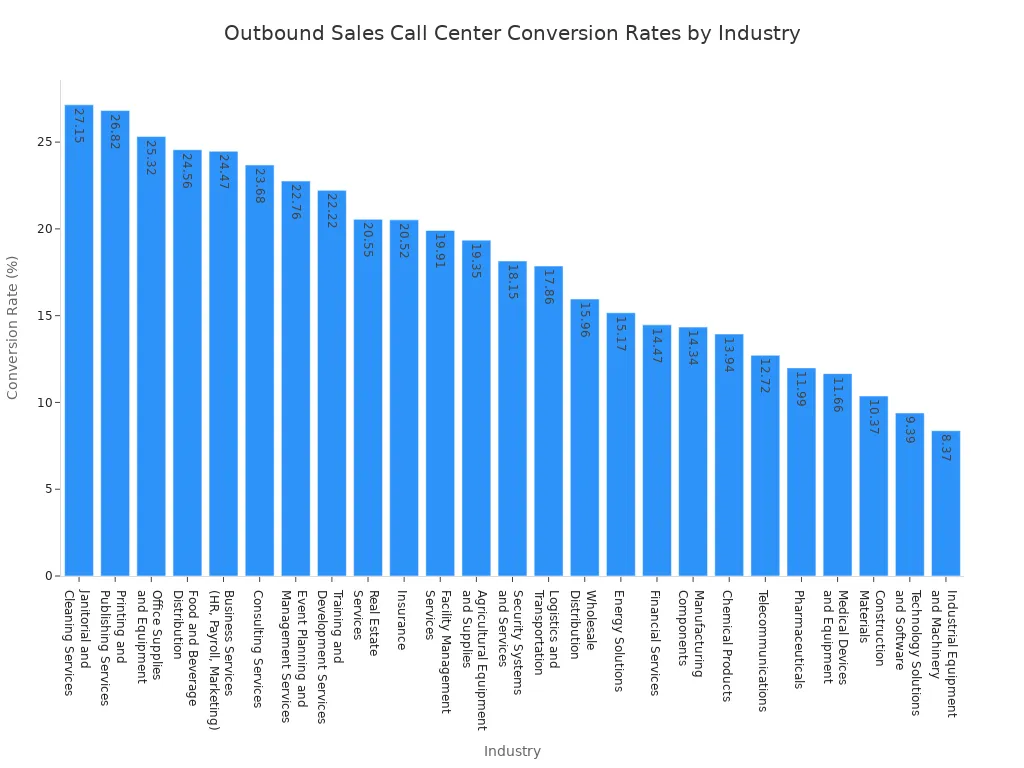
Here is a look at the projected 2025 conversion rates across different industries. You can use these metrics to benchmark your own call center performance.
| Industry | 2025 Conversion Rate (%) |
|---|---|
| Janitorial and Cleaning Services | 27.15% |
| Printing and Publishing Services | 26.82% |
| Office Supplies and Equipment | 25.32% |
| Business Services (HR, Payroll, Marketing) | 24.47% |
| Food and Beverage Distribution | 24.56% |
| Consulting Services | 23.68% |
| Event Planning and Management Services | 22.76% |
| Training and Development Services | 22.22% |
| Real Estate Services | 20.55% |
| Insurance | 20.52% |
| Facility Management Services | 19.91% |
| Agricultural Equipment and Supplies | 19.35% |
| Security Systems and Services | 18.15% |
| Logistics and Transportation | 17.86% |
| Wholesale Distribution | 15.96% |
| Energy Solutions | 15.17% |
| Financial Services | 14.47% |
| Manufacturing Components | 14.34% |
| Chemical Products | 13.94% |
| Telecommunications | 12.72% |
| Pharmaceuticals | 11.99% |
| Medical Devices and Equipment | 11.66% |
| Construction Materials | 10.37% |
| Technology Solutions and Software | 9.39% |
| Industrial Equipment and Machinery | 8.37% |
Improving your lead conversion rate requires a strategic approach. Here are some effective strategies:
- Hire for aptitude. Look for agents with natural empathy and enthusiasm.
- Provide continuous training. Use role-playing to prepare agents for real-world scenarios.
- Motivate your team. Recognize and reward top performers to keep morale high.
- Monitor calls. Use call monitoring for quality assurance and provide real-time coaching.
Cost Per Acquisition (CPA)
Your Cost Per Acquisition (CPA) measures the total cost to gain one new customer. This financial KPI is crucial for understanding the profitability of your outbound campaigns. A low CPA means your call center is efficient at turning leads into customers, maximizing your return on investment and total revenue.
To calculate your CPA, you divide the total campaign costs by the number of new customers from that campaign.
CPA = Total Campaign Costs / Number of New Customers
Your total campaign costs should include all expenses related to the acquisition effort, such as:
- Marketing costs
- Lead collection costs
- Costs associated with making calls (salaries, technology, etc.)
Tracking this metric helps you assess the ROI of your outbound efforts. It ensures your strategies for acquisition are not just effective but also financially sustainable. A good performance on this KPI directly contributes to your total revenue.
First Call Close (FCC)
First Call Close (FCC), also known as First Call Resolution, measures the percentage of sales your agents close during the initial contact. This is one of the key performance indicators that directly links operational efficiency to customer satisfaction. A high FCC rate means your agents are well-prepared and empowered to close deals quickly. This reduces the need for follow-up calls, which saves time and money.
Improving your FCC rate has a major impact on your call center profitability. Acquiring new customers can be up to 25 times more expensive than keeping existing ones. When agents resolve issues and close sales on the first call, customers are happier and more loyal. This boosts retention and your total revenue.
You can improve this important KPI with targeted agent training.
- Provide hands-on training. Use practice scenarios to build agent confidence and knowledge.
- Maintain a knowledge base. Give agents a resource with answers to common questions.
- Review calls regularly. Identify agent strengths and weaknesses to find coaching opportunities.
Sales Per Agent
Sales Per Agent is a straightforward yet powerful performance metric. It measures the total number of sales an individual agent closes over a specific period. This KPI helps you identify your top-performing agents and those who may need additional coaching. It provides a clear view of individual contributions to your team's overall revenue goals.
By tracking this metric, you can:
- Set clear performance benchmarks. Give your agents achievable targets to work toward.
- Identify coaching needs. Pinpoint agents who are struggling and provide targeted support.
- Recognize top performers. Reward your best agents to boost motivation across the team.
Focusing on Sales Per Agent helps you build a stronger, more effective sales team. It ensures every member of your outbound call center is contributing to your revenue growth. Strong performance in this area is a sign of a healthy and productive call center. These call center metrics are vital for any manager looking to drive better results. Your agents' performance directly impacts your bottom line.
Key KPIs for Outbound Call Center Efficiency

While sales KPIs measure your success, efficiency KPIs measure how you achieve it. These metrics show you how productive your agents are and how streamlined your processes are. A focus on efficiency helps you reduce operational costs and maximize your team's output. Tracking these call center metrics is essential for building a lean, powerful outbound call center. Strong performance in these areas ensures your operation runs smoothly.
Calls Per Agent Per Hour
This KPI tracks the number of calls each of your agents makes in one hour. It is a direct measure of agent productivity. A higher number often points to an efficient workflow. A survey by the Professional Planning Forum found that an average outbound agent makes just under 18 contacts per hour. Your agents should aim to spend 33 to 40 minutes of each hour talking to customers. This represents 55% to 66% of their time.
However, manual dialing slows your agents down. They waste precious time listening to dial tones and busy signals. This is where technology creates a massive advantage.
- Traditional Dialing: Agents typically make 20-30 calls per hour.
- AI-Powered Dialing: Agents can make 80-100 calls or more per hour.
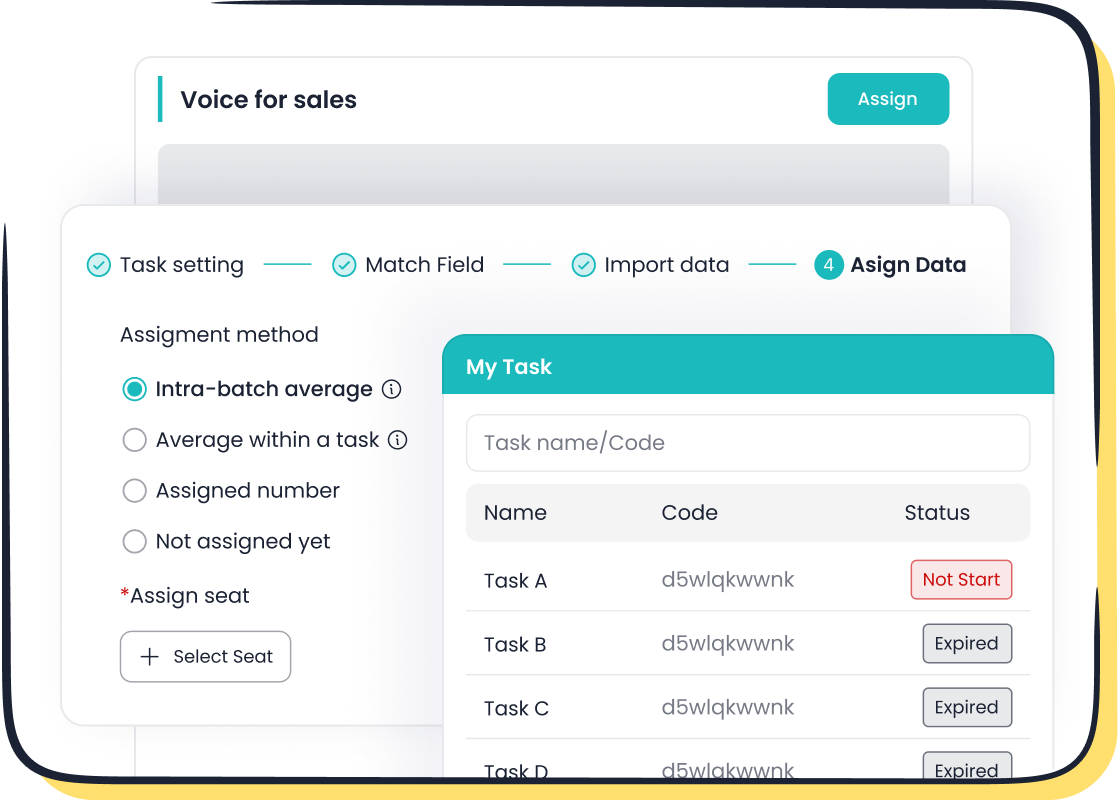
A dedicated platform can dramatically improve these call center performance metrics. Solutions like Sobot's Voice for Sales are designed to boost agent productivity. Features like automated dialing eliminate the waiting time between calls. This allows your agents to move instantly from one conversation to the next. As a result, agents using AI dialers can achieve over 40 minutes of average talk time per hour, more than doubling the industry average of 15-20 minutes. This KPI is a key indicator of your call center performance.
Average Handle Time (AHT)
Average Handle Time (AHT) is the average duration of a single customer interaction. This metric includes the average talk time, hold time, and any after-call work an agent completes. You calculate it with a simple formula:
(Total Talk Time + Total Hold Time + After-Call Work) / Total Number of Calls = AHT
A lower AHT often means your call center is more efficient. However, you should never sacrifice quality for speed. The goal is to be effective, not just fast. You can reduce AHT without hurting customer satisfaction.
- Use performance monitoring tools. Analyze calls to find patterns and coach agents on specific behaviors.
- Improve self-service options. Create chatbots or IVR systems to handle simple, common questions.
- Embrace emotion AI. This technology helps agents understand a caller's tone, allowing them to adjust their approach and resolve issues faster.
Tools with real-time analytics help managers monitor these KPIs effectively. For example, Sobot's Voice for Sales provides call center analytics that let you spot trends, identify top performers, and find coaching opportunities. This focus on performance metrics helps your agents become more efficient. Monitoring these metrics is vital for your call center.
Agent Utilization Rate
The Agent Utilization Rate measures how much time your agents spend on call-related activities versus their total paid time. This KPI helps you understand true agent productivity. It shows the difference between being busy and being productive. A high utilization rate means your agents are spending most of their time generating value for your outbound call centre.
Calculating this metric can be complex. The basic formula is:
Agent Utilization Rate = (Total time on call-related tasks / Total logged-in hours) x 100
Call-related tasks include more than just average talk time. You must also account for:
- After-call work
- Team meetings
- Training sessions
- Mandatory breaks
This KPI gives you a clear picture of how your agents' time is spent. It helps you optimize schedules and workflows to maximize performance. Tracking these call center metrics ensures your call center operates at peak efficiency. These metrics are crucial for managing your team's performance.
Call Abandonment Rate
The Call Abandonment Rate is the percentage of calls where a prospect hangs up before connecting with one of your agents. This is a critical KPI for outbound campaigns that use predictive dialers. A high rate suggests a problem with your dialing strategy or staffing levels. It can lead to lost opportunities and a poor customer experience.
Several factors can cause a high abandonment rate:
- Long wait times: Customers who wait over 60 seconds are very likely to hang up.
- Poor routing: Transferring a customer multiple times creates frustration.
- Understaffed teams: Not having enough agents during peak hours leads to abandoned calls.
- No greeting: When a prospect answers to silence, they often hang up immediately.
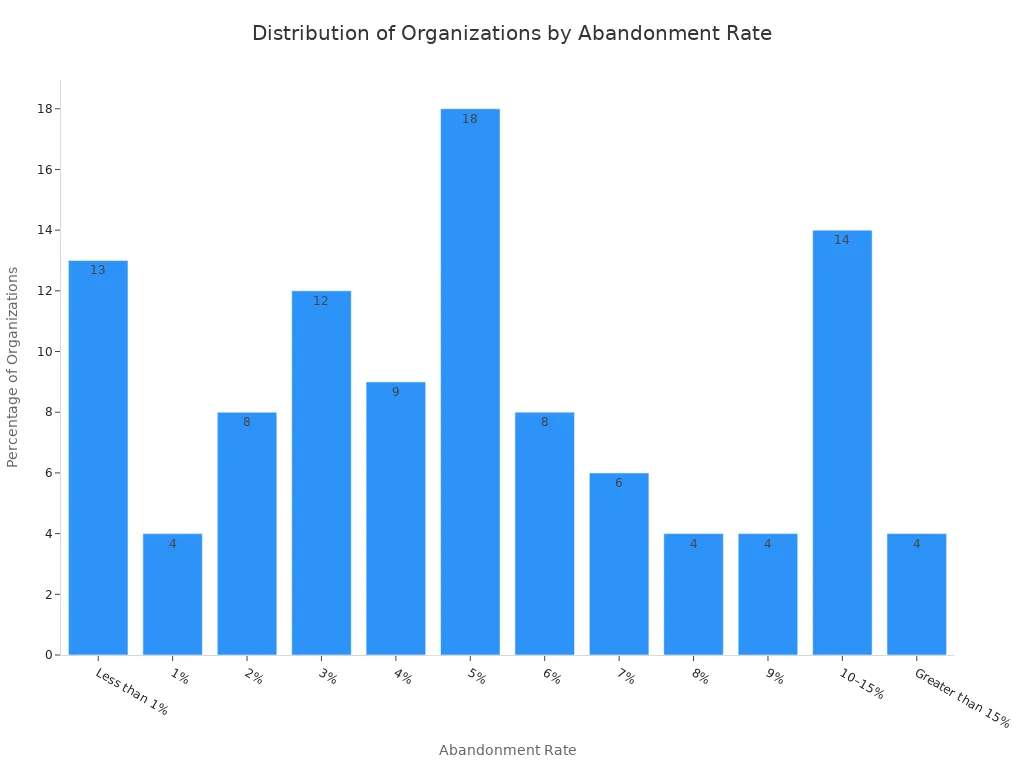
What's a good rate? The industry standard for call abandonment is between 5% and 8%. Top-performing call centers often achieve rates as low as 2% to 3%.
Different industries have different targets for this important KPI.
| Industry | Target Abandonment Rate |
|---|---|
| Telecommunications | Below 3% |
| E-commerce | Under 5% |
| Healthcare | Below 3% |
| Retail | Around 5% |
| Financial Services (BFSI) | Under 3% |
Monitoring this call center metric helps you fine-tune your dialing strategy. It ensures you connect with as many prospects as possible. Reducing your abandonment rate is a quick way to improve your overall campaign performance and protect your brand's reputation. Keeping these call center performance metrics in check is vital for success.
Technical KPI Metrics for List Quality
Your sales and efficiency metrics tell you what your agents are doing. Technical KPIs tell you about the quality of the tools and data you give them. These call center metrics focus on the foundation of your campaigns: your contact list. High-quality lists lead to better outcomes for your call center. Tracking these metrics ensures your agents are working with the best possible data, which improves the quality of every interaction.
Contact Rate / Hit Rate
Your Contact Rate, or Hit Rate, measures the quality of your lead list. This KPI shows the percentage of calls that connect with a live person. It is a key indicator of your call center's ability to reach actual individuals. A high contact rate means your list has accurate numbers, which gives your agents more opportunities to sell. This is one of the most important call center metrics for list quality.
You calculate it with this formula:
(Number of live person contacts ÷ Total leads on the list) x 100 = Contact Rate
For B2B outbound calling, a good benchmark for reaching decision-makers is around 4.8%. However, top-performing teams can achieve a contact rate over 30%. They do this with precise targeting and making at least eight call attempts. This shows the importance of a high-quality list.
Call Answer Rate
Your Call Answer Rate is different from your Contact Rate. This metric, also called the connection rate, tracks how many of your calls are answered. It does not matter who answers. A person, a voicemail, or an answering machine all count. This KPI helps you spot issues like wrong numbers or poor call timing. A low connection rate signals a problem with the quality of your data.
Here are some ways to improve your connection rate:
- Use Branded Caller ID. Displaying your company name can boost answer rates by nearly 40%.
- Check your number's reputation. Make sure carriers are not flagging your numbers as spam.
- Call at the right times. Schedule calls when your leads are most likely to answer.
Essentially, the Call Answer Rate answers the question, "Did someone pick up?" The Contact Rate answers, "Did we talk to the right person?" Both are vital call center metrics for measuring the quality of your outreach.
Average Time to Answer
Average Time to Answer measures how long a prospect waits before your call center agents connect. This is crucial for dialers that place calls automatically. A long wait time creates a poor experience. It often leads to frustrated prospects hanging up. This directly impacts your call abandonment rate and the perceived quality of your call center.
Ignoring this metric can hurt your customer satisfaction scores. Unhappy customers who abandon calls provide negative feedback. Managing this KPI is crucial for your call center's operational efficiency, resource allocation, and customer retention. It helps you maintain a high quality of service. These metrics are essential for your agents.
Your outbound call center performance depends on tracking the right KPIs. Focus on metrics like conversion rate and cost per acquisition. These show your acquisition success and impact on revenue. One company boosted revenue and conversion after its agents tracked these KPIs. Give your agents a dashboard to monitor their performance. This helps your call center improve conversion and drive revenue. Mastering these metrics unlocks your outbound call centre's potential. Your agents can turn your call center into a revenue engine, boosting performance for your outbound call center and driving more revenue for your call center.
FAQ
Which KPI should I track first?
You should start with Conversion Rate, Cost Per Acquisition (CPA), and Average Handle Time (AHT). These three key call center metrics give you a clear, immediate picture of your sales success, financial efficiency, and operational speed. They are the foundation for measuring your call center performance.
How can technology improve my call center performance?
Technology automates repetitive tasks for your agents. For example, a platform like Sobot's Voice for Sales uses automated dialing. This feature eliminates manual dialing and wait times, allowing your agents to make more calls per hour and increasing their talk time.
What is the difference between Contact Rate and Answer Rate?
Your Answer Rate tracks if any call is answered, even by voicemail. Your Contact Rate measures how many calls connect you to a live person. Both call center metrics help you judge the quality of your contact list and the effectiveness of your outreach strategy.
Why is a low Average Handle Time (AHT) not always good?
A low AHT can mean agents are rushing customers. This can lead to poor service and lost sales opportunities. You should balance AHT with call quality. The goal is to be efficient and effective, not just fast. This ensures positive call center performance.
See Also
Optimizing Call Center Operations: The Power of Efficient Automation
Elevate Call Center Performance Through Strategic Monitoring and Analytics
Implementing Top-Tier Quality Management Practices in Your Call Center
A 10-Step Guide to Deploying Omnichannel Contact Center Solutions
An In-Depth Review of AI-Powered Enterprise Call Center Solutions

