What Are the Key Features of Intelligent Service Solutions

Intelligent Services Summary solutions transform how businesses interact with customers by leveraging advanced features. These features include automation, AI-driven insights, personalization, scalability, and integration. They empower you to deliver faster responses, reduce operational costs, and improve customer satisfaction. For instance, self-service portals allow customers to resolve issues independently, while 24/7 availability ensures continuous support. Predictive analytics identify potential problems, enabling proactive solutions that enhance the overall experience. Tools like Sobot’s intelligent services optimize processes, helping you scale operations without compromising quality. By adopting these solutions, you can achieve sustainable growth and build stronger customer relationships.
Automation: The Backbone of Intelligent Service Solutions
Understanding Automation in Intelligent Services
Definition and role of automation in customer service.
Automation in customer service refers to the use of technology to perform repetitive tasks without human intervention. It enables businesses to streamline operations, reduce errors, and deliver faster response times. Intelligent customer service automation relies on tools like AI-powered chatbots, which interpret customer queries and provide instant solutions. These tools ensure accuracy and consistency, enhancing the overall customer experience. For example, Sobot’s AI-powered chatbots operate 24/7, handling routine inquiries and freeing up agents for more complex tasks. This approach not only improves efficiency but also reduces operational costs.
Examples of automated tools like Sobot's Chatbot and IVR systems.
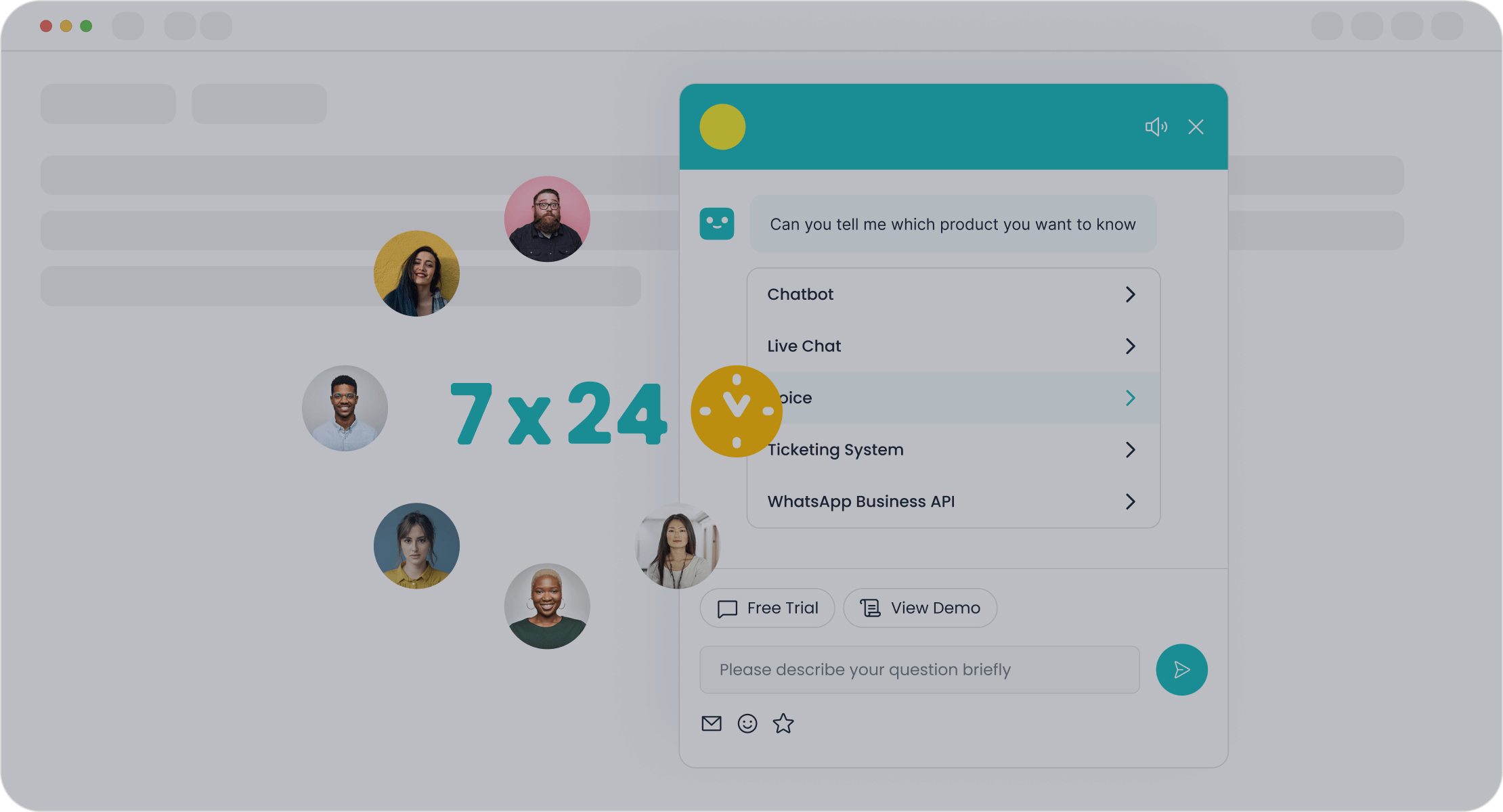
Automated tools play a pivotal role in modern customer service. Sobot’s Chatbot, for instance, uses natural language processing (NLP) to understand customer intent and provide accurate responses. It supports multiple languages and integrates seamlessly with various platforms, making it a versatile service desk solution. Similarly, Interactive Voice Response (IVR) systems automate call routing, ensuring customers reach the right department quickly. These smart features enhance customer satisfaction by minimizing wait times and improving service accuracy.
Benefits of Automation in Customer Experience
Reducing response times and operational costs.
Automation significantly reduces response times by instantly addressing customer queries. AI-powered chatbots, like those offered by Sobot, handle high volumes of inquiries without additional staffing. This reduces labor costs and ensures faster issue resolution. Predictive analytics further optimize operations by anticipating customer needs, enabling proactive customer support. Businesses also save on overtime costs by automating routine tasks, making automation a cost-effective solution.
Freeing up human agents for complex tasks.
By automating repetitive tasks, businesses allow human agents to focus on complex issues requiring emotional intelligence and creativity. Sobot’s Chatbot, for example, resolves up to 83% of routine inquiries, as seen in OPPO’s case study. This human-machine collaboration improves employee productivity and enhances customer satisfaction by ensuring personalized interactions for more intricate problems.
Real-World Applications of Automation
Use cases in call centers and customer support teams.
Call centers and customer support teams benefit immensely from intelligent customer service automation. AI-powered chatbots handle inquiries related to order tracking, account management, and troubleshooting. In industries like e-commerce and banking, automation reduces support ticket volumes by 30-40% and call center workloads by 50%, respectively. These smart service desk solutions ensure consistent communication across channels, reinforcing brand reliability.
Success stories like OPPO's implementation of Sobot's Chatbot.
OPPO, a global leader in smart devices, leveraged Sobot’s Chatbot to enhance its customer service. During peak shopping periods, the chatbot resolved 83% of inquiries, reducing agent workload and improving response times. This integration also boosted OPPO’s repurchase rate by 57%. By automating customer service, OPPO achieved faster response times and higher customer satisfaction, showcasing the transformative power of automation.
AI-Driven Insights: Smarter Decision-Making for Businesses
What Are AI-Driven Insights in Intelligent Services?
How AI analyzes customer data to generate actionable insights.
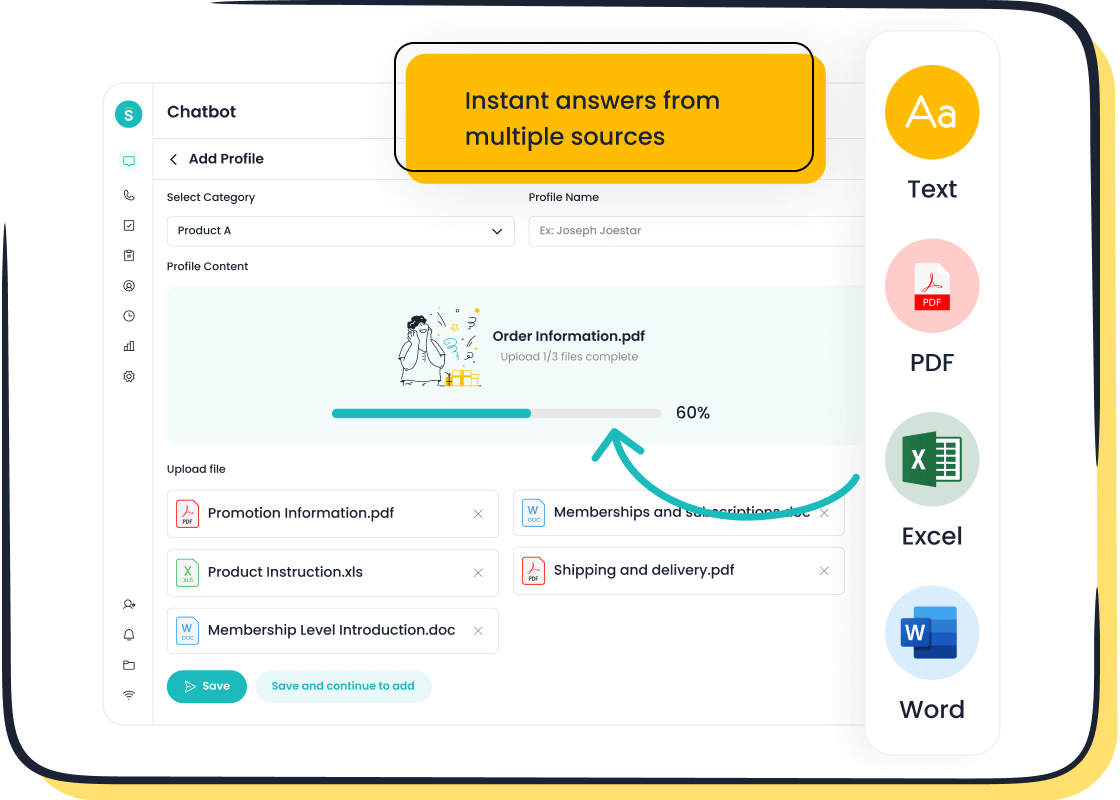
AI transforms raw customer data into actionable insights by identifying patterns and trends. Unlike traditional methods, AI uses advanced algorithms to detect these patterns with greater accuracy. It processes large datasets efficiently, adapting to new information with minimal human input. For example, AI can analyze customer purchase histories to predict future buying behavior. This capability allows you to anticipate customer needs and provide proactive solutions. Tools like Sobot’s AI-powered chatbot leverage these insights to deliver personalized customer experiences, improving satisfaction and loyalty.
Common AI tools used in intelligent service solutions.
AI tools play a crucial role in intelligent services. Solutions like Insight7 automate data transcription and analysis, enabling teams to focus on strategic tasks. Customer Relationship Management (CRM) tools, such as Salesforce Einstein, use AI to prioritize leads and predict customer behavior. Platforms like Google Analytics provide real-time tracking of user behavior, helping you optimize customer interactions. These tools enhance decision-making by offering precise, data-driven insights.
Benefits of AI in Enhancing Customer Experience
Improving service quality through predictive analytics.
Predictive analytics powered by AI enhances service quality by anticipating customer needs. For instance, AI can analyze order histories and preferences to identify potential issues before they arise. This proactive approach ensures smoother customer interactions. AI also evaluates agent performance objectively, offering real-time coaching to improve service delivery. By streamlining operations and ensuring consistent brand experiences, AI-driven insights elevate the overall quality of intelligent services.
Enhancing decision-making with real-time data.
Real-time data analysis empowers you to make informed decisions quickly. Dashboards provide immediate access to key metrics, helping you monitor performance and identify trends. This capability ensures that your team stays aligned and responsive. For example, AI can track customer sentiment in real time, enabling you to address concerns promptly. Sobot’s intelligent services utilize real-time analytics to optimize customer interactions, ensuring a seamless experience across all touchpoints.
Real-World Applications of AI
AI in customer sentiment analysis and feedback management.
AI excels in analyzing customer sentiment and managing feedback. Companies like T-Mobile use AI to extract insights from textual data, reducing complaints and improving satisfaction. Marriott International leverages AI to process reviews, identifying areas for improvement across its properties. These applications demonstrate how AI-driven insights enhance customer experiences by addressing pain points effectively.
Case studies of businesses leveraging Sobot's AI-driven tools.
Sobot’s AI-driven tools have transformed customer service for businesses like OPPO. By integrating Sobot’s chatbot, OPPO achieved an 83% resolution rate for routine inquiries. This allowed human agents to focus on complex issues, improving efficiency and satisfaction. Additionally, Sobot’s AI optimized OPPO’s knowledge base, reducing maintenance efforts by 90%. These results highlight the power of AI in intelligent services, enabling businesses to deliver exceptional customer experiences.
Customer Personalization: Elevating the Customer Experience
The Role of Personalization in Intelligent Service Solutions
Definition and importance of personalization in service solutions.
Personalization in intelligent services tailors customer interactions to meet individual needs and preferences. It transforms generic communication into meaningful experiences, making customers feel valued. This approach enhances customer satisfaction by addressing unique requirements, fostering trust, and building long-term loyalty. Personalized customer experiences are no longer optional—they are essential for businesses aiming to stand out in competitive markets.
Tools and technologies enabling personalized interactions.
Modern tools and technologies make personalization possible. AI-powered chatbots, like Sobot’s Chatbot, analyze customer data to deliver tailored responses. Predictive analytics anticipate customer needs, while omnichannel platforms ensure seamless interactions across multiple touchpoints. The table below highlights key trends shaping personalized customer interactions:
| Trend | Evidence |
|---|---|
| Real-Time Chatbots | By 2024, 85% of customer interactions will be handled by chatbots. |
| AI-Powered Chatbots | Walmart has reduced customer service calls by over 38% since implementing AI systems. |
| Predictive Analytics | Spotify uses predictive analytics to enhance user engagement with personalized playlists. |
| Customer Loyalty | 70% of consumers say a company’s understanding of their needs influences their loyalty. |
Benefits of Personalization for Customer Success
Building stronger customer relationships.
Personalization strengthens customer relationships by creating emotional connections. Tailored experiences resonate with individuals, improving satisfaction and loyalty. For example:
- Sending personalized messages or offers builds trust.
- Consistent positive interactions foster long-term relationships.
“Customer experience goes beyond the experience inside our stores, on the apps, or within our website. Customer experience is also about trust, loyalty, and building relationships in a more meaningful way.”
Increasing customer loyalty and satisfaction.
Personalized interactions lead to higher customer satisfaction and loyalty. They encourage repeat purchases and deepen brand engagement. Customers who feel understood are more likely to advocate for your brand, enhancing its reputation. Personalization also reduces churn by addressing individual needs, ensuring customers remain loyal over time.
Real-World Applications of Personalization
Examples of personalized customer journeys in e-commerce.
E-commerce platforms like Amazon excel at creating personalized customer journeys:
- Awareness: Customers discover Amazon through targeted ads and social media.
- Consideration: They evaluate products using reviews and Prime benefits.
- Action: Features like one-click purchasing simplify the buying process.
- Retention: Personalized recommendations and loyalty programs encourage repeat purchases.
- Advocacy: Satisfied customers leave reviews and share experiences online.

How Sobot's Chatbot enables tailored customer experiences.
Sobot’s Chatbot empowers businesses to deliver personalized customer experiences. It uses AI to analyze customer intent and provide relevant responses. For instance, it can recommend products based on browsing history or assist with order tracking in the customer’s preferred language. This level of personalization not only improves customer satisfaction but also boosts conversion rates by 20%. By integrating seamlessly with various platforms, Sobot’s Chatbot ensures consistent and meaningful interactions across all channels.
Scalability: Supporting Business Growth with Intelligent Services
What Is Scalability in Intelligent Service Solutions?
Definition and significance of scalability in customer service.
Scalability in intelligent services refers to the ability of systems to handle increasing workloads without compromising performance. It ensures that your customer service operations can grow alongside your business. As your customer base expands, scalable solutions allow you to maintain high-quality support without overburdening your resources. This adaptability is crucial for businesses experiencing rapid growth or seasonal demand spikes. Scalable intelligent services, like those offered by Sobot, help you meet customer expectations while optimizing operational efficiency.
Key technologies that enable scalable solutions.
Several technologies drive scalability in intelligent services:
- AHEAD enhances scalability by integrating modern applications and cloud infrastructures.
- Cohesity simplifies data management with scalable hardware solutions.
- CTG Federal streamlines multi-vendor integrations, reducing operational costs.
- Lenovo demonstrates scalability through effective customer and channel management.
- Silk integrates hardware support into software-centric models, offering comprehensive service capabilities.
These technologies ensure that your customer service systems remain flexible and efficient as your business grows.
Benefits of Scalability for Growing Businesses
Adapting to growing customer demands without compromising quality.
Scalability allows you to handle increasing customer demands seamlessly. For example, during peak shopping seasons, scalable solutions ensure that your support systems can manage higher volumes of inquiries without delays. This adaptability enhances customer satisfaction by reducing wait times and maintaining service quality. Scalable intelligent services also enable you to expand your operations into new markets without significant disruptions.
Cost-effectiveness in scaling operations.
Investing in scalable solutions leads to long-term cost savings. Efficient processes reduce the need for additional resources, lowering operational expenses. The table below highlights the specific benefits of scalability:
| Benefit | Description |
|---|---|
| Cost Savings | Initial investments in scalability lead to long-term cost savings by improving efficiency. |
| Revenue Boost | Scaling enables businesses to attract more customers and discover new revenue streams. |
| Improved Customer Experience | Efficient processes enhance customer relationships, reducing wait times and increasing loyalty. |
| Flexibility | Scalable businesses can quickly adapt to changing market demands and customer preferences. |
Real-World Applications of Scalable Solutions
Examples of scalable cloud-based customer service platforms.
Cloud-based platforms play a vital role in scalability. They allow you to adjust resources based on demand, ensuring efficient operations during both peak and slow periods. For instance, temporary storage and dynamic inventory management help businesses maintain optimal stock levels during high-demand seasons. These platforms also support seamless integration of new tools and technologies, enhancing operational flexibility.
How Sobot supports businesses during seasonal demand spikes.
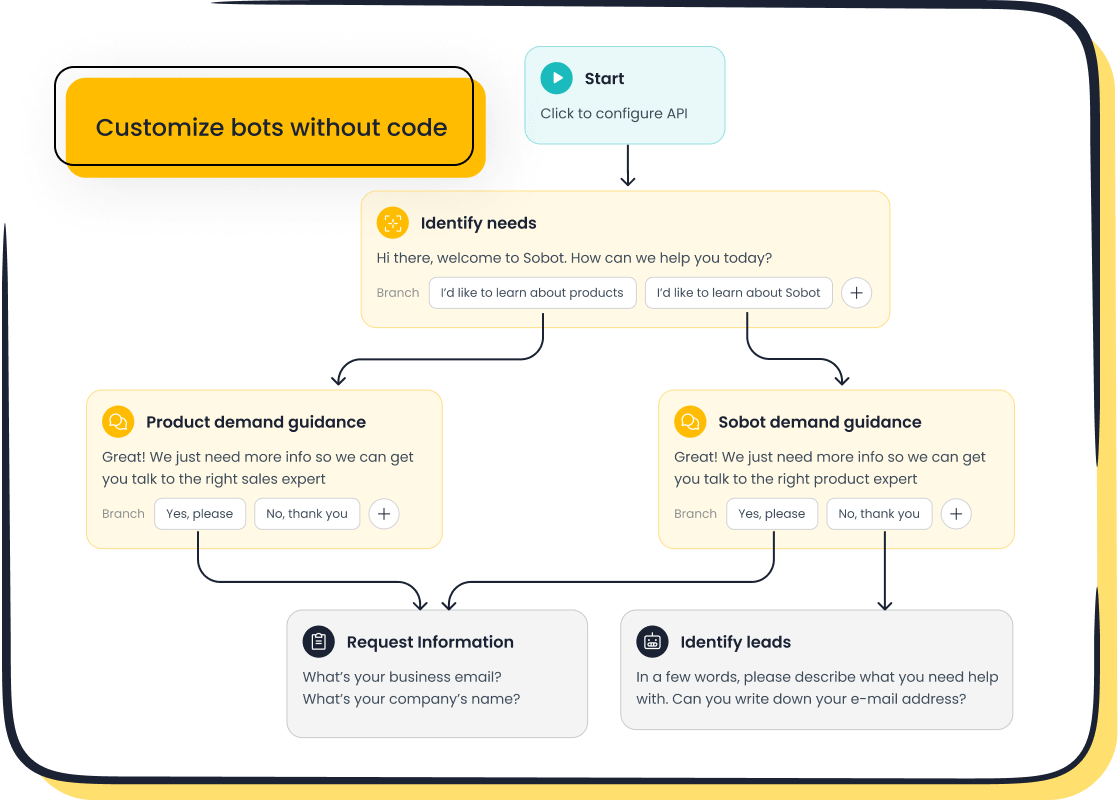
Sobot’s intelligent services excel in managing seasonal demand spikes. Its scalable solutions, such as the AI-powered chatbot, adjust resources dynamically to handle increased customer inquiries. This prevents overcommitment during slow periods and ensures readiness during peak times. For example, Sobot’s chatbot helped OPPO achieve an 83% resolution rate during shopping festivals, reducing agent workload and improving customer satisfaction. By leveraging Sobot’s scalable solutions, you can maintain high-quality support even during the busiest times.
Integration and Omnichannel Support: A Unified Customer Experience
The Importance of Integration in Intelligent Service Solutions
Definition and role of integration in seamless service delivery.
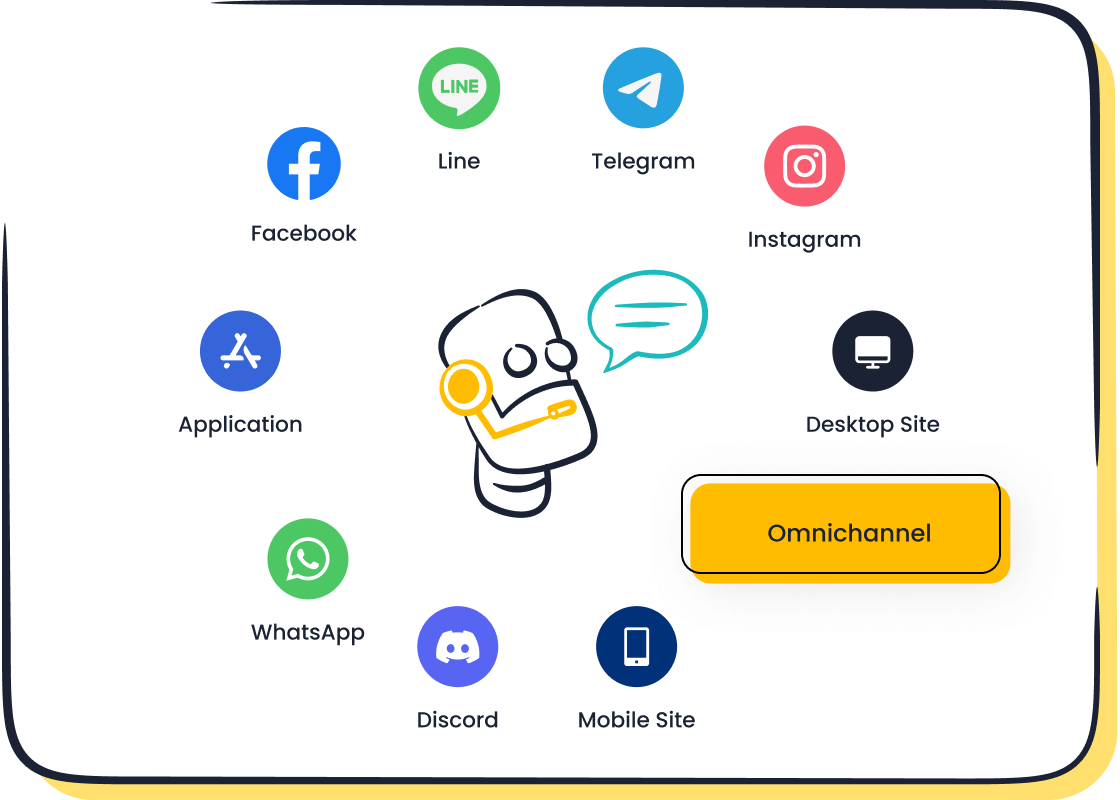
Integration in intelligent services connects various tools and platforms to create a unified system. This approach ensures seamless service delivery by eliminating data silos and enabling smooth communication between departments. For example, Sobot’s unified contact center solutions integrate voice, chat, and ticketing systems into one platform. This integration allows you to access customer data instantly, ensuring faster and more accurate responses. By streamlining operations, integration enhances both efficiency and the overall customer experience.
Importance of connecting multiple service channels.
Connecting multiple service channels is essential for delivering consistent and reliable support. Customers often switch between platforms like email, social media, and live chat. Without integration, these transitions can lead to fragmented experiences. Integrated systems ensure that all interactions are recorded and accessible, providing a cohesive journey for your customers. This approach reduces frustration and builds trust, as customers no longer need to repeat information across channels.
Benefits of Omnichannel Support for Customer Experience
Providing consistent experiences across platforms.
Omnichannel support ensures that your customers receive consistent experiences, regardless of the platform they use. Whether they contact you via WhatsApp, email, or phone, their journey remains seamless. For instance, Sobot’s omnichannel solutions unify all communication channels, enabling you to provide personalized and uninterrupted support. This consistency not only improves satisfaction but also strengthens your brand’s reputation.
Improving customer satisfaction with unified communication.
Unified communication systems enhance customer satisfaction by simplifying interactions. Customers no longer face the frustration of repeating their concerns to different agents. According to research, 33% of customers find repetition frustrating, which impacts their overall experience. Businesses with strong omnichannel support see retention rates increase to 89%. By adopting intelligent services like Sobot’s, you can ensure smooth communication and foster long-term loyalty.
Real-World Applications of Integration
Examples of omnichannel strategies in retail and tech industries.
Many businesses have successfully implemented omnichannel strategies to improve customer engagement. Lenskart combines offline stores with a 3D virtual trial room for online shoppers. Similarly, Pepperfry integrates augmented reality with its franchise stores, boosting conversion rates by 45%. In the tech industry, DSW uses infinite aisle technology, allowing customers to shop via mobile devices and digital displays. These examples highlight how omnichannel strategies enhance the customer experience and drive business growth.
Tools like Sobot's unified contact center solutions.
Sobot’s unified contact center solutions exemplify the power of integration. These tools consolidate customer interactions from various channels into a single platform. For example, Sobot’s AI-powered chatbot integrates seamlessly with WhatsApp, SMS, and live chat, ensuring consistent support. This system also provides real-time analytics, helping you monitor performance and improve service quality. By leveraging Sobot’s intelligent services, you can deliver exceptional experiences while optimizing your operations.
Intelligent service solutions redefine how you interact with your customers. Features like automation, AI-driven insights, personalization, scalability, and integration empower you to meet evolving demands. These tools help you deliver faster responses, improve efficiency, and create tailored experiences. Customers value solutions that are easy to use, compatible with existing systems, and backed by success stories. For example, Sobot’s unified contact center integrates seamlessly across channels, ensuring consistent and efficient support. By adopting intelligent service solutions, you can build trust, enhance satisfaction, and stay competitive in a customer-centric market.
FAQ
What are intelligent service solutions?
Intelligent service solutions use advanced technologies like AI and automation to improve customer interactions. These solutions streamline processes, reduce response times, and enhance satisfaction. For example, Sobot’s AI-powered chatbot provides 24/7 support, ensuring customers receive timely assistance without delays.
How do intelligent service solutions benefit your business?
They improve efficiency, reduce costs, and enhance customer satisfaction. For instance, automation tools handle repetitive tasks, allowing your team to focus on complex issues. Sobot’s solutions also integrate seamlessly across channels, ensuring consistent and high-quality customer experiences.
Can intelligent service solutions handle high customer volumes?
Yes, scalable solutions like Sobot’s chatbot manage high volumes efficiently. During peak periods, such as shopping festivals, these tools ensure smooth operations. For example, OPPO used Sobot’s chatbot to resolve 83% of inquiries, reducing agent workload and improving customer satisfaction.
Are intelligent service solutions customizable?
Yes, many solutions, including Sobot’s, offer customization options. You can tailor workflows, responses, and integrations to meet your specific customer needs. This flexibility ensures that your business delivers personalized and effective support.
How do intelligent service solutions improve customer loyalty?
By providing personalized and efficient support, these solutions build trust and satisfaction. For example, Sobot’s chatbot uses AI to analyze customer preferences, delivering tailored recommendations. This approach fosters loyalty and encourages repeat business.
See Also
Exploring AI Solutions for Enterprise Call Centers
Enhancing Efficiency with AI Customer Service Tools
A Comprehensive Guide to AI Call Center Software

