Intercom AI Review An In-Depth Look


Is Intercom AI a worthwhile investment for an ecommerce business? The Intercom AI chatbot provides powerful support automation for your customer needs. However, its effectiveness depends heavily on a strong knowledge base.
Our Verdict: Intercom AI is a top-tier AI tool for automating customer support. Its per-resolution pricing can create unpredictable costs. This makes Intercom a specialized AI solution.
This guide explores Intercom AI, its costs, and the best ai tools for customer support in ecommerce, including alternatives like Sobot, to help you decide.
What is the Intercom AI Chatbot?
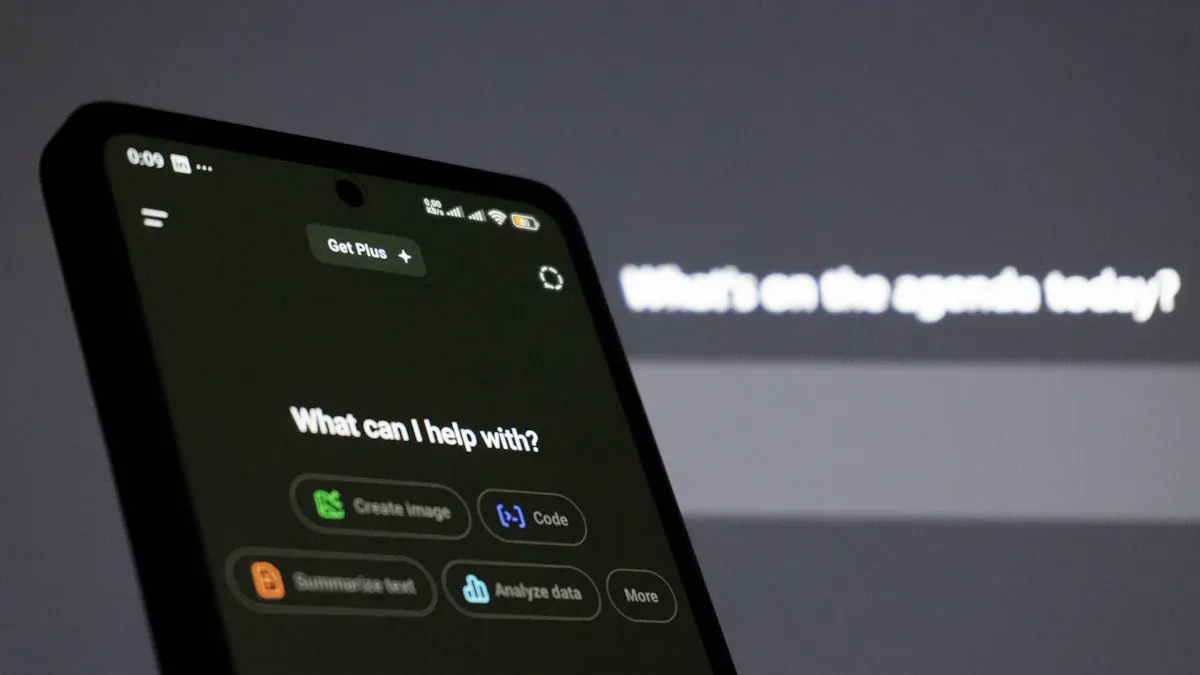
The Intercom AI chatbot is a sophisticated tool designed for support automation. It uses artificial intelligence to manage customer conversations. The platform’s advanced AI features are built around three core components: Fin, Copilot, and Workflows. These features work together to resolve issues and improve team efficiency. The Intercom AI chatbot is primarily a defensive tool. Its main goal is ticket deflection, protecting your support team from a high volume of repetitive questions.
Core Features: Fin, Copilot, and Workflows
Fin is the primary AI agent in the Intercom ecosystem. It operates autonomously to provide instant support to your customers. The Intercom AI chatbot, powered by Fin, is designed to handle a significant portion of your support load.
- Faster Resolutions: Fin can instantly resolve up to 50% of common support queries. It provides answers with source links, so the customer can trust the information.
- Natural Conversation: The AI understands complex questions and asks for clarification. This creates a better user experience than traditional chatbots.
- Seamless Handoff: When an issue is too complex, Fin smoothly transfers the conversation to a human agent with the full context.
While Fin handles customer-facing automation, Copilot is an AI assistant for your support team. It works inside the Intercom inbox to help agents work faster.
Copilot removes the heavy lifting of using slow systems and digging through documents. It gives new agents instant ramp time. The AI has access to all conversation history and satisfaction scores. It provides agents with not just the correct answer, but the best answer.
Finally, Workflows are the backbone of Intercom's automation. This feature allows you to build custom, no-code automated paths for both proactive and reactive support scenarios. These are the rules that guide the AI chatbots.
The Technology: How Intercom's LLM Works
The Intercom AI chatbot is powered by the company's own proprietary large language model (LLM). This is the same type of advanced AI technology that powers tools like ChatGPT. This technology allows the Intercom platform to understand context, intent, and nuance in customer conversations. Unlike older, rule-based chatbots that follow rigid scripts, Intercom’s AI can generate human-like responses. It pulls information from your knowledge base and conversation history to provide relevant, accurate support.
Intercom AI Performance: Strengths vs. Weaknesses
Intercom AI offers a robust feature set, but its performance is best understood by examining its strengths and limitations. The platform excels in specific areas while presenting challenges in others, making it crucial for businesses to evaluate these aspects against their needs.
Strengths: High Automation and Seamless Handoff
A primary strength of Intercom is its high potential for automation. The platform is designed for intelligent automation, aiming to resolve customer issues with minimal human intervention.
Intercom reports achieving an 81% automation rate internally with its AI agent, Fin. This demonstrates the power of its automation tools when fully optimized.
When the AI cannot resolve an issue, it provides a seamless handoff to a human agent. The system can be configured to collect essential customer information upfront. This ensures your support team receives the conversation with full context, streamlining the transition and improving response quality.
Strengths: Multi-Channel Support and AI Insights
Intercom consolidates customer conversations from numerous channels into one platform. This provides a unified view of interactions. Supported channels include:
- Intercom Messenger (Web & Mobile)
- Email and Phone (Fin Voice)
- Social Media (Facebook, Instagram)
- SMS
Beyond channel integration, Intercom provides powerful AI insights. The system analyzes conversations to identify gaps in your knowledge base, helping you improve self-service resources. It also moves beyond traditional surveys by using a "CX score" that analyzes sentiment and service quality for a more accurate measure of customer satisfaction.
Weaknesses: Knowledge Base Dependency
The effectiveness of the Intercom AI chatbot is directly tied to the quality of your knowledge base. The AI pulls answers from your help articles, so outdated or incomplete content will lead to poor performance. To achieve effective AI-powered support, businesses must invest time in creating and maintaining a comprehensive, AI-ready knowledge base. This often requires a significant upfront effort to audit and optimize existing documentation.
Weaknesses: Limits in Complex Sales Scenarios
While excellent for support, Intercom AI is less suited for complex, proactive sales consultations. Its primary goal is ticket deflection, not guiding a customer through a difficult purchase decision. The difference is clear when comparing its function to a dedicated sales AI.
| Feature | Intercom Fin (Support AI) | Product Consultation AI |
|---|---|---|
| Primary Goal | Ticket Deflection | Purchase Completion |
| Data Source | Help Articles (FAQs) | Product Data & Sales Playbooks |
| Interaction Style | Reactive (Q&A) | Proactive (Diagnostic) |
The Intercom AI chatbot is reactive and relies on static information. It is not designed to ask diagnostic questions or provide consultative advice, which is essential in high-touch sales scenarios.
The True Cost of Intercom's AI Pricing
Intercom's pricing structure combines a monthly subscription with a usage-based model for its AI features. This approach can be powerful, but it also introduces cost variables that businesses must understand. The true cost of Intercom extends beyond the subscription fee, centering on its pay-per-resolution model.
The '$0.99 Per Resolution' Model Explained
The core of Intercom's AI pricing is its $0.99 per resolution fee. This is a direct cost for each time the AI successfully resolves a customer inquiry without human help. This fee is charged in addition to your monthly subscription plan.
So, what does Intercom count as a "resolution"? A resolution is not just any answer. The platform charges you only when the AI achieves a specific outcome.
A billable resolution occurs when:
- The AI provides a final answer, and the customer confirms it was helpful (e.g., "Thanks, that worked!").
- The AI provides a final answer, and the customer leaves the chat without asking for more help. This is an "assumed resolution."
- The AI fully handles a task from start to finish, like processing a return.
Importantly, Intercom only applies one charge per conversation, even if the AI answers multiple questions within it. If a customer reopens a conversation after a resolution, the original charge is removed. This model ensures you pay for successful outcomes. However, businesses should also be aware of other variable costs, such as extra fees for using channels like WhatsApp or SMS, which are not included in the seat price.
Cost Scenario: Impact of Seasonal Spikes
The pay-per-resolution model creates cost uncertainty, especially for ecommerce businesses with seasonal demand. A sudden spike in customer questions can lead to a significant, unplanned expense.
Let's consider a practical cost scenario.
Ecommerce Store: Black Friday Spike
- Extra Queries: Your store receives 10,000 more support queries than usual during the Black Friday week.
- AI Resolution Rate: Your well-trained Intercom AI chatbot successfully resolves 80% of these queries.
- Calculation: 10,000 queries × 80% resolution rate = 8,000 resolutions.
- Additional AI Cost: 8,000 resolutions × $0.99/resolution = $7,920
This $7,920 is an additional cost on top of your regular Intercom subscription. This variability can be a challenge for businesses that need predictable budgets. To address this, Intercom offers options like "pre-committed resolution buckets." This allows you to buy a set number of resolutions in advance, often at a discount, providing more cost predictability.
Comparing Intercom Subscription Plans
Choosing the right subscription plan is essential for managing costs and accessing the right features. Intercom offers three main tiers: Essential, Advanced, and Expert. The availability of key automation and AI tools varies significantly between them. The Fin AI agent is included in all plans, but its full power is unlocked with the automation features in higher tiers.
The Essential plan provides basic support tools, while the Advanced and Expert plans add powerful automation, integration, and management capabilities. For example, Workflows, a critical feature for building custom AI paths, are only available on the Advanced plan and higher.
Here is a breakdown of key features across the plans:
| Feature | Essential | Advanced | Expert |
|---|---|---|---|
| Shared Inbox & Tickets | Included | Included | Included |
| Public Help Center | Included | Included | Included |
| Basic Chatbots | Included | Included | Included |
| Workflows (Advanced Automation) | Not included | Included | Included |
| Multiple Team Inboxes | Not included | Included | Included |
| Salesforce Integration | Not included | Included | Included |
| Multilingual Help Center | Not included | Included | Included |
| Custom Reports | Not included | Included | Included |
| Workload Management | Not included | Not included | Included |
| Service Level Agreements (SLAs) | Not included | Not included | Included |
| HIPAA Support | Not included | Not included | Included |
Ultimately, the right plan depends on your team's size and support complexity.
- Essential: Best for small teams needing a shared inbox and basic support.
- Advanced: Ideal for growing teams that need stronger automation and reporting to scale their customer support.
- Expert: Designed for large organizations requiring advanced security, multibrand support, and workload management.
Evaluating these plans against your business needs is a critical step before committing to the Intercom ecosystem.
Is Intercom Right for Your Ecommerce Business?
Deciding on Intercom requires a clear understanding of your business goals. The platform is a powerful asset in the right context but may not fit every need. Its strengths in support automation are balanced by its pricing model and sales limitations.
Ideal for: Scaling Ecommerce Customer Support
Intercom is an excellent choice for established e-commerce businesses looking to scale their customer support. The platform's AI is built to handle high volumes of inquiries, which is critical for growing companies. This automation frees up human agents to focus on complex customer issues.
For example, Lightspeed Commerce uses Intercom's Fin AI Agent in 99% of its support conversations. The AI autonomously resolves up to 65% of them. This shows how effective Intercom can be for large-scale support.
Companies like TrueCommerce also use Intercom to provide an all-in-one support solution for their extensive customer base. The Intercom AI chatbot excels at providing fast, accurate answers, improving the overall customer experience and team efficiency. If your primary goal is ticket deflection and efficient support, Intercom is a top contender.
Less Ideal for: Proactive Sales Consultation
Intercom is less suitable for businesses that rely on proactive, consultative sales conversations. The AI is designed for reactive support, answering questions based on your knowledge base. It does not excel at guiding a customer through a complex purchase with diagnostic questions. A dedicated sales AI would be more effective for that purpose. Intercom's focus remains firmly on resolving support tickets, not generating new leads through consultation.
Less Ideal for: Businesses with Unpredictable Budgets
The pay-per-resolution pricing model makes Intercom a challenging choice for businesses needing strict, predictable budgets. Seasonal spikes in traffic can lead to unexpectedly high costs. While buying resolution packs can help, the variable nature of the expense remains a core consideration. If your business cannot absorb fluctuating monthly costs for its support tools, you may need a solution with a more fixed pricing structure. This makes Intercom a better fit for companies with the financial flexibility to invest in performance-based AI.
Best AI Tools for Customer Support in Ecommerce

While the Intercom AI chatbot is a strong platform, it is not the only option. The market for the best AI tools for customer support in ecommerce is diverse. Different solutions cater to different needs, from advanced enterprise support to proactive sales engagement. Exploring alternatives is key to finding the perfect fit for your business goals and budget. This analysis covers some of the best AI tools for customer support in ecommerce.
For Advanced Support: Zendesk AI
Zendesk is a major player in the customer service space, and its AI offering is a direct competitor to Intercom. It is designed for businesses that need advanced, enterprise-level support capabilities. Zendesk AI integrates deeply into its customer service platform to enhance agent productivity and automate workflows.
Key features that make Zendesk a powerful tool for advanced support include:
- Intelligent Triage: The AI automatically categorizes and prioritizes incoming tickets based on customer intent, sentiment, and language. This ensures urgent issues are routed correctly and quickly.
- Generative Responses: Zendesk AI can generate detailed answers from your help center content, providing instant autoreplies to common questions.
- Agent Assistance: The AI acts as a copilot for human agents. It suggests relevant macros, summarizes long ticket conversations, and provides real-time assistance to help agents respond faster and more accurately.
- Advanced Analytics: Zendesk provides comprehensive reporting to monitor AI performance, track deflection rates, and measure agent productivity.
However, Zendesk’s pricing model differs significantly from Intercom. While Intercom uses a pay-per-resolution model, Zendesk structures its AI features as add-ons to its subscription plans.
| Feature | Zendesk AI Pricing Model | Intercom AI Pricing Model (Fin) |
|---|---|---|
| Core Model | Add-ons to per-agent subscription | Resolution-based pricing |
| Cost Structure | Increases total cost of base plans | Variable, based on conversations Fin resolves |
| Predictability | Less predictable due to add-ons | Can be unpredictable as usage scales |
| Competitiveness | Can become expensive with advanced AI add-ons | Competitive at lower volumes |
Zendesk promotes its model as offering "predictable AI pricing," but costs can escalate as you add more advanced AI capabilities. This makes it a powerful but potentially expensive option for teams needing sophisticated automation tools and deep analytics. It is one of the best AI tools for customer support in ecommerce for large, established teams.
For Sales and Ecommerce: HubSpot AI / Tidio
Some businesses need an AI that does more than just support. They need a tool focused on proactive engagement and sales. In this area, platforms like HubSpot AI and Tidio offer compelling alternatives to Intercom.
HubSpot AI is built for sales-driven organizations. Its artificial intelligence features are designed to identify leads and automate outreach, turning the AI into a proactive sales assistant rather than a defensive support agent.
HubSpot's AI-powered sales features include:
- Prospecting Agent: This AI assistant monitors prospects for buying signals across all your data. It can automate personalized outreach when it detects real-time intent.
- Predictive Lead Scoring: The system uses machine learning to analyze customer data and predict which leads are most likely to convert, helping your sales team prioritize their efforts.
- Smarter Sales Meetings: AI automates note-taking, transcribes calls, and detects deal risks from conversations. It then creates summaries and follow-up tasks directly in the CRM.
For ecommerce businesses looking for a more accessible and cost-effective tool for proactive engagement, Tidio is an excellent choice. Its AI chatbot, Lyro, is designed for small to mid-sized businesses. It offers a simple setup and predictable pricing, including a free tier to test its capabilities. Tidio focuses on a conversational-first approach, enabling proactive engagement to turn visitors into customers.
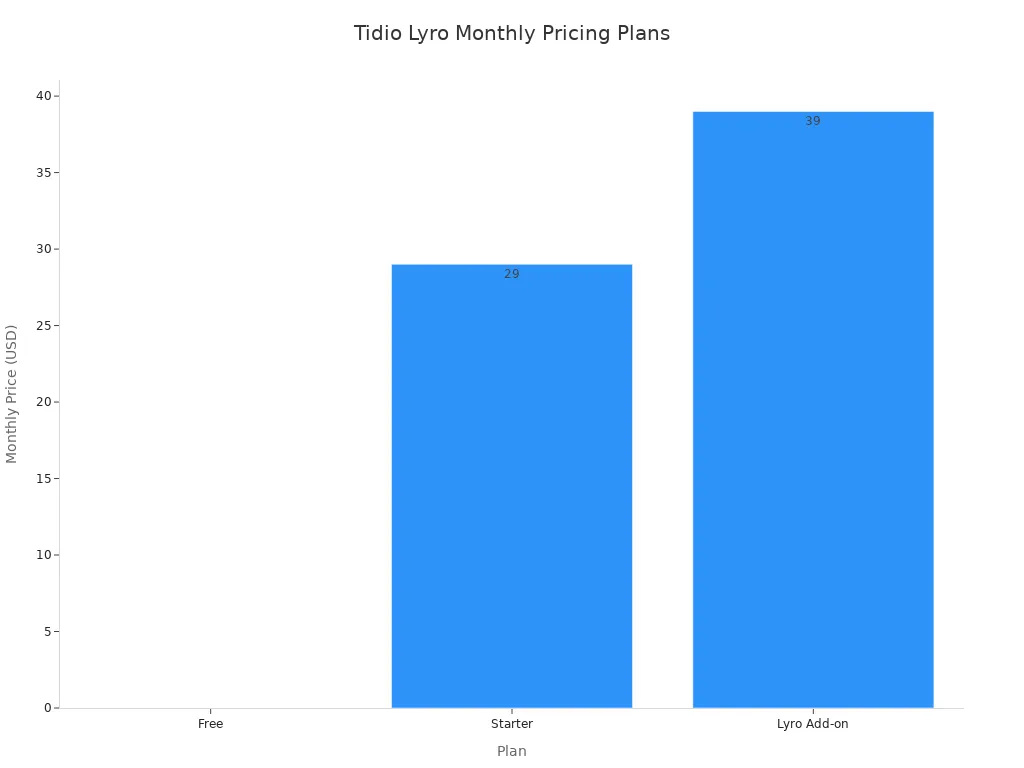
Unlike Intercom's $0.99 per-resolution fee, Tidio integrates its AI into subscription plans, offering more predictable costs. This makes it one of the best AI tools for customer support in ecommerce for growing businesses that need both support automation and proactive engagement without the risk of variable pricing.
For Cost-Effectiveness: Sobot Chatbot
For businesses seeking a powerful, all-in-one solution that balances advanced features with predictable costs, Sobot emerges as a top contender. It is designed as a comprehensive customer contact center, integrating AI chatbots, live chat, a ticketing system, and even a voice call center into a single platform. This unified approach makes it one of the best AI tools for customer support in ecommerce.
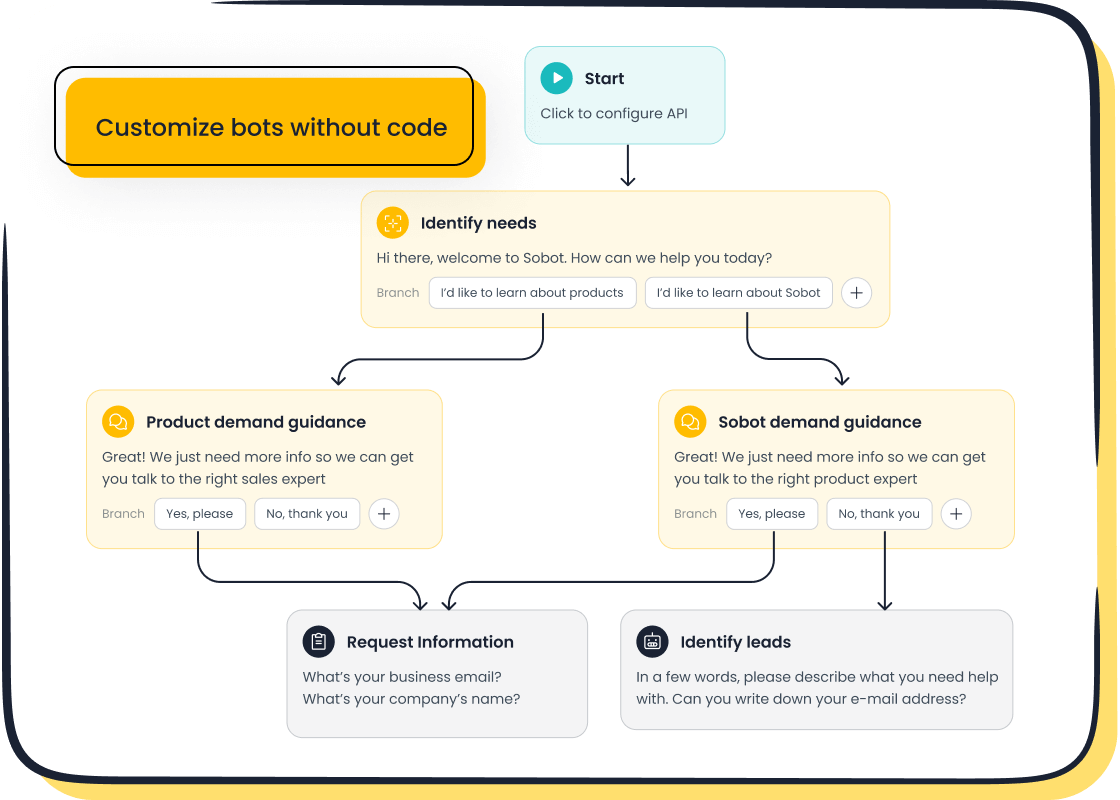
Sobot delivers significant value by focusing on efficiency and results. The platform is engineered to:
- Improve productivity by 70% by allowing its AI to handle routine queries autonomously.
- Save up to 50% on agent costs with 24/7 automated support.
- Boost conversions by 20% through smart self-service and proactive engagement features.
A key advantage of Sobot is its accessibility. It features a no-code, point-and-click interface that allows businesses to design and deploy complex automation workflows without needing a team of developers. This empowers teams to build the customer experience they want, quickly and easily.
The real-world impact of Sobot is clear from its customer success stories. For example, global tech leader OPPO partnered with Sobot to manage high volumes of customer inquiries. The results were remarkable:
- OPPO achieved an 83% chatbot resolution rate.
- The company saw a 57% increase in its repurchase rate after implementing Sobot's solutions for support and proactive engagement.
This success highlights Sobot's ability to improve both customer satisfaction and business outcomes. Unlike Intercom, which focuses heavily on reactive support, Sobot provides robust tools for proactive engagement and customer communication. Its pricing model also offers stability, moving away from the unpredictable per-resolution fees that can challenge budget planning. By providing a fixed-cost structure, Sobot gives businesses the confidence to scale their support and engagement efforts without fearing surprise bills. This makes it one of the best AI tools for customer support in ecommerce for companies that value both performance and predictability.
Intercom AI is a top-tier tool for customer support automation. The Intercom AI delivers faster responses and boosts agent efficiency. However, the Intercom platform's value depends on your budget and existing content. This powerful AI requires a strong knowledge base for effective support. Before choosing Intercom, consider these key questions for your customer support strategy and AI adoption:
- Is your primary goal support automation or sales generation?
- Can your budget accommodate variable, usage-based pricing for Intercom AI?
- Is your help center comprehensive enough to power a sophisticated AI?
FAQ
What is the main purpose of Intercom?
The Intercom platform excels at customer support automation. The main goal of Intercom is to resolve common support questions using AI. This frees up your human team for more complex issues. Intercom provides a powerful tool for scaling support operations.
How does Intercom pricing work?
Intercom uses a hybrid model. You pay a monthly subscription plus a fee for each successful AI resolution. This makes the total cost of Intercom variable. It is important for businesses to budget for these potential fluctuations in their support costs.
Is Intercom a good tool for sales?
Intercom is primarily designed for reactive customer support, not proactive sales. While Intercom can handle basic sales queries, it is less effective for complex consultations. Its strength lies in ticket deflection and support efficiency, making other tools better for a dedicated sales focus.
What is required for Intercom to work well?
The effectiveness of Intercom depends heavily on a high-quality knowledge base. The AI uses your help articles to provide answers. A comprehensive and up-to-date content library is essential for the Intercom AI to deliver accurate and helpful support to your customers.
See Also
Evaluating Advanced AI Solutions for Modern Enterprise Call Centers
Comparing Leading Interactive Voice Response Software for Enhanced Customer Experience
A 2024 Review of Leading Automated Voice Calling Software Platforms
Comparing Premier Voice of Customer Software to Understand Customer Needs
An Essential Guide to Artificial Intelligence Software in Call Centers