How Intention Recognition Powers AI and Robotics

Intention recognition transforms how AI and robotics interact with humans. By analyzing actions and predicting intentions, these systems create seamless and adaptive experiences. For example, CNN algorithms process visual data from cameras to predict human motions in real time, improving collaboration between humans and robots. In manufacturing, wearable technology paired with advanced algorithms enhances safety and productivity. Sobot’s AI Chatbot leverages intention recognition to personalize interactions, offering efficient and tailored customer service. These advancements highlight the critical role of intention recognition in bridging the gap between human behavior and intelligent systems.
What is Intention Recognition in AI and Robotics?
Definition and Importance
Understanding intention recognition and its role in AI
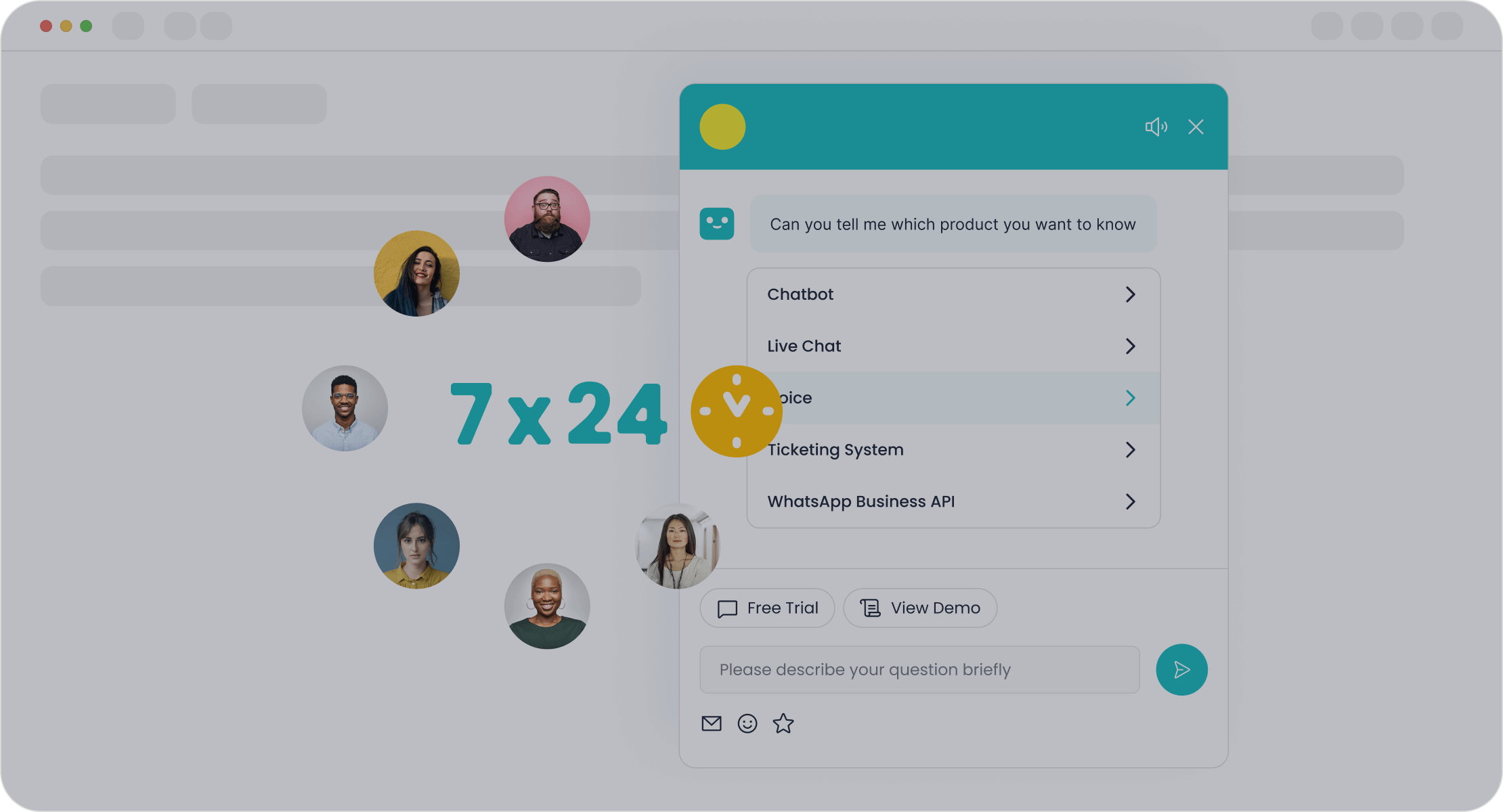
Intention recognition is a specialized field within AI and natural language processing (NLP). It focuses on identifying the purpose or goal behind a user’s input, whether it’s text, speech, or actions. By analyzing this input, AI systems can predict what you want and respond accordingly. For instance, Sobot’s AI Chatbot uses intention recognition to understand customer queries and provide accurate, personalized responses. This capability enables AI to engage in meaningful conversations, making interactions more human-like.
In research, convolutional neural networks (CNNs) play a significant role in intention recognition. These algorithms process visual data, such as images from RGB cameras, to detect patterns that indicate specific actions. Their ability to extract features from images makes them ideal for interpreting complex human behaviors. This technology is widely applied in fields like robotics, healthcare, and customer service, where understanding human intentions is crucial for effective interaction.
Why intention recognition is critical for human-robot interaction
Intention recognition is essential for improving human-robot interaction (HRI). It allows robots to understand your intentions, creating smoother and more natural interactions. For example:
- Robots can predict your next move, ensuring safety in shared spaces.
- Multimodal approaches, like combining speech and motion data, enhance robots’ ability to recognize intentions.
- Robots can adapt to your needs in real-time, fostering trust and collaboration.
These capabilities are vital in environments like manufacturing, where robots work alongside humans. By understanding interaction intention, robots can respond appropriately, reducing risks and improving efficiency.
Key Concepts in Inferring Human Intentions
The science behind predicting human actions
Inferring human intentions involves several advanced techniques. NLP helps AI systems interpret text-based inputs, while sentiment analysis gauges the emotional tone behind your words. Entity recognition identifies key elements in your queries, and contextual understanding uses past interactions to predict future needs. Data-driven insights further personalize interactions by analyzing patterns in user behavior.
However, challenges like aligning data and accommodating human intuition remain. Despite these hurdles, intention recognition continues to evolve, enabling AI systems to predict actions with greater accuracy. This progress enhances the quality of HRI and other AI-driven applications.
How intention recognition enhances interaction quality
Intention recognition improves interaction quality by making AI systems more responsive and intuitive. For example, Sobot’s AI Chatbot uses this technology to resolve customer queries efficiently, boosting satisfaction rates. In robotics, intention-aware systems adapt to your behavior, creating seamless collaboration. These advancements bridge the gap between human behavior and AI, transforming how you interact with intelligent systems.
Techniques for Intention Recognition
Machine Learning Approaches
Supervised and unsupervised learning for intention prediction
Machine learning approaches play a pivotal role in intention recognition. Supervised learning uses labeled datasets to train algorithms, enabling them to predict user intentions accurately. For example, Support Vector Machines (SVM) and Neural Networks excel in classifying and predicting patterns in user behavior. Unsupervised learning, on the other hand, identifies hidden patterns in unlabeled data. Algorithms like Hidden Markov Models (HMM) and clustering techniques help uncover user intentions without predefined labels. These methods are essential for applications where labeled data is scarce, such as analyzing customer interactions in real-time.
Reinforcement learning for adaptive systems
Reinforcement learning enhances adaptive systems by enabling sequential decision-making. This approach allows AI to learn from its environment and improve over time. For instance, reinforcement learning strengthens multi-step logical reasoning, helping AI systems adapt to dynamic scenarios. In customer service, this technique enables chatbots like Sobot’s AI Chatbot to refine responses based on user feedback, ensuring more accurate and personalized interactions.
Natural Language Processing (NLP)
Using NLP to interpret customer queries in Sobot's Chatbot
Natural Language Processing (NLP) is a cornerstone of intention recognition in customer service. It enables AI to understand and process human language effectively. Sobot’s AI Chatbot uses NLP to interpret customer queries, extracting key information and identifying user intent. This capability allows the chatbot to provide accurate and context-aware responses, enhancing the overall interaction experience. By leveraging NLP, businesses can automate routine tasks and focus on more complex customer needs.
Sentiment analysis for understanding user emotions
Sentiment analysis identifies emotions behind text, such as reviews or social media posts. It helps AI systems understand the intent behind user sentiments, offering insights into customer opinions and preferences. For example:
- It detects whether a customer is satisfied or frustrated.
- It enables businesses to tailor responses based on emotional cues.
This analysis improves the quality of interactions by making AI systems more empathetic and responsive.
Multimodal and Hybrid Models
Combining vision, speech, and motion data for robust recognition
Multimodal models combine data from various sources, such as vision, speech, and motion, to enhance recognition accuracy. CNNs process visual data from RGB cameras to identify patterns in human actions. Sensors like sEMG and RGB cameras recognize hand gestures, enabling robots to interpret commands or collaboration signals. Facial gesture recognition further helps robots understand emotions like frustration, improving interaction quality. These models create robust systems capable of adapting to diverse scenarios.
Leveraging multimodal data in customer service scenarios
In customer service, multimodal data integration enhances intention recognition. For instance, combining speech and motion data allows AI systems to interpret user needs more effectively. Sobot’s AI Chatbot could leverage such models to analyze voice tone and text simultaneously, ensuring accurate intent prediction. This approach improves customer satisfaction by delivering tailored and efficient solutions.
Applications of Intention Recognition in AI and Robotics
Customer Service and Support
Sobot's Chatbot in understanding and responding to customer needs
Intention recognition plays a pivotal role in customer service, enabling systems like Sobot's AI Chatbot to deliver exceptional support. By analyzing user input, the chatbot identifies customer intentions and provides accurate responses. For instance, it can predict whether a customer seeks product information or needs help with an issue. This capability ensures faster resolutions and enhances user satisfaction.
Sobot's Chatbot also automates routine queries, freeing human agents to focus on complex problems. This optimization improves efficiency and reduces operational costs. Additionally, the chatbot's multilingual support ensures seamless interaction with a global audience, making it a versatile tool for businesses.
Enhancing customer satisfaction through intent-driven interactions
AI systems equipped with intention recognition improve customer satisfaction by personalizing interactions. They prioritize urgent requests, route them to the right team, and provide timely responses. For example, Sobot's Chatbot uses intent recognition to offer tailored recommendations, ensuring customers feel valued. This approach not only builds trust but also strengthens loyalty.
| Application | Description |
|---|---|
| Proactive Issue Resolution | Predicts customer needs, allowing for faster responses and increased satisfaction. |
| Personalized Customer Experience | Tailors responses to individual customer needs, enhancing engagement and satisfaction. |
| Optimized Resource Allocation | Automates routine queries, freeing agents for complex issues, improving efficiency. |
| Actionable Insights for Improvement | Provides data for continuous service enhancement, identifying trends and refining processes. |
Human-Robot Interaction
Robots adapting to human actions in real-time
In human-robot interaction (HRI), intention recognition enables robots to adapt to human actions instantly. For example, robots in manufacturing can predict your next move, ensuring safety and efficiency. By synchronizing their actions with human intentions, robots enhance collaboration in shared workspaces. This capability reduces risks and fosters seamless teamwork.
Building trust and improving collaboration in shared workspaces
Trust is essential for effective human-robot collaboration. Intention-based systems improve communication by helping robots understand when you need assistance or prefer autonomy. This understanding builds trust, making robots reliable partners in shared environments. Research highlights that trust significantly influences the acceptance of AI technologies, especially in workplaces.
Healthcare and Assistive Technologies
Monitoring patient behavior and needs
In healthcare, intention recognition enhances patient care by predicting needs and automating tasks. For instance, AI systems can monitor patient behavior to detect signs of discomfort or distress. Chatbots equipped with this technology assist in scheduling appointments and answering medical inquiries, improving support quality.
Supporting elderly care with intention-aware robots
Intention-aware robots play a crucial role in elderly care. They use facial gesture recognition to interpret emotions and respond accordingly. These robots also assist with mobility by predicting motion intentions, helping individuals with physical challenges. This application improves autonomy and quality of life for elderly users.
Manufacturing and Automation
Predicting worker intentions to improve safety
In manufacturing, predicting worker intentions plays a vital role in ensuring safety. Collaborative robots, often referred to as cobots, share workspaces with humans. These robots rely on advanced AI methods, such as Hidden Markov Models (HMM) and Convolutional Neural Networks (CNN), to predict human movements. By doing so, they reduce collision risks and create safer environments. For example, a robot equipped with motion sensors can detect when you move into its path and adjust its actions to avoid accidents.
Wearable sensors further enhance safety by monitoring physiological data like heart rate and stress levels. These devices detect signs of fatigue or stress, which can lead to accidents. When paired with AI systems, they provide real-time alerts, allowing you to take preventive measures. This integration of technology not only protects workers but also fosters a culture of safety in manufacturing environments.
Enhancing efficiency in assembly lines
Intention recognition also improves efficiency in assembly lines. Robots equipped with AI can analyze your actions and predict your next steps. This capability allows them to synchronize their tasks with yours, minimizing delays and maximizing productivity. For instance, if you are assembling a product, the robot can prepare the next component based on your movements.
Wearable technology contributes to efficiency by tracking worker performance. It identifies patterns that may indicate stress or inefficiency, enabling managers to optimize workflows. Additionally, satisfied and committed employees are less likely to leave their jobs, which improves overall productivity. By understanding these factors, companies can create better working conditions and retain skilled workers.
The combination of AI, robots, and wearable sensors transforms manufacturing processes. It ensures safety, enhances efficiency, and creates a more productive work environment. These advancements demonstrate how intention recognition bridges the gap between human actions and intelligent systems.
Challenges and Considerations in Intention Recognition
Data Quality and Alignment
Ensuring diverse and unbiased datasets
To achieve high performance in intention recognition, you need diverse and unbiased datasets. Collecting representative training data ensures the system understands various user inputs, including different phrasings and common misspellings. Balancing the data across all intents prevents the AI from favoring specific categories, improving overall accuracy. Techniques like paraphrasing and synonym replacement expand the dataset, enabling the system to handle diverse inputs effectively. For example, Sobot’s AI Chatbot uses multilingual datasets to interact seamlessly with global users, ensuring inclusivity and precision.
Addressing challenges in data collection for customer interactions
Data collection for customer interactions presents unique challenges. Ambiguity in user queries can lead to misinterpretation of intent. Variability in language requires models to train on diverse datasets to capture different expressions. Contextual understanding is crucial, as the meaning of phrases often depends on prior interactions. Additionally, handling out-of-scope queries and complex intents demands robust algorithms. Real-time processing is essential to maintain a smooth user experience, especially in systems like Sobot’s Chatbot, which operates 24/7 to provide instant support.
Balancing Accuracy and User Intuition
Avoiding overcomplication in system design
Overcomplicating system design can hinder user interaction. You should focus on defining clear and distinct intents to reduce confusion. Regularly updating the model with new data ensures it adapts to evolving user behavior. Incorporating fallback options, such as clarifying questions, helps maintain smooth interactions when the system encounters uncertainty. For instance, Sobot’s Chatbot employs user-centric design principles to deliver accurate responses while remaining intuitive and easy to use.
Ensuring systems like Sobot's Chatbot remain user-friendly
Maintaining user-friendliness while achieving high accuracy requires a balanced approach. Using pre-trained language models like GPT enhances intent recognition without overwhelming the user. Feedback loops refine the system based on real-world interactions, improving performance over time. Sobot’s Chatbot exemplifies this balance by combining advanced algorithms with a simple interface, ensuring efficient and satisfying customer experiences.
Ethical and Privacy Concerns
Protecting user data in customer service applications
Protecting user data is critical in customer service applications. Systems must comply with data protection regulations like GDPR to safeguard sensitive information. Encryption and anonymization techniques ensure data security during processing. Sobot prioritizes user privacy by implementing robust security measures, making its AI solutions reliable and trustworthy.
Maintaining transparency in intention recognition systems
Transparency fosters trust in intention recognition systems. You should ensure users understand how their data is used and how the system predicts future intentions. Providing clear explanations of AI decisions builds confidence and encourages adoption. For example, Sobot’s Chatbot maintains transparency by offering insights into its decision-making process, enhancing user trust and satisfaction.
The Future of Intention Recognition in AI and Robotics
Emerging Trends and Innovations
Advances in deep learning for intention prediction
Deep learning continues to revolutionize intention recognition by enhancing the ability of AI systems to process complex data. Convolutional Neural Networks (CNNs) are at the forefront of this innovation. They excel at analyzing visual input, such as images from RGB cameras, to identify patterns in human actions. For example, CNNs can predict hand gestures by processing data from surface electromyography (sEMG) sensors, enabling robots to interpret commands with precision. Hidden Markov Models (HMM) also play a critical role in activity recognition by modeling sequences of observed data. These advancements make AI systems more adaptive and capable of understanding human intentions in real time.
Emerging research focuses on less explored areas like facial gestures and interaction patterns. These studies aim to improve human-robot interaction by enabling robots to recognize subtle emotional cues. As deep learning evolves, you can expect AI systems to become even more intuitive, fostering seamless collaboration across industries.
Integration with IoT and smart environments
The integration of intention recognition with the Internet of Things (IoT) is transforming smart environments. AI systems now connect with IoT devices to predict and respond to your needs. For instance, a smart home equipped with intention-aware sensors can adjust lighting and temperature based on your preferences. In industrial settings, robots use IoT data to synchronize tasks with human workers, enhancing efficiency and safety.
This synergy between AI and IoT creates environments that adapt to your behavior. By combining data from multiple sources, such as motion sensors and voice commands, these systems deliver personalized experiences. The future of intention recognition lies in its ability to make smart environments more responsive and user-centric.
Transformative Potential
Revolutionizing customer service with smarter systems like Sobot
Intention recognition is redefining customer service by making AI systems smarter and more efficient. Sobot’s AI Chatbot exemplifies this transformation. It predicts customer needs, enabling proactive issue resolution and reducing frustration. By tailoring responses to individual queries, it enhances engagement and builds trust.
This technology also optimizes resource allocation by automating routine tasks. Human agents can then focus on complex issues, improving overall service quality. Additionally, intention-aware systems provide actionable insights for continuous improvement. They analyze trends in customer interactions, helping businesses refine their strategies. These capabilities make intention recognition a cornerstone of modern customer service.
Enabling more natural and intuitive human-robot interactions
Intention recognition is key to creating natural and intuitive human-robot interaction. Robots equipped with this technology can adapt to your actions in real time. For example, in shared workspaces, robots predict your next move to ensure safety and efficiency. This ability fosters trust and collaboration, making robots reliable partners.
Facial gesture recognition further enhances interaction quality. Robots interpret emotions like frustration or satisfaction, allowing them to respond appropriately. These advancements bridge the gap between human behavior and AI systems, paving the way for more seamless and meaningful interactions.
Intention recognition stands as a cornerstone in modern AI and robotics, bridging the gap between human behavior and intelligent systems. It empowers AI to predict your needs and respond with precision, enhancing interaction quality across industries. For example, Sobot’s AI Chatbot uses this technology to deliver personalized customer service, improving satisfaction and efficiency.
The future of intention recognition holds immense promise. Researchers are exploring facial gestures and tactile perception to improve safety during robot interactions. Advanced algorithms and wearable technology are also paving the way for better collaboration in manufacturing. These innovations will transform industries, enabling seamless interaction and fostering trust between humans and robots.
As AI continues to evolve, intention recognition will redefine how you engage with intelligent systems, making interactions more intuitive and impactful.
FAQ
What is intention recognition, and why is it important?
Intention recognition is the process of identifying a user’s goal or purpose based on their input, such as text, speech, or actions. It helps AI systems like Sobot’s Chatbot provide accurate and personalized responses, improving customer service and making interactions more intuitive.
How does Sobot’s AI Chatbot use intention recognition?
Sobot’s AI Chatbot analyzes customer queries to predict their intent. For example, it identifies whether a user seeks product information or needs technical support. This allows the chatbot to deliver precise answers, automate routine tasks, and enhance customer satisfaction by resolving issues faster.
Can intention recognition improve human-robot collaboration?
Yes, intention recognition enables robots to predict your actions and adapt in real time. For instance, in manufacturing, robots equipped with this technology can synchronize tasks with workers, ensuring safety and efficiency. This fosters trust and seamless teamwork in shared environments.
How does intention recognition enhance customer service?
Intention recognition personalizes customer interactions by understanding user needs. Sobot’s Chatbot uses this technology to prioritize urgent requests, provide tailored recommendations, and automate repetitive queries. These capabilities improve response times, reduce costs, and boost customer satisfaction.
What industries benefit most from intention recognition?
Industries like customer service, healthcare, manufacturing, and retail benefit significantly. For example, Sobot’s Chatbot helps businesses automate support, while healthcare robots monitor patient needs. In manufacturing, intention-aware systems improve safety and productivity by predicting worker actions.
💡 Tip: Learn more about Sobot’s AI Chatbot and its features here.
See Also
Comprehensive Overview of AI Software for Call Centers
Best Ten AI Solutions for Enterprise Contact Centers
Evaluating AI Solutions for Enterprise Call Centers